Blues rock thrives on raw power, created by combining the authentic intensity of the blues with the electrically amplified passion of rock and roll. Over the decades, from the genesis of blues rock in the early 1960s to the present, there have been albums that deliver something essential that keeps calling you back for another spin. The following 10 albums range from the pioneering work of blues rock titans to the contemporary blues rock acts of today.
Jeff Beck – Truth
Jeff Beck’s landmark debut album as a solo artist, Truth, was released in July 1968. Beck was constantly pushing the boundaries of the electric guitar, reinterpreting blues songs like “You Shook Me” and “I Ain’t Superstitious” by Willie Dixon. The album featured a formidable lineup, with the recently discovered Rod Stewart providing his raspy, impassioned vocals, future Rolling Stones guitarist Ron Wood playing bass, and Micky Waller on drums. The album contains 10 cuts, made up of three original compositions and seven covers, including the album’s opening song, “Shapes of Things,” by the Yardbirds, a band Beck had previously been a member of.
The Black Keys – Brothers
Brothers is the sixth studio album by the Black Keys and was released in 2010. It was recorded at the legendary Muscle Shoals Sound Studio in Alabama, where a deliberate minimalist approach was used during the recording process. Songs like “Everlasting Light,” “Next Girl,” “Tighten Up,” and “Howlin’ for You” blend gritty guitar riffs with cavernous drums, creating soulful grooves. Their raw garage blues rock roots evolved into something that sounds both primal and modern, with hooks that make the album endlessly replayable.
Joe Bonamassa – Sloe Gin
Sloe Gin was Joe Bonamassa’s sixth studio album, released in 2007. The album’s title was derived from the title track, which appeared on the late Tim Curry’s 1978 studio album. It became Bonamassa’s epic signature song about crushing isolation and emotional exhaustion. It’s an album that reveals more with every listen as Bonamassa evolves beyond his image as a young guitar virtuoso and enters the next stage of his career as a fully developed blues rock artist. The album moves effortlessly between heavy blues rock, acoustic blues, soulful ballads, and atmospheric instrumentals. It contains 11 mesmerizing tracks, including four originals as well as carefully chosen covers of songs by Chris Whitley, Alvin Lee, John Mayall, and others.
Gary Clark – Blak and Blu
Gary Clark Jr.’s 2012 release, Blak and Blu, is his third studio album but his first on a major record label. The original release featured 13 cuts that blended blues with soul, R&B, funk, psychedelic rock, and hard blues rock. One of the best tracks demonstrating Clark’s amazingly dexterous guitar work and ability to create a song that feels both vintage and modern at the same time is the nearly eight-minute “When My Train Pulls In.” The infectious rhythm, combined with biting guitar work and powerful vocals, creates a mesmerizing experience that reveals new layers with every spin.
Cream – Disraeli Gears
Disraeli Gears is Cream’s second album, and the band dives headfirst into the psychedelic counterculture groove. At the time, there was an ongoing debate about who the best power trio was, something Jimi Hendrix even joked about. Cream reinvents the blues at full throttle, from “Sunshine of Your Love” to “Tales of Brave Ulysses,” combining improvisation with carefully crafted studio rock. The album has 11 cuts that explore a variety of directions through the combination of Eric Clapton’s sharp, stinging guitar runs, Jack Bruce’s melodic bass, and Ginger Baker’s precise drumming.
The Jimi Hendrix Experience – Are You Experienced
Jimi Hendrix’s debut album, Are You Experienced, was released in May 1967, just prior to his landmark first American performance with his band at the Monterey Pop Festival in June 1967. It is considered one of the most musically explosive debut albums in rock history, redefining the way an electric guitar could sonically interpret a multitude of genres. Power trio dynamics were expanded and opened up to a myriad of possibilities by synthesizing blues, R&B, hard rock, psychedelia, and jazz-rock into something that still sounds startling and rewards the listener over multiple replays.
Led Zeppelin – Led Zeppelin
Led Zeppelin’s eponymous debut album was released in January 1969 after the quartet completed the tour dates for the Yardbirds’ final tour. The album was recorded in 30 hours and contains a potent fusion of amplified blues, folk textures, and high-voltage riffing. Two of the album’s nine songs are covers of Willie Dixon blues classics, with the rest consisting of originals or co-written songs. The combination of Jimmy Page’s sonic guitar wailing into the stratosphere and Robert Plant’s raw, explosive vocals, powered by John Paul Jones and John Bonham’s driving backbeat, creates a hypnotic experience that demands repeated listens.
John Mayall – John Mayall and the Blues Breakers with Eric Clapton
John Mayall’s album John Mayall and the Blues Breakers with Eric Clapton was released in 1966. It was nicknamed the “Beano” album because Clapton is seen reading a copy of the British comic on the album cover. Eric Clapton had recently left the Yardbirds when Mayall recruited him to play the blues. Clapton’s guitar was rich in overdrive, stellar guitar peals, and sustain, which contributed to the album’s raw power and emotional intensity. The album demonstrated that British musicians could interpret the blues with authentic feeling.
Stevie Ray Vaughan and Double Trouble – Texas Flood
Stevie Ray Vaughan’s debut album, Texas Flood, was released in 1983 and spearheaded a blues revival, driven in large part by his remarkable skill on the Stratocaster. The album is comprised of 10 cuts, including four covers and six originals, performed by Vaughan on guitar, Chris Layton on drums, and Tommy Shannon on bass. Vaughan’s Stratocaster prowess is the centerpiece of the power trio, delivering road-honed material with raw intensity and no excess polish. Vaughan’s pinched, muscular bends are reminiscent of Albert King, combining Texas blues grit with rock drive.
ZZ Top – Tres Hombres
ZZ Top’s commercial breakthrough occurred when they released their third studio album, Tres Hombres, in 1973. It peaked at No. 8 on the Billboard 200 and earned the band its first gold album certification, along with the nearly Top 40 single “La Grange,” which peaked at No. 41. The album features 10 cuts executed with precision by the trio of Billy Gibbons on guitar and vocals, Dusty Hill on bass and vocals, and Frank Beard on drums. The album is pure blues rock distilled through a Texas bar-band sound, filtered through Southern rock and a boogie beat. Gibbons draws inspiration from blues legends like Lightnin’ Hopkins and John Lee Hooker, as well as the more recent British blues rock of Peter Green’s Fleetwood Mac and the early Rolling Stones.
Each of these 10 albums is hypnotically magnetic, with raw blues rock power, grit, groove, and emotional voltage. These albums connect the distant past with the present, from the pioneering spirit of Jeff Beck and Jimi Hendrix to the modern edge of Joe Bonamassa and the Black Keys. Their enduring legacy refuses to fade away after a single spin because the best blues rock doesn’t just capture a moment but creates a conversation between the past and the present that demands another listen.
The post 10 Blues Rock Albums Worth Playing on Repeat appeared first on Blues Rock Review.
 Meatdripper
 Reclus.É
 Din of Celestial Birds
 Gösta Berlings Saga
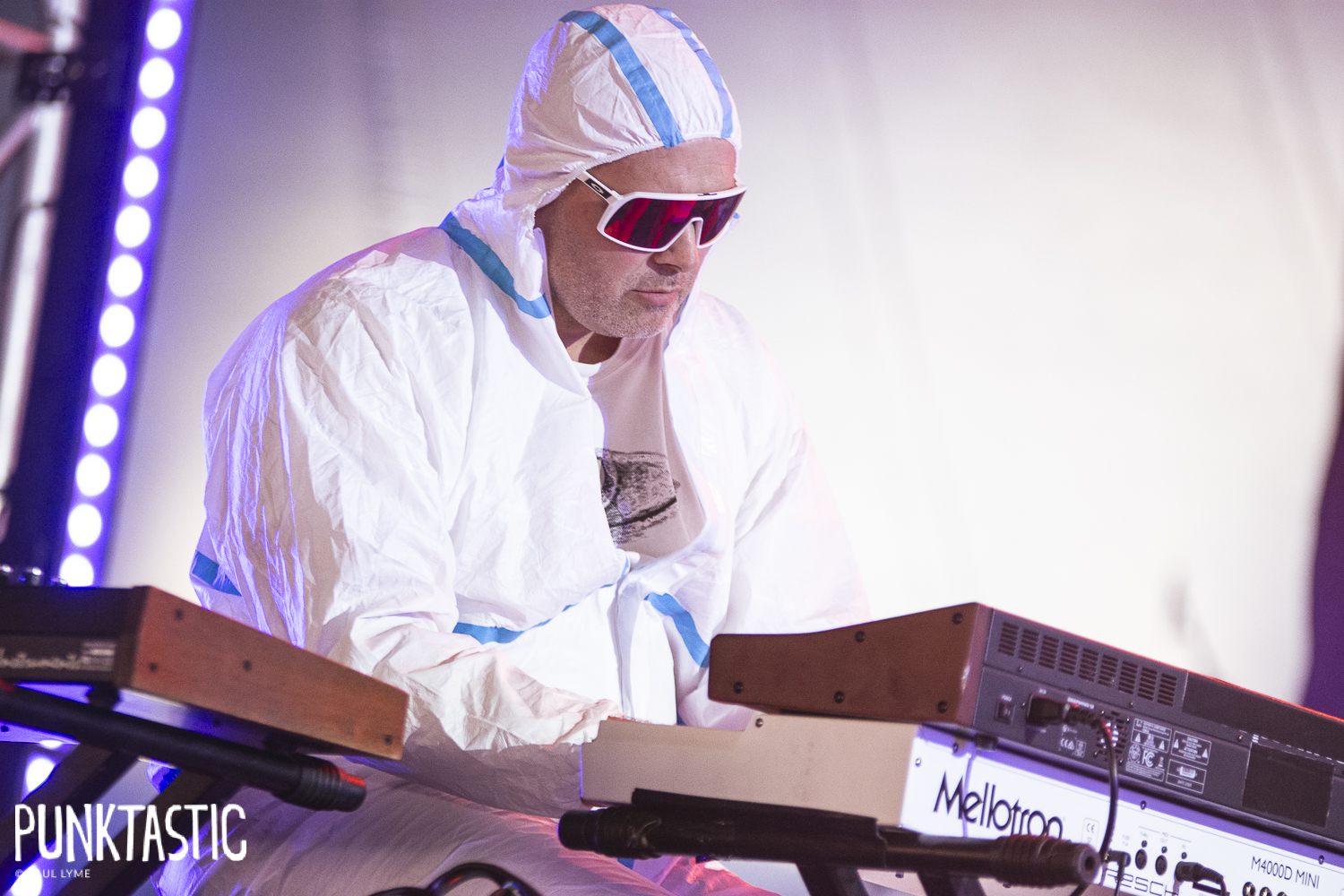 Oathbreaker
 TTNG
 Eivør
 A.A. Williams
 Cult of Luna and Julie Christmas