Category: news

  • Corrosion Of Conformity And The Sword Announce 14-Date US Tour

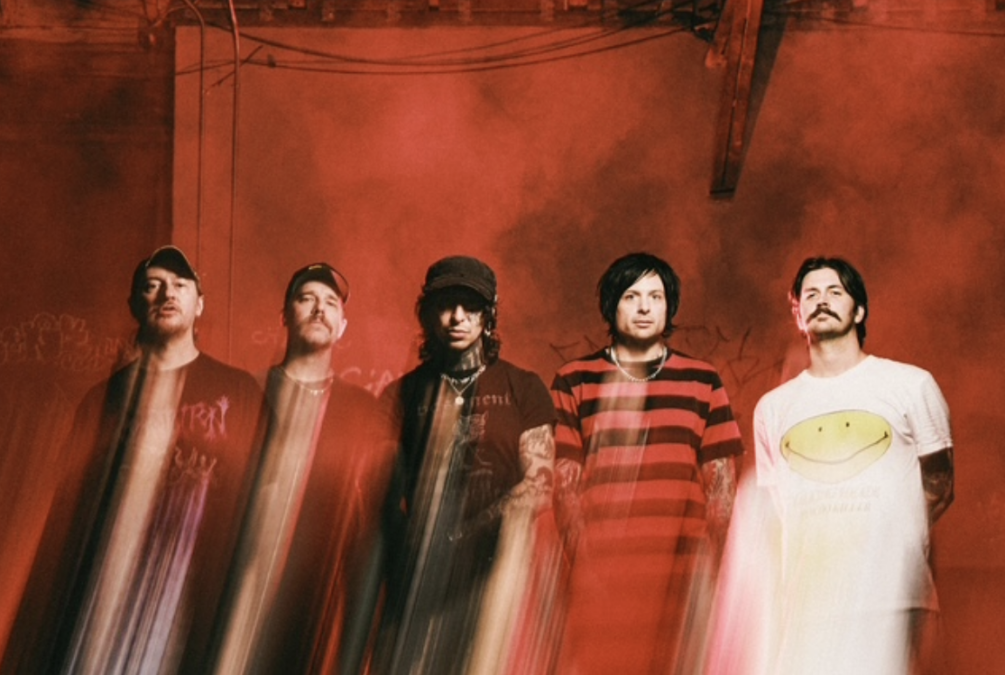
    corrosion-of-conformity-band-2026

    Corrosion Of Conformity and The Sword will co-headline a 14-date US tour this November, with Hippie Death Cult opening. The run starts November 2 at Town Ballroom in Buffalo and finishes November 19 at Vinyl Music Hall in Pensacola, Florida, taking in Asbury Park, Hampton Beach, St. Louis, Indianapolis, Cincinnati and Birmingham along the way. General tickets go on sale Friday, August 28. And Corrosion Of Conformity are out behind a double album with an origin story you won’t guess.

    🎧 STREAM THE METAL BREAKDOWN DAILY NOW:

    Scott Penfold breaks down the latest hard rock and metal news stories on today’s Metal Breakdown Daily. Download the free Loaded Radio App on Apple iOS and Google Play and get it every weekday morning.

    Every date on the tour

    Fourteen shows, November 2 through November 19.

    Nov. 02 – Town Ballroom – Buffalo, NY
    Nov. 03 – Asbury Lanes – Asbury Park, NJ
    Nov. 04 – Hampton Beach Casino – Hampton Beach, NH
    Nov. 06 – Elevation 27 – Virginia Beach, VA
    Nov. 07 – Port City Blitz Festival – Wilmington, NC * COC only
    Nov. 08 – Capitol City Music Hall – Harrisburg, PA
    Nov. 10 – The Sovereign – St. Louis, MO
    Nov. 11 – Granada – Lawrence, KS
    Nov. 13 – The Apollo Theatre – Belvidere, IL
    Nov. 14 – The Vogue – Indianapolis, IN
    Nov. 15 – Bogart’s – Cincinnati, OH
    Nov. 17 – The Senate – Columbia, SC
    Nov. 18 – Workplay – Birmingham, AL
    Nov. 19 – Vinyl Music Hall – Pensacola, FL

    ‡ Corrosion Of Conformity only. The Wilmington date is a festival appearance — The Sword and Hippie Death Cult aren’t on it. Worth knowing before you buy.

    Tickets: a presale runs Wednesday August 26 through Thursday August 27. General on sale is Friday, August 28 at 10am local time.

    Pepper Keenan’s own announcement was characteristically brief and characteristically him — a shout to the free thinkers and beer drinkers, a promise that the Corrosion train won’t stop, and a note that it’s going to be a ripper with The Sword and Hippie Death Cult. He signed off with something we can’t print.

    🤘 LIVE & LOUD: Stream the World’s Hardest Radio Station 24/7

    The Barry Gibb thing

    Here’s the detail nobody else is going to lead with, and it’s genuinely one of the strangest facts in heavy music this year.

    Corrosion Of Conformity are touring Good God / Baad Man, the double album they released April 3 via Nuclear Blast. It was produced by Grammy winner Warren Riker — whose credits include the Fugees, Cathedral and Down — with cover art from New Orleans artist Scott Guion.

    It was recorded in three places. Blak Shak Studios. Dockside Studios in Maurice, Louisiana.

    And Barry Gibb’s home studio in Miami.

    A Bee Gee’s house. A sludge metal double album partly tracked in the room where the man who wrote “Stayin’ Alive” works.

    Nobody in the release explains how that came about, and honestly it’s better as a mystery. But if you ever wanted proof that the New Orleans and Southern heavy scene operates on connections nobody outside it can map, there it is.

    The Riker connection is less surprising and more telling — he also worked on Down, Keenan’s other band, whose first full album in nineteen years arrives in November. Same producer, same orbit, two records inside eight months. The man is having a year.

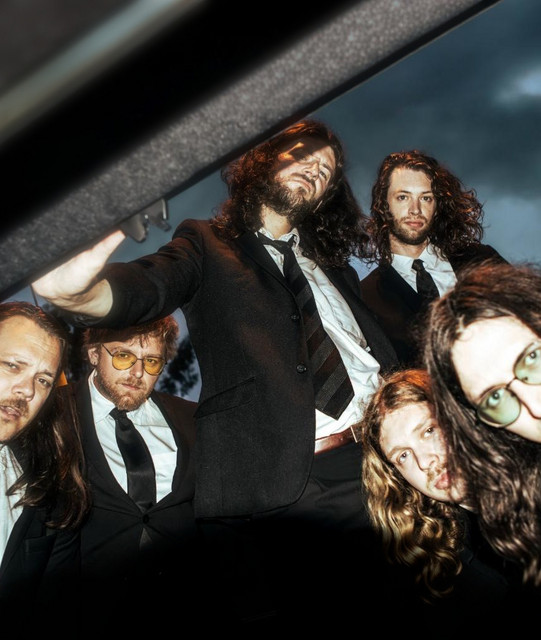
    Sword band

    Corrosion Of Conformity have a new rhythm section

    Two recent additions worth knowing about before you turn up.

    Bobby “Rock” Landgraf is on bass. Nick Shabatura is on drums — and his previous credits include the band Desecrate The Hour and, delightfully, a Chicago-based Nirvana tribute act called Smells Like Nirvana.

    That’s a hell of a career jump. From playing “Lithium” in Chicago bars to holding down the back end for one of the most important American heavy bands of the last forty years.

    For context on why that matters: Corrosion Of Conformity’s first four records left a permanent mark across three separate scenes. Eye For An Eye in 1984 and Animosity in 1985 are hardcore-crossover underground classics. Blind in 1991 and Deliverance in 1994 pushed them into Southern-fried metal territory and made them genuinely significant — Deliverance in particular is one of the foundation stones of the whole NOLA sludge and Southern heavy tradition.

    By the time No Cross No Crown arrived nearly a quarter century later, they’d become legends to two generations of punk, metal and rock fans at once — which almost nobody in the history of this music manages.

    Check This Out – 13 Perfect Metal Albums With Zero Skips

    The Sword are having their own anniversary year

    The co-headline billing here is genuinely earned, because The Sword are in the middle of a moment too.

    They’re currently celebrating the 20th anniversary of Age Of Winters, their 2006 debut, and finishing a West Coast run with Red Fang before this tour starts.

    For anyone who came in later: The Sword emerged from Austin in 2003 and built an immersive, self-contained mythology on top of enormous riffs — cinematic themes, otherworldly concepts, and the kind of guitar work that turned them into a critical favourite well outside metal circles. Rolling Stone, the Washington Post and Decibel have all been in their corner.

    Six albums: Age Of Winters (2006), Gods Of The Earth (2008), Warp Riders (2010), Apocryphon (2012), High Country (2015) and Used Future (2018). They’ve shared stages with Metallica, Lamb Of God and Clutch, and sold out headline runs on multiple continents.

    They went on hiatus for two years and officially reunited alongside the 15th anniversary of Warp Riders — a record Consequence has since called a classic.

    The lineup is JD Cronise on vocals and guitar, Bryan Richie on bass and keys, Kyle Shutt on guitar and vocals, and Santiago Vela on drums.

    If your entry point into heavy music was riff-first, volume-forward, Sabbath-descended rock, this is your bill. Both bands trace straight back to the same foundational lineage, and they’ve each spent decades doing something distinct with it.

    Also Recommended – 13 Best Doom Metal Bands Ranked—The Heaviest Names That Defined The Genre

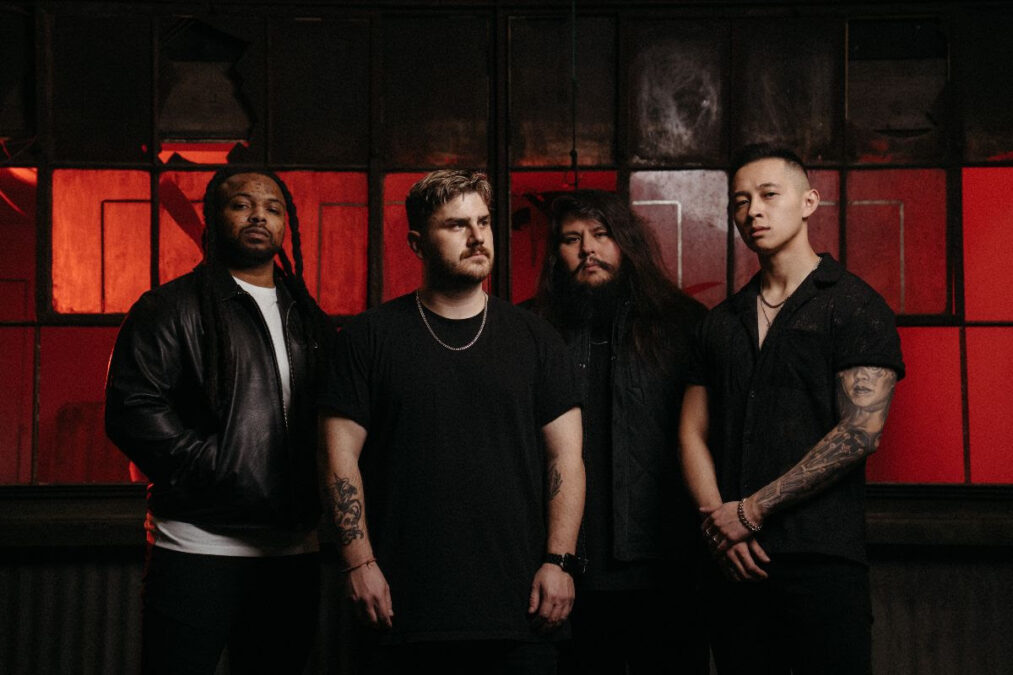
    Don’t skip Hippie Death Cult

    Opening every date bar Wilmington, and worth turning up early for.

    The Portland trio deal in genuinely heavy psychedelic doom — big fuzz, big groove, and the kind of low-end that makes a small room feel structurally unsafe. They sit comfortably in the same world as the essential stoner and doom canon without sounding like a tribute to it.

    Three bands, one bill, and not a wasted slot on it. If you’re mapping out the rest of the year’s heavy touring, this one belongs on the list.

    corrosionswordnov2026tour

    TL;DR

    • What’s announced: Corrosion Of Conformity and The Sword will co-headline 14 US dates in November 2026, with Hippie Death Cult supporting.
    • When: November 2 in Buffalo, New York through November 19 in Pensacola, Florida.
    • The exception: the November 7 Wilmington, North Carolina show is Port City Blitz Festival and features Corrosion Of Conformity only.
    • Tickets: presale runs August 26–27, general on sale Friday August 28 at 10am local time.
    • What COC are touring: Good God / Baad Man, a double album released April 3 via Nuclear Blast, produced by Warren Riker and recorded partly at Barry Gibb’s home studio in Miami.
    • What The Sword are marking: the 20th anniversary of their 2006 debut Age Of Winters.

    FAQ

    When is the Corrosion Of Conformity 2026 tour?

    The US co-headline tour with The Sword runs from November 2, 2026 at Town Ballroom in Buffalo, New York through to November 19 at Vinyl Music Hall in Pensacola, Florida — 14 dates across the East Coast, Midwest and South.

    When do Corrosion Of Conformity tickets go on sale?

    General tickets go on sale Friday, August 28, 2026 at 10am local time. A presale runs from Wednesday August 26 through Thursday August 27.

    Who is supporting Corrosion Of Conformity and The Sword?

    Portland psychedelic doom trio Hippie Death Cult open every date except the November 7 show in Wilmington, North Carolina, which is a festival appearance featuring Corrosion Of Conformity only.

    What is Corrosion Of Conformity’s new album?

    Good God / Baad Man, a double album released April 3, 2026 via Nuclear Blast Records. It was produced by Grammy winner Warren Riker, features cover art by New Orleans artist Scott Guion, and was recorded at Blak Shak Studios, Dockside Studios in Louisiana and Barry Gibb’s home studio in Miami.

    Who is in The Sword?

    JD Cronise on vocals and guitar, Bryan Richie on bass and keys, Kyle Shutt on guitar and vocals, and Santiago Vela on drums. The Austin band formed in 2003 and are currently marking the 20th anniversary of their debut album Age Of Winters.

    Two bands with forty years of riffs between them, and a double album partly cut in a Bee Gee’s house. Which date are you catching? Tell us below. And keep it locked on the Loaded Radio stream — follow Loaded Radio for daily rock and metal news.

    The post Corrosion Of Conformity And The Sword Announce 14-Date US Tour appeared first on Loaded Radio.

  • AN NCS PREMIERE: DEATH. VOID. TERROR – “V. (– —) DAPHNYR”

    (written by Islander) Less that two weeks ago the Swiss experimental extremists Death. Void. Terror returned after a five-year silence with their release through Sentient Ruin Laboratories of an EP named To The Great Monolith 2.5. The EP’s name signifies a progression from their 2018 debut album To The Great Monolith and their 2020 full-length […]

    The post AN NCS PREMIERE: DEATH. VOID. TERROR – “V. (– —) DAPHNYR” appeared first on NO CLEAN SINGING.

  • Australia Bans AI-Generated Songs From Music Charts

    AI-generated songs are no longer welcome on Australia’s main music charts.

    The post Australia Bans AI-Generated Songs From Music Charts appeared first on Stereogum.

  • Earshot release new single and video “Love Left”

    A deeply personal track inspired by finding something to hold onto during difficult times

    Source

  • Paul Thomas Anderson’s Cameron Winter At Carnegie Hall Concert Film Is Going On Tour

    Last December, while shockwaves from Geese’s album Getting Killed rippled through the world, that band’s frontman Cameron Winter played what was apparently a momentous solo show at the storied New York venue Carnegie Hall. Winter played songs from his 2024 solo album Heavy Metal, as well as some unreleased ones. Paul Thomas Anderson, who was a few months away from finally winning his Oscars for One Battle After Another, was on hand to film the show. Today, PTA finally announces his long-awaited concert film Cameron Winter At Carnegie Hall. It’s coming to theaters this fall, but it’s not getting a wide release — not yet, anyway. Instead, the movie is going on tour.

    The post Paul Thomas Anderson’s <em>Cameron Winter At Carnegie Hall</em> Concert Film Is Going On Tour appeared first on Stereogum.

  • Brazilian Jiu Jitsu Charity Seminar For Krieg’s Neill Jameson

    Looking to sharpen your knowledge of martial arts and contribute to a worthy cause? As many readers already know, Neill Jameson — frontman of Krieg and longtime Decibel contributor — recently lost his wife, Nikki, after her long battle with cancer. Neill now faces the tremendous task of rebuilding his life and being a single father to his daughter, Vale. And although the last couple years have overwhelming time in Neill’s life, a community of sorts has formed with people eagerly following his story and donating to his family’s GoFundMe page. As part of that community, a few great guys have decided to hold an event to help Neill and provide a great learning experience around Brazilian Jiu Jitsu.

    On Sunday, October 4, black belts Danny Katz, David Grossman and Dean Lewis will hold a seminar at 11AM with proceeds going to Neill and his daughter. They will hold the event at Miloki Flow Jiu Jitsu, located at 950 Montgomery Ave in Narberth, Pennsylvania (just outside of Philadelphia). Heath Rave (Lotus Thrones and ex-Wolvhammer) designed the cool poster for event, which excellently combines the theme with the extreme metal aesthetic.

    Danny Katz, who owns of Heelhookvlt and does vocals for Fragile Body and Unhealed, had this to say about the event:

    “Neil Jameson has been an important figure in underground music for decades; fronting bands like Krieg and helping to expose lesser known bands through his prolific writing career. Recently Neill suffered the tragic loss of his partner Nikki to cancer, and has to raise their autistic daughter Vale by himself. On October 4, we will be sponsoring a seminar with all proceeds going to help Neill through this immensely difficult time and care for his daughter. Please come support. Where music and grappling overlap at their best is when community is created. Through this seminar we hope to give that to Neill and Vale.”

    Dave Grossman, who readers may know from Rosetta or New Miserable Experience, added that:

    “The thing that draws so many of us into Brazilian Jiu Jitsu and underground music scenes is the community. At their best, both of these scenes support their own like very few communities that have ever existed. Danny, Dean, Heath and myself knew that we needed to support Neill in this challenging time. While Neill is not a part of our Brazilian Jiu Jitsu community we knew that community would rise to the occasion to support him, additionally there is a strong community within Brazilian Jiu Jitsu that love underground music and more specifically Neill’s work. Art has a way of impacting and changing people’s lives, this is our chance at supporting an artist that has given so much to so many.”

    Honestly, even if the event wasn’t a charity benefit, it sounds like a fantastic opportunity to learn from a few masters of their craft, including Dean Lewis, who trained under Lucas Lepri and is a No-Gi world champion. And it’s an added bonus that these gentlemen are all part of the underground metal scene or are passionate devotees. So if you’re in the greater Philly area and don’t have plans on October 4, you should definitely check this out.

    Here’s that information one more time:

    Sunday, October 4 at 11AM

    $20 Donation

    Miloki Flow Jiu Jitsu
    950 Montgomery Ave.
    Narberth, PA 19072

    The post Brazilian Jiu Jitsu Charity Seminar For Krieg’s Neill Jameson appeared first on Decibel Magazine.

  • “Jaw-droppingly immersive, to the point that I might have cried”: Why Arctangent is my favourite festival ever – and how the 2026 edition proved it all over again

    Is it a hot take to say that Arctangent is the best metal fest in the country, given the UK is also home to Download and Bloodstock? Yes. Is it something that I will gladly argue with each and every one of you about until you’re too tired to continue? Also, yes.

    I’ve been a regular at the Bristol four-dayer since the pandemic, and over the course of those five years, I’ve never been to a festival that fosters the same sense of community and curiosity. For those who don’t know, it started as a post-rock event before gradually expanding its borders, now open to anything that pushes back against heavy music’s mainstream. Headliners have ranged from Converge to Devin Townsend, Heilung to Mogwai.

    But, unlike at most fests, the top of the bill doesn’t paint the full picture. Arctangent has a reputation for booking quality bands from start to finish, and that’s where it and the audience become truly special. Everyone is there for the music, not just an excuse to get pissed, and there’s a strong chance you’ll walk away on Sunday having discovered a band you’ll be obsessed with for months. Examples I could name include West Country math rockers Fes and Brazilian proggers Papangu.

    Arctangent is for genuine obsessives, and everything great about it returned in 2026. There were more underground revelations, such as Venezuelan post-rockers Zeta and crushing doomsters Believe In Nothing. Some bands, including Svalbard, trusted the fest to put on their last-ever performances, while others, like Agent Fresco and Arcane Roots, made it part of their long-anticipated reunions. Headliners Chelsea Wolfe, Primus and Cult Of Luna feat. Julie Christmas exemplified the truly broad range of non-commercial heavy music.

    After my four days at Fernhill Farm this August (ATG’s final time on the site before relocating next year), I can easily say that it remains my highlight of the festival calendar. For a clearer breakdown, here are my favourite sets of the weekend:

    A divider for Metal Hammer

    Svalbard

    Life sucks and then you die. Svalbard know it – having spent the last 15 years lyrically wrestling with depression, sexism and other harsh realities – yet added to the pain of it all anyway by breaking up way before their time. On Wednesday, the four-piece bowed out on home turf, tearing through a setlist that broke down the metal (Eternal Spirits), shoegaze (Open Wound) and hardcore (The Damage Done) components of their sound. Singer/guitarist Serena Cherry was all smiles, especially as Employed To Serve frontwoman Justine Jones crowd-surfed about half a dozen times. This last showing was nothing short of triumphant, but, damn, it still hurts so bad.

    Psychonaut

    Once content stacking enough acid-laced riffs to give you a contact high, Psychonaut retreated from excess (slightly) and emphasised emotion on last year’s World Maker album. It paid tremendous dividends, with single Endless Currents becoming one of their biggest songs. That ascent was reflected on Thursday, when they played before a main-stage crowd worthy of a headliner. Dual vocalists Stefan De Graef (also guitars) and Thomas Mischiels (bass) exchanged heartrending lines in between torrents of technical yet melodic prowess. Arctangent ate that shit up, especially the tapping marathon All I Saw As A Huge Monkey. A sign of incredible things to come.

    Møl

    Every time Møl perform, they’re a bit better than last time. The Danes had only been away from the UK for six months when they played the third stage on Thursday, but they’d evolved exponentially. Founding guitarist Nicolai Busse Bladt was back and the band put swirling hemispheres of spotlights on top of each amp, accentuating their vibrant take on black metal. Even though frontman Kim Song Sternkopf roared like he wanted to give himself a hernia, Garland and Crush showcased his ever-advancing clean vocals. The quintet entered a genre of one on this year’s Dreamcrush album, owing as much to The Smashing Pumpkins as Mayhem, and this set reiterated them as a singular force.

    Chelsea Wolfe

    It was a big weekend for California’s dark rock singer/songwriter. Headlining Arctangent on Thursday then releasing her 10th album, The Dark, the following day is one hell of a back-to-back. She played three new songs in succession to mark the occasion, which, like every other track she performed onstage, were endowed with an ear-rattling oomph beyond anything she’s ever touched on record. A guest spot from Alcest’s screamer-in-chief Neige during Vex only added to the intensity of it all, and by the end, I almost wanted to sit down. No time for that, though: the silent disco played The Dark in its entirety 30 minutes after she left to make the night a proper Chelsea-thon.

    Arcane Roots

    As well as tragic breakups (Svalbard, Heck), Arctangent was also the site of hopeful returns. Agent Fresco showed up as part of their first tour since 2019 and, on Friday, Arcane Roots continued their comeback with a main-stage stunner. Fiercely underrated during their original stint, the Londoners uncorked an even mix of math-metal theatrics, 10-ton melodies and earnest, emotional bits. New single A Wave, Across The Sea held its own against the oldies, and the expanded lineup with a keyboardist and a drummer/guitarist gave everything a newfound boost. Welcome back, boys – now make another album, for the love of God.

    Perturbator

    What’s this EDM doing at my prog festival?! Even though Perturbator was far from a ‘traditional’ Arctangent booking, he was perfectly placed as Friday’s sub-headliner, warming everyone up for the wackiness of Primus. The Frenchman famously declared his former genre of synthwave dead in 2021, and since then he’s refined his own brew of metal, dance and widescreen Blade Runner shit. Each song segued into the next as smoothly as a PowerPoint swipe, but if I were to single out a highlight, Apocalypse Now (featuring Ulver man Kristoffer Rygg’s silken vocals) would be it. Heavy, fun and just a bit weird, he may not have fit the ATG aesthetic, but he matched the spirit.

    Perturbator onstage in 2026

    Perturbator on Arctangent’s main stage. (Image credit: Abbi Draper-Scott)

    Eivør

    Eivør didn’t draw the biggest crowd to the main stage, but she left with the teariest one. The Faroese singer/songwriter filled an hour using her distinct bridge between the past and present, casting rock textures and Massive Attack-like trip-hop against vocals plucked straight from Nordic tradition. The songs and arrangements were all excellent, particularly a heavy So Close To Being Free, but the pièce de résistance was that voice. Her graceful wails bounced off of the walls and rumbled the heartstrings of everybody within earshot. After finale Falling Free, as I turned and walked back through the crowd, there were more than a few glistening faces in the darkness.

    Cult Of Luna x Julie Christmas

    One of the top three live shows I’ve seen in my life. Cult Of Luna reunited with avant-garde dynamo Julie Christmas for the first performance of their 2016 collaboration, Mariner, in eight years. Both acts brought their greatest strengths, as Luna’s bruising metal and hellish roars framed Christmas’ piercing, idiosyncratic singing. The best bit, though, was the infinite smoke and dizzying light show, combining to make the stage’s edges disappear and turn the band members into silhouettes. Closer Cygnus evoked the same feeling of transcendence as the stargate scene in 2001: A Space Odyssey. It was jaw-droppingly immersive, to the point that I might have cried a bit. Maybe.

    Arctangent returns at a new site in Moreton-in-Marsh, Gloucestershire from August 18 to 21.

  • Why Rain Appears in So Many Noir Stories

    Why Rain Appears in So Many Noir Stories

    The detective steps into the street. Neon signs shimmer across wet pavement. Streetlights fracture into reflections. Water slides down windows, distorting faces and obscuring details. The city looks familiar, yet something feels different. Less certain.

    Rain appears so frequently in noir that it can seem inseparable from the genre itself. From classic detective films to modern psychological thrillers, storms, wet streets, and endless downpours have become part of noir’s visual identity. The reason goes beyond atmosphere.

    Rain transforms the appearance of reality. It blurs boundaries, fragments reflections, and turns ordinary streets into unstable landscapes of light and shadow. Objects remain visible, but they no longer appear entirely trustworthy. That visual uncertainty mirrors noir’s deepest concern.

    Noir is rarely about clear answers. Detectives follow misleading clues. Criminals conceal their motives. Innocent people reveal hidden flaws. Every certainty eventually becomes questionable. Rain gives that uncertainty a physical form. The weather becomes a visual expression of doubt itself.

    Why Rain Appears in So Many Noir Stories

    Why Rain Appears in So Many Noir Stories


    Why Rain Works Better Than Fog or Snow

    Noir could have adopted many forms of weather as its signature image.

    Fog hides information. Snow isolates characters. Wind creates tension.

    Rain does something more sophisticated.

    It alters reality without completely concealing it.

    A rain-soaked city remains visible, but every surface changes. Streets become mirrors. Storefronts double themselves. Neon signs stretch across puddles and asphalt. Reflections create alternate versions of the world, forcing viewers to look twice before trusting what they see.

    This visual doubling aligns perfectly with noir storytelling.

    Characters often lead double lives. Respectable citizens hide criminal activities. Detectives conceal information. Lovers betray one another. Reality exists in layers, and appearances rarely tell the entire story.

    Rain transforms that idea into an image.

    The city begins reflecting itself, creating a world where every surface suggests another truth hidden beneath the first.


    The Big Sleep and the Language of Uncertainty

    One of the earliest masterpieces to establish this visual language was Howard Hawks’ The Big Sleep (1946).

    The film follows private detective Philip Marlowe through a labyrinth of deception, blackmail, murder, and hidden motives. Every answer leads to another question. Every revelation uncovers a deeper mystery.

    Critics have joked for decades that even the filmmakers struggled to explain every detail of the plot.

    That confusion is part of the film’s power.

    The audience experiences uncertainty alongside Marlowe. Trust becomes difficult. Motives remain unclear. The city feels impossible to fully understand.

    Rain reinforces this atmosphere.

    Wet streets and reflective surfaces make Los Angeles appear unstable, as though the environment itself is withholding information. The city becomes a maze where every clue produces additional ambiguity.

    This proved enormously influential.

    Future noir filmmakers recognized that rain could do more than create mood. It could visually express the genre’s central philosophy: certainty is fragile.


    When Cities Stop Feeling Real

    Rain changes the emotional character of a city.

    A dry street presents information directly. Buildings appear solid. Distances feel reliable. People move through clearly defined spaces.

    Rain disrupts that stability.

    Light scatters across pavement. Reflections create false depths. Water-covered windows distort faces and movement. Familiar locations suddenly feel strange.

    This effect explains why rain appears repeatedly in noir cinema.

    The genre is fascinated by moments when reality no longer feels entirely dependable. Characters discover hidden identities, secret motives, and uncomfortable truths. The world they thought they understood begins shifting beneath their feet.

    Rain creates the visual equivalent of that experience.

    The city remains recognizable.

    Yet something about it feels fundamentally uncertain.


    Blade Runner and the City of Doubles

    If The Big Sleep established rain as a noir symbol, Blade Runner elevated it into one of cinema’s most recognizable visual languages.

    Ridley Scott’s Los Angeles is perpetually drenched. Rain falls through neon advertisements, streams across glass, and transforms the city into a landscape of reflections. Streets appear layered upon themselves. Buildings dissolve into light and shadow. Every surface seems to contain another version of reality.

    This visual design is not merely atmospheric.

    It directly supports the film’s central question.

    What separates a human being from a machine?

    Throughout the story, distinctions become increasingly unstable. Replicants display empathy, fear, memory, and love. Humans often appear cold and detached. Characters constantly confront versions of themselves reflected in others.

    The rain-soaked city mirrors this uncertainty.

    Just as reflections blur the boundary between object and image, the narrative blurs the boundary between human and artificial life. The audience is repeatedly asked to question assumptions that initially seemed obvious.

    Rain becomes the perfect visual companion to that process.

    The world appears recognizable, yet every surface suggests that another truth may exist beneath it.


    The Meaning of “Tears in Rain”

    One of the most celebrated scenes in modern cinema takes place during a storm.

    As Roy Batty approaches death, rain pours across his face while he reflects on experiences that will disappear with him. The moment is unforgettable partly because the weather reinforces the scene’s emotional ambiguity.

    The audience cannot easily separate tears from rainwater.

    Human emotion and environmental atmosphere merge into a single image.

    The visual effect echoes the film’s larger concerns. Batty is a replicant, yet his final moments display compassion, reflection, and emotional depth. The categories that once seemed clear have completely collapsed.

    The rain does not explain the scene.

    It intensifies its uncertainty.

    Viewers leave not with answers, but with questions about memory, mortality, and what it truly means to be human.


    Se7en and the Weight of a Corrupt World

    David Fincher’s Se7en uses rain differently.

    Where Blade Runner explores uncertainty through identity, Se7en explores uncertainty through morality.

    For much of the film, rain falls relentlessly across the unnamed city. Streets glisten beneath artificial light. Buildings seem permanently stained by moisture and shadow. The environment feels exhausted, as though it has absorbed decades of violence and despair.

    Detectives Somerset and Mills are not simply hunting a killer.

    They are trying to understand a world that increasingly appears beyond understanding.

    Each crime scene reveals another layer of corruption. Every answer creates a deeper question. The investigation gradually exposes a reality where traditional ideas of justice seem inadequate.

    Rain reinforces this atmosphere by making the city feel trapped.

    Normally, rain symbolizes renewal. It cleanses. It refreshes. It washes away what came before.

    In Se7en, the opposite occurs.

    The downpour never purifies anything. The city remains morally contaminated regardless of how much water falls from the sky. The weather becomes a visual reminder that some forms of decay cannot be washed away.


    Rain and Isolation

    One reason rain appears so frequently in noir is that it naturally isolates people.

    Characters retreat beneath awnings, sit alone in parked cars, stare through rain-covered windows, or walk deserted streets after dark. The weather creates invisible barriers between individuals and the world around them.

    Noir protagonists often experience a similar form of separation.

    Philip Marlowe moves through Los Angeles without fully belonging to it. Rick Deckard drifts through a city populated by people he struggles to understand. Somerset observes the world with increasing detachment. These characters occupy society while remaining emotionally distant from it.

    Rain externalizes that condition.

    The weather places a thin curtain between people and their surroundings. Conversations become more intimate. Streets appear emptier. The city feels larger and lonelier.

    This is not psychology imposed upon the films.

    It emerges directly from what the audience sees. Rain changes how characters move, interact, and occupy space. The resulting isolation becomes one of noir’s most recognizable emotional textures.


    When Uncertainty Becomes Beautiful

    Perhaps the most remarkable aspect of noir rain is that it transforms confusion into something visually compelling.

    The stories themselves often deal with betrayal, corruption, violence, and disappointment. Yet the imagery remains beautiful. Reflections shimmer across pavement. Light dances through water. Shadows acquire unexpected depth.

    This tension lies at the heart of noir.

    The genre finds beauty in uncertainty rather than despite it.

    Rain contributes to that transformation. It converts ordinary streets into dreamlike spaces where reality appears fluid and unstable. The audience becomes fascinated by a world that simultaneously attracts and unsettles.

    Few visual motifs accomplish this so effectively.

    Rain does not merely accompany noir.

    It helps define how noir sees the world.


    From Poe’s Storms to Noir Rain

    Long before noir filmmakers covered city streets in rain, Gothic writers understood that weather could reveal hidden truths.

    Edgar Allan Poe used landscapes, architecture, and atmosphere to externalize psychological states. In The Fall of the House of Usher, the narrator approaches the mansion beneath a bleak sky and immediately experiences a feeling of oppression. The environment reflects the emotional and mental deterioration unfolding inside the house.

    The weather does not cause the horror.

    It makes the horror visible.

    This technique became one of Gothic literature’s defining characteristics. Storms, shadows, ruins, and decaying landscapes often functioned as emotional mirrors. Readers were invited to experience fear not only through characters but through the world surrounding them.

    Noir inherited this idea and adapted it to modern urban life.

    The Gothic castle became the city. The storm became rain. The isolated mansion became an apartment, a hotel room, or a rain-soaked alleyway.

    The underlying principle remained remarkably similar.

    The environment reflects realities that characters struggle to confront directly.


    The Evolution of Doubt

    The difference between Gothic weather and noir rain reveals how the two traditions approach fear.

    Gothic literature often focuses on emotional or psychological instability. Characters fear madness, obsession, isolation, death, or the supernatural. Atmospheric conditions reinforce those anxieties.

    Noir shifts the focus toward uncertainty itself.

    Detectives question witnesses. Criminals conceal motives. Lovers betray one another. Institutions prove corrupt. The problem is rarely a lack of information.

    The problem is determining which information can be trusted.

    Rain becomes the perfect symbol for this dilemma.

    It does not hide the world completely. Instead, it alters perception. Reflections compete with reality. Surfaces become unstable. Familiar places acquire unfamiliar meanings.

    The audience experiences visually what the characters experience morally.

    Everything remains visible.

    Nothing feels entirely certain.


    Why Rain Remains Noir’s Perfect Symbol

    Rain became noir’s defining image because it transforms certainty into ambiguity.

    The weather changes how reality appears. Streets become mirrors. Lights become distortions. Familiar environments acquire unexpected complexity. Viewers begin questioning what they see.

    That experience lies at the heart of noir.

    The genre repeatedly reminds us that appearances can deceive. Heroes possess flaws. Villains reveal moments of humanity. Truth hides beneath layers of performance, desire, and self-interest.

    Rain expresses these ideas without a single line of dialogue.

    From The Big Sleep to Blade Runner and Se7en, filmmakers return to rain because it accomplishes something few visual motifs can. It transforms atmosphere into meaning.

    The city reflects itself.

    Reality becomes uncertain.

    Every street becomes a question.

    And somewhere beneath the rain, the truth remains difficult to see.


    Wear the Darkness

    If Why Rain Appears in So Many Noir Stories speaks to your fascination with noir cinema, Gothic literature, and dark symbolism, explore the Edgar Allan Poets store. Our Gothic-inspired apparel celebrates mystery, literature, psychology, and the beauty hidden within uncertainty.

    Edgar Allan Poe Gothic apparel and noir-inspired fashion from the Edgar Allan Poets store


    Join the Noir Newsletter

    Receive more essays on noir psychology, Gothic literature, dark cinema, symbolism, and the hidden meanings behind iconic cultural images.


    Enter the Noir Atmosphere

    Continue the atmosphere behind Why Rain Appears in So Many Noir Stories through the official Edgar Allan Poets playlist, where noir emotion, Gothic beauty, and cinematic storytelling meet in sound.


    Frequently Asked Questions

    Why is rain used so often in noir films?

    Rain creates reflections, distortions, and visual uncertainty that reinforce noir themes of deception, ambiguity, and hidden truths.

    Why does rain work better than fog or snow in noir?

    Rain transforms the appearance of reality without completely concealing it. Wet streets create reflections and doubled images that visually support noir’s fascination with uncertainty.

    Which noir film uses rain most effectively?

    Many critics point to Blade Runner, where rain becomes inseparable from the film’s exploration of memory, identity, and humanity.

    Did noir rain originate in Gothic literature?

    Not directly, but noir inherited the Gothic tradition of using weather and atmosphere to externalize hidden psychological and emotional realities.

    What does rain symbolize in noir stories?

    Rain often symbolizes ambiguity, isolation, deception, fractured perception, and the difficulty of finding certainty in a morally complex world.


    The post Why Rain Appears in So Many Noir Stories appeared first on Edgar Allan Poets – Noir Rock Band.

  • German Heavy Metallers THE NIGHT ETERNAL Drops Video For “Eurydice (Don’t Look Back)”

    German melancholic heavy metal outfit The Night Eternal today presents their video for “Eurydice (Don’t Look Back).” The track comes by way of the band’s critically adored Cold Velvet full-length, out now on Metal Blade Records.

    Serving as both focus track and fourth single, “Eurydice (Don’t Look Back)” showcases all the signature elements of The Night Eternal: an instantly memorable chorus, mesmeric guitar work, and straightforward, uplifting rhythms. On a lyrical level, the song expands the band’s ongoing exploration of Greek mythology, continuing themes introduced in tracks like “Elysion” and “In Tartarus” while retelling the tragic tale of Orpheus. Forged as the very first song for the album, “Eurydice” set the uncompromising direction for everything that followed.

    With Cold Velvet, The Night Eternal has ultimately carved out its own subgenre, weaving darkness, dreamlike unease, and deep melancholy into a dramatic yet untainted heavy metal rock ‘n’ roll attitude. Recurring trademarks such as hypnotic, ritualistic rhythms, mesmeric guitar riffs and melodies, and irresistibly catchy choruses permeate every track, drawing the listener into a trance-like state and unleashing a relentless surge of dark energy and dopamine.

    Cold Velvet was recorded between May and December 2025 at Church Of Sound Studios in the greater area of Munich, Germany. Production, recording, and mixing duties were handled by Michael Zech – guitarist of black metallers Secrets Of The Moon and a highly respected producer known for his work with Sulphur Aeon, Triptykon, and The Ruins Of Beverast, among others.

    Cold Velvet is available now here, on CD-digipak and digitally as well as vinyl in the following color variants:

    • 180g black (US)
    • Clear Purple w/ Black Smoke (EU – Ltd. 1000; includes 7″, slipmat, velvet bag, gas lighter)
    • “Storm Cloud” Violet Blue Marbled (EU – Ltd. 700)
    • Steel Grey Blue Marble (EU – Ltd. 500)
    • Light Grey Blue Splatter (EU – Ltd. 300)
    • “Black Dust” Crystal Clear (EU – Ltd. 200)

    The Night Eternal are:

    Ricardo Baum / Vocals
    Robert Richter / Guitar
    Henry Käseberg / Guitar
    Aleister Präkelt / Drums

    The post German Heavy Metallers THE NIGHT ETERNAL Drops Video For “Eurydice (Don’t Look Back)” appeared first on Sonic Perspectives.