The song begins with a sound reminiscent of the 1980s, characterized by a bass line that recalls bands such as the Cranberries. It features crystalline guitars and intense strumming that create a nostalgic and immersive atmosphere. The artist’s voice is warm and intense, pulling listeners deep into a story that is introspective and thought-provoking. The vocals penetrate the soul, leaving an indelible mark.
This single showcases a strikingly emotional melody that resonates deeply. It falls into the alternative rock genre, offering an intriguing blend that has the potential to leave a lasting impression. It is crafted with a sense of minimalism that allows its lyrical depth to shine through. Each note and chord choice is deliberate, creating a sonic journey that engages the listener.
As the track unfolds, it evokes a sense of yearning. The lyrics articulate a common struggle, one that many can relate to in today’s fast-paced world. Everyone feels the pressure to participate in life’s endless events while fearing exclusion. This universal concern gives the song an added layer of relevance.
Fear of Missing Out – Sound and Atmosphere
The bass expertly anchors the track while the guitars shimmer above, creating a rich contrast. The rhythmic patterns maintain a driving force, pushing the song forward without losing its reflective edge. Listeners may find themselves reminiscing about their own experiences, thanks to the song’s evocative nature.
The production quality elevates the listening experience. The mix allows each instrument to breathe while maintaining a cohesive sound. The clarity of the vocals ensures that the message is not lost, providing a direct line to the heart of the matter. This careful attention to detail allows the emotions to resonate without overwhelming the audience.
The bridge of the song introduces a moment of introspection. Here, the pace slows slightly, giving the listener a chance to absorb the message fully. This part feels like a pause in time, a necessary moment to reflect before diving back into the intensity of the chorus. The contrast enriches the overall flow and keeps the audience engaged throughout.
Fear of Missing Out – Performance and Production
The melody swells, emphasizing the impact of the lyrics. The song leaves the listener on a high note while also instilling a slight longing—an acknowledgment of life’s inevitable ups and downs.
There is a raw quality to the performance that enhances its authenticity. The artist’s ability to convey genuine emotion is evident, and it is this connection that will likely resonate with a wide audience.
“Fear of Missing Out” by whywhy is a beautifully crafted single. It encapsulates the delicate balance of nostalgia and modern-day anxieties. The track blends strong instrumentation with relatable themes that many listeners will appreciate. This piece of alternative rock beautifully captures the essence of introspection while urging us not to overlook life’s fleeting moments.
Watching footage of Jimi Hendrix setting fire to his guitar onstage, 15-year-old Devon schoolboy Matt Bellamy had an epiphany: “I suddenly realised that music didn’t have to follow rules but could be full of chaos,” Muse’s frontman recalled. “Essentially, we approach music the same way Monty Python did comedy.”
Eight consecutive UK number one albums testify to Muse’s mainstream appeal, but not since Queen has there been a major league British rock band so wholly unfettered by notions of taste and restraint, an attitude wholeheartedly endorsed by Brian May, a long-time fan. “I like the way they let their madness show through,” Queen’s guitarist once stated. “That’s always a good thing in an artist.”
“Most bands are scared of ridicule – we embrace it,” Matt Bellamy told me 20 years ago.”But some of the best ideas come from having the fearlessness to go with the silliest ideas.”
Here are Muse’s ten studio albums ranked from worst to best.
10. Drones (2015)
With famously-disciplined studio veteran Robert ‘Mutt’ Lange (AC/DC, Def Leppard) hired as co-producer with a mandate to curb Matt Bellamy’s more outlandish flights of fancy, the advance word on Muse’s seventh studio album suggested that Drones would represent a ‘back to basics’ approach for the Devon trio following 2012’s dubstep/electronica-influenced The 2nd Law.
Such talk was relative: the ten-minute The Globalist opens with whistling and Ennio Morricone atmospherics, segues into a thundering heavy metal midsection and closes as a grandly ostentatious piano ballad. Good luck pulling that off around a campfire on an acoustic guitar.
The Devon trio’s first overt concept album, Drones is a none-too-subtle meditation upon authoritarian repression, political manipulation, militaristic aggression and the struggle for personal liberty – familiar Bellamy obsessions unlikely to give Noam Chomsky new food for thought. Fortunately, the bombastic, gleefully raucous energy harnessed on the riff-heavy Reapers and The Handler over-rides trite lyrics such as ‘I’m just a pawn, and we’re all expendable.’
Elsewhere, on nodding terms with Dire Straits’ Brothers In Arms and U2’s One, Aftermath is the album’s twinkling, phones-aloft stadium ballad, while Dead Inside is a feisty opener, with obvious allusions to the break-up of Bellamy’s marriage to actress Kate Hudson.
9. Simulation Theory (2018)
Following on from the heavy-handed Drones, Muse allowed a little light and levity into their relentlessly pessimistic world view on Simulation Theory. From its Tron /Stranger Things-inspired artwork through to its emphasis on pulsing synth-rock, the band’s eighth album is an unashamed tribute to the 1980s, a sci-fi diorama concerned with the quest for human connection in an increasingly cold digital world.
Featuring retro production from Timbaland and Swedish pop producer Shellback among others, this on-brand Giorgio Morodor-soundtracking-Black Mirror approach is a little too pat, and only fleetingly successful. Bellamy’s attempts to channel Prince (on Propaganda) and Janelle Monae (on Break It To Me) fall flat, but the slick AOR of Something Human and the snappy Pressure suggest the trio’s decision to reset the dials and pivot away from riff-rock isn’t wholly without merit.
8. Will Of The People (2022)
Anticipation of Muse returning to their guitar heavy roots on album nine was whetted when Matt Bellamy posted an excerpt of its riff-heavy first single Won’t Stand Down on Instagram showing his 10-year-old son Bingham headbanging to the song in his father’s car. Belllamy subsequently talked up the collection as “a greatest hits album – of new songs”, saying, “It’s a montage of the best of Muse.”
And if Will Of The People doesn’t quite live up to that heady billing, it undeniably features some of the heaviest songs of the Devon trio’s career, including fan favourite Kill Or Be Killed and the glam rock stomp of the title track, which Bellamy described as a “fictional story set in a fictional metaverse on a fictional planet ruled by a fictional authoritarian state.”
There are more subtle moments too – piano ballad Ghosts (How Can I Move On), the Danny Elfman-esque kooky spookiness of You Make Me Feel Like It’s Halloween – but OG fans only needed to look at the title of the album’s closing track – We Are Fucking Fucked – to know that they had the ‘old’ Muse back.
7. The 2nd Law (2012)
As Muse commenced the recording of their sixth studio album, Matt Bellamy teased fans by declaring that the trio were intent upon making a “Christian gangsta rap jazz odyssey, some ambient rebellious dubstep and face-melting metal flamenco cowboy psychedelia.” Truthfully, had they done so, at this point in their career no-one would have batted an eyelid.
Featuring the official song of the 2012 Olympics (the gloriously OTT Survival), two understated songs about quiet man bassist Chris Wolstenholme’s new found sobriety (Save Me and Liquid State), Skrillex-style dubstep, slinky U2 knock-off Madness and a sweetly sappy lullaby for Matt Bellamy’s new born son Bingham (Follow Me), the self-produced The 2nd Law is, respectfully, all over the place, an uninhibited, Jackson Pollock-esque gush of ideas which would have benefited from more judicious editing and tighter quality control.
6. The Wow! Signal (2026)
It might seem ridiculous to use the phrase ‘back to basics’ when discussing Muse, but with the trio having invested heavily in synth-rock on more recent records, their tenth studio album will sound reassuringly familiar to anyone who joined the party circa Origin Of Symmetry or Black Holes And Revelations.
Naturally, this doesn’t mean that Muse have dialled things back in any way. Kicking off an album titled in reference to the excitement generated in 1977 by the discovery of what astronomers considered a possible radio transmission from an extraterrestrial civilisation with a song which features a choir chanting in Latin, orchestral strings, a Knights of Cydonia-esque bass gallop and prog-metal guitar isn’t exactly displaying Ramones levels of restraint. But while Nightshift Superstar once again finds Matt Bellamy indulging his love of Daft Punk, much of The Wow! Signal – not least singles Unravelling and Cryogen, with its Plug In Baby-style intro – is old school Muse, and pleasingly so.
5. The Resistance (2009)
Extrapolating upon the doom-laden warnings contained within Black Holes And Revelations‘ Invincible – key lyric: “During the struggle they will pull us down” – The Resistance comes weighted with exhortations to resist tyranny and repression in all its state-sanctioned forms, and dark prophesies of what “they”, bastards known and as-yet-unknown, have in store. “Will they find our hiding place?” Matt Bellamy frets on the title track, seemingly not entirely convinced by his own insistence that love will conquer all.
Muse’s most recent album, Will Of The People concludes with a track called We Are Fucking Fucked, but to be fair, that’s an assessment they’d already reached here, with Bellamy’s three-part, 12-minute orchestral masterpiece Exogenesis: Symphony, wherein our bold protagonists decide that our time on earth must, of necessity, come to an end, and we must “breach the outer sphere” in order to start anew.
Which is all very well, except that much of what precedes this epic climax – most notably the irresistible glam stomp of Uprising – serves up rallying calls for heroic stands against our shadowy oppressors. Cowards! Splitters! Traitors! Etc,.
Ludicrous and fabulous in equal measure, then, The Resistance is peak Muse, and an unmitigated joy.
4. Showbiz (1999)
Heavily indebted to Radiohead and Jeff Buckley, and by far the most restrained and ‘conventional’ album in Muse’s catalogue, Showbiz deserves more love than it was afforded upon its release in September 1999. Consciously choosing to play safe by setting aside their more experimental early material for use as single B-sides, Muse ruffled few feathers with their debut album, but the quirky, hooky Muscle Museum, the gorgeous Unintended and the soaring, riffy Cave remain firm fan favourites.
Chosen as the album’s second single, Cave found favour with Type O Negative frontman Pete Steele, who told this writer, “That chick has a great voice.” Informed that said ‘chick’ was, in fact, male, Steele said, “Woah, there goes my erection” but added “When I listen to his voice I feel like someone is tickling my penis with a feather.” Possibly not the impact Muse were hoping to make, but their caution here ensured they laid solid foundations from which to launch skywards with subsequent releases.
3. Absolution (2003)
Months ahead of the release their third album, Muse described their work in progress as “fat as fuck.” Emboldened by the international success of Origin Of Symmetry, the Devon trio embraced the opportunity to indulge their most experimental urges in its creation, recording Dom Howard’s drums in a swimming pool, and Bellamy’s guitar parts in a field, then ransacking a castle to re-purpose cartwheels and cattle prods as ‘instruments’. The result was the darkest, heaviest, boldest album of their early career.
From the apocalyptic groove-rock of Time Is Running Out to the extraordinary art-metal of Stockholm Syndrome, Absolution, the trio’s first UK number one album,is the sound of an inspired, fearless, ultra-confident band who knew their time had arrived, and the world was listening.
2. Origin Of Symmetry (2001)
Well, who saw this coming? For those who had Muse pegged as timid, mannered Radiohead-copyists on the basis on Showbiz, and let’s be honest, that was most of us, the band’s second coming, heralded by the astonishing alt.prog thunderbolt Plug In Baby and its equally startling follow-up New Born, was nothing short of a revelation.
With the handbrake off, and Matt Bellamy given free rein to indulge his wildest Queen-meets-Rage Against The Machine-meets-King Crimson fantasies, Origin Of Symmetry was an adrenaline spike slammed into the heart of the British music scene. Even better, Bellamy now talked like a proper rock star, telling this writer, “What’s big in England is mostly simplistic bollocks.” Such was the singer’s new-found confidence, that he cheerfully told the band’s US label, Madonna’s Maverick Records, to get fucked when they demanded he re-record his vocals with less falsetto.
“I was pretty aware that this album was difficult to swallow compared to Showbiz and I thought we were taking a bit of a risk,” he admitted, “but our success has given me the confidence to push things further.”
Muse would never look back.
1. Black Holes And Revelations (2006)
Having shed any lingering creative inhibitions with 2003’s brilliant Absolution, Muse album four had to be one louder, more bombastic, more brazen, more bonkers. And when the release of Black Holes And Revelations was prefaced by Supermassive Black Hole – slinky, slamming eroto-funk, like Prince fronting Queens Of The Stone Age – any fears that the trio might shirk their responsibilities evaporated. Down the line, Matt Bellamy revealed that his band had actually ditched their first run at new material as “it was too mental, even by our standards.” The mind boggles.
Muse’s finest hour opens with Take A Bow, a dread-filled, chorus-free, space-rock symphony, all rippling synth arpeggios and multi-tracked vocals, with Bellamy warning “You will burn in hell for your sins…” Following such shock and awe, Starlight is an uncharacteristically straightforward piano-led love song, albeit one where the protagonist is being taken “far away from the memories of the people who care if I live or die.”
Less conventionally, the deceptively upbeat Exo-Politics muses upon the possibility of an orchestrated Zeta Reticulan invasion created by the New World Order, because that’s exactly the kind of subject that keeps Matt Bellamy – a man who maintains that The Beatles were a front for a clandestine think tank intent on brainwashing the youth of America – awake at night. Invincible, a rather lovely self-empowerment anthem, channels U2 circa The Unforgettable Fire, while featuring a guitar solo that sounds suspiciously like R2D2 completing a wank.
But all this, impressive as it may be, is a mere amuse-bouche for the album’s closing track, Muse’s own Achilles Last Stand. Knights Of Cydonia, the soundtrack to an imaginary sci-fi spaghetti Western, references The Four Horsemen Of The Apocalypse, The Tornados chart-topping 1962 instrumental Telstar (on which Bellamy’s father George played rhythm guitar) and the Doctor Who theme tune, before climaxing with Bellamy repeatedly screaming “No-one’s going to take me alive!” It’s histrionic, epic and gloriously daft – quintessential Muse in other words – and the perfect climax to a magnificently realised career-best collection.
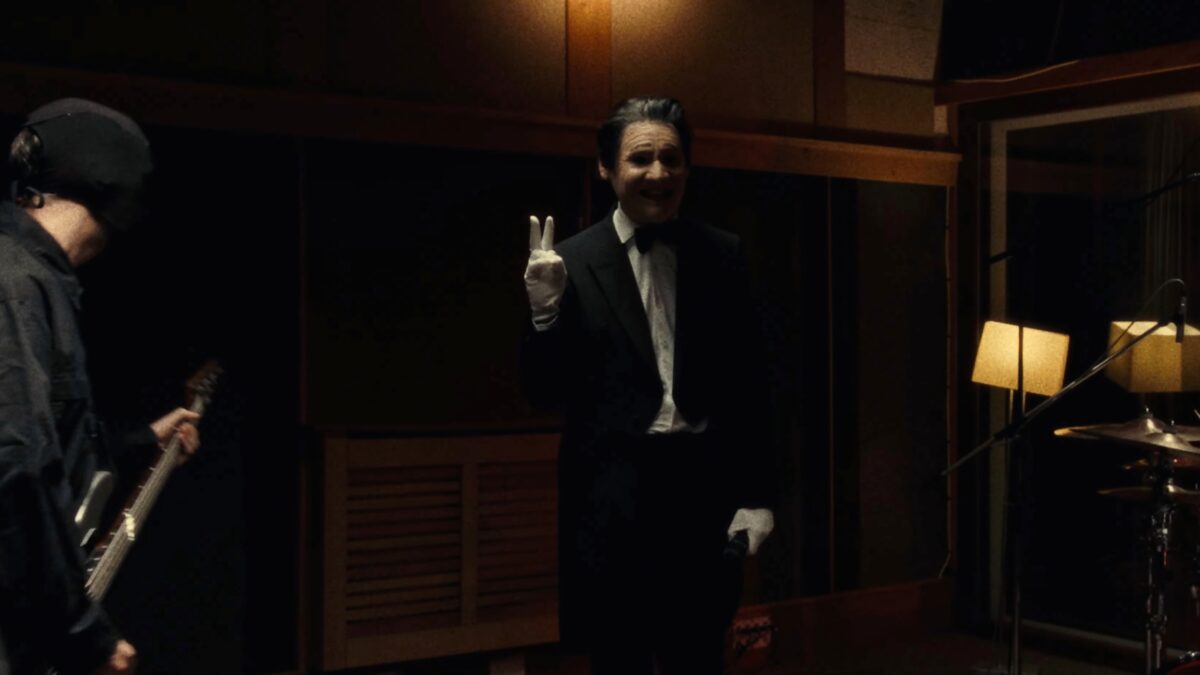
PRESIDENT have shared an intimate, intense and incredible look into who they are as a live act via a special live session.
‘Live From Rockfield Studios’ finds PRESIDENT making their way through tracks from debut EP ‘King Of Terrors’ and newly released debut album ‘Blood Of Your Empire’ in a manner that takes you inside their thought processes and creative choices in a manner that hasn’t been allowed up until this point.
The result, is genuinely, sensational. The recording is punishing, powerful and poignant, every member of the project putting in their most stunning of performances, whilst having cameras so close to the action feels like you’re part of something incredibly intimate and personal.
Every note crooned is beautiful, every breakdown like concrete and every building melody a joy to watch unfurl.
There is a reason they are such a sensation, and this session showcases that in abundance.
We were into “Control,” the recent single from Oakland “queer post-bubblegum slut grunge” crew Heavy Lifter, and I’d argue “Backyard” is even better. Out today, the song begins with an eerie guitar line that reminds me of Metallica’s “Fade To Black.” But by the time Ren Forest’s moonbeam voice is lighting the track, I’m hearing echoes of modern-day cult favorites like Forth Wanderers and Feeble Little Horse as well as a whole range of ’90s touchstones from emo to shoegaze. It’s got a basement show scrappiness to it, but at its climax, the song might as well be dive-bombing across the sky. Listen below.
Hailing from the South Coast near Brighton, hard-hitting alternative rockers Amongst Liars fuse punchy riffs, electronic layers, and fierce social commentary. We’ve actually seen their live show before (supporting the awesome Muddibrooke), and we caught up with the band to dig into their origins, memorable tour stories, and upcoming plans. Simple things first – where … Continue reading Headline Act: Amongst Liars
For more than 30 years, Stinking Lizaveta have pushed the boundaries of multiple genres of heavy music with their doom-jazz-punk style, releasing 10 records since 1994. Their latest record, Cassandra, Prophet of Doom, comes out September 18 but you can tap in to a new single now.
“Champion of My Mind” is a three-minute jammer from the instrumental crew, centering around lively riffs from guitarist Yanni Papadopoulos and upright electric bassist Alexi Papadopoulos. Drummer Cheshire Agusta bashes along with them in a music video filmed at the historic Mahoning Drive-In Theater, located in rural Pennsylvania. At various points in the video, the members of Stinking Lizaveta are shown watching their performance on screen.
Both the song and video highlight the best thing about Stinking Lizaveta—the band has maintained the same lineup with the same energy and charisma for their entire existence. Their live performances are equal parts captivating and intense, and the video for “Champion of My Mind” is just a small taste.
Cassandra, Prophet of Doom is out on September 18 via SRA Records. You can also catch them live at Johnny Brenda’s on September 26 for their album release show.
Some musicians fill a room with sound. Nick Drake filled it with silence. His songs rarely relied on dramatic choruses, powerful performances, or elaborate production. Instead, Drake created music that felt intimate, reflective, and strangely timeless.
Listeners often describe his work as melancholy, yet that word only captures part of its appeal. Many artists write sad songs. Few communicate sadness with such restraint. Drake’s music does not demand attention. It invites it. Through delicate guitar work, understated vocals, and an extraordinary sensitivity to atmosphere, he created songs that continue to resonate long after they end.
His music does not celebrate despair. It listens to it.
Nick Drake and the Sound of Quiet Melancholy
An Outsider in the Folk Revival
Nick Drake emerged during one of the most creative periods in British folk music. The late 1960s and early 1970s produced a remarkable generation of singer-songwriters who blended traditional folk influences with deeply personal songwriting.
Yet Drake never fit comfortably within any movement.
While contemporaries such as Joni Mitchell, Cat Stevens, and Leonard Cohen developed strong public identities through touring and media appearances, Drake remained intensely private. Interviews were rare. Live performances were limited. Fame seemed to make him uncomfortable.
This distance from the spotlight contributed to his reputation as an outsider, but it also shaped the music itself.
Rather than addressing political events or social trends, Drake focused on interior landscapes. His songs often feel like private reflections captured in sound. Listeners encounter uncertainty, longing, memory, and solitude not as dramatic subjects but as everyday emotional realities.
The result was music that never felt tied to a particular moment.
It sounded as though it existed slightly outside time.
The Guitar That Changed Everything
One of the most distinctive aspects of Drake’s music is his guitar playing.
Many casual listeners notice the melancholy atmosphere before they notice the technical complexity hidden beneath it.
Drake frequently used unusual alternate tunings that allowed him to create rich harmonic textures unavailable through standard tuning. These tunings helped produce the dreamlike quality heard throughout songs such as River Man, Northern Sky, and Hazey Jane I.
His fingerpicking style was equally distinctive.
Rather than treating the guitar as a simple accompaniment to vocals, Drake turned it into a complete musical environment. Bass lines, melody, rhythm, and harmony often coexist simultaneously within a single performance.
The effect feels effortless.
In reality, it was extraordinarily sophisticated.
This combination of technical complexity and emotional restraint became one of Drake’s defining artistic achievements.
Melancholy and Atmosphere
Melancholy appears throughout Drake’s work, but rarely in obvious ways.
His songs avoid grand declarations and dramatic emotional climaxes. Instead, they create atmosphere.
A listener moving through Five Leaves Left encounters songs that feel suspended between hope and sadness. Moments of beauty coexist with uncertainty. The emotions remain unresolved.
This quality was enhanced by the elegant string arrangements created by Robert Kirby, Drake’s close friend and musical collaborator.
On songs such as River Man, Kirby’s arrangements add depth and movement without overwhelming the intimacy of the performance. The strings expand the emotional landscape while preserving the quiet center of the music.
That balance became central to Drake’s artistic identity.
The songs feel delicate but never fragile.
Complex but never showy.
Melancholy, in Drake’s hands, becomes something contemplative rather than tragic.
Nick Drake and the Sound of Quiet Melancholy
Some musicians fill a room with sound.
Nick Drake filled it with silence.
His songs rarely relied on dramatic choruses, powerful performances, or elaborate production. Instead, Drake created music that felt intimate, reflective, and strangely timeless.
Listeners often describe his work as melancholy, yet that word only captures part of its appeal. Many artists write sad songs. Few communicate sadness with such restraint.
Drake’s music does not demand attention.
It invites it.
Through delicate guitar work, understated vocals, and an extraordinary sensitivity to atmosphere, he created songs that continue to resonate long after they end.
His music does not celebrate despair.
It listens to it.
Nick Drake and the Sound of Quiet Melancholy
An Outsider in the Folk Revival
Nick Drake emerged during one of the most creative periods in British folk music. The late 1960s and early 1970s produced a remarkable generation of singer-songwriters who blended traditional folk influences with deeply personal songwriting.
Yet Drake never fit comfortably within any movement.
While contemporaries such as Joni Mitchell, Cat Stevens, and Leonard Cohen developed strong public identities through touring and media appearances, Drake remained intensely private. Interviews were rare. Live performances were limited. Fame seemed to make him uncomfortable.
This distance from the spotlight contributed to his reputation as an outsider, but it also shaped the music itself.
Rather than addressing political events or social trends, Drake focused on interior landscapes. His songs often feel like private reflections captured in sound. Listeners encounter uncertainty, longing, memory, and solitude not as dramatic subjects but as everyday emotional realities.
The result was music that never felt tied to a particular moment.
It sounded as though it existed slightly outside time.
The Guitar That Changed Everything
One of the most distinctive aspects of Drake’s music is his guitar playing.
Many casual listeners notice the melancholy atmosphere before they notice the technical complexity hidden beneath it.
Drake frequently used unusual alternate tunings that allowed him to create rich harmonic textures unavailable through standard tuning. These tunings helped produce the dreamlike quality heard throughout songs such as River Man, Northern Sky, and Hazey Jane I.
His fingerpicking style was equally distinctive.
Rather than treating the guitar as a simple accompaniment to vocals, Drake turned it into a complete musical environment. Bass lines, melody, rhythm, and harmony often coexist simultaneously within a single performance.
The effect feels effortless.
In reality, it was extraordinarily sophisticated.
This combination of technical complexity and emotional restraint became one of Drake’s defining artistic achievements.
Melancholy and Atmosphere
Melancholy appears throughout Drake’s work, but rarely in obvious ways.
His songs avoid grand declarations and dramatic emotional climaxes. Instead, they create atmosphere.
A listener moving through Five Leaves Left encounters songs that feel suspended between hope and sadness. Moments of beauty coexist with uncertainty. The emotions remain unresolved.
This quality was enhanced by the elegant string arrangements created by Robert Kirby, Drake’s close friend and musical collaborator.
On songs such as River Man, Kirby’s arrangements add depth and movement without overwhelming the intimacy of the performance. The strings expand the emotional landscape while preserving the quiet center of the music.
That balance became central to Drake’s artistic identity.
The songs feel delicate but never fragile.
Complex but never showy.
Melancholy, in Drake’s hands, becomes something contemplative rather than tragic.
The Rediscovery of Nick Drake
For many years after his death, Nick Drake remained a largely overlooked figure.
His albums developed a devoted following among musicians and dedicated listeners, but widespread recognition remained elusive. Drake’s reputation grew slowly, passed from one admirer to another through recommendations, record collections, and late-night conversations about forgotten artists.
Then something unexpected happened.
In 1999, Volkswagen used the title track from Pink Moon in a television advertisement. The commercial was simple: a group of friends driving at night beneath a moonlit sky while Drake’s song played softly in the background.
The effect was extraordinary.
Millions of viewers heard Nick Drake for the first time. Album sales surged. A new generation began exploring music that had spent decades living mostly on the margins.
The moment has since become one of the most famous rediscoveries in modern music history.
Unlike many artists who achieve fame through constant exposure, Drake’s audience grew through a gradual process of discovery. Listeners felt as though they had uncovered a secret that had somehow been waiting for them.
That sense of personal discovery remains part of his appeal today.
The Influence of Quiet Melancholy
Nick Drake’s influence extends far beyond the world of British folk music.
Many contemporary singer-songwriters have embraced elements of the artistic language he helped refine: intimacy, restraint, vulnerability, and emotional precision.
Artists such as Elliott Smith, Bon Iver, José González, and Iron & Wine all created music that values atmosphere over spectacle and reflection over performance.
Their work differs significantly from Drake’s, yet traces of his influence remain visible.
The connection is not merely musical.
It is emotional.
Drake demonstrated that quietness could carry enormous weight. He proved that songs did not need dramatic climaxes to create lasting impact.
This lesson continues shaping generations of musicians who seek depth through simplicity rather than excess.
Why His Music Still Feels Modern
Many recordings become inseparable from the era that produced them.
Nick Drake’s music largely avoids this fate.
Part of the reason lies in its simplicity.
His recordings depend primarily on voice, guitar, melody, and atmosphere. Because they avoid many production trends associated with specific decades, they continue sounding remarkably fresh.
The emotional themes also contribute to this timeless quality.
Longing, solitude, uncertainty, hope, and reflection are not tied to any particular historical moment. Every generation encounters them.
Drake’s songs address these experiences with unusual honesty.
The music never attempts to be fashionable.
As a result, it rarely feels dated.
New listeners continue discovering the albums because the emotions they contain remain immediately recognizable.
The Sound of Quiet Melancholy
Nick Drake’s enduring appeal ultimately rests on a rare artistic achievement.
He transformed silence, restraint, and introspection into a distinctive musical language.
His songs rarely demand attention.
They invite it.
Through unusual guitar tunings, delicate fingerpicking, understated vocals, and remarkable emotional precision, Drake created music that continues to feel intimate decades after it was recorded.
The melancholy within these songs is never loud.
It arrives quietly.
It lingers.
It reveals itself gradually, much like the music itself.
That quietness is not a limitation.
It is the source of the music’s power.
Few artists have demonstrated more clearly that profound emotion does not require grand gestures.
Sometimes a soft voice, an acoustic guitar, and a moment of honest reflection are enough.
That is why Nick Drake remains one of the most beloved voices of quiet melancholy.
Wear the Darkness
If Nick Drake and the Sound of Quiet Melancholy resonates with your love of introspective music, dark romanticism, and atmospheric art, explore the Edgar Allan Poets store. Our designs celebrate the artists, ideas, and emotions that continue shaping alternative culture.
Join the Noir Newsletter
Receive more essays on Gothic music, dark culture, alternative artists, symbolism, and the creative forces that shape emotional expression.
Frequently Asked Questions
Who was Nick Drake?
Nick Drake was an English singer-songwriter known for his intricate guitar work, introspective lyrics, and influential albums Five Leaves Left, Bryter Layter, and Pink Moon.
Why is Pink Moon considered important?
Pink Moon is celebrated for its minimalist production, emotional depth, and lasting influence on modern folk and indie music.
How was Nick Drake rediscovered?
A major turning point came in 1999 when the song Pink Moon was featured in a Volkswagen commercial, introducing his music to millions of new listeners.
What makes Nick Drake’s guitar playing unique?
Drake frequently used alternate tunings and intricate fingerpicking techniques that allowed him to create rich, layered arrangements while maintaining a delicate and intimate sound.
Why does Nick Drake’s music still resonate today?
His songs explore universal emotions such as solitude, longing, uncertainty, and hope through timeless arrangements and extraordinary emotional honesty.
Tickets to the 2027 70,000 Tons Of Metal cruise have gone on sale, with 30 of the 60 bands set to play the nautical festival confirmed.
Public sales commenced today (Monday, September 7) at 12 midday Eastern Time and 5pm UK time. Single and group cabins are available. Head to 70000tons.com for details.
The 15th edition of the annual, 3,000-capacity heavy metal cruise will set sail from Miami, Florida on Royal Caribbean’s ship Freedom Of The Seas on January 14. It’ll make its way to Puerto Plata in the Dominican Republic before returning on January 18.
Bands confirmed so far include international melodic death metal favourites Arch Enemy, California thrash metal veterans Exodus, former Scorpions guitarist Uli Jon Roth and Portuguese goth metal outfit Moonspell. The full list is available below.
In addition, it’s been announced that Finnish metal band Wolfheart will premiere their upcoming, as-yet-unannounced studio album at a listening event.
“It is an absolute honour to step on the deck of the mighty 70,000 Tons Of Metal for the third time, on one of the most majestic metal events in this universe,” says bandleader Tuomas Saukkonen. “This time we are bringing something special with us: the world live premiere of our forthcoming album!”
Organisers say that, as well as performances, “the festival offers round-the-clock entertainment, from explosive performances on the biggest open-air stage structure to ever sail the open Seas, to artist-hosted activities and events, meet-and-greets with every band, and the opportunity for fans to mingle with their heavy metal heroes in a unique environment”.
“70,000 Tons isn’t a rinkydink festival on a boat; it’s more like a floating city, the Freedom Of The Seas ship offering an almost insane amount of space for a few thousand metalheads,” journalist Rich Hobson wrote upon his return.
“70,000 Tons is more like a continental festival than your Downloads or even Aftershocks. What that means is, bands go late. This year’s event sees bands starting as early as 10am, and the last band going on-stage at 5am. Ooft.”

 If you love this music: Discover More