Every genre has its fans, but metal has something different. Critics have spent decades dismissing it as a niche taste for the aggressive and the alienated, and yet the people who fall into it rarely fall back out. The bands that built their following in the 1980s still sell out venues. The teenager who bought his first Sabbath record in 1973 is probably still listening. That kind of loyalty doesn’t happen by accident, and it doesn’t happen to many genres. So what exactly is metal doing that pop, rock, and virtually every other format can’t replicate?
An Outsider’s Read on an Unusually Engaged Audience
Tvrtko Horvat has spent his career in the casino and iGaming industry, watching how people commit to structured, knowledge-intensive leisure activities. From that professional vantage point, he finds the metal fanbase striking for reasons that have nothing to do with the music itself.
What Horvat notices is the combination of decades-long loyalty and the depth of engagement metal listeners bring to the genre. Fans don’t just listen. They track lineup changes, argue over discographies, parse the differences between subgenres most outsiders have never heard of. That level of knowledge-driven participation is something he monitors in his own industry. In the Croatian market, for instance, HRK serves as one example of an online gaming platform drawing on an audience that similarly demands a high level of structured, informed engagement. The parallel he draws isn’t about entertainment categories sharing demographics so much as it’s about what happens when a platform or genre earns genuine commitment rather than casual attention.
“When fans know a band’s catalog better than the band’s own management, that’s not enthusiasm — that’s a different kind of relationship entirely. That’s the kind of engagement that sustains things for decades.”
Horvat sees metal fandom as an outlier in popular culture precisely because that relationship is so consistent across generations.
Where the Tribal Identity Came From
Heavy metal emerged as a distinct genre in the late 1960s and early 1970s, with Black Sabbath widely credited as one of its founding forces. The early sound was heavy and dark, built on distorted guitar and a sense of weight that felt genuinely alien to mainstream radio. That outsider quality was part of the appeal from the beginning. Metal fans weren’t just listening to something different. They were affiliating with something that announced itself as different.
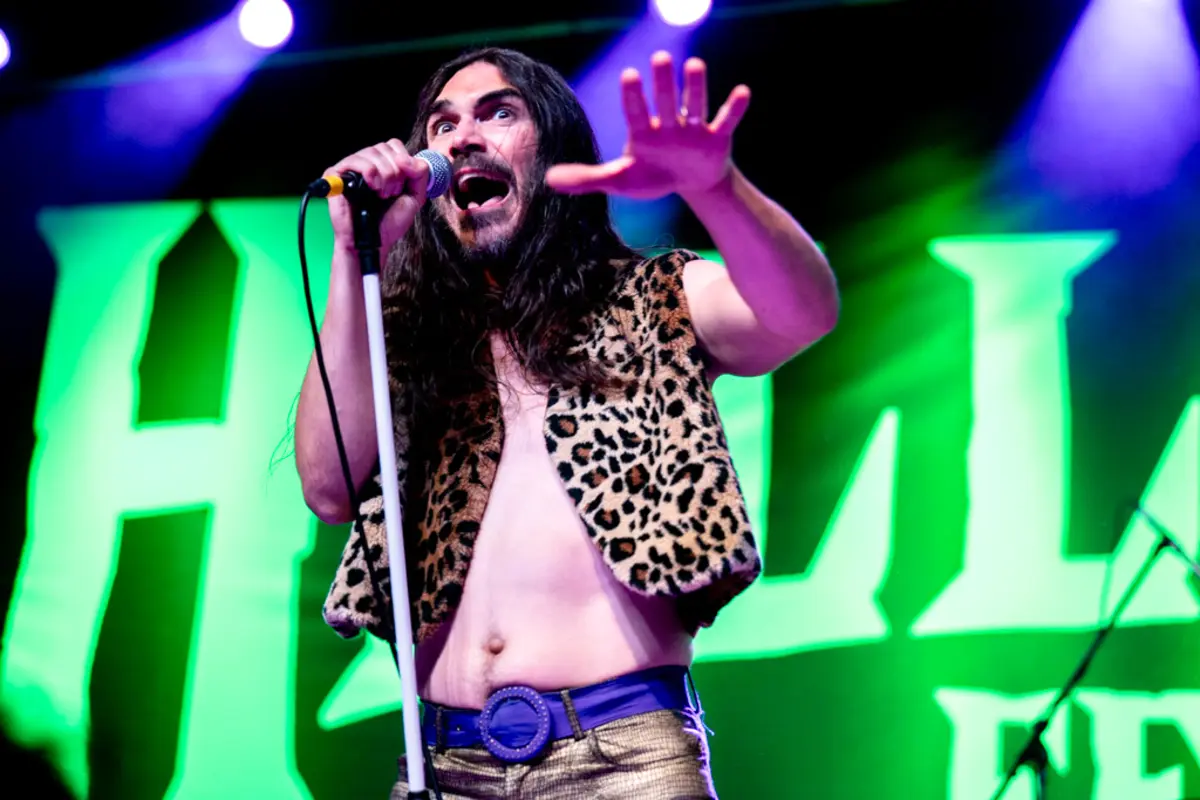
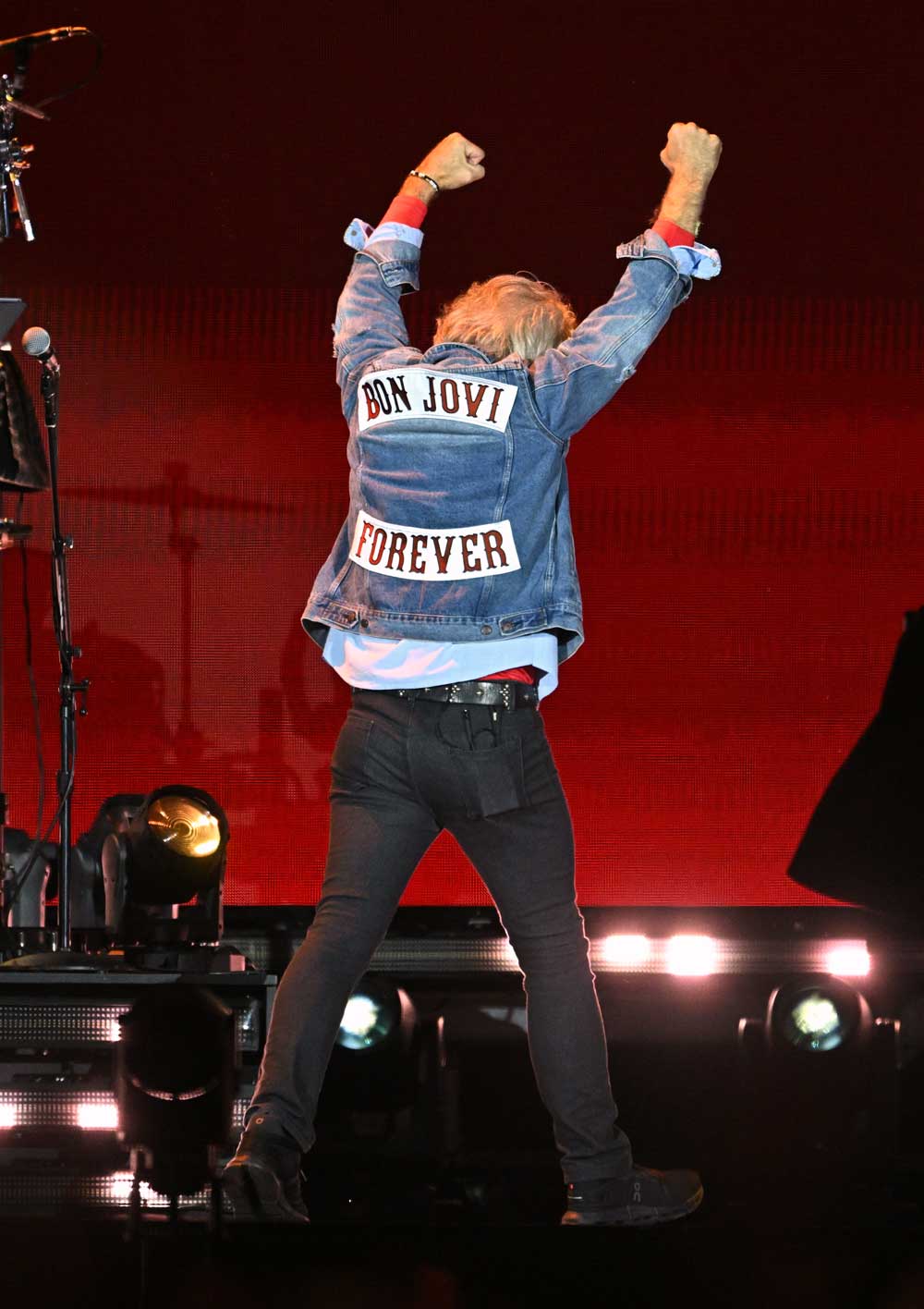
The visual language reinforced this. Band t-shirts, back patches, studded leather, hand-painted logos — metal developed an iconography that functions as visible community membership. You can identify a metal fan at a distance. That’s not accidental. It’s a signaling system, the kind that builds in-group cohesion faster than music alone can manage.
What’s counterintuitive is that the splintering of the genre into subgenres didn’t weaken this. Thrash, death, black, doom, power metal — each developed its own sound, aesthetic, and dedicated following. Fans didn’t fracture away from metal when the genre subdivided. They layered their identities. A person might be a death metal fan first, a metal fan second, and both positions feel meaningful and distinct. That layering gives metal fandom an unusual density of attachment that broader, more homogeneous genres can’t produce.

What Research Finds When It Looks Closely at Metal Fans
The cultural stereotype of the metal fan, the sullen misfit drawn to violent imagery, doesn’t survive much scrutiny once music psychology enters the room. Research has consistently found that heavy metal listeners tend to score high on openness to experience, a personality trait associated with intellectual curiosity, creativity, and a willingness to engage with complex or uncomfortable ideas. The music attracts the curious, not just the angry.
The cathartic function of the genre helps explain the loyalty. Metal regularly explores darkness, mortality, rebellion, and emotional extremity in ways that most popular music avoids entirely. For fans, this isn’t off-putting. It’s the point. The music creates a space to process emotions that everyday life doesn’t accommodate easily. Anger, grief, alienation — these are given form and, crucially, given community. You’re not sitting alone with difficult feelings. You’re surrounded by thousands of people who chose the same space.
Here’s what consistently surprises outsiders when they encounter the research: listening to aggressive music like heavy metal can actually have a calming or mood-regulating effect for many fans. It doesn’t stoke aggression. It dissipates it. The music meets the emotional state rather than amplifying it, and fans walk away settled rather than wound up. That mechanism, repeated over years and across live shows, builds a relationship with the genre that’s hard to walk away from.
Built in the Body, Not Just the Ears
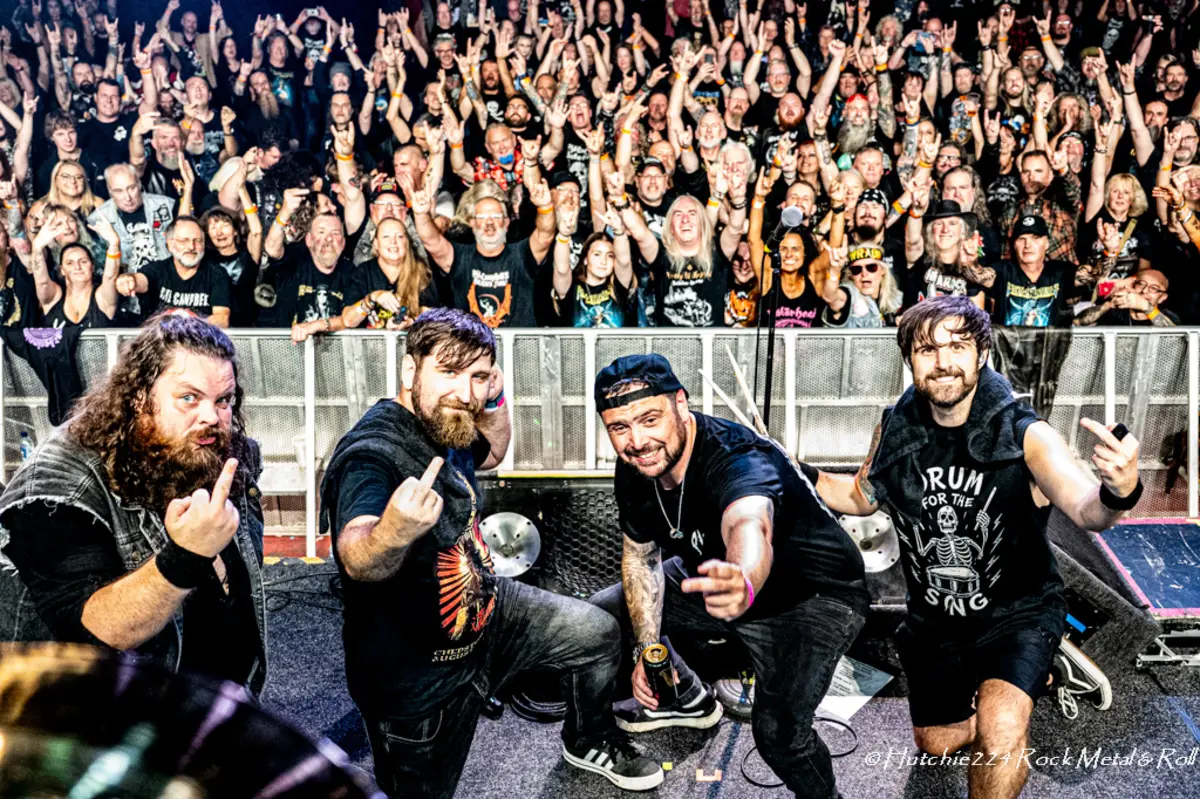
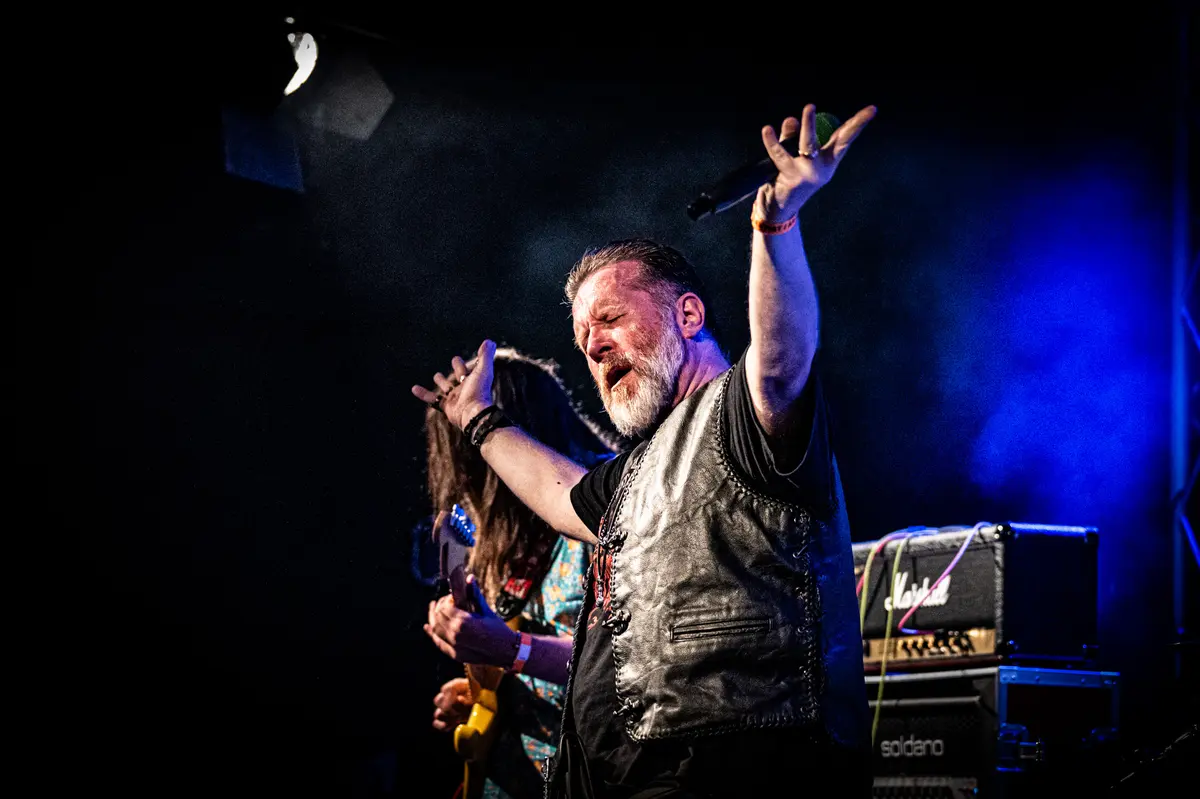
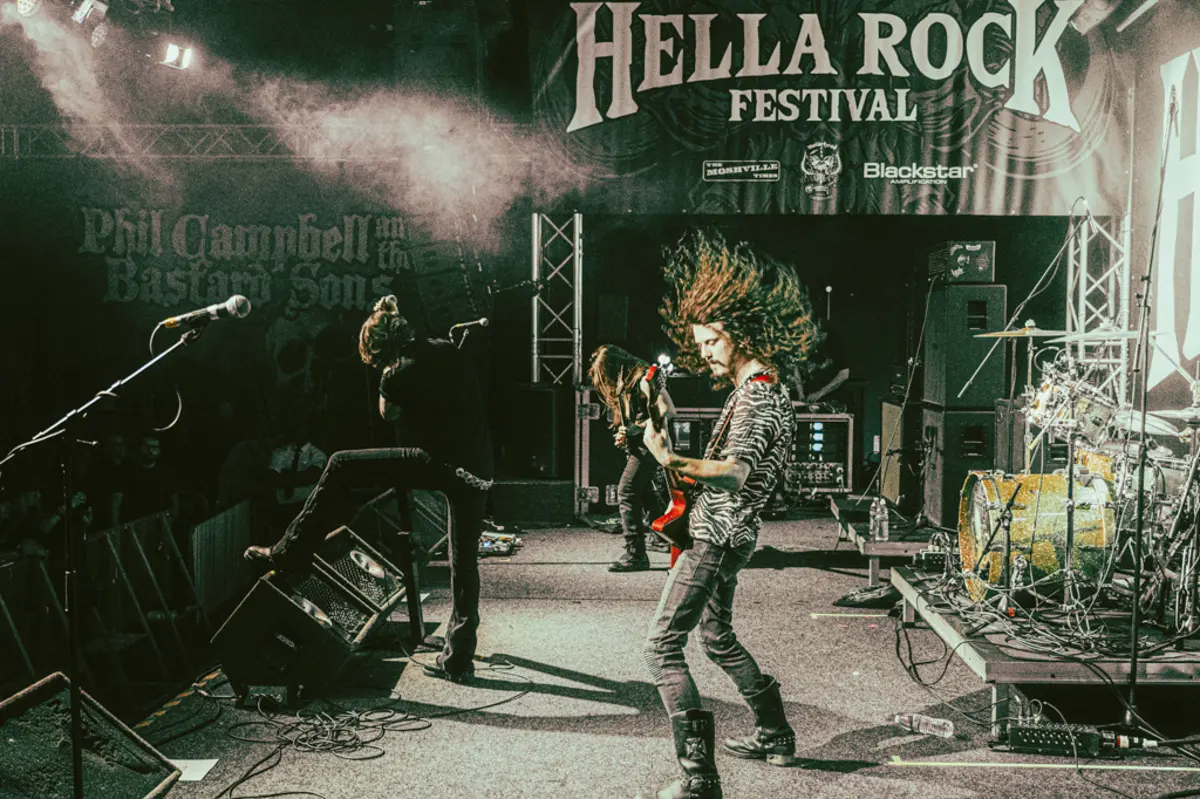
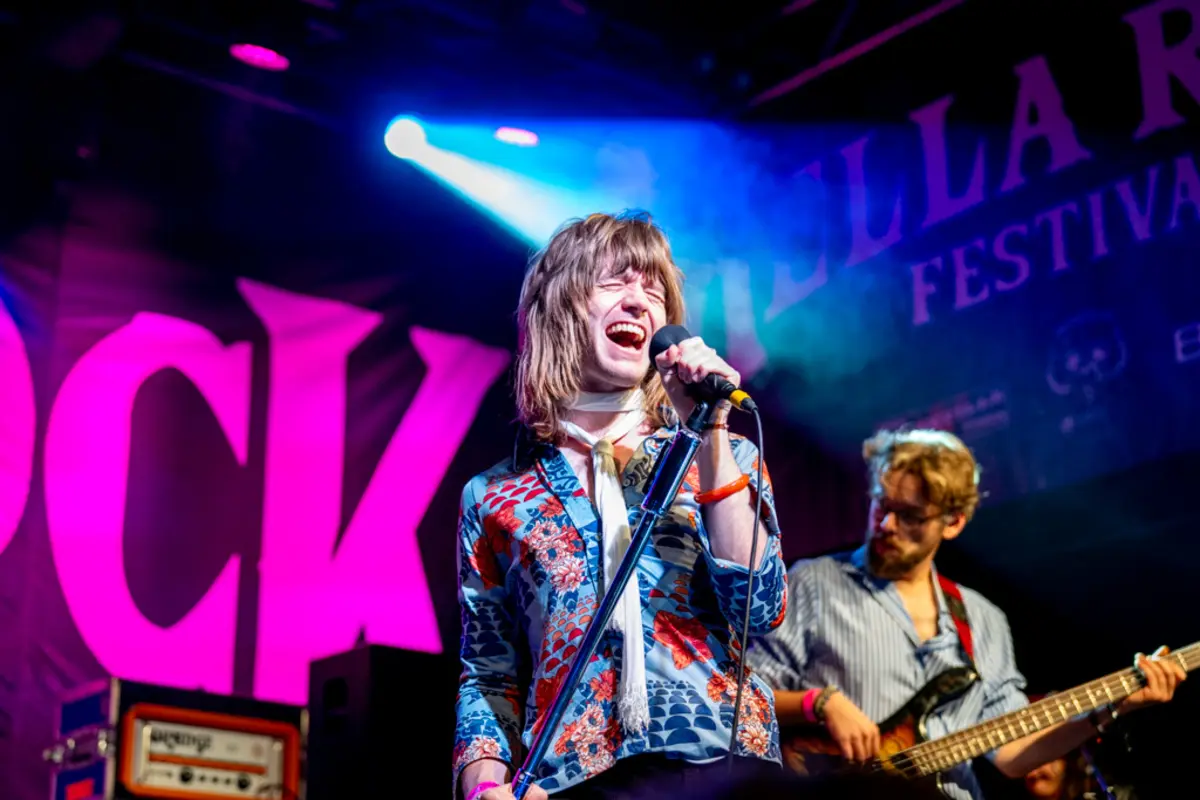
One of the things that separates metal from most music cultures is how physical the experience is. Moshing, headbanging, crowd surfing — these aren’t peripheral features of a metal concert. They’re the point of attending. The music demands a bodily response, and the communal nature of that response turns individual listeners into active participants in something shared.
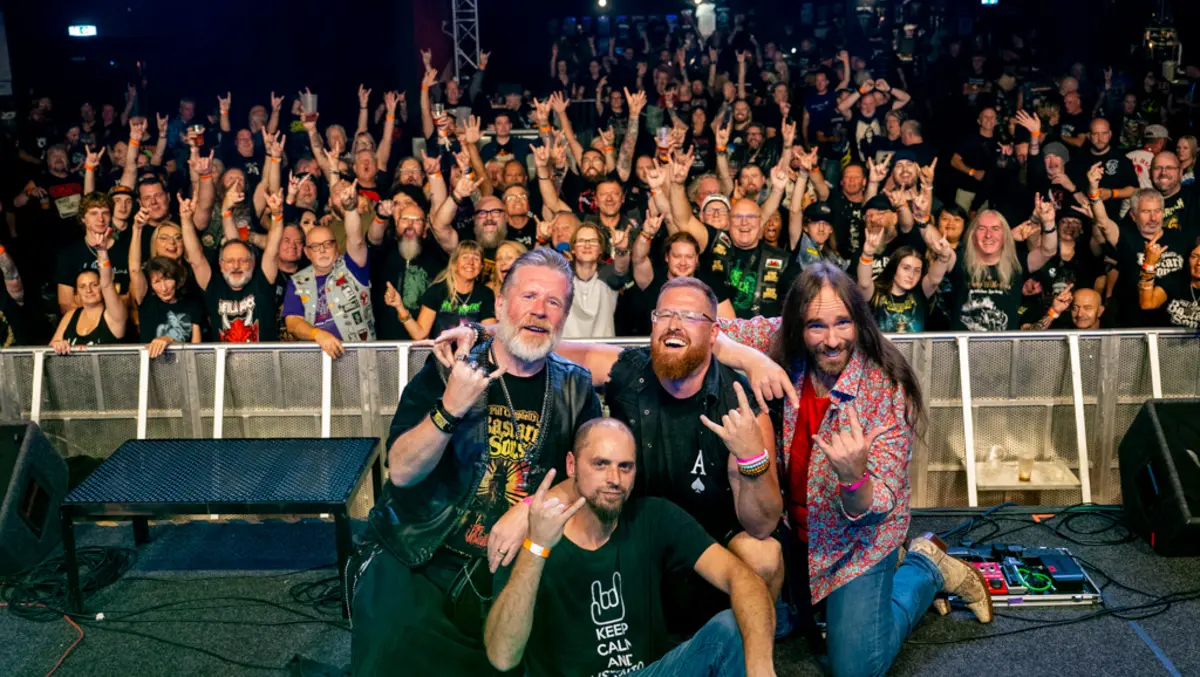
That physical participation does something to group identity that passive listening can’t. When you’ve been in a mosh pit with a few hundred strangers, there’s a kind of trust and solidarity that gets established quickly. Metal crowds are frequently described, by sociologists and fans alike, as surprisingly welcoming to newcomers. The aggressive exterior is not the social reality. People look out for each other. If someone falls, they’re pulled back up. The physicality is participatory, not predatory.
The DIY ethos running through metal culture reinforces this. Many of the genre’s defining bands built their audiences through independent labels, self-funded recording, and relentless touring with little mainstream support. Fans know this history. They’re aware that the band driving six hours in a van to play a bar in their city is doing so because the music demands it, not because a marketing budget demanded it. That awareness creates a different kind of bond than fandom built around chart-driven promotion.
The Metal Pilgrimage and the Culture That Outlasts Every Trend
Wacken Open Air, held each year in a small village in northern Germany, is one of the clearest illustrations of what metal fandom becomes at full expression. Fans travel from dozens of countries to a rural location that offers no other reason to visit, arriving with the kind of encyclopedic knowledge of bands and setlists that makes every performance a shared exercise in collective memory. This isn’t a festival for casual attendees. It’s a pilgrimage, and the people making it have often been making it for years.
That encyclopedic knowledge is itself a binding mechanism. When you know a band’s full catalog, their lineup history, and the specific argument about whether their third or fourth album represents their best work, you’re not just a listener. You’re a participant in an ongoing communal conversation. Metal fandom runs on that conversation. It’s what fills the space between records and between tours.
Metal outlasts trends because it was never built around them. The culture rests on community, shared knowledge, and physical ritual rather than radio airplay or streaming algorithms. Fans were there before the metrics existed to measure them, and they’ll be there when the metrics change again. If you’re in it, you already know this. The genre doesn’t ask for casual attention, and in return, it gives back something that most music cultures simply can’t match.
The post Heavy Metal Fandom Is One of the Most Loyal Cultures in Music appeared first on Loaded Radio.