Here’s a combination that nobody saw coming. The ’90s country-pop megastar and Angine De Poitrine fan Shania Twain has a new album called Little Miss Twain on the way, and her new single features Queens Of The Stone Age frontman Josh Homme.
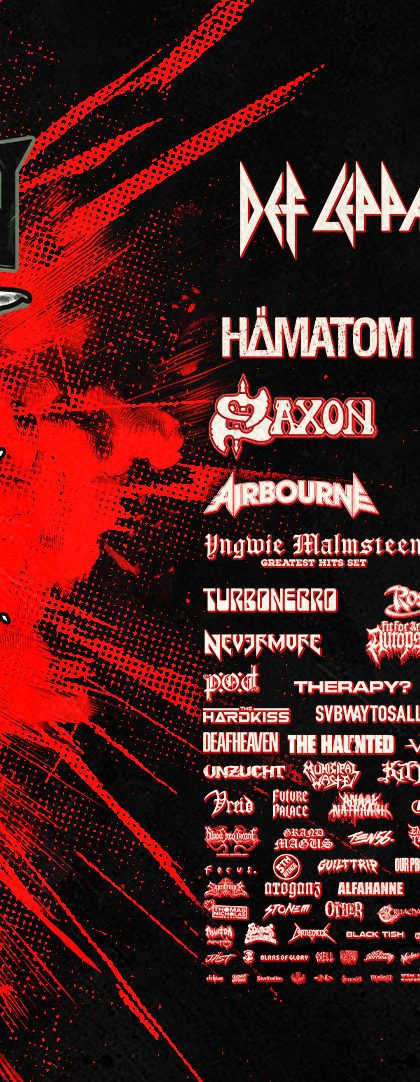
wilde Expedition gesucht? Ab in den Dschungel! Heute liefern wir Euch das komplette Brett für die Welcome to the Jungle Stage. Auch in diesem Jahr wurde ein Line-up zusammengezimmert, das Euch abseits der Hauptbühnen mit einer geballten Ladung Entertainment, Riffs und unzensierten Einblicken versorgt.
Bei den Bands und Live-Acts fliegen die Genregrenzen tief: Mit dabei ist das musikalische Ein-Mann-Orchester Døvydas, das als einstiges Wunderkind live an der Loop-Station monumentale Tracks aus dem Nichts erschafft. Packenden Akustik-Rock und fette Riffs liefern zudem Acoustic Steel, Wildcover, The Ukeboys, die Thomas Nicholas Band, Vika goes wild, System of a Down by Anett & Livi,Acoustic + Radó Éden sowie die Acoustic Guerillas feat. Ellerbek Pussyboys. Für die perfekte Party-Eskalation zwischendurch sorgen wie gewohnt Mambo Kurt, Alien Rockin’ Explosion und das Ballroom DJ Team feat. DJ Hüby.
Wer lieber tiefgründigen Worten lauscht, bekommt bei unseren Lesungen die ungeschönte Wahrheit serviert: Kreator-Frontmann Mille Petrozza wirft gemeinsam mit Torsten Groß einen Blick zurück auf über 40 Jahre kompromisslose künstlerische Unabhängigkeit und sein Aufwachsen im Ruhrpott der 70er. Passend dazu bringt Dr. Holger Schmenk die offizielle Sodom-Biografie „Sodom: Auf Kohle Geboren“ auf die Bühne, während Holy-Moses-Ikone Sabina Classen und Dr. Nico Rose mit „Laut.Stark.Leben.“ den Selbstzweifeln den Kampf ansagen. Phantastisch wird es schließlich mit Maxim Matthew und seinem Dark-Fantasy-Abenteuer „Frøstfǽdrin“.
Damit die Luft abseits der Musik brennt, haben wir hochkarätige Aktivitäten, Shows und Live-Podcasts im Gepäck: Bei den unheiligen Beichtstunden im Live-Podcast von HÄMATOM packen OST und SUED jede Menge Alltagssünden auf den Altar der Wahrheit. Tags darauf übernehmen Saltatio Mortis mit ihrem Podcast „Met & Moshpit“ das Zepter, um pikante Bandgeheimnisse im feinsten Spielmanns-Jargon zu lüften. Außerdem im Programm: „Achtsamkeit In Lederjacke“ mit JanaSolvejg & Uwe Lerch, der Wacken Slam Battle, der berüchtigte Comedian Kay Ray sowie rauchende Köpfe beim Pubquiz mit Nori, dem neuen HitsterQuiz mit Maschine und den glorreichen Siegerehrungen des WOA Soccercups.
Abgerundet wird das Dschungel-Spektakel durch Metal Yoga, Metal Karate, die Metal Workouts und Maschines Late Night Show. Und wer wissen will, wie die Realität hinter den Kulissen aussieht, sollte das Witches Of Wacken Panel nicht verpassen, bei dem Branchen-Insiderinnen aus der Produktion unbeschönigt über die Rolle von Frauen in der Musikindustrie sprechen.
Schnappt euch ein Kaltgetränk – wir sehen uns im Dschungel!
Maryland-based Death/Thrash crew, Ninth Realm, will release their sophomore album, Damnation’s Veil, on August 28 via Transcending Obscurity Records. Damnation’s Veil is a consistent blend of death-thrash, metallic hardcore, black metal, and traditional heavy metal. The album will be available on CD, vinyl, and digital formats. Ninth Realm has released three singles from the album. Those are: “Cohorts of the […]
(written by Islander) We’re all about to roll into the weekend, and we hope it will be a good one for everybody. To help pave the way into it, and to make the weekend a better one for you, we’re premiering a song from Aspen Sanctum’s forthcoming debut album To Withhold the Need to Conquer. […]
Swedish melodic rock force The Devil Wears Nada have released their highly anticipated sophomore album, ‘In Lust We Thrust‘ (review here), out now on CD and limited-edition coloured vinyl via Eönian Records. Scandinavia has long been a breeding ground for world-class melodic rock and AOR, and from Falköping, Sweden, The Devil Wears Nada emerges as a formidable new torchbearer of that […]
SIGNUM REGIS was founded in 2007 and stands for finest melodic Power Metal with both progressive and symphonic elements. Their upcoming new and eighth studio album „Beyond Spacetime“ will be released on October 9th through their new label partner Fireflash Records. „Beyond Spacetime“ will feature different vocalists. Among them their current singer Mayo Petranin, who just returned to the […]
Well, after all the brouhaha about cancelled arena shows and downsized venues, Sammy Hagar, the Red Rocker, finally landed on UK shores and is playing solo shows here for the first time in 44 years.
Those rearranged and cancelled shows are a rare business misstep for Sammy, as he has been a very successful man both in music and outside of it. Check the history of his Cabo Wabo tequila brand for evidence.
That tequila connection was the basis for a lot of solo shows over the last couple of decades, but tonight’s theme is a tribute to Eddie Van Halen, so it is a different vibe for the most part.
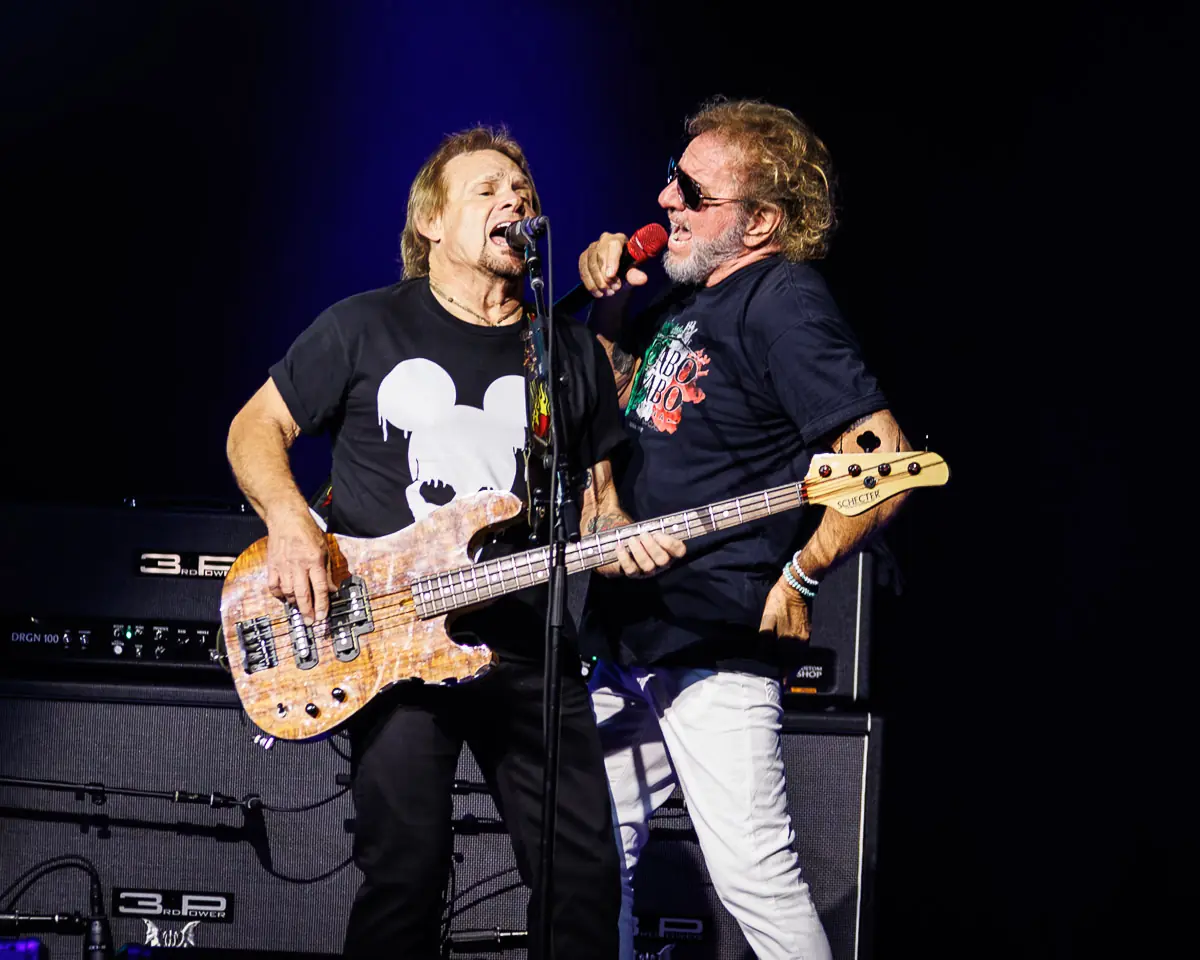
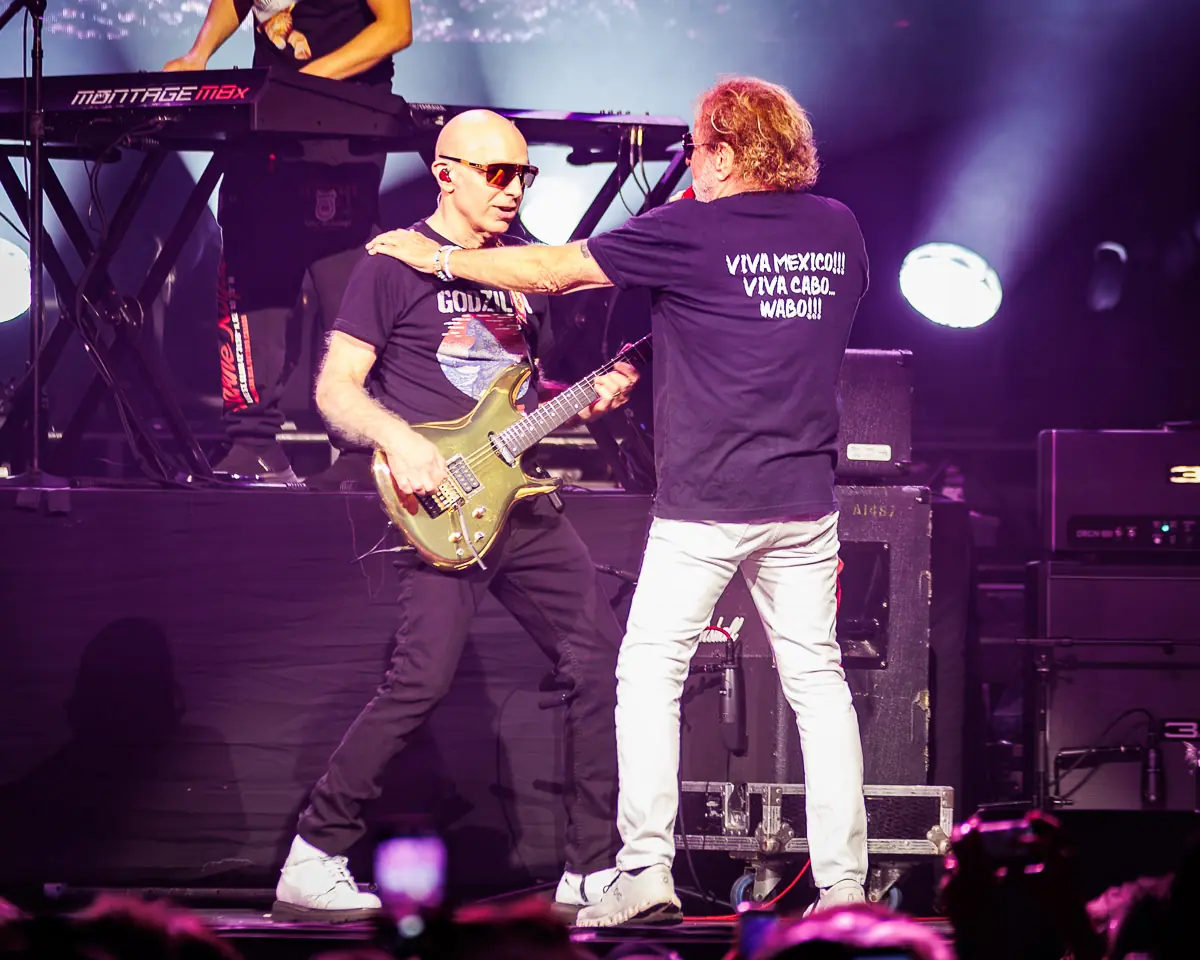
Sammy Hagar – British Airways ARC, London – 9 July 2026. Photo: Manuela Langotsch/MetalTalk
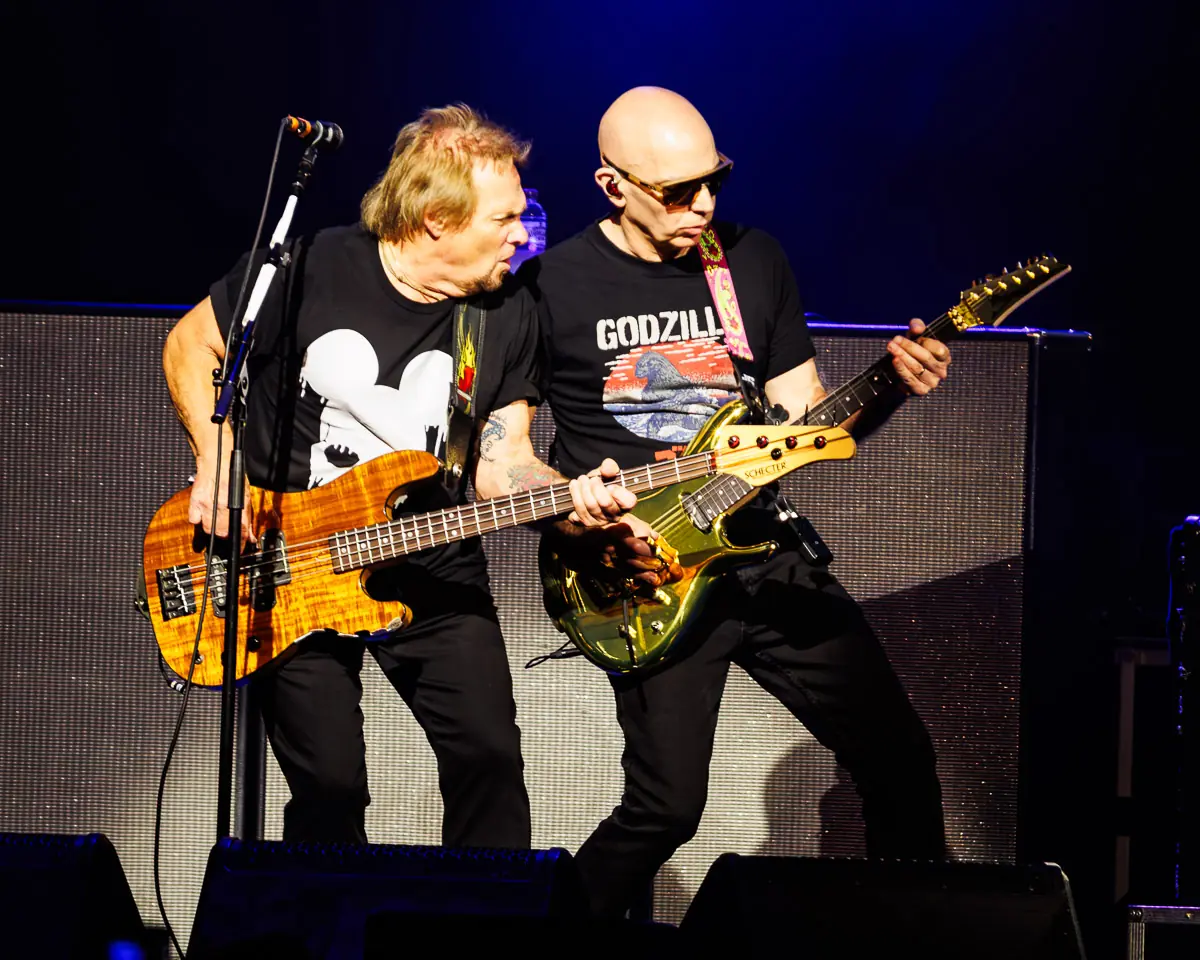
With a backing band featuring VH cohort Michael Anthony and surfing alien Joe Satriani, Mr Hagar himself says all he has to worry about is singing, and he does not even seem to worry about that.
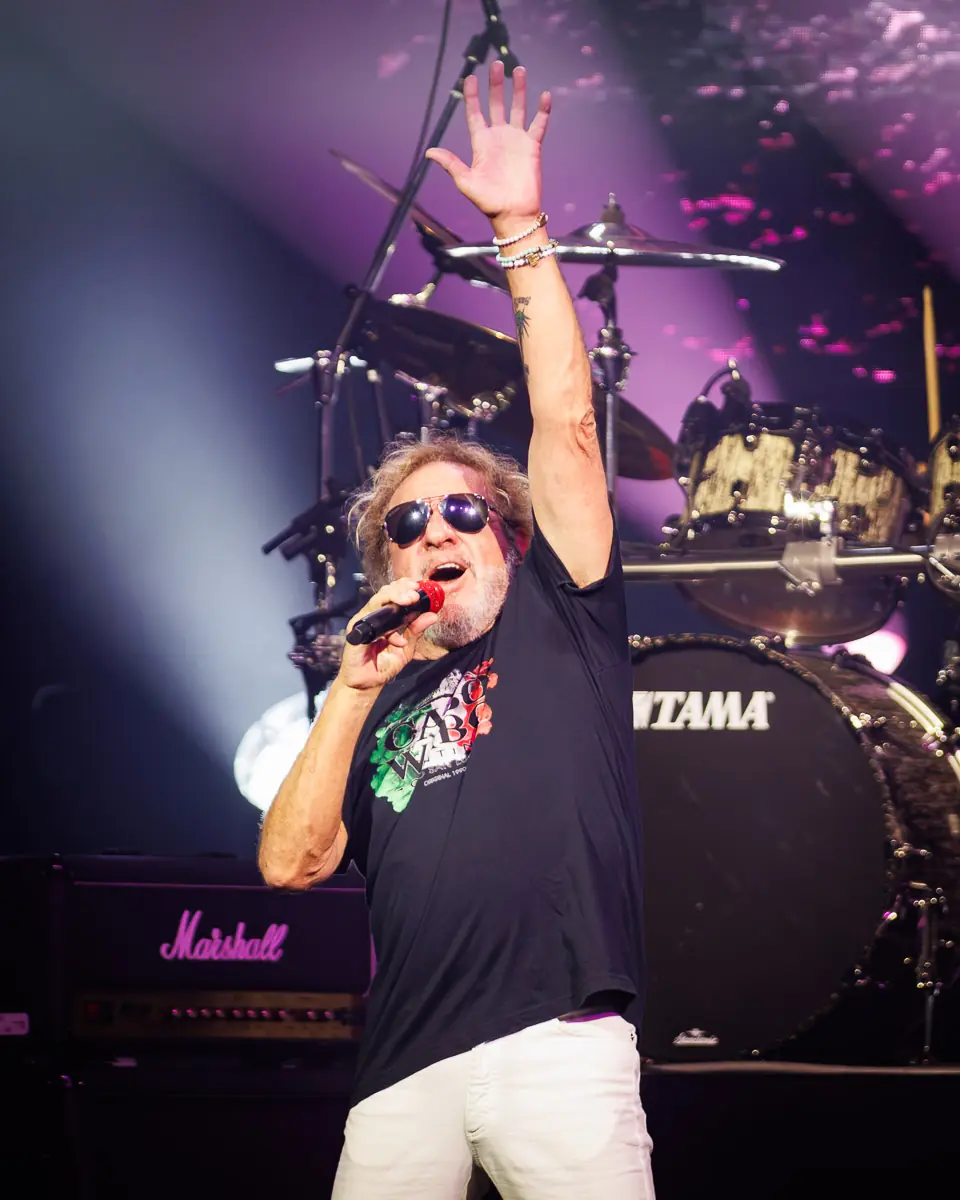
He is more of a grey rocker than a red one these days, but his real age of 78 is still a shock to the system when you see how dynamic a frontman he still is up there.
As for the vocals themselves, he had taken criticism over some recent performances. But over a near two-hour show, I heard very few rough spots. He is not perfect, but he is damn good.
Sammy Hagar – British Airways ARC, London – 9 July 2026. Photo: Manuela Langotsch/MetalTalk
The setlist had a lot of 5150-era Van Halen contained within it, and opening up with Why Can’t This Be Love is a message that they have so many good songs to play that they do not need to conserve any until later in the set.
Best Of Both Worlds, twinned with F.U.C.K.’s Top Of The World, are stomping, raucous singalongs early in the show, and the crowd are right up for it.
The ARC is a pristine, new venue, and that, added to the fact that the ‘stalls’ section was all seated, made me wonder how the atmosphere was going to be. I need not have worried. The London Hagar massive were up on their feet from the first note and ready for a long, long-awaited party.
Sammy Hagar – British Airways ARC, London – 9 July 2026. Photo: Manuela Langotsch/MetalTalk
There was plenty of party up on the stage too, Sammy giving a nod to his old Wabos tours, drinking and dealing out the tequila to the point of pouring it into willing audience members’ mouths.
Mas Tequila was the great celebration it was designed to be, and the other solo tunes from Mr H’s career, like Heavy Metal, and especially There’s Only One Way To Rock, and I Can’t Drive 55, really hit the spot too.
Oh, for a solo material tour to savour one day.
Sammy Hagar – British Airways ARC, London – 9 July 2026. Photo: Manuela Langotsch/MetalTalk
There was a spontaneous moment where someone threw a Chickenfoot t-shirt on stage to be signed, prompting the inclusion of a stage-thumping Big Foot, which was a nice addition to the set.
The only nod to Roth-era VH was when the main man took a break, and Mikey sang lead on Ain’t Talkin Bout Love before Satriani also got a Satch Boogie showcase number.
I did like that during an impassioned Right Now, there were various messages put up on the big screen at the back of the stage, and one of them was “Aliens walk among us, and Joe Satriani is one of them!”
Sammy Hagar – British Airways ARC, London – 9 July 2026. Photo: Manuela Langotsch/MetalTalk
The spontaneity surfaced again in Good Enough, a little segue to Yes’ Owner Of A Lonely Heart being built in.
This was a band with great chemistry, everyone really enjoying themselves and more than 150 years of rock ‘n’ roll experience on the stage showing up and proving that class never gets old.
An emotional Eagles Fly and Eddie VH tribute tune, Encore, Thank You, Goodnight, and it was all over.
Sammy Hagar – British Airways ARC, London – 9 July 2026. Photo: Manuela Langotsch/MetalTalk
After a decades-long wait for another Sammy Hagar solo UK tour, he did not disappoint, at least on the stage. While the cancelled arena shows rankled with many, I managed to catch two of these shows in smaller halls, and they were so much better than any arena events would have been.
Controversial opinion, but I am glad that is how it worked out in the end.
The wait is almost complete. Years in the making Los Angeles progressive power metal group NOVAREIGN are about to unleash ‘Shifting The Axis Of The World’ next Friday, July 17th. But before doing so the quartet have shared another new song “Thunder & Majesty” to appease the masses or to maybe just further tease fans […]
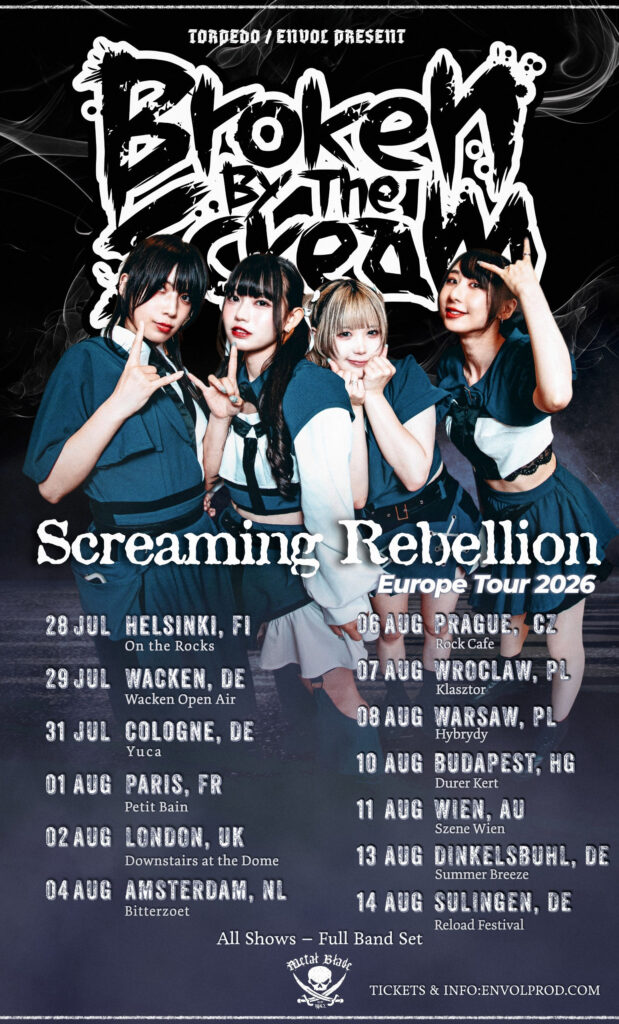
Japanese band Broken By The Scream will tour through Europe with many festival appearances, check out their upcoming shows. Get your tickets by clicking here.
Tuesday, July 28, 2026 – On The Rocks, Helsinki, Finland
Wednesday, July 29, 2026 – Wacken Open Air, Wacken, Germany
Friday, July 31, 2026 – Yuca, Cologne, Germany
Saturday, August 01, 2026 – Petit Bain, Paris, France
Sunday, August 02, 2026 – Downstairs at the Dome, London, United Kingdom
Tuesday, August 04, 2026 – Bitterzoet, Amsterdam, Netherlands
Tuesday, August 06, 2026 – Rock Cafe, Prague, Czech Republic
Friday, August 07, 2026 – Klasztor, Wroclaw, Poland
Saturday, August 08, 2026 – Hybrydy, Warsaw, Poland
Monday, August 10, 2026 – Dürer Kert, Budapest, Hungary
Tuesday, August 11, 2026 – Szene Wien, Wien, Austria
Thursday, August 13, 2026 – Summer Breeze, Dinkelsbuhl, Germany
Friday, August 14, 2026 – Reload Festival, Sulingen, Germany