Category: news
-
Hear Lita Ford’s New Single, ‘Dracula’
The Runaways legend returns with the first taste of her upcoming album, which she describes as a "magical, dark fairytale." Continue reading… -
20 of the Most Legendary Metal Singers to Have Ever Lived
While some metal icons are celebrated for their groundbreaking influence and unmistakable timbre rather than purely technical acrobatics, others have pushed the boundaries of vocal range and complex techniques.
Despite their varied approaches, the vocalists on this list are united by their legendary status, exceptional skill, sheer power, and profound contributions to the metal genre, shaping the sound of countless bands and inspiring legions of fans.
1. Ronnie James Dio (Dio, Black Sabbath, Rainbow, Heaven & Hell, Elf)
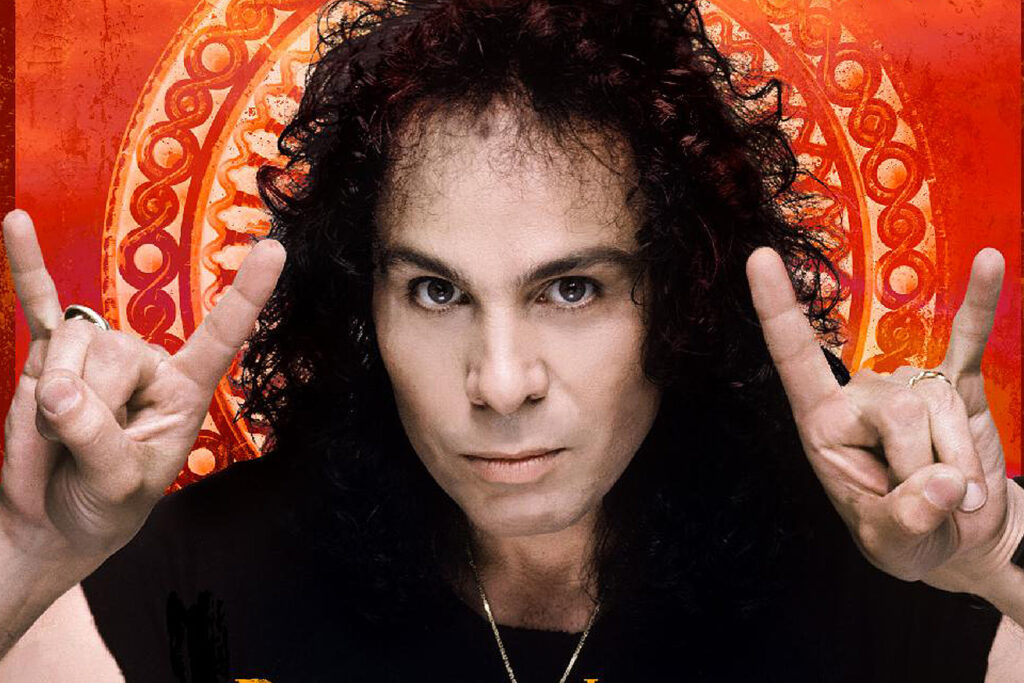
Ronnie James Dio in the 80s. Universally revered, Ronnie James Dio was a monumental figure in heavy metal, known for his incredibly powerful and versatile voice and his evocative medieval-themed lyrics that became a staple of the genre. His voice was an unmistakable force across his work with Elf, Rainbow, Black Sabbath, his eponymous band Dio, and Heaven & Hell. Fans and critics alike consistently praise his ability to deliver studio-quality performances live, a testament to his genuine skill and control. Stephen O’Malley of Sunn O))) highlighted Dio’s “remarkable singer and showman” qualities, and also his “great power of spirit and optimism, which projects directly into the soul of the listeners”. His work on Black Sabbath’s Heaven and Hell album, for instance, received immediate critical acclaim and is often cited as one of their best, demonstrating his ability to revitalize and redefine a band’s sound.
Vocal coach Elizabeth Zharoff noted his incredible precision and expressiveness, stating it “just came so naturally to him” and that “he never got in his head to take away from the message he was delivering”.
Most Influential Work: Dio’s powerful and versatile vocals are legend, showcased on iconic tracks like Rainbow’s “Man on The Silver Mountain” and “Stargazer,” which fans describe as vocal performances for the ages due to his expression and control. His work with Black Sabbath on “Children of The Sea” and “Heaven and Hell” is lauded for bringing a new brilliance to the band , while “Holy Diver” with his solo band Dio remains a quintessential metal anthem, celebrated for its power and Dio’s signature gritty singing.
2. Bruce Dickinson (Iron Maiden, Samson, Solo)
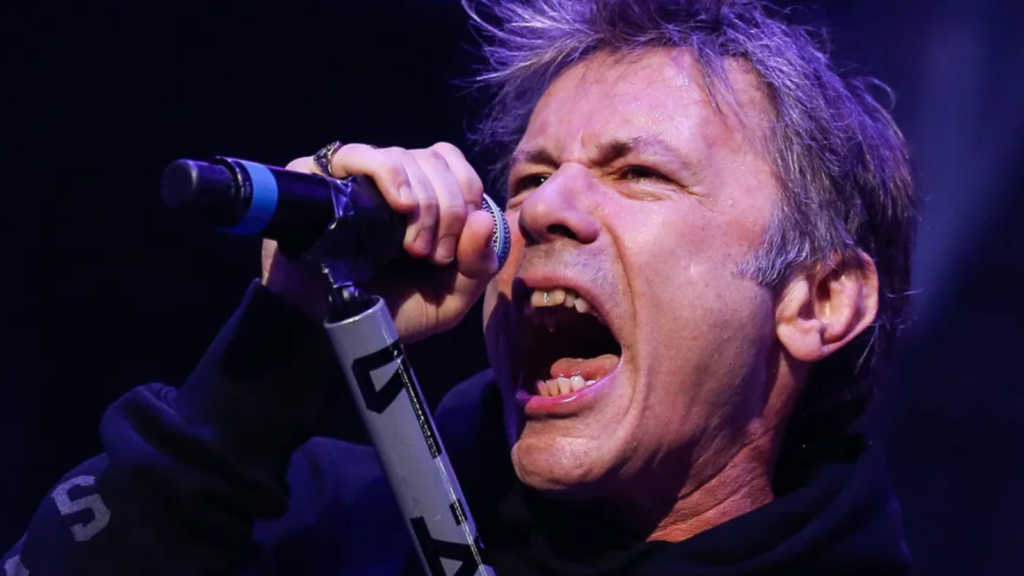
Dickinson on stage with Iron Maiden. Famously dubbed the “Air Raid Siren,” Bruce Dickinson, the iconic frontman of Iron Maiden, is celebrated worldwide for his quasi-operatic tenor, incredible vocal range, seemingly inexhaustible stamina, and electrifying stage presence. His arrival in Iron Maiden is often credited with allowing the band to explore more complicated and intricate vocal lines, adding a new dimension of excitement to their musical structure. His first album with the band, The Number of the Beast, gave Iron Maiden their first UK #1 album, a testament to his immediate impact. Fans on forums often engage in spirited debates comparing him to Rob Halford, with many highlighting Dickinson’s unique theatricality and stage command.
Even as his voice has matured, recent reviews of his solo work like The Mandrake Project acknowledge that while his high notes may sound more “strained” to some, his technique remains “very good”.
Most Influential Work: Dickinson’s soaring operatic tenor and incredible range define Iron Maiden’s sound on classics such as “The Number of the Beast” and “Hallowed Be Thy Name,” with fans lauding the power and flexibility in his delivery. Tracks like “Aces High,” “Run to the Hills,” and the epic “Rime of the Ancient Mariner” are consistently cited by fans and critics as showcasing his exceptional vocal talent and ability to command complex musical narratives.
3. Rob Halford (Judas Priest, Halford, Fight, 2wo)
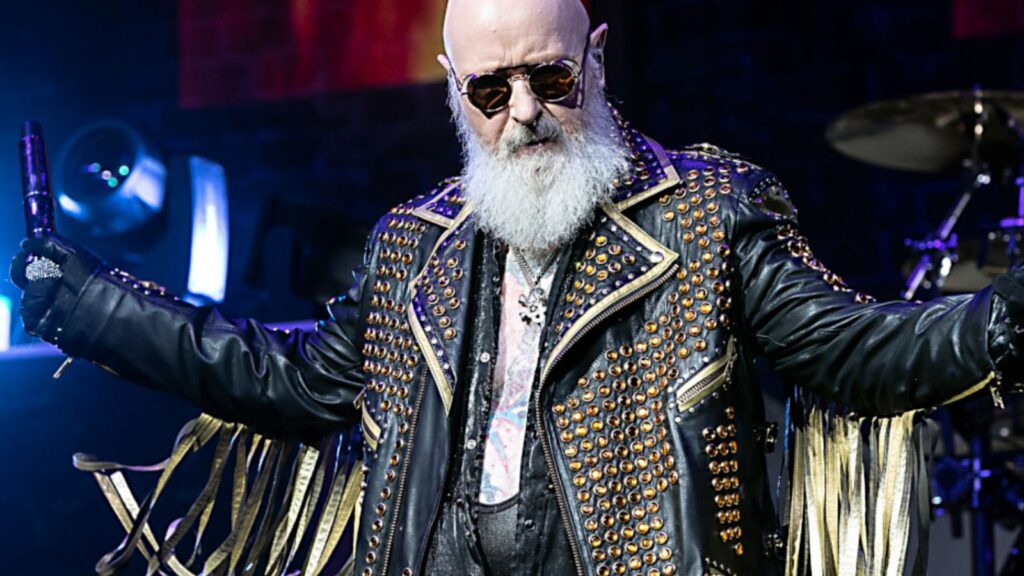
The “Metal God” himself, Rob Halford stands as one of the most influential and instantly recognizable vocalists in heavy metal, renowned for his piercing high screams and formidable power. His voice has been described as “iconic, powerful, enduring and pretty much drips with black leather”. The Range Planet calls him “undoubtedly one of the most influential and emulated singers in heavy metal”. Fan discussions often place him at the pinnacle, with some giving Halford the edge over other titans due to the perceived greater variety in range and style across Judas Priest’s extensive discography.
One enthusiastic fan even called him the “second greatest vocalist in heavy metal history – and the best in history at the operatic style”. While some Reddit users have debated a “nasally” quality on high notes, the consensus is often that it’s a characteristic of his powerful nasal resonance, not a flaw.
Most Influential Work: Halford’s piercing screams and dynamic range are hallmarks of Judas Priest’s most influential tracks. “Victim of Changes” and “Exciter” showcase his early ability to sustain well-rounded belted notes and soar into heady fifth-octave passages. “Beyond the Realms of Death” further exemplifies his polished mix and signature high wailing. The iconic “Painkiller” is frequently cited for its intense, almost glass-shattering screams and the sheer compression and power Halford delivers. “Breaking the Law” remains an anthem, instantly recognizable by his distinct vocal delivery.
4. King Diamond (Mercyful Fate, King Diamond)
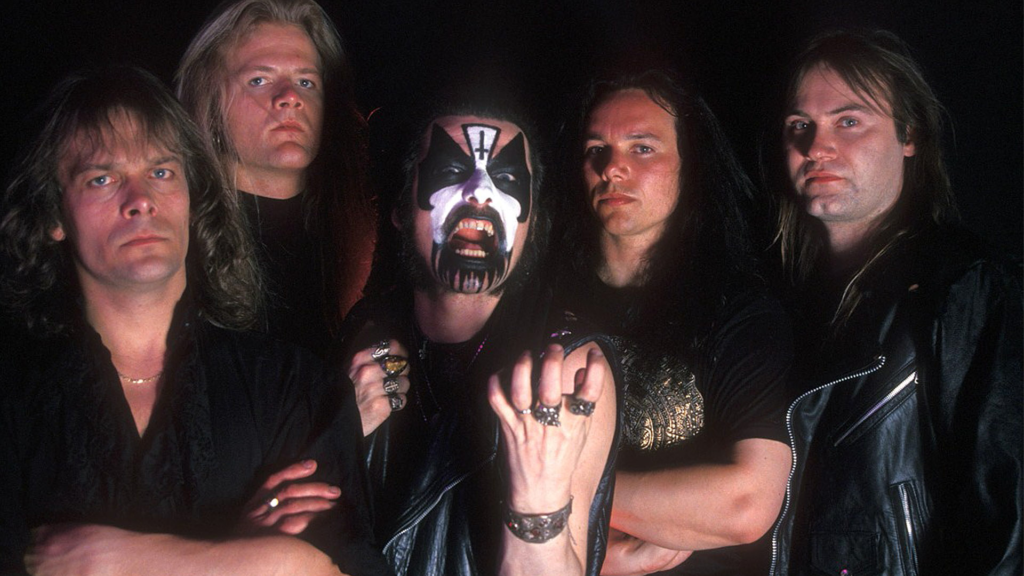
Mercyful Fate in the 80s, featuring singer King Diamond in the middle. A truly unique and undeniably theatrical figure, King Diamond is renowned for his astonishing vocal range, signature falsetto, and horror-themed concept albums that have captivated and sometimes polarized listeners. Loudwire praises his “powerful voice; incredible range, including the ease with which he hits highs”. His vocal style, influenced by artists like David Byron and Arthur Brown, incorporates a controlled falsetto that some describe as a “metal countertenor”. Fans widely acknowledge his absolute uniqueness, with one stating, “He does that thing that he does in a way that no one else can nail the same way at all”.
Many admit his vocals are an “acquired taste,” sometimes found “ridiculous” initially before a deep appreciation for his artistry develops. Metal Archives reviews for the album “Them” note his voice was “arguably at its peak” on that record, masterfully using falsetto to portray different characters.
Most Influential Work: King Diamond’s astonishing vocal range and signature falsetto define his influential work. Mercyful Fate’s “Come to the Sabbath” is a classic showcasing their controlled screams and haunting melodies. From his solo work, “Welcome Home” and “Abigail” are iconic, with chilling shrieks and theatrical delivery that bring his horror narratives to life. Mercyful Fate’s “A Dangerous Meeting” highlights his varied tones, while “Tea” from the album “Them” is a shining example of his operatic and mid-paced proggy songwriting.
5. Chris Cornell (Soundgarden, Audioslave, Temple of the Dog)
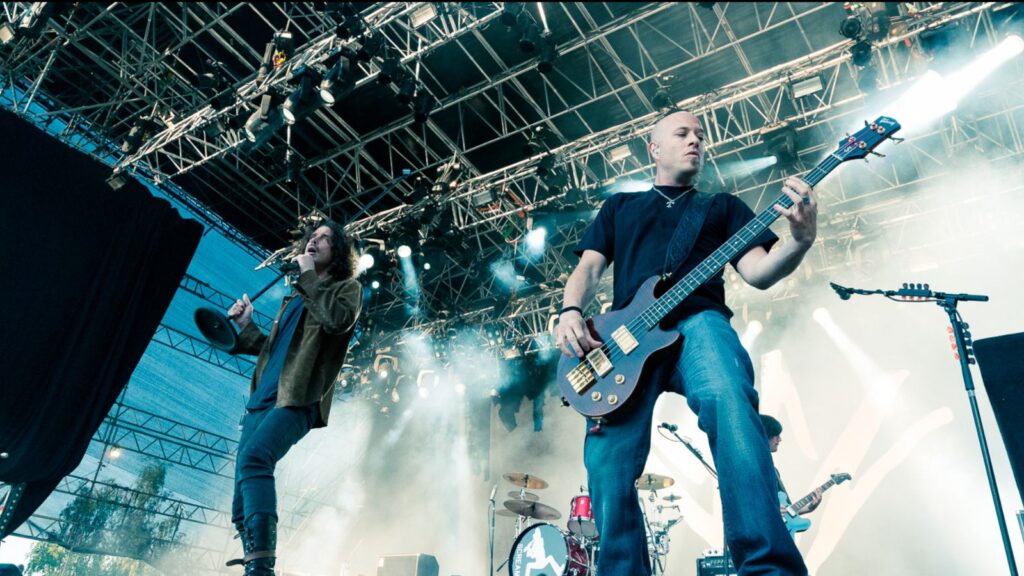
Chris Cornell is widely revered as one of rock music’s most gifted and profoundly influential vocalists, celebrated for an extraordinary vocal range and a powerful belting technique that defined a generation. Many fans unequivocally consider him the “best vocalist ever,” with one stating, “Chris is the best who ever did it… And it’s not particularly close”.
His performance on Soundgarden’s “Slaves and Bulldozers” drew comparisons to Ronnie James Dio in terms of vocal dexterity. While some acknowledge periods where he struggled live, often attributed to vocal cord issues or not taking adequate care of his voice , his acoustic shows were often acclaimed, and many fans highlight his ability to convey raw emotion. One fan described his voice as “powerful as a viking jackhammer, smooth as aged bourbon,” with a signature “rasp, this death rattle which gave it this edge”.
Most Influential Work: Cornell’s nearly four-octave range and powerful belting technique are showcased on Soundgarden’s “Black Hole Sun,” a track that exemplifies his vocal range and use of distortion. Audioslave’s “Like a Stone” highlights his soulful, emotive singing style. Soundgarden’s “Beyond the Wheel” is described by fans as having “mind blowing” vocals where he’s “screaming the whole time pretty much but its so clean”.
6. James Hetfield (Metallica)
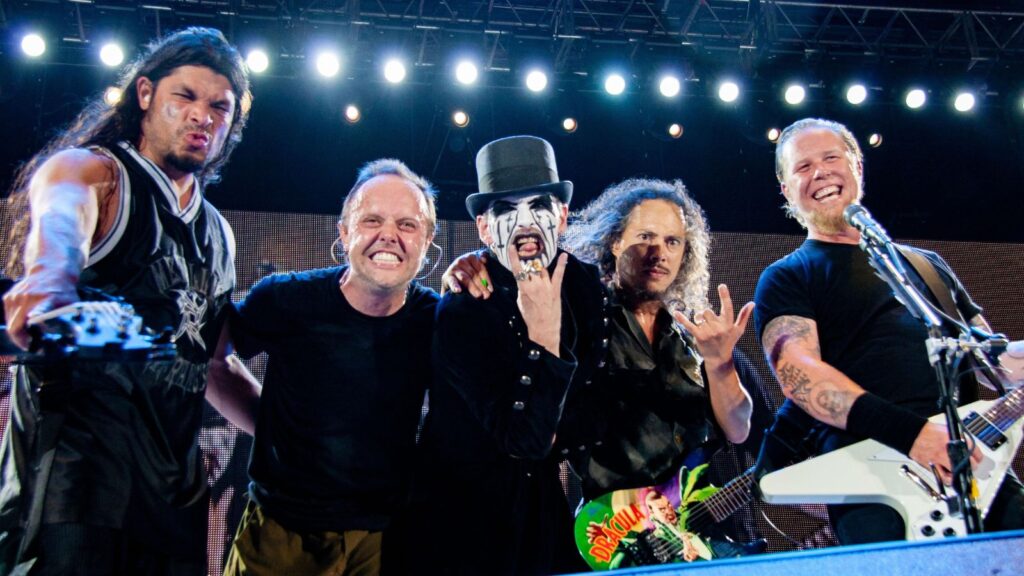
Metallica with guest King Diamond; Hetfield is on the right. As the unmistakable voice of Metallica, James Hetfield is lauded for an aggressive tone and immense power that has defined thrash metal. Tom Hunting of Exodus credits Hetfield with “literally invent[ing] a new style of metal singing”. Fans frequently extol his live performances, with some asserting he was “almost better live” than in the studio during his peak eras. While some acknowledge he might not be the “best singer technically” compared to more operatically trained vocalists, he is widely seen as a “perfect example of how a singer fits the style of music he’s playing”.
His vocal evolution, particularly after working with a vocal coach for the Black Album, is noted by fans and critics for improving his technique and durability without sacrificing his signature sound. On recent albums like 72 Seasons, listeners praise his ability to convey “raw emotion”.
Most Influential Work: Hetfield’s aggressive tone and powerful delivery defined a generation of thrash metal. On Metallica’s “Enter Sandman” and “Nothing Else Matters,” his vocal lines became instantly recognizable, with the latter showcasing his ability to handle more melodic passages. “Master of Puppets” is a prime example of his earlier, more raw vocal style that became a benchmark for thrash.
7. Ozzy Osbourne (Black Sabbath, Solo)
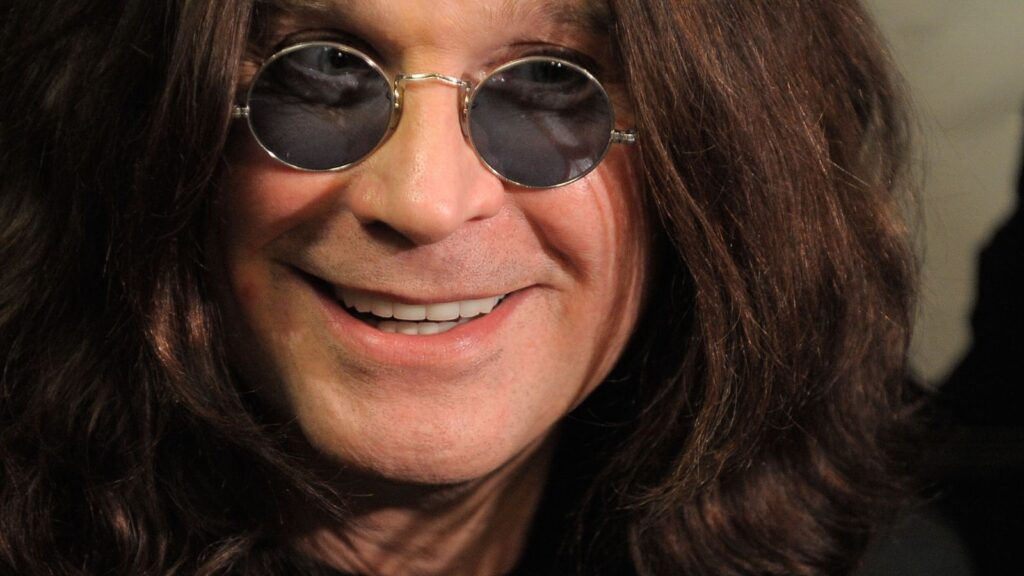
The “Prince of Darkness,” Ozzy Osbourne, possesses one of heavy metal’s most recognizable voices, defining Black Sabbath’s groundbreaking sound and forging a massively successful solo career. His voice is described as “unmistakable,” with a “raspy, powerful, and raw” intensity. While not always praised for pure technicality, his “distinctive tone and texture” and “incredible vocal control” are hallmarks. Fan opinions are somewhat divided; some argue his voice “blew out decades ago” , while others defend his unique sound and the difficulty of songs like “Mr. Crowley”.
Many acknowledge his immense influence as a frontman, with one fan noting his voice “does fit the sound” even if not technically perfect. He sang his last show on July 5, 2025, at the “Back to the Beginning” farewell concert in Birmingham, reunited with the original Black Sabbath lineup, and died just 17 days later, on July 22, 2025, at 76.
Most Influential Work: Osbourne’s unmistakable and iconic “eerie vocals” were foundational to Black Sabbath’s gloomy, groundbreaking sound on tracks like “Black Sabbath,” “Paranoid,” and “War Pigs”. His solo career continued this influence with hits like “Crazy Train,” celebrated for its “trademark Ozzy vocal melody” , and “Mr. Crowley,” a song fans point to as deceptively difficult to sing.
8. Geoff Tate (Queensrÿche)
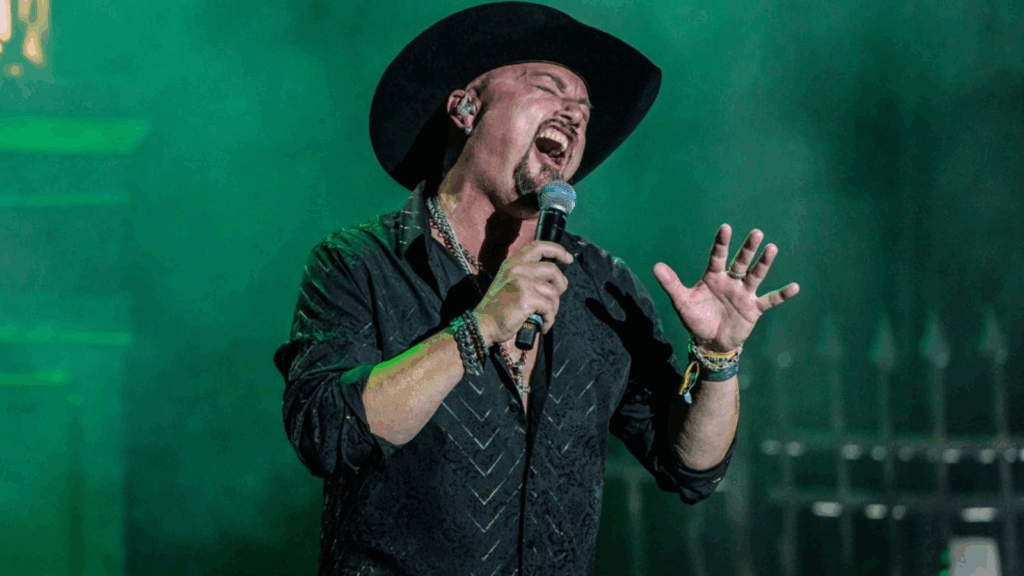
As the distinctive voice of Queensrÿche during their classic era, Geoff Tate is celebrated for powerful, emotive, and wide-ranging vocals that were key to the band’s influential progressive metal sound. Fans on power metal forums cite Operation: Mindcrime alone as “reason enough to build a monument for him”.
While his vocal abilities faced criticism in his later years with the band , reviews of his 2024 and 2025 shows suggest a significant resurgence, with critics praising his “vocal excellence… crisp and powerful” even at 66. One Reddit user, after a recent show, exclaimed, “Geoff killed it! He was just about perfect vocally…performing better than he has for the past 30 years”.
Most Influential Work: Tate’s powerful, emotive, and wide-ranging vocals were central to Queensrÿche’s progressive metal sound. “Queen Of The Reich” and “Take Hold of the Flame” showcase his soaring high notes and dramatic flair from their early days.
The conceptual epic “Suite Sister Mary” and the haunting “Eyes of a Stranger” from Operation: Mindcrime are prime examples of his narrative vocal power. The hit ballad “Silent Lucidity” demonstrated a different, more subdued side of his vocal capabilities, becoming one of their most recognized songs.
9. Mikael Åkerfeldt (Opeth, ex-Bloodbath)
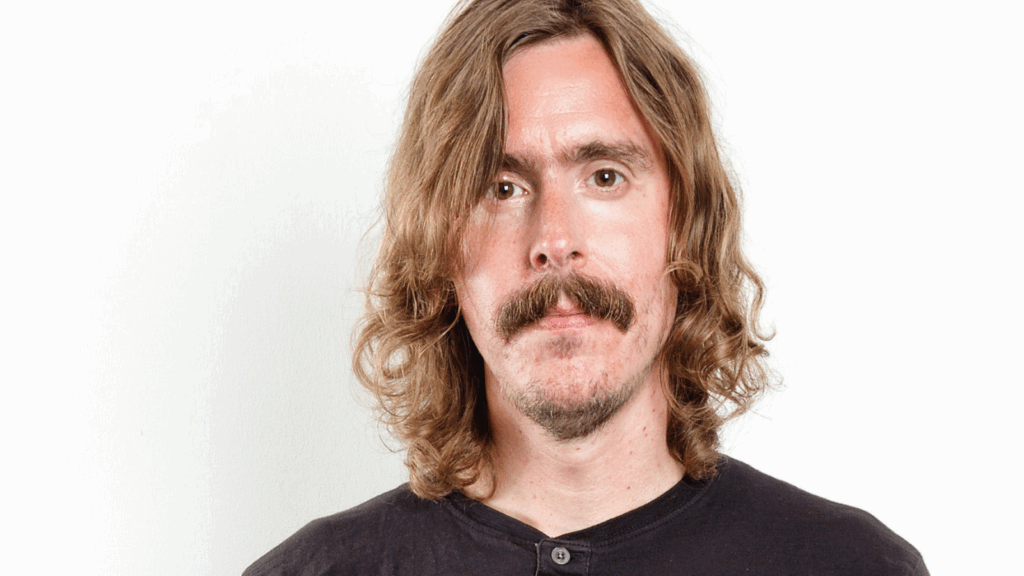
The visionary behind Opeth, Mikael Åkerfeldt is celebrated for his exceptional dual-threat vocal ability, masterfully transitioning between “some of the best guttural growls in the business and a clean, often soothing baritone mid range”.
Loudwire has called him “arguably the best to ever do it [growl] with clean enunciation”. His clean singing has “grown increasingly stronger” over the years, evolving into a “beautifully haunting” style. The band’s shift away from harsh vocals post-2011 was controversial , though Åkerfeldt felt it improved his confidence in his clean delivery. Fans often acknowledge his early harsh vocals as some of “the greatest of all time,” while also noting his clean vocals have “improved tremendously”. His recent return to growls on 2024 material was met with fan celebration.
Most Influential Work: Åkerfeldt’s masterful transitions between guttural growls and soothing clean vocals are a hallmark of Opeth’s influential work. “Bleak” from Blackwater Park is often cited, with Metal Injection describing his voice on that album as feeling like it “emanated from another realm”. “The Grand Conjuration” features an “epic guttural moment” , while “Demon of the Fall” showcases his developing deep vocal vortex.
10. Maynard James Keenan (Tool, A Perfect Circle, Puscifer)
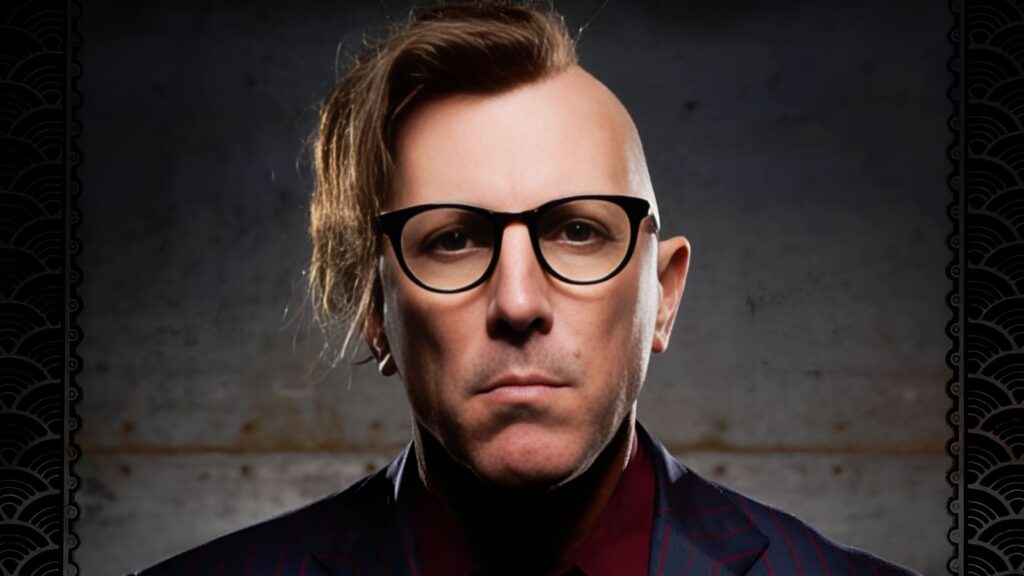
The enigmatic frontman of Tool, A Perfect Circle, and Puscifer, Maynard James Keenan is lauded for his distinctive vocal style and intellectually stimulating lyrics. Revolver readers praised his “mind-blowing range, subtlety and emotionality”.
His vocal rhythms are often “unconventional,” a style he reportedly began developing by synchronizing his breathing with his footsteps while running cross-country. Vocal coach The Charismatic Voice has noted his effective use of growls as an “excellent expression of the seething anger” and praised the sophisticated construction of Tool’s compositions.
A distinctive aspect of his approach with Tool is positioning his vocals relatively low in the mix, functioning as “just one of those instruments”. While comedian Reggie Watts criticized his voice for lacking “presence” or “rasp,” many fans defended his unique abilities.
Most Influential Work: Keenan’s distinctive vocal style and intellectually stimulating lyrics are central to the influential sound of Tool and A Perfect Circle. Tool’s “Schism,” a Grammy winner, showcases his intricate vocal patterns. “Lateralus” is famed for its Fibonacci sequence in the lyrical arrangement, highlighting his intelligent writing.
11. Philip Anselmo (Pantera, Down, Superjoint Ritual)
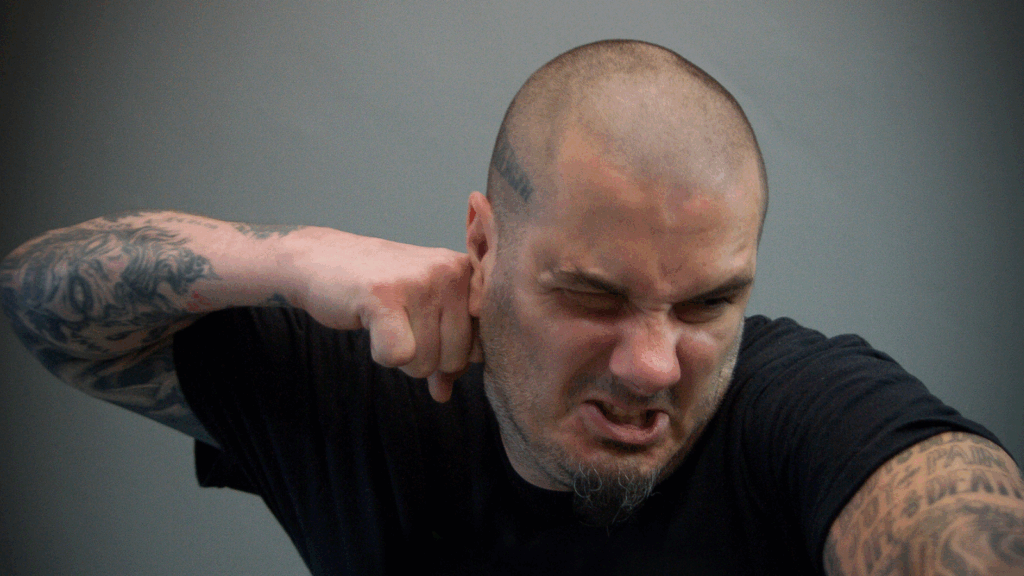
The iconic frontman of Pantera, Philip Anselmo is lauded for his “explosive vocals” and definitive “tough guy” image , pivotal in shaping groove metal. He transitioned from a “Halford-esque wailer” in early Pantera, hitting impressive high notes on tracks like “Cemetery Gates” , to the “guttural screamer” that defined albums like Vulgar Display of Power. Fans on Harmony Central forums praise his prime vocal abilities: “Phil used to have a great voice…killer Priest covers”.
Another fan stated, “Phil Anselmo in his prime was a really good singer, good frontman”. While some critics found his later solo work to be “straining his voice to deliver all his anger” , many fans acknowledge his immense influence, with one calling him “one of the kings of metal”.
Most Influential Work: Anselmo’s explosive and aggressive vocals were pivotal in shaping groove metal. “Cowboys From Hell” marked Pantera’s shift to prominence, with fans praising the sheer amount of real and excellent singing Phil did on that record. “Cemetery Gates” is iconic for its soaring, Halford-esque high notes.
12. Chuck Schuldiner (Death, Control Denied)
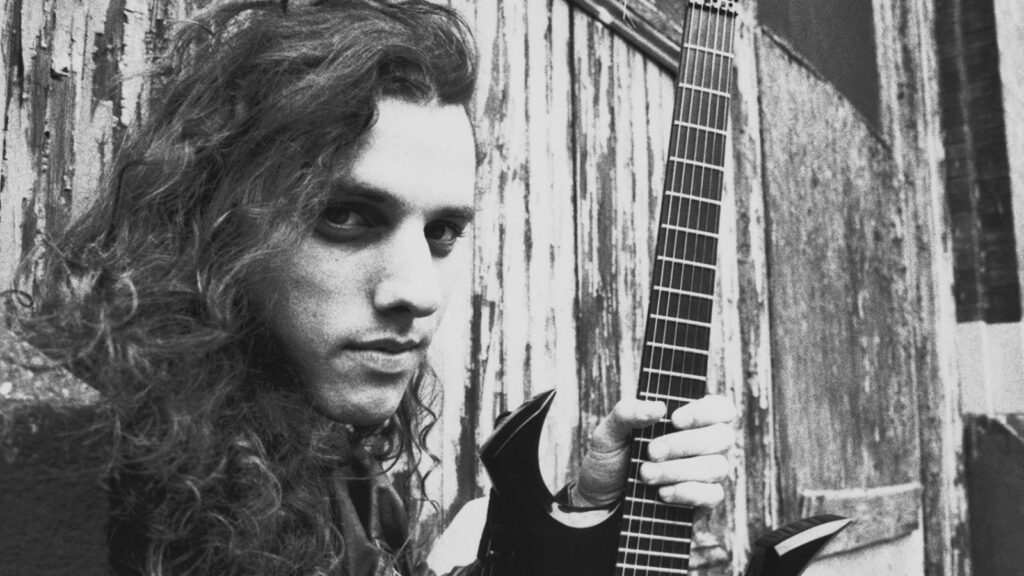
Revered as “The Godfather of Death Metal” , Chuck Schuldiner was a visionary guitarist, composer, and an influential, ever-evolving vocalist. Heavy Blog Is Heavy asserts that Schuldiner’s vocals “laid a blueprint for how death metal should be sung”. His early work on Scream Bloody Gore was “properly sloppy and maniacal,” achieved by overblowing his vocal folds and manipulating diction for a horrifying effect.
As he matured, his voice became higher and his diction clearer, particularly on albums like Symbolic. By The Sound of Perseverance, he favored a “piercing shriek that is easily understood, highly expressive and suitably inhuman”. John Tardy of Obituary cited Scream Bloody Gore as a classic where Chuck “set a standard early on”. Fans widely acknowledge his vocal evolution, with some noting the change on Symbolic made him sound almost like a different vocalist.
Most Influential Work: Schuldiner’s evolving and influential vocal style pioneered death metal. “Zombie Ritual” from Scream Bloody Gore exemplifies his early, guttural, and maniacal delivery that laid the genre’s blueprint. The title track from Symbolic showcases his move towards clearer diction and a higher, more shriek-like vocal.
13. Randy Blythe (Lamb of God)
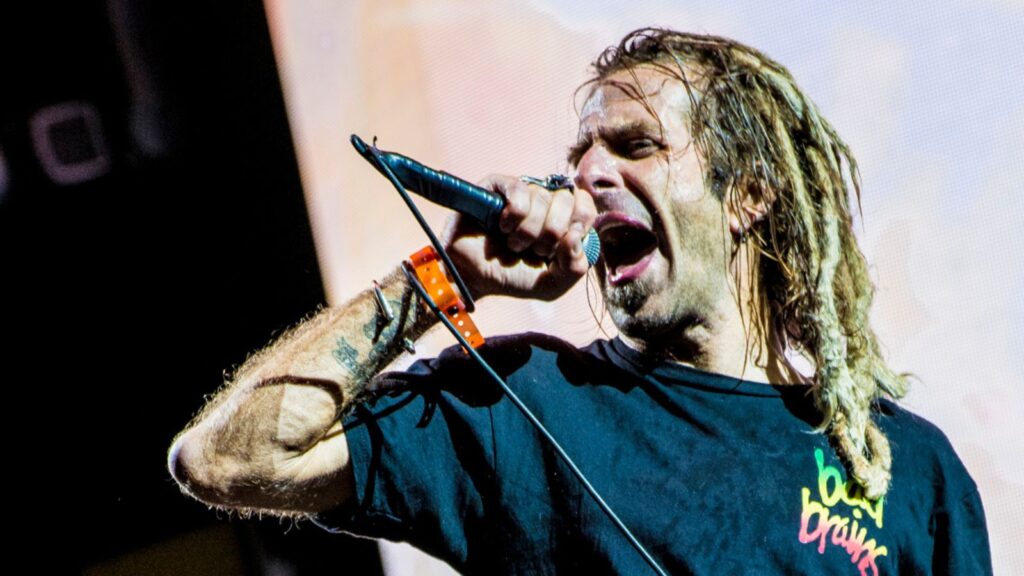
The ferocious frontman of Lamb of God, Randy Blythe is celebrated for his electrifying stage presence and signature, razor-sharp growling style. A Revolver fan poll highlighted “Walk With Me in Hell” as a “world-class symposium on how to do harsh vocals properly,” praising Blythe’s command and precision. He evolved from a “maniacal shrieking style” to a more honed technique after vocal lessons, achieving a “thicker, deeper, more powerful place”.
Fans praise his combination of brutality with clarity, one stating, “it’s brutal but you can clearly understand everything he’s saying”. Invisible Oranges called him “one of the top ten or fifteen extreme metal singers” for his wide range from low growls to piercing highs.
Most Influential Work: Blythe’s ferocious growls and dynamic stage presence define Lamb of God’s sound. “Walk With Me in Hell” is lauded by fans as a masterclass in harsh vocals, showcasing his octave range and precision. “Redneck” is a fan favorite displaying his signature aggressive delivery and clear enunciation.
14. Howard Jones (Killswitch Engage, Light the Torch)

Howard Jones in 2018. Photo: Frank Schwichtenberg, CC BY-SA 4.0, via Wikimedia Commons (cropped). Howard Jones carved a significant niche with his powerful and emotive vocals, particularly with metalcore titans Killswitch Engage, where he is seen as “one of metalcore’s finest singers”. He is praised for contrasting “intense baritone range growls with a more head voice-driven, higher-pitched scream” and a singing voice with “consistent breath control and warmth”.
Vocal coach The Charismatic Voice deemed his transitions between screaming and voiceless higher textures “masterful”. Fans on TikTok widely praise his “incredible” and “powerful” vocals, with some noting his specific screaming technique. His work on Killswitch Engage’s gold-certified albums The End of Heartache and As Daylight Dies cemented his impact.
Most Influential Work: Jones’s powerful and emotive vocals, blending intense growls with soaring clean singing, were a hallmark of Killswitch Engage’s success. “The End of Heartache,” the title track from their gold-certified album, is a prime example of his dynamic ability and emotional delivery, earning the band a Grammy nomination.
15. Serj Tankian (System of a Down)
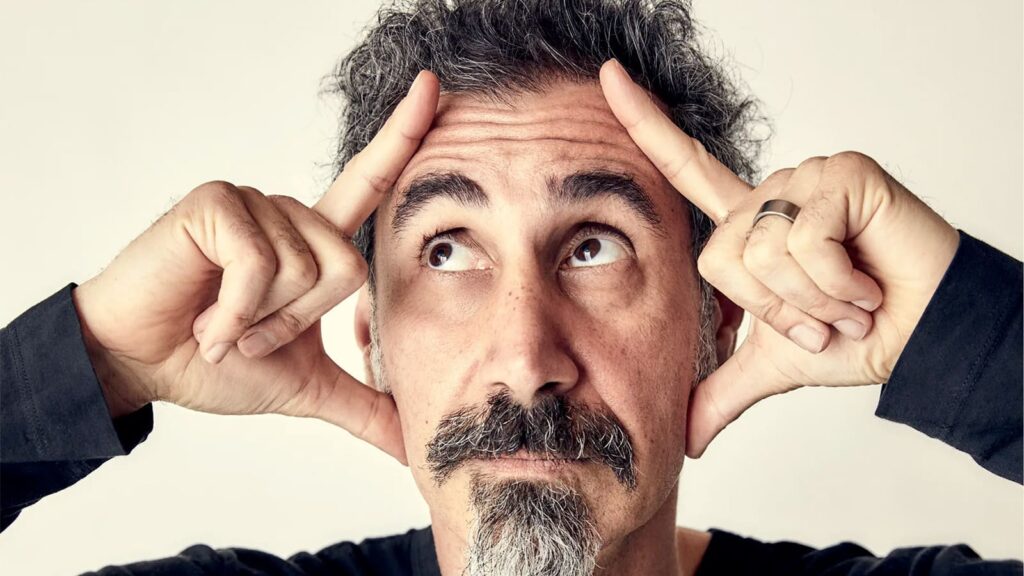
Serj Tankian – Image Credit: YouTube The distinctive and theatrical frontman of System of a Down, Serj Tankian is celebrated for his unique vocal acrobatics and politically charged lyrics. His style is less about conventional techniques and more about an avant-garde vocal artistry. YouTube-based vocal coaches admire his ability to access “so many different sounds” and his “enormous range of expression”.
Fan observations note his voice changing around the Mezmerize/Hypnotize era, with more pure singing in his solo work. His isolated vocals for “Chop Suey!” went viral, with fans calling them simply “amazing”.
While some fans note a shift towards more nasal clean vocals later in his career, his solo work like Elect the Dead is often praised for “utterly amazing” vocal performances.
Most Influential Work: Tankian’s unique vocal style is showcased on iconic System of a Down tracks. “Chop Suey!” is a prime example, with its rapid shifts in delivery and viral isolated vocals praised by fans.
“Aerials” highlights his ability to blend melodic singing with intense, driving energy, leaving a thoughtful, somber impression according to vocal analysts. “B.Y.O.B.” is another track where professional vocal coaches have noted the technical impressiveness and fascinating compositional nature of his vocal lines.
16. Jimi Hendrix (The Jimi Hendrix Experience, Band of Gypsys)

Not a metal vocalist in the strict sense, but a towering proto-influence whose grainy baritone, close-mic intimacy, and fearless use of saturation helped define the attitude and timbre that heavy music would later weaponize.
His voice lived in the cracks between croon and bark, slipping from smoky confession to serrated shout, always in lockstep with the volcanic phrasing of his guitar. The result was a blueprint for expressive grit that countless metal singers would channel, raw emotion first, technique in service of feel.
Critics and fans alike point to the “heavier than its era” quality in his delivery: the sly, side-smile sneer, the call-and-response with feedback, the way he’d lean on consonants to punch a groove. Even when the lyrics felt psychedelic, the vocal presence felt physical, earthy, urgent, and unmistakably loud in spirit.
Most Influential Work: “Voodoo Child (Slight Return)” folds a snarling, talk-box-free growl into a wah-drenched storm; “Machine Gun” is an apocalyptic lament where every syllable hangs like shrapnel; “Manic Depression” and “Fire” show his clipped, rhythmic attack; “Purple Haze” captures that sly, gritty sneer that made heavy feel inevitable.
17. Chad Gray (Mudvayne, Hellyeah)

Chad Gray is a master of clean-to-scream whiplash, stitching convulsive fry aggression to mournful, radio-ready melody. In Mudvayne’s mathy, bass-driven maelstrom he carved phrases with percussive precision, riding odd-time riffs with staccato barks before vaulting into soaring, chesty hooks. His harsh textures feel serrated but controlled; his cleans land with unvarnished sincerity, turning chaos into catharsis.
That duality carried into Hellyeah, where the songwriting leaned broader and his melodic instincts stepped forward without losing bite. Fans praise the way he shapes vowels under distortion (intelligible even at full roar) and snaps back to resonance-rich cleans on a dime, stagecraft that made him a defining voice of 2000s/2010s heavy music.
Most Influential Work: With Mudvayne, “Dig” is a rhythmic gut-punch and vocal endurance test; “Death Blooms” and “World So Cold” spotlight his grief-soaked cleans; “Not Falling” fuses urgent barks to an anthemic chorus. With Hellyeah, “You Wouldn’t Know” and “Moth” showcase his matured, radio-scale melodicism without dulling the edge.
18. Corey Taylor (Slipknot, Stone Sour)

Corey Taylor’s range isn’t just about notes, it’s about identities. He can pivot from volcanic, false-cord-leaning distortion to glass-clear lyric tenor in a single bar, keeping diction crisp whether he’s whisper-threatening over a drone or detonating over nine-piece percussion. Coaches often single out his breath discipline and how he “colors” grit rather than letting it chew his tone; fans point to the stamina to headline marathon sets while never losing pitch focus.
As Slipknot’s frontman he turned extremity into arena language; as Stone Sour’s singer he proved the same voice could carry hushed confessionals. Across both, his phrasing is hook-smart and speech-rhythmic, choruses designed to be shouted by tens of thousands, verses that feel spoken straight into your ear.
Most Influential Work: With Slipknot, “Wait and Bleed” codified scream-to-clean dynamics for a generation; “Duality” and the Grammy-winning “Before I Forget” show his punchy, percussive hooks at full scale; “Vermilion” stretches whispery menace into keening release. Slipknot’s “Snuff” and Stone Sour’s “Through Glass” spotlight his vulnerable, unmasked melodic command.
19. Sebastian Bach (Skid Row, Solo)

Sebastian Bach in his Skid Row prime. Plenty of ’80s frontmen had the hair. Very few had the pipes to back it up the way Sebastian Bach did. Born in the Bahamas and raised in Peterborough, Ontario, Bach joined Skid Row in 1987 as a teenager with a voice that could go from a sweet, aching ballad croon to an air-raid siren scream without ever losing pitch.
Skid Row’s 1989 debut went five times platinum in the U.S. on the strength of “18 and Life” and “I Remember You,” and Bach’s delivery is the reason both songs still get sung at every karaoke bar in America. Then the band got heavier. Slave to the Grind (1991) became the first heavy metal album to debut at No. 1 on the Billboard 200 in the SoundScan era, and Bach sounded even more vicious on it.
After splitting with Skid Row in 1996, he went somewhere few metal singers could follow: Broadway, starring in Jekyll & Hyde, which tells you everything about his range and control. Decades later, he can still hit the screams most singers half his age won’t attempt.
Most Influential Work: “Youth Gone Wild” ends with one of the most famous screams in metal; “I Remember You” and “Wasted Time” show how much feeling he could pack into a ballad; “Slave to the Grind” and “Monkey Business” prove he could snarl with the thrash crowd too.
20. Floor Jansen (Nightwish, After Forever, Solo)

Floor Jansen on stage with Nightwish. If you want to win an argument about whether metal singers are “real” singers, just show someone Floor Jansen. The Dutch vocalist fronted After Forever from the age of 16, and when Nightwish needed an emergency replacement in the middle of a 2012 tour, she learned the set in a matter of days. A year later, she was made a permanent member.
Jansen trained at a conservatory in musical theatre and opera, and it shows. She can move from an operatic soprano to a full-throated rock belt to a death growl in the same song, across a range of more than three octaves. Her live performance of “Ghost Love Score” at Wacken in 2013 has become one of the most-watched metal videos on YouTube, and it’s the clip people send to friends who claim they “don’t like metal.”
Outside metal, she became a household name in the Netherlands after the TV show Beste Zangers in 2019, where her “Phantom of the Opera” duet with Henk Poort went viral. In 2022 she announced she was being treated for breast cancer, came back, and released her first solo album, Paragon, in 2023.
Most Influential Work: “Ghost Love Score” (live at Wacken) is the definitive Floor performance; “Élan” and “Shudder Before the Beautiful” show her power on Endless Forms Most Beautiful; with After Forever, “Energize Me” captures her rawer early years.
The post 20 of the Most Legendary Metal Singers to Have Ever Lived appeared first on Metal Shout.
-
Big Big Train announce U.S. Tour for March 2027
Big Big Train are delighted to announce that they will bring their Woodcut & Other Stories Tour to the United States in March 2027. The band will play ten shows immediately before their fourth appearance on board Cruise To The Edge, which sails from April 2nd to 8th, 2027.
These USA dates follow the rapturously received 19 shows performed by the band across the UK and continental Europe in September and October this year promoting their highly acclaimed Woodcut concept album. During their USA tour, the band will be playing Woodcut in full alongside over an hour of other material from their extensive back catalogue.
The USA tour kicks off in the Chicago metro area on March 18th at the Arcada Theatre in St Charles, Illinois. Following stops in Cleveland, Cincinnati, Pittsburgh and near Boston, the band will make their debut in New York City at the Gramercy Theatre. The tour continues with shows in upstate New York, Connecticut, New Jersey and Maryland before the band heads to Florida for Cruise To The Edge.
Lead vocalist Alberto Bravin says: “Playing Woodcut in full live is quite a ride. We had to learn a complicated piece of music but it has been incredibly encouraging to experience such positive reactions to our performances in the UK and Europe from the fans. We’re really looking forward to bringing the Woodcut & Other Stories Tour to the United States.”
Drummer Nick D’Virgilio adds: “I love every show that I play with Big Big Train and it’s been very special to play so many shows in the UK and Europe over the last four years since we transitioned into being a more regularly touring band. But as an American, playing in the States is extra special and I’m particularly thrilled that we will be playing for the first time ever in New York City.”
Bassist Gregory Spawton comments: “Almost 18 months after we recorded Woodcut, it’s very gratifying to be able to bring this tour to the USA. While we won’t be able to make it to Canada on this occasion, we feel very fortunate to be playing our third set of shows in the USA and look forward to meeting as many listeners as possible.”
BIG BIG TRAIN – THE WOODCUT & OTHER STORIES USA TOUR
Thu, Mar 18 – Arcada Theatre, St Charles, Illinois
Fri, Mar 19 – House Of Blues, Cleveland, Ohio
Sat, Mar 20 – Bogart’s, Cincinnati, Ohio
Sun, Mar 21 – Thunderbird Café & Music Hall, Pittsburgh, Pennsylvania
Tue, Mar 23 – Crystal Ballroom, Somerville, Massachusetts
Wed, Mar 24 – Gramercy Theatre, New York City, New York
Thu, Mar 25 – Center For The Arts Of Homer, Homer, New York
Fri, Mar 26 – The Warehouse at FTC, Fairfield, Connecticut
Sat, Mar 27 – The Vogel, Red Bank, New Jersey
Tue, Mar 30 – Rams Head On Stage, Annapolis, Maryland
Fri, Apr 2 – Thu, Apr 8 – Cruise To The EdgeTickets for all shows go on sale at 10am Eastern time on Friday, October 30th.
A pre-sale open to members of the band’s Passengers Club and 2027 Tour Patrons opens at 10am Eastern time on Wednesday, October 28th for all shows.
See www.bigbigtrain.com/live for ticket links.The post Big Big Train announce U.S. Tour for March 2027 appeared first on The Prog Report.
-
Saxon Release Brand New Single & Video ‘Medusa’
British heavy metal legends Saxon unleash ‘Medusa’, the second single from their forthcoming studio album ‘Gods of Thunder‘, due for release via Silver Lining Music on January 22nd ,2027. Pre-orders are available here Inspired by the terrifying Gorgon of Greek mythology, whose gaze could turn mortals to stone, ‘Medusa’ strikes with a killer riff and […]
The post Saxon Release Brand New Single & Video ‘Medusa’ appeared first on ROCKPOSER DOT COM.
-
AN NCS ALBUM PREMIERE (AND A REVIEW): SOMNENT — “HEIRLOOM”
(On October 30th Ardua Music will release Heirloom, the third album by the Florida melodic doom/death metal band Somnent. Two weeks ago we presented Daniel Barkasi’s very good interview of the band’s founder Giovanni A. Vigliotti, and today we’re premiering a full stream of the entire album — preceded by Dan’s review.) Within the halls […]
The post AN NCS ALBUM PREMIERE (AND A REVIEW): SOMNENT — “HEIRLOOM” appeared first on NO CLEAN SINGING.
-
Meshuggah Announce 40th Anniversary Tour in 2027
Get details on where you can see Meshuggah playing with Testament and Blood Incantation in 2027. Continue reading… -
GHOST PIPE RELEASES NEW MUSIC VIDEO FOR “SPIRIT SPEAKS” FROM UPCOMING ALBUM THE AWAKENING – @thebeast
FOR IMMEDIATE RELEASE
GHOST PIPE RELEASES NEW MUSIC VIDEO FOR “SPIRIT SPEAKS” FROM UPCOMING ALBUM THE AWAKENING
Michigan Stoner/Doom Outfit Explores Inner Darkness, Spiritual Transformation, and Psychedelic Visions on Latest Single
GRAND RAPIDS, MI | Michigan stoner/doom metal outfit Ghost Pipe has released the official music video for “Spirit Speaks,” a track from the band’s forthcoming full-length album, The Awakening, arriving November 20, 2026, through Black Doomba Records.
Blending crushing riffs, hypnotic psychedelic textures, and an atmosphere steeped in darkness and mysticism, “Spirit Speaks” takes listeners on a journey into the deeper corners of the human psyche. The song explores the struggle to confront inner demons, break free from psychological restraints, and embrace the painful process of transformation.
The accompanying music video brings the band’s immersive sonic world to life, drawing listeners further into the mysterious atmosphere surrounding the track. With lyrics that invoke flickering flames, shadowy forests, dancing ghosts, and serpents beginning to stir, “Spirit Speaks” creates a vivid landscape where spiritual awakening and psychological turmoil collide.
For fans of Acid Bath, Monster Magnet, and Monolord, Ghost Pipe delivers a potent blend of stoner rock grooves, doom metal weight, and heavy psychedelia. The band’s sound balances fuzz-drenched heaviness with an expansive, otherworldly atmosphere, creating music that feels equally suited to a smoke-filled basement and a midnight journey into the unknown.
At the heart of “Spirit Speaks” is the idea that confronting darkness can be a necessary step toward healing. Rather than running from pain or burying uncomfortable truths, the song urges listeners to shed the weight of the past, challenge what they believe they know, and face the fears that keep them trapped.
The lyrics move through surreal, dreamlike imagery, depicting a descent into a dark forest where spectral figures beckon the listener toward buried truths. As the journey unfolds, the ghosts become more than ominous presences. They emerge as guides through the process of self-discovery, leading toward a confrontation with the deepest fears and wounds of the soul.
Images of fraying mental seams, silver threads, and a coiled serpent reinforce the song’s themes of unraveling, release, and renewal. The forest becomes a place of transformation, where the darkness within is no longer something to escape but something to understand.
With its repeated calls to cast off old burdens and break free from confinement, “Spirit Speaks” captures the tension between the comfort of familiar patterns and the uncertainty of personal change. Its message is direct: growth requires facing what hurts, questioning what holds you back, and finding the strength to move forward.
The track offers another glimpse into the broader vision behind The Awakening, an album that explores introspection, transformation, and the pursuit of knowledge hidden beneath the surface. Rather than offering easy answers, Ghost Pipe invites listeners to open their minds, look inward, and confront the parts of themselves that are easier to leave in the shadows.
“The Awakening” is a journey beneath the surface, into the dark roots of the self, the band explains. “It asks you to open your mind, confront what lies hidden within, and face the parts of yourself that are easier to leave in the shadows.”
That philosophy runs throughout the album, connecting its heavy psychedelic sound with themes of personal evolution, hidden knowledge, and the uneasy territory between the conscious and subconscious mind. On “Spirit Speaks,” those ideas take shape through an unsettling, dreamlike narrative that blurs the line between haunting visions and hard truths.
The album was recorded and mixed by Joel Ferguson of The Verve Pipe at Planet Sunday Studio and mastered by Carl Saff at Saff Mastering, known for his work with artists across the underground heavy music scene, including Elder. The album artwork was created by Nathan Galusa, with photography by Jessica Taboada and logo design by Ganda Wiraga II. Tommy Stewart serves as executive producer.
Ghost Pipe features Allen Milbourne on vocals and effects, Travis Federau on guitar and vocals, Wyatt Federau on guitar and samples, Georg Rumpf on bass and synthesizer, and Simon Hill on drums. Together, the five-piece draws from stoner rock, heavy psych, sludge, doom metal, and doomgaze to create a dense, immersive sound that rewards listeners willing to venture beyond the familiar.
With “Spirit Speaks,” Ghost Pipe continues to expand the world of The Awakening, delivering a heavy, atmospheric trip through the shadows of the mind and the possibility of emerging from them changed.
The ghosts are calling. The forest is waiting. The question is whether you’re ready to listen.
WATCH THE OFFICIAL VIDEO FOR “SPIRIT SPEAKS”
[jrEmbed module=”jrYouTube” youtube_id=”iRWoHP3djRA”]
PRE-ORDER / ALBUM INFORMATION
The Awakening arrives November 20, 2026, through Black Doomba Records.
https://ghostpipe2.bandcamp.com
ABOUT GHOST PIPE
Ghost Pipe is a Grand Rapids, Michigan-based stoner/doom metal band combining massive fuzz-driven riffs, psychedelic soundscapes, and dark, introspective storytelling. Drawing on the traditions of doom, sludge, and heavy psych while exploring themes of transformation, hidden knowledge, and the human experience, the band creates immersive music that invites listeners to venture into the unknown.
ALBUM CREDITS
Album: The Awakening
Release Date: November 20, 2026
Label: Black Doomba Records
Vocals, Effects: Allen Milbourne
Guitar, Vocals: Travis Federau
Guitar, Samples: Wyatt Federau
Bass, Synthesizer: Georg Rumpf
Drums: Simon Hill
Lyrics for “Spirit Speaks”: Allen Milbourne and Georg Rumpf
Video Recorded and Edited by: Georg Rumpf
Recorded and Mixed by: Joel Ferguson at Planet Sunday Studio
Mastered by: Carl Saff at Saff Mastering
Album Artwork: Nathan Galusa
Photography: Jessica Taboada
Logo Design: Ganda Wiraga II
Executive Producer: Tommy Stewart
Released by: Black Doomba Records
Contact:
https://www.instagram.com/ghostpipe1/
https://ghostpiperocks.bandcamp.com/track/wanderer-2
https://www.facebook.com/GhostPipe1/
Contact
Travis Federau
Ghost Pipe
federaut@yahoo.com -
GHOST PIPE RELEASES NEW MUSIC VIDEO FOR “SPIRIT SPEAKS” FROM UPCOMING ALBUM THE AWAKENING – @thebeast
FOR IMMEDIATE RELEASE
GHOST PIPE RELEASES NEW MUSIC VIDEO FOR “SPIRIT SPEAKS” FROM UPCOMING ALBUM THE AWAKENING
Michigan Stoner/Doom Outfit Explores Inner Darkness, Spiritual Transformation, and Psychedelic Visions on Latest Single
GRAND RAPIDS, MI | Michigan stoner/doom metal outfit Ghost Pipe has released the official music video for “Spirit Speaks,” a track from the band’s forthcoming full-length album, The Awakening, arriving November 20, 2026, through Black Doomba Records.
Blending crushing riffs, hypnotic psychedelic textures, and an atmosphere steeped in darkness and mysticism, “Spirit Speaks” takes listeners on a journey into the deeper corners of the human psyche. The song explores the struggle to confront inner demons, break free from psychological restraints, and embrace the painful process of transformation.
The accompanying music video brings the band’s immersive sonic world to life, drawing listeners further into the mysterious atmosphere surrounding the track. With lyrics that invoke flickering flames, shadowy forests, dancing ghosts, and serpents beginning to stir, “Spirit Speaks” creates a vivid landscape where spiritual awakening and psychological turmoil collide.
For fans of Acid Bath, Monster Magnet, and Monolord, Ghost Pipe delivers a potent blend of stoner rock grooves, doom metal weight, and heavy psychedelia. The band’s sound balances fuzz-drenched heaviness with an expansive, otherworldly atmosphere, creating music that feels equally suited to a smoke-filled basement and a midnight journey into the unknown.
At the heart of “Spirit Speaks” is the idea that confronting darkness can be a necessary step toward healing. Rather than running from pain or burying uncomfortable truths, the song urges listeners to shed the weight of the past, challenge what they believe they know, and face the fears that keep them trapped.
The lyrics move through surreal, dreamlike imagery, depicting a descent into a dark forest where spectral figures beckon the listener toward buried truths. As the journey unfolds, the ghosts become more than ominous presences. They emerge as guides through the process of self-discovery, leading toward a confrontation with the deepest fears and wounds of the soul.
Images of fraying mental seams, silver threads, and a coiled serpent reinforce the song’s themes of unraveling, release, and renewal. The forest becomes a place of transformation, where the darkness within is no longer something to escape but something to understand.
With its repeated calls to cast off old burdens and break free from confinement, “Spirit Speaks” captures the tension between the comfort of familiar patterns and the uncertainty of personal change. Its message is direct: growth requires facing what hurts, questioning what holds you back, and finding the strength to move forward.
The track offers another glimpse into the broader vision behind The Awakening, an album that explores introspection, transformation, and the pursuit of knowledge hidden beneath the surface. Rather than offering easy answers, Ghost Pipe invites listeners to open their minds, look inward, and confront the parts of themselves that are easier to leave in the shadows.
“The Awakening” is a journey beneath the surface, into the dark roots of the self, the band explains. “It asks you to open your mind, confront what lies hidden within, and face the parts of yourself that are easier to leave in the shadows.”
That philosophy runs throughout the album, connecting its heavy psychedelic sound with themes of personal evolution, hidden knowledge, and the uneasy territory between the conscious and subconscious mind. On “Spirit Speaks,” those ideas take shape through an unsettling, dreamlike narrative that blurs the line between haunting visions and hard truths.
The album was recorded and mixed by Joel Ferguson of The Verve Pipe at Planet Sunday Studio and mastered by Carl Saff at Saff Mastering, known for his work with artists across the underground heavy music scene, including Elder. The album artwork was created by Nathan Galusa, with photography by Jessica Taboada and logo design by Ganda Wiraga II. Tommy Stewart serves as executive producer.
Ghost Pipe features Allen Milbourne on vocals and effects, Travis Federau on guitar and vocals, Wyatt Federau on guitar and samples, Georg Rumpf on bass and synthesizer, and Simon Hill on drums. Together, the five-piece draws from stoner rock, heavy psych, sludge, doom metal, and doomgaze to create a dense, immersive sound that rewards listeners willing to venture beyond the familiar.
With “Spirit Speaks,” Ghost Pipe continues to expand the world of The Awakening, delivering a heavy, atmospheric trip through the shadows of the mind and the possibility of emerging from them changed.
The ghosts are calling. The forest is waiting. The question is whether you’re ready to listen.
WATCH THE OFFICIAL VIDEO FOR “SPIRIT SPEAKS”
[jrEmbed module=”jrYouTube” youtube_id=”iRWoHP3djRA”]
PRE-ORDER / ALBUM INFORMATION
The Awakening arrives November 20, 2026, through Black Doomba Records.
https://ghostpipe2.bandcamp.com
ABOUT GHOST PIPE
Ghost Pipe is a Grand Rapids, Michigan-based stoner/doom metal band combining massive fuzz-driven riffs, psychedelic soundscapes, and dark, introspective storytelling. Drawing on the traditions of doom, sludge, and heavy psych while exploring themes of transformation, hidden knowledge, and the human experience, the band creates immersive music that invites listeners to venture into the unknown.
ALBUM CREDITS
Album: The Awakening
Release Date: November 20, 2026
Label: Black Doomba Records
Vocals, Effects: Allen Milbourne
Guitar, Vocals: Travis Federau
Guitar, Samples: Wyatt Federau
Bass, Synthesizer: Georg Rumpf
Drums: Simon Hill
Lyrics for “Spirit Speaks”: Allen Milbourne and Georg Rumpf
Video Recorded and Edited by: Georg Rumpf
Recorded and Mixed by: Joel Ferguson at Planet Sunday Studio
Mastered by: Carl Saff at Saff Mastering
Album Artwork: Nathan Galusa
Photography: Jessica Taboada
Logo Design: Ganda Wiraga II
Executive Producer: Tommy Stewart
Released by: Black Doomba Records
Contact:
https://www.instagram.com/ghostpipe1/
https://ghostpiperocks.bandcamp.com/track/wanderer-2
https://www.facebook.com/GhostPipe1/
Contact
Travis Federau
Ghost Pipe
federaut@yahoo.com -
Haken – Touring North America Next Year
Progressive metal formation Haken are excited to announce a month-long headlining tour over North America in March 2027, with support coming from Thank You Scientist and Einar Solberg. Tickets will go on sale this Friday, October 30th.
Read more…