Category: news

  • “I’m a pussycat but I’m also a fan of mischief, misdirection and manipulation.” Greg Dulli looks back on 40 years of laying bare man’s desires, duplicity and deviance with The Afghan Whigs

    Size isn’t everything.

    When historians look back over the US alternative rock scene of the 1990s, they will naturally focus on the scene’s biggest hitters – Nirvana, Pearl Jam, Smashing Pumpkins, Soundgarden, Nine Inch Nails, etc,. But that won’t be the whole story, with some of the finest bands of the decade – Shellac, Hole, Girls Against Boys, The Flaming Lips, Fugazi, Living Colour, Tad, Babes In Toyland, etc,. – having their own fascinating and indelible contributions to the musical landscape.

    The Afghan Whigs are one such band. From 1992’s Congregation, their second album on Sub Pop, through to 1998’s 1965, their sixth studio album and final major label record, the Cincinnati, Ohio band never took a wrong step, never failed to deliver.

    Led by frontman Greg Dulli, the suavest motherfucker in alternative rock, the group blended influences from punk, funk, soul, gospel music, and old school R&B into some of the decade’s most compelling music. Dulli, a one-time Catholic altar boy, seemed to have an encyclopedic knowledge of sin, and first-hand insights into man’s deepest, darkest desires, making the central characters in his band’s richly-textured songs figures as dangerous as they were seductive: that Dulli chose Gentlemen as the title of the band’s 1993 album was obviously loaded with irony when you read into his lyrics.

    In 2001, The Whigs split, allowing Dulli to go deeper into cinematic, after hours rock with The Twilight Singers, The Gutter Twins (alongside his good friend and one-time room-mate Mark Lanegan) and his own solo albums. Ten years later, the Whigs returned, better than ever: their forthcoming tenth album, the excellent Soft Control, coincides with their 40th anniversary.

    “I don’t have to do this,” the ever-charming Dulli says when Louder sits down with him in a Kings Cross bar. “I made a series of investments in my younger days that mean I don’t need to play music to pay the rent. So if I didn’t get off on doing this, I wouldn’t be doing it. And here we are. People know who we are, people know that we’re pretty untouchable in what we do, and people know not to fuck with us. That’s all I need.”

    Louder divider

    There’s a quote in your band’s latest biography where you admit to having been an “angry young man” once upon a time. Looking back, where do you think that anger stemmed from?

    I had daddy Issues. And I came from a tough part of Hamilton, Ohio, and I had to punch my way out of there. You find yourself looking for snipers, and not trusting many people. Forming this group and becoming friends with the original guys went a long way in beginning to soften me. But like a lot of young dudes I was pissed off. And sometimes you don’t even know why you’re pissed off.

    Hamilton is an industrial town, and would have had a working class/blue collar culture I’m guessing. That sort of environment isn’t always the most nurturing for young men and women with artistic sensibilities, and aspirations to do something creative.

    Yeah, I had a good group of friends when I was a kid, but we were constantly defending ourselves. There were a bunch of other angry young men there that you literally had to take on. There’s frustration that builds in places that don’t have a lot of resources. And you had to present confidence to survive. Where I lived, if you were seen as ‘beta’ or if there were perceived weaknesses in you that could be exploited, you were going to face problems.

    Back then you’d walk down the street and somebody would start fucking with you. So you could either run away or get into it, and even if you got your ass kicked, that person wouldn’t fight you the next time, because they know you’ll fight back. I got my ass kicked a lot until I started kicking people’s asses, and now you can walk down the street and you’re safe.

    I believe you were a heavy metal fan as a teenager.

    I was. Metal shows were the only shows that came to our part of town because again, it’s the Rust Belt, it’s industrial America. I actually grew up on R&B and country and western music, from my grandparents, but I got into metal, and I love the energy of metal. I saw Judas Priest six times. I would never miss their shows. They were phenomenal shows, super theatrical, and they had very catchy songs, and an amazing frontman. But I’ve always been omnivorous about music, I love punk, and reggae and classical and jazz too. There’s only two kinds of music: good music, and bad music.

    And when did you first see a band that could be classified as punk, or to your understanding of what punk was at that time?

    Maybe The Damned, then Hüsker Dü, and then the Ramones. It was my freshman year at college, and there was a venue in Newport, Kentucky, called The Jockey Club where I saw those bands, and Killing Joke and Violent Femmes and whoever. I’d grown up with a lot of kids who loved Rush, and they could play super technical, complex music which was intimidating to me: I knew I couldn’t do that, and I never wanted to do that. Then I moved to California, and saw The Dream Syndicate, and seeing them made me think that playing in a band wasn’t out of reach, that I could do this.

    What was your early vision for the band?

    I just wanted a band. I’m not sure that I specifically planned what kind of band we were going to be, at the start you just want to be a band to get over the boredom. But the first drummer we had was a guy named Steve Earle [who played on the group’s first four records] and he came from a metal background, so whatever kind of jangling music we wanted to play, we all had to get distortion pedals just to be heard over him.

    But it was probably when we did Congregation that I thought we could be a unique band. To me, that was when we became The Afghan Whigs. When I listen to that record it doesn’t sound like anybody else. We are now a unique entity, and we do what we do. That was the moment that I thought this is something that I could take somewhere. And I have not had a straight job since that album.

    Were there bands on the circuit at the time that you felt an affinity with, outlook-wise or personality-wise?

    Peer-wise? Yes, of course. I’ll give you a perfect example, The Flaming Lips. They came to town, we opened for them, and they liked us, and brought us along for some more shows, That was the band that kinda underlined the attainable for us. They did everything themselves. They had no roadies. They loaded their own gear. They drove their own van. They did their own light show with foot switches and stuff. It was really remarkable and impressive, and absolutely inspiring.

    So the so-called alternative rock ‘revolution’ kicked in in the early 90s, post-Nevermind. How did that change the the ground for The Afghan Whigs?

    Well, I correctly anticipated that there would be a feeding frenzy after Nirvana. The world changed. It doesn’t make me a genius that I saw that, but it was clear that if you were under 25, played alternative or punk rock, and had an audience, they were coming to look for you. I probably had dinner with 15 different labels, taking my first ever first class flights at their expense, and raiding everybody’s CD closets. And after that, we signed to Elektra. Nirvana blew a hole in the wall for the rest of us to walk through.

    Nirvana blew a hole in the wall for the rest of us to walk through

    Greg Dulli

    How hungry were you for that? Did you aspire to that level of success, or did you always know that that level of success was going to be damaging?

    I don’t know that I thought that. I think, like anyone, you would like as many people as you can to love your music. But I’ve never wanted something I didn’t have. Our audience was very organic, and, again, our style was not like everyone else. We were outliers, and we liked that. But that was the moment that I thought that I could do this for…. until I’m talking to you today.

    Greg Dulli, The Afghan Whigs, February, 1995

    (Image credit: Bob Berg/Getty Images))

    The way you were portrayed in the media circa Gentlemen and maybe even Black Love was as this handsome, seductive, charming but slightly dangerous and deviant lothario. Did you recognise that character as being you?

    Honestly, that stuff you just have fun with at that point. I could be less than honest in my interviews just for fun, and just to help them perpetuate a myth. In reality, I’m a pussy cat, but I’m also a fan of mischief, misdirection and manipulation, whatever that says about me or any kind of sociopathy I may have. It was all in good fun. You can’t control what people say about you, and what they write, so if you can step in and amp it up a little bit, where’s the harm?

    Did that image get you into any awkward situations in real life though? Because not everyone is going to be relaxed about Mr Steal Your Girl walking into the local bar.

    I went to Street University, so fucking bring it on if it was going to become anything like that. I don’t condone fighting, it’s really an unhealthy way to live. The last fight I was in was 25 years ago, and I hope I’m never in another one, but what I do remember about that one is that I had this strange adrenaline that lasted like almost six months after that. I did not like the way I felt, it was detrimental to my mental health. So for the rest of my life, I’ll walk away from someone saying something disparaging about me or calling me a name that’s less than pleasant. I would rather that clang off of whatever armour I’ve built and walk away and not take the bait. Obviously, if like I was physically attacked and had to defend myself, different story. But if it’s name calling or something like that, not biting on that anymore.

    There was a lot of ‘indulgence’ going on in the ’90s alt. rock scene, and a lot of musicians using drugs to help alleviate boredom or to maintain a sort of chemical level of dopamine hits. I know you dipped your toes in that world, but did you ever find yourself in danger of being pulled under?

    Yes, I did, and a lot of people do, for the exact reason you said, boredom. You’re on tour, and between sound check and the show, you are fucking around, and you better start getting into some good books, or get into checking out museums, or find constructive ways to spend your time in that downtime.

    Additionally, when you’re playing shows, and especially if your shows are going well and are well attended, and the audiences are responsive, you like that dopamine feel that you get. And when you don’t have it, and you can artificially stimulate yourself that way, its tempting. As that old warning goes, the devil finds time for idle hands.

    What I’m saying is that it’s endemic to the profession, and whenever it happens to someone, no one’s shocked. It’s literally almost like a rite of passage. I had to talk to people in my own band… until I became the person getting talked to. I got past it, but I have a lot of friends – not just in rock ‘n’ roll – who didn’t make it out.

    On a business level, as that famous essay from Steve Albini [The Problem With Music] brutally illustrated, a lot of bands got fucked over in their dealings with major labels in the ’90s. How was your relationship with Elektra?

    Our honeymoon lasted for one record. We had a decent relationship during Gentlemen, and then there was a regime change, and then it was, from their side, ‘Who the fuck are you?’ In England, working with Mute was good for us, we felt protected, and understood. America was not like that. Like, I had developed a side project called The Twilight Singers and I had given Elektra some of the demos, which I had been really, really airtight with, and so when they slipped out into the trader market, and at that point my trust in them was zero, you can never tell me that it wasn’t someone at Elektra who leaked that.

    And when The Twilight Singers came into view, with the first album emerging in 2000, The Afghan Whigs went on hiatus.

    Oh, there was no hiatus, we broke up. I moved into The Twilight Singers as a full-time deal. [Bassist] John Curley had a baby, [guitarist] Rick McCollum had moved to Minnesota with his girlfriend, and so we were in three separate states, doing our own things. We felt like we had taken the band as far as we could.

    So where did the impetus come from to put the band back together in 2011?

    Well, so every time that The Twilight Singers went through Cincinnati, John Carley would get up and play with me on a Whigs song or two, and it was fun and made people happy. Then on my first solo tour in 2010, I said, What are you doing tomorrow? We’re playing Chicago, do you wanna come? And he got in the vehicle with us, and went to Chicago. Now John Curley and I had not been on a stage outside of Cincinnati at that point in 11 years, so when I introduced him in Chicago, the response of the crowd was deafening. And I was like, Wow, they’re tripping, they really missed this guy, and missed us being together. And that put it in my mind. Then I asked him if he wanted to come do the West Coast thing with us – LA, San Francisco, Portland, Seattle – and it was the same reaction every night. We didn’t get back together right away, but we did two years later. And it’s been pretty great ever since.

    Let’s circle back to the angry young man who started The Afghan Whigs: If that guy was looking at Greg Dulli today, do you think he’d be pretty happy with how things worked out, and how he’d found his place in this world?

    The answer to that question is that I would be happy that I like myself now. Because I think I had to move into that. I had to feel deserving of love, deserving of good things, deserving of you know friendship, just the basic tenets of life. And that young person would also be like, Wow, weed’s legal now! Cool!

    Soft Control will be released on August 21 via Royal Cream/BMG
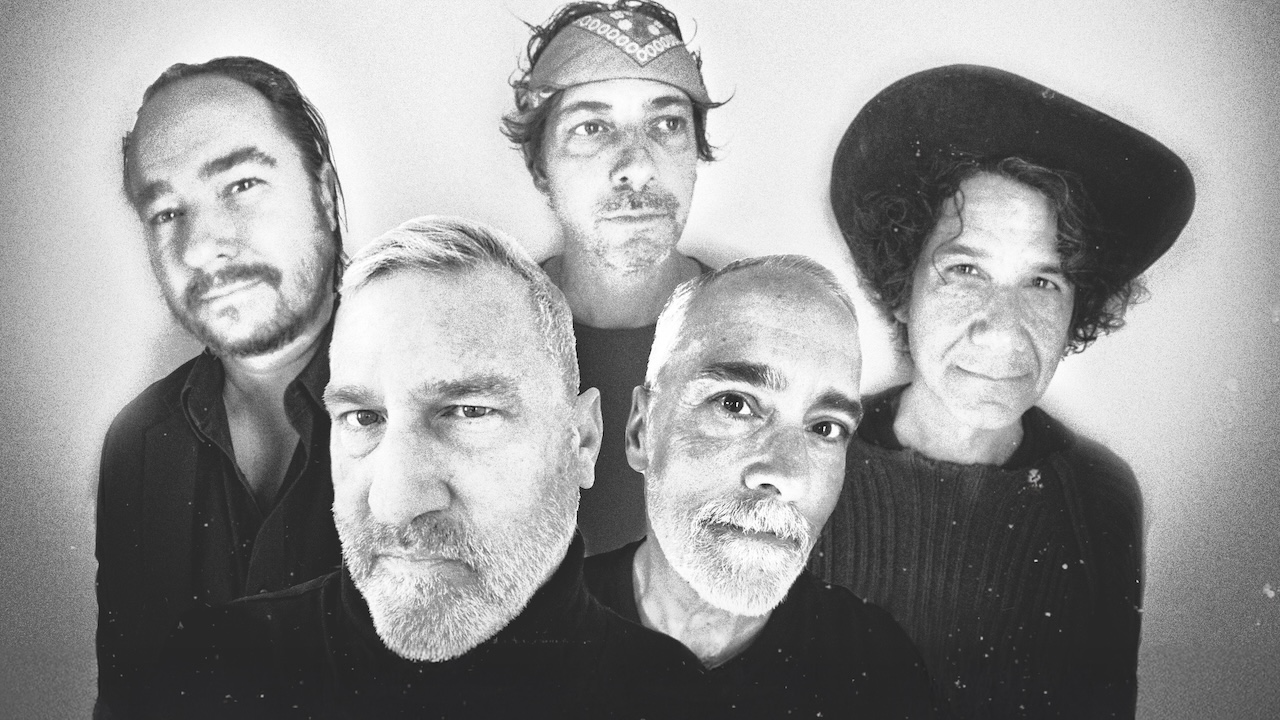
    The Afghan Whigs, 2026

    (Image credit: Royal Cream)
  • Bibio & Dorian Concept Announce New Album Answers: Hear “Lichen Trip”

    Bibio’s Stephen Wilkinson and Dorian Concept’s Oliver Johnson have known each other for over 15 years, but the instinct to start creatively collaborating didn’t happen until a few years ago when Wilkinson saw Johnson’s video for 2022’s “Let It All Go.” Since then, they’ve been working on an audio-visual project, aptly titled Bibio & Dorian Concept. Yesterday, they announced their debut album Answers, out Oct. 16 via Warp, with the single and accompanying video “Lichen Trip.”

    The post Bibio & Dorian Concept Announce New Album <em>Answers</em>: Hear “Lichen Trip” appeared first on Stereogum.

  • AN NCS VIDEO PREMIERE: EXITIUM SUI — “UNTIL THE END HATH FOUND US”

    (written by Islander) We have been closely following the works of Exitium Sui since its inception, but for those who might be newcomers, it is a one-man band created in 2020 by E.S. (vocalist of the black metal band Deadspace) from Perth, Australia, and at a high level the music could be branded as a […]

    The post AN NCS VIDEO PREMIERE: EXITIUM SUI — “UNTIL THE END HATH FOUND US” appeared first on NO CLEAN SINGING.

  • Mission Of Burma Play Surprise Reunion Set, Roger Clark Miller Announces New Solo Album The Green Man

    The Boston art-punk band Mission Of Burma got started in 1979. With their live shows and their early records, the 1981 EP Signals, Calls And Marches and the 1982 album Vs., they left an indelible stamp on indie rock history. Mission Of Burma first broke up in 1983 because of frontman Roger Miller’s tinnitus. They got back together in the ’00s and released a series of absolutely sick reunion records, really setting the bar for what a legendary band could do if they all got back on the same page. Mission Of Burma have been inactive in recent years, but they recently played a surprise reunion set, and Miller is getting ready to release a new album of his own.

    The post Mission Of Burma Play Surprise Reunion Set, Roger Clark Miller Announces New Solo Album <em>The Green Man</em> appeared first on Stereogum.

  • Matt DeAngelis Playing God Review

    Matt DeAngelis Playing God Review

    Matt DeAngelis delivers another refined song with “Playing God.” This artist consistently presents a unique vision. His lyrical depth and musical complexity draw comparisons to icons like Elton John. The track features sharp lyrics that critique the vanity prevalent among many human leaders. These individuals often believe they possess god-like qualities. They frequently forget they are mere mortals.

    Matt DeAngelis Playing God

    In his composition, DeAngelis invites listeners to reflect on human limitations. If one could acknowledge their inferiority to the divine, life might improve. This notion serves as a central theme throughout the song. DeAngelis’s approach is introspective and bold. He tackles spirituality and the human condition with sincerity.

    Musically, “Playing God” offers a wide variety of atmospheric and harmonic elements. The sonic layers add intrigue, with different musical textures engaging the listener. Around the one minute and fifty-second mark, an ironic solo emerges. This moment whimsically mocks those who think they are superior. The tone is playful, hinting at a deeper message.

    Playing God – Sound and Atmosphere

    Additionally, the guitar solo around two minutes and fifty seconds enhances the song’s character. It is complemented by the Hammond organ, creating a fascinating 1970s vibe. Such musical elements are well-placed, elevating the overall listening experience. Listeners will find that these instrumental segments enhance the lyrical themes seamlessly.

    The song also embodies elements reminiscent of gospel music. The repetitive chorus echoes phrases like “Playing God.” This incorporation adds an uplifting quality. It encourages a sense of reflection and humility. The rhythm draws people in, creating a communal experience. DeAngelis’s crafting of the chorus feels inclusive, inviting listeners to ponder their roles within a larger framework.

    Throughout the song, lyricism is paramount. DeAngelis’s words resonate with clarity. He brings attention to significant societal issues without falling into cliché. Instead, he promotes thoughtful discourse on supremacy and humility.

    Playing God – Performance and Production

    The creativity displayed in “Playing God” illustrates artistic growth. DeAngelis continues to refine his craft, producing music that stands out. He mirrors the sophistication of established musicians while maintaining a fresh voice. With each release, he carves a niche in contemporary music.

    Moreover, the arrangement of “Playing God” enhances its effectiveness. The structural coherence adds to the song’s impact. Moments of tension are balanced with resolution, drawing listeners further into the narrative.

    “Playing God” offers musicality and meaning. DeAngelis’s lyricism invites introspection through its sharp commentary on humanity. The varied instrumental sections enrich the song, creating a multi-dimensional listening experience.

    This latest single is a gift to audiences. It showcases his evolving artistry and ability to tackle profound topics. “Playing God” resonates with relevance and encourages deeper thought. It is a beautiful song I recommend to everyone.


    Inspiring

    🔥 If you love this music: Discover More


    Find Matt DeAngelis here:
    Spotify | Instagram

    For fans of:

    Elton John


    The post Matt DeAngelis Playing God Review appeared first on Edgar Allan Poets – Noir Rock Band.

  • The Restless Few Self-Titled Single Review

    The Restless Few Self-Titled Single Review

    The song opens atmospherically, featuring ethereal, choir-like harmonies. This introduction draws listeners in, preparing them for what lies ahead. As the piece progresses, the energy shifts into a dynamic and intense verse. Here, the lead vocals are delivered with fervor and urgency, complemented by a driving rhythm that propels the track forward.

    The Restless Few The Restless Few

    Following this initial sweep of intensity is a pre-chorus, where the momentum builds further. The rhythm grows increasingly intense. This transition skillfully captures the listener’s attention, showcasing the band’s control over dynamics and their ability to sustain excitement.

    After the energetic chorus, the song returns to a fervent verse. The auditory elements are modern and intense. Notably, the incorporation of technology does not undermine the song’s humanity. Instead, it enhances the composition, adding depth to the sonic palette. While some sounds venture into a somewhat dystopian and industrial realm, the song is crafted with precision.

    The Restless Few – Sound and Atmosphere

    The shifts in rhythm and dynamics play a crucial role in maintaining listener engagement. Notably, after the two-and-a-half-minute mark, the track experiences a momentary reduction in intensity. This segment serves as a brief pause, allowing space for reflection before driving towards a climactic finale. It exemplifies the band’s ability to create contrast within the song structure, a technique that keeps the experience fresh.

    The composition successfully balances various elements while achieving a coherent overall message. The use of dissonance alongside more melodic phrases adds richness to the listening experience. The Restless Few’s ability to navigate between modern influences and more traditional lyrical expression is fantastic.

    The Restless Few – Performance and Production

    This single, “The Restless Few,” communicates a vibrant energy throughout its duration. The track is a recommended listen for anyone who appreciates innovation in music that maintains emotional depth.

    The production quality of the song stands out, as each element is distinct yet harmonious. The attention to detail in sound design is evident throughout. Each shift in tempo and mood is executed with care, leading to an overall polished product that remains engaging.

    “The Restless Few” is more than just a musical piece. It offers an experience that resonates on multiple levels. The successful integration of various styles demonstrates the band’s versatility and desire to push musical boundaries.


    Intense

    🔥 If you love this music: Discover More


    Find The Restless Few here:
    Spotify | Instagram

    The post The Restless Few Self-Titled Single Review appeared first on Edgar Allan Poets – Noir Rock Band.

  • Tårfödd Announces New Album En känsla av hopplöshet, Arriving September 28, 2026 – @thebeast

    FOR IMMEDIATE RELEASE
    Tårfödd Announces New Album En känsla av hopplöshet, Arriving September 28, 2026
    Swedish One-Man Black/Progressive Metal Project Delivers a More Modern and Progressive Sound on a Deeply Personal New Album
    Northern Sweden’s one-man black/progressive metal project Tårfödd is set to release its new full-length album, En känsla av hopplöshet , on September 28, 2026 through Purity Through Fire .
    Created by Swedish multi-instrumentalist Simon Lindgren , Tårfödd is a solitary musical endeavor in which Lindgren handles songwriting, lyrics, guitars, bass, synths, and drums/drum programming. The project channels the bleak atmosphere of black metal while reaching into more progressive and modern territory, creating a sound that is both dark and expansive.
    With En känsla av hopplöshet , Tårfödd takes a somewhat different musical direction than on previous material. The album embraces a more modern and progressive metal approach while retaining elements of black metal, resulting in a release that expands the project’s sonic palette without abandoning its darker roots.
    Written and recorded in late 2025, the album is driven by a deeply personal theme: the loss of someone close to Lindgren . That sense of grief, absence, and hopelessness forms the emotional foundation of En känsla av hopplöshet , giving the music a weight that goes beyond its instrumentation.


    “It differs a bit from what I normally sound like. It’s more modern and more progressive metal with some black metal infused. It was written and recorded late 2025, but not released until now, and the theme of this album is the loss of someone close to me.”


    The album was mastered by Simon Lundin , while the cover artwork was created by Vindur of Mörkvind , known for the artwork Drömskogen .
    En känsla av hopplöshet offers a compelling meeting point between black metal’s emotional intensity and progressive metal’s broader sonic landscape, reflecting Tårfödd’s exploration of a more modern and progressive sound.
    Check out the track premiere for Totalt Mörker: 

    Artist: Tårfödd
    Release: En känsla av hopplöshet
    Format: Full-Length Album
    Release Date: September 28, 2026
    Label: Purity Through Fire
    Genre: Black / Progressive Metal
    From: Northern Sweden
    En känsla av hopplöshet will be available September 28, 2026.

    Connect With Tårfödd

    https://www.facebook.com/profile.php?id=61552521203774
    https://trfdd.bandcamp.com/
    https://www.instagram.com/tarfodd/
    Press Contact:
    Simon Lindgren
    Tarfodd@gmail.com
  • The Generation When I Tell You Review

    The Generation When I Tell You Review

    This song begins with a chord progression that transports listeners back in time. It evokes a retro sound reminiscent of roller-skate girls delivering hamburgers at diners. The infectious rhythm instantly uplifts the mood. This old recording has been revitalized through remastering, bringing forth the lighthearted spirit of those past years. It’s like discovering a hidden gem that emerges from an attic, now alive once more.

    The Generation When I Tell You

    In a world overwhelmed by artificial intelligence, finding something so genuine and authentically performed is a rarity. This fantastic song almost makes you feel as if you are unearthing faded Polaroid photos, stirring distant memories. It embodies a beautiful rock essence, merging elements reminiscent of The Beatles and the Ramones. This blend of influences makes the song accessible and enjoyable for a wide audience.

    The overall production enhances the nostalgic feeling. The careful remastering retains the original charm while polishing the sound for modern listeners. The vocals evoke nostalgia, perfectly capturing the essence of carefree days gone by. This song has an unmistakable charm, creating an atmosphere where memories blend with the present.

    When I Tell You – Sound and Atmosphere

    Every beat resonates with energy, encouraging listeners to sing along. There’s something timeless in how the tracks unfold, inviting fans to relive their fondest experiences. The engaging rhythm never lets up, making it hard to resist tapping your feet or bobbing your head. This energetic vibe is precisely what many music enthusiasts crave.

    Listeners may find themselves reminiscing about simpler times with carefree moments. Those memories, coupled with the song’s infectious beat, foster an unwavering connection. It feels like a celebration of youth and an homage to the simpler days of the past. This connection to the past is as poignant as the upbeat tempo of the music.

    When I Tell You – Performance and Production

    In addition, the instrumentation plays a vital role in the overall experience. The combination of electric guitar riffs, steady drum patterns, and rhythmic bass lines creates a foundation that feels robust and inviting. This lively arrangement allows space for the lead vocals to shine, perfectly complementing the musicianship.

    “When I Tell You” shines as a standout track in today’s music landscape. It serves as a refreshing reminder of the joy of authentic rock music. Anyone who values true musical craftsmanship will undoubtedly appreciate what The Generation has created. This is more than just a song; it feels like a movement back in time, filled with joy and an essence of freedom.

    In a market flooded with synthetic sounds, this song breaks through with its heart and authenticity. The artful production and lyrical simplicity create a delightful listening experience. Fans are sure to associate this song with feelings of happiness and nostalgia for a long time to come.

    Good music has a way of connecting listeners to memories, and The Generation achieves just that. This track not only entertains but also evokes warm feelings and treasured memories. For anyone looking for something that resonates on deeper levels, this song is a must-listen.


    Nostalgia

    🔥 If you love this music: Discover More


    Find The Generation here:
    Spotify | Instagram

    For fans of:

    The Beatles • The Ramones


    The post The Generation When I Tell You Review appeared first on Edgar Allan Poets – Noir Rock Band.

  • ENSLAVED – Νέο video για το “Solar Will” από το επερχόμενο “Mið”

    https://www.metalourgio.com/wp-content/uploads/2026/03/Enslaved-band-members-promotional-photo-768×485.jpg
  • More From David Lee Roth’s ‘Eat ‘Em and Smile’ Era on the Way

    The bassist has also re-recorded some of the 1986 album's original tracks for the unnamed project. Continue reading…