Category: news
-
Emily Armstrong just made history with Linkin Park at Download – and they made it one hell of a celebration
Download’s most significant set of 2026 ends the festival on a massive high -
Luna Rosa Lift Me Up Review
Luna Rosa Lift Me Up Review
The song begins with a very atmospheric introduction that feels like a connection to the future. After just 16 seconds, it erupts with an intense rhythm and hypnotic alternative guitars that are melodic and enchanting. The vocals follow, and the timbre evokes sounds reminiscent of Coldplay and Keane, transmitting deep emotions. There is a night-time and nostalgic quality that makes the song truly fascinating.

This band possesses significant experience and a strong chemistry among its members. Their hours spent in the rehearsal studio are reflected in the seamless interactions throughout the track. The song develops effectively, showcasing a dynamic structure that maintains the listener’s interest.
Around the 2:25 mark, it takes on a more atmospheric bridge, featuring a guitar riff that draws parallels to the styles of The Edge. Here, the song begins to regain energy, becoming reminiscent of U2 as it builds momentum. What unfolds is a refined and intense piece of music that does, indeed, enrich the soul, aligning perfectly with its title, “Lift Me Up.”
Lift Me Up – Sound and Atmosphere
This single offers hope and fills the heart with warmth. Its overall composition leads the listener on a journey of uplifting emotions. Each element is thoughtfully arranged, illustrating the band’s capability in navigating powerful and softer moments. The lyrical content enhances this emotional depth, allowing listeners to connect on multiple levels.
The production quality deserves mention as well. Every instrument is perfectly balanced, capturing the essence of the band’s sound. The clarity of the vocals stands out, ensuring that the lyrical messages resonate effectively. Each chord strikes with precision, creating an immersive listening experience.
Lift Me Up – Performance and Production
The instrumentation, especially the guitar work, complements the intense vocals exquisitely. It elevates the overall emotional impact of the song. Furthermore, the rhythm section provides a solid foundation, driving the energy forward and inviting listeners to engage.
The blend of sounds and styles reveals the band’s versatility. They confidently incorporate various influences while maintaining their unique identity. This is a skill that many artists strive for but few achieve as successfully as Luna Rosa. The nostalgic and night-time feel interspersed with hope is a refreshing combination.
“Lift Me Up” by Luna Rosa stands out as a significant single. Its combination of atmosphere, emotional depth, and musicianship makes it a must-listen for all music fans. This track is a testament to the band’s ability to connect with their audience while inviting them into their lyrical and emotional journey. I highly recommend this song to everyone seeking inspiring music.
Inspirational
 If you love this music: Discover More
For fans of:
Coldplay • Keane
The post Luna Rosa Lift Me Up Review appeared first on Edgar Allan Poets – Noir Rock Band.
-
Gig Review: Lzzy + Joe of Halestorm Unplugged Show – Garage, Glasgow (14th June 2026)
I’ve been asked to ensure that I don’t refer to this as a Halestorm show as it’s specifically only Lzzy + Joe of Halestorm which makes it half a Halestorm. So… Hale? No, that would really only be Lzzy and Arejay. So Storm? Too many letters if we’re being picky. How about we split the … Continue reading Gig Review: Lzzy + Joe of Halestorm Unplugged Show – Garage, Glasgow (14th June 2026) -
WHITECHAPEL Announces Special 20th Anniversary Headlining Tour This Fall ~ Tickets On Sale Now
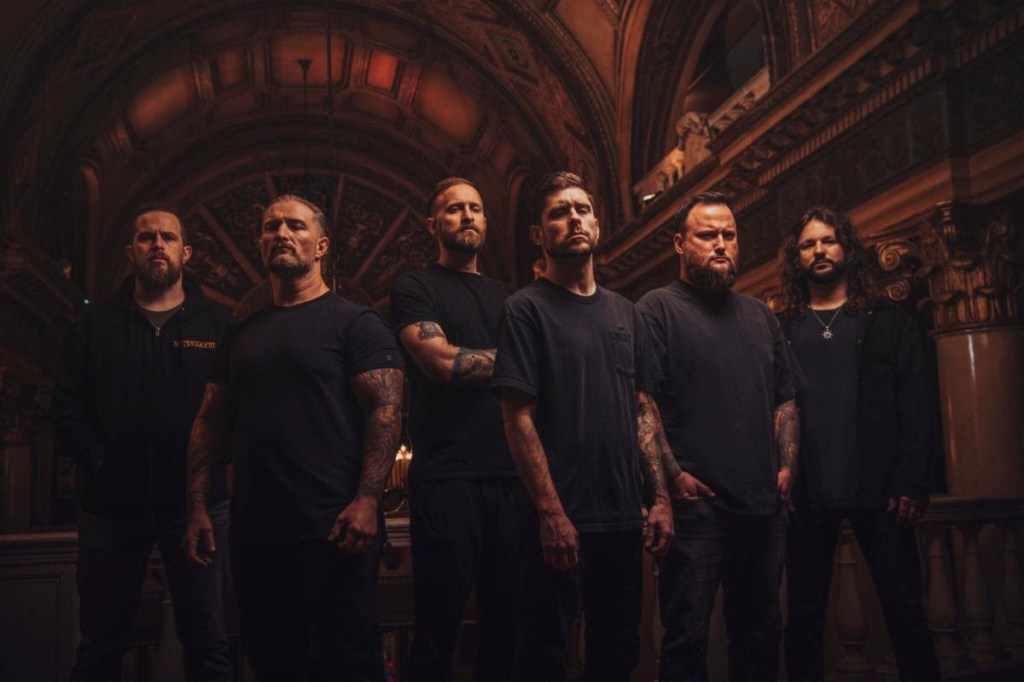
Photo by Alex Morgan WHITECHAPEL will celebrate their 20th anniversary with a special North American headlining tour this Fall where they‘ll perform songs from their entire discography! Presented by Live Nation, the trek will commence on November 11th in Atlanta, Georgia and run through December 18th in Pelham, Tennessee. Support will be provided by Chelsea Grin, The Acacia Strain, and Netherwalker.
Comments WHITECHAPEL guitarist Alex Wade, “We are excited to announce our 20th Anniversary Tour taking place this Fall. We would have never believed we would have made it 20 years after we started this band in 2006, but here we are celebrating it, and we are proud that we are undertaking our largest headline tour to date to commemorate that. Joining us will be our friends who need no introduction, Chelsea Grin and The Acacia Strain, along with deathcore up and comers, Netherwalker. We will be playing songs from our entire discography, no albums left out, so if you want to see us play our longest set in the biggest venues we’ve ever played, get your tickets now and don’t miss out!”
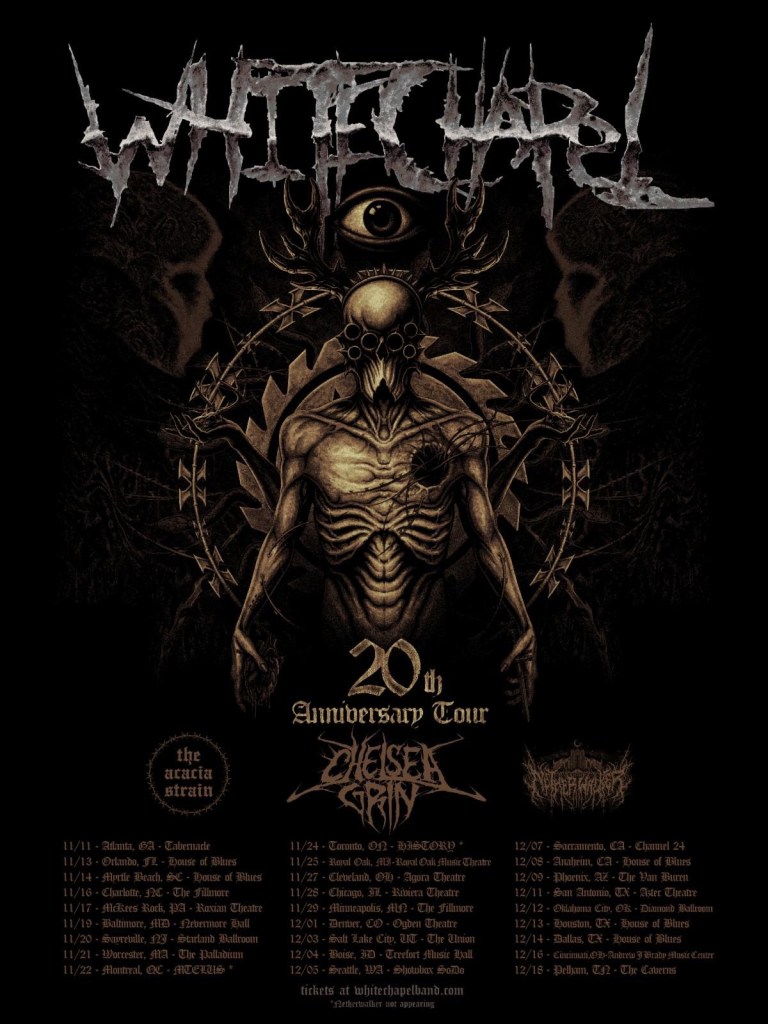
WHITECHAPEL w/ Chelsea Grin, The Acacia Strain, Netherwalker:
11/11/2026 Tabernacle – Atlanta, GA
11/13/2026 House Of Blues – Buena Vista, FL
11/14/2026 House Of Blues – North Myrtle Beach, SC
11/16/2026 The Fillmore Charlotte – Charlotte, NC
11/17/2026 Roxian Theatre Presented by Citizens – Mckees Rocks, PA
11/19/2026 Nevermore Hall – Baltimore, MD
11/20/2026 Starland Ballroom – Sayreville, NJ
11/21/2026 The Palladium – Worcester, MA
11/22/2026 MTELUS – Montreal, QC w/ Carcosa **
11/24/2026 HISTORY – Toronto, ON w/ Carcosa **
11/25/2026 Royal Oak Music Theatre – Royal Oak, OH
11/28/2026 Riviera Theatre – Chicago, IL
11/29/2026 The Fillmore – Minneapolis, MN
12/01/2026 Ogden Theatre – Denver, CO
12/03/2026 The Union Event Center – Salt Lake City, UT
12/04/2026 Treefort Music Hall – Boise, ID
12/05/2026 Showbox SoDo – Seattle, WA
12/07/2026 Channel 24 – Sacramento, CA
12/08/2026 House Of Blues – Anaheim, CA
12/09/2026 The Van Buren – Phoenix, AZ
12/11/2026 The Aztec Theatre – San Antonio, TX
12/12/2026 Diamond Ballroom – Oklahoma City, OK
12/13/2026 House Of Blues – Houston, TX
12/14/2026 House Of Blues – Dallas, TX
12/16/2026 The Andrew J. Brady Music Center – Cincinnati, OH
12/18/2026 The Caverns – Pelham, TN
** No NetherwalkerHymns In Dissonance, WHITECHAPEL’s most recent studio recording released last Spring via Metal Blade Records, finds the band reinventing themselves, going darker, deeper and heavier than ever before.
Hymns In Dissonance is available now on CD, vinyl, and digital formats.For orders, visit https://lnk.to/HymnsInDissonance. Find merch bundles and band exclusive vinyl at: whitechapel.merchnow.com.
WHITECHAPEL:
Phil Bozeman – vocals
Ben Savage – lead guitar
Alex Wade – rhythm guitar
Zach Householder – guitar
Gabe Crisp – bass
Brandon Zackey – drumshttps://www.whitechapelband.com
https://www.instagram.com/whitechapelband
https://www.facebook.com/whitechapelband
Source: EARSPLIT PR

-
Jay Saint James She’s The Pope Review
Jay Saint James She’s The Pope Review
This song plunges into the essence of its message, bypassing any need for introductions. From the outset, the listener is drawn in by Jay Saint James’s compositional style. The influences of legendary artists like David Bowie are evident, alongside elements that evoke the Beatles. His vocal tone occasionally recalls Robbie Williams, yet Saint James possesses a distinct vision. He skillfully fuses these influences to create something entirely original.

The song unfolds beautifully as a classic ballad in the UK’s distinctive style, characterized by a vibrant chord progression. The chorus showcases varied dynamics, rhythmically and atmospherically, which underline the artist’s meticulous attention to detail. This is not merely a melody played through an instrument; it is a thoughtful arrangement that invites the listener to explore its depths.
The narrative conveyed through the lyrics describes a person capable of weathering life’s hardships while maintaining an unwavering smile. Such individuals undoubtedly carry an inner strength, enabling them to confront any adversity with cheerfulness. Inspired by a real person from his life, the song serves as an homage to those who endure the harsh conditions of existence.
She’s The Pope – Sound and Atmosphere
Co-produced with Martha McBain, the collaborative effort here enhances the song’s texture. The mix, handled by David Johansson, ensures every note and lyric shines through with clarity. The smooth integration of various musical elements creates an atmosphere that encourages the listener to reflect on the message.
There is a certain beauty in how this track can elicit strong emotions while remaining accessible. The artist clearly understands the balance between maintaining personal authenticity and reaching out to a broader audience.
Listeners can find joy in the contrast between the music’s uplifting rhythm and the reflective nature of the lyrics. This dynamic approach ensures the ballad resonates deeply, capturing joy and introspection. It demonstrates how music can act as a conduit for emotional expression.
She’s The Pope – Performance and Production
There is a sense of intricate layering that develops. Each instrument has its role, contributing to a greater cohesive whole that holds the listener’s attention. The craftsmanship involved in creating this piece is evident, and it transcends simple pop conventions.
In the end, this song allows contemplation while simultaneously encouraging a sense of hope. There is a unique charm in Jay Saint James’s approach, blending recognizable influences while crafting something distinctly his own.
This single is an ephemeral moment of beauty that can resonate across various audiences. It offers solace and inspiration, a rarity in contemporary music. It is a fine addition to any collection, appealing to those who appreciate depth within their musical selections.
Refined
If you love this music: Discover More
For fans of:
David Bowie • The Beatles
The post Jay Saint James She’s The Pope Review appeared first on Edgar Allan Poets – Noir Rock Band.
-
A Perfect Circle Guitarist Confirms New Album Is Officially Underway, Teasing Intense Deadlines with Maynard James Keenan

Alternative rock’s most enigmatic, platinum-selling studio partnership is officially firing up its creative engine for a monumental return. Following the shocking, surprise release of their dark and atmospheric new single “Starless” in late May, global music markets instantly began speculating whether a massive long-form project was looming on the horizon. Now, those suspicions have been completely verified by the source.
Checking directly into Minneapolis’s iconic 93X radio station for an exclusive feature with broadcast host Kevin Kellam, founding guitarist and sonic architect Billy Howerdel blew the lid off A Perfect Circle‘s secret operations—confirming that the direct follow-up to 2018’s Eat The Elephant is actively being written, tracked, and engineered under an intense, fire-lit deadline architecture driven by legendary frontman Maynard James Keenan.
THE STARLESS STUDIO MATRIX
- Lead Architect: Billy Howerdel (Guitars, Bass, Production)
- Mastermind: Maynard James Keenan (Lead Vocals, Lyricism)
- Engine Room: Josh Freese (Studio & Live Drums)
- Sonic Mix: Matty Green (U2, Florence + The Machine, TV On The Radio)
- Base of Operations: Lankershim Ranch Studio (Studio City, CA)
Tracking on the Highway: Howerdel Balances European Tour Pressures
The revelation of a new studio effort lands at a highly chaotic time for the alternative rock icons. In early June, A Perfect Circle launched a major, highly anticipated European summer tour block in London. Striking a delicate balance between the grueling exhaustion of international travel and the precise, isolated headspace required for elite songwriting has proven to be an immense challenge for Howerdel.
“There’s more [music] underway,” Howerdel directly confirmed to 93X. “And in the spirit of soft deadlines, I’m not gonna give you the date, but we’re working toward something… We’re on tour. It’s hard to get solid things done when you’re out here.
“I sometimes optimistically think that’s gonna happen, and, like today, we’re six shows in, so we’re about two weeks in, and this is the first day I really slept, even though I might not look like it. I just slept, went to the gym, ate a meal, got on with you, and it’s not been like that. So to get real cracking on to the new album, it’s gonna be… I need a couple more of these days to line up over the next tour.”
 LIVE & LOUD: Stream the World’s Hardest Radio Station 24/7 Below:
Inside the Chemistry: The Incomparable Work Ethic of Maynard James Keenan
A major pillar of Howerdel’s confidence in the impending record stems from his legendary, uncompromised creative shorthand with vocalist Maynard James Keenan. Beyond his duties steering A Perfect Circle, Keenan operates as the iconic voice of progressive metal titans Tool and the avant-garde multimedia collective Puscifer.
Howerdel admitted that his creative velocity reaches an entirely different tier when working alongside Keenan, characterizing the singer as a tenacious visionary who refuses to let studio tracking enter a state of stagnation.
“I feel more creative with him [than I do with other musicians],” Howerdel confessed. “I mean, you’d have to ask Maynard, but I feel like when it’s time to work, it’s time to work for him… He’s got a great work ethic. I don’t know anyone — I mean, he’s at least in the top three hardest-working people I know that have real vision, conviction, a vision that he’s gonna execute and be tenacious about it. And he’s like that with music. Once the train starts rolling, it, it’s rolling.”
Addressing how they keep themselves accountable without a major corporate label breathing down their necks, Howerdel explained their unique tactical use of psychological strain: “We’re gonna set soft deadlines, which I guess they can be hard deadlines, but our soft deadlines are pretty intense. They’re meant to be hit.
“Anything could happen, but when we’re underway, it just feels, like, ‘Okay, we’re moving in the right direction.’ Now, you can’t force the greatest idea to come out, but you can get yourself motivated to go, ‘If I don’t hit this deadline, then bad shit’s gonna happen.’ So it’s a fire lit under your ass.”
Check This Out – A Perfect Circle Albums Ranked: From Experimental Shadows to Alt-Rock Perfection

Physical Media Alert: “Starless” Hits Limited 7-Inch Vinyl
While the global community tracks the tracking parameters for the full-length record, die-hard collectors can immediately secure an exclusive physical piece of the band’s current history. A limited-edition “Starless” seven-inch vinyl single has officially deployed via Revolver.
Tracked earlier this year at Howerdel’s private Lankershim Ranch Studio in Studio City, California, the stunning A-side composition features the thunderous drum tracking of long-time collaborator and current Foo Fighters timekeeper Josh Freese, wrapped in a pristine, massive mix delivered by elite engineer Matty Green.
The physical release boasts an elegant B-side custom etching of the band’s historic crescent emblem alongside a custom 7-inch record adapter, dropping on two highly sought-after aesthetic variants: a sleek silver/black blend, and an eye-catching white with sea blue and black splatter.
BILLBOARD BLUEPRINTS: THE HISTORIC CATACOMB RUN
- 2000 – ‘Mer De Noms’ (Debuted at No. 4 | Highest Rock Debut of Its Era)
- 2003 – ‘Thirteenth Step’ (Debuted at No. 2 | Certified Platinum Landmark)
- 2004 – ‘eMOTIVe’ (Debuted at No. 2 | Political Cover Masterpiece)
- 2018 – ‘Eat The Elephant’ (Debuted at No. 3 | Critical Comeback Blueprint)
FAQ: A Perfect Circle’s 2026 Studio Album Updates
Is A Perfect Circle releasing a new album?
Yes. Guitarist and co-founder Billy Howerdel has officially confirmed that a brand-new, full-length studio album is currently underway and actively being written alongside vocalist Maynard James Keenan.
Who plays drums on the new A Perfect Circle song “Starless”?
The drum tracking on “Starless” was executed by legendary rock session musician and current Foo Fighters drummer Josh Freese, who has collaborated extensively with APC since their 1999 inception.
Where can I buy the new A Perfect Circle vinyl?
The limited-edition “Starless” 7-inch vinyl single, featuring custom color variants and a crescent logo B-side etching, is available for public purchase immediately via the Revolver Magazine official online shop.
Also – “Absolutely Chuffed”: Maynard James Keenan and A Perfect Circle Shock Fans with Surprise Single “Starless”

The Architectural Timing of APC
When evaluating the operational history of A Perfect Circle, their structural release cadence has always favored meticulous artistic calculation over rapid, assembly-line content creation. Launching in 2000 with the multi-platinum triumph of Mer De Noms, Howerdel and Keenan successfully engineered a distinct alternative rock template that seamlessly married the heavy, syncopated time signatures of progressive metal with pristine, radio-friendly melodic hooks.
By taking multi-year, strategic hiatuses to allow Keenan to navigate the massive touring engines of TOOL and Puscifer, A Perfect Circle has maintained an incredibly pristine legacy free of creative burnout. Returning to active studio tracking in 2026 ensures that their sound arrives completely revitalized, leveraging decades of mature musical evolution to secure immediate, front-page authority across global streaming registries and chart metrics alike.
Now that Billy Howerdel has officially verified that the next era of A Perfect Circle is actively charging forward under intense studio deadlines, the floor belongs to the Loaded Radio global assembly. Do you think the dark atmosphere of “Starless” indicates a return to the heavy styling of Thirteenth Step, or are you anticipating a completely new sonic landscape from the duo? Fire off your theories, tracklist predictions, and tour reviews in the comments section below!
TL;DR
- The Long-Awaited Sequel: Guitarist and chief songwriter Billy Howerdel has officially confirmed that a brand-new A Perfect Circle full-length studio album is actively underway.
- The Fire is Lit: Speaking on Minneapolis’s 93X radio station, Howerdel revealed that while they are keeping release dates under wraps, he and vocalist Maynard James Keenan are working under intense, structured “soft deadlines” to execute the tracking.
- Tracking From the Road: The band is currently six shows into a massive 2026 European summer tour block, with Howerdel using rare days off to piece together the record’s foundational tracking matrices.
- Physical Media Drop: The news arrives alongside a limited-edition Starless 7-inch vinyl release via Revolver, featuring a custom etching of the band’s iconic crescent logo and legendary timekeeper Josh Freese on drums.
Never miss an official studio update statement, an exclusive radio translation layout, or breaking alternative rock tour alerts. Download the free Loaded Radio App for [iOS App Store] and [Google Play Store] today to command our live 24/7 high-decibel digital audio stream and catch our Daily Podcast on demand.
The post A Perfect Circle Guitarist Confirms New Album Is Officially Underway, Teasing Intense Deadlines with Maynard James Keenan appeared first on Loaded Radio.
-
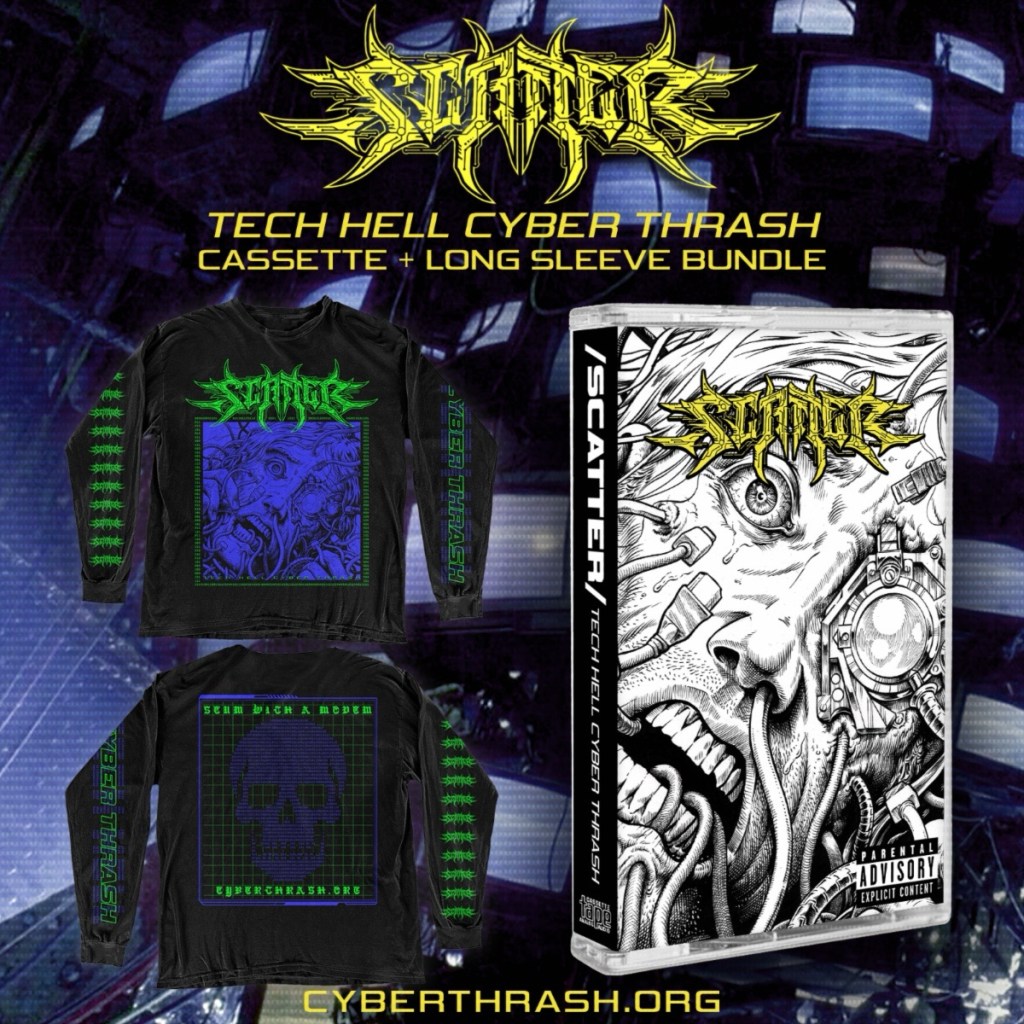
SCATTER – Incinerating Debut EP From Texas/Alaska-Based Thrash Metal Trio, Tech Hell Cyber Thrash, Out Now
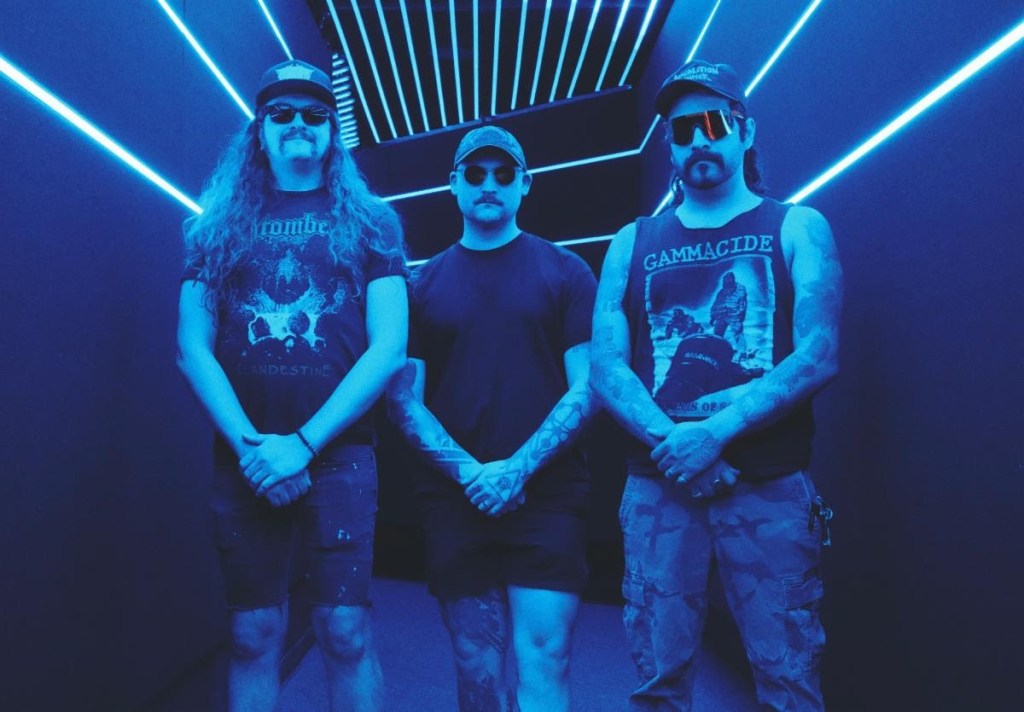
photo by Bartek Krawczyk Stream SCATTER’s Tech Hell Cyber Thrash HERE.
Tech Hell Cyber Thrash, the incinerating debut from Texas and Alaska-based thrash metal trio SCATTER, is out now and can be streamed in its shredding entirety.
Born out of pandemic hacker movie marathons and late nights soldering together guitar pedal clones, SCATTER is the brainchild of Spenser Hodge and a love letter to 90s cyberpunk and hacker culture. Spenser enlisted Texas guitar wizard Ruben Cantu and longtime Alaskan collaborator Justin Rodda to help realize this vision.
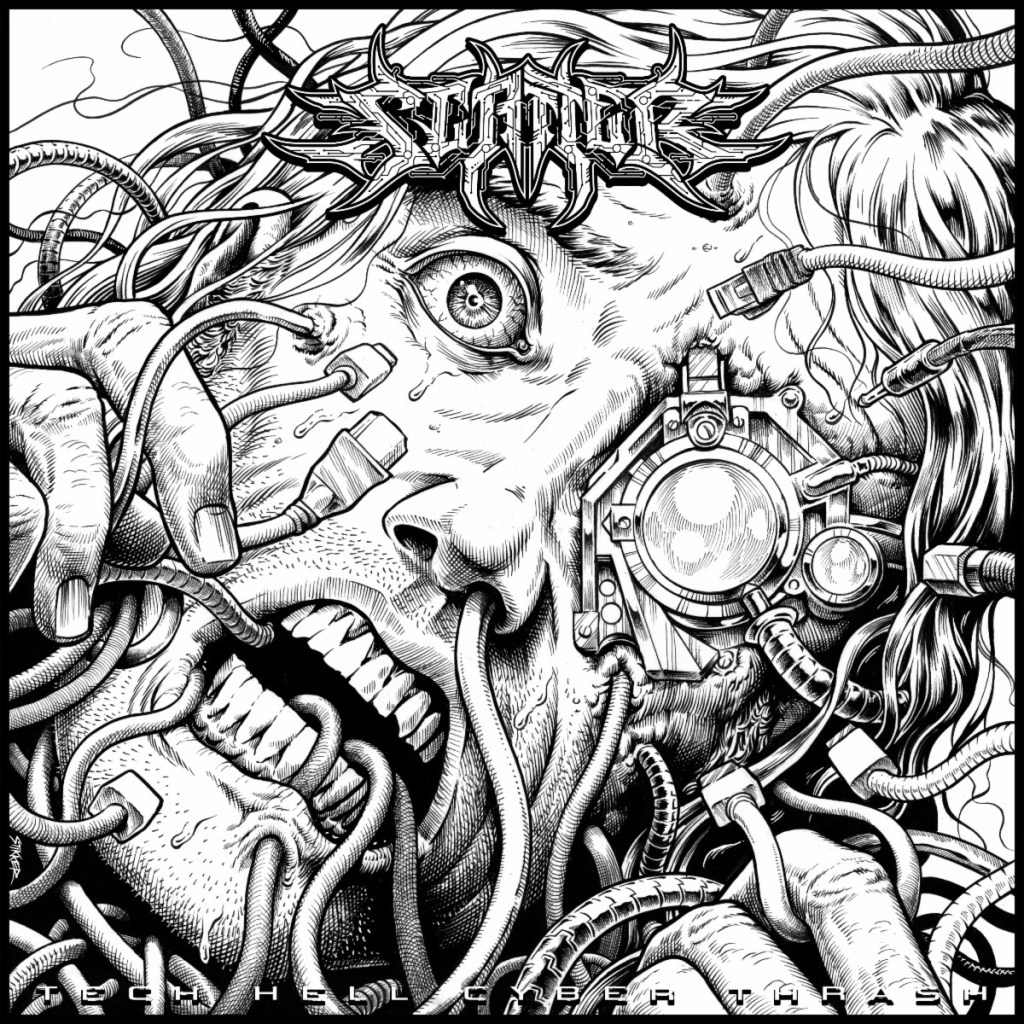
The first material born of this collaboration now arrives with SCATTER’s debut EP, Tech Hell Cyber Thrash, a ripping and diverse collection of songs that run the gamut from classic death metal brutality to throwback speed metal harmonized leads, wrapped up in a paranoid, bloodsoaked thrash metal treatise on the interconnected hell world we call Earth. Deploying five incinerating tracks in under nineteen minutes, Tech Hell Cyber Thrash was recorded, mixed, and mastered by Greg Wilkinson at Earhammer Studios in Oakland, California (Autopsy, Vastum, Necrot) and completed with artwork by Matt Stikker (Metallica, Power Trip, Billy Strings).
Tech Hell Cyber Thrash is out now digitally through SCATTER and on cassette via Immortal Jaw Recordings limited to 50 copies. Unleash hell HERE.
https://scatterthrash.bandcamp.com
https://www.instagram.com/immortal_jaw
Source: EARSPLIT PR