Category: news
-
Jack + Sharon Osbourne Hit Back at Ozzy A.I. ‘Cash Grab’ Concern
Jack and Sharon Osbourne spoke at length during 'The Osbournes' podcast about the Ozzy A.I. and addressed pushback over 'cash grab' concerns. Continue reading… -
Scott Ian Says This Is the ‘Greatest Anthrax Song’ in History
Anthrax guitarist Scott Ian has called out a new song from their upcoming album Cursum Perficio as the greatest song of their career. Continue reading… -
Judge Rejects Manson’s Request to Dismiss Sexual Assault Lawsuit
Judge Steve Cochran decided that the claims of Manson's former assistant, Ashley Walters, are "strong enough to let the case move forward." Continue reading… -
The Best Song on Every Motley Crue Album
From debaucherous tales of the Sunset Strip to chart-topping power ballads, Mötley Crüe have done it all. Here are the best songs from each of the Crüe's studio releases. Continue reading… -
5 Best Black Metal Covers of Iron Maiden Songs
Enjoy these tributes to Iron Maiden by battle-hardened veterans of the darkest genre of them all. Continue reading… -
21 Essential Nu-Metal Albums You Should Own on Vinyl
If you love nu-metal, you absolutely need these titles in your collection. Continue reading… -
Log Flume – Go Where The Money Goes

The only thing cooler than being pleasantly surprised by a new band’s debut album is being pleasantly surprised when its second album turns out to be even better. 2024’s Splash Hit was a seemingly out-of-nowhere hit for Philadelphia-based foursome Log Flume. It had scrappy indie charm in spades, but it built its foundation on the timeless art of melody-driven guitar pop. And there was something immediately likeable about the band that was hard to put into words (beyond the band name bringing up cherished childhood memories!). Had Log Flume gone back to the same script on its sophomore release, I would have been perfectly happy. But Go Where The Money Goes finds the band taking a big leap forward, and it does so without losing the qualities that made its predecessor so great. That likability is still undeniable, and again the songwriting is super-lean (with not a single track reaching three minutes). But the band has come into its own in ways that were only hinted at last time. If well-crafted guitar pop is something you live for, this album needs to be on your must-hear list.While Log Flume is still working that indie power pop territory on album #2, its influences run deeper and its sound is more elegant and refined. From the jump, “Dynamic” makes it clear that infectious pop hooks remain this band’s calling card. But it’s on track two, “Far from You,” that the progression really becomes evident. At this point Log Flume sound less like promising up-and-comers and more like established masters of their craft. It’s evident that they’ve become more accomplished songwriters and musicians and have have fully blossomed as a band. “Necessary Evil” is a gorgeous, sophisticated slice of mature power pop. “Got This Feeling” brings a more delicate, laidback touch yet still sounds fully realized in only two minutes. “Up By 9 O’Clock” is full-on psychedelic pop that channels the ’60s by way of ’80s indie rock. “Misery” is jangly indie pop done to perfection. It wakes up echoes of the ’80s and ’90s yet still sounds like music of now. Elsewhere, “Anything” finds the band exploring its punkier side with full energy and exuberance. “Every Single Day” brings back some of that early Weezer energy from the last album but doesn’t seem like a rehash. Album closer “Follow You Around” is a particular highlight, and it encapsulates everything I love about this record. It’s at once a progression from the band’s earlier work and a reminder of why I came to love this group in the first place. It’s two minutes of pure, perfect pop.
When I heard that Log Flume had a new album coming out, I was excited to hear it. I knew it would be good. But did I expect it to be this good? Probably not. It’s impressive that the band has figured out how to give its songs more room to breathe without making them longer. Compared to Splash Hit, Go Where The Money Goes comes off more as more painstakingly crafted and certainly more meticulously produced (kudos to Mike Bardzik), but it retains the first album’s whimsical joy and knack for instantly addictive hooks. 2026 is quickly shaping up to be The Year of Power Pop. The selection of stellar releases in that universe is mounting and mounting, and Log Flume has delivered an album that is up there with the best of that stuff. A physical release on cassette is out on Philly’s home of the hits, Dummest Records!
-
A New Era Begins: Anika Nilles Crushes First Full Concert with RUSH on "Fifty Something" Tour Kickoff

History was made last night as progressive rock titans Rush kicked off their highly anticipated “Fifty Something” world tour at the Kia Forum in Los Angeles. The show marked a monumental turning point for the band, featuring their first full-length performance with new drummer Anika Nilles.
Filling the shoes of the late, legendary Neil Peart is no small feat, but Nilles delivered a masterclass in precision, energy, and musicality. Fans were treated to a 24-song setlist spanning the band’s illustrious 50-year career, including deep cuts like “Xanadu” and “La Villa Strangiato,” all anchored by Nilles’ impeccable technique.
Honoring the Past, Embracing the Future
The concert was not only a showcase of musical prowess but also a moving tribute to Peart. “Neil’s playing was melodic and energetic, and that’s something I feel very comfortable with,” Nilles shared in a recent interview. Her performance honored Peart’s intricate compositions while bringing her own unique flair to the kit, a balance that left the sold-out crowd in awe.
With tour dates stretching into 2027 and spanning the globe—including several highly anticipated shows in Brazil early next year—this new chapter for Geddy Lee and Alex Lifeson proves that the spirit of Rush is as vibrant and essential as ever. The “Fifty Something” tour is officially a must-see event for any music lover.
Tour & Legacy:
- Official Tour Dates: Rush Official Site
- Progressive Rock Updates: MTVIEW Blog
-
A New Era Begins: Anika Nilles Crushes First Full Concert with RUSH on "Fifty Something" Tour Kickoff
History was made last night as progressive rock titans Rush kicked off their highly anticipated “Fifty Something” world tour at the Kia Forum in Los Angeles. The show marked a monumental turning point for the band, featuring their first full-length performance with new drummer Anika Nilles.
Filling the shoes of the late, legendary Neil Peart is no small feat, but Nilles delivered a masterclass in precision, energy, and musicality. Fans were treated to a 24-song setlist spanning the band’s illustrious 50-year career, including deep cuts like “Xanadu” and “La Villa Strangiato,” all anchored by Nilles’ impeccable technique.
Honoring the Past, Embracing the Future
The concert was not only a showcase of musical prowess but also a moving tribute to Peart. “Neil’s playing was melodic and energetic, and that’s something I feel very comfortable with,” Nilles shared in a recent interview. Her performance honored Peart’s intricate compositions while bringing her own unique flair to the kit, a balance that left the sold-out crowd in awe.
With tour dates stretching into 2027 and spanning the globe—including several highly anticipated shows in Brazil early next year—this new chapter for Geddy Lee and Alex Lifeson proves that the spirit of Rush is as vibrant and essential as ever. The “Fifty Something” tour is officially a must-see event for any music lover.
Tour & Legacy:
- Official Tour Dates: Rush Official Site
- Progressive Rock Updates: MTVIEW Blog
-
Listening Now : David Coyle – A Semblance of Voices – Radio Edit
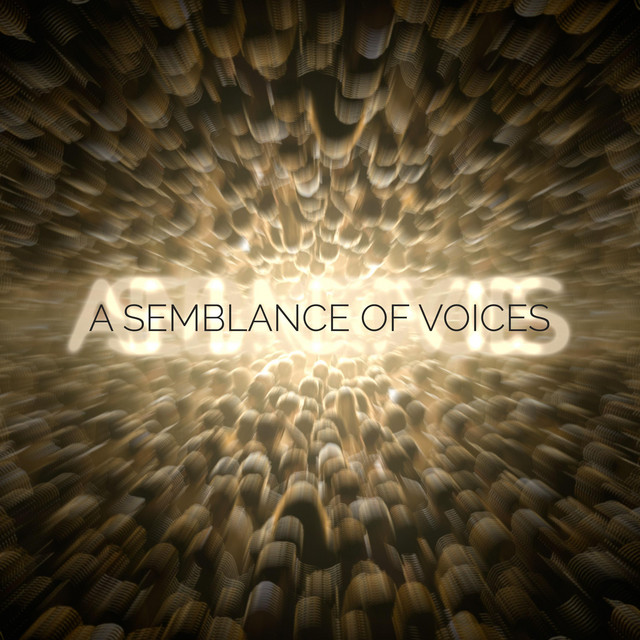
David Coyle delivers a polished and thoughtfully produced progressive house piece with A Semblance of Voices. The track is built around evolving melodic structures and carefully layered vocal textures that add depth without overpowering the composition. Its steady rhythmic foundation provides momentum, while atmospheric elements create a spacious and immersive listening experience. The arrangement develops naturally, maintaining interest through subtle variations and refined production choices. Balancing melodic sensitivity with dancefloor appeal, the track reflects Coyle’s experience as an electronic music producer and showcases his ability to craft engaging, well-structured compositions that resonate beyond the confines of the genre.
Connect:
