It’s time to “Embrace The Black Light”.
The post 100 Demons Premiere “The Nightmare” Music Video Alongside The Release Of Their First Album In Over 20 Years appeared first on Theprp.com.
It’s time to “Embrace The Black Light”.
The post 100 Demons Premiere “The Nightmare” Music Video Alongside The Release Of Their First Album In Over 20 Years appeared first on Theprp.com.

The fragile future of Peoria, Illinois heavy music legends Mudvayne has officially fractured for 2026, forcing millions of dedicated fans to desperately try to decode what is happening behind the scenes. Following a massive, highly profitable string of global reunion tours over the past few years, the band has suddenly grinded to a halt for a scheduled 2026 hiatus. Rather than resting, frontman Chad Gray has openly admitted he refuses to slow down, kicking off a regional solo trek. Concurrently, founding guitarist Greg Tribbett has channeled immense personal grief into a brand new groove metal project called Dead Wyte alongside his brother Derrick Tribbett.
Want the direct, unvarnished truth on the shifting world of heavy rock and nu-metal? Turn up the Loaded Radio Daily Podcast on your go-to streaming platform to hear our deep audio breakdown of Mudvayne’s 2026 status, or stream our 24/7 digital station directly from our app player.
When Mudvayne originally broke their 12-year silence in 2021, the metal world erupted. They spent the next three years commanding prime real estate on major festival bills and headlining amphitheater packages. But the heavy touring schedule masked a building need for a reset, culminating in a complete halt of band activities for 2026.
The root of this pause is deeply human. Last fall, guitarist Greg Tribbett had to abruptly bow out of Mudvayne’s high-stakes touring schedule following a devastating personal blow: the loss of his wife to a rare and highly aggressive form of cancer. The band rallied to support their brother, but the emotional weight necessitated taking a step back from the massive corporate touring machine to heal.
While the parent band rests, Chad Gray made it explicitly clear to fans via his official Instagram account that his own creative engine requires constant motion:
“Mudvayne is taking a break for 2026 but I just can’t do that,” Gray shared. “Music, creating, playing are the wells that I draw my happiness from so I need to keep going.”
 LIVE & LOUD: Stream the World’s Hardest Radio Station 24/7 Below
For Greg Tribbett, healing has clearly manifested in the writing room. The revered guitarist—who previously laid down the legendary, defining riffs for Mudvayne’s core catalog and later tracked with Audiotopsy—has broken his silence by announcing his brand new band, Dead Wyte.
This project marks a monumental family union. Fronting Dead Wyte is Greg’s brother, Derrick Tribbett. Metal purists know Derrick best as “Tripp Lee,” the former energetic frontman for nu-metal outfit Twisted Method and a veteran live bassist and backing vocalist for industrial metal titans Dope. Casual pop culture fans might also recognize Derrick under his moniker “Sinister” from his time on the 2009 VH1 reality series Daisy of Love.

The outfit is still in its foundational tracking phases, but Greg has given fans a direct look at the material via two distinct audio teasers uploaded to his personal Instagram:
While Tribbett builds Dead Wyte from the ground up, Chad Gray has turned his restless energy into a premium live attraction. Dubbed Chad Gray Presents: 30 Years of Madness (frequently tagged by the fanbase as Chadnesss), the singer is executing an intimate, high-octane live show.
To ensure elite execution, Gray bypassed standard session players and recruited musician brothers he has trusted for decades. His solo backing lineup boasts long-time Hellyeah bandmate and guitarist Christian Brady and trusted Mudvayne touring auxiliary guitarist Marcus Rafferty. The setlist acts as an intense, career-spanning journey delivering massive tracks and deep cuts from both Mudvayne and Hellyeah.
What was initially booked as a one-off performance at the Fremont Country Club in Las Vegas immediately exploded into a multi-date regional run across iconic Midwestern rock rooms due to rapid ticket sell-outs.
View this post on Instagram
View this post on Instagram
No. Mudvayne is absolutely not breaking up. The 2026 pause is a temporary, mutually agreed-upon hiatus designed to give the members breathing room for personal recovery and independent artistic pursuits after years of heavy touring.
Dead Wyte features founding Mudvayne guitarist Greg Tribbett alongside his brother Derrick Tribbett (ex-Twisted Method, Dope) on lead vocals.
The “30 Years of Madness” solo tour relies on a comprehensive, career-spanning setlist that honors Chad Gray’s 30-year contribution to heavy music, featuring staple anthems and deep-cut selections from both Mudvayne and Hellyeah.
Forming in Peoria, Illinois in 1996, Mudvayne aggressively altered the trajectory of heavy music with their progressive, jazz-inflected 2000 masterpiece L.D. 50. Fueled by Ryan Martinie’s complex bass lines, Matthew McDonough’s polyrhythmic percussion, Greg Tribbett’s jagged tone, and Chad Gray’s intense vocal delivery, they became an inescapable force.
When the band entered a prolonged hibernation in 2010, Chad Gray instantly poured his energy into the hard rock supergroup Hellyeah alongside legendary Pantera drummer Vinnie Paul Abbott and Nothingface guitarist Tom Maxwell. They achieved multiple active rock radio hits until Vinnie Paul’s passing in 2018 drew a line under that project. The triumphant 2021 Mudvayne reunion proved that the subgenre they helped build still hungers for their chaotic energy.
Now that we’ve broken down exactly what is happening across the camp, we want to hear from the Loaded Radio community. Are you blasting Greg Tribbett’s raw new audio teasers for Dead Wyte, or are you securing tickets to see Chad Gray’s intimate storytelling sets live? Drop your thoughts in the comments section below!
Never miss a breaking rock news story, underground tour announcement, or exclusive artist interview. Download the free Loaded Radio App for [iOS App Store] and [Google Play Store] right now to lock into our 24/7 high-decibel live stream and stream the Daily Podcast on demand.
The post Mudvayne Fractures for 2026: Chad Gray Refuses to Stop as Guitarist Greg Tribbett Launches Brutal New Project With His Brother appeared first on Loaded Radio.
FIFA and The Rolling Stones have unveiled a new partnership tied to the upcoming FIFA World Cup 2026, bringing together two globally recognized names from the worlds of sport and music.
As part of the collaboration, three limited-edition FIFA World Cup 2026 vinyl covers will be created for The Rolling Stones‘ upcoming album Foreign Tongues, which arrives through Capitol Records on July 10. The partnership also includes a special remix of the band’s new track, “In The Stars”, which will appear on the official FIFA World Cup 2026 album. A collection of themed clothing and headwear is also scheduled for release.
“The FIFA World Cup is the biggest show on earth, uniting billions of people through football, culture and shared celebration,” said FIFA chief business officer Romy Gai. “We are delighted to welcome The Rolling Stones into this unique global moment, adding the energy, emotion and unmistakable identity of one of music’s most iconic bands to the tournament experience. This collaboration celebrates the powerful connection between football and music, and the unforgettable experiences they create for fans around the world.”
The exclusive vinyl editions combine classic The Rolling Stones imagery with FIFA World Cup 2026 design elements. Produced in limited numbers, the releases are intended as collectible items marking the band’s involvement in the tournament.
The project is part of FIFA‘s wider partnership with Universal Music Group, aimed at strengthening the relationship between football and music through the FIFA Sound initiative.
Foreign Tongues follows the success of Hackney Diamonds, the Grammy-winning album that topped charts worldwide and achieved multi-platinum status following its release less than three years ago.
The record features performances from Jagger, Richards, and Wood, alongside longtime collaborators Darryl Jones, Matt Clifford, and Steve Jordan. It also includes a special appearance by late drummer Charlie Watts, drawn from one of his final recording sessions before his passing in 2021.
Additional guest musicians appearing on the album include Steve Winwood, Paul McCartney of The Beatles, Robert Smith of The Cure, and Chad Smith of Red Hot Chili Peppers.
Upon release, Foreign Tongues will be available across numerous formats, including CD, deluxe CD editions, cassette, multiple vinyl variants, retailer-exclusive editions, box sets, and standalone CD and vinyl editions of “In The Stars”.

The post FIFA And THE ROLLING STONES Team Up For FIFA World Cup 2026 Collaboration appeared first on Sonic Perspectives.
Posted on June 5th 2026, 5:09p.m.
The music video is now streaming.
The post Electric Callboy Joined By The Offspring’s Dexter Holland For New Track “Let The Good Times Roll” appeared first on Theprp.com.
DeathByRomy has continued their dark and decadent dive into the unknown that 2026 is fast becoming with another crushing piece of crushing pop brilliance.
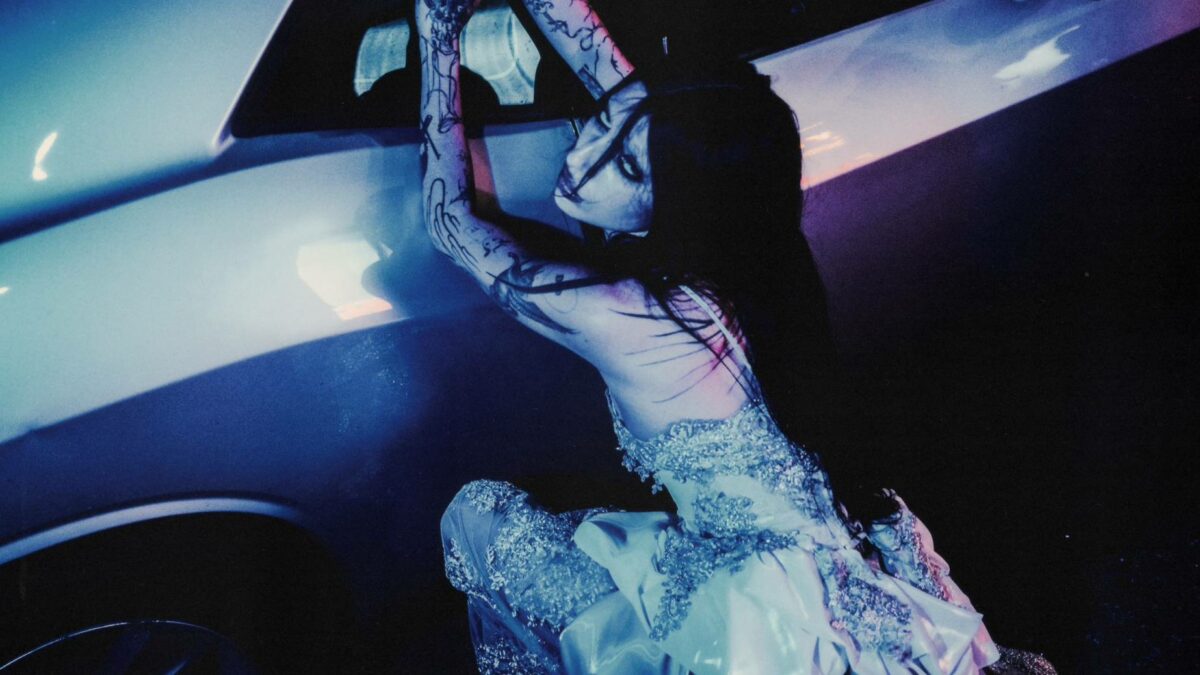
‘Manic Dream’ is its name and is a dense and discomforting piece of electronic genius. Held together by Romy’s sensational vocals, going from breathy and tension-laced to beautifully melodic, it is a perfect juxtaposition to the chaos that surrounds it. Bristling with static and unrelenting in nature, it’s a suitable intense addition to their current repertoire of songs.
According to Romy, it is also a song that speaks to just how far she has come over the years, as she explains:
“Manic Dream is a conversation between me as a teenager and the woman I am now,” Romy shares. “Growing up I felt both bulletproof and invincible to the world but simultaneously anxious and afraid of the world — and now I’m a woman that is truly unafraid of anything.”
It follows on from equally intense ‘BODY HORROR’, which sounds a lot like this:
The post DeathByRomy Unleashes Razor-Sharp New Track ‘Manic Dream’ appeared first on Rock Sound.
After 15 years of hibernation, Burnt by the Sun have officially reactivated. The New Jersey-born metal/hardcore act responsible for aughts crushers Soundtrack to the Personal Revolution (2002), The Perfect Is the Enemy of the Good (2003) and Heart of Darkness (2009) embark on a second act born of lifelong friendships.
The core four of vocalist Mike Olender, guitarist John Adubato, bassist Ted Patterson and drummer Dave Witte have all returned, brought physically together in late 2025 at the funeral of Patterson’s father, a figure that loomed large over the band’s initial run.
“Talking over text and everything is great, but all of us sitting down, talking, rehashing old memories when the Old Man was out with Burnt really moved it forward for us,” says Patterson.
What’s more, they’ve brought an old pal aboard as second guitarist, Bill Kelliher (Mastodon, Primate).
“The icing on the cake for us is bringing Bill into the fold,” says Olender. “Bill is a longtime friend, and our early years mirrored Mastodon’s, having shared the stage many times in the early 2000s. Bill was actually part of that initial creative spark that led to BBTS getting formed. Back in the late ’90s Bill and John were writing together, some of which became BBTS’s first recorded material, and so for him to be part of this new chapter of the band is a reconnection to our roots and love for this kind of creative expression. We are also really excited about the new dynamic that Bill will add in terms of our live shows and new material.”
The civilian life-careers of Olender, Patterson and Adubato and Witte’s and Kelliher’s heavy touring schedule means there’s no timetable on when those shows will happen or when that material will surface. What’s clear, however, is that what ultimately emerges will unmistakably be Burnt by the Sun. How could be it anything else?
“I’m getting another chance to make some noise with some of the best people in my life,” says Patterson. “I love these guys.”
The post EXCLUSIVE: Burnt by the Sun Officially Reunites appeared first on Decibel Magazine.
Let’s say you’ve just had a fight with a loved one: heated emotions, hasty phrases thrown and muscles locked with stress. Then you take a break and really think about what they mean to you, and which path you want to take next. That exact sensation of walking through your own emotions and trying to unpick the stitches which have compressed you into that argument is the same feeling you’ll get from listening to ‘I Built You A Tower’. Death Cab For Cutie have created a record that’s at times tense, at other points contemplative, but always masterful in exploring the intricacies of the human heart.
Obviously we love the first single, ‘Punching The Flowers’. It’s laden with taut riffs, regret, pretty little seconds of guitar flair and a whole lot of bitterness – in short, all the things we love about Death Cab. ‘Pep Talk’ is the highlight of the record though, a painfully vulnerable sunlit morning of a song that begs for help while realising that the strongest help will come from within. The combination of grief and the realisations which come afterward are woven into every second of ‘I Built You A Tower’, which makes for a sometimes painful but always powerful listen.
The duet of title tracks which bookend the album feel like a summary of Death Cab past and future colliding to create this present record. ‘I Built You A Tower (a)’ is dreamy and wistful, a chiming evocation of placing a crush on a pedestal, but then the rose-tinted glasses are snatched away for the sinister, post-punk ‘(b)’ take on the same lyrics. The haters might say that putting two versions of the same song on a record is just rockstar laziness, but putting a pair of Jekyll and Hyde love songs nearly back to back is something of a revelation. It sums up the bipolar nature of ‘I Built You A Tower’ so well – absolutely savage shred followed by the quietest coffee shop melancholia – and it’s a delight.
On the quiet end of the spectrum, we’ve got the hopeful solitude of ‘Stone Over Water’ or the eerily apologetic ‘Full Of Stars’, both of which would stand proud on a purely intimate and acoustic record. Then, for fans of razor-sharp darkness, we’re given ‘How Heavenly A State’ and the groaning electronica that highlights ‘Riptides’. Sometimes a song can even delve into both moods at once, like ‘Envy The Birds’ which wheels in and out of whips synth clouds and mountainous drum drops like its namesake, or the deceptively mellow ‘The Flavour of Metal’ which showcases harsh chords and childhood nostalgia. There really is a Death Cab For Cutie for everyone within ‘I Built You A Tower’, and a particular heartstring that each song will pluck.
By the end of this, their eleventh album, you’ll feel like you know Death Cab better than even, and, more importantly, you will know yourself in greater depth. Two plus decades making emotionally resonant rock gives you a certain layer of expertise and there’s never even a second of ‘I Built You A Tower’ that makes you think that they’re resting on their laurels. The masterful sound of a band reaching into their own personal and musical past, albeit with one eye focused on where the future might take them, makes for one hell of a listen.
KATE ALLVEY
Electric Callboy have shared your new Summer anthem, and it features an appearance from a very special guest.

‘Let The Good Times Roll’ finds the band at their most sun-stained and joyous, delivering huge hooks and brilliantly heavy refrains. It’s the sort of life-affirming tune that they deliver time and time again, that remind you that enjoying every second you have with the people you love is good for the sou
And then they throw in a guest vocal from Dexter Holland, of The Offspring fame. On the surface, a really funny inclusion based on The Offspring’s 2022 ‘Let The Bad Times Roll’, but rather than just being an easy gag, he slots into the grin-inducing vibes perfectly and adds even more fruit to the cocktail.
There’s even space for a ‘Pretty Fly For A White Guy’ reference.
The band had this to say about the tune, stating,“The Offspring have been one of the bands that shaped us from the very beginning. Their music was part of our lives long before Electric Callboy even existed, so having Dexter on this song honestly feels surreal. ‘Let The Good Times Roll’ is everything we love about loud, fun and energetic music, and getting to share that with one of our biggest inspirations makes this a really special moment for us.”
Whilst Dexter added, “When Electric Callboy sent us the track, it immediately put a grin on our faces. It’s energetic, unpredictable and doesn’t take itself too seriously – exactly the kind of spirit we’ve always loved about punk and rock music. I had a blast being part of ‘Let The Good Times Roll’ and can’t wait for everyone to hear it.”
The song is set to appear on the band’s upcoming album ‘TANZNEID’, which will be released on August 07.
Here is previous single, ‘HYPERCHARGED’:
The post Electric Callboy Join Forces With The Offspring’s Dexter Holland On ‘Let The Good Times Roll’ appeared first on Rock Sound.
Cold basslines echoed beneath flickering neon while cigarette smoke drifted slowly through underground clubs hidden inside collapsing industrial cities. Somewhere between sleepless nights, rain-covered streets, dim red lights, and emotionally detached urban life, Gothic rock transformed from a post-punk mutation into one of the most enduring alternative cultures in modern music history.
More than forty years later, Gothic rock still survives because the emotions beneath the genre never disappeared. Loneliness, romantic melancholy, psychological tension, emotional fragility, cinematic atmosphere, and the search for beauty inside darkness continue resonating across generations. Gothic rock evolved sonically over decades, but emotionally, its heartbeat still echoes beneath the same cold neon lights.

Cinematic collage showing the evolution of Gothic rock from 1980s post-punk clubs to modern darkwave and noir rock culture with Gothic musicians, neon lights, and underground city atmosphere.
From underground post-punk clubs to modern darkwave revival, Gothic rock continues echoing through the darkness.
Unlike many genres tied entirely to trends or commercial eras, Gothic rock evolved by constantly reshaping its atmosphere while preserving emotional identity. Every decade introduced new textures, production styles, instruments, and aesthetics, yet the genre remained recognizable through emotional tension, nocturnal atmosphere, and cinematic immersion.
“Gothic rock survived because it transformed emotional darkness into atmosphere, identity, and beauty.”
Gothic rock emerged directly from the post-punk movement during the late 1970s. Punk had already shattered traditional rock structures through confrontation, chaos, and anti-establishment energy, but many musicians soon began searching for something emotionally deeper and atmospherically immersive.
Bands such as Bauhaus, Joy Division, Siouxsie and the Banshees, and early The Cure slowed punk’s explosive aggression into hypnotic basslines, chorus-soaked guitars, emotionally restrained vocals, cavernous reverb, and psychologically immersive soundscapes.
The atmosphere surrounding these bands reflected post-industrial England itself. Empty train stations after midnight, collapsing factories, gray concrete architecture, rain against apartment windows, and emotionally detached urban life became sonic textures embedded directly into the music.
The legendary Bauhaus single “Bela Lugosi’s Dead” remains one of Gothic rock’s defining moments. Its minimalist tension, theatrical pacing, delayed basslines, and nocturnal atmosphere established many characteristics that still define the genre today.
Gothic rock felt dangerous because it transformed emotional darkness into seductive atmosphere rather than simple despair.
During the 1980s, Gothic rock evolved from underground post-punk experimentation into a recognizable global subculture. Fog-filled dance floors, dim red lights, cigarette smoke, silver jewelry, black velvet, leather jackets, dramatic makeup, and monochromatic fashion became visual extensions of the music itself.
Underground clubs such as The Batcave in London transformed into emotional sanctuaries for outsiders searching for artistic identity, emotional honesty, and belonging. Gothic rock was never simply about songs.
It became an atmosphere people could live inside.
Musically, the genre expanded rapidly during the decade. Sisters of Mercy introduced cold drum machines, hypnotic repetition, delayed guitars, and emotionally detached baritone vocals that helped define Gothic rock’s mechanical elegance.
Meanwhile, The Cure explored emotional vulnerability and romantic melancholy through albums such as Faith, Pornography, and especially Disintegration. Robert Smith transformed sadness, emotional fragility, romantic longing, and existential isolation into cinematic emotional landscapes filled with shimmering guitars and devastating intimacy.
This contradiction between beauty and emotional collapse became one of Gothic rock’s defining characteristics.
Fields of the Nephilim introduced mystical Western imagery and atmospheric grandeur while Clan of Xymox and Cocteau Twins pushed the genre toward ethereal abstraction and dreamlike emotional textures.
By the 1990s, fog-filled clubs slowly evolved into colder electronic environments illuminated by machine-like rhythms, icy synthesizers, and increasingly cinematic production. Gothic rock absorbed influences from industrial music, electronic experimentation, darkwave, and alternative rock while preserving its emotional core.
Synthesizers became colder. Drum machines sounded more mechanical. Delayed basslines drifted beneath atmospheric electronics while vocals often felt emotionally distant and hypnotic.
Darkwave emerged as one of Gothic music’s most important evolutions by blending emotional melancholy with electronic textures, immersive repetition, and cinematic atmosphere.
Unlike mainstream alternative culture focused increasingly on commercial polish, Gothic music continued exploring emotional complexity, existential fragility, psychological tension, and romantic darkness.
The genre survived precisely because it refused becoming emotionally superficial.
Throughout its evolution, Gothic rock remained deeply connected to Gothic literature, noir cinema, Romantic poetry, and psychological horror. Writers such as Edgar Allan Poe, Mary Shelley, Bram Stoker, and Lord Byron continued shaping lyrical themes centered around obsession, mortality, emotional decay, romantic tragedy, and existential fear.
Meanwhile, classic film noir contributed shadow-heavy visual identity, emotional silence, cigarette smoke aesthetics, morally fractured characters, and urban loneliness illuminated by flickering neon reflections.
This cinematic influence explains why Gothic music often feels immersive rather than purely musical. Many Gothic songs unfold slowly like psychological films built from tension, pacing, atmosphere, and emotional silence.
The genre became a refuge for listeners searching for emotional authenticity inside increasingly artificial cultural environments.
By the early 2000s, many critics believed Gothic rock had become little more than underground nostalgia tied primarily to the 1980s. Instead, a new generation began rediscovering post-punk atmosphere, darkwave textures, cinematic melancholy, and emotionally immersive songwriting.
The internet transformed Gothic culture completely. MySpace pages, online forums, independent labels, underground blogs, and digital music platforms allowed Goth communities to evolve globally rather than remaining isolated inside local club scenes.
This digital expansion introduced younger audiences to classic Gothic artists while simultaneously inspiring modern atmospheric projects blending post-punk, darkwave, noir aesthetics, and cinematic production.
Ironically, the emotional isolation created by digital culture itself helped Gothic music feel more relevant than ever.
The world became increasingly connected technologically while many people felt increasingly disconnected emotionally.
Today, Gothic rock continues evolving through darkwave revival, cinematic post-punk, atmospheric alternative music, and noir rock projects blending emotional storytelling with immersive atmosphere.
Modern artists combine haunting basslines, delayed guitars, cold synthesizers, cinematic percussion, literary influences, psychological tension, and emotionally immersive production into soundscapes that still carry the DNA of early Gothic rock.
Projects such as Edgar Allan Poets continue this modern evolution by blending noir cinema atmosphere, Gothic emotionality, literary storytelling, cinematic instrumentation, and dark romantic aesthetics into contemporary atmospheric rock.
The genre evolved technologically, but emotionally it still speaks the same nocturnal language.
Explore Gothic-inspired apparel, Edgar Allan Poe designs, noir aesthetics, and dark fashion inside the official Edgar Allan Poets Noir Store.

Gothic rock never fully surrendered itself to mainstream culture because its emotional foundation remained too introspective, atmospheric, and psychologically honest for mass commercial trends.
The genre survived precisely because it stayed connected to outsider identity, underground culture, emotional vulnerability, and artistic atmosphere rather than temporary popularity.
Gothic rock never promised escape from darkness.
It transformed darkness into beauty, identity, emotional connection, and cinematic atmosphere.
Long after trends disappear and neon signs fade into silence, Gothic rock continues echoing through underground clubs, sleepless nights, rain-covered streets, and lonely moments because the emotions beneath the genre were never temporary.
Explore Gothic music, noir rock, cinematic darkness, atmospheric soundscapes, and emotional immersion through the official Edgar Allan Poets playlist.
Gothic rock evolved from late 1970s post-punk into darkwave, atmospheric alternative music, industrial-influenced Goth, and modern noir rock while preserving its emotional atmosphere and cinematic identity.
Bands such as Bauhaus, The Cure, Sisters of Mercy, Joy Division, Siouxsie and the Banshees, Clan of Xymox, and Fields of the Nephilim helped shape Gothic rock across different decades.
Gothic rock survived because it remained emotionally authentic, atmospheric, introspective, and connected to outsider culture rather than temporary mainstream trends.
Yes. Gothic rock continues to influence darkwave, noir rock, atmospheric post-punk, Gothic fashion, alternative culture, and cinematic music around the world.
The post The Evolution of Gothic Rock: From the 1980s to Today appeared first on Edgar Allan Poets – Noir Rock Band.