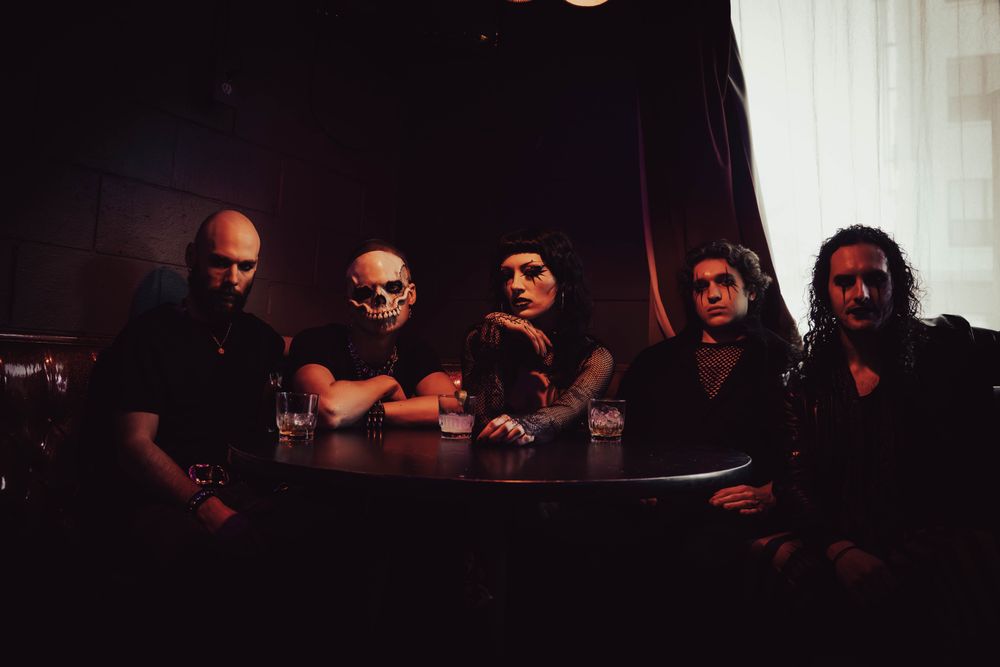
During the ‘70s Yes pushed musical boundaries about as far as any band could go while selling out stadiums and regularly going platinum. But is it possible to select their 10 best tracks of that era? In 2016 Prog bravely gave it a go.
10. Astral Traveller (1970)
Taken from Time And A Word, the song is driven by short-lived original guitarist Peter Banks’ recurring jagged riffing, and pushed into overdrive by original keyboardist Tony Kaye’s searing organ and Bill Bruford’s skittering, high-tuned drums. They’re rocking out, veiled behind psyche-tinged effects that properly belong back in the ‘60s. However, the ruminative, ornamental middle section hints at what lies in the future.
9. On The Silent Wings Of Freedom (1978)
Spawned from a jam between bassist Chris Squire and drummer Alan White, Yes end controversial album Tormato with a commanding flourish. There are times when Steve Howe’s terse guitar and Rick Wakeman’s Polymoog sound as though they’re jousting for supremacy, goading each other with a series of escalating runs.
8. Going For The One (1977)
You want an ebullient air-punching song whose lyrics involve attainment in sport as well as the sometimes tricky art of songwriting? Want it to sneakily co-opt some hairy-arsed, back-to-basics rock ‘n‘ roll with a pinch of punk and soupcon of succinct symphonics? This blast from ‘77’s album of the same name should sort you out.
7. Starship Trooper (1971)
Punchy grooves, tremulous bass and nebulous harmonies that sound like the Beach Boys in outer space. Though Tony Kaye famously got bored with the repeating chords of the song’s striking conclusion, there’s no denying that this cut from The Yes Album is a masterclass in tension; and when it comes, ecstatic release, this is where Yes really took off.
6. The Revealing Science Of God (1973)
Just ignore those fair-weather friends and naysayers. Sixth studio album Tales From Topographic Oceansremains an astoundingly ambitious venture, filled with glorious themes and impressive dynamics from a band willing to take a leap into the unknown. When Jon Anderson sings that he’s waited all his life for this moment, you know he really means it.
5. Roundabout (1971)
From 1972’s Fragile – and the song that broke the band in America via FM radio – Roundabout is a tumultuous yet catchy synthesis of West Coast harmonies, with shards of spiky bass cartwheeling around Howe’s deft chords and glancing harmonics. It shouldn’t work but it does, as new boy Wakeman’s firework-filled organ solo unabashedly seals the deal.
4. Yours Is No Disgrace (1971)
The template for the classic Yes sound is crystallised with this song from the aptly-titled The Yes Album. With sections seamlessly integrated, you can almost hear the giddy shock they experienced during its recording. Blending Howe’s dizzying, euphoric soloing with the central soaring theme, it’s an overture awash with joyous invention.
3. Heart Of The Sunrise (1971)
Squire’s thunderous bass, Bruford’s surgical strikes, Wakeman’s shiver-inducing Mellotron, Howe’s galloping runs and Anderson’s yearning vocal – it’s the moment Yes proved they could go beyond anything previously attempted. Epic in every sense of the word, this moment from Fragile is the point at which they acquire the confidence to be a world-beating band.
2. Awaken (1977)
Anderson once said that all the extended compositions the group had been working in the ‘70s were leading to this track from ‘77’s Going For The One. A sublime arrangement of several contrasting elements, the convergence around the Master of Light section builds into one of the most transcendent moments in the Yes catalogue.
1. Close To The Edge (1972)
The final act by this particular incarnation of the group, from the album of the same name, is nothing short of astonishing. Retaining a magical aura even now, due to its masterful arrangements, some of Anderson’s most potent wordplay and their exceptional instrumental firepower, the focus isn’t lost for even one of its 18-plus minutes.
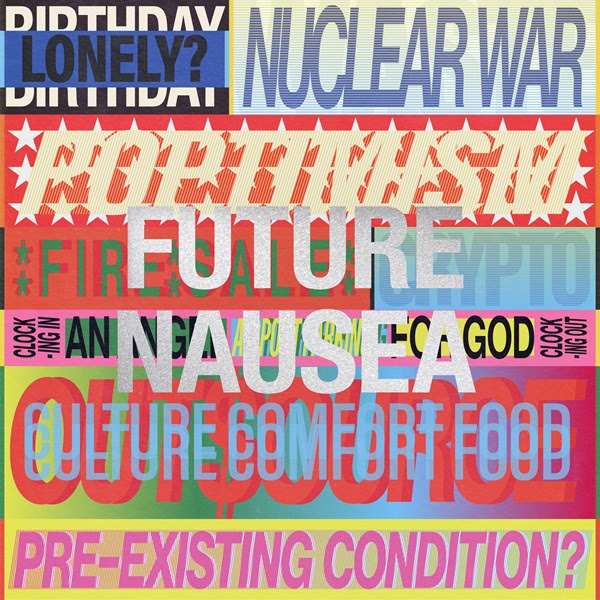
SPANISH LOVE SONGS have released new single “Doom Tripping”, taken from their forthcoming full-length FUTURE NAUSEA. The record, which is produced by ex-Death Cab for Cutie guitarist Chris Walla (Tegan and Sara, Foxing) and Illuminati Hotties’ Sarah Tudzin (Boygenius, Kississippi), is set for release on 6th November 2026 via Pure Noise records.
“This song is my attempt to make a shimmering pop song that evokes how it feels to be inside my brain right now,” says Dylan Slocum. “I wrote a good chunk of it while I had to taper off antidepressants for awhile and started suffering from severe vertigo and the return of symptoms that had previously made me lose my voice for 3 months.
Meredith and I often joke about glitches in the simulation. This song is entirely made up of these glitches. Moments in life so surreal they made me go “what the hell is happening?”. That exasperation defines a lot of my life these days.
But it’s ultimately a song about not giving up. It’s about recognizing this all might be a bad trip, hoping it’ll be over soon, and clinging to the idea of building something better when it’s done.”
Spanish Love Songs will embark on The National Independent Venue Association (NIVA) first-ever “Live Independent Tour” certification tour this November. The band’s 19-city tour will visit independent venues exclusively. NIVA developed the groundbreaking initiative to elevate and safeguard independent venues, promoters, and festivals nationwide.
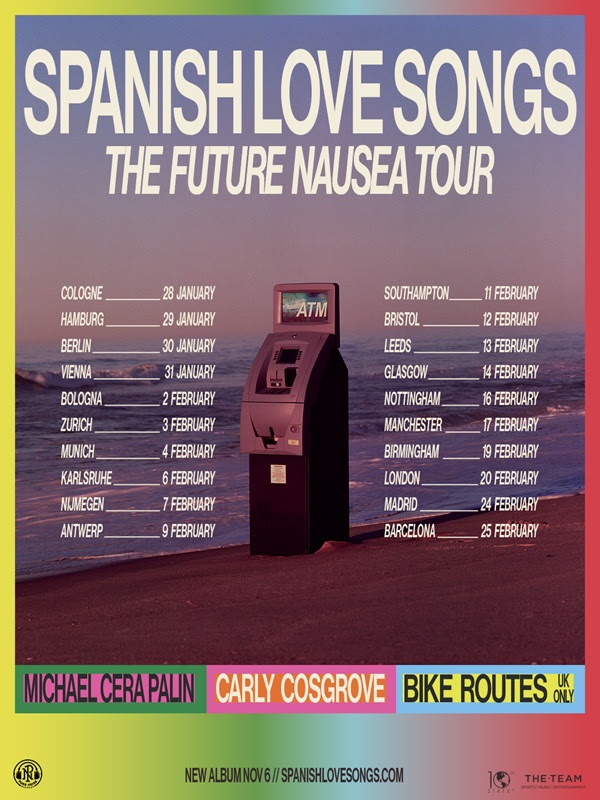
The band have backed that ethos for their recently announced EU and UK run, where each show will have a limited number of “Cost of Living” tickets which will be €20 / £20. All tour dates below:
THE FUTURE NAUSEA TOUR EU/UK 2027 Support comes from Michael Cera Palin / Carly Cosgrove and Bike Routes (UK only)
28 Jan 2027 Cologne, Germany – Essigfabrik 29 Jan 2027 Hamburg, Germany – Uebel & Gefaehrlich 30 Jan 2027 Berlin, Germany – Gretchen 31 Jan 2027 Vienna, Austria – Szene 2 Feb 2027 Bologna, Italy – Locomotiv Club 3 Feb 2027 Zurich, Switzerland – Plaza 4 Feb 2027 Munich, Germany – Strom 6 Feb 2027 Karlsruhe, Germany – P8 7 Feb 2027 Nijmegen, Netherlands – Doornroosje 9 Feb 2027 Antwerp Belgium – Kavka Oudaan 11 Feb 2027 Southampton, United Kingdom – Engine Rooms 12 Feb 2027 Bristol, United Kingdom – The Prospect Building 13 Feb 2027 Leeds, United Kingdom – Project House 14 Feb 2027 Glasgow, United Kingdom – Queen Margaret Union (QMU) 16 Feb 2027 Nottingham, United Kingdom – Palais 17 Feb 2027 Manchester, United Kingdom – O2 Ritz 19 Feb 2027 Birmingham, United Kingdom – O2 Academy 2 20 Feb 2027 London, United Kingdom – O2 Forum Kentish Town 24 Feb 2027 Madrid, Spain – Sala Copérnico (SLS ONLY) 25 Feb 2027 Barcelona, Spain – Sala Boveda (SLS ONLY)
FOR IMMEDIATE RELEASE
LOST RELICS RELEASE NEW EP MONUMENTS TO THE USELESS VIA GOLDEN ROBOT RECORDS
Denver sludge and dirt rock trio unleash five tracks of crushing riffs, abrasive noise, and bleak atmosphere
Denver, Colorado sludge and dirt rock heavyweights Lost Relics have officially released their new EP, Monuments to the Useless , worldwide via Golden Robot Records .
Originally previewed by the singles “Saint Catharines” and “False Idols,” the five-track EP is now available in full on all major streaming platforms.
Built from weight, tension, noise, and raw emotional pressure, Monuments to the Useless finds Lost Relics pushing their sound deeper into the darkness. The band combines abrasive sludge, noise, post-hardcore aggression, and dirt-soaked rock into something chaotic, punishing, and hypnotic all at once.
Formed in 2018, Lost Relics have developed a distinctive three-vocalist attack that gives their music an unpredictable and confrontational edge. Their sound carries the crushing density of the underground while leaving plenty of room for hypnotic passages, atmosphere, and carefully constructed tension.
Across Monuments to the Useless , the band moves between hypnotic desert rock passages and punishing sludge-driven intensity. Riffs, vocals, noise, and atmosphere constantly collide, creating a sense of pressure that builds throughout the release rather than simply relying on sheer volume.
The EP draws inspiration from the bleak expansiveness of Neurosis , the raw experimental force of Melvins , and the abrasive urgency of KEN mode , while Lost Relics shape those influences into their own distinct sound.
Lyrically, Monuments to the Useless explores disillusionment, aggression, pressure, and the quiet collapse of modern life. There is no attempt to polish away the ugliness or provide an easy escape. Instead, the band embraces the discomfort and lets the songs sit in the tension.
“Saint Catharines” opens the door, while “False Idols” and the remaining tracks expand the EP’s bleak and uncompromising atmosphere into a complete statement.
Monuments to the Useless was recorded and mixed by Felipe Patino at Green Door Studios in Denver, Colorado, and mastered by Jason Livermore at The Blasting Room in Fort Collins, Colorado.
The EP is available worldwide now through Golden Robot Records .
Listen to Monuments to the Useless Now:
https://orcd.co/monuments-to-the-useless
Lost Relics Monuments to the Useless OUT NOW Golden Robot Records
(written by Islander) On October 16th ATMF will release a new album named The Great Jihad by the Italian esoteric extreme metal band Urna. It is Urna’s fifth album since the band’s inception in 2003 but their first one since ATMF released Mors Principium Est thirteen years ago. Obviously, Urna’s creation of the new album […]
It’s been too long since we’ve heard from Mia Joy, the Chicago musician whose dreamy debut album Spirit Tamer came out back in 2021. She followed that with the 2023 EP Celestial Mirror, and then nothing. Now, she’s back with “Comet,” a lovely collaboration with fellow indie-pop auteur Peel Dream Magazine.
Megadeth guitarists number thirteen across forty-three years — a revolving door of session players, jazz-fusion oddballs, Slayer legends, born-again shredders and technical virtuosos, all of whom had to survive Dave Mustaine. Some lasted a decade. One lasted five shows. Another lasted six weeks and was replaced by his own guitar teacher. With the farewell tour into its second year, the final album the only number one of the band’s career, and the founder deliberately not at the top of this list, here is every one of them ranked worst to best.
The Thing About Being A Megadeth Guitarist
You have to be fast. You have to be accurate. And you have to follow Mustaine’s rhythm playing, which swings in a way most thrash doesn’t and trips up players who can shred circles around him.
I’ve interviewed Mustaine, and the impression you come away with is that the lead guitar chair in this band was never a job. It was an audition that never ended.
That’s why the list runs to thirteen names in forty-three years — and why several of them are among the best players the genre has produced. If you want the records these players made, every Megadeth album is ranked here; this page is about the hands on them.
13. Greg Handevidt (1983)
The first, and the shortest.
Handevidt’s main claim on the band’s history is being in the room when Mustaine and David Ellefson met. He lasted months, left for Minnesota before anything was recorded, and eventually left music entirely to become an attorney.
He is the first name in a very long list of departures, which is a legacy of sorts.
12. Jay Reynolds (1987)
Six weeks, and one of the better stories in the band’s history.
Reynolds arrived from Malice after Chris Poland was fired, and was reportedly unable to learn the material fast enough for the So Far, So Good… So What! sessions.
He was replaced by his own guitar teacher. Jeff Young, who sits one place above him on this list, was the man teaching him the parts.
11. Mike Albert (1985)
A touring stand-in for Chris Poland on the Killing Is My Business… run, and a genuine footnote — he appears on bootlegs and nothing else.
He’s since played in a Jimi Hendrix tribute band, which is a considerably lower-stress way to spend an evening than working for Dave Mustaine in 1985.
10. Jeff Young (1987–1989)
Young handled the So Far, So Good… So What! era and put real technical playing on “In My Darkest Hour,” which is one of the best things Megadeth recorded in the eighties.
What he’s remembered for is the fallout. His relationship with Mustaine deteriorated badly and the two have taken public shots at each other for decades since. That’s a crowded field and he’s near the front of it.
The playing deserves better than the reputation.
9. Al Pitrelli (2000–2002)
A total professional with an enormous résumé — Alice Cooper, Savatage, Trans-Siberian Orchestra — who arrived for The World Needs a Hero during the least loved stretch of the band’s career.
The chops were never in question. The fit was. His style is polished and melodic where Megadeth needed teeth, and a lot of fans never warmed to it.
He got out cleanly when the band first folded in 2002, which given the history is an achievement.
8. Glen Drover (2004–2008)
The man who helped restart the whole thing.
Drover came in as a hired gun while Mustaine was recovering from the 2002 arm injury that nearly ended his career, then stayed to make United Abominations — the record that put Megadeth back in the conversation after the band had effectively been declared dead.
He left to focus on family. Four years, no drama, and he handed the band back in far better shape than he found it. That’s rarer here than it should be.
7. Kerry King (1984)
Five shows. That’s the entire tenure.
The Slayer guitarist filled the second slot for Megadeth’s first five live performances in 1984, never recorded with them, and went back to his own band.
His verdict on the experience has aged into one of the great quotes about working with Mustaine: he didn’t know how anyone could be in that band for more than a couple of hours.
He ranks this high on pure historical weight. Two of the Big Four briefly shared a guitarist, and it lasted less than a week.
6. Chris Broderick (2008–2014)
Mustaine once called him the best guitarist the band ever had, and on pure technique it’s difficult to argue.
Broderick is surgically accurate, classically trained, and lasted seven years — one of the longest runs in the band’s history. He played everything correctly, every night.
The criticism, and it’s fair, is that correct isn’t always the same as alive. Some of his work lands as clinical next to the players either side of him on this list. He never quite found the strangeness that the best Megadeth guitar playing has.
5. Chris Poland (1984–1987, 2004)
The one who brought jazz fusion to thrash metal and made it work.
Poland’s playing on Killing Is My Business… and Peace Sells… But Who’s Buying? is unlike anything else in the genre — fluid, legato-heavy, full of note choices that shouldn’t fit and do. He isn’t playing metal solos. He’s playing fusion over metal, and that tension is what makes those first two records sound the way they do.
He came back in 2004 as a session player on The System Has Failed, which given how he left the first time says something about the music being worth it.
Foundational. Genuinely nobody else sounds like him.
4. Teemu Mäntysaari (2023–Present)
The last one, and he got handed the hardest job in the band’s history: close it out.
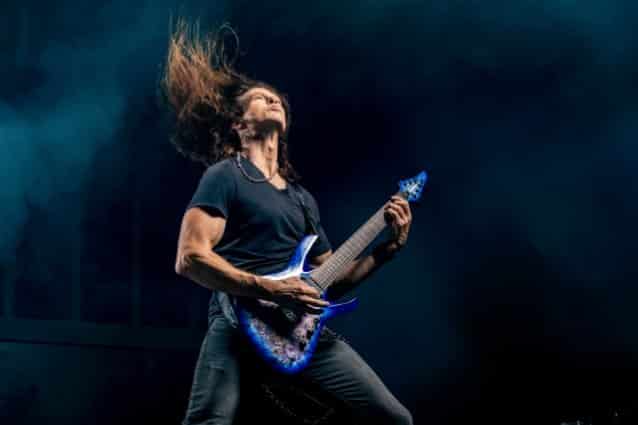
The Finnish guitarist arrived from Wintersun in 2023 when Kiko Loureiro stepped away, and immediately had to play forty years of other people’s solos accurately, every night, in front of audiences who knew every note.
Then came the album. Megadeth’s self-titled final record, released January 23, 2026, is the only album of the band’s career to reach number one on the Billboard 200 — 73,000 units, after sixteen previous attempts that topped out at number two. We reviewed it the week it landed, and the guitar playing on it is a big part of why it holds up.
Mäntysaari’s account of making it is the detail that sticks. The first thing Mustaine had the band do was sit down and listen to the entire sixteen-album discography, keeping notes on every song in a spreadsheet. Ten months in the studio after that.
He’s now more than a year into the farewell tour — Canada, Latin America, Europe, a North American run alongside Iron Maiden, with 24 European arenas booked for spring 2027. His only Megadeth album, and it’s the one that finally got them to the top.
3. Kiko Loureiro (2015–2023)
The Brazilian virtuoso who dragged the band back into relevance.
Loureiro brought a level of theory, phrasing and outright exoticism that Megadeth hadn’t had since the nineties, and his first album with them — Dystopia — won the band their only Grammy.
Eight years, three albums, and a run that turned a legacy act back into a functioning band. He stepped away in 2023 to be at home with his children, which is the least dramatic exit anyone on this list has managed.
2. Dave Mustaine (1983–Present)
The founder, the snarl, and the reason any of the other twelve names are on this page.
Mustaine mostly plays rhythm so the shredders can work over the top, and that undersells him badly. His rhythm playing has a swing to it that almost nobody else in thrash has — that odd, jazzy, off-kilter push that makes a Megadeth riff instantly identifiable and makes it genuinely difficult to play alongside.
And the riffs themselves defined a genre. Not just here — his fingerprints are on the first two Metallica albums as well, which is a claim no other guitarist in thrash can make. The thirteen strangest facts about the man are a whole page of their own.
He’s at two, not one, and that’s deliberate. He’s the most important guitarist in this band’s history by a distance. He isn’t the best one.
1. Marty Friedman (1990–2000)
Not close.
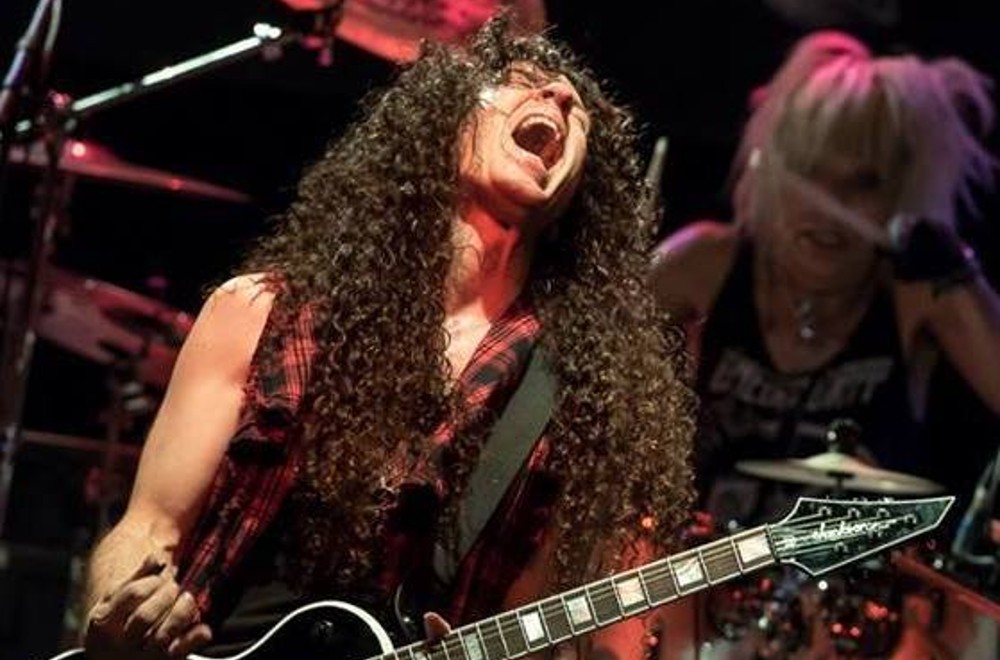
Friedman didn’t play solos. He wrote compositions inside other people’s songs — melodic passages with their own internal logic that could be lifted out and stand alone. The phrasing is unmistakably his, drawn from scales and bending techniques that had no business in American thrash metal, and he plays with a hand position that guitar teachers spent the nineties telling students not to copy.
Rust In Peace, Countdown To Extinction, Youthanasia. That’s the definitive Megadeth era and he’s the reason.
And then there’s the solo in ‘Tornado Of Souls,’ which is the section everyone points to and which has been the benchmark for melodic metal lead playing for thirty-five years. It arrives, it does something nobody expected, and it leaves. Play it to a guitarist who has never heard it and watch their face.
He left in 2000 for Japan and a career that has almost nothing to do with metal, which is entirely in character. He did come back for one night — the Budokan reunion in 2023 — and played ‘Tornado Of Souls’ with the band that made it, which is as close to a full circle as this story gets.
The best guitarist Megadeth ever had, and one of the best the genre has produced.
Every Megadeth guitarist, ranked
13. Greg Handevidt (1983) 12. Jay Reynolds (1987) 11. Mike Albert (1985) 10. Jeff Young (1987–1989) 9. Al Pitrelli (2000–2002) 8. Glen Drover (2004–2008) 7. Kerry King (1984) 6. Chris Broderick (2008–2014) 5. Chris Poland (1984–1987, 2004) 4. Teemu Mäntysaari (2023–2026) 3. Kiko Loureiro (2015–2023) 2. Dave Mustaine (1983–2026) 1. Marty Friedman (1990–2000)
Every Megadeth Guitarist In Order
For the timeline crowd — the same thirteen, in the order they held the chair:
Dave Mustaine — 1983–present, every record
Greg Handevidt — 1983, no recordings
Kerry King — 1984, five live shows
Chris Poland — 1984–1987, Killing Is My Business… and Peace Sells…; returned 2004 for The System Has Failed
Mike Albert — 1985, touring only
Jay Reynolds — 1987, six weeks, no recordings
Jeff Young — 1987–1989, So Far, So Good… So What!
Marty Friedman — 1990–2000, Rust In Peace through Risk
Al Pitrelli — 2000–2002, The World Needs A Hero
Glen Drover — 2004–2008, United Abominations
Chris Broderick — 2008–2014, Endgame, Th1rt3en, Super Collider
Kiko Loureiro — 2015–2023, Dystopia, The Sick, The Dying… And The Dead!
Teemu Mäntysaari — 2023–present, Megadeth
Who Is Megadeth’s Guitarist Now?
Teemu Mäntysaari, on lead, alongside Dave Mustaine on rhythm — with James LoMenzo on bass and Dirk Verbeuren on drums. That’s the lineup on the self-titled album and the one playing the farewell tour, and Mustaine has said the studio door is closed for good, so it’s the last Megadeth lineup there will be.
Mäntysaari’s job now is the hardest of any of the thirteen: play Poland’s fusion, Friedman’s compositions, Loureiro’s exotica and his own parts, every night, to rooms that know exactly how each one is supposed to go. By every account from the road this year, he’s doing it.
Where this ranking will start arguments
Mustaine at two. The most contested call on the page, and the one worth defending properly. He’s the most important guitarist in Megadeth’s history and it isn’t remotely close. But importance and ability are different measurements, and on the second one Friedman is ahead. If you rank Mustaine first you’re ranking the band, not the guitar playing.
Broderick at six will annoy the technique crowd. Seven years, flawless execution, and Mustaine’s own endorsement as the best they ever had. He’s here because Poland and everyone above him brought something stranger, and strange is what this band’s best guitar work has always had.
Teemu at four, after three years, will look premature to some. He played on the only number one album in the band’s history and had to learn forty years of catalogue to do it. That’s enough.
Kerry King at seven for five shows is the placement I’d defend least on merit and most on story. Two of the Big Four shared a guitarist for under a week. That’s worth something.
The end is properly underway, and it’s running to plan.
The self-titled seventeenth album arrived January 23, 2026, produced by Mustaine and Chris Rakestraw, and debuted at number one on the Billboard 200 — forty-three years, seventeen albums, and the last one is the only chart-topper. It also went to number one in Australia and Austria, and top three in the UK and Germany. One song was written after the farewell decision: ‘The Last Note,’ which closes with Mustaine intoning that here’s his last will, his final testament, his sneer — he came, he ruled, now he disappears.
Then the road. Twelve Canadian dates with Anthrax and Exodus in February and March. Latin America in April and May. Europe through May and June, including Hellfest and a first-ever show in Kazakhstan. And from late August, the North American run alongside Iron Maiden’s own farewell tour, which closes tonight at the Alamodome in San Antonio.
Next: 24 European arenas from March 9 to April 13, 2027, with Black Label Society and Testament. Mustaine said from the start that this would run three to five years, health permitting — and he has been candid about the health, listing the cancer, the spinal fusion, the arthritis, the stenosis, the bulging discs and the fractured vertebrae in the same breath as turning sixty-five.
A documentary, Megadeth: Behind The Mask, accompanies it. His memoir, In My Darkest Hour, is due in September 2027. And the unreleased material in the vault is the question every fan is going to keep asking until somebody answers it.
Fifty million records, one Grammy, thirteen guitarists, and the number one they waited four decades for.
TL;DR
Thirteen guitarists have played in Megadeth since 1983, including studio, touring and live members.
Best: Marty Friedman (1990–2000). Rust In Peace, Countdown To Extinction and Youthanasia are the definitive era, and the ‘Tornado Of Souls’ solo remains the benchmark for melodic metal lead playing.
Most important: Dave Mustaine, ranked second. His rhythm playing and riff writing built the band, but on pure guitar ability Friedman is ahead.
Shortest tenure: Kerry King of Slayer, who played the band’s first five shows in 1984 and never recorded with them.
The best story: Jay Reynolds lasted six weeks in 1987 and was replaced by his own guitar teacher, Jeff Young.
The current player: Teemu Mäntysaari, who joined from Wintersun in 2023 and played on the self-titled final album — the only Megadeth record ever to reach number one on the Billboard 200.
The farewell tour has covered Canada, Latin America, Europe and North America in 2026, with 24 European arenas booked for spring 2027.
FAQ
Who is the best Megadeth guitarist?
Marty Friedman, who played with the band from 1990 to 2000. His work on Rust in Peace, Countdown to Extinction and Youthanasia defined the band’s most acclaimed era, and his exotic phrasing and unconventional technique — heard most famously on the “Tornado of Souls” solo — set a standard that melodic metal lead players still measure themselves against.
How many guitarists has Megadeth had?
Thirteen, counting studio, touring and live members: Dave Mustaine, Greg Handevidt, Kerry King, Chris Poland, Mike Albert, Jay Reynolds, Jeff Young, Marty Friedman, Al Pitrelli, Glen Drover, Chris Broderick, Kiko Loureiro and Teemu Mäntysaari.
Who was the first Megadeth guitarist?
Greg Handevidt, who was present when Dave Mustaine and David Ellefson first met in 1983 and left within months without recording. Kerry King of Slayer also played the band’s first five live shows in 1984 as a temporary second guitarist.
Why did Marty Friedman leave Megadeth?
He left in 2000 to relocate to Japan and pursue a wider range of music, having grown frustrated with the creative limits he felt within metal. He has since built a substantial career in Japanese music and television.
Who is Megadeth’s guitarist now?
Teemu Mäntysaari, the Finnish guitarist who joined in 2023 from Wintersun, replacing Kiko Loureiro. He played on the band’s self-titled final album, released January 2026, which became the only Megadeth record to reach number one on the Billboard 200.
Thirteen guitarists, forty-three years, and a number one that took until the very last album. Is Friedman really ahead of Mustaine, or does the founder take it? Settle it in the comments. And keep it locked on the Loaded Radio stream — follow Loaded Radio for daily rock and metal news.
Location: Grønnegades Kaserne Kulturcenter, Næstved, DenmarkDate: 27th – 29th of August 2026 For the second year in a row, we’re heading over to see what […]
Multi-Grammy-nominated, multi-platinum rock band Daughtry have announced the second leg of their 20 Years Unplugged tour, extending the intimate acoustic celebration into 2027 with 26 newly announced dates. The new run opens January 23 at Saracen Casino Resort in Pine Bluff, AR and closes March 7 at the Tabernacle Presented By iTHINK Financial in Atlanta, GA.
To celebrate 20 Years Unplugged,a limited allotment of tickets will be available for $20 at each show, while supplies last. Artist presale, VIP packages, and the $20 ticket promotion begin Wednesday, September 30 at 10am local and run through Thursday, October 1 at 10pm local.
Local promoter, venue, radio, and other presales run Thursday, October 1 from 10am to 10pm local. Tickets go on general sale Friday, October 2 at 10am local here.
Before the newly announced dates begin, Daughtry will take the first leg of 20 Years Unplugged across the U.S. this fall. The 22-date run opens October 12 at Troy Savings Bank Music Hall in Troy, NY and continues through November 14 at Majestic Theatre in Dallas, TX, with support from Buffalo, NY singer-songwriter and multi-instrumentalist Ryan Perdz across all shows. Tickets for the first leg are on sale now here.
20 Years Unplugged pulls arena-sized songs into a stripped-back setting where Chris’s unmistakable voice, the scrape of a guitar string, and the quiet before a chorus carry the weight. The format brings fans closer to the lyrics and stories threaded through two decades of Daughtry, connecting the catalogue that built the band with the heavier, more emotionally exposed music defining them today.
The second leg arrives during an active 20th-anniversary campaign for Daughtry. In July, the band released There and Back Again, an 11-track collection of newly rerecorded versions of catalogue cornerstones including “It’s Not Over,” “Home,” “Over You” and “What About Now.” At the same time, the Shock To The System era has produced No. 1 singles “Artificial,” “Pieces” and “The Bottom,” keeping the anniversary rooted as firmly in the band’s creative present as in the songs that made them one of modern rock’s defining commercial forces.
Daughtry remain a force of nature in rock music and culture, standing as one of the best-selling rock bands of the 21st century. The history-making group have scored multiple platinum and gold certifications, notched two No. 1 debuts on the Billboard 200, packed venues worldwide, and sold north of 11 million albums and 25 million singles. Their self-titled debut was the top-selling album of 2007 and became the fastest-selling rock debut album in SoundScan history, earning four Grammy Award nominations and winning four American Music Awards alongside seven Billboard Music Awards, including Album of the Year.
Across subsequent albums Leave This Town, Break The Spell, Baptized, Cage To Rattle, and Dearly Beloved, Daughtry have continued to build a catalogue rooted in anthemic songwriting, emotional honesty, and Chris Daughtry’s unmistakable vocal power. Recent singles “World On Fire,” “Heavy Is The Crown,” and “Changes Are Coming” all cracked the Top 10 at Billboard Rock Airplay, while the band’s 2023 cover of Journey’s “Separate Ways (Worlds Apart)” featuring Lzzy Hale of Halestorm became another major moment in their ongoing evolution.
In 2024, Daughtry launched a heavier new era with Shock To The System, which earned the band 3 Number 1 singles, while There and Back Again and 20 Years Unplugged revisit the songs that built the band through fresh recordings and a closer, more exposed live setting.
Austin’s own PINWHEEL is a five-piece led by powerhouse vocalist Bella Renee, alongside Billboard-charting guitarist Mark Sean (ex-Black Heart Saints), rhythm slinger James Austin Wadkins, bassist Cameron McHenry, and absolute monster drummer Terrin Burton. Together, they smash heavy, soulful, and brutal sounds into something that feels like broken glass wrapped in velvet.
Their newest track is pure high-voltage fire. The singer describes it this way: “‘Hush’ is an outcry from a younger version of myself. An angry kid who grew up to realize they are nothing like they thought they’d be. Toxic family relationships contributed to my childhood anger and ‘Hush’ is an expression of that rage, resentment, and who it made me today.” It hooks you right in with moody, chill-inducing verses—where the drumming absolutely shines, before exploding into a massive, insanely catchy chorus that makes you want to smash through a wall.
The song is part of the playlist Rock Rotation. Give it a go by clicking on the YouTube player above (the video is very well made too) and follow PINWHEEL if you like what you hear.