In This Moment – Witch (Better Noise Records)
It’s probably not that controversial to say that the bands reviewed after this wouldn’t have the impact and possibly the attention without In This Moment.
At a a time when the NWOAHM was all the rage In This Moment exploded out of that scene with aggression and grooves, topped with the incredible vocals of Maria Brink. From the metalcore beginnings into the gothic alternative metal act they are today, In This Moment have taken many shapes but have always been the guided by the creative drive of Maria Brink.
The band is her artistic outlet, curating the lyrics, music and visual presentation of the band and this month record is still a defiant, emotionally driven collection of songs that balance fury and femininity as Brink puts it herself: “Witch is my declaration of inner transformation, it’s about embracing the duality within”.
Begining with the punishing Shame, Witch starts off with exactly the kind of metallic battery you may expect from In This Moment, glitchy industrial twitches against down-tuned alt metal riffs, the synths creating the introspective atmospheres on I Want To Believe which features Dayseeker.
One of three guest on the record which includes Kim Dracula on the furious Heretic and Kat Von D on their cover of Pink Floyd’s Another Brick In The Wall. It’s their own tracks that punch through with Crawl right up there with beats of NiN, Sleeping With The Enemy features Brink’s magnetic vocal delivery and cleverest lyrics as Father brings synth wave elements to the balladry.
In This Moment still dwell in their own electronic darkness on Witch, introspective and thumping, with those unique vocals just capping everything off, it’s modern alt metal with gothic feminine overtones that still manages to impress. 8/10
Brat – Manslayer (Prosthetic Records)
Brat return with their new release Manslayer.
The title is self explanatory I should think, revenge, women taking back their power and their bodies from men who have taken that away, doing so at the end of a knife, the barrel of a gun or a stiletto heel through the face like the album cover.
Drawing influence from the lyrical content of country music, where women get revenge on this who have wronged them but Brat do it with a gore soaked death metal and grindcore assault, so the imagery is dialled up to slasher movie levels.
In fact the movie theme is present on the first half of this two part record. It’s the struggles fond themselves having to combat in the world of the interweb and ‘celebrity’ they display these struggles however through some horror movie themes, including body horror, nightmares and serial killers.
It’s Brat becoming more violent, channeling the sheer intensity of their live show into a record which has influences from bands such as Nails or Full Of Hell, once where metal and grind aren’t genres, they’re ways onomatopoeic ways to hurt you as you listen. Disgusting barks and growls, over abusive riffs and blastbeats, death metal, grind, thrash and much more from the ‘extreme’ side.
The second half of the record is where the real bimboviolence happens, everything before the interlude is traumatic, an event that causes what happens after it, tracks such as Femicidal Vengeance, which features solos from David Davidson from Revocation and Ways To Kill Your Husband are drenched in murder and bloody vengeance. As is Blistered Tongues which has Candace Buckingham from Walls Of Jericho adding her insanely vicious vocal to the whirlwind of aggression, the two frontwomen delivering and intensity and terror.
Manslayer moves Brat away from being genre tag into a more brutal and ferocious force of female anger, beware the Manslayer. 8/10
RØRY – Bloodletting (Sadcøre Records)
First emerging as an online advocate for understanding ADHD and neurodivergence through viral social media page ADHD Love and as the co-host Late Bloomers Podcast, doing both alongside her partner Richard Pink, Roxanne Emery has become one of the premier voices for mental health in this new influencer led world.
However after so much turmoil in her life a new found sobriety, love and family around her pushed her to have another go at music. Re-entering the music world as RØRY, her previous album went to the UK Top Ten and took her to stages such as Download Festival, these songs of sadness striking a chord with listening public and now RØRY returns with album number two, Bloodletting.
The sadness has been replaced by anger, therapy forcing her to confront decades of suppressed emotions, “I realised I was sick from being nice. I’d spent so much of my life being the bigger person” she says and on Bloodletting she confronts the emotions of rage, resentment, jealousy, revenge and hatred, writing the heaviest and most intense music yet.
RØRY even took vocal lessons and learned to scream to really hammer the aggression of this record home, it can be felt as [the death of a people pleaser] leads into the Kids These Days which I’m sure fans of Nigel will love, but that’s the point, confronting toxicity, in all it’s forms, be it what were surrounded by today or from her past on Dead Girl Walking, yet holding a candle to where you’re from no matter how complicated on Hometown.
It’s a record that balances rage and retribution, confronting all these things that had been buried for long, pouring out these emotions in the music, as lost loved ones are honoured on the heartbreaking A Cure For Cancer and the choice is made to live on Strange and [do you want to live?] closing the album on a defiant sting that tugs at the coldest of hearts.
RØRY moves from sadness into catharsis, apologies into rage, but importantly shows RØRY developing as an artist with her most diversely offering yet. 8/10
Scene Queen – Metalicious (Hopeless Records)
From Bimboviolence to Bimbocore its the new EP from Scene Queen
While I’m still not quite on board with the tag ‘bimbocore’, though it’s reclaiming that term, you can’t fail Scene Queen for using to describe her music. Pink, glitter, club mentality meets crushing modern ‘core’ music, taking aim at the often misogynist metal genre.
Especially the bands where the guys wear deep V-necks and run on the spot, or the ones with backwards caps and baggy jeans, Scene Queen does this from the opening of Pink Flip Phone which is a nu metal trapped in a glitter bomb, ready for the Millennial audience who remember Y2K and the Motorola Razr.
From here it’s electronic pulsations on Manicure, which moves from club beats to sickening deathcore breakdowns on this rage fuelled threat to anyone that abuses women. It’s beginning of Scene Queen showing off a more hybrid style than in her debut.
The songs get much heavier, the vocals having much more harsh screams than before on Tracksuit and the title track which features Left To Suffer, there’s also a strong pop influence on tracks such as Shopaholic, which refences Destiny’s Child or the bounce of Tits Out At Brunch.
More extreme, more pop, more bimbocore as Scene Queen follows up Hot Singles In Your Area with something more Metalicious. 7/10
Category: news
-
Listening Now : Passive – Welcome To The Show


Passive’s Welcome To The Show brings a cool indie rock energy with a melodic edge, balancing punchy alternative rock dynamics with the lighter touch of indie pop. The track has an immediate feel, built around catchy guitar work, a steady rhythm and enough movement to keep the arrangement lively without becoming overly polished. There is a confident sense of attitude running through the song, giving it the character of a band stepping onto the stage with something to prove. Passive keep the sound accessible while allowing the guitars and vocals to carry plenty of personality, creating a track that feels energetic, direct and easy to get into. Welcome To The Show has that familiar indie rock charm where strong melodies meet a little roughness around the edges, making it feel natural rather than overly constructed.
Indie rock with a little attitude and plenty of hooks.
Connect:
-
TV Blackout Loss of Control Review
TV Blackout Loss of Control Review
The album opens with “Eyes Burn Red,” a track that showcases the band’s style. This alternative rock band draws heavily from the 90s. The music carries a nostalgic intensity, featuring intriguing and dynamic variations that captivate listeners. The combination of catchy hooks and thoughtful arrangements keeps the audience engaged throughout the song.
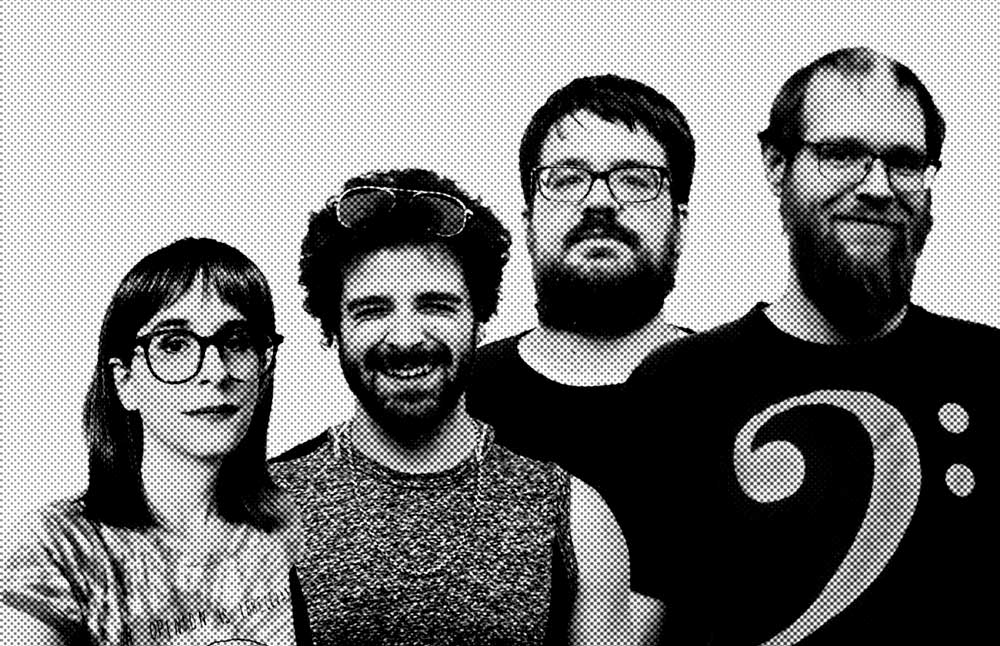
Following this, we encounter “Fool Me,” which presents an interesting progression. The vocals can remind listeners of Michael Stipe’s unique delivery. The melodic line is deeply nostalgic, evoking imagery of faded Polaroids that resurface long-forgotten memories. This song truly reflects the emotional depth found within the album.
Next is “Easier,” a track that brings a driving rhythm to the forefront. It stands out as a visionary piece, illustrating the band’s unique compositional vision. The music pushes boundaries while maintaining an engaging tempo. The exploration of rhythm and melody reveals the band’s distinct approach to songwriting.
Loss of Control – Sound and Atmosphere
“On Our Way” is another highlight, filled with intricacies and pauses. This avant-garde track surprises listeners with its rhythmic and harmonic variations. It’s a visionary composition, one that requires multiple listens to fully grasp its depth. Each play uncovers new layers, enhancing its complexity.
The song “Redacted” continues the album’s atmospheric journey, drawing listeners deeper into the band’s creative world. As the album progresses, the music becomes more immersive, threading a cohesive atmosphere throughout. The overall sound is characterized by crunchy guitars, counter-rhythms, and brief but intense solos that propel each song forward.
The vocals remain steady, avoiding exaggeration while seeking a hypnotic and nostalgic essence. “Loss of Control” features a melody that feels somewhat clearer than the other tracks but retains the unpredictability of the rhythm. The sound presents an intriguing blend of influences reminiscent of bands like R.E.M. and Counting Crows, enriched with an alternative underground flair.
Loss of Control – Performance and Production
Lastly, the album concludes with “Morning Light,” a track that feels almost like a hopeful mirage in another dimension. This delicate and ethereal song gracefully encapsulates the essence of the album. It serves as a fitting testament to the creative journey this band has embarked upon throughout the album.
Overall, this album is a delightful discovery that deserves to be shared with a wider audience. The craftsmanship in songwriting and musicianship is evident in every track. The dynamic variations, emotional melodies, and intimate songwriting establish a strong connection with the audience. The balance between nostalgic rock sentiments and contemporary explorations marks an excellent compositional endeavor.
The essence of this album is an amalgamation of nostalgia, emotional depth, and skilled artistry. For those seeking unique sounds, this album offers a rewarding experience. Fans of alternative rock should give this album a listen, as it promises to resonate on many levels.
Brilliant
 If you love this music: Discover More
For fans of:
R.E.M. • Counting Crows
The post TV Blackout Loss of Control Review appeared first on Edgar Allan Poets – Noir Rock Band.
-
BULLET FOR MY VALENTINE Announce New Album, Drop Title Track ‘Social Apocalypse’
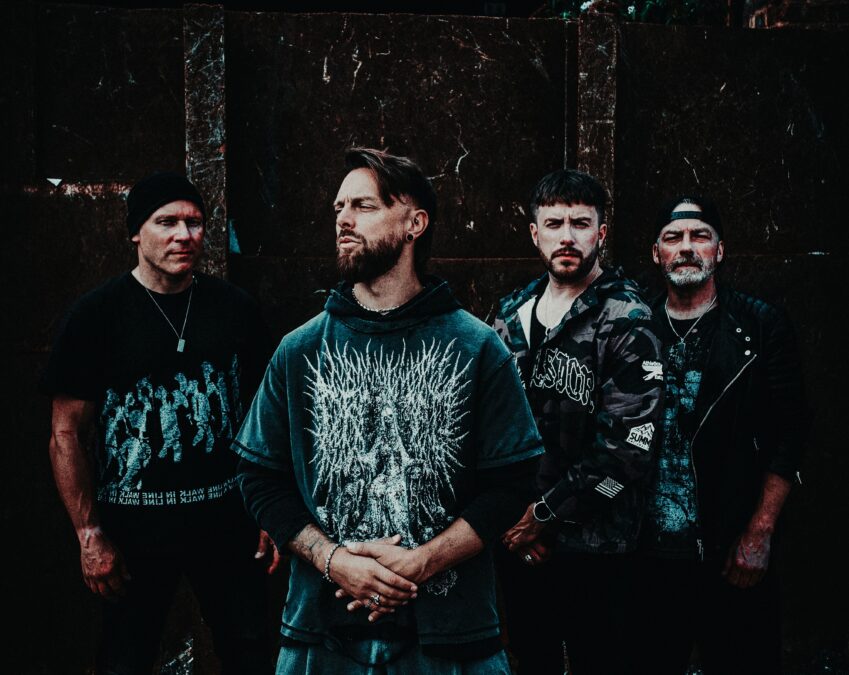 Bullet For My Valentine will release their new album, Social Apocalypse, on March 19, 2027, via Spinefarm. The announcement arrives with a towering new single by the same name. Social Apocalypse is the band’s first new song in four years; on the title track, Matt Tuck rages against “the end of the world as we […]
 -
Vasa Kumora Six Feet Inside You Review
Vasa Kumora Six Feet Inside You Review
The band immerses listeners in a shadowy and intense universe right from the first guitar riff. This opening creates a nostalgic aura mixed with a profound sense of mystery. The low, intense vocals remind me somewhat of the distinctive tone of Peter Steele from Type O Negative. Their gothic sound delves into the depths, echoing the philosophical notion that when one gazes deeply into the abyss, the abyss gazes back.
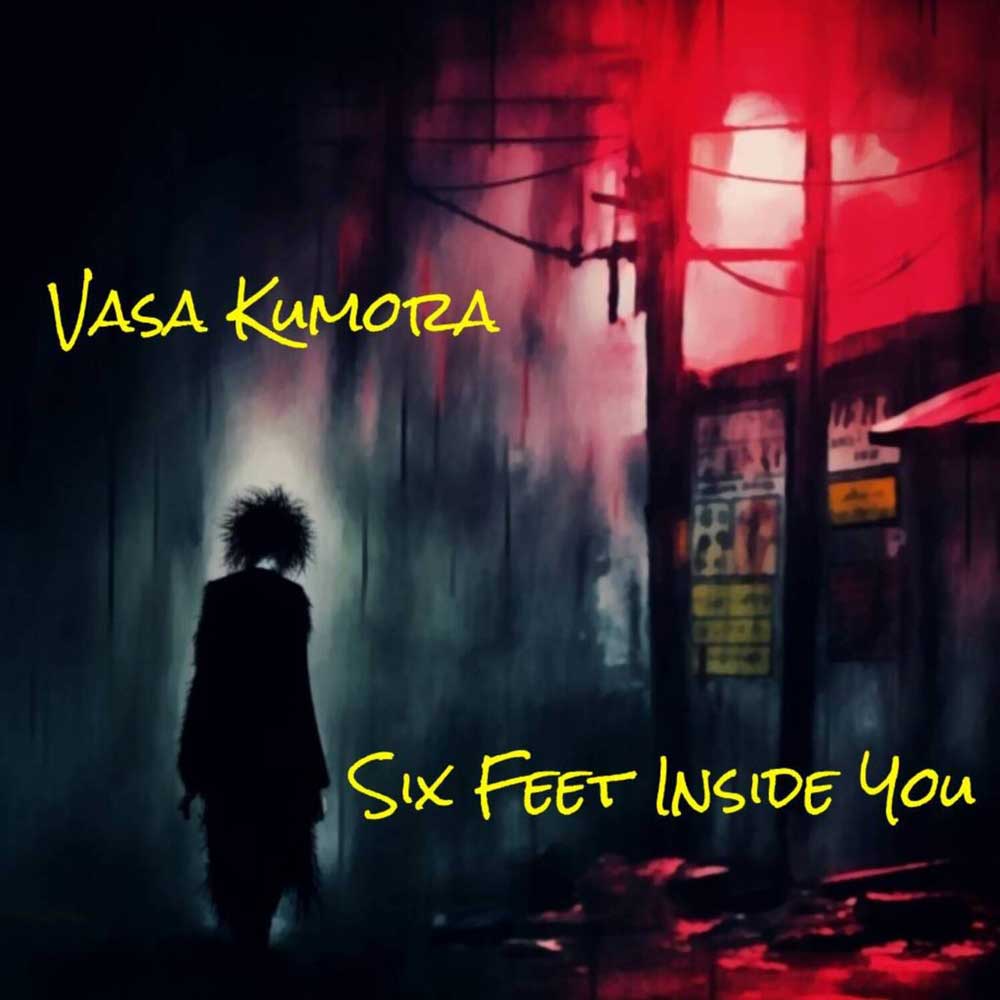
In the verses, there is a sense of emptiness, which starkly contrasts with the chorus. Here, the music explodes into a powerful mixture of distorted guitars and keyboards, creating a dystopian flavor. This sonic shift evokes imagery reminiscent of films such as “Blade Runner”. The atmospheric transformation is enchanting, especially at the 3:05 mark, when the song transitions into the bridge. At this point, the mood shifts slightly, offering a fleeting hint of hope. This feeling is enhanced by the inclusion of both male and female backing vocals, creating an experience that feels suspended in time.
As the song moves to its grand finale, the previously established stillness builds anticipation. The juxtaposition of intense instrumentation and gentle harmonies adds depth to the composition. It’s a fantastic journey through various emotional landscapes, engaging listeners with its intricacies.
Six Feet Inside You – Sound and Atmosphere
Each transition throughout the piece feels intentional, guiding emotions from one state to another. The band successfully crafts an auditory narrative that resonates deeply with themes of existential reflection and emotional turbulence.
The instrumental arrangements further enhance the overall experience, offering a rich tapestry of sound that captures the depth of the lyrics. The fusion of a dark atmosphere with brighter passages creates a dynamic listening experience.
The production quality elevates the experience, allowing each note and moment to breathe. The mixing captures the essence of the band’s vision, ensuring that every element is audible and resonates fully. The combination of gothic rock and atmospheric influences creates a unique identity for Vasa Kumora.
Six Feet Inside You – Performance and Production
“Six Feet Inside You” is a remarkable achievement. It invites listeners to deeply explore its layers while providing a transformative listening experience. I highly recommend it to anyone who seeks profound musical exploration. The interplay of various elements culminates in a powerful expression of artistry that deserves to be celebrated.
Dark and Intense
If you love this music: Discover More
For fans of:
Type O Negative
The post Vasa Kumora Six Feet Inside You Review appeared first on Edgar Allan Poets – Noir Rock Band.
-
Album review: ADMIRAL RADIO – Heirloom
 Bandcamp [Release date 09.09.26] I think husband and wife team Coty Hoover and Becca Smith, aka Admiral Radio, were put on this earth to harmonise together. Throughout this whole album they lay their harmonies down like sweet butter cream on … Continue reading
 The post Album review: ADMIRAL RADIO – Heirloom appeared first on Get Ready to ROCK!.
-
Bullet For My Valentine Debut “Social Apocalypse” Music Video, Reveal New Album Details
Members of Lorna Shore and Against The Current guest on the latter.
The post Bullet For My Valentine Debut “Social Apocalypse” Music Video, Reveal New Album Details appeared first on Theprp.com.
-
Listening Now : Turning Jane – Miss Hollywood


Turning Jane’s Miss Hollywood is a sharp, confident pop rock track built around the satisfaction of watching the balance of power change. The song takes aim at the image obsessed character at its center, turning past arrogance and social status into fuel for a spirited comeback. There is a playful edge to the writing, but beneath it sits a clear sense of self assurance, with Turning Jane transforming old resentment into something energetic and empowering. The arrangement keeps that attitude moving, giving the track an accessible melodic drive while leaving plenty of room for its personality to come through. Rather than dwelling on the past, Miss Hollywood focuses on the moment when someone realises they have moved beyond the person who once made them feel small. It is a lively revenge song with a strong sense of character, confidence and full circle satisfaction.
The tables turn, and the spotlight stays on.
Connect:
-
Interview: Gavin McInally of Damnation Festival
Interview: Gavin McInally of Damnation Festival
Interviewed by Cat Finch
With Damnation Festival set to sell out, we catch up with festival director Gavin McInally to talk all about it.
He reflects on last years edition of the festival, gives us an exclusive on the stage times for this years edition, talks booking decisions and confirms he’s already got a headliner in the bag for 2027.
You can listen to the interview below, or jump over to any of the usual streaming services!
Youtube | Spotify | Apple Podcasts | Youtube Music
Check out all of our interviews on the usual podcast channels!
Youtube | Spotify | Apple Podcasts | Youtube Music
For all the latest news, reviews, interviews across the heavy metal spectrum follow THE RAZORS’S EDGE on facebook, twitter and instagram.
The post Interview: Gavin McInally of Damnation Festival appeared first on The Razor's Edge.
-
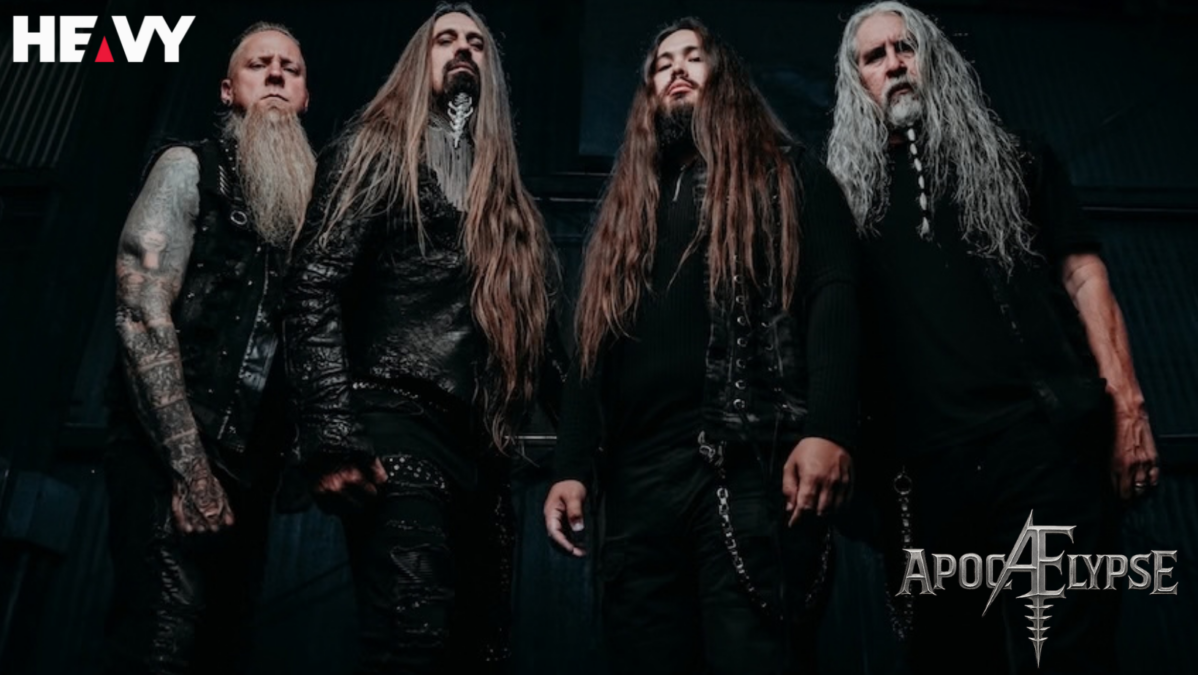
Ira Black Steps Beyond the Shredder on Apocalypse
 After decades spent establishing himself as a formidable guitarist across bands including Vicious, Lizzy Borden and Metal Church, Ira Black is entering a new chapter, one where he is stepping behind the microphone and putting his own story at the centre of the music. Apocalypse marks a deeply personal evolution for Black, who began exploring […]