Frontiers Music Srl is pleased to announce the upcoming release of legendary rock vocalist ROBIN MCAULEY’s new solo album, ‘Soulbound.’ This new album sees MCAULEY’s voice continuing to defy time, sounding as inspired and powerful as ever. The new album is definitively more guitar-driven straight hard rock compared to his previous albums and is still wonderfully melodic, infectious, and fist-in-the-air uplifting.
MCAULEY comments on ‘Soulbound’:
“I can’t wait to share Record #3 with you all from Frontiers Music SRL. ‘Soulbound’ is a much edgier, harder guitar-driven record than my previous two for the label. In addition, I’m working with a new producer from the Frontiers label, Aldo Lonobile, who brought these songs to life with his Kick-Ass production.
“PLAY IT LOUD !!!!! I think you’re gonna Luv It!!!!”
‘Soulbound’ showcases the respected Irish rock singer’s desire to make a strong musical statement in what is proving to be his most creative period. To kick the announcement off, MCAULEY is also sharing the album’s first track, “‘Til I Die” alongside a new music video, available below.
About the single, MCAULEY shared this:
“We had so much fun shooting this mini-movie with the great production team of Enzo Mazzeo and Eric Boadello. ”Til I Die’ comes at you right out the gate with heavy drums and biting guitars as I race across the Western wasteland to escape the unknown demons and images haunting me and determined to track me down. It’s a race for survival at all costs.
“Come join me and escape together!!!!”
Check Out the New Music Video for “‘Til I Die” HERE
After reemerging on the recording side of the music industry with guest spots on Michael Schenker Fest albums and tours in addition to fronting the hard rock supergroup Black Swan, MCAULEY was (and still is) feeling invigorated and ready to explore even more creative output to let the world see that his voice is still as powerful as ever.
Work for ‘Soulbound’ began in early 2024, following an intense musical period in between tour dates and studio work. With a slightly different production approach compared to the previous album, ROBIN’s vocal performance here is simply outstanding. Truly an iconic voice of the genre, ‘Soulbound’ solidly delivers the more hard and heavy aspects of this respected artist.
ROBIN’s backing band includes some of the previous artists who appeared with him on previous efforts, including guitarist Andrea Seveso, as well as some new talent such as guitarist Alessandro Mammola and drummer Alfonso Mocerino.
‘Soulbound’ Track List: 1. ‘Til I Die 2. Soulbound 3. The Best of Me 4. Crazy 5. Let It Go 6. Wonders of the World 7. One Good Reason 8. Bloody Bruised and Beautiful 9. Paradise 10. Born To Die 11. There Was A Man
Credits: Produced By: Aldo Lonobile Studio: TMH Studio, Institute Of Noise LA Recorded By: Aldo Lonobile, except vocals recorded by Andy Zuckerman Mixed By: Aldo Lonobile Mastered By: Aldo Lonobile
Robin McAuley is widely recognized as one of the great singers of a golden period in hard rock music. His voice can be heard on albums from Grand Prix and Far Corporation, and of course, on the chart-topping MSG records ‘Perfect Timing,’ ‘Save Yourself,’ and ‘MSG.’ Through these releases, he was introduced to hard rock fans around the globe, who no doubt recognized the inherent talent and skill in his vocal abilities.
Once he departed MSG, McAuley released one solo record in 1999, then joined AOR legends Survivor. He then re-grouped with Schenker in Michael Schenker Fest on their recent records ‘Resurrection’ and ‘Revelation,’ And of course, in what was an absolute revelation to hard rock fans around the world, in 2020, he came out swingin’ as the frontman of the supergroup Black Swan, where he joined forces with Reb Beach (Whitesnake, Winger), Jeff Pilson (Foreigner, ex-Dokken), and Matt Starr (Ace Frehley, Mr Big).
Band Members: Robin McAuley – Vocals Andrea Seveso, Alessandro Mammola – Guitars Aldo Lonobile – Bass/additional guitars Alfonso Mocerino – Drums
Swedish hard rockers Crazy Lixx are thrilled to announce the release of their highly anticipated new studio album, titled “Thrill Of The Bite” and set for release on February 14th, 2025, via Frontiers Music Srl.
Vocalist Danny Rexon expresses his enthusiasm for the new album, by saying: “So stoked to finally reveal the news of our upcoming album, set to be released in February 2025. Even though we did release some new songs on the compilation album earlier this year, it has been quite a while since the fans got a proper full length studio album with all originals, but now we can finally announce that that time is soon upon us. And dare I say that this album is one really worth waiting for? Personally, I’m really proud and happy with how it came out and I think that the response to the two singles we’ve put out so far (“Call Of The Wild” and “Little Miss Dangerous”) gives us a clear indication that our fans seem to agree.”
Since the latest studio album release with Street Lethal back in the winter of 2021, fans have been eager to hear new Crazy Lixx material, and even though the compilation album “Two Shots At Glory” (2024) gave the listeners some covers, fresh takes on old songs and a couple of new tracks, this next studio album is what they have all been dying to hear.
“Thrill Of The Bite” promises to elevate Crazy Lixx’s rock music to new heights. Following the success of their previous album “Street Lethal” (2021), this new record is packed with powerful anthems, memorable riffs and melodies, electrifying guitar solos, and the larger-than-life sing-along energy that fans have come to expect from the band, delivering what is already shaping up to be one of the bands strongest works in their 20+ year career.
The album features tracks that highlight the band’s ability to balance their nostalgic, sleaze-metal roots with their love for the 80s and early 90s, drawing inspiration from the flamboyant heavy metal and movies of that era alike. Crazy Lixx have teased a few tracks, suggesting a turn to a heavier, riff-driven style while maintaining their signature melodic choruses and glam-influenced attitude.
With “Thrill Of The Bite”, Crazy Lixx are poised to continue their reign as one of Sweden’s premier retro hard rock bands, solidifying their legacy in the global scene while pushing their creative boundaries even further.
Crazy Lixx are a Swedish heavy metal / hair metal / hard rock band hailing from Malmö, Sweden formed in 2002. Known for their energetic performances, catchy hooks, and an unapologetic revival of the glam metal sound from the late 80s, Crazy Lixx has become a flagship of the New Wave of Swedish Sleaze Metal. The band draws inspiration from acts like Def Leppard, Mötley Crüe, Alice Cooper, RATT, Skid Row and Guns N’ Roses, creating a perfect blend of melodic hard rock with modern production values and a keen eye (and ear) for 80s and 90s nostalgia.
Crazy Lixx first gained global recognition with their breakthrough albums “Loud Minority” (2007), “New Religion” (2010) and “Crazy Lixx” (2014), including hits like “Blame It On Love”, “21 ‘Til I Die”, “Hell Raising Women” and “Girls Of The 80s”, who have all become favourites among the fans and classics in the modern hair metal community.
The band’s lineup has evolved over the years, but it is led by founder and frontman Danny Rexon, whose vocals, songwriting and music production skills are the driving force behind the group. Alongside him, the band currently consists of bassist and creative sidekick Jens Anderson, guitarists Jens Lundgren and Chrisse Olsson, and the newest addition in the form of drummer Robin Nilsson.
“Thrill Of The Bite” Tracklist:
1. Highway Hurricane 2. Who Said Rock N’ Roll Is Dead 3. Little Miss Dangerous 4. Call Of The Wild 5. Recipe For Revolution 6. Run Run Wild 7. Midnight Rebels 8. Hunt For Danger 9. Final Warning 10. Stick It Out
Line Up: Danny Rexon – Vocals Jens Lundgren – Guitar Chrisse Olsson – Guitar Jens Andersson – Bass Robin Nilsson – Drums
It’s very rare that Cambridge, England, based Uncle Acid & The Deadbeats make it to this side of the pond for a proper tour so we’re excited here at DCHM for the band to play the Fillmore Silver Spring on Wednesday, February 5th! That’s why we’re giving away a pair of seated tickets to this sure to be epic show. To enter just leave a comment on this post telling me what your favorite movie soundtrack or score is. Then on Monday, February 3rd, 2025 at 5pm Eastern the contest will close and a winner will be selected from all valid entries using Random.org! Be sure to use a valid email you check regularly when you enter so I can contact you if you win. When you leave a comment you must click the little email icon and enter your email in (only I can see the email address you enter) otherwise I won’t be able to contact you if you win. If the selected winner hasn’t written me back within 24 hours then another winner will be selected. If you can’t wait to see if you win or the contest is already over when you read this, then you can purchase tickets here.
This isn’t your normal Uncle Acid & The Deadbeats tour. For starters it will be seated and the band will be performing their 2024 concept album Nell’ ora blu (Italian for “the blue hour”) from start to finish. Why does a band from England have an album title in Italian you may ask? That’s because this album is a love letter to Italian horror and crime cinema and sounds like a movie soundtrack to a film that was never actually shot, but with that distinct creepy stoner metal vibe that Uncle Acid has perfected. The story revolves around vigilante justice of a corrupt businessman and fits perfectly thematically with Uncle Acid’s throwback sound. You may have seen Uncle Acid perform before but you’ve never seen a set from them like this! Support on this show comes from Jonathan Hultén, a Swedish folk musician most people will probably know for his time in the band Tribulation before going solo. Now check out these releases by the bands below and tell me your favorite movie soundtrack or score in the comments (and be sure to include your email address)!
Seven Steps to The Green Door are an interesting band from Germany active since 2006 and producing an innovative musical mix ranging from neo-prog to hard rock and from melodic ballads to intricate long tracks. This song comes from their 2019 album titled “The ? Lie”, a concept work dealing with religious fanaticism and its tragic outcomes. “Hear My Voice Tonight” is a ten minutes track with strong melodic roots and including unpredictable, strategically placed mood changes.
There’s more to this concept: “The ? Book” (2011) and “The ? Truth” (2024)
Jazzy passages, dreamy landscapes, intense progressions grace this track and made it a treat for the prog ears. I especially like the wind instruments that enrich this track providing a warm and rippled finale. The instrumental skills of the band members and their guest musicians are the final touch to this beautiful piece of music.
John Densmore and Robby Krieger speak exclusively to MOJO about the stories behind some of the photographs in new book, Night Divides The Day: The Doors Anthology. Read the full article at Mojo4Music.com.
In the summer of 1965, a chance meeting on Venice Beach between a young poet, Jim Morrison, and keyboardist Ray Manzarek sparked the creation of a band that would forever change music and culture. With Robby Krieger on guitar and John Densmore on drums, The Doors were born.
During the years, the Polish neo-prog band Collage (see elsewhere in this blog) produced a large family of side projects, including this Believe, the brain child of bassist Mirek Gil. The melodic style of his former band is preserved in the atmospheric passages of this track taken from the album “The Wyrding Way”, but you’ll also find in it harder edges and even a vaguely folk side. There are some many things I like in “Wicked Flame” and maybe Satomi’s way to merge his violin into the band’s sound hit me first.
This is the seventh studio album by Believe.
It’s somewhere between a classical orchestra instrument and a bohemian fiddle. And what about Jinian Wilde’s voice? Both sweet and harsh and always hearty, a good new addiction to the band. Of course all the players are top notch and they know how to change the song’s mood with simple and effective switches. Last but not least, the musical themes are very, very good and even catchy, a perfect base for variations, weavings and solos. Believe me: more than 11 minutes of pleasure.
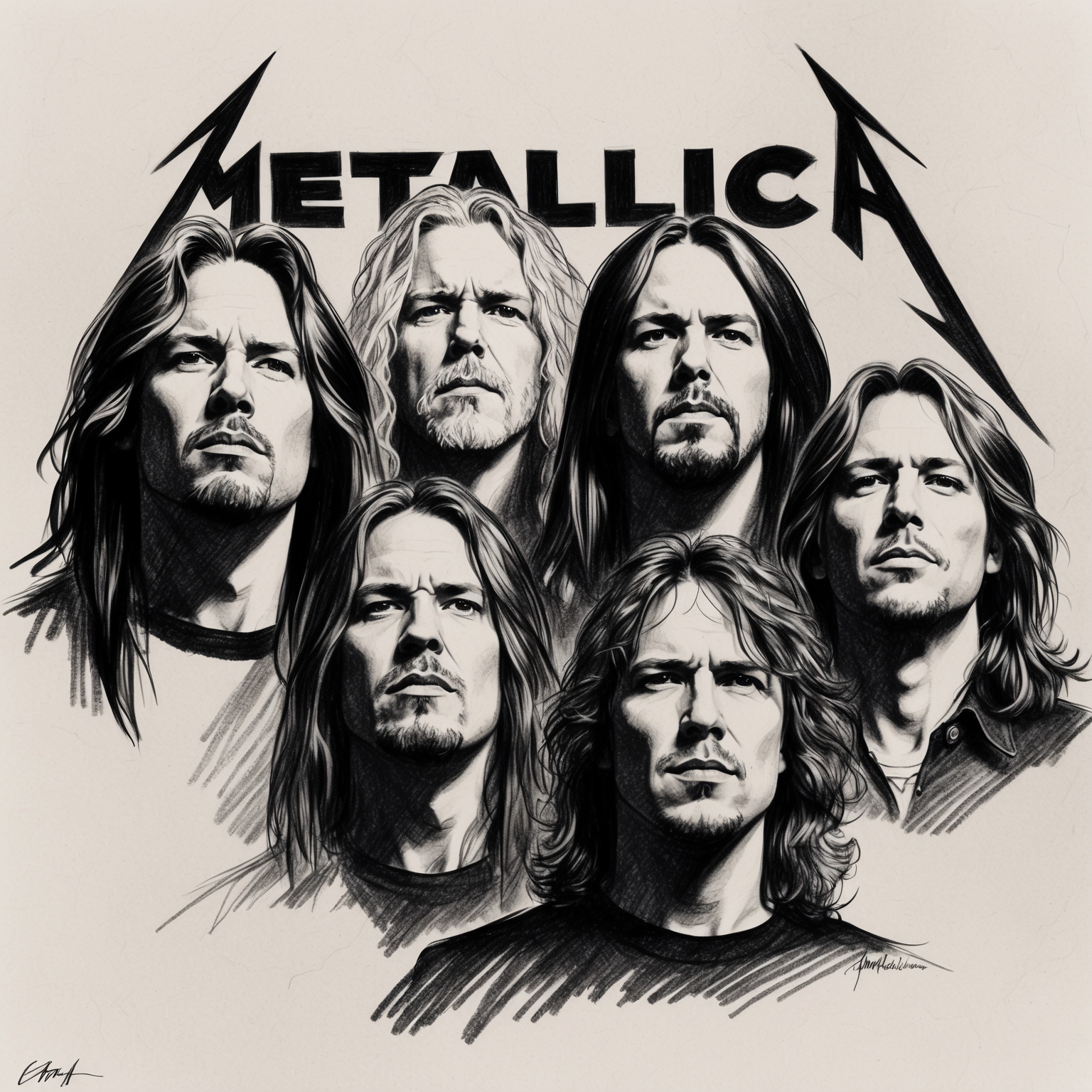
Metallica: The Architects of Heavy Metal Revolution
Delve into the evolution of Metallica, the pioneering band behind the iconic “Enter Sandman.” Learn about their journey, creative process, and the era that shaped this legendary track.
Metallica, the legendary metal act, etched their name in music history with their powerhouse anthem “Enter Sandman.” This iconic track signified a pivotal moment in the band’s career, marking a shift towards a more mainstream yet equally ferocious sound. Metallica’s journey prior to the release of “Enter Sandman” in 1991 was already impressive. Formed in 1981 in Los Angeles by drummer Lars Ulrich and guitarist/vocalist James Hetfield, the band quickly rose to prominence in the heavy metal scene, renowned for their fast tempos, complex song structures, and aggressive musicianship. Their early work laid the foundation for thrash metal, a sub-genre that transformed rock music. Metallica’s first album, “Kill ‘Em All” (1983), set them apart as true innovators, and they continued to build on this momentum with subsequent albums, earning a devoted fan base on their brass-knuckled journey to the mainstream.
The period surrounding the release of “Enter Sandman” was marked by immense creative evolution for Metallica. Having released four albums that helped define thrash metal, the band took a significant yet calculated risk with their self-titled fifth album, also known as “The Black Album.” At this time, they had already cemented their place among rock’s elite, achieving critical and commercial success. With “Enter Sandman,” Metallica sought to broaden their appeal while retaining their core intensity. The track was co-written by Ulrich, Hetfield, and lead guitarist Kirk Hammett, under the meticulous production of Bob Rock. The synergy between band members and their collaborative process was undeniably potent, paving the way for a sonic transformation that won them new fans without alienating the old.
“Enter Sandman” received a positive reception upon its release, leaving an indelible mark on the music scene of the early ’90s. Contributing to this feat was the impeccable backdrop of a music industry yearning for innovation, as genres like grunge and alternative rock were gaining ground. Metallica’s ability to blend their razor-sharp metallic prowess with a more accessible sound captured the zeitgeist of the era. The song’s thematic exploration of childhood fear and nightmares, woven into an arresting and memorable riff, struck a chord with audiences worldwide. In essence, “Enter Sandman” was a masterstroke that encapsulated Metallica’s definitive approach to redefining themselves without losing the edge that made them icons in the first place.
Exploring the Mastermind Behind ‘Enter Sandman’
Uncover the notable contributions of Kirk Hammett, Metallica’s guitarist and composer behind ‘Enter Sandman,’ whose distinct style and influence have left an indelible mark on the band’s sound.
Behind the thunderous and iconic track ‘Enter Sandman,’ which helped redefine the boundaries of rock music, stands composer and Metallica’s stalwart guitarist, Kirk Hammett. Known for his dexterous guitar skills and innovative riffs, Hammett’s journey into the world of heavy metal was marked by dedication and creativity. Trained at the prestigious Guitar Institute of Technology, his early career began with the band Exodus, a pivotal experience that honed his abilities and introduced him to the metal scene. Through his tenure with Metallica, Hammett earned several accolades, contributing significantly to the band’s distinctive soundscape.
Kirk Hammett’s musical style is a compelling tapestry woven with influences from blues, classic rock, and horror movie soundtracks, creating a unique fusion that has become his trademark. His passion for the peculiar and the eerie frequently seeps into his compositions, providing Metallica’s music with a distinct, haunting undertone. Hammett’s range as a composer extends from blistering solos to intricately layered riffs that have influenced countless musicians across generations. His role in ‘Enter Sandman’ is no exception, where his guitar work and melodic input helped craft the song’s unforgettable energy.
Collaboration has been a consistent theme in Hammett’s career, particularly with Metallica’s lead vocalist and rhythm guitarist, James Hetfield. Together, they’ve formed one of rock’s most formidable songwriting duos. In ‘Enter Sandman,’ Hammett’s guitar arrangements seamlessly blend with Hetfield’s powerful lyrics, highlighting the synergy between the melody and the story it tells. This interplay is essential to the track’s explosive power and enduring popularity. Hammett’s composition doesn’t just lay the groundwork for the other musicians’ contributions but elevates the song to a new art form, underscoring his pivotal role in its creation and subsequent success.
Celebrating the Legacy: Awards and Influences of ‘Enter Sandman’
Celebrate the enduring legacy of ‘Enter Sandman’ as we explore its awards, notable covers, and appearances in popular culture that showcase its broad appeal.
Enter Sandman by Metallica has left a significant mark not only on the rock and metal genres but the music industry as a whole. The song has accumulated numerous accolades and recognition over the years, cementing its place as a timeless classic. Released in 1991, it has since become one of Metallica’s most iconic tracks, praised for its haunting riff and explosive energy. While it has not bagged many awards on its own, the song contributed to the success of the album ‘Metallica’ (also known as ‘The Black Album’) which received multi-platinum status and numerous awards.
Over the years, Enter Sandman has inspired countless artists across various genres to cover their distinctive sound. With its universally recognizable riff, the song has been reinterpreted by artists such as Motörhead, who infused their own grit into the track. Other notable covers include renditions by bands like Dream Theater, and even the legendary bluegrass band Iron Horse, illustrating the song’s versatility and wide-reaching appeal.
Aside from recorded covers, Enter Sandman has also found its way into popular culture through appearances in several TV shows, movies, and video games. The song’s aggressive sound made it an apt choice for action-packed shows and films, bolstering its image as an anthem of adrenaline. Video games have also embraced its high-energy vibe, with games like ‘Rock Band’ featuring the track, allowing fans to immerse themselves further into the world of Metallica. The song’s far-reaching influence is a testament to its enduring legacy, inspiring new generations of listeners and musicians alike.
Climbing the Charts: ‘Enter Sandman’ and Its Monumental Impact
Enter Sandman’ climbed the charts rapidly after its 1991 release. It achieved a high peak on the Billboard Hot 100 and flourished internationally, marking a turning point for Metallica with significant chart and cultural success.
Released on July 29, 1991, ‘Enter Sandman’ by Metallica marked a pivotal moment in the band’s career. The track, which was the first single from their self-titled fifth studio album, often referred to as ‘The Black Album’, quickly climbed international charts and secured its place as a cornerstone of Metallica’s discography. The song initially entered the Billboard Hot 100 at sixty-four, eventually peaking at sixteen—a significant achievement for a heavy metal band during an era dominated by pop and grunge. Its success wasn’t confined to the U.S., as ‘Enter Sandman’ stormed the top ten in countries like the UK, Germany, and Australia, showcasing Metallica’s global appeal.
In comparison to other tracks during its release, ‘Enter Sandman’ stood out not just for its hauntingly dark theme and infectious riff, but also for its mainstream crossover. While many of its contemporaries were exploring softer sounds and grunge influences, Metallica maintained their hard-hitting edge yet crafted a piece with wide-ranging accessibility. This song was a breakthrough hit, revitalizing Metallica’s career trajectory by exposing them to a broader audience and cementing their status as heavy metal icons.
Marketing played a crucial role in the song’s success, as Elektra Records deployed a multi-pronged strategy to promote ‘Enter Sandman’. The song was accompanied by a music video directed by Wayne Isham, which further bolstered its popularity on platforms like MTV, ensuring heavy rotation and substantial public visibility. Critics and fans alike lauded the track, praising its production quality and thematic depth, while its longevity was evidenced by a number of awards and critical acclaim in subsequent years. ‘Enter Sandman’ was not just a chart-topper; it became an anthem with a cultural legacy that continues to inspire artists across genres to this day.
Exploring the Visual Intensity of Metallica’s ‘Enter Sandman’ Music Video
The music video for ‘Enter Sandman’ by Metallica, directed by Wayne Isham, is a haunting visual journey that explores themes of fear and nightmares, contributing to the song’s enduring popularity and reinforcing the band’s breakthrough in mainstream music.
Metallica’s ‘Enter Sandman’ music video is a masterful visual representation that perfectly complements the intensity and eerie themes of the song itself. Directed by Wayne Isham, a renowned music video director known for his work with high-profile artists, the video was released in July 1991. It contributed significantly to the song’s popularity, drawing in viewers with its haunting imagery and narrative depth. The video portrays a blend of surreal and nightmarish sequences that visually manifest the song’s exploration of dreams, fears, and the subconscious.
The music video features a young boy trapped in a series of nightmarish scenarios, with visuals shifting between his troubled sleep and haunting images of his fears. The dark and atmospheric cinematography effectively captures the themes of insomnia and fear of the unknown, resonating with the song’s lyrics. This creates a visceral viewing experience, weaving together cryptic symbols, unsettling imagery of drowning and falling, and the frantic energy of Metallica’s band performance. Such vivid dramatization contributed to the song’s enduring appeal and helped establish Metallica’s identity within the realms of hard rock and heavy metal.
Beyond its thematic intricacies, the video was critically acclaimed for its production quality and cinematic style. It was recognized for enhancing the song’s impact, furthering Metallica’s already substantial reach. The members of Metallica performed with their characteristic energy, their raw performance juxtaposed with the darker thematic elements of the video. Despite having no celebrity cameos, the expert direction of Wayne Isham and the compelling narrative secured its place as one of the most iconic music videos of the early ’90s. The video not only reinforced Metallica’s mainstream breakthrough but also demonstrated the powerful narrative potential of music videos during that era.
The Intricate Tapestry of ‘Enter Sandman’: A Deep Dive into its Musical Composition
Enter Sandman’ is a masterful blend of musical elements, marking a shift in Metallica’s sound. Its engaging musical structure in E minor, driving tempo, and iconic riff showcase the band’s evolution while maintaining their core intensity.
The song ‘Enter Sandman’ by Metallica stands as one of the most iconic tracks in the band’s expansive discography, etching its legacy through a complex and highly engaging musical structure. Written in the key of E minor, the track harnesses a dark and foreboding atmosphere from the very first chord, arguably a hallmark of Metallica’s shift towards more mainstream appeal while maintaining their heavy metal roots. The song’s tempo is set at a solid 123 beats per minute, which provides a trenchant balance between the more frenetic tempos of their thrash-heavy work and a more accessible, head-banging rhythm that characterized their later albums.
The chord structure in ‘Enter Sandman’ is built around a driving riff that uses palm muting to create a sharp, percussive sound. This signature riff underpins the harmonic foundation of the song, setting the stage for a melody that blends aggression with melodic hooks. The rhythm section, powered by Lars Ulrich’s commanding drums, adds a propulsion that is both relentless and syncopated, contributing significantly to the track’s magnetic drive. James Hetfield’s rhythm guitar provides a robust backbone, Nicola Tesla power chords with piercing precision, cementing the song’s dark theme.
From a comparative standpoint within the band’s discography, ‘Enter Sandman’ marks a pivotal moment in Metallica’s musical evolution. Prior to this track, the band was best known for their speed and intricacy, as heard in albums like ‘Master of Puppets’. However, with the release of their 1991 self-titled album, often referred to as The Black Album, Metallica embraced a sound that was at once more melodic and radio-friendly. This song exemplifies that transition through its accessible structure while retaining the band’s signature intensity. Contributing to its distinctive sound were Bob Rock’s production choices, recorded at One on One Studios, which included crisp sound engineering and layered recording techniques that allowed each instrument to resonate through the mix with clarity and power.
Decoding the Nightmares: An In-Depth Look at Enter Sandman’s Lyrics
Dive into the haunting yet universal themes of fear and innocence in Metallica’s ‘Enter Sandman’. Explore the narrative, literary devices, and cultural references that contribute to its lasting impact.
Say your prayers, little one
Don’t forget, my son
To include everyone
I tuck you in, warm within
Keep you free from sin
‘Til the sandman, he comes
Sleep with one eye open
Gripping your pillow tight
Exit light
Enter night
Take my hand
We’re off to never-never land
Something’s wrong, shut the light
Heavy thoughts tonight
And they aren’t of Snow White
Dreams of war, dreams of liars
Dreams of dragon’s fire
…
******* This Lyrics is NOT for Commercial use *******
Lyrical Themes and Messages: At its core, ‘Enter Sandman’ explores the timeless theme of childhood fears and the creeping darkness that haunts one’s sleep. The lyrics capture a parental figure’s cautionary words to a child, urging them to pray for protection. The recurring imagery of the ‘sandman’ – a mythical figure from folklore believed to bring nightmarish dreams – adds a chilling yet captivating layer. Released in the early ’90s, this theme resonated with audiences, connecting deeply due to its universal appeal and the era’s cultural fascination with psychological exploration in metal music.
Narrative and Storytelling: The narrative unfolds through a second-person perspective, addressing a child. This approach intensifies the listener’s engagement, placing them directly into the unfolding scene. The narrative unfolds like a dark lullaby, with the ‘sandman’ serving as both the threat and the beckoner to the shadowy realms of sleep. This storytelling style enhances the atmospheric tension, contributing to the song’s enduring impact.
Use of Literary Devices: Metallica skilfully employs literary devices, such as metaphors and alliteration, to enhance lyrical depth. The phrase ‘Sleep with one eye open’, is a vivid metaphor that illustrates an ever-present vigilance against nightmares. The repetition of consonant sounds in ‘dragon’s fire’ and ‘dreams of war, dreams of liars’ evokes an ominous rhythm, mirroring the turbulence of troubled dreams. This artful use of language enhances the spectral aura of the song.
Cultural and Social References: The song’s lyrics subtly weave in cultural references, particularly evident in the mention of ‘Snow White’, juxtaposing the traditional fairy tale with darker elements. Such contrasts heighten the unsettling atmosphere, enriching the song’s narrative complexity. This blend of familiar and fantastical imagery echoes listeners’ subconscious, making the song relatable across different cultural backgrounds.
Fan Theories and Interpretations: Fans have offered diverse interpretations of the lyrics. Some view them as a metaphorical exploration of anxiety and paranoia, reflecting on the complexities of growing up. Others perceive the lyrics as a commentary on the loss of innocence, an ever-present theme in Metallica’s work. This multiplicity of interpretations fuels ongoing discussions, ensuring the song remains a dynamic subject within fan communities.
Did you know? ? Enter Sandman was inspired by the dark lullabies of our childhood! ?? Dive into dreams with Metallica’s haunting riff! #Metallica #RockLegends #EnterSandman #FunFact https://bit.ly/3Czdzmb
Discover the legacy and pioneering spirit of Def Leppard, the band behind the iconic hit ‘Let’s Get Rocked.’
Emerging from the vibrant British rock scene of the late 1970s, Def Leppard skyrocketed to stardom with their unique fusion of heavy metal and pop rock. Born from the industrial heartland of Sheffield, the band quickly made their mark, initially distinguishing themselves with raw energy and commitment to their craft. As they matured musically, their ability to create catchy yet powerful anthems became a hallmark, and “Let’s Get Rocked” stands proudly among such creations.
The story of Def Leppard is as much about perseverance and evolution as it is about music. Formed in 1977, the band was driven by their dream of rock stardom, powered by iconic members like Joe Elliott, Rick Savage, and Rick Allen. Despite facing numerous challenges—including the tragic car accident that resulted in Allen losing his arm—Def Leppard never succumbed to adversity. Such resilience only fueled their creativity and innovation, ultimately culminating in the worldwide success of albums like *Hysteria* and *Adrenalize*, to which “Let’s Get Rocked” belongs.
The release of “Let’s Get Rocked” in 1992 was pivotal, presenting a blend of lively rhythms and cheeky lyrics that resonated with fans worldwide. At a time when the music scene was shifting towards grunge, Def Leppard managed to retain their distinctive sound, ensuring their relevance in a rapidly evolving industry. Their collaboration with renowned producer Robert John “Mutt” Lange was instrumental during this era, helping create numerous tracks that resonate with audiences even today.
The Creative Minds Behind ‘Let’s Get Rocked’
Explore the creative contributions of Def Leppard’s Joe Elliott, Phil Collen, Rick Savage, and Mutt Lange in composing the iconic song ‘Let’s Get Rocked’. Learn about their musical influences, collaborative dynamics, and the unique elements they brought to this rock anthem.
Background and Career: ‘Let’s Get Rocked’ was crafted by the collaborative efforts of talented members of Def Leppard: Joe Elliott, Phil Collen, Rick Savage, and Robert John ‘Mutt’ Lange. Each of these band members brought a unique flair to the song’s creation. Joe Elliott, the band’s charismatic lead vocalist, has been a central figure since the band’s inception. His knack for melody and lyrical crafting is a product of his diverse musical influences, including the glam rock scene of the 1970s. Phil Collen, an accomplished guitarist, joined the band in 1982 and helped solidify the group’s distinctive sound. Rick Savage, the band’s co-founder and bassist, has been instrumental in shaping Def Leppard’s rhythm-heavy sound. Completing the quartet, the legendary producer and composer Mutt Lange, known for his work with AC/DC and Foreigner, added his touch of perfectionism and musical acumen to the mix.
Musical Style and Influences: The style of the composers of ‘Let’s Get Rocked’ is a fusion of hard rock and melodic hooks. Joe Elliott and Phil Collen have often expressed admiration for artists like Queen and David Bowie. Their music frequently reflects a blend of powerful riffs and catchy choruses. Mutt Lange’s influence can be heard in the song’s intricate production and layered harmonies, drawing from his vast experience in shaping radio-friendly rock anthems. Their influences converge to create a sound that is both edgy and accessible, embodying the spirit of early 90s rock while paying homage to classic rock traditions.
Role in the Song’s Creation: In ‘Let’s Get Rocked’, each composer played a vital role in bringing the song to life. Joe Elliott’s vibrant and impassioned vocal performance serves as the song’s centerpiece. Phil Collen’s guitar work adds the necessary punch, with sharp riffs and energetic solos. Rick Savage’s bass lines provide a solid foundation that complements the track’s lively tempo. Meanwhile, Mutt Lange’s role was pivotal in ensuring the song’s polished finish, from overseeing the recording process to arranging the song’s dynamic flow. The band’s collective effort resulted in a track that captures the exhilaration of youthful rebellion.
Overall, the composers of ‘Let’s Get Rocked’ showcased their ability to blend individual talents into a harmonious composition, contributing significantly to the song’s enduring appeal.
Honors and Tributes: The Legacy of ‘Let’s Get Rocked’
While ‘Let’s Get Rocked’ might not have gathered notable awards, its popularity endures through covers, cultural references, and lasting fan appreciation.
Let’s Get Rocked by Def Leppard may not have bagged a shelf full of awards, but its vibrant energy and catchy melody have earned it a special spot in pop culture. Released in 1992 as a lead single from the album Adrenalize, the track quickly became a fan-favorite, showcasing the band’s signature style and charismatic exuberance.
Although the song didn’t receive formal accolades like Grammy Awards or Billboard recognitions, it did chart well globally, solidifying its status as an enduring rock anthem. Over the years, various covers of Let’s Get Rocked have emerged, reflecting its widespread appeal. Cover bands and rock enthusiasts worldwide often include this song in their repertoire, a testament to its influential riff and infectious chorus.
In addition to numerous live performances and covers, Let’s Get Rocked made appearances in popular culture. The song was featured in several playlists and radio shows dedicated to 90s music. Its presence in TV shows and events celebrating nostalgic rock echoes its ongoing impact on audiences. Combined with the high-spirited music video, these appearances keep the song alive in the hearts of rock fans to this day.
Climbing the Charts: Let’s Get Rocked
Explore how Def Leppard’s ‘Let’s Get Rocked’ achieved commercial success, climbing the charts and enhancing the band’s legacy as rock icons in the early ’90s.
Def Leppard’s “Let’s Get Rocked” emerged as a powerhouse track when it was released on March 31, 1992, as the lead single from their album ‘Adrenalize’. The song quickly became a hit, securing a strong foothold on the charts worldwide. In the United States, it peaked at number 15 on the Billboard Hot 100, demonstrating the band’s consistent appeal to their fanbase and new listeners alike. Across the Atlantic, the song faired even better, reaching number 2 on the UK Singles Chart, solidifying its status as a popular favorite.
The release of “Let’s Get Rocked” marked a continuation of Def Leppard’s legacy of producing hit singles. It wasn’t a breakthrough in the traditional sense, as the band was already enjoying widespread acclaim following the success of their previous albums, especially the monumental ‘Hysteria’. Instead, it served to affirm their position as rock icons in the early ’90s, capable of keeping up with changing musical tastes while adhering to their distinctive sound.
Marketing played a crucial role in the song’s success. The release was backed by a memorable and innovative computer-generated music video, which was a novelty at the time and attracted significant attention. Along with traditional radio play and television appearances, these efforts ensured the song reached a large audience, contributing to its high chart rankings. Critical reception, while mixed, acknowledged the song’s catchy, energetic vibe, which resonated with fans and made it one of their memorable hits. This track not only boosted sales for the ‘Adrenalize’ album but also paved the way for successful subsequent tours, enhancing their economic impact and extending Def Leppard’s influence in the rock genre.
Visual Energy: The Music Video for ‘Let’s Get Rocked’
Delve into the innovative music video for Def Leppard’s ‘Let’s Get Rocked’, exploring its mix of live-action and CGI, its role in heightening the song’s appeal, and the visionary direction of Steve Barron.
The music video for ‘Let’s Get Rocked’ by Def Leppard is a fascinating blend of live-action and computer-generated imagery that perfectly encapsulates the early 1990s era of animation. Released in 1992, the video was among the first to experiment with CGI, a bold move that aligned well with the song’s energetic and rebellious spirit. The narrative follows a bored teenager navigating through a day filled with mundane activities, only to escape into an animated world that echoes the anthem’s call for cutting loose and breaking free.
A significant factor in the video’s success is its ability to mirror the song’s infectious drive and playful lyrics through engaging visuals. The protagonist, a computer-generated character, brings to life the universal desire for youthful rebellion and fun. As he dodges chores and expectations, audiences are drawn into his daydream, vicariously experiencing his adventures. This seamless integration of human and animated elements captured the imagination of viewers worldwide and played an essential role in driving the song’s popularity.
Directed by Steve Barron, a pioneer in crafting visually compelling music videos, ‘Let’s Get Rocked’ marked a significant milestone in video production at the time. Barron’s innovative approach is often credited with enhancing the track’s appeal beyond just the audio experience. Critical reception was largely favorable, noting the video’s humor and technical prowess. While there are no celebrity cameos, the video’s creativity stood out, making it an exemplary piece of visual storytelling in the music industry.
Delving into the Musical Architecture of ‘Let’s Get Rocked’
Explore the musical structure of Def Leppard’s ‘Let’s Get Rocked’, examining its key, chord structures, and instrumental composition.
The song ‘Let’s Get Rocked’ by Def Leppard exemplifies a classic rock anthem from the early 90s, characterized by its energetic beat and infectious chorus. This track is primarily written in the key of A major, which contributes to its bright and uplifting sound. The composition relies heavily on power chords, a signature element in Def Leppard’s music, giving the song its robust and gritty feel, ideal for stadium rock performances. The tempo of ‘Let’s Get Rocked’ is set at a fast pace, around 122 beats per minute, enhancing its lively and animated demeanor.
The melody of ‘Let’s Get Rocked’ features a catchy hook, a testament to the band’s ability to craft memorable tunes that resonate with audiences. The harmonic structure is relatively straightforward but effective, providing a solid foundation for Joe Elliott’s dynamic vocal delivery. The rhythm section, with its driving bass and steady drum patterns, lays down the quintessential rock groove that propels the song forward.
Instrumentally, ‘Let’s Get Rocked’ showcases the band’s typical setup, including electric guitars, bass, drums, and a touch of synthesizers. The guitars, performed by Phil Collen and Steve Clark, play a pivotal role in defining the song’s sonic identity, delivering gritty riffs and soaring solos that complement the song’s high-energy vibe. Compared to earlier works, ‘Let’s Get Rocked’ signifies a shift towards a more polished, radio-friendly sound, reflective of the band’s adaptation to the evolving musical landscape of the time. Recorded in Windmill Lane Studios, Ireland, the production by Mutt Lange is characterized by meticulous layering and a polished finish, hallmarks of Def Leppard’s productions during this era.
Exploring the Energetic Lyrics of ‘Let’s Get Rocked’
Dive into the themes and narrative style behind ‘Let’s Get Rocked’ by Def Leppard, revealing its playful defiance and universal teenage fantasies through engaging literary devices and vibrant storytelling.
Do ya wanna get rocked?
Let’s get, let’s get, let’s get, let’s get rocked
I’m your average, ordinary, everyday kid
Happy to do nothin’, in fact that’s what I did
I got a million ways to make my day, but daddy don’t agree
‘Cause when I try to get away, he says, he got plans for me
(Get your butt right out of bed) Stop buggin’ me
(Get up and move your sleepy head) Don’t shake my tree
He said, (“Mow the lawn”) Who me?
(Walk the dog) Not my style, man!
(Take out the trash) No way!
(Tidy your room) Come on, get real!
Sorry dad, gotta disappear
Let’s get the rock outta here
Seven-day weekend, up all night
In at the deep end, hang on tight
It won’t take a minute, it won’t take long
So get on in it, come on, come on, come on
Let’s get, let’s get, let’s get, let’s get rocked
Let’s get, let’s get, let’s get, let’s get rocked
Let’s go all the way, get it night’n’day
…
******* This Lyrics is NOT for Commercial use *******
Lyrical Themes and Messages: ‘Let’s Get Rocked’ by Def Leppard is an anthem of youthful rebellion and carefree fun. The lyrics present themes centered around the desire for freedom, escapism, and resisting authority. Unlike ballads that often dive into deeper emotional turmoils, this track captures the essence of youthful indifference towards responsibilities, resonating with anyone who enjoys a light-hearted refusal to conform to societal expectations. At its core, the song embodies a celebratory spirit, encouraging the listener to indulge in the present moment and break away from the mundane.
Narrative and Storytelling: The lyrics unfold from a first-person perspective of an average teenager who is uninterested in the typical chores and obligations imposed by his parents. It’s more about simple storytelling — a vivid snapshot of an adolescent daydreaming of a seven-day weekend, echoing the universal adolescent fantasy of shirking responsibilities for a fun-filled, carefree lifestyle. This narrative style draws listeners into a relatable context, amplifying the song’s impact by mirroring a collective teenage yearning.
Use of Literary Devices: Throughout the lyrics, Def Leppard employs engaging literary devices that enhance the song’s energy. The repetition of phrases like “Let’s get, let’s get, let’s get, let’s get rocked” builds a rhythmic momentum that mirrors the excitement of a typical rock concert chant. The use of rhetorical questions and youthful slang constructs an authentic and playful tone. Additionally, lines such as “Mow the lawn? Who me?” foster a humorous rapport with the audience, reinforcing the playful defiance embodied in the track.
Cultural and Social References: Released in the early ’90s, ‘Let’s Get Rocked’ reflects the era’s cultural pulse, where rock music was a staple of youthful rebellion and expression. It taps into the cultural context of its time by advocating for fun over obligation and resonating with the ethos of ’90s rock culture. This reference to the carefree spirit of rock becomes both a relic of its time and a timeless call to youthful exuberance.
Emotional Impact and Relatability: The infectious and upbeat nature of the lyrics makes ‘Let’s Get Rocked’ an anthem that fuels a sense of liberation and joy. Its relatability lies in its depiction of the universal clash between a teenager’s desire for freedom and the constraints of everyday responsibilities. The song strikes a chord with listeners by infusing energy and inviting them to vicariously relish the freedom it sings about.
? Did you know Def Leppard’s Let’s Get Rocked was one of the first music videos to use CGI? ? Dive into 90s nostalgia with this rock classic! #DefLeppard #90sRock #LetsGetRocked https://bit.ly/3ObtjOI
Explore the history and impact of Megadeth, spotlighting their thrash metal legacy and creative journey during the era of their acclaimed song ‘Countdown to Extinction.’
Megadeth, renowned as one of the iconic pillars of the thrash metal genre, holds a distinctive place in the broader spectrum of heavy metal music. Formed in 1983 by frontman Dave Mustaine, upon his departure from Metallica, the band quickly carved out a niche for itself with its intense rhythms and complex arrangements. The song ‘Countdown to Extinction’ stands out as a significant landmark in their career, emblematic of their maturation and artistic evolution in the late 1980s and early 1990s.
Megadeth’s beginnings are rooted in Los Angeles, where Mustaine, alongside bassist David Ellefson, sought to create a sound that would rival the thrash metal innovators of their time. Their major achievements began accumulating with landmark albums like ‘Peace Sells… but Who’s Buying?’ and ‘Rust in Peace,’ both of which established them as a force to be reckoned with. By the time they released the ‘Countdown to Extinction’ album, Megadeth had become synonymous with technical proficiency and hard-hitting political themes.
The early 1990s marked a period of immense creativity for the band. The heavy metal scene was abuzz with evolving sounds and experimentation, and Megadeth was right in the thick of it. Collaboration with producer Max Norman marked a turning point in their recording process, propelling their sound to new heights. The band’s lineup during this era, including Marty Friedman on guitar and Nick Menza on drums, contributed significantly to the dynamic and progressive nature of their music. Together, they poured their creative energies into crafting songs that would resonate with both fans and critics alike.
Dave Mustaine: The Architect Behind Megadeth’s Sound
Delve into the influential role of Dave Mustaine, the mastermind behind Megadeth’s legendary sound, and his contributions to the powerful track ‘Countdown to Extinction’.
Known for his relentless pursuit of musical excellence, Dave Mustaine is the driving force behind Megadeth’s distinct sound. Born in La Mesa, California, Mustaine demonstrated a profound musical prowess from an early age. Before founding Megadeth, he played a pivotal role in shaping the sound of Metallica as their original lead guitarist. His departure from Metallica catalyzed the formation of Megadeth in 1983, a band through which he would channel his creativity and ambition. Mustaine’s background is rich with musical experimentation, combining elements from thrash metal, speed metal, and progressive metal to create a sound that fans and musicians alike have come to admire.
Mustaine’s style is uniquely recognizable, characterized by his intricate guitar riffs and aggressive yet melodic compositions. Influenced by a wide range of artists and genres, from classical guitar to punk rock, Mustaine has managed to fuse these elements seamlessly, crafting a signature sound. His compositions are not only musically complex but often imbued with social and political themes, reflecting his thoughts on various global issues and inner personal struggles. These influences are manifestly present in ‘Countdown to Extinction,’ where he combines poignant lyrics with masterful guitar arrangements to create a thought-provoking track.
The collaboration that has most defined Mustaine’s career is with his band Megadeth, particularly the synergy he shares with other band members over the years. Despite numerous lineup changes, Mustaine’s leadership and vision have remained steadfast, steering the band’s musical direction. His role as both composer and lyricist for ‘Countdown to Extinction’ allowed him to weave a narrative that critiques humanity’s impact on the environment, showcasing his ability to intertwine meaningful messages with compelling music. The intricate interplay between the lyrics and music in the song is a testament to Mustaine’s keen sense of storytelling through sound.
Recognitions and Renditions: The Legacy of ‘Countdown to Extinction’
Countdown to Extinction’ by Megadeth is celebrated for its critical acclaim, Grammy nomination, and thematic impact, inspiring tribute covers and appearing in environmental discussions.
‘Countdown to Extinction’ by Megadeth isn’t just a thrash metal anthem; it’s a song that has resonated widely, making its presence felt across different spectrums of popular culture. While it might not have collected a vast array of awards on its own, it contributed to the success of the album ‘Countdown to Extinction,’ which received critical acclaim and won a Concrete Foundations Award in 1992. The album was nominated for a Grammy for Best Metal Performance in 1993, showcasing the industry’s recognition of Megadeth’s evolving sound.
Beyond formal awards, ‘Countdown to Extinction’ has garnered a series of accolades in the form of critical acclaim. Various music publications and critics have praised its compelling lyrics and intense musical composition, noting its contribution to the band’s overall artistic legacy. The conceptual thrust of the track concerning ecological awareness has been frequently highlighted as a testament to its insightful songwriting.
Though covers of ‘Countdown to Extinction’ are not as prevalent as those of some of Megadeth’s other hits, the song’s impact can still be traced in performances by tribute bands and amateur musicians who appreciate its technical and lyrical depth. Its influence has also been witnessed indirectly in various documentaries and programs focusing on environmental themes, where the song’s cautionary narrative strongly resonates.
A Glimpse into the Chart Triumphs and Trials
Explore the chart journey of Megadeth’s ‘Countdown to Extinction,’ a notable entry in the heavy metal scene, marked by its strategic marketing and respectable chart positions amidst a diverse musical landscape.
Released on July 14, 1992, as the title track of Megadeth’s fifth studio album, “Countdown to Extinction” was a significant marker in the band’s evolution. The song made a tangible impact upon release, climbing various charts alongside its fellow album tracks. Though it did not attain the top-most positions globally, it managed to carve a niche for itself in the hearts of metal enthusiasts and beyond. In the United States, it secured a spot on various rock and metal charts, while also receiving a warm reception in the UK and Australia, where the album attained considerable success. Despite not dominating mainstream charts, its position within genre-specific lists highlighted Megadeth’s growing popularity.
Comparing its chart journey to other tracks in the same period reveals an interesting pattern: while pop and grunge were gaining substantial traction, “Countdown to Extinction” held its ground, proving that heavy metal still had loyal followers. The early ’90s were a transformative period in music, and Megadeth’s presence emphasized diversity in listener preferences. For Megadeth, this song built upon the momentum created by previous hits such as “Symphony of Destruction,” establishing it as a formidable entity in the heavy metal scene.
Marketing strategies for “Countdown to Extinction” capitalized on Megadeth’s burgeoning reputation. The promotional efforts included memorable performances and a strategic release of singles that set the stage for the band’s tour. Critical reception echoed the enthusiasm of loyal fans and critics who praised the song’s thematic depth and technical prowess. Despite not clinching any major chart-topping awards, it became a staple in the band’s setlists, reflecting its enduring legacy in the world of heavy metal.
Exploring the Visuals and Impact of Megadeth’s ‘Countdown to Extinction’
Despite lacking an official music video, ‘Countdown to Extinction’ thrives through electrifying live performances and creative fan videos, amplifying its legacy and audience reach.
A Look into ‘Countdown to Extinction’ Live Performances The song ‘Countdown to Extinction’ by Megadeth does not have an official music video in the traditional sense. However, it has been widely embraced in live performances and fan-made interpretations, which significantly contribute to its popularity. Megadeth’s live performances of this track are electrifying, filled with intense energy that fans have captured and shared worldwide. These performances offer a raw and immersive experience, highlighting the band’s stage presence and musicianship.
The Impact of Fan Videos and Live Footage Fan-made videos and live footage uploaded to various platforms offer a unique lens through which fans can connect with ‘Countdown to Extinction’. These videos often integrate concert footage, behind-the-scenes snippets, and creative visuals that resonate with the song’s themes. Such fan-driven content has helped sustain the track’s relevance, introducing it to younger audiences who may not have been present during its initial release.
Reception and Contribution to the Song’s Legacy The audiovisual representations of ‘Countdown to Extinction’, through live performances and fan videos, have been met with positive reception. They add another dimension to the song, allowing fans to experience it beyond just audio. Although these videos may not come from official channels, their authenticity and passion have contributed to maintaining the song’s legacy, illustrating the lasting impact of Megadeth’s music on its audience.
Dissecting the Intricacies of ‘Countdown to Extinction’
Explore the technical brilliance of ‘Countdown to Extinction’, examining its complex structure, harmonic richness, and how it reflects Megadeth’s evolving artistry.
**Countdown to Extinction** by Megadeth is a masterclass in metal composition that reflects both complexity and accessibility. Written primarily in the key of E minor, the song balances its heavy riffs with melodic interludes, a defining feature of Megadeth’s sound. The chord progression is complex yet structured, consisting of power chords that lend a powerful and punchy feel. The tempo is set at a moderate pace, around 140 BPM, balancing intensity with clarity.
The harmony in ‘Countdown to Extinction’ is driven by Dave Mustaine’s guitar work, supported by the gritty bass lines of David Ellefson. The rhythm section is tight, with drummer Nick Menza providing a solid backbone, marked by unpredictable drum fills and pervasive double-bass patterns — all pivotal for the song’s impactful delivery. This synchronization between drums and guitars creates a syncopated rhythm, instilling the track with forward motion and intensity.
The song employs a palette of guitar techniques including palm muting, alternate picking, and harmonic solos, each contributing to its distinctive flavor. It uses layered guitars, adding depth and a symphonic structure, which helps amplify the thematic urgency of the piece. When juxtaposed with earlier works like ‘Rust in Peace’, this song showcases a maturity in composition, blending technical prowess with lyrical depth, indicating Megadeth’s evolution towards more thematic and rounded narratives. Produced by Max Norman, the recording sessions took place at The Enterprise Studios in California, where the band strived for a clean yet powerful sound, marking a distinctive shift in production quality.
Deconstructing the Lyrical Depth of “Countdown to Extinction”
Explore the evocative lyrics of “Countdown to Extinction” by Megadeth, where themes of ecological peril and moral dilemmas intersect, driven by vivid storytelling and impactful literary devices.
Endangered species, caged in fright
Shot in cold blood, no chance to fight
The stage is set, now pay the price
An ego boost, don’t think twice
Technology, the battle’s unfair
You pull the hammer without a care
Squeeze the trigger that makes you man
Pseudo-safari, the hunt is canned
The hunt is canned
All are gone, all but one
No contest, nowhere to run
No more left, only one
…
******* This Lyrics is NOT for Commercial use *******
Megadeth’s “Countdown to Extinction” dives into thought-provoking themes that resonate on multiple levels, reflecting not just the time of its release but the timeless human behaviors and ethical dilemmas. The song primarily explores the dire consequences of human actions on endangered species, employing poignant imagery to depict a grim reality. This thematic approach leans heavily towards the political, as it challenges listeners to confront the moral implications of hunting and environmental neglect. The lyrics strike a chord with audiences who recognize the ongoing ecological crises, enhancing their relatability by mirroring real-world concerns.
Narratively, “Countdown to Extinction” portrays a stark, cinematic scene of a hunt, unfolding through a vivid third-person perspective. This narrative style effectively places the listener in the observer’s seat, elevating the intensity and emotional engagement. The use of stark, direct language adds to this narrative depth, allowing the lyrics to play out like a sobering short film. By eschewing subtlety, Megadeth amplifies the urgency of the message, making the narrative all the more impactful.
Literary devices further enrich the lyrics, employing metaphors and similes to deepen the listener’s emotional response. Phrases like “technology, the battle’s unfair” juxtapose modern advancements with primal instincts, highlighting the moral dissonance in using technology for unfair advantage. The alliteration and rhyme schemes punctuate the lyrical flow, adding a rhythmic quality that enhances memorability and impact. These techniques not only elevate the song’s artistic merit but also help convey a powerful story about ethical responsibility and survival.
Culturally, “Countdown to Extinction” stands alongside other Megadeth tracks in critiquing societal norms and injustices. Its place in the band’s discography highlights its unique focus on environmental themes, which might not be as prevalent in metal but certainly find a fitting place here. This focus sets it apart within the genre, showcasing Megadeth’s ability to tackle wide-ranging issues within their music, offering a distinct commentary on global problems.
Fans and critics alike have long debated the emotional impact of the lyrics, with many finding catharsis in its unflinching portrayal of a somber reality. The song evokes a mix of anger, sadness, and urgency—emotions that resonate with listeners who are passionate about ecological conservation. Through its lyrical portrayal of a countdown to extinction, the song elicits a call to action, urging audiences to rethink and realign their priorities for the betterment of the planet.
Did you know? ? Countdown to Extinction by Megadeth reflects on environmental and societal issues, highlighting the fragile balance of life on Earth! ?? #ThrashTrivia #Megadeth #MetalMagic https://bit.ly/3YPqxDx



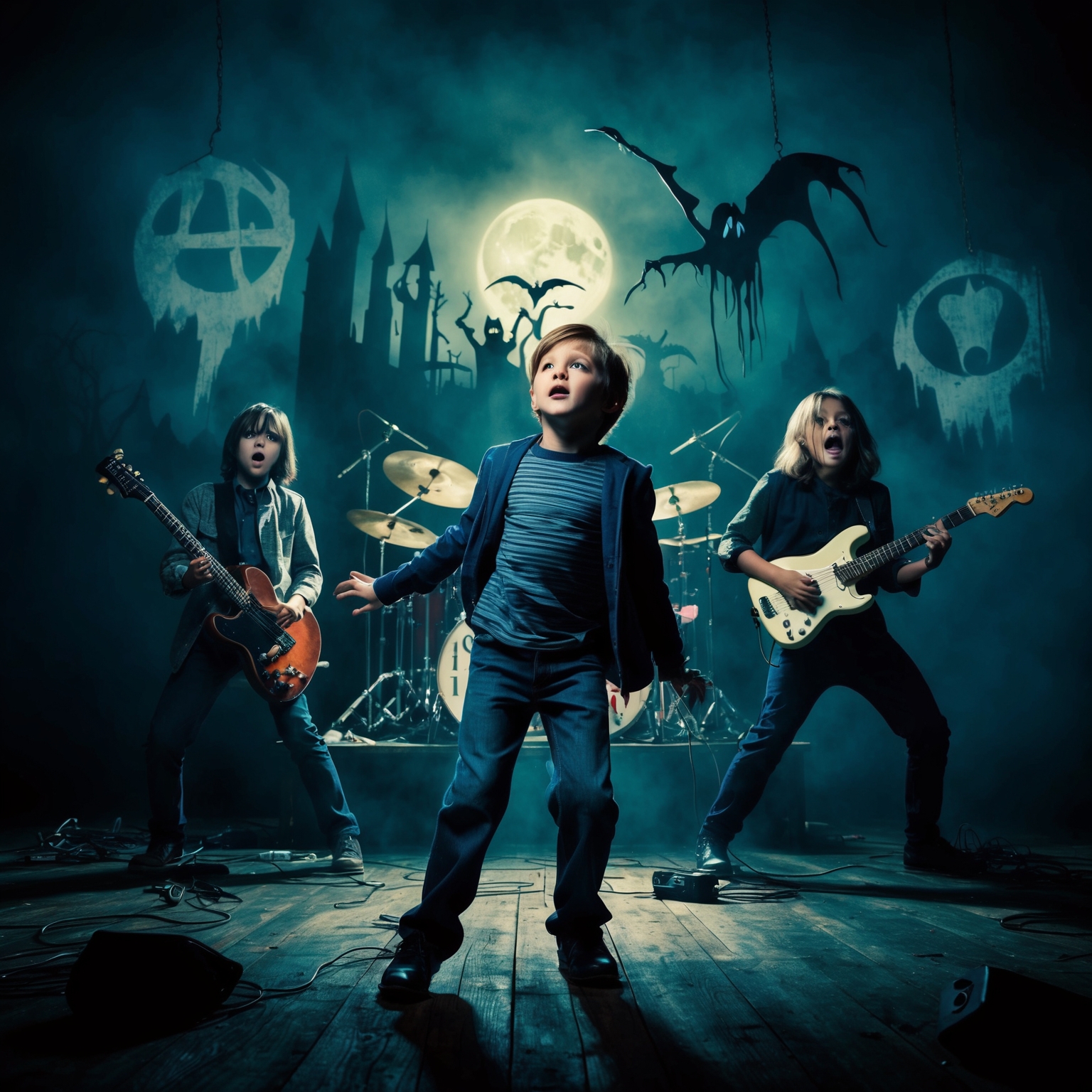

 Lyrical Themes and Messages: At its core, ‘Enter Sandman’ explores the timeless theme of childhood fears and the creeping darkness that haunts one’s sleep. The lyrics capture a parental figure’s cautionary words to a child, urging them to pray for protection. The recurring imagery of the ‘sandman’ – a mythical figure from folklore believed to bring nightmarish dreams – adds a chilling yet captivating layer. Released in the early ’90s, this theme resonated with audiences, connecting deeply due to its universal appeal and the era’s cultural fascination with psychological exploration in metal music.



 Lyrical Themes and Messages: ‘Let’s Get Rocked’ by Def Leppard is an anthem of youthful rebellion and carefree fun. The lyrics present themes centered around the desire for freedom, escapism, and resisting authority. Unlike ballads that often dive into deeper emotional turmoils, this track captures the essence of youthful indifference towards responsibilities, resonating with anyone who enjoys a light-hearted refusal to conform to societal expectations. At its core, the song embodies a celebratory spirit, encouraging the listener to indulge in the present moment and break away from the mundane.


 Megadeth’s “Countdown to Extinction” dives into thought-provoking themes that resonate on multiple levels, reflecting not just the time of its release but the timeless human behaviors and ethical dilemmas. The song primarily explores the dire consequences of human actions on endangered species, employing poignant imagery to depict a grim reality. This thematic approach leans heavily towards the political, as it challenges listeners to confront the moral implications of hunting and environmental neglect. The lyrics strike a chord with audiences who recognize the ongoing ecological crises, enhancing their relatability by mirroring real-world concerns.