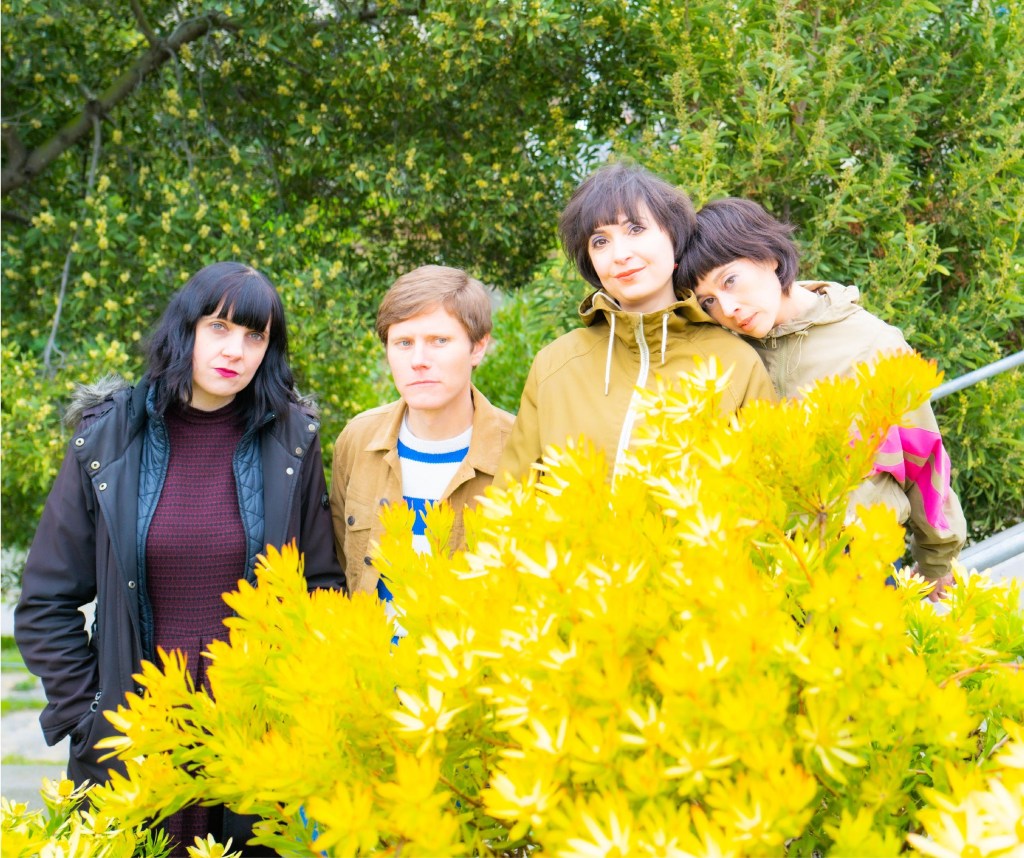
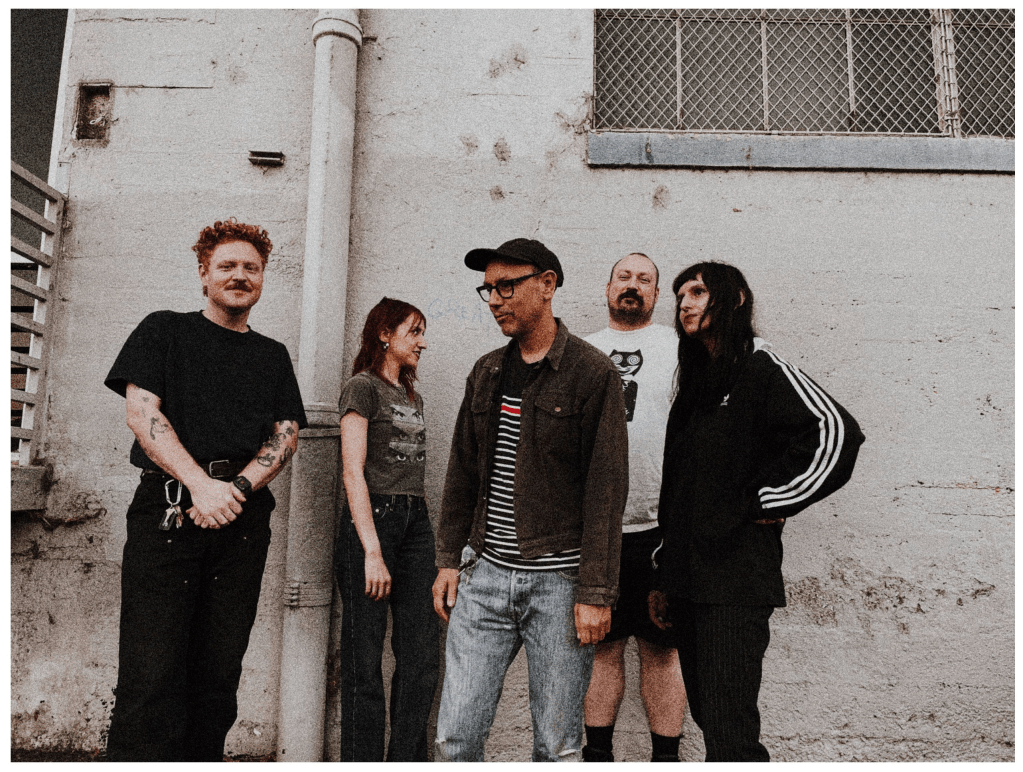
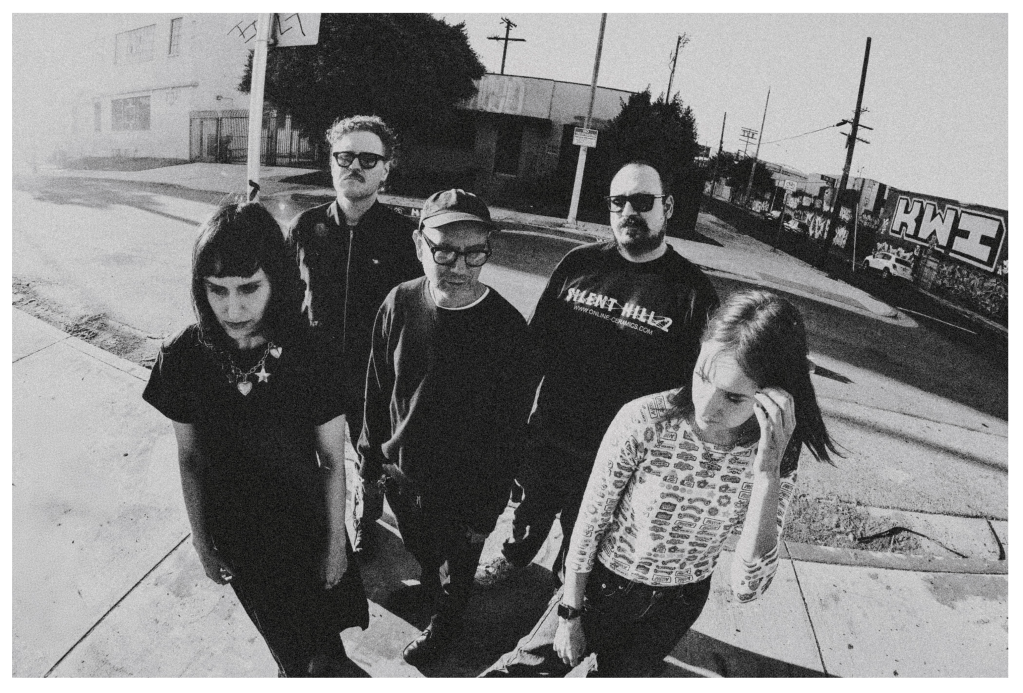
Seablite: Jen Mundy, Andy Pastalaniec, Galine Tumasyan, Lauren Matsui (Courtesy: Michael Aguilar and Kasey Kalis)
There wasn’t a dry eye in the indie pop house last week as Bay Area underground icons Seablite announced their farewell show.
Active since 2017, Seablite specialised in nineties inspired shoegaze and baggy fusions, shot through with unmistakable California cool. When they fully hit their stride across 2023’s epic Lemon Lights, they hit upon shimmering soundscapes that were completely and uniquely their own. You can read this writers thoughts on that LP here.
Seablite – Melancholy Molly
With established projects such as Chime School and Rhymies already dazzling audiences, and the promise of more to come (watch this space), it’s heartening to know that an abundance of beautiful sounds lie ahead from the members of this exceptionally talented fourpiece.
heavymetalkids.uk reached out to the band for their thoughts as this particular chapter in their creative journey closes:
“Looking back on nine years with Seablite feels like a dream. It’s hard to believe all the amazing things we were able to do together. I’m so grateful to the band—it helped me grow so much as a musician. Playing side by side with Lauren was endlessly inspiring, sharing the rhythm section with Andy was always a blast, and I loved hearing the melodies Mundy would sprinkle over our songs. “Lemon Lights” stands out as a highlight for me; it felt like the moment we truly sounded like ourselves and became what we’d always aimed to be. We were such a strong unit, and I’ll forever cherish the years we spent making music together. And who knows—maybe in 20 years we’ll play again! :D” – Galine
“I’m lucky to have had so many incredible adventures with my forever ‘Sea Friends’, Galine, Andy and Jen. I love my Blites so much and am grateful to have played with them for the last nine years. Thank you for all the amazing adventures we shared, the people we’ve played with and the new friends we met along the way.” – Lauren
“I’ve grown so much as a musician since we started playing together in 2017. I’m so proud of the two LPs we made, especially “Lemon Lights” which I put a ton of effort into mixing. I think my best show as a ‘Blite was Oakland Weekender 2024, I really wanted to just absolutely destroy that set, and I think it was my best set as a drummer, ever! Touring the UK (a first for me at the time) with seablite and the Umbrellas for Chickfactor 2022 was an unforgettable experience. I’m very grateful to have had this partnership for so many years.” – Andy
“Playing in Seablite for the last nine years has been one of the most fulfilling, memorable, and rewarding experiences of my musical journey and my life. When Galine contacted me asking if I wanted to play, at first I was hesitant about joining a new band. But I had left my previous band, Wax Idols, a year and a half ago and I really missed playing music. So we all met up at their practice space and it felt comfortable and we all clicked right away, and the rest is history. I am so proud of everything that we have accomplished over the years. I will always cherish my incredible memories in Seablite and the music we made together. These are some of my favorite shows:The Ocean Blue at Troubadour, Los Angeles, The Charlatans at Great American Music Hall, Ladytron at UC Theaterand the UK tour with our buds, The Umbrellas” – Mundy
Seablite – Time Is Weird
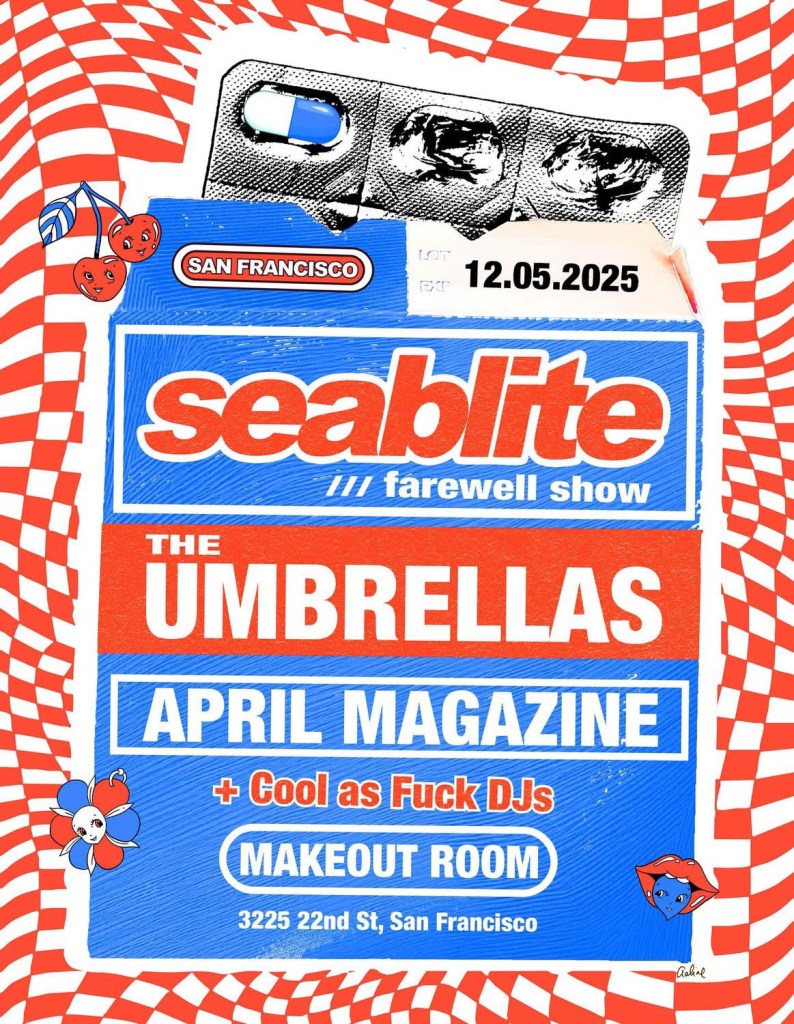
Seablite’s farewell show takes place on 5th December at Makeout Room, supported by The Umbrellas and April Magazine. A line up for the ages to celebrate a band like no other.
Thank you so much to Galine, Lauren, Andy and Mundy for sharing such vivid, beautiful memories. Seablite’s sophomore album Lemon Lights is available via Mt.St.Mtn here. A fully remastered edition of their debut Grass Stains and Novocaine is out on Dandy Boy Records here. You can revisit the band’s earliest recordings via their Bandcamp page here.
Maybe John Lees’ version of BJH doesn’t change the story of his original band, band he still knows how to write beautiful songs and this is the case with the title track of JL-BJH’s 2013 album. The usual pastoral sound is there, along with a tense musical background and – of course – a beutiful guitar solo. Most of all, the tune flows fresh and nice, and the instrumental parts are simply perfect.
“North” was the first studio album released with the moniker
John Lees’ Barclay James Harvest
The way Mr. Lees regales his listeners by adding new ideas and lushing interludes always amazes me. Just try this track’s coda: it’s like following Alice into a musical Wonderland, in my humble opinion. The apparent simplicity of those songs underlines the skills of both the composer and the performers and that’s why such a song really can light up a dull day.
Few figures in rock history have sparked as much debate as John Lennon. As one of the founding members of The Beatles, Lennon’s outspoken personality, rebellious attitude, and social commentary made him both a hero and a target. The John Lennon controversy continues to echo decades after his tragic death, reminding fans of the complex blend of genius, idealism, and contradiction that defined his legacy.
From his outspoken political statements to his personal relationships, Lennon never shied away from attention — even when it came with backlash. His words often stirred as much outrage as admiration, particularly when he challenged religion, authority, and even his own bandmates.
In this article, we’ll explore 5 pivotal moments that shaped the John Lennon controversy. Each one reveals a different side of Lennon — the artist, the activist, and the provocateur who refused to conform to expectations.
1. The “More Popular Than Jesus” Comment
One of the most infamous moments in the John Lennon controversy came in 1966 when Lennon remarked that The Beatles were “more popular than Jesus.” The quote, taken from an interview with Maureen Cleave of the London Evening Standard, wasn’t meant to provoke. Lennon was reflecting on how society seemed to value pop culture over religion.
However, when the comment reached America, particularly the southern states, it ignited public outrage. Radio stations banned The Beatles’ music, and fan groups staged mass burnings of their records. Some Christian leaders even accused Lennon of blasphemy.
In response, Lennon held a press conference in Chicago, clarifying that he wasn’t comparing himself to Christ but commenting on how religion had lost influence among youth. Despite his apology, the damage was done. This incident showed the world just how powerful — and dangerous — a single statement from a global icon could be.
The controversy marked a turning point in The Beatles’ career. It made Lennon more cautious in interviews but also more determined to express his views openly, regardless of backlash.
2. The Yoko Ono Backlash
Another defining moment in the John Lennon controversy was his relationship with Yoko Ono. When Lennon began dating Ono in the late 1960s, many fans blamed her for the breakup of The Beatles. The public’s reaction revealed deep-rooted racism, sexism, and a resistance to change.
Ono, an avant-garde artist, became a constant presence during the band’s recording sessions — especially during the creation of The White Album. Fans and even some of Lennon’s bandmates resented her involvement. Rumours spread that she was manipulating Lennon or controlling his decisions.
In reality, Lennon and Ono shared a deep artistic and emotional connection. They collaborated on projects like “Two Virgins” and “The Ballad of John and Yoko”, pushing boundaries in both art and music. Despite the criticism, Lennon defended her fiercely, stating that she gave him new creative freedom and spiritual direction.
The backlash not only tested Lennon’s relationship but also exposed how fans projected their frustrations onto her. This chapter in the John Lennon controversy continues to be re-evaluated, as modern audiences recognise the unfair treatment Ono faced in the public eye.
3. Political Activism and the U.S. Government
The John Lennon controversy took a political turn in the early 1970s when Lennon used his fame to support peace movements and protest the Vietnam War. Songs like “Give Peace a Chance” and “Imagine” turned him into a symbol of activism. But they also attracted the attention of the U.S. government — particularly President Richard Nixon’s administration.
Lennon’s outspoken opposition to the Vietnam War and his support for left-wing figures like John Sinclair alarmed authorities. The FBI began monitoring him, compiling a detailed file on his activities. In 1972, the U.S. government tried to deport him, claiming a 1968 cannabis conviction in London as grounds.
Despite intense surveillance and pressure, Lennon refused to stay silent. He and Yoko Ono staged “bed-ins for peace”, spoke at anti-war rallies, and encouraged young people to challenge the system. His message of peace and unity contrasted sharply with the political climate of fear and control.
The U.S. eventually dropped the deportation case in 1976, but this era exposed how Lennon’s voice was powerful enough to be seen as a threat to those in power. It remains one of the most significant political episodes in the John Lennon controversy.
4. The “Lost Weekend” Period
From 1973 to 1975, Lennon entered what he later called his “Lost Weekend.” During this time, he lived apart from Yoko Ono and had a relationship with May Pang, his personal assistant. This turbulent period added another complex layer to the John Lennon controversy.
Lennon’s behaviour during these two years was erratic and self-destructive. He drank heavily, got into public altercations, and struggled to balance fame with personal pain. One of the most infamous incidents occurred at The Troubadour Club in Los Angeles, where a drunken Lennon heckled The Smothers Brothers and was thrown out.
Despite the chaos, the “Lost Weekend” was also creatively productive. Lennon recorded “Walls and Bridges” and worked with artists like Elton John, who helped him score a No. 1 hit with “Whatever Gets You Thru the Night.” His brief reunion with Ono in 1975 marked the end of this phase, symbolising personal growth and reconciliation.
This chapter humanised Lennon. It revealed his vulnerabilities, insecurities, and struggle to find peace within himself — all central to understanding the ongoing John Lennon controversy.
5. The Legacy and Murder of John Lennon
The final moment that defines the John Lennon controversy is his tragic death in 1980. Lennon was shot and killed outside his New York apartment by Mark David Chapman, an obsessed fan. The murder shocked the world, leaving millions grieving the loss of a cultural icon.
In the years that followed, Lennon’s image evolved. To some, he became a saint-like figure — the ultimate symbol of peace and love. To others, his flaws, including his past aggression, infidelity, and contradictions, complicated his legacy. Biographers and critics have since debated how much of Lennon’s persona was idealised versus authentic.
His songs like “Imagine”, “Instant Karma!”, and “Working Class Hero” still inspire generations to speak out, dream, and challenge authority. The John Lennon controversy endures because his life was filled with paradoxes — love and anger, peace and rebellion, fame and isolation.
The Bottom Line
The John Lennon controversy remains one of the most fascinating in rock history. It reveals not only the power of celebrity but also the price of speaking one’s mind in a world quick to judge. Lennon’s story wasn’t one of perfection but of evolution — a man constantly challenging himself and society.
His influence stretched far beyond The Beatles, shaping how musicians and fans think about art, politics, and personal truth. While his words and actions sparked outrage, they also inspired empathy, creativity, and self-reflection.
Even today, the John Lennon controversy serves as a mirror for the public’s expectations of fame and morality. Lennon’s courage to confront the uncomfortable, to question authority, and to live authentically ensures that his impact — and his controversies — will never fade from rock history.
Los Angeles based shoegaze collective Mo Dotti totally captured my heart when I caught them live at the 4 Star Theater on my recent visit to San Francisco. The band’s sound is truly a wonder, with blissed out melodies fighting for air amongst ocean deep chord changes and seismic, swirling feedback.
With a stunning debut album under their belt and a UK tour fast approaching, the band’s lead vocalist and guitarist Gina Negrini very kindly agreed to talk to the blog…
Hi Gina, thank you so much for chatting to heavymetalkids.uk. For folk here in the UK who may just be discovering Mo Dotti, could you tell us a little about the band’s origin story?
Mo Dotti started out as a solo project for me to play guitar and sing in. I used to play bass in a few bands, but I have always wanted to sing and play guitar. After experimenting with looping pedals and wacky demos, I felt myself becoming more confident on guitar; the project quickly evolved into a four piece. We all met playing the same venues in Los Angeles (in our old bands) and we also became closer working at the same movie theater. Guy and I first started playing music together in his old project which he fronted called Socorro. Mo Dotti is somewhat an evolution of Socorro (we really just combined our bands) with me as the singer. Greg Shilton (bass) used to be in French Vanilla, Post Life, and Jody. Andrew (drums) used to play in Moaning and currently plays in Fashion Club. Early incarnations of Mo Dotti used to play shows with all of those bands a lot. Currently, my sister Sophie who has a band called Janelane is our third guitar player. Experimenting with textures!
Mo Dotti – Whirling Sad
Opaque is a wonderful debut album. I find song titles such as Whirling Sad and Pale Blue Afternoon incredibly evocative. What do you consider to be your key songwriting influences?
Thank you Fran… When I think about how these songs make me feel, they make me pretty emotional. I don’t always understand how I am feeling. It’s more comfortable for me to work out what’s going on in my head in music. The Magnetic Fields, Ride, and Cocteau Twins are my biggest influences when it comes to songwriting style. Guy is especially inspired by Swervedriver and Dinosaur Jr. when it comes to his guitar playing style.
I was blown away by the recent 4 Star Theater show in San Francisco. How was the US tour? Is it live performance or studio craft which gives you the biggest artistic buzz?
Thanks for coming, Fran. We were so glad your San Francisco vacation aligned with our stop up there. The tour was great, we came home in one piece (Guy and I caught colds), and we played really well. I would say that we feel that specific buzz during the exact moment we are playing- but leading up to the show or after it I’m usually a ball of nerves. The most gratifying aspect of playing music is writing a song I am proud of. Recording an accurate representation of the music is probably second to that.
Mackenzie Dobias
I believe all of your music thus far has been self released. Is this an ethos you’re keen to continue with, or are you looking for label support for future releases?
Yes! We are control freaks… but, after the response from the LP, we plan to seek label support for LP 2. While it’s really gratifying to connect directly with our fanbase, it was a challenge to distribute overseas. We could have sold a lot more if the record was more accessible abroad. We are currently recording demos for the second album and are about half way finished.
Lastly, I’ve experienced firsthand on my travels how important mutual respect and support is amongst the underground independent scene. Are there any bands local to you or that you’ve played with on tour that you’d like to shout out to my readers?
April Magazine and Pink Breath of Heaven (who we both played with on this tour) absolutely blew me away. April Magazine played our SF show, and we played 3 shows on the road with PBOH. I came home feeling very inspired by them both. I love the sonic tapestry that April Magazine weaves: they take their time getting to a high vibrational frequency. It’s very effective on the audience. Liv from Pink Breath of Heaven has an amazing voice, I really feel like she took me to heaven. Her band also looks (and are) super cool. There were so many musicians I love in the audience at the SF gig, that made me especially happy. It’s always nerve wracking to play for people you regard highly, but we had a wonderful time. Los Angeles bands I’d love to shout out are Host Family, Shaki Tavi, and Valley Porno People. There are so many bands in California making really interesting guitar music today. In a time that feels so hopeless for so many reasons, the fact that people are getting together making music makes me super hopeful for the future of the California indie rock underground.
mo dotti – lucky boy
Thank you so much Gina for taking time out to talk to the blog. Check out Opaque here. The band’s double EP set Blurring/Guided Imagery is available here. You can catch Mo Dotti live across the UK this December, dates and ticket links are listed below…
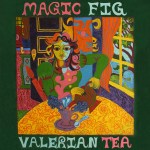
Effortlessly blending the heady mystique of Broadcast with the baroque playfulness of Friends-era Beach Boys, San Francisco psych-pop experimentalists Magic Fig return with the first taste of their forthcoming full length debut Valerian Tea.
The album’s title track builds on the theme’s of last year’s self-titled EP, with Inna Showalter’s sun dappled vocals once again wrapping themselves around inventive, ever evolving arrangements. “Valerian root extract was a popular remedy for anxiety and insomnia in Eastern Europe where I was born,” Inna explains. “The song is an exploration of how I was shaped and influenced by the experiences of my maternal lineage. This one was really fun and effortless for me and gave me the chance to experiment and take some risks.”
I got something really exciting in the mail recently: my complimentary copy of The Routledge Handbook to Metal Music Composition, which features my latest publication about metal, a chapter about metal’s tonal roots in the blues and the evolution of a common musical structure I call a “riff turnaround.” This new edited volume is really an important moment for the musicological study of metal, featuring a who’s-who of folks currently writing on the topic.
The editors put in a fanatical amount of work to put this collection together—especially Lori Burns, who has severalsuchcollections that have either just come out or are in process. This one is really a huge service to metal studies, giving tons of early-career scholars a chance to get their work published and helping those of us who are already published get a boost to our citation counts. And the collaboration between the editors and the individual chapter authors are drawing a huge web of scholarship into coherent field rather than a bunch of disconnected one-shot publications. I can’t wait to read the other chapters!
Here’s some more information about my chapter:
Title: “Recognizing Tonal Momentum and Echoes of Past Styles in Riff Turnarounds”
Abstract: Riffs are often described in terms of their propulsive rhythm, but they also create a sense of forward motion through tonal momentum. This is especially true in “riff turnarounds,” figures added after multiple repetitions of a riff to create additional momentum, which often demarcate sections within a song’s form. One factor that contributes to this impression of momentum is when a listener recognizes a riff turnaround as a recurrence of a melodic motion they have heard before. This recognition of similarity allows a “transference” (Scotto 2019) of scale degree functions and tonal momentum from one song to another. Through this recognition and transference, each listener can hear echoes of older styles of blues, rock, and metal in newer music-even in styles like progressive metal which substantially depart from those traditions.
Here are some of the songs I discuss in this chapter. You might recognize a few of them from previous posts on this blog (linked).
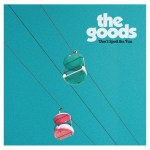
Returning with a gently uplifting yet melancholic sigh as we wave goodbye to summer, Oakland based Rob Good (Ryli) announces his band The Goods’ full length debut Don’t Spoil The Fun with shimmering lead track April Fools.
A bittersweet paean to the complexities of human connection, Good explains the song thus: “It’s about being tugged around by someone else’s ever-changing moods, someone who drives you up the wall but who you’re nevertheless drawn to, almost because of how crazy they make you.”
Joined by bassist Cherron Arens and guitarist Gabriel Monnot, The Goods have perfected a timeless pop formula loaded with arpeggios and heart warming harmonies. Be sure to keep those soaring summer memories alive by letting this most beautiful music into your life.
Don’t Spoil The Fun arrives 24th October on Dandy Boy Records. You can pre-order here.
The 70’s rock music era shaped the sound of modern rock. It was a decade filled with innovation, rebellion, and creativity. Rock bands pushed boundaries, experimented with styles, and delivered albums that stood the test of time. These records became the foundation for countless artists in the decades that followed.
The 1970s offered something for everyone. From heavy riffs and progressive sounds to glam and psychedelic tones, the variety was unmatched. Legendary groups such as Led Zeppelin, Pink Floyd, and Fleetwood Mac released groundbreaking albums. At the same time, artists like David Bowie and Bruce Springsteen crafted records that redefined rock storytelling.
This list highlights 10 albums you must hear if you want to explore the richness of 70’s rock music. Each one captures the energy, spirit, and influence of the decade. Whether you’re a long-time fan or just discovering the genre, these albums deserve a place in your collection.
1. Led Zeppelin – Led Zeppelin IV (1971)
Few albums embody 70’s rock music as strongly as Led Zeppelin’sLed Zeppelin IV. Released in 1971, it became a landmark in rock history. The record blends heavy riffs, blues roots, and mythical themes.
The tracklist features classics like “Stairway to Heaven”, “Black Dog”, and “Rock and Roll.” Each song highlights the band’s unmatched musicianship. Jimmy Page’s guitar work, Robert Plant’s soaring vocals, and John Bonham’s thunderous drumming created magic.
What makes this album iconic is its diversity. From the folk-inspired “The Battle of Evermore” to the powerful “When the Levee Breaks”, it delivers a complete rock experience. It remains one of the best-selling albums of all time.
Led Zeppelin IV is essential for anyone exploring 70’s rock music. It captures the decade’s spirit and proves why Led Zeppelin are often hailed as the greatest rock band.
2. Pink Floyd – The Dark Side of the Moon (1973)
When talking about 70’s rock music, Pink Floyd’sThe Dark Side of the Moon is impossible to ignore. Released in 1973, it became one of the most influential albums ever. Its sound was groundbreaking, mixing progressive rock with experimental production.
Tracks like “Time”, “Money”, and “Us and Them” showcase the band’s ability to blend thought-provoking lyrics with complex arrangements. The record explores themes of life, mortality, and society. Its seamless flow makes it feel like one long piece rather than a collection of songs.
The album also changed live performances. Pink Floyd’s use of visuals and sound effects created immersive shows that redefined concerts. The Dark Side of the Moon stayed on the Billboard charts for an incredible 741 weeks.
This record is more than music; it’s an experience. For anyone diving into 70’s rock music, it is a masterpiece you cannot skip.
3. Fleetwood Mac – Rumours (1977)
In 1977, Fleetwood Mac released Rumours, one of the most iconic albums in 70’s rock music. It’s a mix of rock, pop, and folk, filled with emotional depth and unforgettable melodies.
The album includes timeless hits like “Go Your Own Way”, “Dreams”, and “Don’t Stop.” These songs capture the personal struggles of the band members during its recording. Their relationships were breaking apart, but the tension fueled their creativity.
Rumours is polished yet deeply personal. Stevie Nicks’ vocals shine, while Lindsey Buckingham and Christine McVie deliver some of their strongest work. The harmonies and production make it both intimate and universal.
It sold over 40 million copies worldwide, cementing its place in rock history. For those exploring 70’s rock music, Rumours is essential. It shows how rock could be raw, emotional, and commercially successful at the same time.
4. David Bowie – The Rise and Fall of Ziggy Stardust and the Spiders from Mars (1972)
David Bowie was a pioneer of glam rock, and his 1972 album Ziggy Stardust is a cornerstone of 70’s rock music. With this record, Bowie created the alter ego Ziggy Stardust, a flamboyant rock star who captured the world’s imagination.
The album blends storytelling with innovation. Songs like “Starman”, “Suffragette City”, and “Moonage Daydream” became anthems. Bowie’s ability to merge theatre, fashion, and rock set him apart from his peers.
What makes Ziggy Stardust stand out is its concept. The record tells the story of Ziggy’s rise and fall, weaving together glam rock’s flamboyance with meaningful lyrics. Bowie’s bold style challenged norms and influenced countless artists.
This album defined glam rock and left a permanent mark on 70’s rock music. It’s not just an album but a cultural moment that shaped rock’s future.
5. Bruce Springsteen – Born to Run (1975)
Released in 1975, Bruce Springsteen’sBorn to Run captured the heart of American rock. It quickly became one of the defining albums of 70’s rock music.
The title track, “Born to Run”, remains one of Springsteen’s greatest songs. Its driving rhythm, passionate lyrics, and full-band energy define his sound. Other standouts include “Thunder Road” and “Jungleland”, both filled with vivid storytelling.
What set this album apart was its ambition. Springsteen aimed to create a record that felt big and cinematic. With the E Street Band, he built a wall of sound that carried his stories of youth, freedom, and dreams.
Born to Run established Springsteen as a rock legend. For anyone exploring 70’s rock music, this album is a reminder of how rock can inspire and connect deeply with listeners.
6. The Rolling Stones – Exile on Main St. (1972)
The Rolling Stones delivered their masterpiece with Exile on Main St. in 1972. Often cited as one of the greatest albums in 70’s rock music, it blended rock, blues, and soul.
Recorded in a French villa under chaotic conditions, the album’s raw energy makes it special. Tracks like “Tumbling Dice”, “Rocks Off”, and “Happy” capture the band’s rebellious spirit.
The double album format allowed the Stones to explore different sounds. From blues-driven grooves to gospel-inspired moments, it showcased their versatility. Its messy brilliance became part of its charm.
Though not initially praised, Exile on Main St. grew into a classic. Today, it stands as one of the boldest statements in 70’s rock music and proves why the Stones earned their title as “The World’s Greatest Rock and Roll Band.”
7. The Who – Who’s Next (1971)
In 1971, The Who released Who’s Next, a powerful entry in 70’s rock music. It came after the abandoned “Lifehouse” project, with many of its songs reworked for this album.
The record features some of the band’s greatest tracks. “Baba O’Riley”, “Behind Blue Eyes”, and “Won’t Get Fooled Again” are unforgettable. These songs highlight Pete Townshend’s songwriting and Roger Daltrey’s commanding vocals.
Who’s Next combined rock energy with synthesizers, making it innovative for its time. The band balanced raw power with thoughtful lyrics, addressing themes of rebellion and change.
It remains a defining album in 70’s rock music. For fans seeking both intensity and innovation, Who’s Next is essential listening.
8. Queen – A Night at the Opera (1975)
Queen’sA Night at the Opera was released in 1975 and became one of the most ambitious albums in 70’s rock music. Known for its variety, it mixed hard rock, ballads, and even opera influences.
The standout track, “Bohemian Rhapsody”, redefined what a rock single could be. With its operatic sections, heavy riffs, and emotional piano, it remains one of the greatest songs ever recorded.
Other highlights include “You’re My Best Friend” and “Love of My Life.” The album showcases Freddie Mercury’s theatrical style, Brian May’s guitar brilliance, and the band’s willingness to experiment.
A Night at the Opera proved rock could be bold and artistic while still reaching massive audiences. It’s a vital part of 70’s rock music and a testament to Queen’s creativity.
9. Black Sabbath – Paranoid (1970)
The birth of heavy metal can be traced back to Black Sabbath’sParanoid. Released in 1970, it became a cornerstone of 70’s rock music and a blueprint for metal.
Tracks like “War Pigs”, “Paranoid”, and “Iron Man” are legendary. Their heavy riffs, dark themes, and powerful delivery defined a new sound. Tony Iommi’s guitar tone and Ozzy Osbourne’s haunting vocals created something entirely different.
Paranoid stood out from other records of the era. While many bands focused on psychedelic or progressive sounds, Black Sabbath embraced darkness and heaviness. This choice made them pioneers.
For fans of 70’s rock music, Paranoid is essential. It shows how the decade produced not just classics but entire new genres.
The title track, “Hotel California”, is unforgettable. Its haunting lyrics and dual guitar solo have made it a timeless anthem. Other songs like “New Kid in Town” and “Life in the Fast Lane” also became hits.
The album explored themes of excess, disillusionment, and the darker side of fame. With its blend of rock and country influences, it captured the spirit of the American 1970s.
Hotel California has sold over 30 million copies worldwide. It remains a cultural touchstone and a must-hear for anyone exploring 70’s rock music.
The Bottom Line
The 1970s gave us some of the most legendary records in rock history. Each of these 10 albums represents the creativity and diversity of 70’s rock music. From the heavy riffs of Black Sabbath to the emotional harmonies of Fleetwood Mac, the decade produced a soundtrack that still resonates today.
These albums didn’t just entertain; they shaped culture. They pushed rock into new directions, inspired generations, and built legacies that endure. The stories, sounds, and emotions captured in these records remain timeless.
If you want to understand the roots of modern rock, start here. Whether it’s the epic storytelling of Springsteen, the innovation of Pink Floyd, or the raw power of The Who, these albums will take you on a journey. Dive into them, and experience the essence of 70’s rock music at its very best.
Numen are a Spanish band whose musical consistency, so far from any commercial benefits and strongly rooted in the neo-prog soil, I surely appreciate. Since their debut album “Samsara” they displayed a nice bend for melodies and considerable instrumental skills. This song comes precisely from “Samsara” and I know many of you would have singled out other and more complex compositions from this album… but I hope you’ll forgive me as you know how much I like a well done and well played pastoral song.
Didn’t I say that Numen also like beautiful artworks for their releases?
This is exacly the case with “Lady Time”, where a well found theme lies on a smooth sonic carpet and the listener can also find some beautiful guitar solos and a delicious flute work. Furthermore, there is a very clever and unpredictable change of mood around minute 3:25, when the Camel-esque pastoral song becomes more Marillion-esque and, believe me, this is simply perfect for my ears.