Category: news

  • 10 Popular Types of Rock Music Genres You Should Know

    Rock music has always been a driving force in shaping popular culture. From rebellious anthems to experimental soundscapes, it has evolved across decades. With so many styles, it can be hard to know where to begin. That’s why exploring the different types of rock music genres is essential for anyone who loves music.

    These genres capture the energy, identity, and creativity of countless musicians. Each one offers a unique sound, history, and influence on the wider music scene. By understanding them, you can trace the roots of modern rock and its ongoing impact.

    From the gritty distortion of punk rock to the soaring ballads of classic rock, every subgenre tells a story. Some pushed boundaries in politics and style, while others redefined performance and production.

    In this guide, we’ll break down 10 of the most popular and influential types of rock music genres you should know.

    1. Classic Rock

    Classic rock emerged in the 1960s and 70s, and it remains a cornerstone of rock history. This genre grew from the pioneering work of bands like The Beatles, The Rolling Stones, and Led Zeppelin. It’s defined by powerful riffs, memorable lyrics, and timeless albums.

    Classic rock often blends blues, folk, and hard rock. For instance, Pink Floyd’s The Dark Side of the Moon stands as a masterpiece of progressive storytelling. Meanwhile, Queen’s Bohemian Rhapsody shows how theatrical performance and rock could collide.

    Fans of classic rock appreciate its universal appeal. It speaks to older generations who grew up with it, as well as younger fans discovering it for the first time. Even today, radio stations and playlists keep this genre alive.

    The legacy of classic rock cannot be overstated. Many of its songs are still stadium anthems, from AC/DC’s Back in Black to Aerosmith’s Dream On. It set the stage for nearly all other types of rock music genres that followed.

    2. Punk Rock

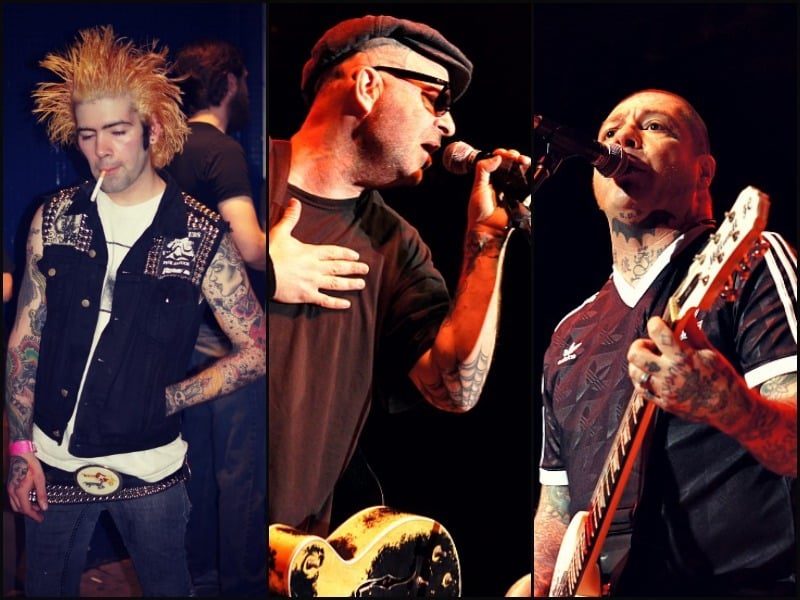
    Punk rock exploded in the mid-1970s as a response to polished mainstream rock. It was raw, aggressive, and stripped down to basics. Bands like The Ramones, Sex Pistols, and The Clash led the way.

    This genre’s sound relied on fast tempos, three-chord progressions, and rebellious lyrics. The goal was to be loud, direct, and unapologetic. The Ramones’ Blitzkrieg Bop and Sex Pistols’ Anarchy in the U.K. are prime examples of its unfiltered power.

    Beyond the sound, punk rock was also about attitude and identity. It became a cultural movement with fashion, politics, and lifestyle tied to it. Safety pins, leather jackets, and DIY ethics defined its spirit.

    The influence of punk remains strong. Bands such as Green Day and Blink-182 modernised the style, creating pop-punk that dominated the 1990s and 2000s. Punk’s energy shaped many other types of rock music genres, proving its lasting significance.

    3. Alternative Rock

    Alternative rock gained popularity in the 1980s and peaked during the 1990s. It was a broad category that included diverse sounds. Bands like R.E.M., Nirvana, and Radiohead reshaped rock with experimental approaches.

    Alternative rock often rejected mainstream trends. Instead, it embraced originality, authenticity, and underground credibility. Nirvana’s Smells Like Teen Spirit became the anthem of Generation X, launching grunge into global fame.

    This genre’s flexibility made it a home for innovation. Radiohead’s OK Computer fused rock with electronic influences, while Pearl Jam carried forward raw, emotional storytelling. Each band brought something unique, adding to the richness of the movement.

    By the late 90s, alternative rock dominated festivals and radio. Its rebellious yet thoughtful approach inspired countless bands. Today, it remains one of the most diverse types of rock music genres, constantly adapting to new sounds.

    4. Hard Rock

    Hard rock carved out its identity in the late 1960s, combining heavy riffs with blues-based roots. Bands like Deep Purple, Aerosmith, and Van Halen became legends with their thunderous sounds.

    The genre is known for distorted guitar, strong basslines, and powerful vocals. Led Zeppelin’s Whole Lotta Love and Guns N’ Roses’ Sweet Child O’ Mine are iconic hard rock tracks. These songs show the perfect mix of melody and raw force.

    Hard rock concerts became legendary for their energy and spectacle. Bands filled stadiums with electrifying performances, making the live experience just as important as the music itself.

    Even today, bands like Foo Fighters continue to carry the hard rock torch. As one of the boldest types of rock music genres, it bridges the gap between classic rock and heavy metal.

    5. Heavy Metal

    Heavy metal took rock to a darker, louder level. Starting in the late 60s and 70s, bands like Black Sabbath, Judas Priest, and Iron Maiden shaped the genre.

    Characterised by intense guitar riffs, double bass drumming, and soaring vocals, heavy metal pushes musical limits. Metallica’s Master of Puppets and Black Sabbath’s Paranoid remain defining tracks.

    Metal also spawned countless subgenres, including thrash, death metal, and symphonic metal. Each subgenre added new layers of complexity, from extreme speed to orchestral grandeur.

    The community around heavy metal is powerful and global. Fans embrace its identity with festivals like Wacken Open Air. As one of the most influential types of rock music genres, heavy metal continues to inspire loyalty and innovation.

    6. Grunge

    Grunge originated in Seattle during the late 1980s and early 1990s. It combined punk’s raw energy with heavy metal’s distorted sound. Bands like c, Soundgarden, and Alice in Chains defined the movement.

    The genre often featured heavy guitar tones, angst-driven lyrics, and stripped-down production. Nirvana’s Nevermind album, especially the track Smells Like Teen Spirit, catapulted grunge into mainstream culture.

    Grunge wasn’t just about music—it was a lifestyle. Flannel shirts, thrift store fashion, and an anti-commercial attitude became trademarks of the scene. It represented disillusionment and authenticity.

    Though the movement faded after the mid-90s, its impact is undeniable. Many bands still draw from its style, proving grunge remains a crucial part of the wider types of rock music genres.

    7. Progressive Rock

    Progressive rock, or prog rock, thrived in the late 1960s and 70s. It aimed to expand the boundaries of rock by incorporating classical, jazz, and experimental elements. Bands like Yes, Genesis, and King Crimson led this movement.

    Prog rock is famous for long songs, unusual time signatures, and concept albums. Pink Floyd’s The Wall and Yes’s Close to the Edge are excellent examples of its ambition.

    The genre appealed to fans seeking more than standard rock structures. Musicianship, storytelling, and complexity defined its identity. It often challenged listeners while offering a theatrical experience.

    While its mainstream peak has passed, prog rock still influences modern bands. As one of the most ambitious types of rock music genres, it left a lasting mark on how rock could sound and evolve.

    8. Indie Rock

    Indie rock came to prominence in the 2000s, though its roots stretch back further. It describes independent bands creating music outside the major label system. Groups like Arctic Monkeys, The Strokes, and The White Stripes helped define it.

    This genre often embraces a DIY ethic, lo-fi production, and creativity over commercial appeal. The Strokes’ Is This It and Arctic Monkeys’ Whatever People Say I Am, That’s What I’m Not became cultural touchstones.

    Indie rock appeals to listeners seeking authenticity. It offers raw storytelling, simple yet catchy riffs, and relatable lyrics. Its variety makes it one of the most flexible types of rock music genres.

    Today, indie rock thrives through streaming platforms and festivals. Its spirit of independence continues to shape modern rock culture worldwide.

    9. Glam Rock

    Glam rock took off in the early 1970s, combining rock music with flamboyant style and theatrical performance. Artists like David Bowie, T. Rex, and Roxy Music embodied its glittering sound and visuals.

    The genre focused on catchy hooks, bold outfits, and androgynous personas. David Bowie’s Ziggy Stardust remains a defining album. Meanwhile, T. Rex’s Get It On showcased how glam blended pop sensibility with rock energy.

    Fans loved glam rock for its escapism. Concerts were colourful spectacles full of costumes, makeup, and lights. It wasn’t just music—it was performance art.

    Though glam rock declined in the late 70s, it influenced later genres like glam metal and pop rock. As one of the most stylish types of rock music genres, it celebrated individuality and theatricality.

    10. Psychedelic Rock

    Psychedelic rock flourished in the late 1960s during the counterculture movement. It aimed to recreate the mind-expanding experiences of psychedelics. Bands like The Doors, Jefferson Airplane, and The Grateful Dead pioneered this genre.

    It featured experimental sounds, extended jams, and surreal lyrics. The Beatles’ Sgt. Pepper’s Lonely Hearts Club Band is a milestone of psychedelic exploration. The Doors’ Light My Fire is another classic example.

    Concerts became immersive experiences with light shows and improvisation. The genre often encouraged breaking away from conventional song structures.

    Although its peak was brief, psychedelic rock influenced progressive rock, alternative rock, and modern experimental music. It remains one of the most creative types of rock music genres to this day.

    The Bottom Line

    Rock music is not just one sound but a universe of styles. From the raw simplicity of punk rock to the elaborate storytelling of prog rock, each genre carries its own identity. These types of rock music genres reflect different generations, cultures, and artistic visions.

    By exploring these 10 genres, you can see how rock evolved and how it continues to inspire. Some genres, like classic rock and heavy metal, remain staples of global culture. Others, like indie rock and grunge, highlight the power of underground movements.

    Understanding these types of rock music genres helps you appreciate the richness of rock’s legacy. It shows how innovation and rebellion shaped one of the most influential forms of music. Whether you’re revisiting old favourites or discovering new bands, rock’s energy will always have a place in the world.

    The post 10 Popular Types of Rock Music Genres You Should Know appeared first on Rock Informer.
  • 7 Iconic 90s Punk Rock Bands That Shaped Music

    The 90s punk rock scene was more than just a sound. It was a movement that broke barriers, challenged norms, and gave a voice to an entire generation. Emerging from underground clubs and DIY shows, the genre quickly made its way into mainstream culture. Its raw energy, political edge, and rebellious spirit shaped both music and fashion throughout the decade.

    Bands like Green Day, The Offspring, and Rancid helped fuel this revolution with records that still define the era today. Their success brought punk into the spotlight without stripping away its authenticity. At the same time, smaller acts maintained the underground fire that inspired countless new musicians.

    The 90s became a golden age for punk, blending catchy hooks with anthems of resistance. In this article, we’ll look at 7 iconic bands that not only defined 90s punk rock but also influenced generations to come.

    1. Green Day

    Green Day 90s Punk Rock
    Green Day 90s Punk Rock – Credit: Tom Field

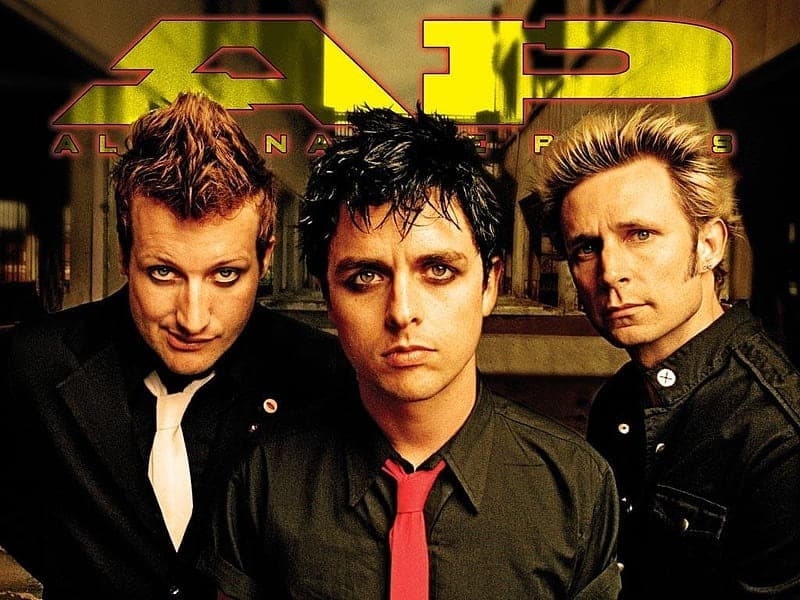
    Few bands shaped the mainstream rise of 90s punk rock like Green Day. Their 1994 album Dookie changed everything. With hits like “Basket Case”, “When I Come Around”, and “Longview”, they brought punk to radio and MTV.

    What made them stand out was their balance between rebellion and melody. Their sound mixed catchy pop hooks with raw punk riffs. Frontman Billie Joe Armstrong gave a voice to disillusioned youth, while drummer Tré Cool and bassist Mike Dirnt powered the music with infectious energy.

    Dookie sold millions of copies worldwide, winning a Grammy and pushing punk into the mainstream. Yet, despite success, the band maintained credibility within the scene. They kept the spirit of punk alive while opening doors for others.

    Green Day’s influence continues today. From arena tours to political albums like American Idiot, their legacy proves how powerful 90s punk rock was in shaping modern music.

    2. The Offspring

    The Offspring 90s Punk Rock
    The Offspring 90s Punk Rock – Credit: Getty Images

    When The Offspring released Smash in 1994, they redefined what independent punk could achieve. The album sold over 10 million copies worldwide, making it one of the best-selling independent records ever. Songs like “Come Out and Play” and “Self Esteem” became cultural anthems.

    Their music combined high-energy riffs with humor, angst, and unforgettable hooks. Frontman Dexter Holland’s sharp vocals and Noodles’ guitar work gave them a distinct edge. Unlike many bands of the time, they balanced aggressive punk with radio-friendly appeal.

    The band’s DIY ethic never disappeared. Even after signing to a major label, they carried forward the raw energy of their early days. Albums like Ixnay on the Hombre and Americana produced more classics, including “Pretty Fly (for a White Guy)”.

    By blending fun, rebellion, and sharp songwriting, The Offspring became a cornerstone of 90s punk rock. Their influence stretched across punk, alternative rock, and even pop-punk scenes.

    3. Rancid

    Rancid 90s Punk Rock
    Rancid 90s Punk Rock – Credit: Bing Images

    Born from the ashes of Operation Ivy, Rancid carried the ska-punk torch into the 90s. Their 1995 album …And Out Come the Wolves remains one of the most celebrated punk records of the era. Tracks like “Ruby Soho” and “Time Bomb” perfectly captured the decade’s rebellious pulse.

    Led by Tim Armstrong and Lars Frederiksen, the band blended street punk, ska, and hardcore influences. Their gritty style connected deeply with fans who craved authenticity. Unlike some peers who leaned pop, Rancid kept the raw, working-class spirit alive.

    Their songs addressed real struggles—poverty, identity, and resistance—while keeping the music upbeat and powerful. This honesty made them anthems for outsiders.

    Even as punk hit the mainstream, Rancid remained loyal to their roots. Their continued presence in the scene shows how central they are to the story of 90s punk rock.

    4. Bad Religion

    Bad Religion 90s Punk Rock
    Bad Religion 90s Punk Rock – Credit: Press

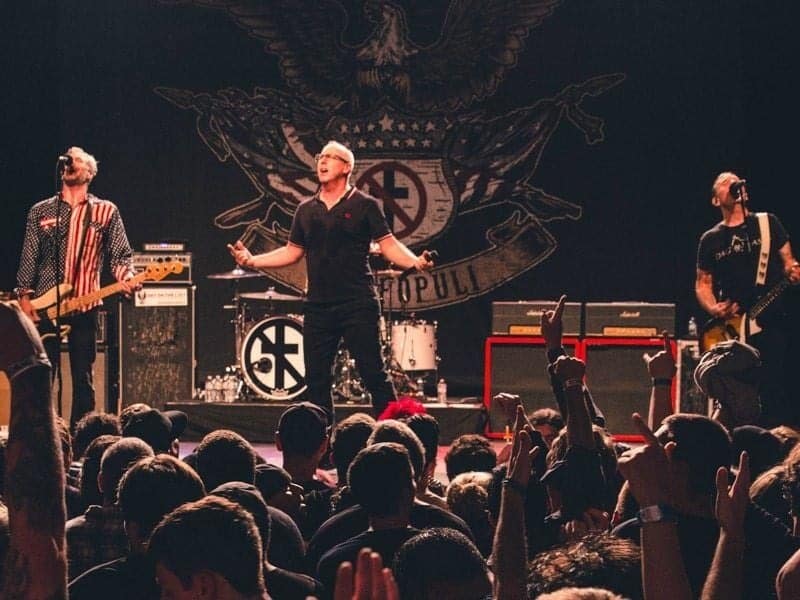
    Before the 90s boom, Bad Religion had already laid the groundwork. By the early 90s, their sharp lyrics and fast riffs made them leaders of the punk revival. Albums like Against the Grain (1990) and Generator (1992) influenced countless younger bands.

    Their style combined intellectual lyrics with speed and precision. Songs tackled politics, science, and society. Frontman Greg Graffin’s background in biology gave the band a unique voice.

    The release of Recipe for Hate (1993) and Stranger Than Fiction (1994) expanded their reach. Tracks like “21st Century (Digital Boy)” resonated with mainstream audiences while staying true to their punk core.

    Bad Religion’s role in shaping 90s punk rock cannot be overstated. They influenced bands like Green Day and The Offspring, proving punk could be both smart and accessible. Their impact remains clear in today’s political punk.

    5. NOFX

    NOFX 90s Punk Rock
    NOFX 90s Punk Rock – Credit: Jamie Ford

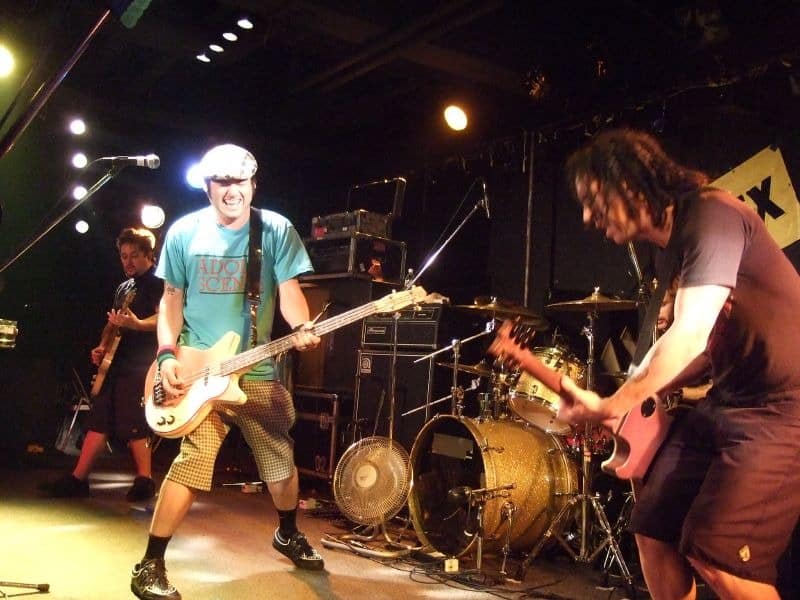
    With humor, chaos, and raw punk energy, NOFX became one of the most beloved bands of the decade. Fronted by Fat Mike, they brought a unique mix of sarcasm, politics, and speed.

    Albums like White Trash, Two Heebs and a Bean (1992) and Punk in Drublic (1994) cemented their place in history. Songs like “Linoleum” remain essential to the 90s punk rock soundtrack.

    Unlike many peers, they avoided major labels. Their DIY approach inspired countless bands to stay independent. With Fat Wreck Chords, Fat Mike also gave a platform to many emerging punk acts.

    Their mix of comedy and serious commentary made them stand out. Fans loved their unpredictable shows and their refusal to take themselves too seriously. NOFX embodied the chaotic, rebellious side of the decade’s punk movement.

    6. Pennywise

    Pennywise 90s Punk Rock
    Pennywise 90s Punk Rock – Credit: Google Images

    Hailing from Hermosa Beach, Pennywise became known for their mix of aggression and positivity. Their self-titled 1991 debut and 1993’s Unknown Road set the stage for their breakthrough album About Time (1995).

    Songs like “Bro Hymn” became anthems of unity. Their music combined skate-punk speed with uplifting messages about friendship, perseverance, and rebellion.

    Unlike darker punk bands, Pennywise often leaned on themes of hope and solidarity. This gave them a special place in the scene. Fans connected not just to their sound but to the sense of community their music created.

    Their powerful live shows also made them legends. As leaders of the Southern California punk scene, Pennywise embodied the true spirit of 90s punk rock—fast, fierce, and meaningful.

    Blink-182 90s Punk Rock
    Blink-182 90s Punk Rock – Credit: Getty Images

    Though more pop-oriented, Blink-182 became one of the most successful faces of 90s punk rock. Their 1997 album Dude Ranch and its hit single “Dammit” gave them mainstream attention.

    Their blend of humor, energy, and catchy melodies set them apart. Mark Hoppus, Tom DeLonge, and Travis Barker delivered fast riffs and youthful lyrics that captured the spirit of the decade.

    By the end of the 90s, they had carved out a massive fan base. Their mix of fun and relatability influenced the pop-punk explosion that followed in the early 2000s.

    While critics debated their punk authenticity, their impact is undeniable. Blink-182 helped introduce countless fans to the genre and carried its playful side to new heights.

    The Bottom Line

    The 90s punk rock era reshaped music forever. It brought underground energy into the mainstream while keeping its rebellious heart alive. Bands like Green Day, The Offspring, and Blink-182 reached massive audiences, while groups such as Rancid, NOFX, and Bad Religion kept punk grounded in authenticity.

    This decade wasn’t just about music—it was about culture. The DIY spirit, political messages, and raw energy defined a generation. These bands gave voice to the misfits, the dreamers, and those who refused to conform.

    Today, their influence remains everywhere. Modern punk, pop-punk, and alternative acts still draw from their legacy. The soundtracks of rebellion they created continue to inspire new artists and fans.

    In the end, these 7 bands proved that 90s punk rock was more than a genre—it was a movement that still echoes across stages and playlists worldwide.

    The post 7 Iconic 90s Punk Rock Bands That Shaped Music appeared first on Rock Informer.

  • 8 Must-Listen Australian Punk Bands You Should Know

    Australia’s music scene has always punched far above its weight. This is especially true for its vibrant and often confrontational punk rock history. The story of Australian punk bands is one of raw energy, DIY spirit, and a defiant attitude that echoed from Sydney’s beaches to Melbourne’s laneways. While the world looked to London and New York in the late 1970s, a revolution was brewing Down Under. These bands crafted a uniquely Antipodean sound, often blending surf rock, sharp social commentary, and pure, unadulterated fury.

    Furthermore, the legacy of these foundational groups paved the way for successive waves of artists. These new acts carried the torch onto the international stage. From the pioneering saints of the 70s to the global icons of the 90s and the vital voices of today, this list celebrates the essential Australian punk bands you need in your life. Therefore, prepare to discover a rich musical tradition built on three chords, a strong opinion, and an undeniable passion. This journey will showcase the relentless spirit that defines Australian punk.

    1. The Saints

    When discussing the origins of punk rock, most histories focus on the CBGBs and The Sex Pistols. However, halfway across the world, The Saints were brewing a revolution of their own in Brisbane. Incredibly, they independently released their classic single “(I’m) Stranded” in 1976. This was before the iconic British punk bands had even released their first records. The song’s frantic pace, snarling vocals, and raw production quality made it an instant classic. Consequently, the band earned a reputation as one of the planet’s first punk acts.

    Their 1977 debut album, also titled (I’m) Stranded, is a landmark release. It captured a ferocious energy that was entirely their own. Tracks like “Erotic Neurotic” and the title track are pure, unrefined punk anthems. Unlike some of their contemporaries, The Saints blended this intensity with the rock and roll swagger of bands like The Rolling Stones. This unique combination set them apart from the very beginning. They proved that Australian punk bands could not only compete with international acts but could also lead the charge.

    2. Radio Birdman

    Formed in Sydney in 1974, Radio Birdman was another foundational pillar of the Australian punk scene. Their sound was a unique and powerful fusion of high-energy Detroit rock (think MC5 and The Stooges) and surf guitar licks. This created a distinctive, fuel-injected style that was entirely their own. They were instrumental in creating a dedicated community, even establishing their own venue, the Oxford Funhouse. This space became the epicenter for Sydney’s burgeoning punk and alternative scene.

    The band’s seminal album, Radios Appear, is an essential listen. Tracks like “Aloha Steve & Danno” and “Descent into the Maelstrom” are relentless, driving, and technically proficient. Radio Birdman’s influence cannot be overstated. They inspired countless musicians with their intense live performances and uncompromising vision. Alongside The Saints, they demonstrated the diversity and power of the early Australian punk bands movement. Their legacy continues to resonate with fans of high-energy rock and roll worldwide.

    3. The Hard-Ons

    Emerging from the western suburbs of Sydney in the early 1980s, The Hard-Ons became legendary for their chaotic live shows and infectious blend of punk music, pop, and metal. As a multicultural band with members of Croatian and Korean heritage, they broke barriers in a predominantly white scene. They are arguably one of Australia’s most successful independent bands ever. They achieved massive chart success entirely on their own terms, without major label support.

    Their sound is a joyous, raucous explosion. Hits like “Girl In the Sweater” and “Where Did She Come From?” feature buzzsaw guitars, catchy melodies, and an undeniable sense of fun. The band’s prolific output and DIY ethos, releasing records through their own label, made them icons. The Hard-Ons proved that Australian punk bands could achieve widespread popularity while maintaining complete creative control and their underground credibility.

    4. Cosmic Psychos

    If there is one band that embodies the sheer, unpretentious, beer-swilling spirit of a certain strand of Australian culture, it is the Cosmic Psychos. Hailing from Melbourne’s outer suburbs, this trio has been delivering their signature “bogan punk” since the mid-80s. Their music is simple, loud, and brutally effective. It is built on a foundation of fuzzed-out bass lines, pounding drums, and lyrics about trucks, beer, and frustration.

    The band’s influence is immense. American grunge icons like Mudhoney have cited them as a major inspiration. Albums like Blokes You Can Trust and Self Totalled are masterclasses in minimalist rock and roll. Anthems like “Dead in a Ditch” and “Nice Day to Go to the Pub” are timeless classics. The Cosmic Psychos represent a uniquely Australian, blue-collar approach to punk. They are a crucial and beloved part of the Australian punk bands tapestry.

    5. Frenzal Rhomb

    For over three decades, Frenzal Rhomb have been the undisputed masters of fast, technically proficient, and hilariously witty punk rock. Known for their blistering speed and clever, often satirical lyrics, they are a national treasure. Songs like “You Can’t Move Into My House” and “Punch in the Face” showcase their ability to tackle absurd topics with incredible musical skill. Their live shows are legendary for their energy and between-song banter.

    Despite numerous line-up changes, the band has maintained a consistently high standard. Albums like A Man’s Not a Camel and Smoko at the Pet Food Factory are packed with catchy, intelligent punk anthems. Frenzal Rhomb successfully bridged the gap between underground punk and mainstream recognition. They appeared on national television and radio without ever diluting their sound or message. They remain a vital force in the world of Australian punk bands.

    6. Bodyjar

    Originally formed as Helmet in the early 90s, Bodyjar became the premier name in Australian pop-punk. Their sound is characterized by soaring melodies, crisp production, and an undeniable connection to skate culture. They were the soundtrack for a generation of Australian teens. Their breakthrough album, No Touch Red, and its follow-up, How It Works, are packed with infectious, high-energy anthems.

    Tracks like “Not the Same” and “Fall to the Ground” achieved significant airplay. They even had their music featured in the Tony Hawk’s Pro Skater video game series. This introduced them to a global audience. Bodyjar demonstrated that Australian punk bands could craft perfect, radio-friendly punk songs without sacrificing their integrity or edge. They continue to be a beloved and influential act in the genre.

    7. The Living End

    The Living End exploded onto the scene in the late 1990s with a unique and explosive sound. They fused punk rock energy with 1950s rockabilly and psychobilly influences. Their signature instrument was the upright double bass, played with a punk rock ferocity by Scott Owen. This, combined with Chris Cheney’s virtuosic guitar work, created a style that was instantly recognizable. Their 1998 self-titled debut album is one of the highest-selling Australian rock debuts of all time.

    It features the iconic double A-side single “Prisoner of Society” / “Second Solution.” This song became a national anthem for disaffected youth. The band’s success proved that Australian punk bands could innovate and achieve massive commercial success by blending genres. Over their long career, they have continued to evolve while always retaining the powerful energy that first made them stars.

    8. Amyl and The Sniffers

    In recent years, no band has revitalized the Australian punk scene quite like Amyl and The Sniffers. Their arrival felt like a lightning bolt. They delivered a raw, raucous, and unapologetic take on pub rock and 70s-style punk. Frontwoman Amy Taylor is a force of nature, a captivating and explosive performer who commands every stage. Their self-titled 2019 album, Amyl and The Sniffers, won the ARIA Award for Best Rock Album. It brought them international acclaim.

    Songs like “Hertz” and “Some Mutts (Can’t Be Muzzled)” are pure, adrenaline-fueled anthems. The band’s success has shone a global spotlight on the contemporary wave of Australian punk bands. They have inspired a new generation of musicians. Amyl and The Sniffers embody the same rebellious, DIY spirit that fueled the pioneers of the 1970s. They are the undeniable modern champions of the scene.

    More Essential Australian Punk Bands

    The depth of talent in the Australian punk scene is incredible. Beyond the bands already featured, several other acts are absolutely essential listening.

    • X: Formed in 1977, X is one of Australia’s most critically acclaimed punk bands. Their poetic lyrics and innovative sound, blending punk with rock and blues, make albums like X-Aspirations timeless classics.
    • The Chats: Hailing from the Sunshine Coast, The Chats burst onto the scene with their viral hit “Smoko.” They embody a new wave of DIY, oi-influenced punk. Their music is a hilarious and gritty portrayal of Australian life.
    • C.O.F.F.I.N.: Standing for Children Of Finland Fighting In Norway, this Sydney band delivers a blistering mix of punk, hard rock, and pure chaos. Their live shows are renowned for their intensity and wild energy.

    The Bottom Line

    The legacy of Australian punk bands is a powerful and enduring one. It is a story of innovation born from isolation and global influence achieved through sheer determination. From the groundbreaking sounds of The Saints and Radio Birdman to the global success of The Living End and the modern fury of Amyl and The Sniffers, these artists have consistently delivered music with passion, intelligence, and raw power. They have created a unique sonic identity that resonates with audiences worldwide.

    Exploring these 8 bands provides only a glimpse into a incredibly rich and diverse ecosystem. The scene continues to thrive today with countless new artists pushing the boundaries of the genre. Therefore, this list is not an endpoint but a starting point for a deeper musical discovery. Dive into the albums, feel the energy of the live recordings, and support the ongoing journey of these incredible artists.

    The post 8 Must-Listen Australian Punk Bands You Should Know appeared first on Rock Informer.
  • 10 Best Industrial Rock Bands of All Time

    Are you ready to dive into the gritty, experimental world of industrial rock bands? This genre blends metal, punk, and electronic music to produce some of the most innovative and intense music ever created. So get ready to explore our curated list of the most influential and groundbreaking industrial rock bands of all time! We will discuss their impact, music, and defining characteristics. From the genre’s pioneers to its modern innovators, this list will give you a comprehensive view into the heart of the industrial rock scene.

    This article explores the very best of the genre, showcasing the acts who pushed boundaries and redefined rock music. Some of these bands are very popular. Others remain cult favorites. Regardless, each has left an undeniable mark on music history. This list is subjective, of course, but considers influence, innovation, and overall impact on the genre. Prepare for a sonic journey. It will be both exhilarating and challenging, as we delve into the world of the most innovative industrial rock bands.

    1. Nine Inch Nails

    Few industrial rock bands have achieved the mainstream success and critical acclaim of Nine Inch Nails. Trent Reznor leads NIN. He blends raw emotion with cutting-edge sound design. The music covers themes of despair, alienation, and societal decay. Reznor’s distinctive vocals and intense stage presence helped propel the band to legendary status.

    Albums like “The Downward Spiral” and “Pretty Hate Machine” are landmarks of the genre. These albums showcase the band’s ability to fuse abrasive sounds with deeply personal lyrics. “Head Like a Hole” and “Closer” are two of their most recognizable hits. These songs became anthems for a generation disillusioned with the mainstream. Nine Inch Nails’ influence is undeniable. It continues to inspire artists across various genres. They have consistently evolved their sound. The band remains a vital force in the music world.

    2. Ministry

    Ministry, fronted by Al Jourgensen, is often credited with helping to define the industrial rock bands sound. Early works leaned towards synth-pop. Ministry later embraced a heavier, guitar-driven sound. They created a ferocious and uncompromising style that became their trademark.

    Albums such as “The Land of Rape and Honey” and “Psalm 69” are considered classics. They combine thrash metal elements with industrial noise and samples. “Just One Fix” became a signature track. It showcases the band’s aggressive energy and cynical worldview. Ministry’s influence on extreme metal and the broader industrial scene is undeniable. Jourgensen’s rebellious spirit and sonic experimentation set a new standard for heavy music.

    3. Skinny Puppy

    From Vancouver, Canada, Skinny Puppy emerged as pioneers of the early industrial rock bands and electronic scene. Their sound is dark and atmospheric. It often combines elements of horror and social commentary.

    Skinny Puppy uses synthesizers, samplers, and unconventional sound sources. This creates a uniquely unsettling sonic landscape. Albums like “VIVIsectVI” and “Too Dark Park” are essential listening for anyone interested in the darker side of industrial music. The band addressed issues such as animal rights, environmental destruction, and political corruption. Their music served as a platform for social and political activism. Skinny Puppy’s influence on electronic music and visual arts is substantial. They continue to be revered for their uncompromising artistic vision.

    4. Rammstein

    Rammstein, hailing from Germany, is one of the most internationally successful industrial rock bands. Their music combines heavy guitars, pounding rhythms, and Till Lindemann‘s distinctive baritone vocals. Their performances are known for their spectacular pyrotechnics and theatrical staging. This makes them a must-see live act.

    Albums like “Sehnsucht” and “Mutter” launched them to global stardom. These works blended heavy metal with industrial elements and electronic textures. Tracks such as “Du Hast” and “Sonne” became international anthems. These songs showcase the band’s ability to craft memorable melodies within a framework of heavy, industrial soundscapes. Rammstein‘s impact on the music world is undeniable. Their distinctive sound and visually stunning performances have made them a unique force.

    5. KMFDM

    KMFDM, originally from Germany, is one of the most prolific and influential industrial rock bands. Sascha Konietzko founded the band. The band’s sound combines elements of industrial, electronic, and metal music. They are known for their politically charged lyrics.

    KMFDM’s satirical and often confrontational lyrics address issues such as social injustice, political corruption, and anti-fascism. Albums like “Angst” and “Nihil” are classics of the genre. Tracks like “Juke Joint Jezebel” and “Light” showcase their ability to create catchy, danceable tracks. These tracks also have heavy, politically charged content. KMFDM‘s extensive discography and consistent output have solidified their place as pioneers of the genre. They continue to be a vital force in the industrial music scene.

    6. Front Line Assembly

    Front Line Assembly (FLA) is a Canadian industrial rock bands. They are known for their complex electronic soundscapes and dystopian themes. Bill Leeb leads the band. The band blends elements of industrial, electronic body music (EBM), and cinematic sound design. This creates a uniquely immersive experience.

    Albums like “Tactical Neural Implant” and “Millennium” are landmarks of the genre. They showcase the band’s ability to create intricate, technologically advanced soundscapes. “Mindphaser” is one of their most well-known tracks. It exemplifies the band’s blend of harsh electronics and melodic elements. Front Line Assembly‘s influence on electronic music and the broader industrial scene is substantial. They continue to push the boundaries of sound design.

    7. Fear Factory

    Fear Factory is an American industrial rock bands that combines death metal with industrial elements. This results in a crushing and futuristic sound. Their use of machine-like rhythms, harsh vocals, and sci-fi themes has made them a significant force in the metal world.

    Albums like “Demanufacture” and “Obsolete” are classics of the genre. They blend heavy metal with industrial elements. Tracks like “Replica” and “Edgecrusher” showcase the band’s ability to create aggressive, technically proficient music. Fear Factory‘s influence on the metal and industrial scenes is undeniable. They continue to be revered for their innovative sound.

    8. Godflesh

    Godflesh, from the UK, is one of the most influential industrial rock bands. Their sound is heavy, bleak, and uncompromising. Their music combines elements of industrial, metal, and noise rock.

    Albums like “Streetcleaner” and “Pure” are landmarks of the genre. They showcase the band’s ability to create oppressive and claustrophobic soundscapes. “Like Rats” is one of their most well-known tracks. It exemplifies their blend of slow, grinding rhythms and harsh vocals. Godflesh‘s influence on the metal, industrial, and noise rock scenes is undeniable. They continue to be revered for their uncompromising artistic vision.

    9. Orgy

    Orgy brought a more accessible, pop-infused sensibility to the industrial rock bands scene. Their blend of industrial sounds with alternative rock melodies made them popular in the late 1990s. Orgy found mainstream success with their cover of New Order’s “Blue Monday”.

    Albums like “Candyass” showcased their ability to create catchy, radio-friendly tracks. These tracks also maintained the dark, electronic edge of the genre. “Stitches” was another hit single. It helped solidify their place in the mainstream rock scene. Orgy‘s influence can be seen in the wave of electronic rock bands that followed in their wake. They successfully blended industrial sounds with a more accessible pop sensibility.

    10. Stabbing Westward

    Stabbing Westward emerged in the mid-1990s. They distinguished themselves with emotionally charged lyrics. They also had a blend of electronic and heavy rock elements. The band achieved mainstream success with albums like “Wither Blister Burn & Peel”.

    Stabbing Westward created a sound that resonated with a wide audience. Tracks like “Save Yourself” and “What Do I Have to Do?” became staples on rock radio. They showcased the band’s ability to combine heavy guitars with introspective lyrics. Stabbing Westward left a lasting mark on the alternative rock scene. They proved that industrial rock bands could also be emotionally resonant and commercially successful.

    The Bottom Line

    The world of industrial rock bands is vast and diverse. The genre offers a unique blend of sonic aggression, experimentation, and social commentary. From the groundbreaking work of Nine Inch Nails to the explosive performances of Rammstein, these bands have pushed the boundaries. They have challenged conventions and created a sound that is both exhilarating and thought-provoking. Their legacies continue to inspire new generations of artists. They ensure that the spirit of industrial rock will live on.

    Exploring these artists and their influential works provides a rich understanding of the genre’s evolution. You also see its enduring appeal. Each band on this list has contributed something unique. They have shaped the landscape of modern music. Whether you’re a long-time fan or new to the genre, these industrial rock bands offer a sonic journey that is both challenging and rewarding. So, turn up the volume and prepare to be immersed in the electrifying world of industrial rock.

    The post 10 Best Industrial Rock Bands of All Time appeared first on Rock Informer.
  • 10 Best American Gothic Rock Bands of All Time

    Gothic rock, with its haunting melodies and introspective lyrics, has captivated music lovers for decades. It is a genre that explores themes of darkness, romance, and existentialism. While often associated with European bands, American gothic rock bands have made significant contributions. They offer a unique perspective and sound to the genre.

    This article delves into the 10 best American gothic rock bands of all time. We will explore their impact, discography, and lasting legacy on the gothic music scene. Prepare to immerse yourself in the shadows as we uncover the best of American gothic. These are bands that have truly defined the genre.

    What Defines American Gothic Rock Bands?

    The term “gothic rock” often conjures images of bands like The Sisters of Mercy or The Mission. However, American gothic rock bands bring their distinct flavor. They infuse elements of punk, alternative rock, and even a touch of Americana into their sound. What sets these bands apart is their lyrical themes. These typically address American anxieties, social issues, and a fascination with the country’s darker history. They craft a soundscape that is both familiar and unsettling.

    Also, American gothic rock bands generally explore the following themes:

    • Social Commentary: Addressing issues specific to the American experience.
    • Unique Sound: Blending gothic elements with American rock influences.
    • Introspective Lyrics: Probing the depths of human emotion and existence.

    The 10 Best American Gothic Rock Bands

    Here are 10 of the best American gothic rock bands, in no particular order:

    1. Christian Death

    Christian Death, fronted by the iconic Rozz Williams, is undeniably a cornerstone of American gothic rock bands. Formed in Los Angeles in the late 1970s, they brought a raw, theatrical edge to the genre. Their debut album, “Only Theatre of Pain“, is a seminal work. The album featured its dark and surreal imagery. The band pushed boundaries and challenged conventions.

    Despite numerous lineup changes and stylistic shifts, Christian Death continued to explore themes of death, religion, and societal decay. The band’s legacy lives on through their influence on countless other artists. Their work continues to inspire new generations of gothic rock enthusiasts. Their artistic impact on music and fashion is undeniable.

    2. 45 Grave

    Hailing from Los Angeles, 45 Grave is another pioneering force in the American gothic scene. Led by the charismatic Dinah Cancer, they blended punk energy with gothic sensibilities. They carved out a unique niche with their campy horror aesthetic. Their song “Partytime in the Psych Ward” became an anthem.

    45 Grave‘s influence extends beyond their music. Their visual style, embracing horror movie tropes, significantly impacted the emerging goth subculture. Although they disbanded and reformed several times, their impact is undeniable. They remain a beloved and influential act.

    3. Super Heroines

    Super Heroines emerged from the vibrant Los Angeles punk scene. They infused their music with a dark, theatrical flair. This earned them a place among the most influential American gothic rock bands. Led by the enigmatic Eva O, their sound was characterized by its powerful vocals and haunting melodies. Super Heroines explored themes of social alienation, personal struggle, and the darker aspects of the human condition.

    Their debut album, “Love and Pain“, is a standout. It showcases their ability to blend raw emotion with a sophisticated gothic sensibility. While their time in the spotlight was relatively brief, their impact on the American gothic rock bands is undeniable. They helped pave the way for many female-fronted gothic bands to follow.

    4. Samhain

    Formed by Glenn Danzig after the dissolution of The Misfits, Samhain marked a departure. It was a departure into darker, more gothic territory. The band’s sound blended punk aggression with occult themes and a decidedly macabre aesthetic. Albums like “Initium” and “November-Coming-Fire” are considered essential listening. These solidify their place among the best American gothic rock bands.

    Samhain‘s influence is far-reaching. It set the stage for Danzig‘s later solo career. Furthermore, it inspired countless bands. Their sound bridged the gap between punk and gothic. Thus, it attracted fans from both subcultures. Their enduring legacy continues to inspire artists today.

    5. Kommunity FK

    Kommunity FK emerged from the Los Angeles punk scene. It brought a distinct sense of theatricality and darkness to their music. Formed in the early 1980s, they blended punk energy with gothic undertones and experimental soundscapes. Their debut album, “The Vision and the Voice“, is a standout. It features driving rhythms and haunting vocals.

    Kommunity FK explored themes of alienation, social unrest, and the darker aspects of the human psyche. They embraced a theatrical stage presence. This made them a favorite among fans of both punk and gothic music. Although they experienced periods of inactivity, their influence remains strong.

    6. Mephisto Walz

    Another creation of Christian Death founder Valor Kand, Mephisto Walz explored a more refined, atmospheric sound. This set them apart from other American gothic rock bands. Their music incorporated elements of darkwave and neo-classical music. It created a rich, layered soundscape.

    Albums like “Crocodile Tears” showcase their ability to craft haunting melodies. They also incorporate intricate instrumentation. Mephisto Walz created a sound that is both beautiful and unsettling. Their music showcases Kand’s evolving musical vision. This band continues to captivate audiences with its dark elegance.

    7. Theatre of Ice

    Theatre of Ice emerged from Salt Lake City. They brought a unique blend of gothic rock, post-punk, and darkwave to the American gothic rock bands. Formed in the early 1980s, they quickly gained a following. This was due to their haunting melodies and introspective lyrics. Led by the enigmatic Brent Johnson, their music explored themes of isolation, despair, and the search for meaning in a bleak world.

    Their albums are a testament to their ability to create atmospheric and emotionally charged music. Theatre of Ice cultivated a dedicated fanbase with their intense live performances. Their work is an important contribution to the landscape of American gothic music.

    8. Shadow Project

    Shadow Project was formed by Rozz Williams. He recruited Eva O after leaving Christian Death. They are one of the more prominent American gothic rock bands. Their sound was a blend of gothic rock, deathrock, and art rock. Their albums featured atmospheric soundscapes and introspective lyrics.

    Shadow Project explored themes of death, religion, and the darker aspects of the human psyche. Their music is both challenging and rewarding. The band was a creative outlet for Williams and O. Their collaboration produced some of the most compelling music of the era.

    9. Black Tape for a Blue Girl

    While often categorized as darkwave, Black Tape for a Blue Girl certainly possesses strong gothic elements. Their ethereal soundscapes and introspective lyrics place them among the noteworthy American gothic rock bands. Led by Sam Rosenthal, the band created a sound that is both beautiful and haunting.

    Their albums are a testament to their ability to craft emotionally resonant music. Black Tape for a Blue Girl has cultivated a dedicated following. This is thanks to their unique sound and thoughtful approach to songwriting. Their contribution to the American dark music scene is undeniable.

    10. The Wake

    Formed in Columbus, Ohio, The Wake is a significant name among American gothic rock bands. They combined the traditional gothic rock sound with elements of new wave and post-punk. Their music is characterized by driving rhythms, haunting melodies, and introspective lyrics.

    Their album “Masked” is a standout. It showcases their ability to blend atmosphere with energy. The Wake has been a consistent presence in the gothic music scene for decades. This is thanks to their dedication to their craft. They continue to release new music.

    The Bottom Line

    American gothic rock bands have left an undeniable mark on the music world. They offer a unique perspective. They blended gothic sensibilities with the American experience. These bands explored the darker side of society. They also experimented with sound. This created a vibrant and diverse scene. From the raw energy of Christian Death to the atmospheric soundscapes of Black Tape for a Blue Girl, these bands have inspired generations. Their music continues to resonate with those who seek darkness, beauty, and introspection.

    These American gothic rock bands represent the diverse and enduring legacy of the genre. They have inspired countless artists and fans around the world. Their music continues to resonate with those who appreciate dark and atmospheric sounds. Their music explores the depths of human emotion. This proves that the spirit of gothic rock is alive and well in America. As the genre continues to evolve, these bands will always be remembered as pioneers. They are true innovators of the American gothic rock bands.

    The post 10 Best American Gothic Rock Bands of All Time appeared first on Rock Informer.

  • 10 Best Gothic Rock Bands of All Time

    Gothic rock, a genre that arose from the shadows of punk and post-punk, offers a darkly beautiful and intensely emotional sound. It presents a world of soaring vocals, melancholic melodies, and lyrical explorations of the macabre, romantic, and introspective. If you’re eager to explore this rich musical landscape, this article lists 10 of the most influential and iconic gothic rock bands of all time. These groups shaped the genre, inspired countless others, and continue to resonate with listeners today.

    This article will guide you through the essential artists. It will give you a taste of what gothic rock bands have to offer. It’s a musical journey through darkness and light. This journey blends despair and beauty, perfect for those who appreciate art that delves into the depths of human experience. Prepare to discover some of the most important names in gothic rock bands.

    The Best Gothic Rock Bands

    Delve into the origins of gothic rock, a genre characterized by its haunting melodies, introspective lyrics, and darkly romantic aesthetic. These bands laid the foundation for a subculture that continues to captivate audiences worldwide. From the theatrical flair of early innovators to the atmospheric textures of later artists, these pioneers forged a path through the shadows, inspiring countless musicians and fans along the way.

    1. Bauhaus

    Bauhaus, formed in 1978, often tops lists when people discuss gothic rock bands. Their distinctive sound, characterized by Peter Murphy’s dramatic vocals and Daniel Ash’s innovative guitar work, set a new standard. Bauhaus helped define the genre. They were among the first gothic rock bands to combine art rock with darker themes.

    “Bela Lugosi’s Dead” is their iconic debut single. It remains a cornerstone of gothic rock. The song’s slow tempo, echoing guitars, and theatrical delivery established the band’s unique style. Other notable tracks include “Dark Entries” and “Kick in the Eye”. Their album, “In the Flat Field,” further cemented their status as pioneers. Bauhaus exerted an enduring influence, even after their initial breakup.

    2. The Sisters of Mercy

    The Sisters of Mercy, led by the enigmatic Andrew Eldritch, represent another cornerstone of the gothic rock bands scene. They emerged in the early 1980s. The band is known for their powerful drum machine, nicknamed “Doktor Avalanche,” and Eldritch’s deep, commanding vocals.

    Their music blends post-punk energy with a gothic atmosphere. The Sisters of Mercy create a sound that’s both danceable and dark. Their albums, “First and Last and Always” and “Floodland,” are essential listening. They feature hits like “This Corrosion” and “Lucretia My Reflection.” These songs are staples of gothic rock playlists and continue to inspire fans. They showcase the band’s ability to craft epic, dramatic soundscapes.

    3. The Cure

    Though The Cure explored various sounds throughout their career, their influence on gothic rock remains undeniable. Their darker, more introspective periods deeply influenced the genre. Robert Smith’s distinctive vocals and melancholic lyrics define much of their gothic-tinged work.

    Albums like “Pornography” and “Disintegration” stand as classics. They explore themes of despair, isolation, and lost love. Songs like “A Forest” and “Pictures of You” perfectly capture the emotional depth of gothic rock. The Cure’s impact extends beyond gothic rock; their influence resonates across alternative music. This versatility showcases their enduring appeal.

    4. Siouxsie and the Banshees

    Siouxsie and the Banshees, fronted by the iconic Siouxsie Sioux, were pivotal in shaping the sound and aesthetic of gothic rock bands. They started as a punk band. They gradually evolved into a more experimental and atmospheric act.

    Siouxsie’s powerful vocals and the band’s innovative instrumentation set them apart. Albums like “Juju” and “Peepshow” stand as landmarks. They feature tracks like “Hong Kong Garden” and “Dear Prudence.” These songs showcase their ability to blend punk energy with dark, evocative textures. Siouxsie and the Banshees’ influence on female-fronted gothic bands remains particularly significant.

    5. Fields of the Nephilim

    Fields of the Nephilim, with their distinctive Western-gothic imagery, brought a unique edge to the genre. Carl McCoy leads the band. They created a dark and cinematic sound that set them apart from other gothic rock bands.

    Their music features heavy guitar riffs, atmospheric keyboards, and McCoy’s gravelly vocals. Albums like “Dawnrazor” and “Elizium” provide essential listening. They showcase their signature sound. Tracks like “Moonchild” and “For Her Light” remain beloved by fans. They create a powerful and immersive experience. Fields of the Nephilim blended gothic rock with a Western aesthetic.

    6. Christian Death

    Christian Death, led by the controversial and influential Rozz Williams, pushed the boundaries of gothic rock with their theatrical and often shocking performances. Their early work featured a raw and aggressive sound.

    Later, under Valor Kand’s direction, the band adopted a more polished and melodic approach. Albums like “Only Theatre of Pain” and “Ashes” stand as classics. These albums explore dark and taboo themes. Christian Death challenged the conventions of the genre. You can see their influence in the more extreme and experimental corners of gothic rock. The band’s name itself made a statement, reflecting their willingness to confront religious and societal norms.

    7. Virgin Prunes

    Hailing from Ireland, Virgin Prunes were among the more experimental and avant-garde gothic rock bands of their era. Gavin Friday fronted the band. They combined elements of performance art, punk, and gothic rock music to create a truly unique sound.

    Their live shows became legendary for their theatricality and intensity. Albums like “…If I Die, I Die” and “Heresie” showcased their experimental approach to music. Tracks like “Baby Turns Blue” and “Caucasian Walk” demonstrated their ability to blend noise, melody, and performance art into a cohesive and compelling whole. Virgin Prunes didn’t shy away from challenging expectations. They embraced the darker and more unconventional aspects of the genre.

    8. Specimen

    Specimen emerged from London’s vibrant Batcave scene. They helped define the visual and musical aesthetic of early gothic rock. Olli Wisdom fronted the band with flamboyance. They combined punk energy with glam rock theatrics and a distinctly gothic sensibility.

    Their music features catchy melodies, driving rhythms, and lyrics that explore themes of decadence and darkness. Tracks like “Kiss Kiss Bang Bang” and “The Beauty of Poison” became anthems of the Batcave scene. Specimen were known for their outrageous stage presence. They embraced a glamorous and theatrical approach to gothic rock.

    9. Xmal Deutschland

    Xmal Deutschland, a German band, brought a unique and powerful sound to the gothic rock bands scene. Anja Huwe fronted the band with charisma. They combined post-punk energy with a haunting and atmospheric sensibility. They often sang their songs in German, which added an extra layer of mystique.

    Their music features driving rhythms, hypnotic basslines, and Huwe’s powerful and evocative vocals. Albums like “Fetisch” and “Tocsin” stand as classics of the genre. These albums contain tracks like “Incubus Succubus II” and “Qual.” Xmal Deutschland demonstrated gothic rock’s international appeal. They showcased the diversity within the genre.

    10. Clan of Xymox

    Clan of Xymox, originally from the Netherlands, helped pioneer the darkwave sound, closely associated with gothic rock. Their music blends atmospheric synthesizers with melancholic melodies and introspective lyrics.

    The band’s early albums, such as “Clan of Xymox” and “Medusa,” stand as classics of the genre. These albums feature tracks like “A Day” and “Obsession.” These tracks established their signature sound. Clan of Xymox has continued to evolve, exploring various electronic and gothic styles throughout their career. This evolution showcases their enduring creativity.

    The Bottom Line

    These 10 gothic rock bands are just a starting point. They serve as a gateway into a rich and diverse musical world. Each band offers a unique perspective on the themes of darkness, beauty, and emotion that define the genre. From the theatrical intensity of Bauhaus to the haunting melodies of Clan of Xymox, there’s something for every listener to discover.

    Exploring these gothic rock bands will open you up to a world of music unlike any other. The lyrics are poetry; the music is art. You’ll find the bands as diverse as the people that enjoy their music. So, delve into their discographies, attend a live show, and embrace the darkness that awaits. You won’t be disappointed.

    The post 10 Best Gothic Rock Bands of All Time appeared first on Rock Informer.

  • MOUTH OF CRONUS ~ COMMUNION OF ASHES … review

    Dallas, Texas trio Mouth of Cronus, Clay Davis on vocals and guitar, Dave Slaughter on drums, and David Long on bass, describe themselves as “the brain-damaged love child of The Melvins and Mastodon.” Whether their new three-song EP, “Communion of Ashes,” supports that claim is up for debate. To us, Mouth of Cronus’ sound leans more toward Mastodon than it does The Melvins, which, given Desert Psychlist’s preference for the former, can only be counted as a win. In the end, though, it’s all a matter of opinion ….so what’s yours?

    The EP opens with “Crown of Crows“, the song begins dark and ominous with droning effects and feedback supported by solid tight drumming and low rumbling bass but how a song begins is not always the best indicator of how a song might proceed and after the appearance of a dark and reverberating chord voicing this song proceeds to get forceful and heavy. Vocals here are just as forceful as the music surrounding them, clean powerful gritty tones that often threaten to spill over into harshness but never quite do. Musically these guys are totally on the ball with fiery riffs and intricate solos firing off in all directions over a backdrop of finger blistering bass and furious drumming. Following track “Food for the Moon” is a whole different ball game, for this opus Mouth of Cronus don their technicolour dream coats and mix into their amalgamations of prog and stoner metal elements that border on psychedelic and doomic with the emphasis heavily in favour of the former. We are of course not speaking wishy washy tip-toe through the tulips type of psych here, no this is a blustering metallic take on psych that would cause any sun loving tulips to shrink back down to their roots. Final number “Hail Phaeton” is a rip roaring metallic romp that boasts more twist and turns than a Formula One racetrack, the vocals here are superb as is the musicianship surrounding them, boy these guys can really PLAY! 


    Mouth of Cronus’ “Communion of Ashes” contains just three songs but they pack so much into those three songs that you come away feeling like you’ve just sat through a full album. The musicianship is incredible, the vocals top-notch and the arrangements and lyrical content masterful, a really titan of an EP from its start to its finish.
    Check it out ….

    © 2025 Frazer Jones

  • Cillë – , but you can call me silly! – EP Album Review – Pop-rock from New York City, USA

    Cillë - , but you can call me silly! - EP Album Review - Pop-rock from New York City, USA

    Today I am writing about my discovery of a Danish-born, New York City-based artist, Cillë, and her latest EP; , but you can call me silly!, released recently on the 25th of August, 2025.

    First and foremost, to me, but you can call me silly! is a pop-rock album that incorporates both modern and traditional elements of the genre, performed in a rock band setting by professionals and led by the vocalist, Cillë, who not only contributes with her voice but gives the entire work its identity. During each of my listening experiences so far, I ended up with positive emotions. It takes almost no effort for the album to resonate with the listener – and when that happens, it’s never a coincidence. The work stands out for its commercial value, rich production, industry-standard sound, familiar musical blend, and live-performing energy. But let me go into some more details.

    Musically, the album reminded me of acclaimed names such as Avril Lavigne, Lady Gaga, and Pink, while keeping in mind that not all the songs belong to the same period (some were released as singles on different dates). In the end, I got the impression that Cillë is moving toward a direction where she embraces more modern pop and electronic influences in her music – which suits her well. As a fan of Lady Gaga, I felt a strong resemblance in the opening track Neon Trooper, especially in the intro where synths play behind the vocals, as well as in Cillë’s singing style itself. Nevertheless, her band does not abandon the principle of being a live-performing rock unit; in fact, rather making it a foundation of her music.

    Furthermore, the album’s production, with its international standards and commercially rich sound, qualifies it as a great-sounding release in my opinion. Surprisingly, I found myself sharing much in common with the producer’s approach to how this kind of music should be recorded. It sounds lively and real because it captures live performances with a careful balance between rawness and overly processed – even though bass, keys, and rhythm guitars were all performed by the same person, Benjamin Hull. Looking at the final result, the album clearly aims for a radio-friendly pop-rock sound with catchy vocals and entertainment value.

    Cillë - , but you can call me silly! - EP Album Review - Pop-rock from New York City, USA

    On the other side of the coin, if the artist weren’t identifying herself as a professional, but rather just making art for personal reasons, there would be no debate about the outcome. However, I don’t think that’s the case here. When I look at Cillë and her ambitions, I would just say keep on doing what you love. Nevertheless, if I were to offer her a tip or two, I’d share these thoughts.

    While the work in general checks out as a successful album, I still believe the real breakthrough will come once Cillë acknowledges that the only element that can take this music further is her vocals. The significance of such music lies in a world expressed through the human voice. In but you can call me silly!, we hear a vocalist who acts as a band member rather than fully leading it – entirely understandable, but also questionable. From my own experiences, I know the vocals are the one element where everything else exists in service. From now on, she will be asked to perform everywhere, in every setting, and expected to win crowds with her voice and presence.

    Cillë - , but you can call me silly! - EP Album Review - Pop-rock from New York City, USA

    In conclusion, but you can call me silly! is a promising step forward for Cillë, offering an entertaining pop-rock sound that combines modern energy with nostalgic roots, distinguished by its story and language. While the band chemistry is strong, her voice will ultimately decide how far this music travels. Thank you for reading.


    Cillë
    Video’s delen met vrienden, familie en de rest van de wereld
    Cille
    Cecilie ‘Cillë’ Maria (@cille_songwriter) • Instagram photos and videos
    2,355 Followers, 2,383 Following, 462 Posts – See Instagram photos and videos from Cecilie ‘Cillë’ Maria (@cille_songwriter)
  • ARBITER ~ TOWARDS THE BURNING MOON … review


    Desert Psychlist described Arbiter’s debut full length release “Ambrosia“, in a blurb on the albums Bandcamp page, as a “mind blowing mix of prog-metal, heavy psych and space that occasionally wanders into left of field and quirky territories“, a description we stand by still and one that could just as easily be applied to the bands latest album “Towards the Burning Moon” only this time preceded by the words “an even more…“. Arbiter, Caleb Blackwell (guitar/vocals); Robert John Garcia (bass/synthesizer), and Jonah Gonzalez (drums), are a band with sound like no-one else, a band who play music that always seem to teeter on the edge of chaos but never quite tips over, something you’ll discover for yourselves when giving “Towards the Burning Moon” a spin.


    Things begin with “Light The Torches!,” a brief instrumental filled with droning feedback and sampled narrative, the piece setting the stage for the first track proper, “Black Lotus” a shape-shifting tome made up of grooves that merge heavy psych with proggish doom and elements of Middle Eastern exoticism, the results of which are decorated in “weedian” flavoured vocalisation. The next track, “The Deep Heavy” opens with a seductive bass motif, sparse yet effective guitar textures, and delicate drumming, only to explode into a throbbing mix of prog and stoner metal featuring vocals that transition from clean and phased to throaty and harsh beneath which an undercurrent of synthesized madness and refrain-driven mayhem holds sway.. For “Atop the Anthill,” Arbiter incorporate quirky rhythms and off kilter riffs, reminiscent of Belgium’s Gnome, to create an offbeat groove complemented by a swaying, playful vocal melody. “Form” introduces a new wave/punk vibe, while “Oh Spirit! Oh Mother!” showcases Arbiter’s knack for pulling victory from the jaws of chaos with a song that constantly leaps between folkish prog languidity and metallic core-like cacophony. “Faustian Hymn” dials things back with lilting nursery rhyme-like melodies delivered over a backdrop of lightly picked guitar arpeggios and synth generated brass effects, Desert Psychlist will be surprised if we are not the only ones getting a “Wicker Man/ Midsommar” vibe from this number. Title track “Towards the Burning Moon” is probably the albums most accessible and straight forward song, its lilting clean vocal melodies are underscored by tight solid drumming and booming bass over which crunching power chords, searing lead and swirling keyboard textures combine to create a groove not too far removed from something you might find gracing a Green Lung album. For the albums final number, “Venus in Dido“, Arbiter take that same straight down the line rock approach they opted for on the previous  track but this time mix things up by splicing that straight-forwardness with elements of both metallic and neo prog as well as some of those off-piste and quirky essences explored elsewhere on this wonderfully schizophrenic album.


    Arbiter’s “Towards the Burning Moon” is an album that defies all conventional norms, an album packed with music that ranges from the exuberant and extravagant to the chaotic and angular. Listening to “Towards the Burning Moon” is like being taken to the top of a tall building and asked to admire a familiar view, only to suddenly find yourself being dangled out of said same window and asked to look at that same view from an entirely new perspective… a crazy, scary yet at the same time exhilarating experience.
    Check it out …. 

    © 2025 Frazer Jones
  • PIECE ~ RAMBLER’S AXE …. review

    If you can feel a deep rumbling through your walls and floors it could be an earthquake but just as easily it could be that someone in your immediate vicinity is spinning “Rambler’s Axe” (This Charming Man Records), the new release from German sludge/doom/stoner metal titans PIECE. If its the former find yourself a sturdy and safe place to shelter, if it’s the latter do exactly the same thing….. both are powerful forces of nature.


    Desert Psychlist may not know who wrote the liner notes describing PIECE’s latest opus as “thick like lava, black like ebony, angular and rough like the chin of Conan the Barbarian,” but they certainly are deserving of a hefty bonus. In just one sentence, the writer of those words has perfectly captured what it is listeners should expect when “Rambler’s Axe” erupts from their speakers and proceeds to turn their brains to mush. From the opening track “Heria,” with its sampled narrative and ominous, throbbing blackened grooves overlaid with low guttural vocals, to the closing song “Serpentfolk Tyel“, PIECE rarely give their audience a moment to catch their breath with listeners being bombarded with an unrelenting assault of gravelly vocalizations, thunderous riffage, and war drum-like rhythms. Tracks like “Demigod,” “Bastard Sword“, “Spheres” title song “Rambler’s Axe” and “Owl Eyes” all groan and creak beneath the weight of their own intensity, yet, these songs are far from ponderous or heavy-handed; there is musicality here, and if you listen closely, also melody. As an album PIECE’s “Rambler’s Axe” is both heavy and intense but offsets that heaviness and intensity with unexpected “where did that come from” moments, those moments not so much beacons of light in waves of oppressing darkness but more serving as a subtle greying at the edges of that darkness.


    If you like your metal to conjure up images of hordes of animal skin clad warriors brandishing medieval weaponry while charging across fields already littered with the remnants of the dead and dying then PIECE’s “Rambler’s Axe” is going to meet all your needs, if on the other hand you simply want to hear metal that is loud, heavy and intense then “Rambler’s Axe” also delivers in that department.
    Check it out …..    

    © 2025 Frazer Jones