Category: news

  • Is the EarFun Wave Pro X Worth It? Our Honest ANC Headphone Review

    VST Review Table

    EarFun Wave Pro X

    Is the EarFun Wave Pro X Worth It? Our Honest ANC Headphone Review

    Wireless Over-Ear ANC Headphones

    8.8
    The Metalverse Score

    Best-in-Class Battery for Budget ANC

    Pros
    • Up to 60 hours of battery life with ANC on
    • LDAC + aptX Lossless hi-res codec support
    • Bluetooth 6.0 with LE Audio and Auracast
    • Detailed treble from the dedicated LCP tweeter
    Cons
    • No wireless charging
    • No auto-pause or physical mute button
    Price
    $129.99
    Black or White
    Amazon
    Check Price
    Earfun Website
    Check Price
    AliExpress
    Check Price

    A Quick Word on EarFun

    EarFun isn't a legacy audio brand with decades of hi-fi pedigree—it's a China-based company founded in 2018 that built its reputation the fast way: shipping genuinely competitive wireless earbuds and headphones at prices that undercut the competition by half, then backing it up with surprisingly capable hardware.

    The original Wave Pro, EarFun's first stab at over-ear headphones back at CES 2024, became something of a sleeper hit in the budget ANC space, praised for punching well above its $80 price tag before eventually getting nudged off top budget lists by newer competition. The Wave Pro X is EarFun's answer to that. It's a from-the-ground-up flagship over-ear model meant to reclaim that territory with a longer feature list and more premium engineering.

    What Is the EarFun Wave Pro X?
    Is the EarFun Wave Pro X Worth It? Our Honest ANC Headphone Review

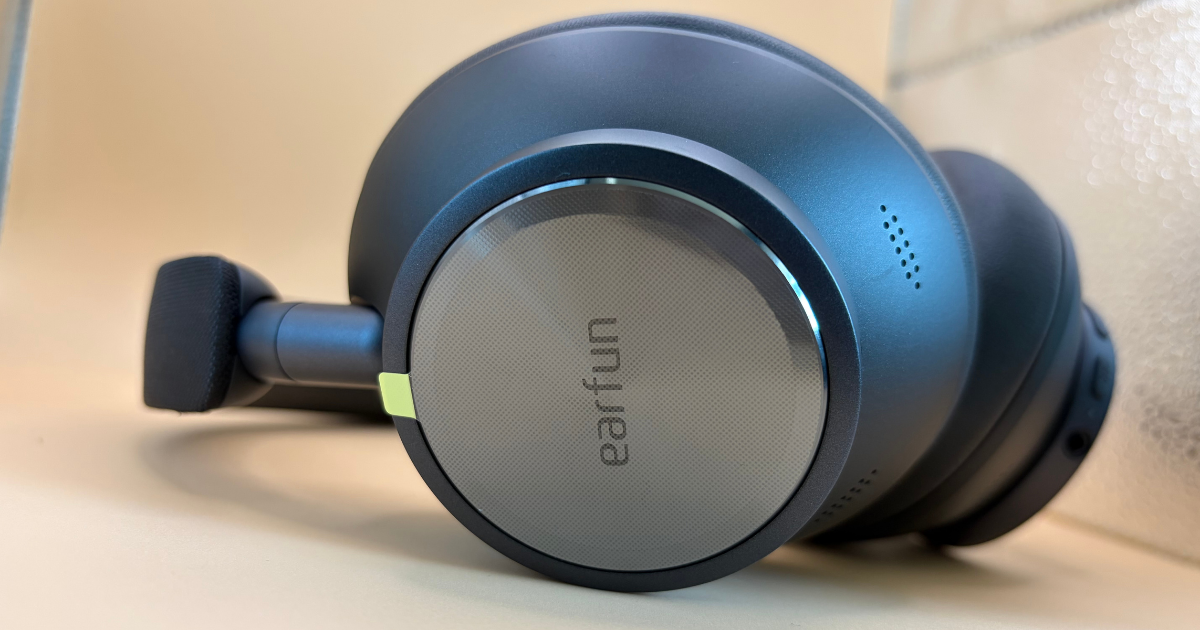
    The Wave Pro X is EarFun's new flagship wireless over-ear headphone, announced at CES 2026 and launched in June 2026 for $129.99. It's built around Qualcomm's QCC3095 chipset, running Bluetooth 6.0 with LE Audio and Auracast broadcast support—features that are still rare even on headphones costing more. EarFun is calling it a world-first: the first dual-driver Qualcomm ANC headphone with Auracast support, aimed at commuters, travelers, and anyone streaming hi-res audio who doesn't want to pay flagship prices to do it.

    Build Quality and Sound Design
    Is the EarFun Wave Pro X Worth It? Our Honest ANC Headphone Review

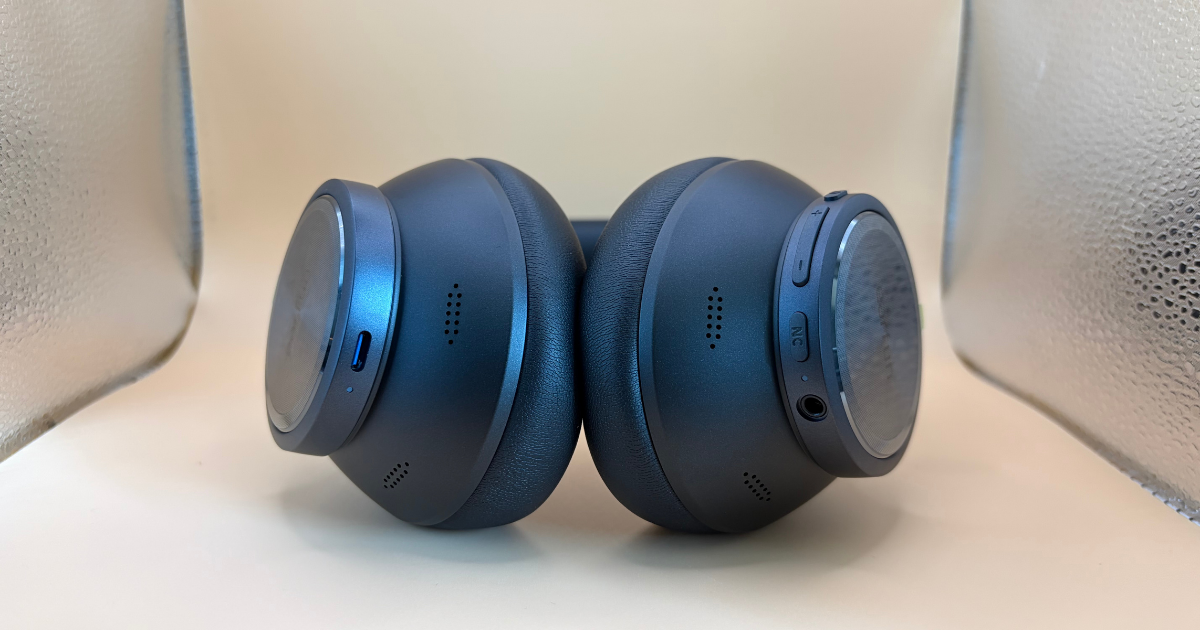
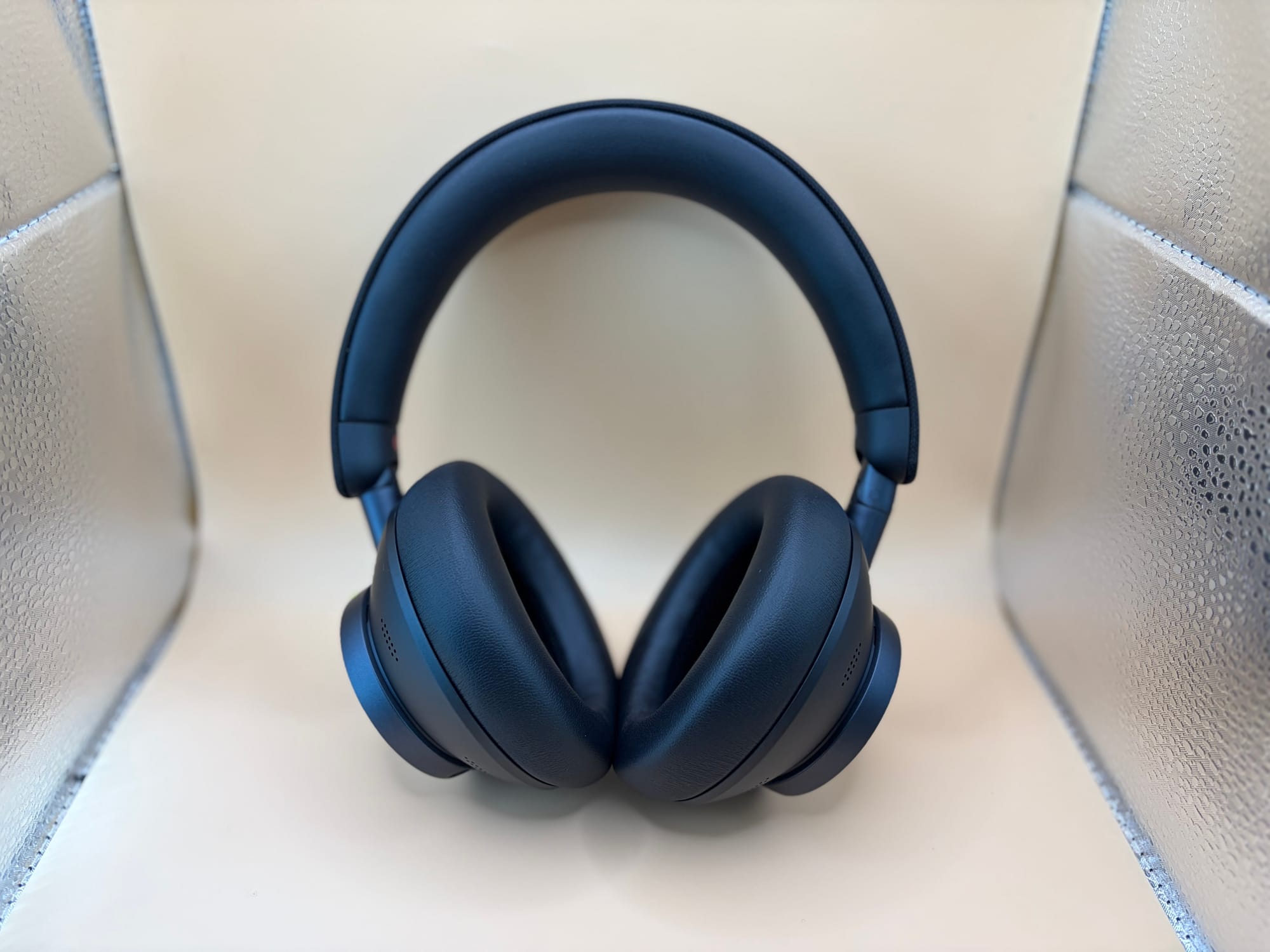
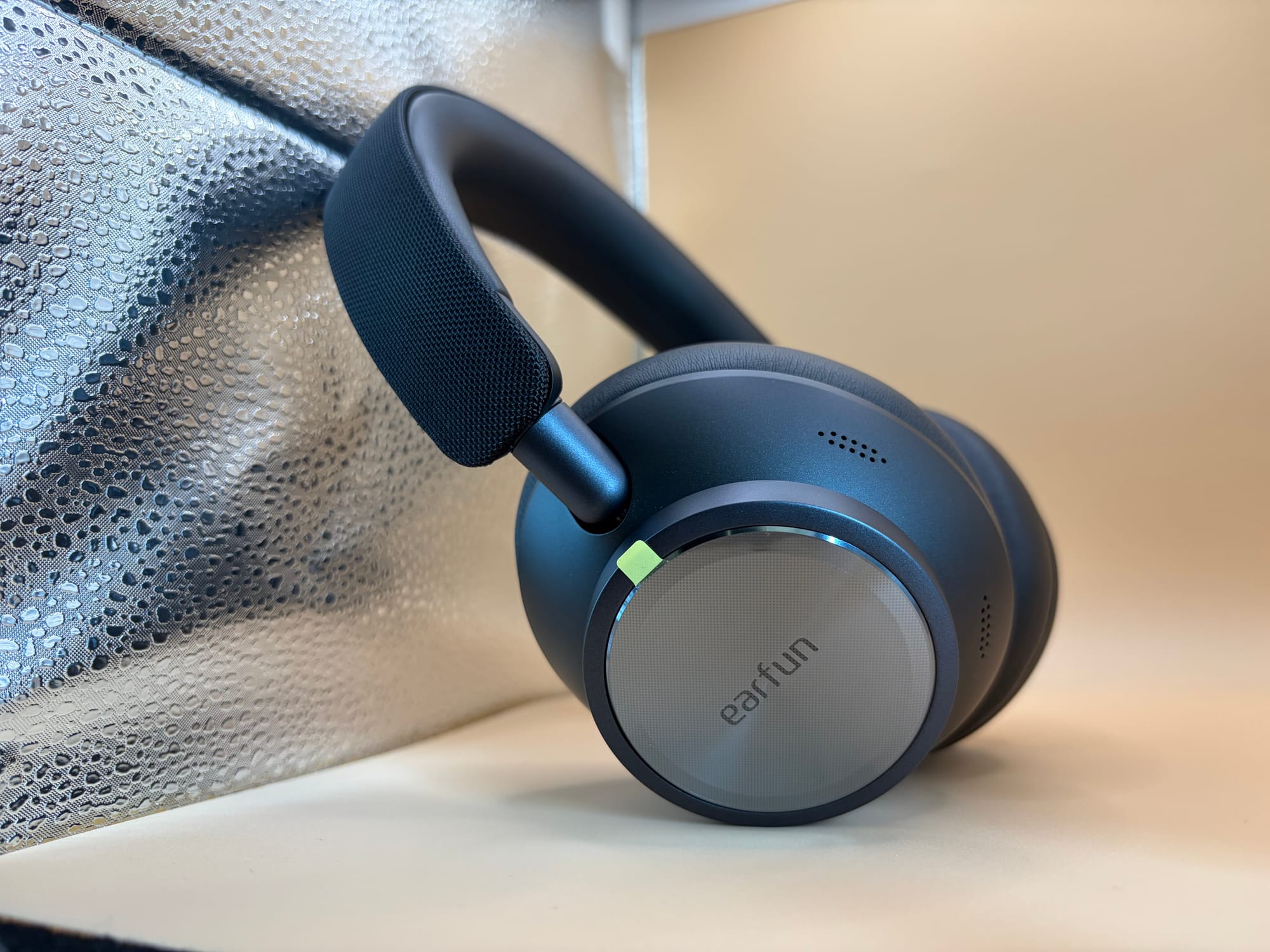
    The Wave Pro X sticks to a familiar, sensible playbook for over-ear design: a closed-back, full ear-surround shape that folds flat for travel, with physical controls placed directly on the ear cups instead of an inline remote. The included cable is detachable and tangle-resistant, which matters more than it sounds; a worn 3.5mm connector is one of the most common ways headphones die, and being able to swap just the cable instead of the whole unit is a small but useful design choice.

    Inside each ear cup, EarFun runs a coaxial dual-driver setup: a 40mm dynamic driver with a diamond-like carbon (DLC) diaphragm handling bass and mids, paired with a dedicated 10mm liquid crystal polymer (LCP) driver for treble. This is a more ambitious internal layout than you'll find in most $130 headphones, where a single dynamic driver usually does all the work.

    Sound Quality

    Overall Sound: The Wave Pro X tunes toward a balanced, crowd-pleasing signature rather than a bass-forward "fun" sound or an overly analytical one. It's not going to redefine what a $130 headphone can sound like, but the dual-driver setup does earn its keep in the upper registers, where a lot of budget headphones start to sound congested or harsh.

    Notably, right before we released this review, EarFun actually added a new Professional EQ (PEQ) feature to their app, which allows you to customize the sound of the Wave Pro X.

    Bass: The low end is present and reasonably controlled rather than boosted for effect. The 40mm DLC driver produces good depth on bass-heavy tracks without bleeding into the mids, though listeners coming from bass-forward tunings (Beats, Skullcandy) may find it comparatively restrained. It's an "accurate over exciting" approach. EQing more bass in can easily be done from EarFun's app, if desired.

    Mids: This is where most budget headphones live or die, and it's a strength here. Vocals and guitars sit forward enough to stay clear without getting shouty, and the midrange doesn't get swallowed by the bass the way it can on cheaper single-driver designs.

    Treble: The dedicated 10mm LCP tweeter is the Wave Pro X's real differentiator. Treble extension is noticeably cleaner and more detailed than what you'd expect from a headphone in this price bracket, rendering cymbals and high-frequency detail with more texture instead of the usual budget-headphone treble roll-off.

    Timbre, Soundstage, and Imaging: Timbre leans natural rather than processed, particularly on acoustic instruments where the dedicated tweeter pays off. Soundstage is moderately wide for a closed-back design — you get a sense of width and layering that closed headphones often lack—though imaging precision (pinpointing exactly where a sound sits within that space) is good rather than exceptional. This isn't a headphone that's going to trick you into thinking you're listening to open-backs, but it's more spacious than most sealed budget headphones manage.

    Comfort and Isolation
    Is the EarFun Wave Pro X Worth It? Our Honest ANC Headphone Review

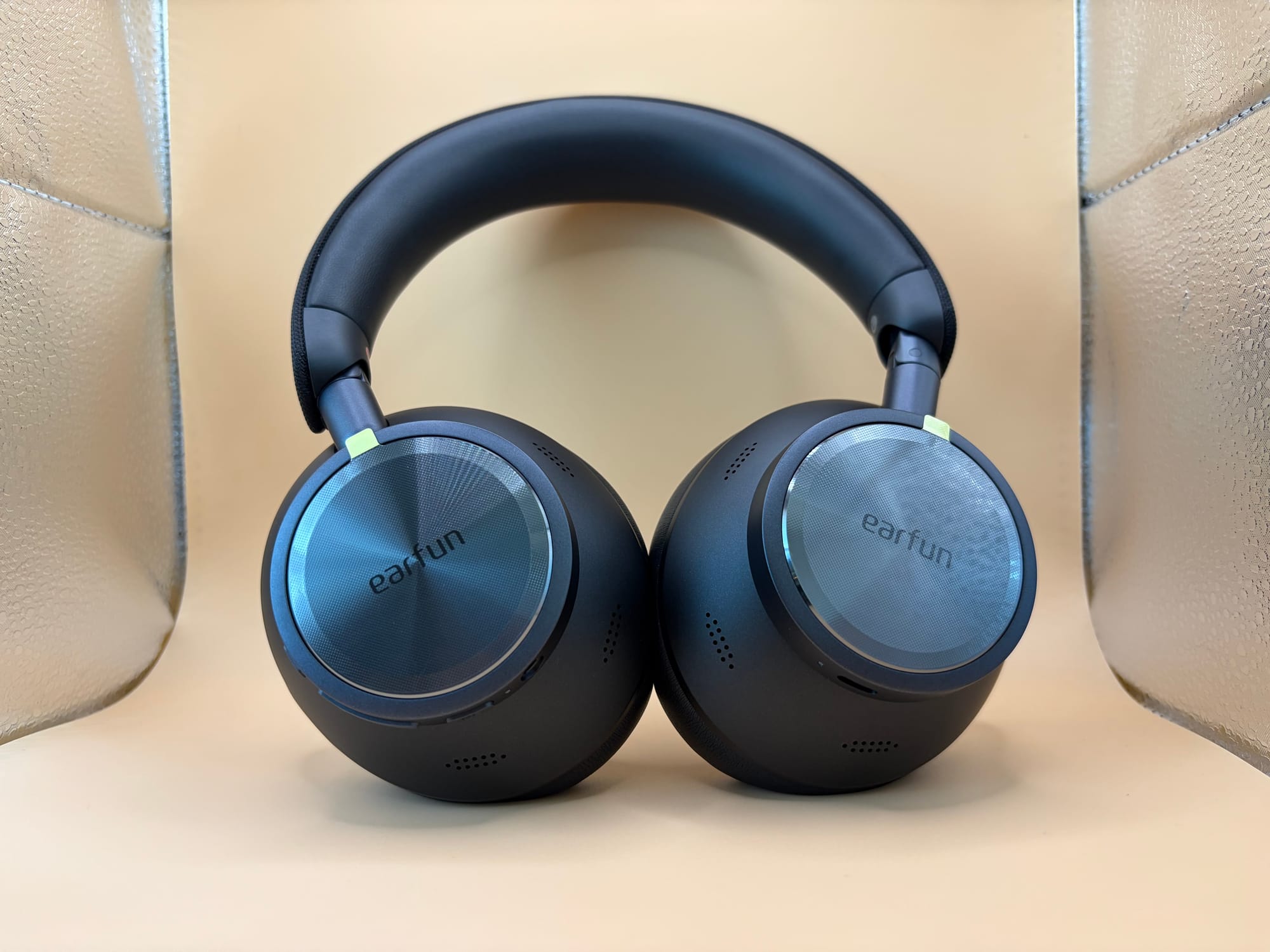
    At 256 grams (9.03 ounces), the Wave Pro X stays comfortable for extended wear, helped by memory-protein ear cushions and an adjustable headband that spreads clamping force evenly. The over-ear, closed-back shape does double duty for comfort and passive isolation, sealing out mid and high-frequency noise—chatter, keyboard clicks, air conditioning—before the ANC even engages.

    Speaking of ANC: EarFun's 8-microphone hybrid system layers active cancellation over that passive seal, and it's tuned to handle both consistent low-frequency noise and more dynamic ambient sound. A transparency mode is included for quick conversations without removing the headphones. What's missing is auto-pause via in-ear detection—take them off mid-podcast and audio keeps playing until you tap pause yourself, which feels like an odd omission on a headphone this feature-rich.

    How It Compares

    EarFun Wave Pro (original): The direct predecessor is still worth mentioning because it's the reason the Wave Pro X exists. The original Wave Pro offered 80 hours of battery with ANC off and roughly 55 hours with it on, a 5-microphone ANC array, and Bluetooth 5.3 for $80. The Wave Pro X costs about $50 more but adds a second driver, Bluetooth 6 with Auracast, LDAC plus aptX Lossless, and a beefier 8-mic ANC system. If battery life and price are your only concerns, the original still has appeal on clearance; if you want the more modern wireless stack and better treble detail, the X is the clear upgrade.

    1MORE SonoFlow Pro HQ51: This is the headphone that was a major competitor of the original Wave Pro, and it remains a close price-and-category competitor. The SonoFlow Pro generally trades some of the Wave Pro X's battery marathon and codec breadth for a slightly warmer, more consumer-friendly bass tuning that some listeners will prefer out of the box. If you want the safer, more traditionally "fun" sound signature, it's worth a side-by-side listen; if cutting-edge Bluetooth features and battery life matter more, the Wave Pro X pulls ahead.

    Anker Soundcore Space One: Sitting in a similar budget-flagship bracket, the Space One leans on Anker's more mature app ecosystem and typically includes conveniences like wireless charging support in some configurations—something the Wave Pro X skips entirely. Sound-wise, the Space One tends toward a punchier low end, while the Wave Pro X's dedicated tweeter gives it an edge in treble clarity and detail retrieval. Choose based on whether you prioritize bass impact or top-end detail.

    Final Verdict
    Is the EarFun Wave Pro X Worth It? Our Honest ANC Headphone Review

    The EarFun Wave Pro X is a budget headphone that borrows flagship-level engineering priorities, and for the most part, that bet pays off. The battery life alone is close to a category-redefining number, and pairing it with Bluetooth 6, LE Audio, Auracast, and real hi-res codec support means this headphone won't feel technologically dated for years, which is rare at this price. The stock tuning is good rather than great—accurate and detailed in the treble, a touch conservative in the bass, but I love when headphones have customizable features, and the PEQ option in the mobile app allows you to add extra bass if you want it. The Earfun Wave Pro X is missing some minor conveniences (wireless charging, auto-pause, a physical mute button) which may matter to some buyers. Overall, if you are looking for a well-designed Bluetooth headphone with an impressive list of features and class-leading battery life, the EarFun Wave Pro X is an easy recommendation.


    Technical Specifications

    • Driver configuration: Dual coaxial drivers — 40mm dynamic driver with DLC diaphragm + 10mm LCP tweeter
    • Chipset: Qualcomm QCC3095
    • Bluetooth version: 6.0, with LE Audio and Auracast broadcast support
    • Codec support: LDAC, aptX Lossless, AAC, LE Audio (LC3)
    • Active noise cancellation: 8-microphone AI adaptive hybrid ANC
    • Battery life: Up to 60 hours with ANC on; up to 100 hours with ANC off
    • Charging: USB-C, roughly 2 hours for a full charge
    • Wired connectivity: Detachable 3.5mm tangle-free cable; USB-C digital audio input; ANC functions in wired mode
    • Connectivity extras: Multipoint pairing, Google Fast Pair
    • Weight: 256 grams (9.03 ounces)
    • Dimensions: 7.40 x 6.63 x 3.41 inches
    • Design: Closed-back, over-ear, foldable frame, on-cup physical controls
    • Colors: Black, White
    • Price: $129.99

    Thanks for reading!

  • ‘American Psycho’ Was Duncan Sheik’s Darkest Work. Was It Also His Best?

    In translating synth pop to a theatrical format in the “American Psycho” musical, Sheik matched what he did with rock in the acclaimed “Spring Awakening.”
  • 2hollis – “Sex”

    In July, 2hollis leaned into darkness with “Hurt,” a cinematic track that flirted with industrial techno. Now, the unpredictable rapper/singer is back to EDM-infused pop bombast with his new song “Sex.”

    The post 2hollis – “Sex” appeared first on Stereogum.

  • Exclusive Track-by-Track: The Bitter Pills – The Bitter Pills

    UK alternative rockers The Bitter Pills are primed to unleash their self-titled debut album on Friday, 25th September, delivering a potent blend of heavy riffs, gritty swagger, and raw, emotive energy. Ahead of the record hitting shelves and streaming platforms, we caught up with the band to get the exclusive, inside track-by-track breakdown of what … Continue reading Exclusive Track-by-Track: The Bitter Pills – The Bitter Pills
  • NYC Darkwave Artist John X Belmonte Turns Regret Into Gothic Romance in Video for “Golden Lore”

    John X Belmonte’s Golden Lore understands a basic truth about goth clubs, doomed romance, and every terrible decision made after midnight: grandeur works best when there is something embarrassing hiding underneath it. The song moves with the confidence of a man walking into a ruined cathedral wearing sunglasses, fully aware that vanity and remorse have been sharing the same coat for years. Its synth bass keeps the floor moving with a steady, narcotic insistence, while Belmonte’s voice sits low in the mix, deep and controlled, as though he is delivering private evidence to a room that has already reached its verdict.

    The pitch-shifted echo curling around the vocal gives Belmonte’s delivery a doubled quality, part confession and part apparition, suggesting memory as a badly behaved accomplice rather than some sacred archive. Golden Lore keeps circling myth, beauty, regret, and self-invention, those old poisons that people pour into prettier bottles whenever reality starts looking cheap. The lyrics seem fascinated by how easily memory turns vanity into legend, and how legend eventually gets mistaken for truth.

    Golden Lore belongs to that hour when the dance floor becomes less a public space than a private reckoning set to a bassline. Belmonte gives the song enough romantic scale to make regret feel almost luxurious, letting memory dress its worst decisions in expensive clothes. By the final chorus, desire, vanity, and remorse have become impossible to separate, and the song leaves them circling one another beneath the club lights until closing time.

    As a dance track, Golden Lore has excellent instincts. The rhythm remains disciplined, the bassline stays heavy, and every element serves the forward motion. Nothing gets cluttered for the sake of drama. Then the chorus opens up, and this is where the song earns its black clothes. The melody is gorgeous without becoming sugary, large without losing its bruised center. There is a real sense of release in the refrain, the kind that makes a crowded room briefly feel communal even when everyone inside it is busy maintaining their own private disaster. You can hear why fans of Cold Cave, Drab Majesty, Then Comes Silence, and the Sisters of Mercy might find an immediate point of entry, though Belmonte keeps enough restraint in the arrangement to avoid drowning the song in borrowed gestures.

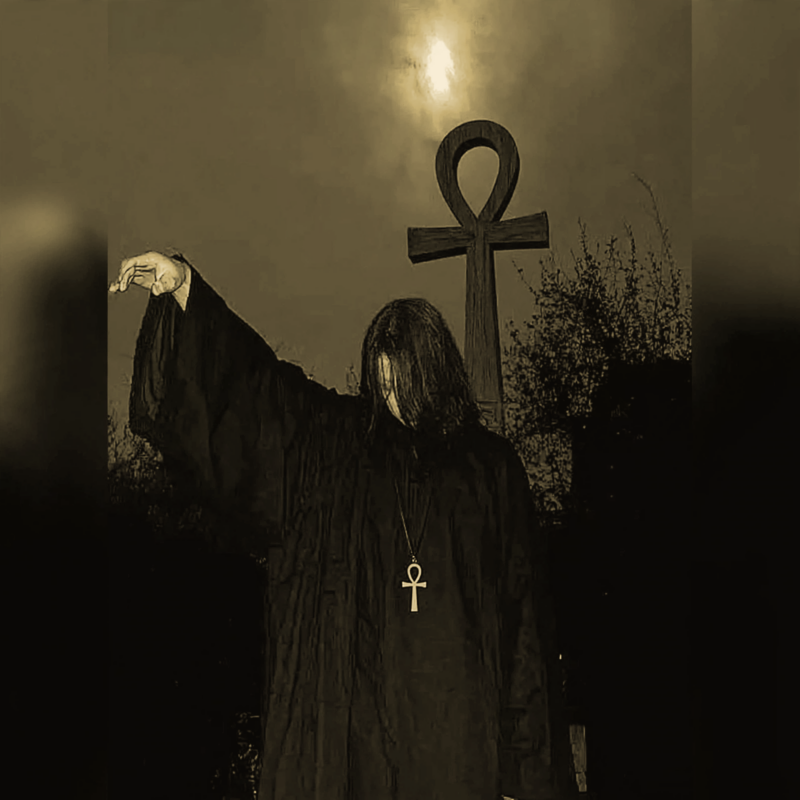
    The video takes a similarly direct route. Belmonte performs against images of a mysterious figure moving through a dark landscape with a giant ankh, the superimposition giving the clip the look of damaged film discovered in somebody’s locked drawer. The imagery is simple, but it suits the song’s obsession with memory, myth, and the ghostly versions of ourselves we keep polishing.

    Watch the video for Golden Lore below:

    Based in New York City, John X Belmonte is an independent darkwave and post-punk artist drawn to the romantic and cinematic possibilities of gothic music. His work pairs brooding atmosphere with rhythmic urgency, giving beauty and emotional intensity equal room within its electronic arrangements. Released September 18, 2026, Golden Lore brings that sensibility to its examination of myth, memory, and remorse.

    Listen to Golden Lore on Spotify here.

    Follow John X. Belmonte:

    The post NYC Darkwave Artist John X Belmonte Turns Regret Into Gothic Romance in Video for “Golden Lore” appeared first on Post-Punk.com.

  • Why Peter Frampton Is Still Working To Get Better

    In an exclusive UCR premiere, the guitar legend sits down with Foreigner in Nashville to discuss his incredible career. Continue reading…
  • Anthrax – Cursum Perficio Review

    With the definitive Anthrax ranking done and dusted (I mean my ranking), I finally get my ape ears on the entirety of their 12th album, Cursum Perficio (Latin for “I finish the journey”). It’s been a long wait for something new from the band too, since For All Kings came out over 10 years ago in what now seems like an entirely different world. In the span of time that’s passed since then, both Slayer and Megadeth closed up shop, the world suffered a pandemic that forever changed the way societies function, and Metallica dropped an album that nobody really loved as they too likely headed toward a final exit. For all intents and purposes, that makes Anthrax the last band standing from the Big Four. How many expected this outcome back when Thrax was dropping duds like We’ve Come for You All and Vol. 8? I certainly wouldn’t have bet on them in a survivor pool, but here we are. Looking back, the smart money probably should have been on the little band from Queens, since For All Kings smoked anything the Big Four members released in ages. But can Anthrax pull another rabbit out of their magic hat so late in their career? Based on that wild cover art, they seem to be telegraphing that rabbits will be forthcoming. With the same lineup as last time, let’s hope they can still make the fur fly.

    Cursum Perficio revisits various eras of their career while also offering new wrinkles and at least one big surprise. After moody intro “Persistence of Memory,” they drop a big, emotional number called “The Long Goodbye,” highlighting the horrors of dementia. It’s a grim, unsettling song that easily could have fit on Persistence of Time, and the lyrics resonate emotionally and really harsh your mellow. Thankfully, this Debbie Downer is immediately followed by the traditional Thrax tune “It’s for the Kids,” which is more upbeat and punk-thrashy.1 Even more classically Thraxified is “Everybody’s Got a Plan,” which is the most New York song I’ve heard since Biohazard’s last brainless release. The chorus will stick in your brainpan and torment you for days. The classic gang shouts are back everything feels like 1988 all over again. Then comes the song that will divide listeners the most. Yes, “The Edge of Perfection” features trem riffs, blast beats, and atmo-black elements. I admit I was put off by it on first spin, but in the context of the album, it’s a cool changeup. It’s a grower of a song, and though it’s maybe a minute or so too long, it has a weird addictive quality that grows with consumption. It also shows olde dawgs can learn new tricks in the fullness of time. I don’t necessarily need more Blackthrax in my life, but I kinda like what we got here.

    The first half of Cursum is pretty righteous, but it’s a somewhat front-loaded album. Good things do appear on the album’s back half, though. “Infectious” is like Anthrax trying to write a song that would fit on Load, and they pretty much nail it. There’s a cool, laid-back rock swagger here with a simple grinding riff. The lyrics reference Stephen King’s The Stand to make for a nice callback to “Among the Living,” and this one is a simple but stealthy grower. “NYC 93” is a rowdy, punky ode to life in the Big Apple back in the crazy 90s, and it’s hard to hear this and not think that Anthrax stole it from Overkill. If so, Bobby Blitz is gonna beat somebody’s ass for this. The last third of Cursum is good, and no song falls flat, but nothing will blow your doors off either. The title track is catchy but about 2 minutes too long, and it gets pretty repetitive by the end. The rest of the material is shockingly bloat-free, so that’s a big win. At 53-plus minutes, it feels like a track could be dropped, but no cut screams to be dumped.

    I’d heard mixed reviews about how Joey sounded on the album, but to my ears he does fine. His voice has changed over the decades as one would expect, but he still sounds strong and clear and, well, like Joey! His delivery reminds me of his Persistence of Time days on some tracks, and on others more like his rougher, grittier performance on Worship Music. He can still bring it and command the room, and that’s impressive after so long in the game. Legendary thrash axe Scott Ian and newish addition Jonathan Donais offer a plethora of classic Thrax riffs while also dabbling in prog, groove rock, and, of course, they veer into atmo-black darkness. Charlie Benante is his usual sick beast on the kit and Frank Bello joins him to form one of the best backlines in thrash history. Everyone sounds good, and the material feels lively, fresh and vital. That in and of itself is a win for a band in their 4th decade of existence.

    With most members of Anthrax in their 60s and many of their contemporaries aging out of the speed circuit, there will inevitably come a time when these guys just don’t want to thrash anymore. They’ve been claiming this is not their last album, but if it is, they went out on a good note and did their legacy proud. Cursum Perficio may not reach the same highs as For All Kings, but it’s a very good album from a band that’s been written off so many times over the years. Rabbits have been pulled, so all hail the survivors of the Big Four tontine!


    Rating: 3.5/5.0
    DR: 7 | Format Reviewed: 320 kbps mp3
    Label: Nuclear Blast
    Websites: anthrax.com | facebook.com/anthrax | instagram.com/anthrax
    Releases Worldwide: September 18th, 2026

    The post Anthrax – Cursum Perficio Review appeared first on Angry Metal Guy.

  • MINISTRY Warns Of The Robotic Takeover On New Single “Singularity” From Final Album “Hate To Go (Take Out Or Delivery)”

    A cyborg does the talking on Ministry‘s new single, “Singularity,” warning that “Your time on this planet has passed … we are in control.” With A.I.-doom headlines piling up lately, Al Jourgensen and company have managed to time an apocalypse anthem almost perfectly.

    The accompanying video, directed by Ben Garcia of Rage4Order Designs alongside Jourgensen and Joshua Bradford (formerly of Revolting Cocks), plays out the machine uprising in full.

    “Singularity” is the third single pulled from Hate To Go (Take Out Or Delivery), Ministry‘s last-ever album, due Oct. 30 on Cleopatra Records and following earlier cuts “Burned Out” and “We Hate.” The record closes out a 45-year run that helped define an entire genre.

    Ministry and Jourgensen have carried the industrial-music torch since 1981, racking up 17 studio albums, eight live records, eight side projects, tours across five continents, an autobiography, two documentaries and, by Jourgensen‘s own count, three separate last rites — not to mention a fanbase that’s stuck around for all of it.

    Reflecting on closing this chapter, Jourgensen said: “I’m fucking done. I’m proud of what I’ve accomplished. I’m amazed at the path that it’s taken, from With Sympathy to where we’re at today, and all points in between. It’s been quite a ride, but I’m completely at peace with the fact that it’s done. It’s time to herd goats.”

    Hate To Go (Take Out Or Delivery), Ministry‘s 17th studio release, brings back longtime member Paul Barker for one final feature on closing track “We’re Still Here,” alongside the band’s current lineup: guitarists Monte Pittman and Cesar Soto, bassist Paul D’Amour, sampler and synth player John Bechdel, and drummer Pepe Clarke Magaña.

    Hate To Go (Take Out Or Delivery) rolls out across vinyl, CD, cassette and digital, with a handful of vinyl variants and box sets in the mix:

    • Green & Black Splatter LP
    • Silver & Black Splatter LP
    • Coke Bottle Green LP
    • Box Set: Green Splatter LP, Picture LP, 7-inch, CD
    • Box Set: Purple Marble LP, Picture LP, 7-inch, CD

    The farewell doesn’t stop at the album. Ministry heads out on an international goodbye run in 2027, kicking off with the “Goodbye Europe” tour alongside Die Krupps starting in April, before a full U.S. leg follows. European dates come with meet-and-greet packages featuring Jourgensen, complete with a photo op, souvenir laminate, silk-screen poster and a commemorative tour coin.

    Before all that, Ministry still has a handful of 2026 dates left, including a stop at Chicago’s Salt Shed plus appearances at the Louder Than Life and Sick New World Texas festivals, along with Australia’s Good Things festival — with more side dates being added.

    Ministry got its start in Chicago in 1981 as the brainchild of Jourgensen, widely regarded as the godfather of industrial music. Early on, the band leaned into synth-pop textures that fit right in with the emerging technology of the era. That began with four 12-inch singles on Wax Trax! Records in 1981, followed by the debut LP With Sympathy on Arista Records in 1983. From there, Ministry‘s sound got heavier and more abrasive, cementing its reputation with Twitch (1986), The Land Of Rape And Honey (1988) and The Mind Is A Terrible Thing To Taste (1989). Psalm 69: The Way To Succeed And The Way To Suck Eggs (1992) pushed the band into the mainstream and earned its first Grammy nod — the first of six nominations to date. Eight more albums followed before the band went on hiatus in 2013, returning in 2018 with AmeriKKKant, which kept the focus on Jourgensen‘s bleak read on modern politics and society. Moral Hygiene (2021) opened a new creative chapter, followed by 16th studio album Hopiumforthemasses in 2024 and The Squirrely Years Revisited, a collection of reworked early synth-pop tracks, in 2025.

    Hate To Go (Take Out Or Delivery) is available to pre-order here.

    The post MINISTRY Warns Of The Robotic Takeover On New Single “Singularity” From Final Album “Hate To Go (Take Out Or Delivery)” appeared first on Sonic Perspectives.

  • Heaviest Death Metal Bands: 13 Albums That Redefined Brutality

    brutal-death-metal-albums

    The heaviest death metal bands aren’t necessarily the best ones, the biggest ones, or the ones you’d name first. Brutality is its own measurement — sonic weight, suffocating density, technical ferocity and a willingness to make something genuinely difficult to sit through. These are thirteen bands at their most punishing, each ranked by the album where they went furthest.

    What actually makes a death metal record heavy? The speed of the blast beats? The depth of the gutturals? The density of the production? For us it’s all of it at once — brutality as a craft rather than an accident, a calculated assault that leaves you battered and somehow wanting it again.

    How this list was made, and why some obvious names aren’t on it

    Four things, weighed against each other.

    Sonic weight. Not volume — density. How much of the frequency spectrum a record occupies, and how little room it leaves you.

    Suffocating atmosphere. Whether the thing feels oppressive rather than merely fast.

    Technical ferocity. Speed and precision used as weapons rather than as showing off.

    Remorseless aggression. Whether it lets up. The best records here never do.

    And here’s what explains the shape of this list. Those criteria are not the same as “greatest.” Death, Morbid Angel and Obituary are three of the most important bands the genre produced and none of them has an entry, because heaviest is a different question from best. This list rewards the records that went furthest into pure punishment, which weights it toward brutal death metal and slam rather than the genre’s founding texts.

    If you want the bands who defined death metal, that’s a different list. This one is about the ones who pushed hardest.

    Loaded Radio Recommends — 13 Insanely Extreme Metal Subgenres You Need To Hear

    13. Pissgrave – Posthumous Humiliation (2019)

    pissgrave-posthumous-humilitation

    In an era of hyper-polished production, Philadelphia’s Pissgrave weaponise raw, unfiltered filth. Posthumous Humiliation is less a collection of songs than an act of auditory terrorism. The production is murky, the vocals cavernously harsh, the song structures pure chaos.

    What sets it apart is its complete rejection of listenability. It’s an anti-record, designed to repel — and in that hostility it achieves a unique and genuinely frightening kind of heaviness.

    It’s also the most recent album here by eighteen years, which tells you something about how rarely anyone still makes a record this uninterested in being enjoyed.

    12. Angelcorpse – Exterminate (1998)

    anglecorpse-exterminate

    Some bands play death metal. Angelcorpse wage war with it.

    Exterminate is a relentless barrage of blackened death metal that feels like a full-scale military invasion. Fusing the militant precision of early Morbid Angel with the chaotic evil of bands like Blasphemy, Angelcorpse built a sound that is pure blasphemous napalm.

    From the opening riff of “Christhammer” there is no room to breathe. The tremolo-picked riffs come at you like shrapnel, and Pete Helmkamp‘s vocals sound like a field commander ordering an execution. A masterclass in warlike brutality.

    11. Disgorge – Cranial Impalement (1999)

    discourge-cranial-impairment-death-metal-albums

    California’s Disgorge are a cornerstone of the brutal death metal scene, and Cranial Impalement is their magnum opus of gore-soaked punishment.

    This album is an oppressive, suffocating wall of sound. The guttural vocals are so inhumanly low they sound like a backed-up sewer drain, the blast beats are a constant concussive force, and the riffs pummel you into submission without a moment of relief.

    Very few albums maintain this level of singular, oppressive intensity from start to finish. It’s a beating you have to endure to understand.

    10. Devourment – Molesting the Decapitated (1999)

    devourment-molesting-the-decapitated

    If Suffocation invented the slam, Devourment turned it into a religion.

    Molesting the Decapitated is the bible of slam death metal. The Dallas band took the chugging, groove-laden breakdowns of their predecessors and slowed them to a tectonic, bone-breaking crawl.

    The cavernous production and the utterly disgusting gurgle of the vocals create an atmosphere of pure knuckle-dragging violence. This album is the sound of a very large man hitting you repeatedly with a boulder, and for that it remains a monument.

    9. Brodequin – Instruments of Torture (2000)

    brodequin-instruments-of-torture

    Named after a medieval torture device, Brodequin have always been dedicated to a single theme: historical agony. The music is the sonic equivalent.

    Instruments of Torture mirrors its subject matter exactly — it’s an exercise in endurance. Rejecting groove entirely, the band opt for a relentless storm of hyperspeed blast beats, frantic tremolo riffs, and some of the most indecipherable pitch-shifted gutturals ever recorded.

    Listening to it feels like being put on the rack. Punishing, agonising, and unlike anything else here.

    8. Nile – Black Seeds of Vengeance (2000)

    nile-black-seeds-of-vengeance

    Nobody blends high-concept historical themes with low-end brutality like Nile.

    Their technicality gets most of the attention, but on Black Seeds of Vengeance the ferocity is what’s front and centre. This is an ancient, monstrous thing — hyper-speed drumming from Derek Roddy, intricate riffing that never stops moving, and Karl Sanders‘ growls sounding like something excavated rather than recorded.

    What makes it heavy is the density. It’s intellectually demanding and primally savage at the same time, which very few records in this genre manage.

    7. Dying Fetus – Destroy the Opposition (2000)

    dying-fetus-destroy-the-opposition

    For a great many people, Destroy the Opposition was the way in.

    Dying Fetus perfected their formula here: technical riffing, socio-political rage, and the kind of neck-snapping breakdowns that became their signature. The grooves on this album are the reason a generation of bands started writing breakdowns at all.

    It’s a masterclass in knowing when to unleash blinding speed and when to pull back into a slam that could level a building. An absolute essential, and the most replayable record on this list by some distance.

    6. Cryptopsy – None So Vile (1996)

    cryptopsy-none-so-vile

    Controlled chaos, and there’s no better description available.

    Flo Mounier‘s drumming is the reason this album has the reputation it does — a whirlwind of gravity blasts and fills nobody else was attempting in 1996. Layered over it are the demented, gore-soaked shrieks and grunts of Lord Worm, who sounds less like a vocalist than a symptom.

    Unlike a lot of technical death metal, Cryptopsy never traded savagery for complexity. “Slit Your Guts” and “Phobophile” are perfect storms of musical intelligence and psychotic rage, which is why this remains one of the most revered records in all of extreme metal.

    5. Suffocation – Effigy of the Forgotten (1991)

    suffocation-effigy-of-the-forgotten

    This is the genesis. Nearly every brutal death metal band that followed owes its existence to this record.

    Effigy of the Forgotten is where Suffocation pioneered the slam — that combination of lightning-fast blast beats with impossibly heavy, slowed-down breakdowns that became the template for an entire subgenre. Frank Mullen‘s guttural style and the intricacy of the riffing set a standard for extremity that, for a lot of people, has never been beaten.

    It isn’t just a classic. It’s the foundational text, and everything below it on this page exists because of it.

    4. Origin – Informis Infinitas Inhumanitas (2002)

    origin-band-informis-album

    If brutality is measured in pure speed, this is a serious contender for the heaviest album ever made.

    Informis Infinitas Inhumanitas operates at a velocity that still sounds inhuman more than two decades later. It’s a particle accelerator — relentless blast beats from John Longstreth, a dizzying swarm of hyper-technical riffs, and no interest whatsoever in giving you a moment to recover.

    Underneath the technical display is a core of genuine devastation. An overwhelming record, and one that sounds like the physical limit of what four people can do at once.

    3. Cannibal Corpse – Tomb of the Mutilated (1992)

    cannibal-corpse-tomb-of-the-mutilated

    The horror film of death metal, and a landmark of lyrical depravity that dragged the genre into the middle of a public argument it never really left.

    Featuring the vocals of Chris Barnes and anthems of gore like “Hammer Smashed Face,” Tomb of the Mutilated is pure uncut brutality. The riffing is relentless, the production is thick and filthy, and there’s no attempt anywhere on it to make the thing palatable.

    Cannibal Corpse went on to release decades of strong material, but this album remains the defining moment — the point at which death metal became something the wider world had to have an opinion about.

    2. Deicide – Legion (1992)

    deicide-tomb-of-the-mutilated

    Their debut was a landmark. Legion is where Deicide became something else entirely.

    This album is a rabid animal. Under thirty minutes long, and one of the fastest, most ferocious, most hate-filled records the genre has produced. Glen Benton‘s growls and shrieks sound genuinely possessed, and Steve Asheim‘s drumming is a frantic, complex assault that shouldn’t be physically sustainable across an album.

    There’s no subtlety anywhere on it. Just relentless fury at breakneck speed, and it is — for anyone who wants the purest death metal answer to the question this page is asking — the record at the top of the pile.

    1. Anaal Nathrakh – The Codex Necro (2001)

    anaal nathrakh-the-codex-necro

    Let’s deal with the obvious objection first, because it’s a fair one. Anaal Nathrakh are not a death metal band.

    Their sound is a fusion of black metal, industrial and grindcore, and if what you want is the purest death metal answer to this question, it’s the record sitting at number two. Nobody would argue with you for stopping there.

    But this list is about the absolute pinnacle of unrelenting, soul-crushing sonic devastation — and on that measure, nothing we have ever heard surpasses The Codex Necro.

    This is the sound of the apocalypse. It is overwhelming, inhuman and genuinely frightening. The programmed blast beats sound like machine-gun fire rather than drums. The riffs aren’t riffs so much as sheets of hatred. The vocals are the shrieks of something being destroyed.

    It transcends its genre to become the purest expression of auditory violence anybody has committed to tape, and that’s why it’s here. Heaviest isn’t a genre category. It’s a measurement, and this record wins it.

    Every band on this list, ranked

    Where this list will start arguments

    Anaal Nathrakh at number one. They aren’t a death metal band and the entry says so plainly. They also made the most punishing record on this page, and pretending otherwise to protect a genre boundary would be dishonest. If it bothers you, Deicide at two is the answer you’re looking for.

    No Morbid Angel, no Death, no Obituary. All three are more important than most of what’s here. None of them made an album as purely brutal as the thirteen listed. Importance and heaviness are different measurements and this list only weighs one of them.

    Suffocation at five will read as low to anyone who knows the genre’s history. Effigy of the Forgotten invented the slam and everything below it exists because of it. Influence isn’t one of the four criteria — which is the only reason it isn’t higher, and it’s a fair thing to argue about.

    Pissgrave at thirteen will get called a stunt pick. It’s the newest record here by eighteen years and it’s deliberately unlistenable. That’s precisely why it qualifies.

    More of this in the full Loaded Radio rankings archive, and the thirteen bands who actually defined death metal is the companion piece.

    TL;DR

    • Thirteen death metal bands ranked by the album where each went furthest, judged on sonic weight, suffocating atmosphere, technical ferocity and remorseless aggression.
    • Number one: Anaal Nathrakh’s The Codex Necro (2001) — not strictly a death metal band, and still the most punishing record here.
    • The pure death metal answer: Deicide’s Legion (1992). Under thirty minutes of the fastest, most hate-filled material the genre has produced.
    • The foundation: Suffocation’s Effigy of the Forgotten (1991) invented the slam, and everything below it on this list exists because of it.
    • The list is weighted toward brutal death metal and slam rather than the genre’s founding bands, because heaviest and best are different questions. Death, Morbid Angel and Obituary aren’t here for that reason.
    • The deep cuts are deliberate. Pissgrave, Brodequin, Disgorge and Angelcorpse are on here because pure brutality was the only criterion applied.

    FAQ

    Who are the heaviest death metal bands?

    Anaal Nathrakh, Deicide, Cannibal Corpse, Origin, Suffocation, Cryptopsy, Dying Fetus, Nile, Brodequin, Devourment, Disgorge, Angelcorpse and Pissgrave. Each is ranked here by the single album on which they went furthest into pure brutality — measured by sonic weight, suffocating atmosphere, technical ferocity and unrelenting aggression rather than influence or overall quality.

    What is the heaviest death metal album of all time?

    Anaal Nathrakh’s The Codex Necro (2001), on the basis of sheer sonic devastation — though the band fuse black metal, industrial and grindcore rather than playing pure death metal. For a strictly death metal answer, Deicide’s Legion and Cryptopsy’s None So Vile are the strongest contenders.

    What is the difference between death metal and brutal death metal?

    Brutal death metal is a subgenre focused on the most extreme elements: deeper, more guttural vocals often described as gurgles, an emphasis on both hyper-fast blast beats and slow crushing slams, and a denser, more suffocating production. Most of the bands here sit in that territory rather than in death metal’s more melodic or technical branches.

    Who invented the death metal slam?

    Suffocation, on their 1991 debut Effigy of the Forgotten. Combining lightning-fast blast beats with slowed-down, impossibly heavy breakdowns became the template for the entire brutal death metal subgenre.

    Why aren’t Death, Morbid Angel or Obituary on this list?

    Because heaviest and best are different questions. All three are foundational and more important than most bands here, but none made an album as purely punishing as the thirteen ranked. This list weighs brutality alone — not influence, songwriting or legacy.

    Thirteen bands, four decades, and a number one that isn’t technically a death metal band. Who’s missing, and what have we got wrong? Settle it in the comments. And keep it locked on the Loaded Radio stream — follow Loaded Radio for daily rock and metal news.

    The post Heaviest Death Metal Bands: 13 Albums That Redefined Brutality appeared first on Loaded Radio.