The artist consistently amazes with a visionary compositional style. His sound is genuinely unique and features a distinctly infectious rhythm. The guitar work and melodic line evoke an almost avant-garde quality that surprises the listener. There are hints of Beck’s influence, yet his visionary and psychedelic style stands out in its originality. The vocal interpretation is cheeky at times and slightly sly, which adds an engaging layer to the song.
The song unfolds well, with the chorus growing in intensity. It creates the right dynamics that ebb and flow, keeping listeners engaged throughout. The lyrics of the track delineate the nuances of love and luck. They reflect on how these two aspects have a tendency to leave unexpectedly, often taking without asking. This contemplative nature sets the stage for a deeper discussion about emotional connections.
The transition into the chorus serves as a gentle reminder of love’s requirements. It emphasizes the importance of nurturing love and devoting attention to maintain a lasting relationship. The overall thematic exploration is both relatable and introspective. It resonates with anyone who has experienced the complexities of love.
Time Will Only Show You – Sound and Atmosphere
Musically, the song captures a vibrant essence. The grooves are hypnotic, a driving force behind the emotions conveyed. The interplay of instruments invites listeners to immerse themselves further. The sonic layers invite repeated listens, each time revealing new nuances and details. It’s the kind of track that encourages you to reflect on your experiences while tapping your feet.
There is a quality of spontaneity woven throughout the track. Elements of improvisation seem to emerge, particularly in the instrumental sections, giving it a live feel. This unpredictability is refreshing and aligns perfectly with the song’s exploration of unpredictable emotions.
Time Will Only Show You – Performance and Production
The progression of the song maintains interest, cleverly alternating between moments of intensity and softer, more reflective passages. These contrasts help accentuate the lyrics’ message. Listeners are drawn into the story, making it not merely an auditory experience but a narrative journey.
TJ Wagoner has delivered a beautiful song that manages to blend emotional depth with infectious musicality. The track stands out due to its unique sound and innovative approach to songwriting. With its engaging dynamics, thoughtful lyrics, and memorable melodies, it’s a noteworthy addition to contemporary music.
Listeners are left with an impression of authenticity and creativity. The thoughtful exploration of love’s challenges invites deeper engagement and personal reflection. Wagoner proves once again that he is an artist to watch, with talent that transcends conventional boundaries.
The album begins with “Add to Your Fire,” a track that serves as an anthem. It embodies the American and country styles that envelop the listener. This song inspires hope and positivity throughout its duration. The robust melodies and heartfelt lyrics resonate deeply, encouraging introspection and connection.
Following this is “Will Be Loved,” which starts with an engaging arpeggio. The melody creates a slightly mysterious atmosphere but remains expansive, allowing listeners to visualize nature vividly. This contrast of elements immerses the audience in a serene environment, prompting emotional responses that align with the lyrical themes.
Next is “The Words I’ve Left Unsaid,” an introspective piece that showcases the artist’s talent for articulating profound emotions. This song carries an intensity that draws listeners in, enveloping them in rich, atmospheric layers. It invites contemplation and evokes feelings of nostalgia and longing, making it a standout track.
Cross Stitch – Sound and Atmosphere
In “Inside Out,” the artist’s voice shines with remarkable effectiveness. The performance here is intense and heartfelt, translating raw emotion with clarity. The atmosphere feels almost haunting, leaving an imprint on the listener’s psyche. This song’s ability to convey vulnerability is striking.
“Beauty in My Day” follows, presenting a rhythmic cadence that captivates the listener. The melody wraps around you, leaving you speechless as it flows. There’s a fluidity in the arrangement that feels like being embraced by a gentle mist, bringing comfort and warmth through its seamless transitions.
The album concludes with “All That You Are,” a delicate and intense piece filled with atmospheric vibes. The song evokes the sensation of wind caressing golden fields of wheat. It inspires daydreams and transports the listener to serene landscapes, conjuring images of tranquility and peace.
Cross Stitch – Performance and Production
Shannon Hudson’s artistry shines throughout this album, with a clear ability to craft emotionally rich songs that resonate deeply. Each track presents a unique mood, yet they all connect through themes of introspection and the exploration of feeling.
Hudson has created a body of work that showcases not only musical talent but also lyrical depth. The emotional journeys found in each track leave a mark on the heart.
“Cross Stitch” is an invitation to explore the depths of human emotion through music. Shannon Hudson proves to be an artist with significant depth and insight, reminding us of the power of song to evoke feelings, memories, and connections.
This album is highly recommended for anyone seeking music that resonates on a deep emotional level. There is a palpable energy throughout the songs, blending elements of country with introspective lyrics that define Hudson’s unique sound.
“Cross Stitch” is a powerful collection of music that deserves wide appreciation. An artist of remarkable talent, Shannon Hudson offers listeners a journey of hope, beauty, and emotion. This is music that not only entertains but also inspires.
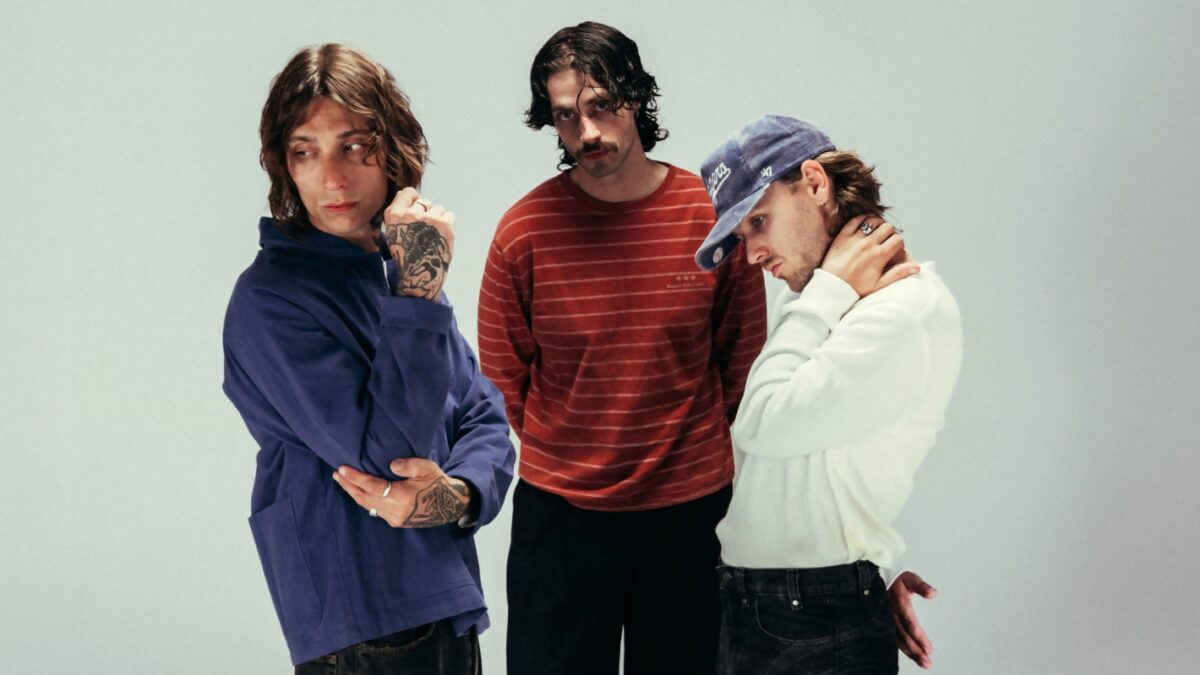
Mouth Culture have shared their first new music of 2026, and first for new label Killabop, and it feels like a statement of intent of what is to come in the near future.
The track is called ‘Growing Pains’, and finds the trio at their sentimental and shimmering best. A gorgeous blend of timeless British rock and earnest pop-punk, it’s as bright and breezy as it comforting and familiar. And those feelings extend to the message at the core of the track, a tale of what it means to be trying to make sense of where you are now compared to where you want to be. The tightrope that is put in place between the perils of just trying to find your footing and the new expectations that are put on you as an artist, it’s as honest a portrayal of the band experience as you’re going to get.
The whole band have their own view on what it represents, too.
Bassist Todd Groome begins, stating,“There’s more to balance now than there was when we started. You want to give everything to the band, but you’ve also got relationships, family, friends and everything else happening around it. Sometimes those things pull against each other and you don’t always get it right. I think we’re all learning what chasing this actually asks of you.”
Vocalist Jack Voss adds, “None of us have done this before, so we’re learning as we go. Being away from home, relationships, spending more and more time on the band, you’re trying to work out how all of those things can exist together. You also realise that how something feels to you isn’t necessarily how it feels to the person on the other side of it.”
And guitarist Mason Clifford completes the set, explaining,“There’s struggle in it, but it’s a hopeful song. It’s that feeling that what you’re working towards is just about within reach, even when getting there isn’t straightforward.”
It follows on from the band’s previous single ‘On and On’, which you can hear the band performing live below:
The band are set to play a headline show in London later this month, before heading out on the road as support for South Arcade at the start of 2027. Here are all of the dates:
SEPTEMBER
17 – LONDON Barfly
FEBRUARY 2027
10 – LEEDS O2 Academy 12 – MANCHESTER Academy 1 13 – NEWCASTLE NX 14 – GLASGOW Barrowlands 16 – BIRMINGHAM O2 Academy 18 – NOTTINGHAM Rock City 19 – NORWICH UEA 21 – CARDIFF Great Hall 22 – BRISTOL O2 Academy 25 – LONDON O2 Brixton
The rise, fall and rise again of Oasis has been well documented. In 1993, the Manchester quintet wowed Creation Records boss Alan McGee with a bottom-of-the-bill performance at King Tuts in Glasgow: just three years later, at the height of the BritPop movement they helped drive, 2.6 million people, approximately five per cent of the UK population at the time, applied for tickets for their brace of summer concerts at Knebworth House in Hertfordshire.
In between, Noel Gallagher established himself as rock’s finest songwriting magpie, his younger brother Liam picked fights with half the planet, and their band generated endless tabloid headlines, picked up countless awards, and delivered one of the best debut albums and some of the most perfect singles of any band in history. Now, following their phenomenally successful 2025 reunion tour, they’re coming back, and the buzz around the group has never been louder.
Between 1994 and 2008, Oasis released seven studio albums, and one of the finest B-sides collections ever compiled. Here they are, ranked from the worst to the best.
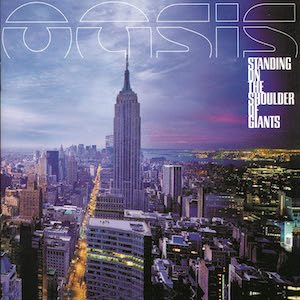
8. Standing On The Shoulder Of Giants (2000)
(Image credit: Big Brother)
The lowest point of Oasis’ career by some distance, Standing on the Shoulder of Giants is a bizarre album. It actually starts really well, with the introductory instrumental Fuckin’ in the Bushes (later utilised by Liam Gallagher as his live intro music), and first single Go Let It Out, which features a proper earworm chorus.
There’s also Gas Panic! – written about the anxiety Noel Gallagher felt in his darkest hours following cocaine binges – which struck a chord with men of a certain age who were no longer quite as ‘mad for it’ as they were in 1994, and remains a fan favourite. But the drop in quality beyond this that is quite astonishing.
Two sloppy, Noel-fronted, back-to-back AOR plodders (Where Did It All Go Wrong and Sunday Morning Call) and the pedestrian glam of I Can See a Liar are bad, but nothing the band ever released comes close to the horror of Liam’s first songwriting effort, the sappy, saccharine Little James. The inclusion of that terrible song alone cements SOTSOG’s place at the bottom of the pile here.
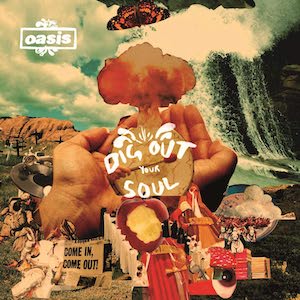
7. Dig Out Your Soul (2008)
(Image credit: Big Brother)
The final Oasis album, released just 10 months before the infamous backstage ding-dong in Paris that led to the band’s break-up, is a rather sad way for a once untouchable group to go out.
As with all their albums, Dig Out Your Soul features a couple of decent singles, with Noel’s The Shock of the Lightning an obvious highlight, and Liam’s I’m Outta Time tee-ing up expectations for his subsequent solo career. But the most damning thing you can say about the album is that the majority of it just passes by unnoticed: for a band who were once a national obsession, this was nowhere near good enough.
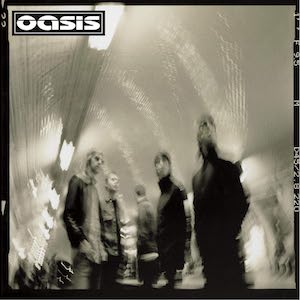
6. Heathen Chemistry (2002)
(Image credit: Big Brother)
It’s not massive praise to say that Heathen Chemistry marked a clear upgrade from the disastrous Standing on the Shoulder of Giants, and Oasis album number five does have its problems, the most obvious one being that the band should never have been allowed to produce themselves.
But Heathen Chemistry scores high for featuring a set of hugely anthemic singles: Little By Little, Songbird and the genuinely excellent Stop Crying Your Heart Out might be a bit schmaltzy, but they manage to tug at the heartstrings in the intended manner. Chuck in the garage slink of The Hindu Times – Oasis by way of Black Rebel Motorcycle Club – the enjoyable Hung In A Bad Place and Better Man, and this is a decent collection which restored faith in the band at the time.
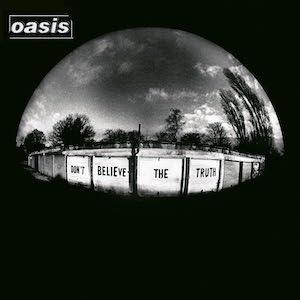
5. Don’t Believe The Truth (2005)
(Image credit: Big Brother)
The best album by the non-classic line-up by some distance, Don’t Believe The Truth is the closest that Oasis ever came to putting out a record close to the consistency of their earliest material.
Lead single Lyla, a fantastic strutter of a tune, was a great way to start getting people back onside, but Noel going full Dylan on Mucky Fingers, the punky The Meaning Of Soul and the dreamy pop of Andy Bell’s Keep The Dream Alive all back it up brilliantly. Throw in Gem Archer’s A Bell Will Ring, and Noel’s The Importance Of Being Idle, a song many claim is the band’s final great moment, and this is a set of songs which promised much for Oasis’ second act.
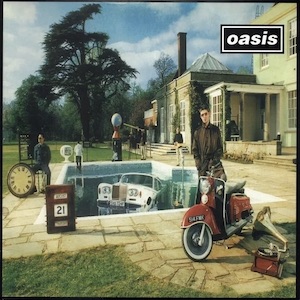
4. Be Here Now (1997)
(Image credit: Big Brother)
Notorious for its length, its excess and its cost, Be Here Now has become a classic cautionary tale for any band who hit it big to keep their feet on the ground. It’s a fair message, as this is a record that is often laugh out loud hilarious in its OTT nature, but, listening back to it today, it’s actually aged rather well.
D’ya Know What I Mean is a monumentally huge opening statement, the chorus to Stand By Me remains iconic, and the likes of My Big Mouth and I Hope, I Think, I Know are fantastically underrated. Plus, although they’d hate the comparison, Oasis sound like a lager-fuelled Bon Jovi on Fade In-Fade Out, a compliment by the way.
We still have no idea why the mad Mancs made All Around the World nearly ten minutes long – actually, that’s a lie, we do, it’s blatantly down to over-indulgence with cocaine – but it doesn’t detract from the fact that Be Here Now is much better than you remember.
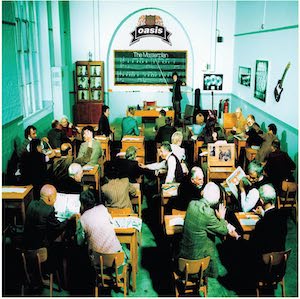
3. The Masterplan (1998)
(Image credit: Big Brother)
Yes, we know, it’s not an studio album, and ordinarily B-sides and rarities collections would not be included for consideration on a list such as this. But such was the prolific nature of Noel Gallagher’s songwriting in the early years of Oasis that it feels insane not to include a set of songs as good as this here.
The fact that the likes of Fade Away, Half the World Away, Talk Tonight and the title track are as well-known and beloved as pretty much any song in Oasis’ back catalogue says it all. Plus, The Masterplan opens with the sublime Acquiesce, a song that not only might be the finest of the band’s entire career, but one which feels like the perfect encapsulation of Liam and Noel’s individual strengths.
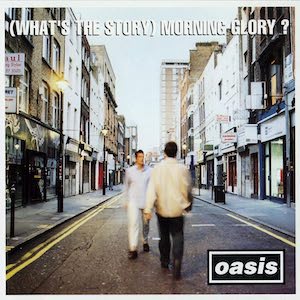
2. (What’s The Story) Morning Glory (1995)
(Image credit: Creation)
Naming the best two Oasis albums is something of a cliché at this point, but it’s a cliché for a reason, they really are, comfortably, leagues ahead of the rest of the band’s discography.
(What’s The Story) Morning Glory was an absolute smash when it arrived, breaking records for sales and chart positions in the UK, and delivering a set of songs that have crossed over into the lexicon of British culture to the point where you can’t imagine meeting someone who doesn’t know all the words to Wonderwall.
To be fair, pretty much every track here sounds like a single, and deeper cuts such as Hello and Cast No Shadow are just as good as Don’t Look Back In Anger and Some Might Say. But it’s Champagne Supernova that really is the superstar here, a song with a breadth and ambition way beyond anything the band had attempted up until that point. They’d never get as close to it again either. It’s a cultural monolith, certainly, but this is a great album first and foremost.
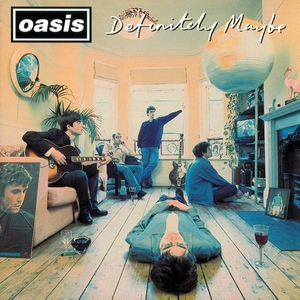
The debate between which is the superior of the first two Oasis albums has raged for decades, but in our opinion, this is something of a no brainer. Where … Morning Glory has a couple of songs that were good but not great, the weakest moment on Definitely Maybe is still a minimum 8/10, and the majority of it is 10/10 perfect.
Seriously, can you name another album with an opening trilogy like Rock ‘n’ Roll Star, Shakermaker and Live Forever? That’s a pretty strong shout for the most staggering introduction in the history of rock. And that’s before we get into Supersonic, Slide Away, Cigarettes And Alcohol… There are bands who have had careers lasting multiple decades with greatest hits collections that look puny, irrelevant and full of filler when put next to these songs.
Definitely Maybe is a timeless, ageless classic, comprised solely of huge rock ‘n’ roll tunes with Godzilla-sized choruses and lyrics that make you feel like you’re the centre of the fucking universe. It turned its creators into the hottest band on the planet and it’s hands down the greatest album Oasis ever recorded.

 If you love this music: Discover More