Blog

  • Raphael Weinroth-Browne – Empyrean Review

    Canadian cellist Raphael Weinroth-Browne probably needs no introduction at this point, which is a bit surprising, given that this is a metal blog. He first graced these halls in 2015 through The Visit, and, as a soloist, in early 2020 with the spectacular Worlds Within. By now, his “not not metal” approach to cello is a familiar comfort to this reviewer in particular. He is a frequent guest on my year-end lists, and I always look forward to his work, especially since last year’s Lifeblood, which—hang on, that was just last year? Turns out Weinroth-Browne has been busy over the last little bit, with his third full-length, Empyrean, coming less than a year after the last. That might be an indication we should be wary, or maybe the man is simply filled with good ideas. Let’s find out.

    Empyrean is different than most everything Raphael Weinroth-Browne has done recently. Generally, I think of his work as being neo-classical, but there’s a clear metal influence in what he does that acts as a sort of anchor to his work—certainly Lifeblood had a heavy spine that guided much of its direction. But Empyrean began its days as a commission from a contemporary dance company, an invitation for Weinroth-Browne to build a score for a show called BACH Reimagined. The metal influence is there, of course, but this time intertwined with baroque sensibilities. As a result, it is less tangible, more open, and really highlights the “classical.” Tracks flow in and out of each other without clear breaks—I often check my player around track four (the dream-like “Murmuration”), surprised to realize I’m not on the first song anymore. Nowhere near it, in fact—Empyrean is stealing my sense of time.

    That is the album’s main strength: it flows. Not quite like Worlds Within, where everything was re-dedicated around core ideas, but in a natural, airy way that just sort of glides from one idea to the next without looking back. The brief-yet-dramatic romp of “Remnant” becomes the journeying “Evocation” before you know it, and it’s not until “Integration” (track five!) that I notice we’ve moved well past the opener. Speaking of “Evocation,” it’s a gorgeous song and an album highlight. It swells softly, capturing an adventurous feeling with impressively quiet grace. Later, “Reflection” brings in more of that metal influence Raphael Weinroth-Browne knows and loves, with percussion and backing riffs that support a searching, soaring melody. It maintains the quiet dignity Empyrean is built on while still feeling like the kind of thing you might read about on a metal blog—”classic” Raphael Weinroth-Browne. Of course, we get there without really realizing we’ve gotten there; it doesn’t flow seamlessly from the earlier “Sanctum,” but the groundwork is laid so well that it doesn’t feel out of place on an album much more classical than I’d expected.

    I could argue that the flow of Empyrean is perhaps its greatest drawback too. There are many great ideas on Empyrean that appear once only and are quickly discarded as the unyielding cello moves to its next idea. On Lifeblood, the longer track lengths often meant we stayed with one central idea for an extended length of time, building around it and creating something impactful. While Empyrean is ten full minutes shorter (around 48 minutes over nine tracks), it feels somehow longer as the songs blend and occasionally lose ground transitioning from one ephemeral idea to the next. We end the journey with the title track, which sets down a gorgeous melody that builds and swells and fades, but never really goes anywhere or does anything. It’s beautiful, but it’s restrained. That may just be the metalhead in me talking—Empyrean takes us further from our “comfort zone” (in that this is a metal blog) than previous Raphael Weinroth-Browne albums—but it does feel like Empyrean is not as focused as it could be.

    In fact, Empyrean feels almost like an improvisation, like Raphael Weinroth-Browne is speaking through his instrument, freehand, and inviting us to just listen. It’s a great way to spend the better part of an hour, and it sounds beautiful as ever—he is a master of his instrument. Empyrean feels a touch unfocused compared to previous releases, but if you want to just close your eyes and follow the threads of this journey, it is still as rewarding and enriching an experience as I’ve come to hope for.


    Rating: 3.0/5.0
    DR: 7 | Format Reviewed: 320 kb/s mp3
    Label: Self release
    Websites: raphaelweinroth-browne.bandcamp.com | raphaelweinrothbrowne.com | facebook.com/raphcello
    Releases Worldwide: September 11th, 2026

    The post Raphael Weinroth-Browne – Empyrean Review appeared first on Angry Metal Guy.
  • M & J Shares Personal Track “God Bless, Our Soldiers”

    M & J had this to say about the track God Bless, Our Soldiers. “Hi legends, this is a deeply personal song as it began as a tribute to my grandfather that fought in ww2 for the Australia alongside our allies (British & American amongst others) and it turned into a letter of gratitude for […]
  • Butcher Babies – ‘NIGHTBLOOM’

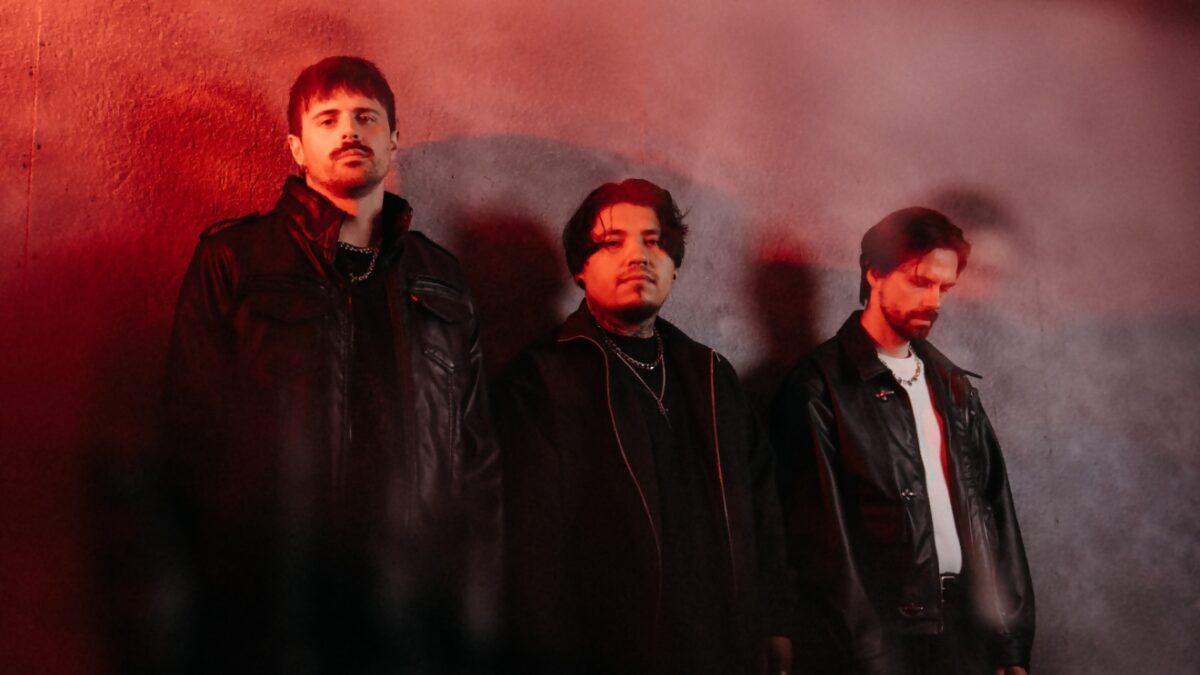
    During the spring, up at the lake, the birds make nests. If you head up there early morning, you can watch the hatchlings take to the water. They’re yellow, fluffy and cute. Within a few weeks that picture begins to change. They start to grow. They become scrawny. They’re no longer hatchlings, but they’re not a proper birds either. Not yet. They’re these strange, feathered, malformed things. Similar, in fact, to where Butcher Babies found themselves. They’ve become something but what?

    Let’s take a step back. Once upon a time there was an alt-metal band called Butcher Babies. They built their name with an intense live show. It was all about attitude, an absolutely terrifying assault based on Heidi Shepherd and Carla Harvey screaming at each other over grinding guitar riffs. Years passed, their music evolved and then in 2024 Harvey left. Everything had to change.

    Having Shepherd as the sole vocalist redefines the band, and ‘NIGHTBLOOM’ is a different kind of record. The established “Butcher Baby” attitude is channeled into more traditional song structures, featuring less screaming, more clean singing and fewer chugging guitars. It’s the direction 2023’s ‘Eye For An Eye…’ pointed towards but this pushes those features further, and there is an obvious reason for this; the record was produced by Howard Benson. The difference this makes is so stark you’d be shocked if he didn’t have a songwriting credit on every track. Basically, he lends the record the high level of craft and construction that the band have often struggled to maintain. Every song feels like a quality piece of work. Each feels distinctive. Each is simply great.

    Wisely, the album opens with ‘Lost In Your Touch’, the most Butcher Babies song here. It’s basically built around a thick guitar riff and aggressive screaming but it is also built around a big, clean chorus, designed to establish what their sound means now. Between this and the similarly styled closing track ‘Black Dove’, the band explore different aspects of their new sound, pushing themselves in different ways but retaining the same sense of propulsive energy.

    The music is modern metal, comparable to recent Architects records. This is heard most clearly on ‘Broken & Beautiful’ where the verses are electronic pulses but guitar riffs underscore the choruses. Each song is a variation on this idea and some are heavier than others. At one end of the scale ‘Fever In My Neck’ is filled with vicious metal riffs while ‘Black Clouds Over Georgia’ borders on soft rock. Stripping out the repetitive thrash-style grind that defined 2015’s ‘Take It Like A Man’ makes the sound much more accessible and results in a tonality that might be less distinctive but is far more consistent.

    This isn’t the first time the band has worked with outside songwriters (you can easily tell which songs on 2017’s ‘Lilith’ were written by Atreyu’s Brandon Saller) but here the whole album feels like a collaboration. Again, this isn’t a bad thing; it’s all about quality. Each song is carefully constructed and the spaces are filled in different ways to add flavour. There are thoughtful keyboard melodies on ‘Leaving California’, ripping guitar licks on ‘Black Clouds Over Georgia’ and whirling synths on ‘Are You Waiting Up?’ But none of them feel cluttered in a way that detracts from the song’s emotional arc. The overall effect is a record with subtle character despite being made up of straightforward songs that all feel like singles.

    Without a secondary vocalist, and with a much heavier emphasis on singing, the band’s whole dynamic has changed. Luckily, Shepherd is a great singer. Her style leans on phrases in unusual or varied ways which is strong enough to match her biting screams. For comparison, it’s a similar style to In This Moment’s Maria Brink. In fact, the record’s biggest strength is Shepherd’s strong approach to melodies. They’re delightfully weird on ‘Sincerity’ where she sings the title in a counterintuitive way yet packs hooks around it so the song doesn’t lose its momentum. Or on a ‘Fever In My Neck’ where she over-pronounces the words and leans on each syllable making it feel thrillingly nasty. For someone so skilled at death growls she also makes great use of higher registers. The best example is the single ‘Blame It On The Wind’ where the massive chorus switches between a forceful statement and a high denouement. It’s catchy, straightforward and genuinely great. Indeed, every song could be described like this, making for a record that feels easy when obviously it’s not. It’s the kind of record that’s ideal for a gym session; consistent and energetic.

    Shepherd has an intriguing approach to lyrics. Change is on her mind. The choices she makes here contrast and intertwine with her previous work in unusual ways. Although there are the references to destruction and ‘gasoline’ found on previous records, here the theme of change is explored using different bird metaphors. You can hear this most directly on ‘Black Dove’ and ‘Songbird’ but the idea of growth and leaving permeates the album. In effect, it’s about regret. Although sorrow defines ‘Black Clouds Over Georgia’ and ‘Lost In Your Touch’, it contrasts with the ideas of change found on the more aggressive songs to create a sense of depth. However, it is the penultimate track ‘Leaving California’ that proves to be the highlight. The chorus has a mournful edge and the sadness in the way Shepherd sings ‘Shudda known better’ provides a strong emotional hook. Positioned towards the end, it feels like the record is building toward it, creating a gentle arc.

    With a new lineup, change was inevitable. The dynamic is completely different but the trade-off proves worthwhile. Butcher Babies have shed their feathers, grown into something graceful and become a fully-fledged member of the flock. By surrendering some of their uniqueness they’ve made their strongest and most consistent record.

    IAN KENWORTHY

  • Metal Hammer to mark 40th anniversary with year-long celebration

    Metal Hammer, the world’s biggest metal media brand, is turning 40 and will be marking the occasion by kicking off a full year of celebrations. Starting with an exclusive industry party set to take place in London this week, Hammer will be unveiling a series of special events, collaborations, tie-ins, new brand extensions and more, with 40 separate activations in total set to launch across the coming twelve months.

    “Reaching our 40th anniversary is incredible!” says Metal Hammer Editor, Eleanor Goodman. “Be it honouring legends like Black Sabbath, Metallica and Iron Maiden or platforming exciting younger artists in the scene today like Spiritbox, Orbit Culture and Castle Rat, from the UK and US to Australia, mainland Europe, Africa and Asia, we’ve been proud to fly the flag for metal in all its forms across the last four decades.

    “We’ve got so much fun stuff planned for the coming weeks and months to mark this amazing milestone, and we can’t wait to celebrate it all with the people that matter most – our incredible readers and community who have kept Metal Hammer going through the years. Thank you for your support – we’re only just getting started.”

    The UK edition of Metal Hammer magazine was founded in 1986, growing to become the world’s foremost authority on metal. Over its four-decade lifespan, it’s helped break dozens of household name bands, including Korn, Slipknot, Avenged Sevenfold, Trivium, Lamb Of God, Nightwish, Babymetal, Ghost and Sleep Token.

    In 2003, Hammer launched its own awards show, the Golden Gods, which ran for 15 years and saw attendance from the likes of Ozzy Osbourne, Slipknot, Iron Maiden, Bring Me The Horizon, Kiss, Motörhead, Def Leppard, Motley Crue and more, with film, TV and pop culture stars including Sir Christopher Lee, Bill Bailey, Triple H, Brian Blessed and Jessica Pimentel also celebrated with special awards over the years.

    During the 2000s and 2010s, the brand launched a series of acclaimed tours including the Defenders Of The Faith tour, which ran for four editions and featured the likes of Lamb Of God, Five Finger Death Punch, Trivium and Ghost on its lineups, plus an extreme metal off-shoot, Destroyers Of The Faith, and the Metal Hammer Razor tour, which spotlighted upcoming bands in the British metal scene.

    Metal Hammer was also one of the first major music brands to launch its own podcast in 2009, as well as hosting the Metal Hammer Radio Show from 2013-2018 and a historic Spotify collaboration, In Residence, in 2016.

    In recent years Metal Hammer has launched its own store featuring exclusive designs and collaborations with major metal artists, as well as becoming a key commercial partner of Danny Wimmer Presents, the North American festival company behind the likes of Louder Than Life, Aftershock and Sonic Temple.

    Metal Hammer‘s 40th anniversary celebrations will see the brand return to more fan-focused events and tie-ins, with plenty more announcements due in the coming weeks. Watch this space. 🤘

  • Save Us Unleash Powerful New Track ‘Last Of Me’

    Save Us have dropped another track from their upcoming album ‘Death To Something’, and it’s possibly their most emotionally raw yet.

    Photo credit: Alex Bemis

    It’s called ‘Last Of Me’, and it’s the kind of song that holds you tightly in its grasp and refuses to let go until its final note. Overspilling with pure emotion, it gradually builds towards a cathartic release, keeping you firmly at the edge of your seat.

    Vocalist Miguel Owls had this to say about it:

    “‘Last of Me’ was an emotional challenge for me. I had so much I wanted to say, but I really pushed to keep it clear and honest without feeling wordy or cheesy. It’s about finally breaking free from a toxic relationship and recognizing the grip it had on you for so long. There’s a lot of weight behind that realization, but also a sense of release. I truly hope this song helps people find the strength to let go, move forward, and start healing.”

    The band’s new album ‘Death To Something’ is set to be released on October 16 via Solid State Records.

    It will feature previously released singles ‘Bruised’, ‘Death To Something’, ‘Seraphim’ and ‘Far’.

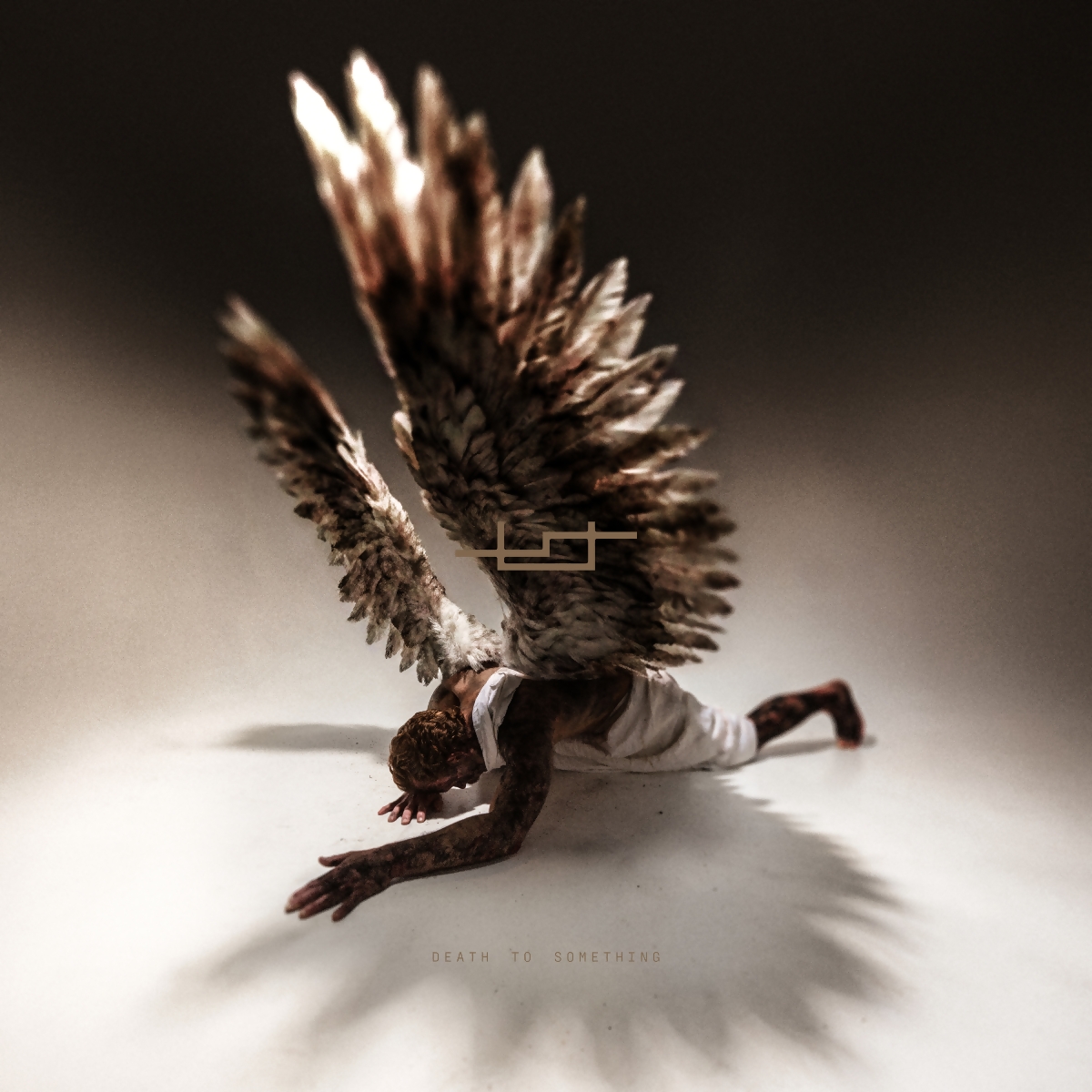
    The album’s artwork looks like this.

    And the tracklisting looks like this.

    1. Chains
    2. Last Of Me
    3. Mente Fragmentada
    4. No Holding Back
    5. Seraphim
    6. Far
    7. Runaway
    8. Bruised
    9. Cry
    10. Numb
    11. Death To Something
    12. Stasis

    If that wasn’t enough, the band are going to be joining Saosin on the Self Titled 20th anniversary tour very shortly.

    Here are the dates:

    OCTOBER

    23 – ANAHEIM House of Blues Anaheim
    24 – TEMPE Marquee Theatre
    25 – ALBUQUERQUE Sunshine Theater
    27 – SAN ANTONIO Vibes Event Center
    28 – DALLAS House of Blues Dallas
    29 – HOUSTON House of Blues Houston
    30 – NEW ORLEANS House of Blues New Orleans
    31 – PENSACOLA Vinyl Music Hall

    NOVEMBER

    01 – ORLANDO House of Blues Restaurant & Bar
    03 – NASHVILLE Brooklyn Bowl Nashville
    04 – RALEIGH The Ritz
    06 – SAYREVILLE Starland Ballroom
    07 – NEW YORK Webster Hall
    08 – WORCESTER Palladium
    10 – PHILADELPHIA Brooklyn Bowl Philadelphia
    11 – BALTIMORE Nevermore Hall
    13 – BUFFALO Town Ballroom
    14 – DETROIT The Majestic Theatre
    15 – CHICAGO House of Blues Chicago
    17 – MILWAUKEE The Rave / Eagles Club
    18 – MINNEAPOLIS The Fillmore Minneapolis
    20 – DENVER Summit Music Hall
    21 – SALT LAKE CITY The Complex
    22 – BOISE Knitting Factory
    24 – SEATTLE Showbox SoDo
    25 – PORTLAND Roseland Theater
    27 – LOS ANGELES The Novo
    28 – SAN DIEGO SOMA

    The post Save Us Unleash Powerful New Track ‘Last Of Me’ appeared first on Rock Sound.

  • Walking in the opposite direction…

    Photo by Julia Chouffot

    Here is a hypothetical mixtape of influences and inspirations for my new mini album Growing Towards The Light…


    Adrian Borland – Walking In The Opposite Direction

    Adrian Borland was one of the very best to ever do it and I identify completely with the ideas and themes behind this beautiful song. Sad, but roaringly defiant.

    Broadcast – Puzzle

    The release of the final Broadcast demos had a profound effect on me. These recordings, stripped to their very essence, convey an almost overwhelming amount of weight and emotional pull. Magic is real but real ones are rare.

    April Magazine – Jungle City Beat

    Key players in the San Francisco lofi fog pop movement, April Magazine’s fragile but all-consuming recordings fill my heart and never fail to lift me from whatever reality I might be facing.

    Carla dal Forno – I Go Back

    The directness and purity of spirit within Carla dal Forno’s most recent recordings are both refreshing and inspirational. Music to break tired patterns and help chart a new course.

    Paul McCartney – Waterfalls

    My first exposure to DIY pop, I picked up McCartney II as a teenager with my Dad at a record stall in Canterbury, England. Whilst it took me a beat to catch on, I now consider it an absolute all timer.

    Nick Drake – Road

    A forever inspiration, the quiet solitude and raw power of Nick Drake’s sparse recordings are charged with an almost supernatural force. Music from another time and place to shake us from the here and now.

    Arthur Russell – Fuzzbuster #06

    Nobody does it quite like Arthur Russell, and I struggle to find the words to convey the hold his music has over me. Arthur’s wide and varied body of work fully captures the human experience in all its tragic beauty.

    Linda Smith – I So Liked Spring

    Hearing Linda Smith’s home recordings for the first time was like something waking up inside of me. Songs and stories that have only strengthened with the passing of time, inspiring others like myself to sing their truth.


    Escape (official lyric video)

    Eight home recorded reflections on nature, you can check out Growing Towards The Light here.

  • Autumnfall – The Archaic Sins

    Friend, here’s a truth that I hope you will carry with you, especially if you ever feel even a twinge of guilt or shame about being unfamiliar with a particular album, or about being not quite as well-versed in a particular musician as you feel you ought to be: there is – scientifically speaking – a fuckin’ LOT of music out there. It’s true! Right this very second, as you read these words? You guessed it: more music was just born, bloody and screaming and desperate for your love and attention.

    Why am I telling you this when I am supposed to be telling you about the new album from Finland’s Autumnfall, The Archaic Sins? Well, Autumnfall is a relatively new band helmed by Jussi Hänninen. Hänninen was also the principal songwriter of the band Fall of the Leafe, who released six albums between 1998 and 2007 (and from whose first demo, 1996’s Storm of the Autumnfall, this new project takes its name). My confession, however, is that I have never listened to Fall of the Leafe. The name is familiar to me, most likely from seeing the latter albums released on Rage of Achilles and then Firebox Records in various online distros at the time, but, well… music: there’s a lot.

    The other reason to keep carping about Fall of the Leafe here is that Hänninen’s explicit aim with Autumnfall – under which name this latest album is the project’s fourth – is to revisit compositions originally written during the early days of Fall of the Leafe. According to the album’s promotional materials, seven of its eight songs were composed as Fall of the Leafe demos from 1998-2001. It’s unclear A) which tune here is the new composition and B) why none of the others made it onto earlier Fall of the Leafe albums, but thankfully, it’s easy to let the backstory to The Archaic Sins slip away as soon as the album gets cooking and reveals its considerable strengths.

    If you had to pin a single musical description on The Archaic Sins, the most sensible thing to reference would be melodic black metal. Since nobody is forcing you or me to choose just one description, I will happily inform you that Autumnfall sets a very interesting table where melodic black metal, melancholic doom/death, gothic metal, and folk metal collide. The album’s credits are a little vague, but it seems like Hänninen might handle all instrumentation, with vocals provided by Tero Ruohonen. Olli Pirkkanen was credited with playing drums on the first two Autumnfall albums, but I suspect we might be hearing programmed drums from Hänninen on this one. Ultimately, though, this album is all about wringing maximum emotion out of relatively straightforward yet carefully interlocking dual-guitar leads and bass lines, so the drums are primarily needed to put up the scaffolding upon which all the rest is terraced. 

    “Dark Goddess” is a prime example of how Autumnfall’s music often feels inspired by that particularly-Swedish strain of mid-90s melodic black metal (Dissection, Necrophobic, Dawn, Naglfar, Unanimated, etc.), yet even here, a far more gothic melancholy creeps into the song’s final third. Elsewhere, the album opener “Halo in Utopia” layers some synth piano against its snaky guitar harmonies, all of which ends up giving the song a more neoclassical angle that also feels somewhat similar to Obsequiae. The album’s second half kicks off with “Crystal Skies,” which spends much of its time in a slightly more restrained cadence. It’s in these moments, where the black metal intensity eases off somewhat, that Autumnfall most clearly shows the influence of Katatonia or Rapture. Album closer “The Timeless Kin,” in addition to demonstrating the sheer pleasure of Autumnfall’s clean-chiming guitar tones, imparts a bit of well-integrated folk melody in a manner somewhat reminiscent of their countrymates in Amorphis. 

    So, with all due apologies to Fall of the Leafe-heads, I have no idea how Autumnfall’s The Archaic Sins stacks up against the soil from which it apparently sprang. As I’ve been at irritating pains to say, though, there’s simply too much music out there for any one set of ears to hear. As a new listener to Jussi Hänninen’s songwriting, I like it! In fact, the best thing about this album to me is that it strikes a very satisfying – and somewhat unusual – balance between comfort and surprise. 

    What I mean is, all the pieces assembled here are familiar and comforting. As autumn, uh… falls in the northern hemisphere, I usually find myself drawn to the sounds of the constituent pieces of Autumnfall’s blend. When I seek that kind of comfort, then, I’m perhaps more forgiving of imitation-cum-inspiration than I would normally be, so I might be equally happy listening to Katatonia’s Discouraged Ones as I would be listening to some random new album that sounds 90% like Discouraged Ones. But that’s unsustainable long-term. Why I appreciate Autumnfall is that its 46 minutes are chock full of moments that make me think, “Oh, yes, that’s exactly the kind of thing I expected to hear, and that’s amazing,” but they also bring in variations on those themes in ways that are surprising even though they stay within the basic tenets of the style. 

    One specific example is “Lightless Depths,” which whips through excellent rhythm switch-ups to carry its folky theme and some of Ruohonen’s sharpest rasps. It’s excellent, but excellent in ways that probably feel like slipping into your favorite broken-in hoodie. Just before the 3:30 mark, though, the song pauses briefly and then drops into a coda-like section for its final minute. The song is still in the same key, but they’ve switched up to a simpler rhythmic variation of the mode for that opening theme, and the thing that really makes it pop is an unexpected interval. The coda’s four note melody goes E-Ab-Gb-B, so it’s the jump from G flat all the way down to B that stands out as just far enough outside what your ear naturally expects. It’s a small thing, all told, but it tells me that Hänninen has really worked the hell out of these songs, which makes it doubly impressive, then, how smoothly they all go down.

    The unavoidable fact that the universe is full (and always fuller) of more music than any mortal can know does not mean that we should all lapse into despair at never containing it all. Instead, we should celebrate this richness because it gifts us the freedom to follow what moves us. There are few small pleasures finer than finding something previously unknown to us that feels as if it might have been made precisely for us. That’s where Autumnfall lands for me right now. It’s on you to decide whether to chart your own path with it, and that’s a gift of its own.

    The post Autumnfall – The Archaic Sins appeared first on Last Rites.

  • Watch Nirvana reunite on stage and pay tribute to Kurt Cobain as they accept their MTV award

    The surviving members of Nirvana – Dave Grohl, Krist Novoselic and Pat Smear – reunited on stage at the MTV Video Music Awards last night, accepting a special award on stage and using the opportunity to celebrate their much-missed bandmate and Nirvana frontman, Kurt Cobain.

    Accepting the MTV Vanguard Award – previously awarded to the likes of Mariah Carey, U2, George Michael and Michael Jackson – Nirvana’s appearance was preceded by a highlight reel of some of their most iconic music videos, with bassist Novoselic acknowledging Cobain’s role in conceiving those clips.

    “Thank you very much to Nirvana’s fans around the world and to everyone at MTV,” said Novoselic. “This award brings back so many memories of making those videos. We saw the dystopian pep rally with anarchist cheerleaders; our version of an Ed Sullivan TV appearance; performing in a Wizard Of Oz-like field of poppies and so many more.

    “The ideas for those videos all grew out of the vision of one of the greatest artists of all time, Kurt Cobain. Kurt was one of one. None of us could have imagined that our band, our sound, our aesthetic could mean so much to so many people, but ultimately the music had a life of its own. It charted its own course. Nirvana continues to resonate so deeply because people are so hungry for authenticity, for something real, something uncompromising. It’s something that tells you it’s just okay to come as you are. Kurt would’ve loved that legacy. Thank you so much.”

    Watch Nirvana’s acceptance speech below. Other winners at this year’s MTV VMAs included Madonna, Taylor Swift, BTS, Olivia Rodrigo and Ella Langley.