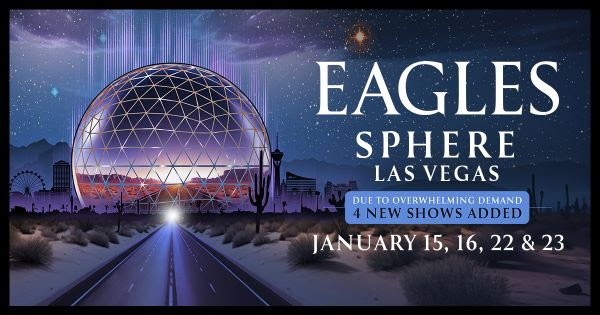
Country rock legends Eagles have extended their record-breaking residency at Sphere in Las Vegas again. The news comes nine months after they announced that the “final” four shows of their current run of shows would take place in March 2026.
Since then, the residency has been extended three times, and now another four shows have been confirmed for early 2027.
The band, who played their first date at the venue in September 2024, will now complete a total of 72 shows over 36 weekends, with the final Sphere shows scheduled for January 22 and 23. Full dates below.
Eagles have now played to more than a million fans at the venue and own the record for the longest Sphere residency, comprehensively breaking the record held by Dead & Company, who played 48 shows between May 2024 and May last year.
According to the promoters, the shows will “offer fans the ultimate connection to the band’s legendary catalogue in an immersive experience that only Sphere can provide.”
Ticket prices at the 20,000-capacity venue start at $175. The presale for the new seats begins on August 12 at 10am, with registration for early access to tickets now open on the Eagles website.
Also available are “Experience & Hotel” and “VIP Experience & Hotel” packages. The latter retails at $1451 and includes a choice of premium seat at Sphere, with guaranteed full view of the screen and priority access into the venue, a two-night stay at The Venetian Resort hotel, airport transfers, a VIP fan experience, commemorative Eagles keepsakes and a souvenir Eagles laminate and lanyard.
Sphere was opened in 2023 by U2, who played 40 shows at the revolutionary venue. Since then, Phish (13 shows across two residencies), Dead & Company, No Doubt (18 shows), country star Kenny Chesney (25), vocal group Backstreet Boys (35) and The Zac Brown Band (8) have completed residencies. Metallica have confirmed 24 shows between October and March.
Other bands rumoured to be in talks with Sphere include Guns N’ Roses, Tool and Queen + Adam Lambert.
The next Eagles show at Sphere is on September 18.
(Image credit: Sphere Entertainment)
Eagles @ Sphere, Las Vegas, 2026
Sep 18: Las Vegas Sphere, NV Sep 19: Las Vegas Sphere, NV Nov 13: Las Vegas Sphere, NV Nov 14: Las Vegas Sphere, NV Nov 27: Las Vegas Sphere, NV Nov 28: Las Vegas Sphere, NV Dec 04: Las Vegas Sphere, NV Dec 05: Las Vegas Sphere, NV Dec 10: Las Vegas Sphere, NV Dec 11: Las Vegas Sphere, NV Jan 15: Las Vegas Sphere, NV Jan 16: Las Vegas Sphere, NV Jan 22: Las Vegas Sphere, NV Jan 23: Las Vegas Sphere, NV
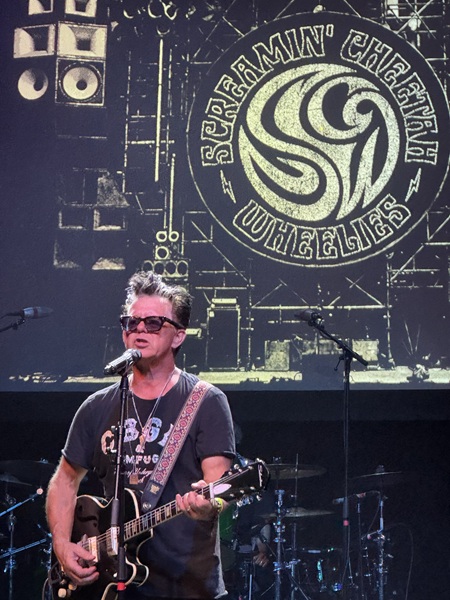
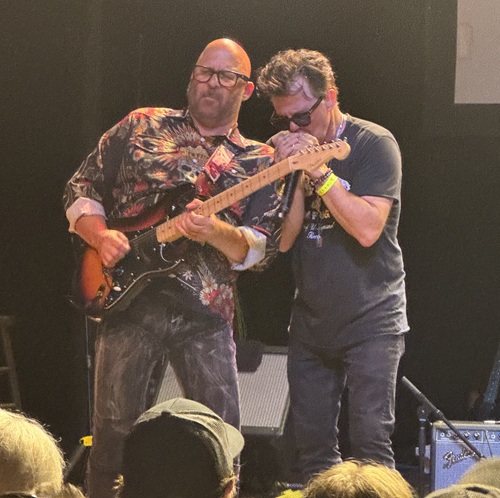
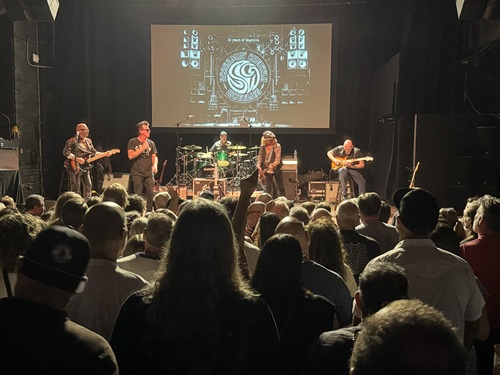
Screamin,’ in the best sense of the word, and just like their name states — vocalist Mike Farris, guitarists Rick White and Bob Watkins, Dean Tomasek standing in for bassist Steve Burgess, and drummer Terry Thomas, collectively known as the Screamin’ Cheetah Wheelies, celebrated three decades of their second album Magnolia, as well as what seems to be their final round of shows at NYC’s Grammercy Theatre for two nights. I caught them the first night.
Split into two sets of roughly an hour and half each, the band opened with “Backwoods Travelin’” with Farris kicking the song’s strut into high gear, playing harmonica then onto a call-and-response from the venue’s small but oh-so-responsive audience. The Wheelies might call Nashville home but tonight in New York City they were certainly welcomed.
Pretty much the rest of this first set followed a song-by-song roll from 1996’s Magnolia. Farris, the consummate frontman, was having a great time mugging, getting the crowd crazy and still sounding as killer with his still on-point bluesey vocals and scream, as the rest of the band was duck-ass watertight. But as kick-ass as the band was during the first set, things got even rockier in the second.
This is when we got a big gulp of 1998’s Big Wheel album. From opener (and my personal most favorite song of theirs) “Boogie King,” into the band’s version of “Right Place, Wrong Time,” which I have to say lost a little of its nuance for no reason I can pinpoint, into “Halcyon Days,” Farris lead the bluesy parade pretty much as he did the first set.
Farris opened the encore — just him on electric and singing “This Is the Time,” as the band slowly took to the stage. Then they rolled into the expected “Ride The Tide,” (the one where the crowd gets wild with a “woo woo” call and response) to end the show, just before the walls of the Grammercy completely melted.
I have seen the “Screamin’…Cheetah…Wheelies” (as you are supposed to shout, word by word when seeing the band live) plenty over the years. And I’m not sure I have ever seen them play better. This is a band that hits the stage seemingly with something to prove and tonight in New York City, they proved they are one of the best live bands still out there — for however short a time that might be.
Van Morrison first emerged in the mid-60s as the frontman of the Belfast group Them. The band’s debut album The Angry Young Them (1965) still courses with excitement today: raw, urgent rhythm and blues delivered with youthful swagger and intensity. Hit singles Baby Please Don’t Go – and its even more classic B-side Gloria – and Here Comes The Night placed Them firmly within the orbit of the British blues boom that produced the Rolling Stones and The Yardbirds.
At this stage Morrison’s vocal style bore an unmistakable kinship with Mick Jagger’s – the same R&B phrasing, harsh tone and half-spoken attack – and the young Belfast singer sounded every bit as charismatic as his London counterpart.
After Them split up in 1966, Morrison’s solo breakthrough came the following year with Brown Eyed Girl, a bright, infectious pop single from his debut album Blowin’ Your Mind! that has since become by far his most widely recognised song. With more than a billion streams on Spotify, it is one of the most celebrated pop recordings ever made and continues to introduce successive generations of listeners to his voice. Yet the breezy charm of that first hit only hints at the artistic leap that was about to follow.
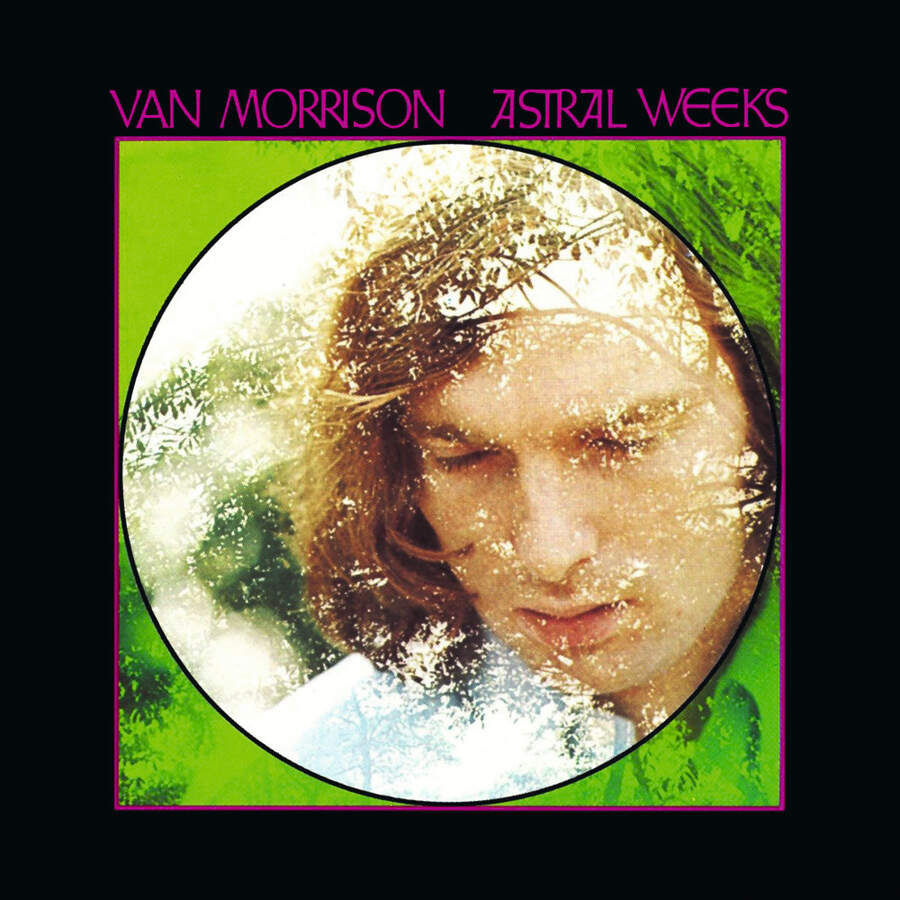
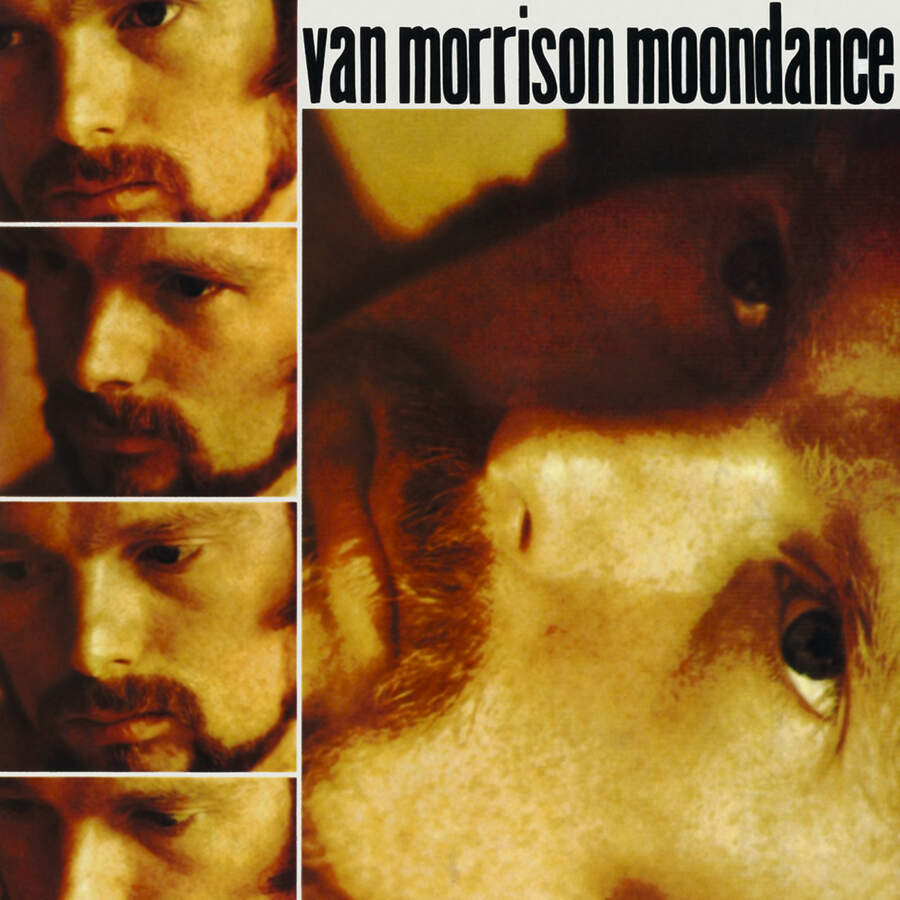
Within a year, Morrison released Astral Weeks, an album unlike anything else in rock music before or since, followed two years later by Moondance. These records stand as twin pillars of his catalogue – one mystical and exploratory, the other warm, elegant and grounded in songcraft.
From that point on, Morrison settled into the role he has maintained ever since: not a pop star chasing trends, but a working musician and songwriter following his own highly distinctive lodestar. He has produced an astonishingly deep catalogue drawing on soul, jazz, folk, gospel and Celtic music, and albums ranked ‘good’ for Morrison would be ‘classics’ for most other artists.
Since the 90s he has continued to release albums of quality and conviction with remarkable regularity. But the bar he set through the 60s and 70s remains so high that his later work inevitably struggles to compete with the mythic stature of those early records. Morrison himself seems unconcerned by such comparisons; he regards songwriting and recording as the work he was born to do, and continues to pursue it with undiminished commitment to this day.
Recorded with a small group of jazz musicians, Astral Weeks remains one of the most singularly original albums in modern music. Its songs unfold as drifting streams of consciousness, carried by acoustic guitars, fluid, acoustic bass lines and Morrison’s freestyling voice.
The extended centrepieces Cyprus Avenue and Madame George capture the album’s dreamlike intensity. A fusion of folk, jazz, soul and Celtic imagery, the album feels intimate and otherworldly. Astral Weeks’s precise combination of musical and spiritual elements has never been replicated by Morrison – let alone anyone else.
While Astral Weeks introduced Morrison the mystic poet, Moondance established him as a master songwriter and bandleader. The album transforms his improvisatory musical instincts into beautifully structured songs steeped in jazz, soul and rhythm and blues.
Tracks such as And It Stoned Me, Crazy Love and Moondance illustrate the record’s warmth, elegance and melodic assurance. Nimble drums, walking bass lines and exuberant horn and vocal arrangements give the music a relaxed sophistication. Where Astral Weeks drifts and dreams, Moondance moves with alert confidence and perfect compositional balance.
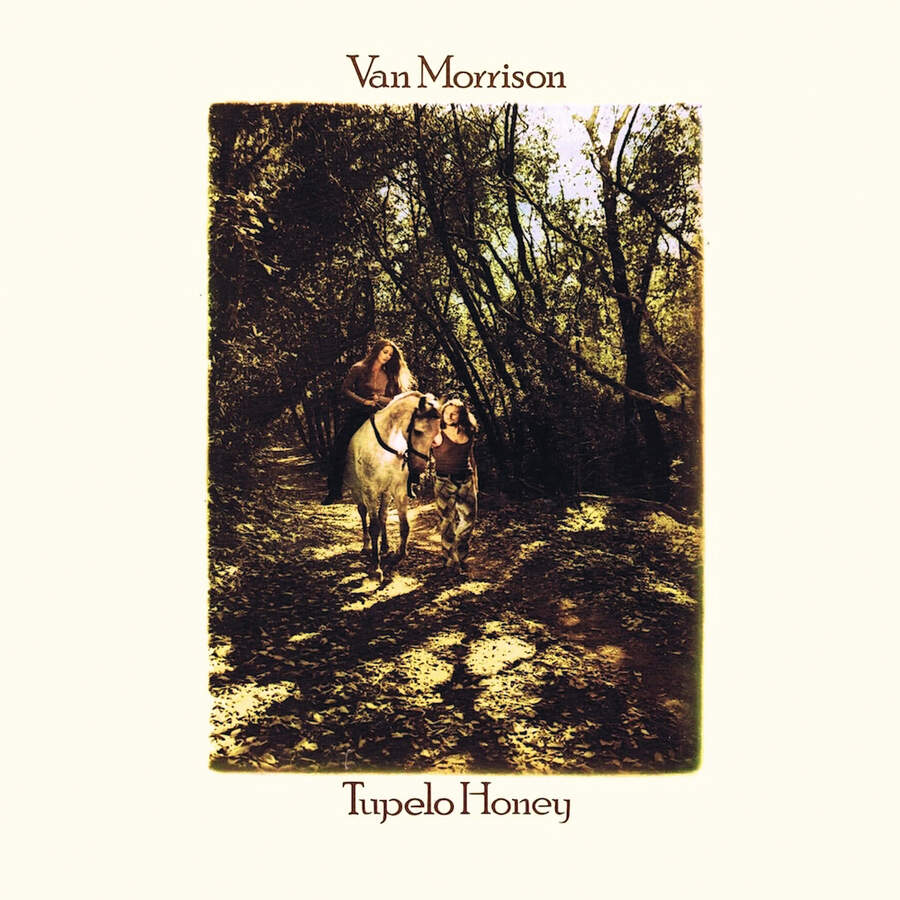
Curiously, Tupelo Honey remains unavailable on streaming services, and has to be found the old-fashioned way. Recorded after his move to California, it finds him loosening the mystical grip of Astral Weeks and the urban polish of Moondance in favour of something warmer and more open-road. Country, soul, gospel and rolling rhythm and blues blend effortlessly across the record.
The title track stands among Morrison’s most heartfelt love songs, while Wild Night remains one of his most exuberant rock performances. Less visionary than his earlier classics, perhaps, but deeply enjoyable and lasting.
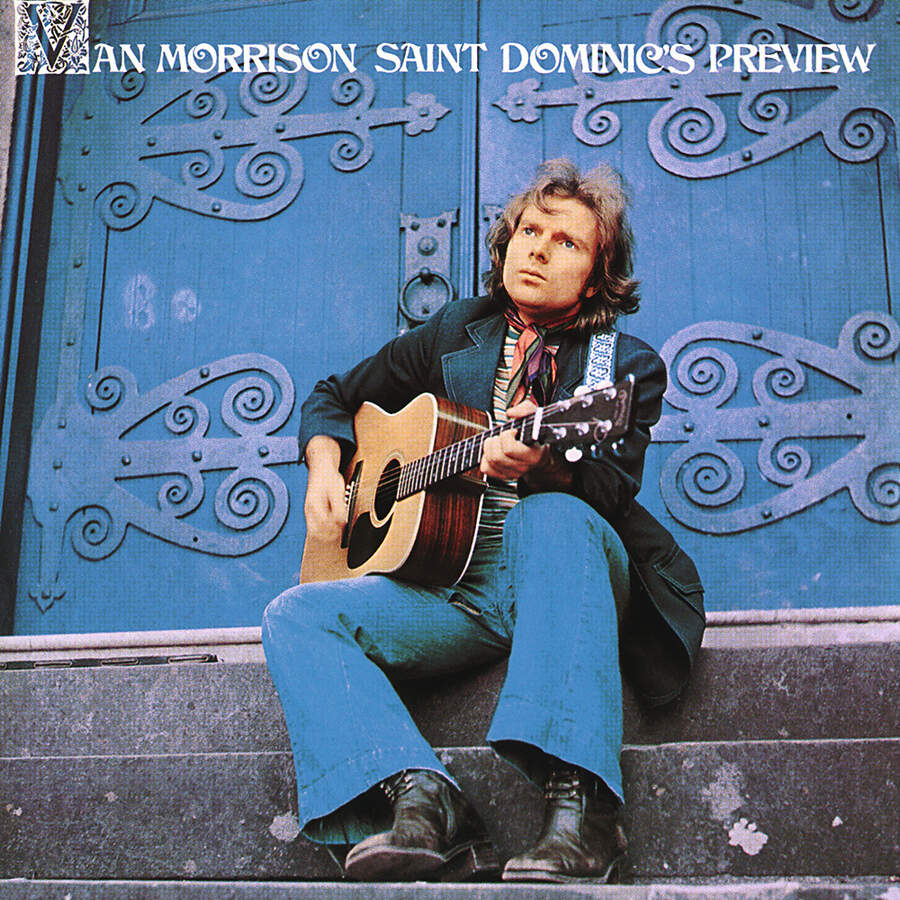
Here Morrison opens the canvas wider. The centrepieces are the two epics: Listen To The Lion, one of his most extraordinary vocal performances, building from murmured meditation to a roaring, full-throated spiritual release, and the sweeping title track.
The album also contains one of his most joyous hits, Jackie Wilson Said (I’m In Heaven When You Smile), a blast of pure soul exuberance. Balancing mystical introspection with exuberant R&B, it captures Morrison at a moment of creative confidence, when he was stretching song forms and following his instincts wherever they led.
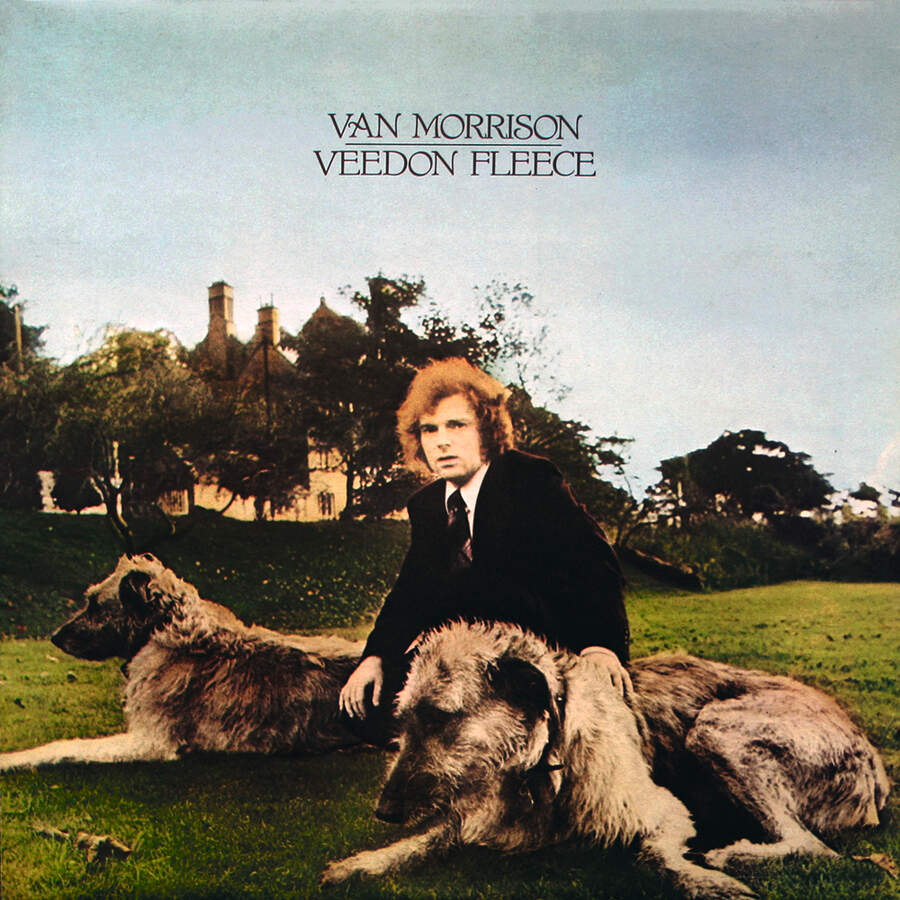
Following his move to America and the commercial breakthrough of Moondance and Tupelo Honey, Morrison briefly returned to Ireland, and emerged with an album steeped in Celtic imagery and introspection. Recorded in spontaneous sessions, Veedon Fleece revives the loose, intuitive spirit of Astral Weeks, its soft arrangements coloured by flute and pastoral atmosphere.
Long regarded as a lost (or overlooked) masterpiece, it carries a powerful creative charge. Songs such as Fair Play and You Don’t Pull No Punches, But You Don’t Push The River drift more than they resolve, leaving a beautiful but elusive album.
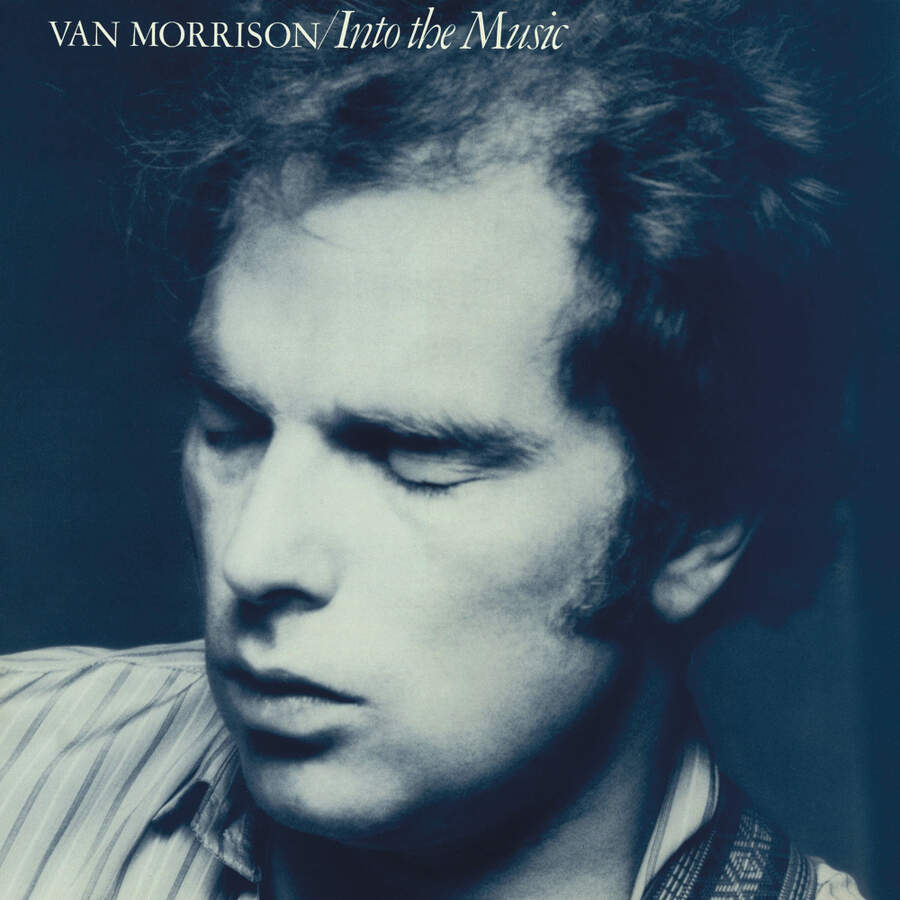
By the end of the 70s, Morrison sounded creatively reinvigorated. A new band featuring saxophonist Pee Wee Ellis gives Into The Music fresh rhythmic lift, while the songs reconnect with the spiritual intensity of his early classics. Bright Side Of The Road brings joyous immediacy, while And The Healing Has Begun and Full Force Gale reach for something more expansive and transcendent.
At its reflective centre, Morrison splices the old standard It’s All In The Game to his own You Know What They’re Writing About, turning a song remembered from his teenage pop years into something deeper. His most complete late-70s album.
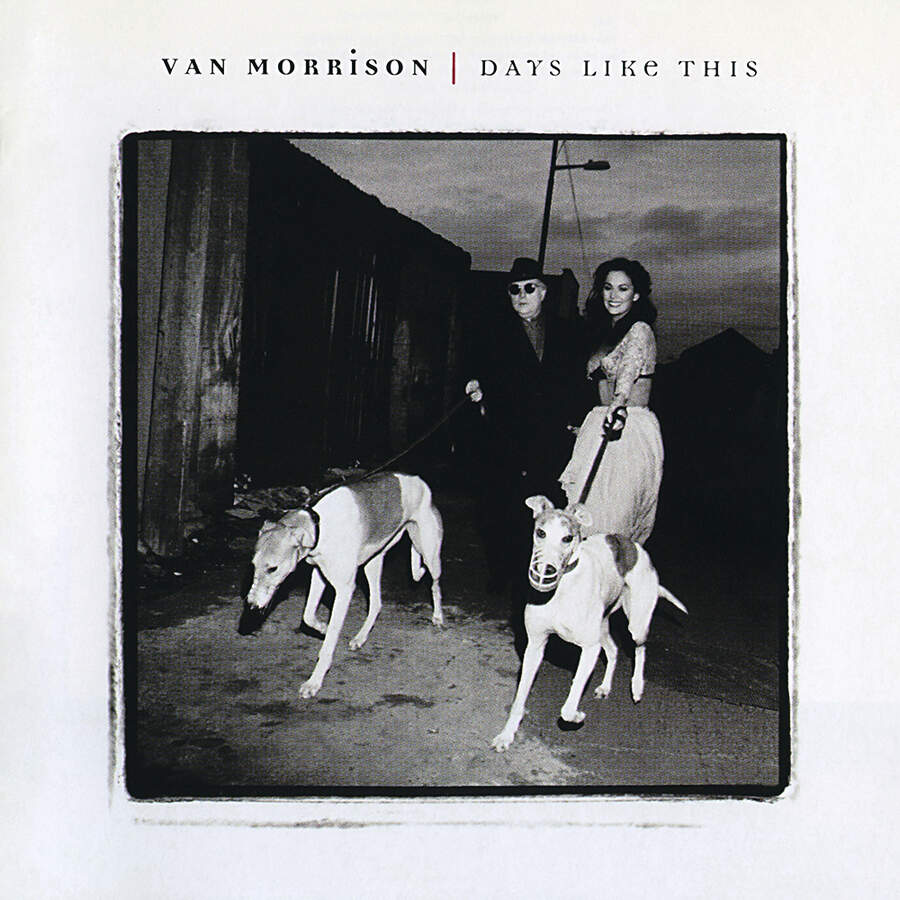
Days Like This is one of Morrison’s most relaxed and quietly confident albums, marking a midcareer recalibration that returned him to the pop mainstream without actively chasing it. The album reached No.5 in the UK and is the only Morrison release to be shortlisted for the Mercury Music Prize (so far).
The title track entered the culture almost immediately, its plainspoken optimism carrying far beyond the faithful, while songs including Perfect Fit and No Religion show a master songwriter paring back excess and trusting feel over flourish. Warm, unforced and deeply connective, this is Morrison at his most accessible and enduring.
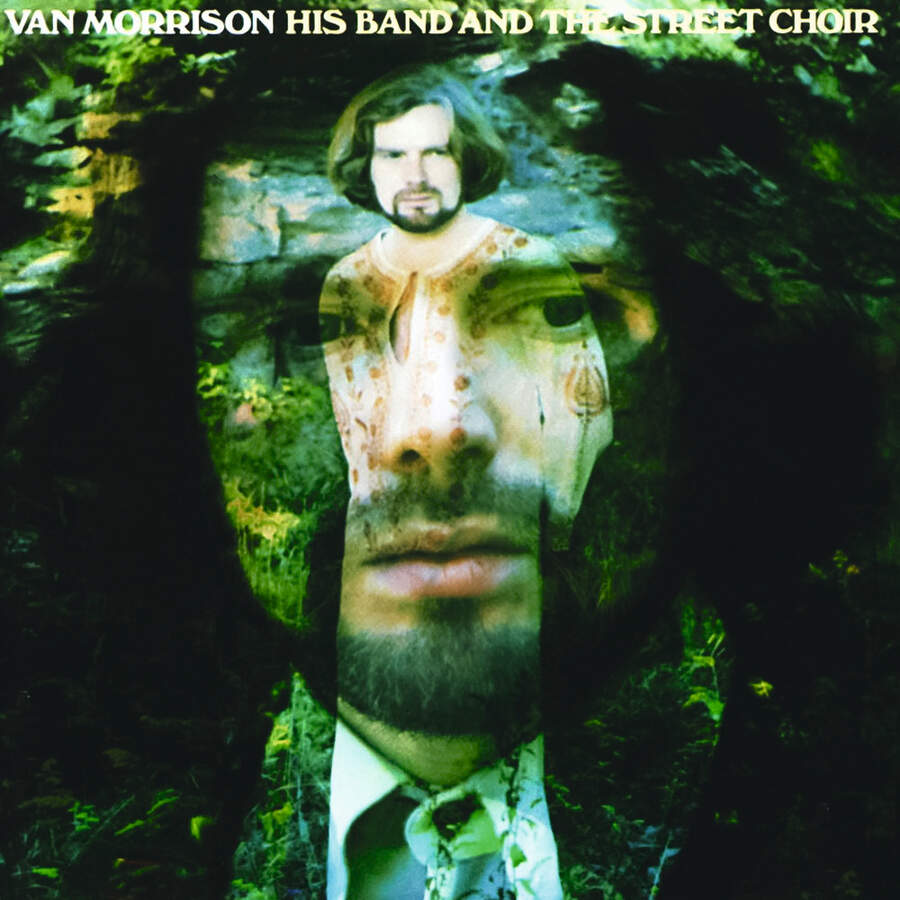
Issued the same year as Moondance, Morrison’s fourth album is a looser, more exuberant record steeped in R&B and gospel. It sounds almost improvised at times, the musicians pushing the songs forward with infectious energy.
At its heart sits Domino, one of Morrison’s most joyful singles, alongside spirited performances such as Blue Money and Call Me Up In Dreamland. The album captures Morrison revelling in the sounds that first inspired him. The material is uneven and the performances occasionally ramshackle, but it’s an irresistible slice of Morrison’s R&B soul.
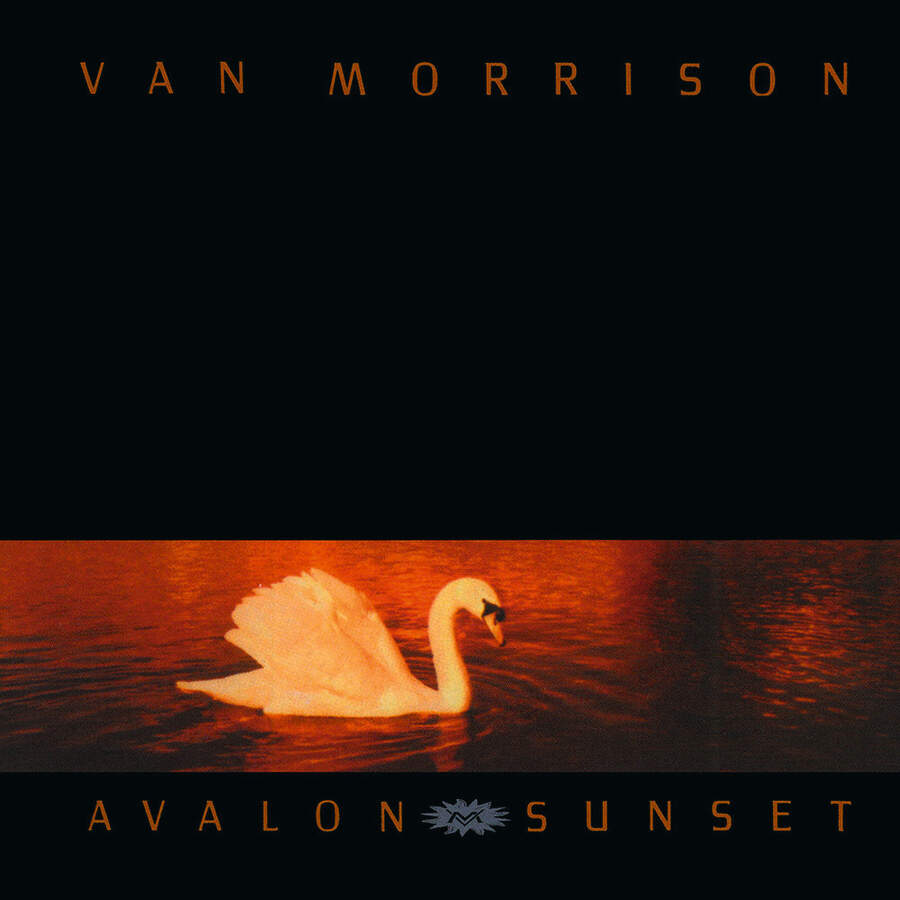
Avalon Sunset marked a return to broader accessibility after a run of austere, spiritually searching albums in the 80s. Morrison wraps familiar themes of memory, faith and longing in rich melodic arrangements that sometimes drift toward easy listening but remain deeply felt nonetheless.
The album produced one of his signature songs, Have I Told You Lately, alongside an uplifting duet with Cliff Richard on Whenever God Shines His Light, and the evocative Coney Island, a nostalgic meditation on his Belfast youth. The album’s melodic, mainstream warmth and generosity of spirit reveal another appealing side of Morrison’s art.
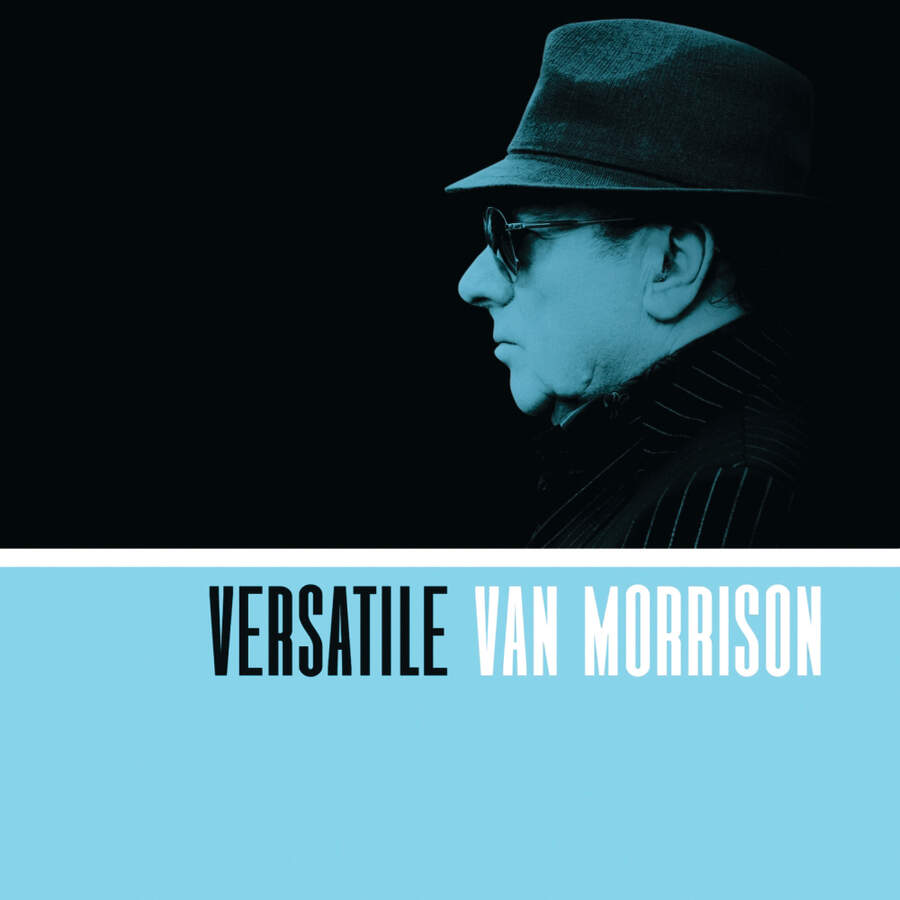
Versatile finds Morrison indulging his affection for American standards and jazz-era classics. Opener Broken Record – an original composition – is a witty but essentially throwaway idea – and the performances are perfectly enjoyable. But the album’s predominantly old-school, supper-club repertoire, including A Foggy Day and I Get A Kick Out Of You, sits outside Morrison’s natural territory.
He is a unique stylist, not an interpreter of standards, and unfavourable comparisons with the great singers who first defined these songs are unavoidable. An amiable diversion, perhaps, but not the place to look for the heart of the Morrison catalogue.
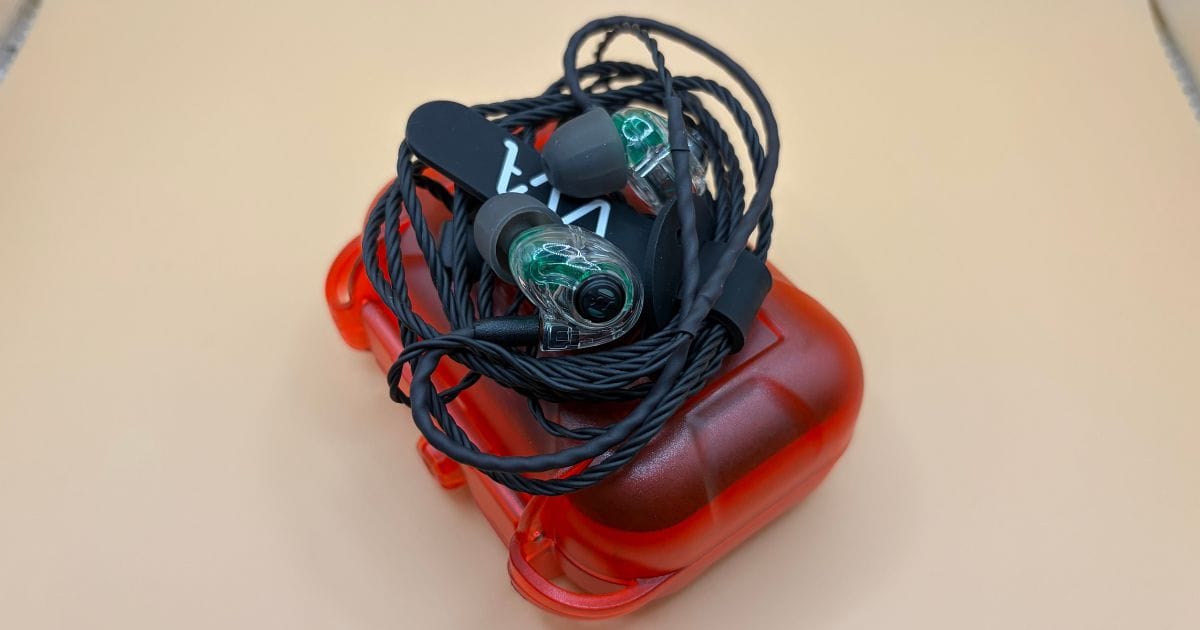
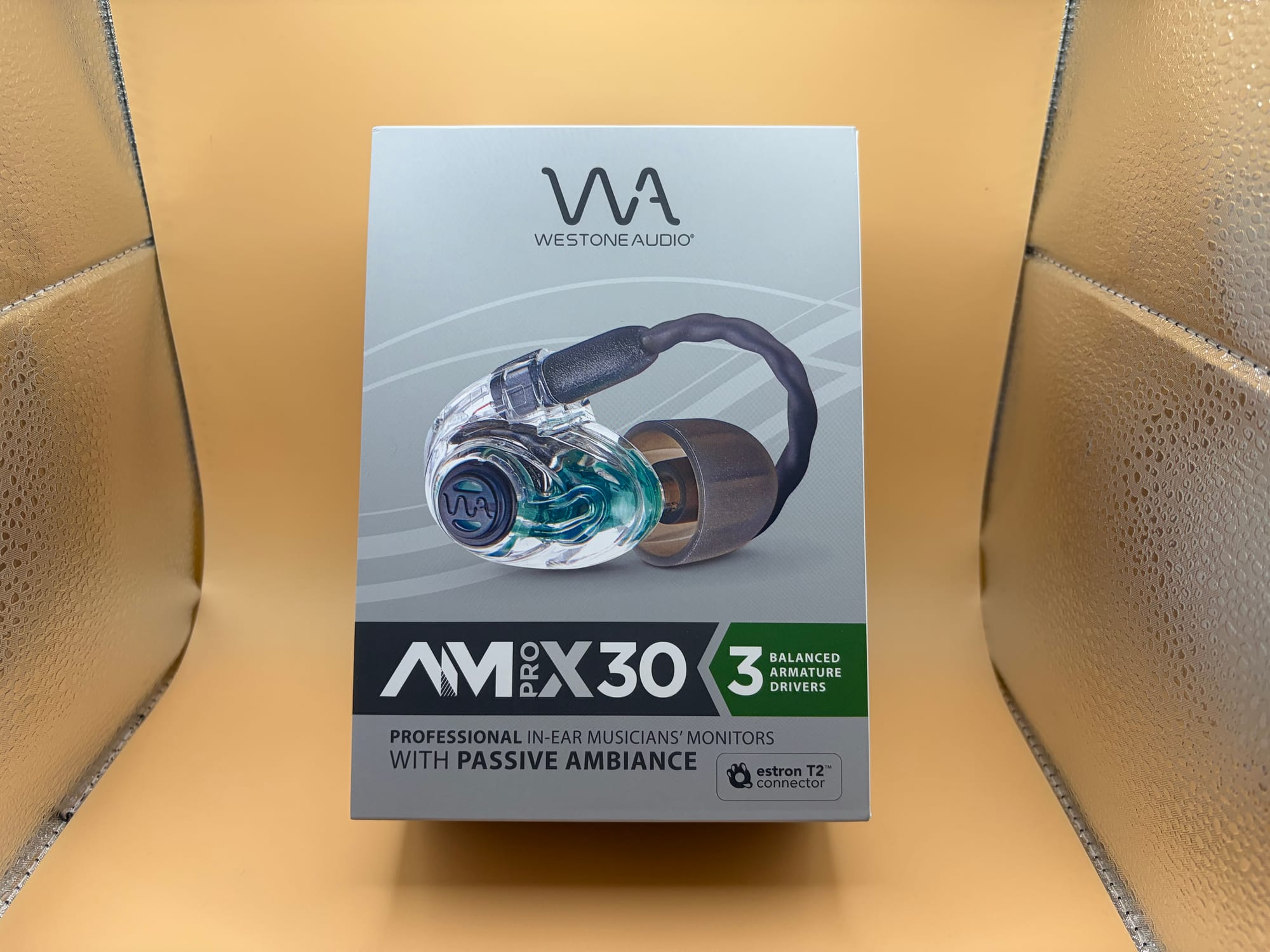
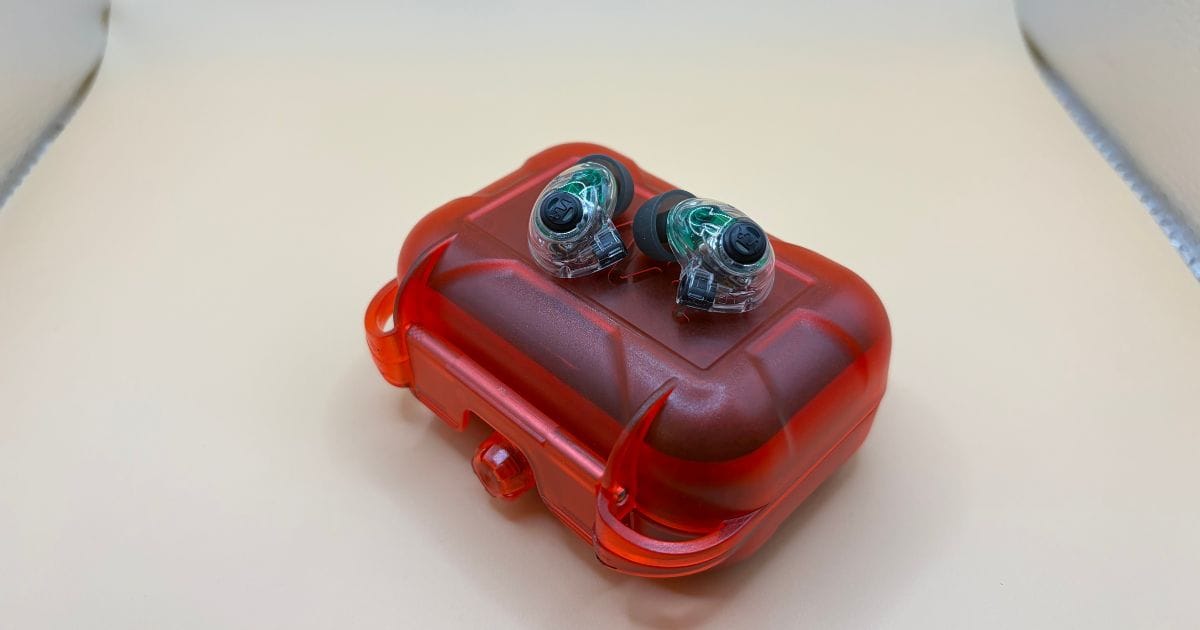
The AM Pro X30 is the flagship model in Westone's AM Pro X series, a lineup built specifically for performing musicians who need a monitor mix without losing touch with the stage around them. It sits above the AM Pro X10 and AM Pro X20 as the range-topping option, built around three balanced armature drivers (one each for bass, midrange, and treble) split by a three-way passive crossover. Every model in the AM Pro X series includes Westone's StageSense ambient filter, a passive design that blends a controlled amount of outside sound into the mix so performers can hear an audience, a bandmate, or a cue without pulling an earpiece out. It's priced at about $549 USD, positioning it as a premium option built for people who use their IEMs professionally rather than a casual audiophile purchase.
Build Quality and Design
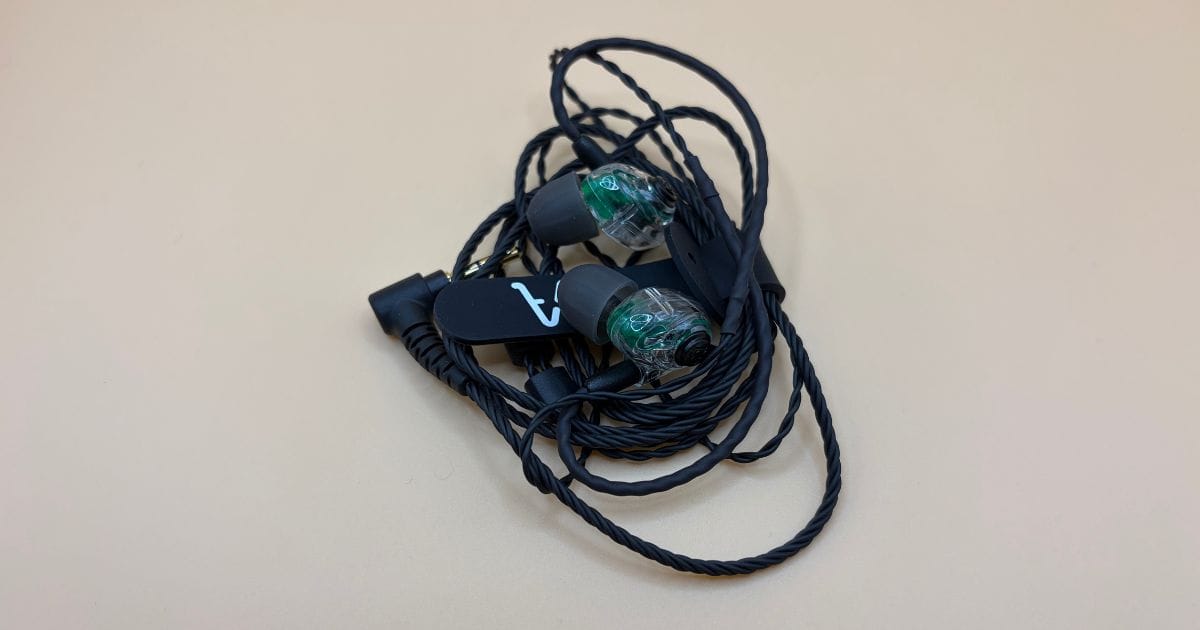
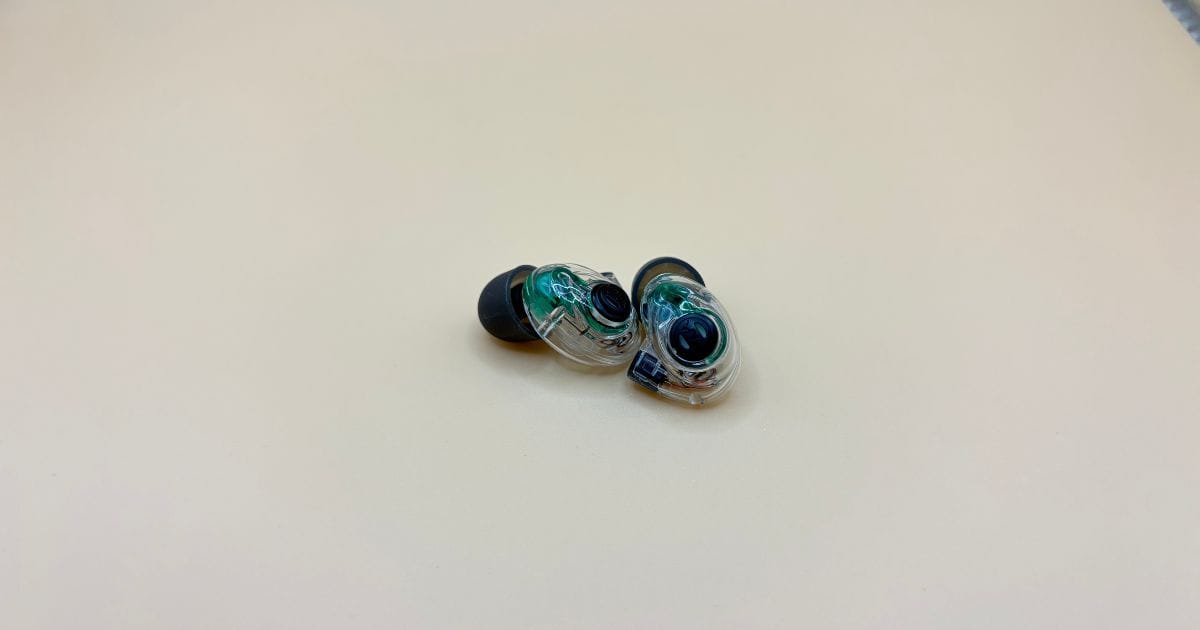
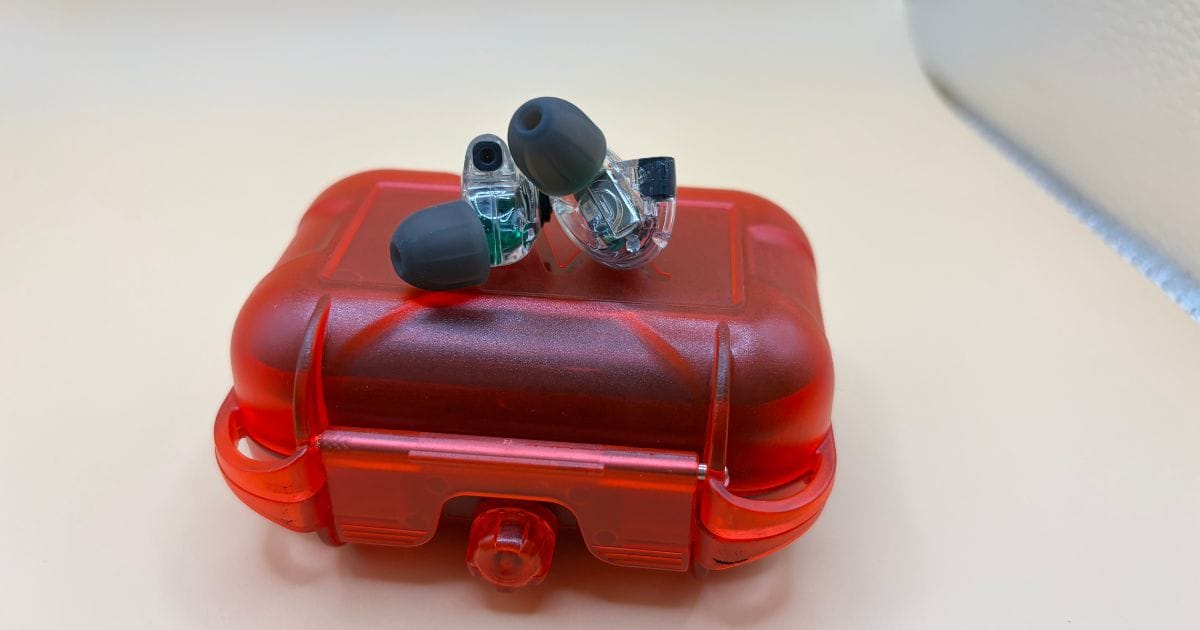
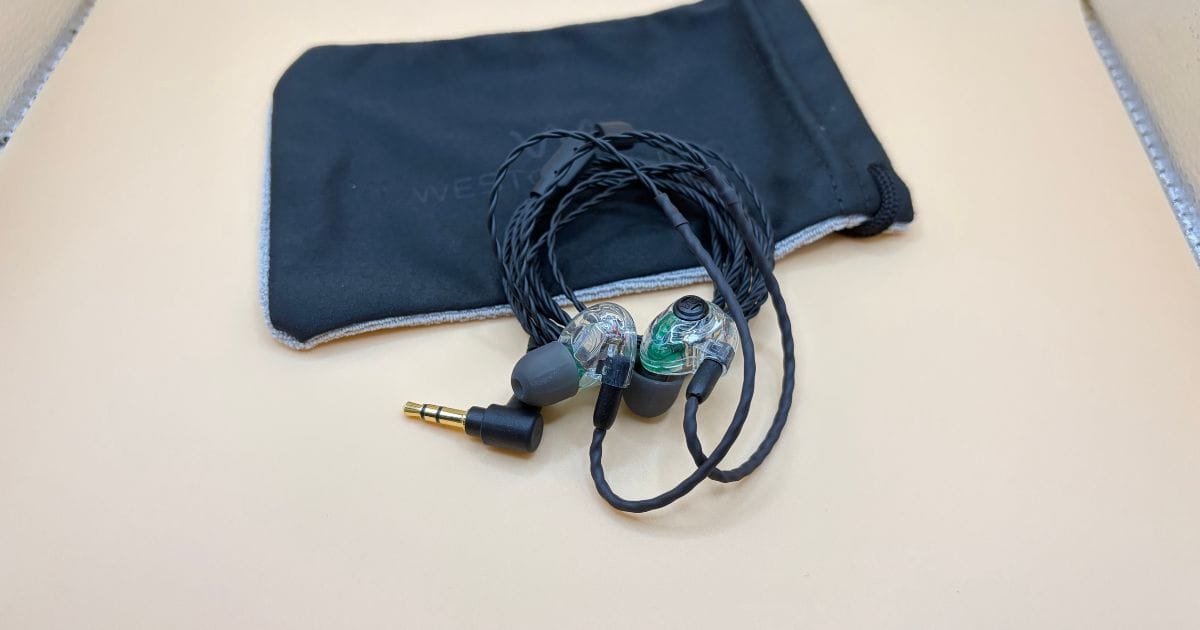
The X30 uses the same compact, low-profile shell shared with Westone's Mach series, formed from clear plastic that shows off the balanced armature drivers and internal wiring inside. The build quality is excellent, with clean tooling and no visible mold lines. The cable connects via Westone's T2 connector system, using a twisted SuperBAX cable made from silver-plated copper with a sweat-resistant, 360-degree rotatable connector designed to hold up to stage use.
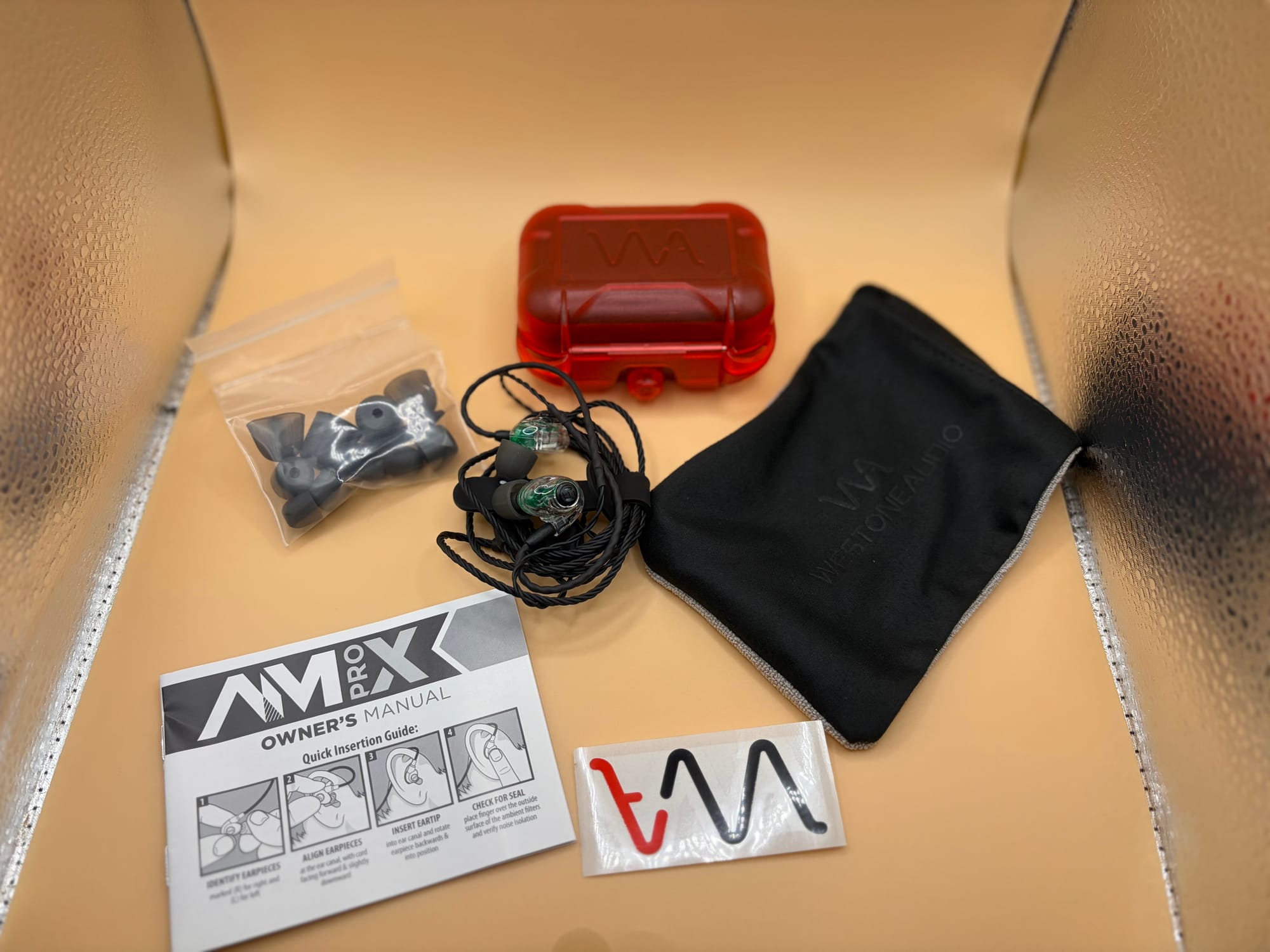
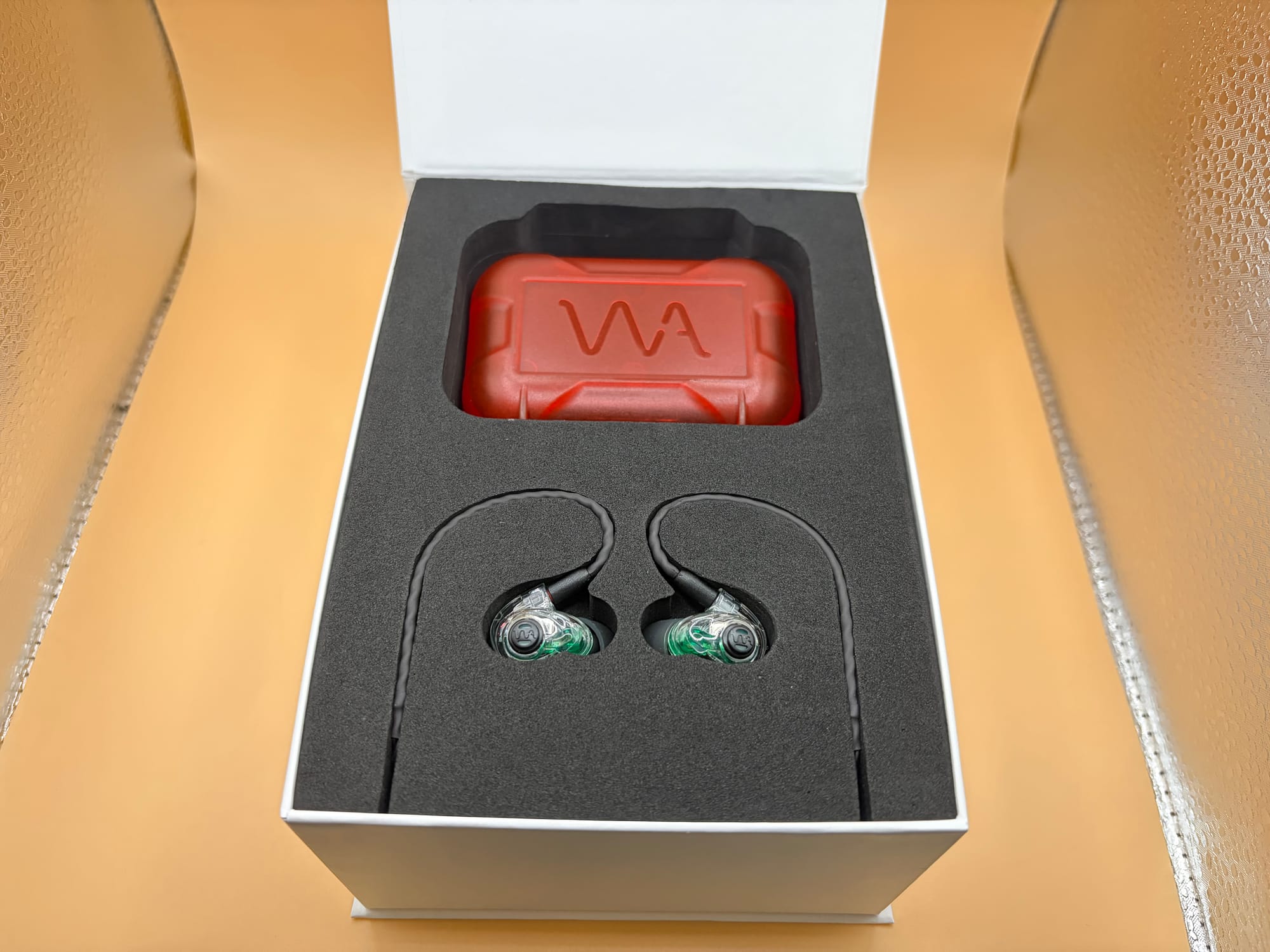
The accessory package is generous for the price. The box includes five pairs of silicone tips and five pairs of foam tips (XS through XL), a compact Monitor Vault carrying case, a cleaning tool, and a cloth storage bag, backed by a 2-year warranty on the shell and internal components. That kind of fit customization matters for a stage monitor, since a bad seal doesn't just hurt sound quality; it can also cause the earpiece to work loose during a set.
Sound Quality
Overall Sound: The AM Pro X30 delivers a balanced, "normal" sound signature that leans toward accuracy over excitement, which is exactly what you'd want from a monitor built for critical, professional use. Detail retrieval is strong for the price, and separation between individual notes stands out even compared to some pricier IEMs. While the X30's main focus is for professional performers, they sounded quite good during normal listening and could be used for both.
Bass: Bass is tight, controlled, and well-defined, a hallmark of a properly executed balanced armature setup. It doesn't dig especially deep, with sub-bass response rolling off earlier than dynamic-driver fans might expect, but what's there is precise rather than loose or boomy. For stage use, that tightness matters more than raw sub-bass extension, since it keeps low end from muddying a busy monitor mix. When listening to music casually, the bass doesn't feel lacking, but it is definitely on the more withdrawn side than many V-shaped audiophile headphones.
Mids: The midrange is where the X30 shines. Vocals and midrange instruments come through clean and forward, with the added third driver over the X20 specifically dedicated to boosting clarity in this range. This makes the X30 a strong pick for vocalists, guitarists, and anyone who needs to hear themselves clearly over a full band mix. Westone has always had a particularly excellent midrange tuning with their monitors, and the X30 is no different.
Treble: Treble is smooth and detailed without becoming harsh or fatiguing over a long set. It extends cleanly and adds air to the mix without drawing attention to itself, which is the right call for a monitor meant to be worn for hours at a time.
Timbre, Soundstage, and Imaging: Timbre is natural and accurate rather than colored, matching the X30's overall "monitor first" tuning philosophy. Imaging is very strong, with instruments and vocals placed precisely within the soundstage, which helps performers track their position in a mix during a live show. Soundstage width is respectable for an in-ear design, though it prioritizes precision over the expansive, airy feel some audiophile-tuned IEMs chase.
Comfort and Isolation
Comfort is one of the X30's biggest wins. Between all of the Westone products I've tested, comfort has always been industry-leading. The shell is compact and lightweight, built to be worn comfortably through hours-long rehearsals and shows without fatigue, and the dual set of foam and silicone tips means most ear shapes can dial in a secure, comfortable fit.
Isolation is more nuanced here because of the StageSense ambient filter. This is a passive, semi-open design meant to let a controlled amount of outside sound in, so performers aren't fully cut off from the room. That's a feature for musicians who need to hear an audience or a cue from a bandmate, but it does mean the X30 isolates less than a fully sealed IEM at the same price. If your priority is blocking out a loud stage or a noisy commute completely, Westone's own sealed Mach series is the better fit. If you need to stay connected to your environment while still getting a clear monitor mix, the ambient filter is exactly the point.
How It Compares
Vs. Westone AM Pro X20: The X20 is the AM Pro X30's direct sibling and the most natural comparison point, since it's built on the exact same ambient filter concept in a smaller package. The X20 uses two balanced armature drivers instead of three, and the difference shows up mainly in the midrange: the X30 adds a dedicated driver specifically for that band, giving vocals more body and separation than the X20's slightly leaner, brighter presentation. The X20 also has a lower impedance (27Ω vs. 56Ω) and higher sensitivity, making it a touch easier to drive off a phone or basic interface. If your budget tops out closer to $300 to $400 and you don't need the added midrange richness, the X20 covers most of the same ground for less money. If you want the fullest, most balanced version of Westone's ambient monitor concept, the X30 is worth the jump.
Vs. Shure SE535: The SE535 is a similarly priced, similarly positioned triple-driver stage monitor, but it's a fully sealed design with no ambient pass-through. The Shure isolates better in loud environments and has a slightly warmer, more relaxed low end, while the X30 pulls ahead on midrange clarity and imaging precision. The choice mostly comes down to whether you need to stay aware of the room, which is where the X30's ambient filter becomes the deciding factor.
Vs. Westone Mach 30: The Mach 30 shares the X30's shell and driver count but drops the ambient filter entirely in favor of a fully sealed design aimed at audiophiles and sound engineers rather than performers. It isolates significantly better and is tuned with a bit more low-end warmth for casual listening. The X30 is the right call for anyone performing on stage who needs to hear around them; the Mach 30 makes more sense if your use case is studio monitoring, personal listening, or maximum isolation onstage.
Final Verdict
The Westone AM Pro X30 is a purpose-built tool that happens to sound excellent as a result of that focus. It won't be the most exciting or bass-heavy IEM you'll try, and its ambient filter means it isn't the best choice if total isolation is your priority. But for musicians, engineers, and anyone who wants a monitor with precise imaging, a clean midrange, and the ability to stay connected to the room, the X30 delivers exactly what it promises at a price that's fair for what you get. With it's price at over $500 it wont suit people who only use their IEMs for home-listening, but if you are a musician who needs a technical monitor for use on stage and want a pair of earbuds you can use off stage to sound great, the AM Pro X30 is just that.
Technical Specifications
Configuration: 3 balanced armature drivers with 3-way passive crossover