Blog

  • Leatherhead – Violent Horror Stories Review

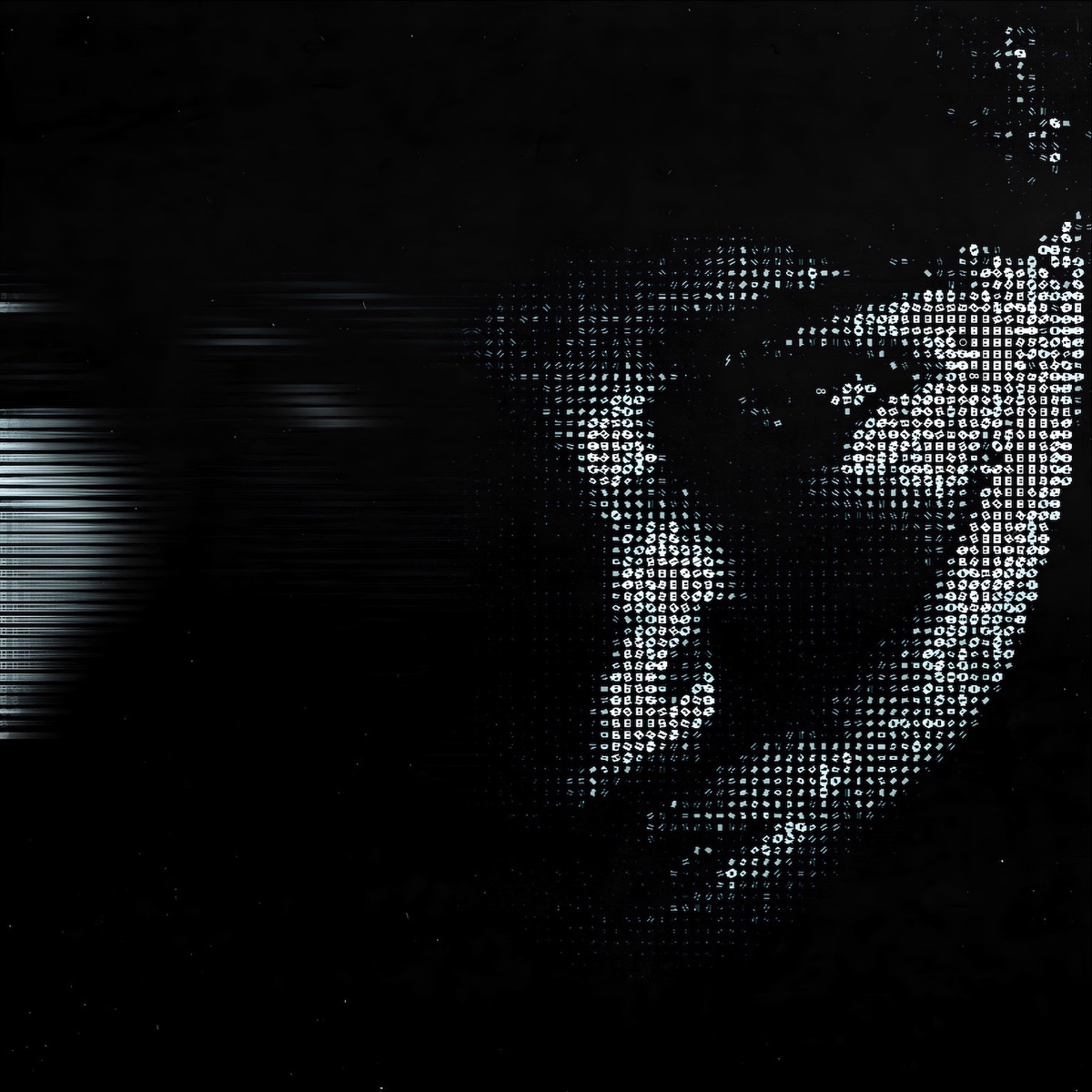
    [Album artwork by Mario López]

    You would never know the very USPM-sounding Leatherhead are Greek. Yet here we are, reviewing Leatherhead’s sophomore effort, the bluntly titled Violent Horror Stories, which is … you guessed it, eight scary tales delivered in that specifically non-specific power-meets-speed-meets-heavy metal fashion of the band’s American forefathers. Lesser bands might work this formula into something of a tribute. Fortunately, anchored by their high-register and charismatic singer, Leatherhead are no such band, treating tradition-minded devotees to their own brand of well-written and direct heavy metal.

    Leatherhead’s curiously uncommon, somewhat amorphous but always quite traditional sound is their pull. That Agent Steel, Riot, Helstar, and Vicious Rumors are frequent cross-references – as opposed to newer bands – isn’t all that surprising. For whatever reason, early USPM isn’t inspiring as many bands as, say, more epic, progressive, or British waves. Thankfully, Leatherhead are so inspired and carry the mantle forward.

    Release date: February 13, 2006. Label: No Remorse Records.
    To its credit, the only particularly modern element of Violent Horror Stories is the crisp and punchy production. Everything else, from the riffs to Tolis Mekras’s Geoff Tate-like vocals, sounds unmistakably early to mid-1980s, except, perhaps, the more late-1980s “Children of the Beast” – the album’s more expansive seven-minute song. It’s as if the fivesome had locked themselves in a neon-lit room with Blue Raspberry Slurpees, Big Macs, and Skeptics Apocalypse and Soldiers of the Night on tape. A proper party.

    More important than the inspiration alone, Leatherhead are adept at writing their own memorable songs. Most, like album-opener “V.H.S.,” are lean in fat, their impression resting more on a few select riffs, a strong hook, and a tasteful lead. Some certainly stand out more than others. “Crimson Eyes,” in particular, finds Leatherhead at their best – Mekras navigating an especially hooky riff on a relatively simple but effective tune. It’s the sort of accessible song that compels repeat listens and often results in listening to the whole album anyway. It’s also Mekras at his best; mostly polished and on target with just a hint of unhinged for flair.

    Leatherhead continue to occupy an important and, unfortunately, mostly vacant space in the metal realm. There aren’t a ton of non-legacy bands playing in this specific style. That Leatherhead play this specific style with this amount of aplomb is a benefit to all, but a particular benefit to those who crave original, hooky, and well-written USPM-style songs. With Violent Horror Stories, Leatherhead inch a little bit closer to crafting their own genre classic.

    The post Leatherhead – Violent Horror Stories Review appeared first on Last Rites.

  • SIIICKBRAIN drops new single and video, PALO SANTO

    SIIICKBRAIN has dropped a new single and video, PALO SANTO.

    Following her recent collab with Skrillex on his 2026 EP Kora, the artist otherwise known as Caroline Miner Smith has released a new alt. electro banger via NOWHERE Recordings in partnership with Pale Chord/Rise Records BMG.

    If that label sounds familiar to you, it’s because NOWHERE is run by former Code Orange chaps Jami Morgan and Eric Shade’ Balderose under their NOWHERE2RUN banner. Indeed, the frontman told us last autumn that, We work with and curate other things like SIIICKBRAIN, who was one of the first artists we signed to our NOWHERE Recordings label and she’ll have her own record coming out [in 2026].”

    If this is the first taste of that, get excited…

    Posted on February 18th 2026, 2:00p.m.

  • Slipknot, Papa Roach, The Offspring and more have been added to the Battlefield 6 videogame soundtrack

    The online FPS is entering its second season, after debuting to much hype last October
  • Shape-shifting black/death metal band PHASMA’s album is streaming in full

    Greek black/death metal band Phasma are getting increasingly written about of late and with good reason. The way they’re melding these styles is both hard-hitting and refreshing, and leaves the listener guessing what will come next. The dark and ferocious album is streaming is full now on Bandcamp and also on the label’s channel (the video can be found below).  PRESS […]

    Source

  • Why Adam Sandler’s Aerosmith Sketch Nearly Sparked an ‘SNL’ Fight

    The 1995 sketch almost led to a backstage fistfight among castmates. Continue reading…
  • 10 Obscure Blues Rock Bands of the 1970s

    The 1970s were a critical period in the developmental transformation of blues rock, as the genre evolved from its late-1960s roots into heavier, more experimental territory while retaining its raw emotional core. While bands like Led Zeppelin and the Allman Brothers dominated the airwaves and arenas, lesser-known bands were creating new sounds and delivering electrifying takes on the style without getting the credit they deserved. These bands blended gritty riffs and soulful grooves with boogie rhythms and, on occasion, proto-metal riffs. Here are ten examples of underappreciated acts from both sides of the Atlantic that capture the decade’s spirit of innovation and high-energy performances.

    Back Street Crawler   

    Back Street Crawler came into existence in 1973, when former Free guitarist Paul Kossoff formed the band. The group was comprised of Terry Wilson-Slesser on vocals, Mike Montgomery on keyboards, Terry Wilson on bass guitar, Tony Braunagel on drums, and Kossoff on lead guitar. Their sound delivered raw, heartfelt blues rock, featuring burning guitar solos and gritty riffs performed with a soulful edge that pushed beyond the limits of Kossoff’s days with Free. They released their debut album, The Band Plays On, in 1975, followed by their second album, 2nd Street, in 1976. The band captured the unpolished intensity of 1970s blues rock, but Kossoff’s death in 1976 brought the group to an end.

    Bloodrock

    Bloodrock was a Texas hard blues rock band formed in 1969/70 after emerging from the Fort Worth local club scene. The band was comprised of drummer/vocalist Jim Rutledge, drummer/percussionist Rick Cobb, lead guitarist Lee Pickens, rhythm guitarist Nick Taylor, bass guitarist Ed Grundy, and keyboardist Stevie Hill. Terry Knight, Grand Funk Railroad’s manager and record producer, signed them to Capitol Records, and they released their eponymous debut album, Bloodrock, in 1970. The band often used dark lyrical themes, most famously on their follow-up album, Bloodrock 2, which brought them their biggest success with the controversial hit single “D.O.A.” They delivered a raw, heavy blend of blues-infused hard rock and gritty riffs with psychedelic edges that complemented their dark lyrical imagery. After touring with Grand Funk Railroad, they achieved a notable level of success, but following the departure of Rutledge and Pickens in 1972, the band’s sound became more progressive with the addition of horns. After releasing a few more albums, they ultimately disbanded in 1975.

    Cactus

    Cactus was formed on Long Island, New York, in 1969/70 as a hard-hitting American response to the emerging British heavy blues scene. They were a raw, high-energy blues rock band comprised of the Vanilla Fudge rhythm section of Carmine Appice on drums and Tim Bogert on bass guitar. Former Mitch Ryder & the Detroit Wheels and Buddy Miles Express guitarist Jim McCarty, along with Ted Nugent & the Amboy Dukes vocalist and harmonica player Rusty Day, rounded out the lineup. Some referred to them as “The American Led Zeppelin” because of the way they fused blistering blues riffs and boogie grooves with psychedelic flair. In 1970, they released their eponymous debut album, Cactus, and went on to release four albums by 1972, culminating with ’Ot ’N’ Sweaty. Shortly afterward, the band dissolved to form Beck, Bogert and Appice.

    Captain Beyond

    Captain Beyond was formed in 1971 in Los Angeles, California, as an American supergroup. The band was made up of founding Deep Purple vocalist Rod Evans, Iron Butterfly alumni lead guitarist Larry Reinhardt and bass guitarist Lee Dorman, along with former Johnny Winter drummer Bobby Caldwell. They released three albums between 1972 and 1977 before breaking up in 1978. Their sound featured a cosmic, riff-heavy mix that ranged from gritty hard blues rock to jazz fusion and psychedelic stoner rock.

    Hoo Doo Rhythm Devils

    The Hoodoo Rhythm Devils formed in 1970 and were part of the Bay Area post-hippie scene. They were a gritty, high-energy funky blues rock band from San Francisco that blended swampy blues boogie and country rock with soulful grooves, performed as straight-up rock and roll. Between 1971 and 1978, they released five studio albums, beginning on Capitol Records and ending on Fantasy Records. The band was comprised of guitarist John Rewind, vocalist and bass guitarist Joe Crane, who backed Johnny and Edgar Winter, drummer Glenn Walters, and Richard Greene on bass guitar. Their final album, All Kidding Aside, was released in 1978, but following Crane’s death from leukemia in 1980, the band disbanded.

    Jo Jo Gunne  

    Jo Jo Gunne was an under-the-radar act whose high-energy style helped with the transition from 1960s psychedelic rock to more straight-ahead, boogie-infused arena rock. The band was formed by former Spirit co-lead singer Jay Ferguson, who also played piano, along with bass guitarist Mark Andes, guitarist Matt Andes, and drummer Curly Smith. They were inspired by Chuck Berry’s song “Jo Jo Gunn” and named themselves after it, much like the Rolling Stones used Muddy Waters’ 1950 recording for their band’s name. Between 1972 and 1974, they released four albums, with their self-titled debut producing a Top 40 hit in the United States and a UK Top 10 hit with “Run, Run, Run.” After personnel changes and waning commercial momentum, they disbanded in 1975.

    Juicy Lucy

    Juicy Lucy was formed in London, England, in 1969 and developed a gritty, slide guitar-heavy sound laced with boogie, soul, and swampy grooves. The band was made up of American steel guitarist Glenn Ross Campbell, former John Mayall’s Bluesbreakers saxophonist and keyboardist Chris Mercer, vocalist Ray Owen, guitarist Neil Hubbard, bassist Keith Ellis, and drummer Pete Dobson. Their eponymous debut album, Juicy Lucy, was released in October 1969 on Vertigo Records and produced a Top 20 UK hit with their cover of Bo Diddley’s “Who Do You Love?” The band released four albums, concluding with Pieces in 1972, before disbanding following the departure of Campbell and Mercer.

    May Blitz

    May Blitz was a Canadian-British blues rock power trio formed in 1969 that blended heavy psychedelic rock, proto-metal riffs, bluesy grooves, and progressive elements. Influenced by 1960s bands like Black Sabbath, Cream, and the Jimi Hendrix Experience, they were signed to Vertigo Records as one of the label’s first four acts, alongside Black Sabbath, Juicy Lucy, and Uriah Heep. Canadian guitarist and vocalist James Black and bassist Reid Hudson joined British drummer Tony Newman, who had previously played in Jeff Beck’s group, to form the band. During their short career, they released two albums that featured extended jams and aggressive guitar work, earning them cult status despite modest sales. Commercial struggles and creative fatigue led to the group’s dissolution following the release of The 2nd of May in 1971.

    Montrose

    Montrose was founded in 1973 by guitar virtuoso Ronnie Montrose, who had previously worked with Van Morrison and Edgar Winter. The band was a powerhouse led by Montrose’s blazing six-string playing and delivered a gritty, high-voltage take on blues rock. They bridged the raw, riff-heavy British invasion of the late 1960s with the leaner, more aggressive American hard rock of the 1970s. Powerhouse vocalist Sammy Hagar, drummer Denny Carmassi, and bassist Bill Church rounded out the lineup. They released their eponymous debut album, Montrose, in 1973, showcasing an explosive, string-bending energy comparable to players like Jeff Beck and early Led Zeppelin. The band played with a stripped-down, turbocharged intensity marked by relentless groove and attitude.

    Stone the Crows

    Stone the Crows were a gritty Scottish blues rock band that emerged from the Glasgow pub scene in 1969. They were managed by Peter Grant, Led Zeppelin’s manager, who coined their name, a phrase indicating surprise in the local vernacular. The band was made up of Maggie Bell, whose soulful, powerhouse vocals were often compared to Janis Joplin, along with fiery guitarist Leslie Harvey, drummer Colin Allen, bassist James Dewar, who later joined Robin Trower, and keyboardist John McGinnis. They released four albums between 1970 and 1972 that blended deep blues roots with driving rock and are considered among Britain’s great lost bands of that era. The group broke up in 1973 after guitarist Leslie Harvey was fatally electrocuted on stage due to faulty equipment.

    The ten underappreciated bands from the 1970s highlighted here exemplify the decade’s spirit of bold experimentation and electrifying live energy. From Paul Kossoff’s soul-burning, stratospheric guitar solos and Maggie Bell’s powerhouse vocals to Ronnie Montrose’s turbocharged riffs accompanied by Sammy Hagar’s stellar singing, the era was transformative. These hidden gems often existed in the shadows of giants like Led Zeppelin and the Allman Brothers Band, yet they took the genre’s raw emotional depth and fused it with heavier riffs, boogie grooves, psychedelic edges, and proto-metal intensity.

    The post 10 Obscure Blues Rock Bands of the 1970s appeared first on Blues Rock Review.

  • SUN DONT SHINE Drop Defiant New Single “Power to Live” – Out Now – @thebeast

    SUN DONT SHINE Release “Power to Live” – Video Drops February 23

    The wait is over. SUN DONT SHINE have officially unleashed their defiant new single “Power to Live,” out now via Corpse Paint Records. The track hits hard and does not pull punches, taking aim at humanity’s endless cycle of violence while refusing to surrender to it.
    “Power to Live” is the latest preview from the band’s debut full-length, FROM BIRTH TO DEATH, arriving April 1, 2026. Written by Kenny Hickey and Kirk Windstein, the song was recorded at OCD Studios in Summer 2025, produced by Duane Simoneaux, co-produced by Vinnie LaBella, and executive produced by Andrew Spaulding. It sounds exactly like you would expect from four seasoned heavyweights who have nothing left to prove and everything left to say.
    The concept grew out of a conversation about the cover art, when Hickey pointed out the hard truth that as a species, we still have not evolved past killing one another. That frustration became the backbone of the song. “Power to Live” acknowledges the wreckage of history but refuses to wallow in it. Instead, it throws down a challenge. Stay conscious. Stay standing. Keep fighting.
    Visually, the band collaborated with artist Nadiya Vizier on the striking cover artwork. To celebrate the release, they have launched a strictly limited art collaboration tied directly to the single. The collection includes 100 hand signed posters autographed by Vizier, a custom sticker sheet, and just 10 ultra limited trucker caps featuring exclusive artwork. When these are gone, they are gone for good.
    Musically, the track delivers earth shaking riffs and a brooding atmosphere that builds into something anthemic. Windstein’s crushing tone locks in with Hickey’s haunting hooks, while Johnny Kelly’s drumming drives the track forward with precision and power. Todd Strange anchors it all with a thunderous low end. It is heavy, dynamic, and unapologetically raw.
    The official music video, directed by Mike Holderbeast, premieres February 23 across Vevo, YouTube, TIDAL, Apple Music, and Vimeo. The clip leans into stark, unsettling imagery that mirrors the tension between destruction and endurance at the heart of the song.
    Formerly known as EYE AM, SUN DONT SHINE unites members of Type O Negative, Crowbar, and Down. This is not a nostalgia act. This is a band carving out its own identity with grit and conviction.
    “Power to Live” is streaming everywhere now. Crank it loud. The message is clear. We are still here, and we are not backing down.
  • ARTIFACT Drop Music Video For ‘Atrophy’

    Following the release of the bands outstanding new EP Umbra, Australian rising metalcore stars Artifact have unleashed the cinematic and haunting music video for the song Atrophy. The video was filmed in rural New South Wales and offers a chilling and eerie vision that aligns with the lyrical message behind the song. As vocalist Rebecca […]
  • Underrated Music Albums From 1976 You Might Have Missed

    Overshadowed by masterpieces from Stevie Wonder, Eagles and Ramones, these underrated records deserve another chance. Continue reading…
  • KISSCHASY Release New Album

    As one of the defining groups of Australian alt-rock throughout the 2000s, Kisschasy’s impact has been an enduring one – perfectly exemplified by the band’s recent return to national stages in 2025, buoyed by the rejuvenated concept of new music and more importantly, a new chapter of artistry on the horizon. In 2025, the four-piece […]