Bowling For Soup Vs Frank Turner & The Sleeping Souls + American Hi-Fi, Depot Live At Cardiff Castle, 04.07.26
There are few better settings for a summer gig than Cardiff Castle. Even beneath gloomy skies and with the threat of rain hanging in the air, thousands of fans packed into the historic grounds for a night celebrating three generations of pop-punk and alternative rock. With Boston veterans American Hi-Fi opening proceedings, Frank Turner & The Sleeping Souls bringing their trademark chaos, and pop-punk icons Bowling for Soup closing the evening, this had all the ingredients for a memorable night.
Opening a show of this size is never easy, but
American Hi-Fi (7) looked completely at home from the moment they walked on stage. For many, the Boston quartet were one of the defining pop-punk bands of the early 2000s, and while they’ve now been together for well over 25 years, there wasn’t a hint of rust on display. Having never managed to catch them live before, despite regularly revisiting their music over the years, I was excited to finally see what they could bring to such a large crowd.
The answer came immediately. Launching into
Surround from their 2001 self-titled debut, the band wasted no time reminding everyone why they became such a staple of the era. Their trademark blend of crunchy guitars, huge melodies and infectious energy echoed around the castle walls as the early arrivals sang along from the very first chorus.
There was no drop in momentum as the set rolled on.
The Breakup Song from 2003’s
The Art Of Losing was another crowd favourite, and one thing quickly became clear: audience participation was going to define the entire evening. From the front barrier to the back of the field, voices were already ringing out in unison.
What impressed me most was how effortless everything felt. American Hi-Fi have the confidence that only comes from decades of touring, yet there was never a sense of simply going through the motions. They genuinely looked like they were enjoying every second on stage, and that enthusiasm spread throughout the crowd.
The closing one-two punch of
The Art Of Losing and their biggest hit,
Flavor Of TheWeak ensured the set finished on a real high. The latter transformed the castle into one giant singalong, with thousands dancing and shouting every word back at the band.
A fantastic opening performance from a group who have lost none of the spark that made them one of the standout acts of the 2000s.
As the skies darkened and a brief shower passed overhead, anticipation began building for the night’s second act. I’ll admit something straight away: before finding out I was covering this show, I knew very little about Frank Turner. By the time his set ended, I couldn’t believe I’d overlooked him for so long.
The reaction as Frank And The Sleeping Souls (8) walked on stage was deafening. From the opening notes of I Still Believe from England Keep My Bones, it was obvious this wasn’t just another co-headline slot—it was an event.
Over the course of an incredible 18-song set, Turner delivered one of the most enjoyable live performances I’ve seen in a long time. There were walls of hugs, circle pits, crowd surfing, constant audience interaction and barely a pause between songs. The energy simply never dipped.
Musically, the set was just as impressive. Every song carried clever, thoughtful lyrics wrapped inside huge folk-punk anthems, and even as someone unfamiliar with much of his catalogue, I found myself completely drawn in.
Highlights came thick and fast. 1933 landed with real power, while Wessex Boy offered a heartfelt reflection on the place that shaped him. Then came one of the biggest surprises of the evening as Bowling For Soup frontman Jaret Reddick joined Turner on stage for a brilliant rendition of I Knew Prufrock Before He Got Famous. The crowd, already in full voice, somehow managed to raise the volume even further.
Perhaps my personal highlight was Recovery. It’s one of those songs that feels deeply personal while remaining universally relatable, and hearing thousands of people sing every lyric back created a genuinely special moment. Turner is an exceptional songwriter—equal parts storyteller, poet and performer—and backed by The Sleeping Souls, every song hit with incredible power.
The set closed in spectacular fashion with Four Simple Words” as the entire castle erupted into chants of “I Want To dance!” Thousands of people happily obliged, turning the closing minutes into one giant celebration. This was one of those performances that creates new fans, and I was certainly one of them.
After a short break, it was time for the night’s headliners. Bowling For Soup (8) have always understood that entertainment starts before the first note is played, and the pre-show video featuring backstage antics and live crowd shots immediately had everyone laughing before the band even stepped on stage.
They exploded into Almost, instantly sending the audience bouncing before following it with Emily. It didn’t take long for the band’s trademark humour to take centre stage either. After bassist Erik Chandler pointed out the enormous birds circling above Cardiff Castle, frontman Jaret Reddick attempted to work out exactly what they were. Suggestions from the crowd were quickly dismissed before Jaret confidently concluded, “They’re dragons,” earning one of the loudest laughs of the night from the Welsh audience.
The fun never stopped. The Phineas And Ferb theme song brought a huge nostalgic cheer before Reddick joked, “What other band do you know plays their biggest hit this early?”—launching straight into Punk Rock 101. The crowd absolutely erupted.
Midway through the song, the band paused to welcome an enormous dragon onto the stage for photos and laughs—a wonderfully ridiculous moment that perfectly captured Bowling For Soup’s personality. Without warning, they crashed straight back into the song, sending the audience into another frenzy.
One of the evening’s biggest singalongs followed with Stacy’s Mom. As the music briefly dropped out, the crowd carried the chorus on their own, creating one of those unforgettable live moments where the audience becomes part of the performance. Another lovely touch came with the band’s ongoing guitar giveaway.
Watching the young winner brought onto the stage to receive the instrument was a genuinely heart-warming moment and one they’ll no doubt remember forever. After The Bitch Song, the band took time to thank the touring crew, everyone involved with the event, and the Cardiff crowd before heading into Star Song.
There was only one way the evening could end. As the opening notes of 1985 rang out, the castle became one giant party. Thousands sang every lyric, bounced in unison and celebrated one of the defining pop-punk songs of its generation.
It was the perfect ending to a night built on nostalgia, humour and fantastic live music. Bowling for Soup remain one of the most entertaining bands on the touring circuit, proving once again that after more than three decades, they still know exactly how to put smiles on people’s faces.
Three bands. Three completely different styles. One unforgettable evening.
American Hi-Fi reminded everyone why they were one of the standout bands of the early-2000s pop-punk explosion. Frank Turner & The Sleeping Souls delivered an electrifying performance that converted newcomers into lifelong fans. Bowling for Soup closed the night with exactly what they’ve built their reputation on—infectious songs, relentless humour and a show that never takes itself too seriously.
Even with threatening skies overhead, Cardiff Castle provided the perfect backdrop for a celebration of live music that was packed with singalongs, circle pits, laughter and unforgettable moments.
Sometimes that’s exactly what a summer concert should be.
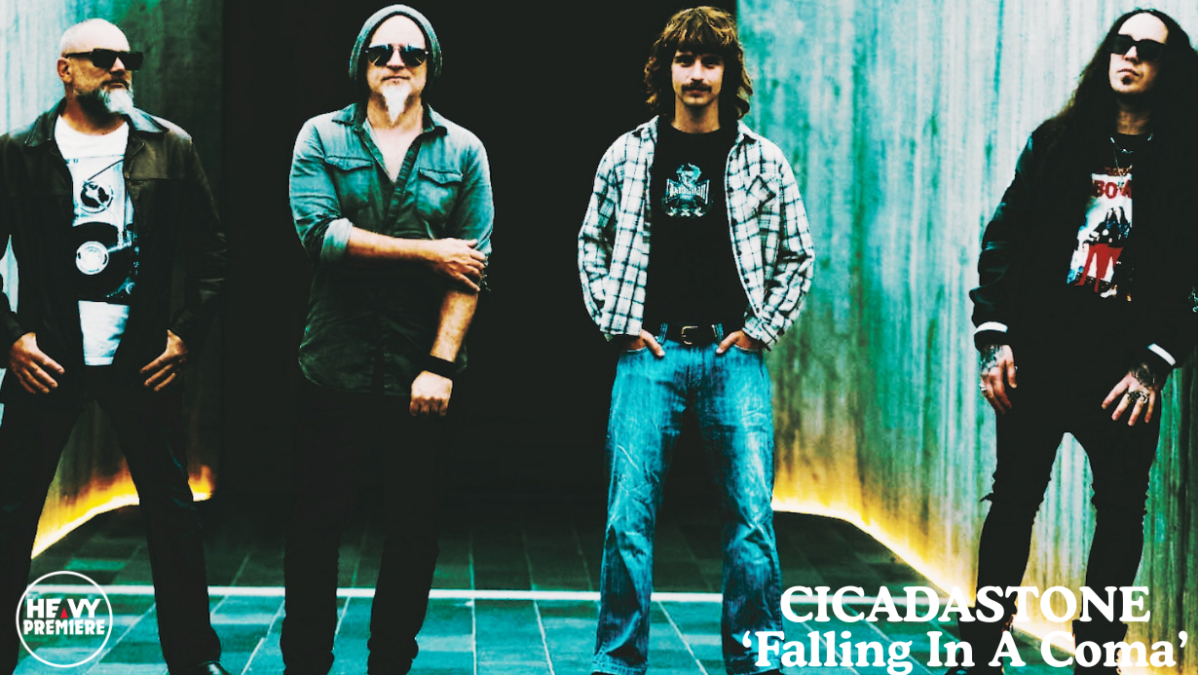 Melbourne hard hitters Cicadastone have returned with their scorching new single, Falling In A Coma. The band’s first new music since the release of their Future Echoes album and acoustic EP, Falling In A Coma, according to frontman Mat Robins, “explores the slow loss of control, where avoidance replaces awareness and reality begins to blur. […]
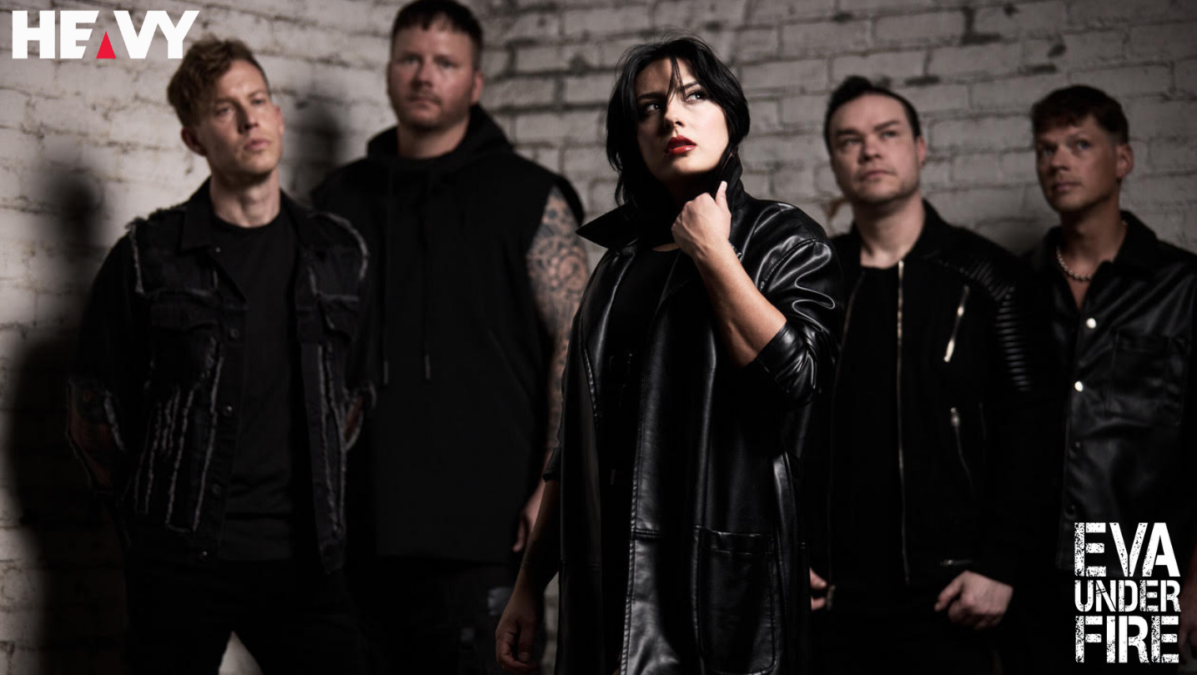 Detroit rock quintet Eva Under Fire are about to unleash their most ambitious, vulnerable, and absolutely crushing record to date with Villainous, dropping on July 10, 2026, via Better Noise Music. If you thought their 2022 debut Love, Drugs & Misery pushed boundaries, then strap yourselves in, because this new 13-track monster completely redraws the […]
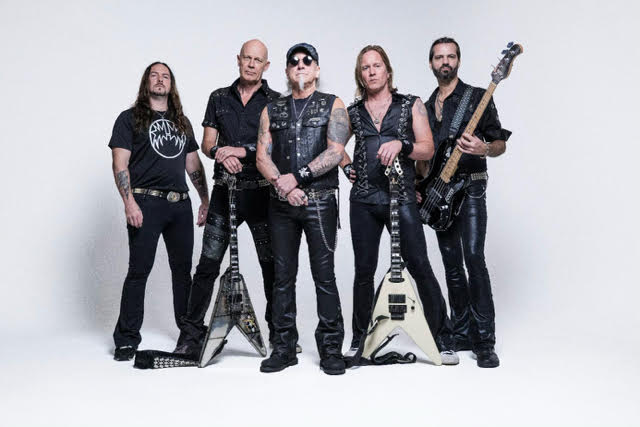 German heavy metal legends ACCEPT release another single off of their upcoming new album masterpiece, Teutonic Titans 1976-2026, produced, mixed and mastered by the legendary Zeuss. They have teamed up with Metal God Rob Halford and guitar icon Matthias Jabs for an explosive new rendition of the genre classic, Balls to the Wall. Serving as […]
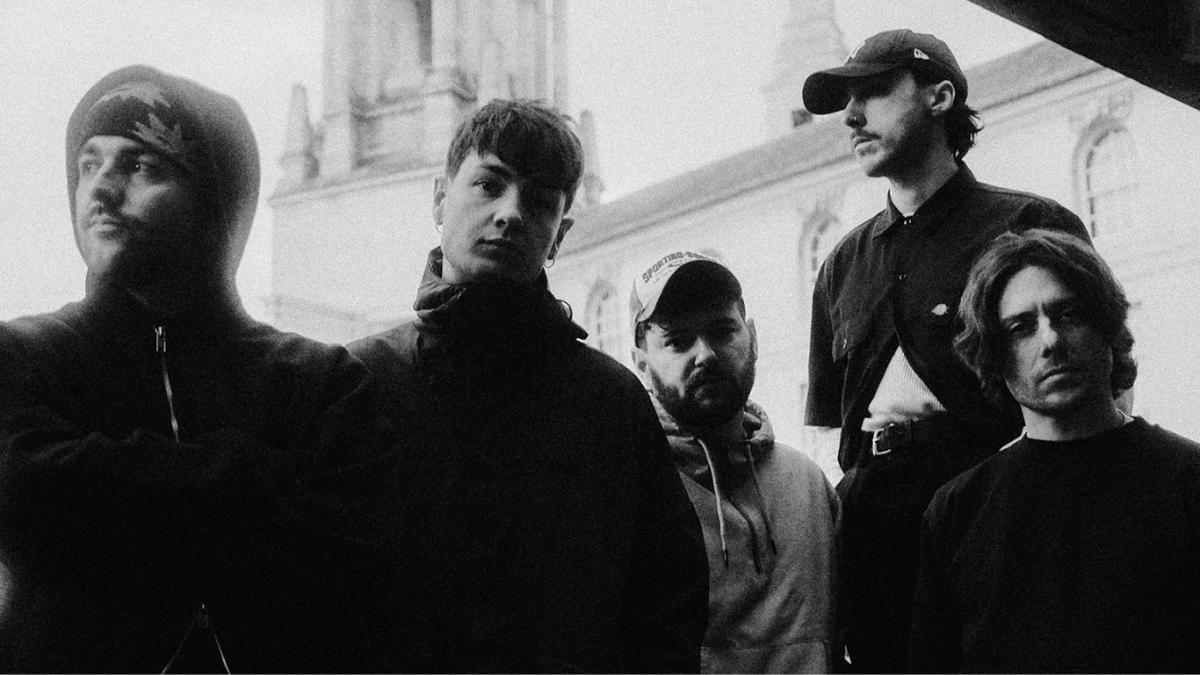 Boston Manor have shared an acoustic version of Be Nothing. track Drowned In Gold. The song appears on the forthcoming reissue, the Be Nothing. 10 Year Anniversary edition, which is released on August 14 via Pure Noise. Originally released in 2016 on Pure Noise Records, Be Nothing. – produced by Neil Kennedy – became an […]