Blog
-
“I think the dance floor is dead, so now we’re making rock music.” Pop star Charli XCX releases new song Rock Music and it kinda rocks
“We know there’s gonna be people who are bothered by it, but that’s fine.” -
BURIAL CLOUDS – Everything Is Noise Premieres “Windflower” Video From Portland Post-Doom Metal Collective As Burn Holy Full-Length Nears Release
“The Portland act brandish a particular styling of post and doom that suggests much grit and power but also resides in unfiltered emotional resonance. This is especially true for ‘Windflower.’” – Everything Is Noise Portland post-doom metal collective BURIAL CLOUDS is pleased to present their stunning new video for “Windflower.” Now playing at Everything Is Noise, the […] -
Salem Trials Premiere New Single & Music Video “Left To Bleed” From Upcoming New EP “Heavy Is The Head”
Canadian deathcore band Salem Trials have announced plans to release their new EP “Heavy Is The Head” on June 12th through Seek And Strike. The first single from the effort, “Left To Bleed,” has arrived alongside an accompanying music video. Commenting on both the track and the upcoming EP, the band stated: Read More/Discuss on Metal Underground.com -
KHEMMIS – Reveal New Single & Video ‘Beneath The Scythe’
KHEMMIS continue the march toward their towering new self-titled album with the release of ‘Beneath The Scythe,’ the latest single from the Denver heavy metal institution’s massively anticipated fifth full-length, due out June 12th via Nuclear Blast Records. Following the explosive first single “Invocation of the Dreamer,” ‘Beneath The Scythe’ digs even deeper into the band’s sharpened sense of […] -
Carnifex Premiere New Single & Music Video “Roses & Rotting Corpses” – Sign With Sumerian Records
Deathcore band Carnifex have officially signed with Sumerian Records, marking the start of a new chapter for the group. Celebrating the partnership, the band have released a new single titled “Roses & Rotting Corpses,” accompanied by a music video directed by Midvessel, both of which now available for streaming via YouTube and Spotify for you b… Read More/Discuss on Metal Underground.com -
Plini Announces National Tour Dates
Guitarist extraordinaire Plini will return from Europe with his new album to tour throughout Australia in August.
Starting in Brisbane on the 8th, Plini will take An Unnameable Desire around the country. Joining him on all shows will be UK math rockers Delta Sleep, along with Sydney alt-metaller Cenobia and newbies Nightdive at most shows.
Tickets are available now for all shows.

-
German Symphonic Metal Icons XANDRIA Announce New Album, “Eclipse”, for August 7, 2026!
Chart-topping German symphonic metal icons XANDRIA will release their new studio album, Eclipse, on August 7, 2026, via Napalm Records. The upcoming full-length features eleven tracks that represent the most diverse body of work in the band’s discography so far: every song has its own identity—a journey full of discoveries—yet they all belong to the same world. Classic, […] -
FRANKENBOK Unveil ‘F.A.F.O.’ Music Video Crafted By MIRIAM GREY
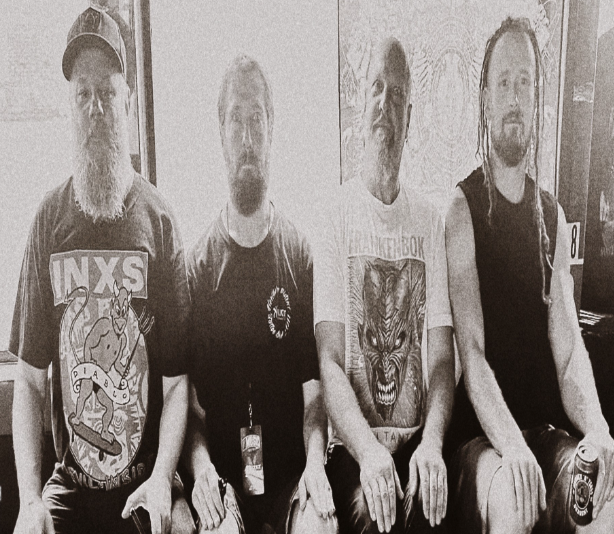 Frankenbok is proud to unveil a special visual release for their latest single, F.A.F.O. F.A.F.O. is a mesmerizing, AI-crafted film clip by Melbourne-based artist Miriam Grey. Known for her evocative covers and reimaginings of iconic metal acts, Miriam brings her signature visual artistry to this dark, electrifying track. The FAFO: Miriam Grey Cut is not […]
 -
TODOMAL Share New Single ‘Humanised Gods’
Ahead of Their Debut Season of Mist Album, Graveyards of Joy “[…] an earth-spanning and heavenly pageant.” — No Clean Singing Atmospheric doom collective TODOMAL have released “Humanised Gods”, the second single from their upcoming third album Graveyards of Joy, due July 3rd, 2026 on Season of Mist. Watch the music video for “Humanised Gods”: https://youtu.be/v3KnTgn_XJ8 Where the album’s first single, […] -
Thrash Legends FLOTSAM AND JETSAM Announce New Album!
Can you hear them gnawing? They’re almost through the walls! American thrash metal pioneers FLOTSAM AND JETSAM are gearing up to unleash their explosive Napalm Records debut album Rats In The Temple, on August 28, 2026. The legends from Arizona have been a fixture of the metal scene for the better part of the last four decades. With modern renaissance […]
