Blog

  • Why Black Clothing Became Central to Gothic Fashion

    Why Black Clothing Became Central to Gothic Fashion

    A solitary figure disappears beneath rain-soaked streetlights while black velvet absorbs the final reflections of the city night. Wet pavement mirrors distant neon signs as cigarette smoke drifts slowly beneath cathedral shadows. Gothic fashion rarely seeks attention through brightness or excess. Instead, it creates emotional atmosphere through shadow, restraint, mystery, elegance, and psychological presence.

    Black clothing became central to Gothic fashion not simply because it looks dark, but because it transforms emotion into visual atmosphere before a single word is spoken.

    Within Gothic culture, black became more than color.

    It became emotional language.

    Cinematic Gothic fashion scene featuring a woman in elegant black Victorian-inspired clothing beneath rainy noir city lights and dark atmospheric streets.

    Black clothing became the emotional language of Gothic fashion through shadow, elegance, Romanticism, and cinematic atmosphere.

    From Victorian mourning to noir cinema, black clothing became the visual soul of Gothic identity.

    The connection between black clothing and Gothic fashion stretches across literature, Romanticism, music, psychology, cinema, Victorian mourning culture, post-punk, and emotional symbolism. Over time, black evolved into a visual expression of introspection, emotional complexity, individuality, romantic melancholy, mystery, and artistic identity.

    “Gothic fashion does not fear darkness because darkness allows hidden emotions to become visible.”

    One reason black became central to Gothic fashion is its emotional symbolism. Unlike bright colors associated with stimulation, performance, or visibility, black often communicates introspection, emotional restraint, silence, mystery, distance, elegance, and psychological depth.

    Within Gothic culture, clothing frequently reflects emotional atmosphere rather than temporary trends. Black fabric absorbs light instead of reflecting it aggressively, creating softer silhouettes, emotional ambiguity, and cinematic shadow.

    Bright fashion often projects outward.

    Black fashion absorbs inward.

    This emotional subtlety allows Gothic fashion to feel psychologically immersive rather than visually loud.

    Many people attracted to Gothic aesthetics describe black clothing as emotionally calming because it reduces visual noise while creating a stronger sense of emotional atmosphere and identity.

    Inside Gothic fashion, black frequently functions like silence inside music or shadow inside cinema. It creates emotional stillness within visually noisy environments.

    Modern culture constantly pushes brightness, stimulation, visibility, performance, and endless visual movement. Gothic fashion moves in the opposite direction.

    Black clothing slows visual experience down again.

    The absence of bright distraction allows texture, silhouette, emotional atmosphere, and psychological presence to become more meaningful.

    Velvet absorbs light softly while silver jewelry reflects cold highlights like distant moonlight against wet pavement. Lace creates fragile shadow patterns across skin while long coats and layered fabrics generate cinematic movement beneath city rain and flickering neon reflections.

    Gothic fashion does not seek constant visibility.

    It creates atmosphere through restraint.

    Victorian mourning culture strongly influenced Gothic fashion long before post-punk transformed the aesthetic musically during the late 1970s and early 1980s.

    During the Victorian era, black clothing became associated with grief, remembrance, emotional ritual, romantic tragedy, introspection, and psychological depth. Mourning attire carried emotional meaning rather than functioning purely as decoration.

    This relationship between melancholy and beauty deeply shaped Gothic aesthetics later.

    Lace gloves, velvet coats, corsets, silver jewelry, dark veils, high collars, candlelit portraits, and cathedral-inspired silhouettes eventually merged with post-punk culture, creating the visual language still associated with Gothic fashion today.

    Romanticism also strongly influenced Gothic aesthetics through emotional intensity, moonlit ruins, tragic beauty, emotional isolation, dramatic landscapes, and fascination with the sublime.

    The aesthetic survived because it transformed emotional fragility, memory, longing, and sadness into visual elegance rather than emotional weakness.

    Classic noir cinema helped shape the emotional power of black clothing inside Gothic culture. Film noir relied heavily on silhouettes, smoke, dim corridors, rain-covered streets, hidden identity, neon reflections, emotional tension, and psychological mystery.

    Black clothing naturally amplified these cinematic elements.

    A dark silhouette beneath flickering neon instantly creates psychological tension because shadow partially conceals identity while intensifying emotional atmosphere.

    This explains why Gothic fashion frequently feels cinematic. Much like noir films, Gothic aesthetics rely on emotional suggestion rather than direct explanation.

    The viewer senses emotional complexity before understanding it rationally.

    Gothic fashion also became deeply connected to nighttime atmosphere. Empty streets, neon reflections, moonlight, rain, abandoned train stations, sleepless cities, dim clubs, and emotional solitude all became part of Gothic visual identity.

    Black clothing visually belongs to the night.

    The color feels naturally connected to shadow, silence, introspection, and emotional distance. Under dim lighting, black fabric becomes atmospheric rather than purely visual.

    This connection to nighttime explains why Gothic fashion often feels emotionally immersive rather than trend-driven.

    The aesthetic behaves like atmosphere itself.

    Modern Gothic fashion evolved heavily from post-punk and early Gothic rock scenes during the late 1970s and early 1980s. Bands such as Bauhaus, Siouxsie and the Banshees, The Cure, Sisters of Mercy, and Clan of Xymox combined atmospheric music with dark visual identity.

    Black clothing became central because it visually reflected the emotional atmosphere already present inside the music itself.

    Cold synthesizers, delayed guitars, emotional restraint, poetic melancholy, and cinematic darkness translated naturally into dark clothing, silver accessories, leather jackets, lace fabrics, Victorian textures, and dramatic silhouettes.

    Fashion and atmosphere became emotionally inseparable.

    One reason Gothic fashion remains visually powerful is its relationship with elegance and restraint. The strongest Gothic aesthetics rarely feel chaotic or visually excessive.

    Instead, black creates emotional precision.

    By removing unnecessary distraction, the aesthetic allows silhouette, texture, atmosphere, and emotional expression to become more refined.

    Black clothing often feels sophisticated because it creates unity between shadow, fabric, posture, lighting, and emotional atmosphere simultaneously.

    This emotional control separates Gothic fashion from costume aesthetics focused purely on shock value or visual exaggeration.

    For many people inside Gothic culture, black clothing also functions psychologically. The color often creates emotional distance from mainstream social expectations centered around visibility, constant positivity, overstimulation, and social performance.

    Black clothing can feel emotionally protective.

    Not because it hides personality, but because it allows introspection, emotional control, silence, and psychological privacy within visually overwhelming environments.

    In a culture dominated by hyper-visibility and endless stimulation, black clothing can feel like quiet resistance.

    This emotional protection explains why many people continue wearing Gothic fashion long after discovering the music itself. The aesthetic becomes psychologically integrated into personal identity rather than remaining temporary experimentation.

    Modern culture increasingly prioritizes speed, visual overload, trend cycles, hyper-visibility, and endless digital stimulation. Gothic fashion survives because it offers emotional contrast.

    The aesthetic slows visual experience down again.

    Black clothing creates atmosphere, emotional restraint, mystery, elegance, and psychological stillness inside visually overwhelming environments.

    Modern darkwave artists, atmospheric post-punk bands, cinematic alternative musicians, and noir-inspired projects continue evolving Gothic fashion today through minimalist silhouettes, Victorian textures, silver jewelry, layered fabrics, dramatic shadows, and cinematic emotional identity.

    Projects such as Edgar Allan Poets continue merging noir atmosphere, Gothic emotionality, cinematic darkness, and poetic symbolism through both music and visual aesthetics.

    Explore Gothic-inspired apparel, Edgar Allan Poe designs, noir aesthetics, and cinematic dark fashion inside the official Edgar Allan Poets Noir Store.


    Edgar Allan Poe gothic t-shirts featuring The Raven, The Tell-Tale Heart, and dark literary quote apparel in a noir gothic fashion banner.

    Black clothing continues defining Gothic fashion because it transforms emotion into visual atmosphere. The color communicates mystery, introspection, romantic melancholy, silence, timelessness, emotional depth, and psychological complexity without requiring explanation.

    Long after trends disappear beneath artificial light, black remains emotionally powerful because shadow itself continues carrying psychological meaning inside human imagination.

    In a world obsessed with visibility, Gothic fashion still finds beauty inside shadow.

    Even beneath modern neon cities and digital culture, the silhouette still survives beneath the night.

    Receive Gothic articles, noir-inspired music, dark fashion, atmospheric cinema, playlists, and psychological darkness directly inside your inbox.

    Explore Gothic music, cinematic darkness, noir rock, emotional atmosphere, and immersive soundscapes through the official Edgar Allan Poets playlist.

    Black clothing became central to Gothic fashion because it symbolizes mystery, emotional depth, introspection, elegance, romantic melancholy, psychological atmosphere, and emotional restraint.

    Yes. Victorian mourning culture strongly influenced Gothic fashion through black clothing, lace fabrics, emotional symbolism, romantic melancholy, ritualized elegance, and psychological introspection.

    Gothic fashion feels cinematic because it draws heavily from noir cinema, silhouettes, atmospheric lighting, shadows, emotional tension, mystery, and nighttime urban atmosphere.

    Black clothing often communicates emotional restraint, mystery, introspection, timelessness, silence, elegance, and psychological depth while reducing visual overstimulation.

    The post Why Black Clothing Became Central to Gothic Fashion appeared first on Edgar Allan Poets – Noir Rock Band.

  • OTHALAN – Sophomore Effort ‘For Victory! For Speed!’ Due Out July 10th Through So Below Productions

    Forged in Tampa, Florida in 2022, OTHALAN has been on an unstoppable charge forward since their inception. Originally executed as a solo project from creative mastermind Thomas, OTHALAN wasted no time striking with two singles and their debut full-length, Blood and Iron, during the year of their inception. Blood and Iron was a strong suite of pagan black […]

    Source

  • AN NCS ALBUM PREMIERE (AND A REVIEW): FINAL SELF — “LITURGY OF THE FINAL SELF”

    (written by Islander) As you can see, we are about to premiere an album by a group named Final Self. They are a death metal band from Tarnów, Poland, and Liturgy of The Final Self is their debut release. Ee don’t have a lot of information to share about the band or what inspired them. […]

    The post AN NCS ALBUM PREMIERE (AND A REVIEW): FINAL SELF — “LITURGY OF THE FINAL SELF” appeared first on NO CLEAN SINGING.

  • Terrified It Would Never Happen: Shocked Fans Weep at the Forum as Rush Resurrects for 2026 Reunion Tour and Unleashes Unprecedented History

    rush-live-junos-2026

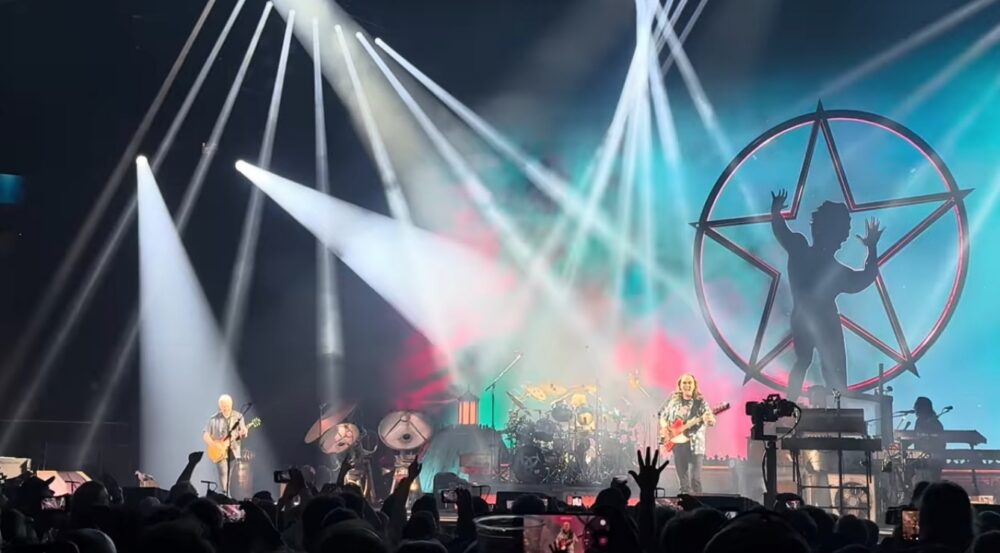
    The agonizing, 11-year concert silence from legendary rock pioneers Rush has officially evaporated in a display of pure, unadulterated musical history. Defying all odds and reversing years of definitive retirement statements, surviving founders Geddy Lee and Alex Lifeson took the stage at the Forum in Los Angeles last night to launch their massive “Fifty Something” North American reunion tour.

    The monumental evening didn’t just mark their first live concert performance since August 1, 2015—it completely shattered internet expectations as the duo debuted an elite new drummer, ran a heavy, heart-wrenching emotional tribute to the late Neil Peart, and brought out a classic 1980s guest vocalist for a historic live performance 39 years in the making.

    Listen to Today’s Metal Breakdown Daily:

    Want the direct, real-time insider breakdown on the biggest rock comebacks and historical setlist adjustments shaping the global music scene? Turn up the Loaded Radio Daily Podcast on your favorite streaming platform to hear our deep audio dissection of the Rush reunion, or stream our 24/7 high-decibel digital stream directly from the player below.

    Standing in the Shadow of a Giant: How Anika Nilles Conquered the Unwinnable Gig

    When iconic percussion architect Neil Peart tragically passed away in 2020 after a quiet, incredibly brave battle with brain cancer, the door on Rush was seemingly welded shut. Lee and Lifeson had repeatedly stated they could never structurally present themselves as “Rush” without their late brother. However, a profound change of heart last October set the stage for last night’s historical pivot.

    Stepping into the single most intimidating drum throne in the history of rock music was German technical phenomenon Anika Nilles. Rather than mimicking Peart or shrinking under the immense weight of the moment, Nilles delivered an absolute masterclass in polyrhythmic execution. The fiercely protective Rush fan base inside the Forum didn’t just accept her—they completely enveloped the performance in deafening, emotional ovations that injected the arena with an uplifting, high-energy atmosphere.

    Early in the performance, Geddy Lee walked up to the microphone to ground the emotional weight vibrating through the room:

    “We’re here for so many reasons,” Lee announced to the roaring crowd. “We’re here to celebrate over 50 years of music that Alex, myself, and the great Neil Peart made together. We’re here to pay tribute to Neil.”

    🤘 LIVE & LOUD: Stream the World’s Hardest Radio Station 24/7 Below
    Breaking the Formula: A Setlist Built on Cryptic Firsts

    According to historical tracking logs verified by setlist.fm, the band decided to throw out their traditional live playbook immediately. Following a cinematic introductory short film packed with major celebrity cameos, Rush opened the concert with “Xanadu,” the sprawling, technical masterpiece from 1977’s A Farewell to Kings. Astoundingly, this marks the first time in the band’s entire 50-year career that the track has ever been weaponized as a concert opener.

    The band then launched into mainstream staples “Limelight” and “Freewill,” but the emotional emotional climax of the first half arrived five songs deep. The arena lights dimmed as pristine, archival studio and live footage of Neil Peart was displayed on giant overhead video arrays, paired with isolated audio clips of Peart articulately describing his deep philosophy of rhythm. This instantly segued into a deeply moving performance of “Bravado,” played against a wall of moving, celebratory imagery honoring the late master.

    https://www.youtube.com/watch?v=jspYJe4fE2o

    A 39-Year Live Mystery Solved: Aimee Mann Takes the Stage

    Following a brief 30-minute intermission after a frantic, high-decibel execution of “The Spirit of Radio,” Rush returned to the stage to unload a classic triple-threat selection from their definitive 1976 dystopian epic 2112, laying down “Overture,” “The Temples of Syrinx,” and “A Passage to Bangkok” back-to-back.

    But the single most historically unique event of the night transpired moments later. Alternative pop icon Aimee Mann walked out onto the Forum stage to perform the band’s 1987 hit single “Time Stand Still.” While Mann famously provided the original haunting studio backing vocals for the Hold Your Fire track nearly four decades ago, she had never once performed the song live on stage with Rush in their entire history until last night. The resulting duet displayed the incredible vocal and instrumental dexterity that has earned these musicians an iron-clad legacy in the Rock and Roll Hall of Fame.

    https://youtu.be/_-zlyGkNpUQ?si=M2mcmBmCIXi_VlvY

    The Full Historical Setlist: Rush Live at the Forum (June 7, 2026)

    Set 1:

    1. Xanadu (First time ever as a concert opener)
    2. Limelight
    3. Freewill
    4. Distant Early Warning
    5. Bravado (Dedicated to Neil Peart with archival video montage)
    6. Subdivisions
    7. Red Barchetta
    8. The Spirit of Radio

    Set 2:

    1. 2112 Part I: Overture
    2. 2112 Part II: The Temples of Syrinx
    3. A Passage to Bangkok
    4. Time Stand Still (Featuring Aimee Mann – Live debut collaboration)
    5. YYZ
    6. Closer to the Heart
    7. The Trees
    8. Freewill
    9. Tom Sawyer (Introduced by an exclusive South Park animated short)

    Encore:

    1. By-Tor & The Snow Dog (First time performed live in over 20 years)
    2. Working Man

    FAQ: The Rush “Fifty Something” Reunion Tour

    Is Rush officially back together for a full tour?

    Yes. Geddy Lee and Alex Lifeson have officially reformed the band for the “Fifty Something” tour, which is scheduled to run across North American arenas through December 2026, with global international dates mapped out for 2027.

    Who is playing drums for Rush on the 2026 tour?

    Renowned German professional drummer, solo artist, and clinician Anika Nilles has taken over the drum throne for the tour, filling the vacancy left by the late Neil Peart.

    Has Aimee Mann ever sung live with Rush before?

    No. Despite singing on the original 1987 studio tracking session for “Time Stand Still,” last night’s performance at the Forum in Los Angeles marked the first time Aimee Mann has ever performed the song live on a concert stage with Rush.

    Historical Brief: The Undeniable Power of Lifeson & Lee

    Formed in Toronto, Ontario way back in 1968, Rush redefined the structural boundaries of progressive rock and heavy metal throughout the 1970s and 1980s. Anchored by the conceptual lyrical mind and unmatched precision of Neil Peart, the core power trio of Lee, Lifeson, and Peart assembled a bulletproof catalog that yielded 24 gold and 14 platinum albums, positioning them third behind The Beatles and The Rolling Stones for the most consecutive gold or platinum rock certifications in history.

    The profound creative chemistry on display at the Forum proves that the lifelong friendship between Geddy Lee and Alex Lifeson remains completely unbreakable. By choosing to step back out onto the touring grid with an elite talent like Anika Nilles, they aren’t just coasting on easy nostalgia—they are ensuring the timeless, polyrhythmic legacy of their catalog continues to push live musical performance to its absolute limit.

    Now that the historic opening night has officially set the rock world on fire, the floor belongs to the Loaded Radio family. Were you lucky enough to be inside the Forum to witness the return of “By-Tor & The Snow Dog,” or are you grabbing tickets to catch this revamped lineup later this year? Drop your thoughts, reactions, and setlist reviews in the comments section below!

    TL;DR Cheat Sheet

    • The 11-Year Silence Broken: Progressive rock gods Rush have officially launched their highly anticipated “Fifty Something” North American reunion tour at the Forum in Los Angeles.
    • A New Era Behind the Kit: Renowned German percussionist Anika Nilles successfully assumed the massive live performance chair left behind by the late, legendary Neil Peart.
    • History with Aimee Mann: Alt-pop icon Aimee Mann joined the band on stage to perform their 1987 collaborative hit “Time Stand Still” live together for the first time in rock history.
    • Unprecedented Setlist Choice: For the first time in their storied 50-year career, the band utilized the 1977 progressive masterpiece “Xanadu” as their official concert opener.

    Never miss a breaking stadium reunion, live bootleg leak, or exclusive rock icon interview. Download the free Loaded Radio App for [iOS App Store] and [Google Play Store] right now to lock into our 24/7 high-decibel audio broadcast and stream the Daily Podcast on demand.

    https://youtu.be/xqaYvv1SyoE?si=W6NU-aKf5ihRtmQo

    The post Terrified It Would Never Happen: Shocked Fans Weep at the Forum as Rush Resurrects for 2026 Reunion Tour and Unleashes Unprecedented History appeared first on Loaded Radio.

  • RUSH launch ‘Fifty Something’ tour in Los Angeles

    Launching their first tour in more than a decade, Rush returned to the stage on June 7 at Los Angeles’ Kia Forum, beginning the new “Fifty Something” tour with the first of four scheduled performances at the venue. The show featured two sets built from 24 songs, including tributes to drummer Neil Peart and his enduring impact and legacy.

    The tour sees Geddy Lee (bass, vocals) and Alex Lifeson (guitar) joined by drummer Anika Nilles and keyboardist Loren Gold. Nilles previously toured with the late Jeff Beck in 2022, while Gold is known for his work as a touring musician with The Who and Chicago. The location of the show holds special significance for the band, as it was also the site of Rush’s final concert with their longtime drummer in August 2015.

    The band has said they have roughly 40 songs that will be rotated throughout the set.  Setlist and some videos below from fans who attended the show.  We will have a full review of a show coming very soon.

    Setlist – Set 1:
    (Tape) Where’s Rush?
    1.- Xanadu
    2.- Limelight
    3.- Far Cry
    4.- Subdivisions
    5.- Freewill
    (Tape) Neil Peart Tribute Collage 1
    6.- Bravado
    7.- Caravan
    8.- La Villa Strangiato
    9.- Vital Signs
    10.- The Spirit Of Radio

    Setlist – Set 2:
    (Tape) Countdown
    11.- 2112 Part I: Overture
    12.- 2112 Part II: The Temples of Syrinx
    13.- 2112 Part VII: Grand Finale
    14.- Distant Early Warning
    15.- Red Barchetta
    16.- Dreamline
    (Tape) “Bird-dy Lee” Sketch
    17.- Natural Science
    (Tape) Neil Peart Tribute Collage 2
    18.- Time Stand Still
    19.- Red Sector A
    20.- YYZ
    21.- The Garden
    (Tape) “South Park” Intro
    22.- Tom Sawyer

    Encore:
    23.- By-Tor & the Snow Dog
    24.- Working Man
    (Tape) Neil Peart Tribute


    The post RUSH launch ‘Fifty Something’ tour in Los Angeles appeared first on The Prog Report.

  • Scald – To Release EP In September

    Epic doomers Scald are all set to release a new EP, Relics, on September 4th 2026 via Cruz Del Sur Music. Check out the first streaming single, “Master Of Tundra”, via Bandcamp widget below.
    Read more…
  • Mirror of My Soul – October Is Rising Review

    Now—as summer blasts the Earth into a fly-ridden heath—is when I long most for fall. So I get why Patrik Andersson Winberg’s (Dun Ringill, Doomdogs) new solo project Mirror of My Soul would debut this June with October Is Rising.1 A folk project empowered with hard rock muscle and gothic gravitas, Mirror of My Soul aims for atmospheric storytelling and organic song structuring. Joined by drummers Pete Campbell (Axe Dragger, ex-Pentagram) and Tobbe Strandvik, keyboardist Per Wiberg (Tiamat, ex-Opeth), guitarist Patric Grammann (Dun Ringill) and a whole host of vocalists,2 October Is Rising is poised to be an introspective, moody, and engrossing trek through rustic moods and colder temps. But is this album autumn’s light at the end of the tunnel, or is there no relief from summer to be found here?

    October Is Rising is a clinic on complementary musicianship. Working within gothic country, folk, and blues rock, October Is Rising lives in slow, sparse compositions that won’t wow listeners with panache. Songs like “A Good Day to Die” and “The Owl” use simple guitar and banjo parts, respectively, to set the stage for spirited vocal performances, while “October Is Rising” and “Grandpa” utilize particularly minimal instrumentation to highlight their singers’ stories. Mirror of My Soul can rip it when necessary, as heard on the Jethro Tullesque flute riffing on “Mina Fotavtryck” and the slick hi-hat work on “Dancing Slowly on the Porch,” but October Is Rising’s musical prowess lies less in individual performance and more in band dynamics. “Lost in the Red Wine” and “The One Who Sings the Songs” pulse in ways that sneakily build and bounce off their individual parts to sound a lot bigger than their thin instrumentation would imply. Mirror of My Soul is composed of industry veterans, and it sounds like it; these guys bring out the best in each other.

    Setting rich moods and storytelling are Mirror of My Soul’s game. They’re pros at it. October Is Rising is a pensive autumnal stroll through gloom with the sort of eerie coziness that at varying times reminded me of Fields of the Nephilim, Current 93, and the Over the Garden Wall soundtrack.3 Soundscapes of pale light and fresh darkness bestow tracks like “The Painter,” “Grandpa,” and “Tree on that Hill” a deeply affecting and melancholic quality, shaped by the aforementioned stark instrumentation and poignant vocals. October Is Rising is littered with pathos-imbued bars delivered with conviction, where phrases as obtuse as “The bad news was a feather from a dead bird” (“The Letter”) hit with the sensitivity of straightforward heart-wrenchers like “The trees showed me how to make it all last. There is no future without a vivid past” (“Tree on that Hill”). Mirror of My Soul bring everything you’d want from a singer-songwriter project musically: bittersweet strolls down memory lane, deep into introspection.

    October Is Rising listens like a work of singular vision, but not of one voice. There are no bad singers on October Is Rising, mind you, and the diverse cast can be a boon. There aren’t many records out there that can, in one moment, recall Alice in Chains (“Coyote”) and Peter Gabriel the next (“Tree on that Hill”),4 Lou Reed one minute (“Carry Your Soul”) and Johnny Cash another (“A Good Day to Die”). But this committee approach also deprives October Is Rising of singer-songwriter music’s strongest aspect: the intimate conversation between artist and audience. It’s hard to think of Mirror of My Soul as Winberg’s personal exploration of a gloaming Earth when you have to adjust to a new singer every song. October Is Rising still feels cohesive thanks to Winberg’s consistent and compelling songwriting, but I believe one or two good singers would’ve made the record connect that much better.

    Mirror of My Soul bring the wistfulness of autumn on October Is Rising. Tight musicianship and smart songwriting carry the listener through Winberg’s stories, sometimes outlandish and always engaging. Though I think one singer would’ve made Mirror of My Soul a more focused entity—or perhaps one singer across every song à la Tobias Sammet of Avantastia—October Is Rising is nevertheless a greatly enjoyable work that I could confidently recommend to anyone interested in gothic rock/country/folk. At the very least, when the upcoming months get hot as balls, it’ll be a good reminder that, in the near future, October Is Rising indeed.


    Rating: Very Good
    DR: 8 | Format Reviewed: WAV
    Label: Majestic Mountain Records
    Websites: mirrorofmysoul.bandcamp.com | facebook.com/mirrorofmysoul
    Releases Worldwide: June 12, 2026

    The post Mirror of My Soul – October Is Rising Review appeared first on Angry Metal Guy.