Blog
-
SHEWOLFF premiere new track at MetalBite.com
Today, Belgian metalpunks Shewolff premiere the new track “We’re All Gonna Fukking Die” at heavily trafficked web-portal MetalBite.com. The track is the second to be revealed from the band’s highly anticipated debut mini-album, We’re All Gonna Fukking Die, set for international releaase on May 22nd via Dying Victims Productions. Hear Shewolff‘s title track “We’re All Gonna Fukking Die” in its entirety exclusively HERE. Hailing from Belgium, Shewolff emerged from the underground as a […] -
The Life and Career of Ace Frehley, the Guitarist Who Helped Shape the Sound of KISS
Ace Frehley, born in 1951 and passing in 2025, became one of rock’s most recognizable guitarists as a founding member of KISS.
Fans knew him as the original lead guitarist and the man behind the “Spaceman” persona, a character that mixed science fiction vibes with rock attitude.
His presence helped shape not just how the band sounded, but also how it looked on stage.
Music and spectacle came together in a way that changed expectations for live rock shows.
Frehley’s raw guitar tone, creative instincts, and larger-than-life character played a major role in building the sound and identity of KISS.
Early Life and Musical Beginnings
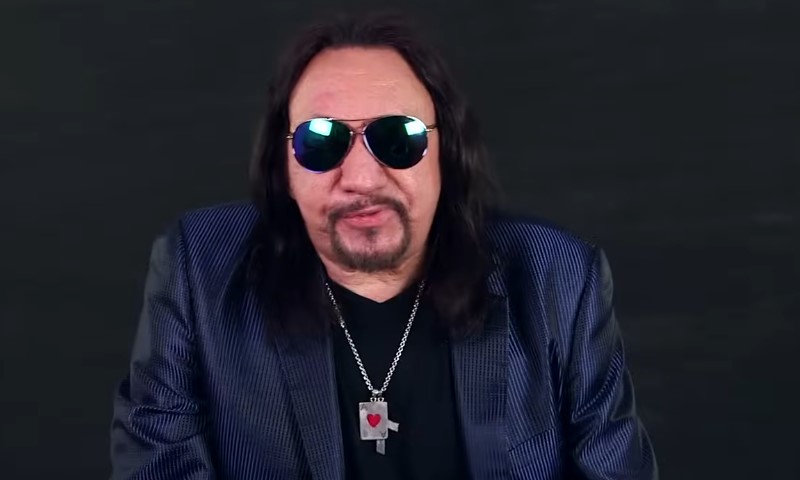
Source: YouTube/Screenshot, Bronx-born Ace found musical escape and direction amid family influence Growing up in the Bronx, New York, Ace came out of a family that already had music in its DNA. Both parents had strong musical interests, so instruments and sound were part of everyday life.
That kind of environment gave him early exposure, even before he fully committed to playing.
School never really clicked for him. Struggles with academics and social life made things frustrating, and he often felt out of place. Music stepped in as a release, something that gave him control and direction when other areas didn’t.
Getting his first guitar as a teenager changed everything almost overnight.
Practice sessions turned into long hours of experimenting, figuring things out by ear, and building confidence.
Influences shaped his sound early on, especially British rock acts that were dominating at the time.
A few key inspirations played a major role in forming his style:
- Led Zeppelin, known for heavy riffs and powerful guitar presence
- Cream, which brought blues roots into a louder, more aggressive setting
- The Who, with their explosive energy and stage intensity
Instead of chasing perfection, he leaned into feel and instinct. Notes didn’t need to be flawless, they needed to hit emotionally.
That mindset gave his playing a rough, natural edge that separated him from more technical players.
At the same time, a rebellious attitude started to show. Confidence mixed with unpredictability, and that personality would later become a big part of how fans saw him.
Formation of KISS and Rise to Fame
View this post on InstagramIn 1973, Frehley walked into an audition with Paul Stanley and Gene Simmons and secured a spot that would shape his future. Style and attitude made an immediate impact.
Silver boots, a bold presence, and a confident attitude made it clear he wasn’t just another guitarist.
Creative input came quickly after joining. He didn’t just play guitar; he helped build the band’s identity.
Designing the KISS logo gave the group a strong visual edge, especially with the lightning-bolt “SS” that added aggression to the name.
Creation of the “Spaceman” character added personality and mystery, pulling ideas from science fiction and his own interests.
Live shows became a major reason for their rise. Performances turned into full-on spectacles with makeup, costumes, fire, and dramatic effects.
Frehley’s calm, almost detached stage presence made him stand out even more.
Fans connected with that contrast, seeing him as both cool and unpredictable. Concerts became something people talked about long after they ended.
Guitar Style and Musical Contributions
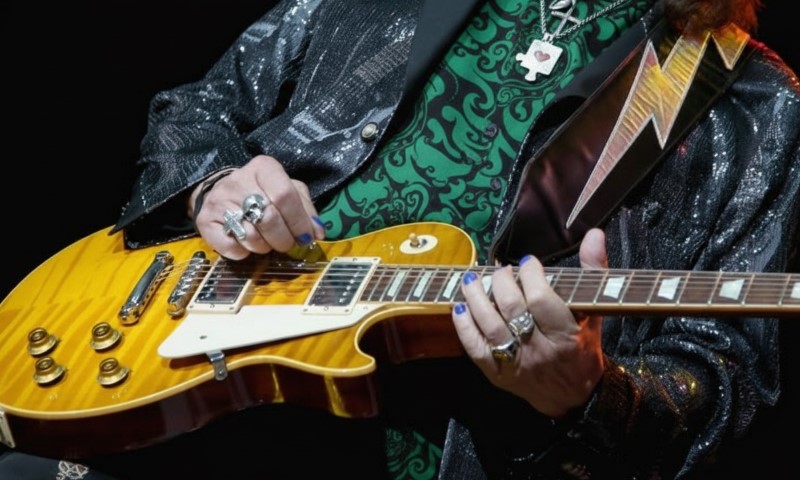
Source: YouTube/Screenshot, Ace Frehley’s melodic, bluesy guitar prioritized feel over technical speed Ace Frehley’s guitar work focused on feel rather than complexity. Blue’s roots came through in his phrasing, while melody stayed at the center of everything he played.
Instead of filling solos with fast, technical runs, he built lines that stuck in people’s heads.
Solos often carried a vocal quality, almost like they were telling a story.
That approach made his playing easy to recognize.
The appeal of that kind of expressive, engaging style reflects a broader interest in dynamic entertainment experiences, whether through music or interactive formats like Megaways games online.
Songwriting added another layer to his contributions:
- “Cold Gin” became an early favorite among fans, even without his voice on lead vocals.
- “Shock Me” marked a turning point, inspired by a real incident where he was electrocuted on stage, and it gave him a chance to step forward as a singer.
- “Parasite” pushed a heavier sound, built around strong riffs that added weight to the band’s catalog.
Stage performance didn’t stop at playing. His guitars became part of the show, with effects that grabbed attention and added excitement.
Smoke, lights, and even explosive visuals turned his instrument into something more than just a tool for music.
That energy carried into recordings, especially live albums, where his playing felt more alive and unfiltered.
Breakthrough and Peak Years in the 1970s
Momentum shifted in a big way with Alive! in 1975. That album captured the raw energy of their concerts and brought it to a wider audience.
Fans could finally hear what made their live shows so intense, and it helped push the band into mainstream success.
Studio albums kept building on that momentum. Destroyer in 1976 introduced a more polished sound, showing that the band could expand its style.
Love Gun in 1977 continued that success, with strong sales and radio presence keeping them in the spotlight.
Solo projects came in 1978 when each member released an album at the same time. Frehley’s record stood out as the most successful of the four.
“New York Groove” became a hit and stayed closely tied to his identity as an artist. Recognition as one of the leading guitarists of that era grew quickly during this period.
Personal Struggles and Departure from KISS
Success brought pressure, and personal struggles started to take a toll.
Substance abuse began affecting performances and reliability, creating tension within the band.
Differences in lifestyle and creative direction made things even harder to manage.
Distance between Frehley and the rest of the group became more noticeable in the early 1980s. Participation dropped, and communication broke down.
Eventually, that led to his official departure in 1982. That moment closed the chapter on the original KISS lineup, marking a major shift for the band.
Solo Career and Frehley’s Comet
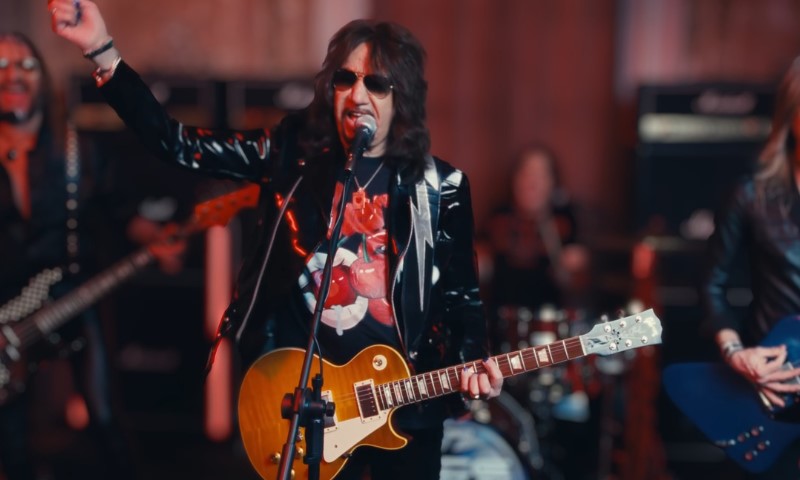
Source: YouTube/Screenshot, Frehley’s Comet kept Ace’s signature sound alive Music stayed at the center of his life. In 1984, he returned with Frehley’s Comet, bringing his signature sound into a new project.
While it didn’t reach the same level of commercial success as KISS, fans remained loyal and continued to support him.
Solo albums followed over the years, each one carrying that familiar guitar tone and style. Career ups and downs often connected to personal struggles, but his influence didn’t fade.
Many fans and musicians continued to see him as a cult figure in rock, someone who stayed consistent in his approach to music.
Return to KISS and Later Years
Reunion with the original members in 1996 created massive excitement.
Fans showed up in huge numbers, eager to see the classic lineup back together with full makeup and costumes. Tour success proved that connection with audiences was still strong.
Work on Psycho Circus in 1998 included his involvement, though his role in recording was limited. Another exit came in 2002 after completing farewell tour commitments.
Solo work continued into later decades. Albums like 10,000 Volts in 2024 showed he was still active and creating.
Later years brought more openness about past struggles, along with a stronger focus on connecting with fans. Honesty and authenticity became more visible in how he presented himself.
Summary
Ace Frehley built a career filled with major success and serious challenges.
Contributions to KISS shaped their sound, image, and stage presence in ways that still influence rock music.
Raw attitude, strong guitar work, and a bold persona made him one of the most memorable figures in the genre.
-
“I used to cringe when I heard my voice on those songs, and then it went to Number 1! I remember it blasting out of radios. I was mortified”: The Pretenders’ Chrissie Hynde wrote a classic late 70s hit. She’s still not sure why it was so popular
“I used to cringe when I heard my voice on those songs, and then it went to Number 1! I remember it blasting out of radios. I was mortified”: The Pretenders’ Chrissie Hynde wrote a classic late 70s hit. She’s still not sure why it was so popular -
Our Last Enemy Drop Amen Cover in Lead Up to WOA Anniversary Show
Sydney industrialists Our Last Enemy have released a very special cover of Amen’s Coma America.
Recorded using a guitar and a bass that once belonged to Casey Chaos, the new track is available now. The band began playing the track during their recent tour with Combichrist and decided to record and release it in advance of their appearance at the Wacken Open Air 35th Anniversary Show in Sydney on April 18. Witchgrinder, Kuntsquad, Shatterface and Age of Emergance will also be appearing at the event.
-
“How dare he revolutionise rock’n’roll then give it all up and just walk away without a word!” Syd Barrett was never lost. He just didn’t want to be found
In the 90s a Prog writer set out to doorstep the former Pink Floyd mastermind and demand an explanation for his disappearance from music. It didn’t go to plan – which came as a great relief -
Playlist: Sirius XM’s “Dark Wave” — hosted by Slicing Up Eyeballs (4/5/26)
This week’s “Dark Wave,” hosted by Matt Sebastian, featured music by Bauhaus, The Jesus and Mary Chain, Anne Clark, Ministry, Siouxsie and the Banshees and more. -
Im Rockcast-Interview: Evke erzählt über den Record Store Day 2026
Record Store Day 2026: Vinyl, Leidenschaft und limitierte Schätze
Der Record Store Day steht wieder vor der Tür. Am 18. April dreht sich alles um Vinyl, unabhängige Plattenläden und streng limitierte Releases.
In dieser Folge spricht Tippi mit Evke, Projektmanagerin beim Record Store Day Germany. Sie gibt dir einen klaren Blick hinter die Kulissen des wichtigsten Tages für Vinyl-Fans.
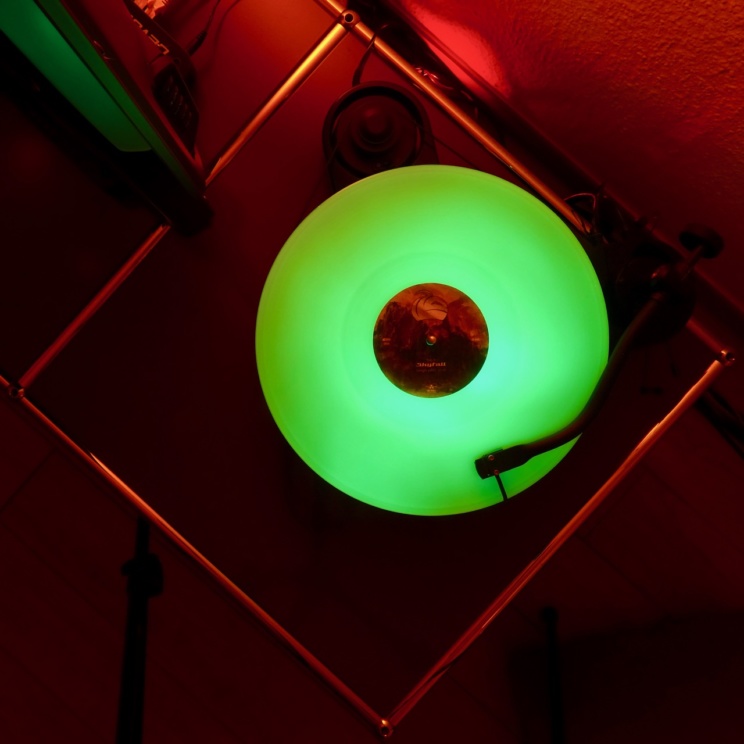
Welche Arten von Vinyl es gibt? Verraten wir dir im neuen Rockcast!
Du erfährst, wo der Record Store Day herkommt, warum er ins Leben gerufen wurde und warum er heute wichtiger ist als je zuvor. Der RSD existiert seit 2008 und wurde gegründet, um unabhängige Plattenläden zu stärken und das physische Musikerlebnis zurück in den Fokus zu holen.
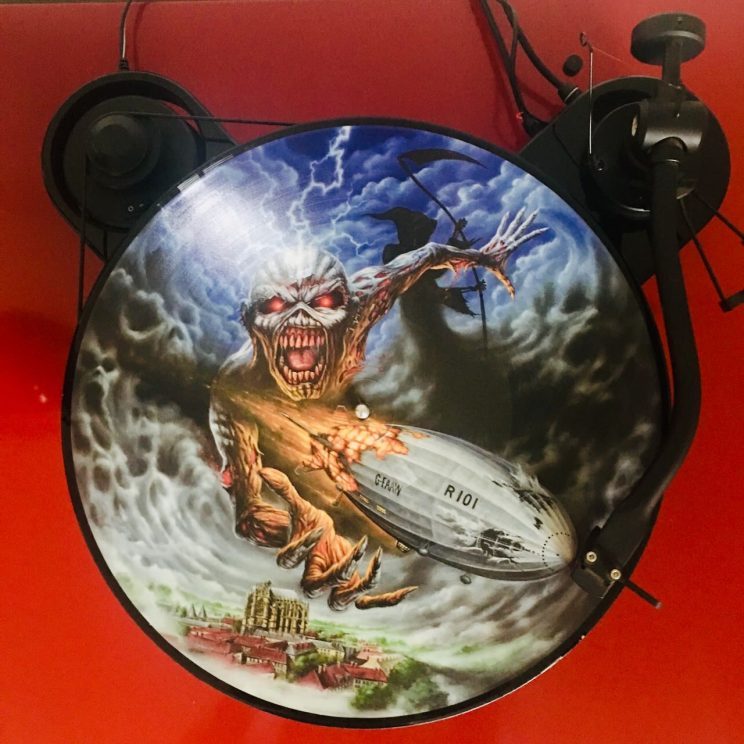
Empire of the Clouds – eine RSD-Edition aus dem Jahr 2016
Evke erklärt dir außerdem, wie der Tag konkret abläuft. Du erfährst, warum Fans früh vor den Läden stehen, warum es die Releases nur vor Ort gibt und was das Event von klassischen Verkaufsaktionen unterscheidet.
Die komplette Release-Liste findest du über https://recordstoredaygermany.de
Alle Webseiten zum Rockcast gibt es über
Danke für´s Lesen und Hören. Punkt!
Der Beitrag Im Rockcast-Interview: Evke erzählt über den Record Store Day 2026 erschien zuerst auf Rock-Music.net – Live, laut, legendär!.
-
Delusions of April 2026 – Part 2
Every Monday morning, Still in Rock kicks off the week with an article featuring a bunch of new releases. At the end of each month, I dedicate a playlist to the best of these articles (link). Don’t miss out and join Still in Rock on Facebook (here), WhatsApp (here), and Instagram (here). Cheers.***Angine de Poitrine – Vol.IILP, 3 April 2026[microtonal rock] In one sentence: Best album of 2026 already?! I’ll write a full review in the next few days to explain it all.***King Tuff – MOOLP, MUP, 27 March 2026[garage indie pop]
 In one sentence: One of the key figures of the 2010s slacker movement returns with a very solid LP.***Ismatic Guru – Crocbrain, or, Two Big Steps For MankindEP, John Toohill / Bran Schlia, 13 March 2026[psych egg punk]In one sentence: If you’re into egg punk, weird music, and ladybugs, this EP is for you.
***
Militarie Gun – Tiny Desk ConcertSession, NPR, 27 March 2026[indie rock]In one sentence: What if the band is actually at its peak in a more acoustic setup?!The post Delusions of April 2026 – Part 2 appeared first on Still in Rock.
-
Review IMMOLATION “Descent”
New York death metal institution Immolation return with their new album, “Descent”, the band’s 12^(th) studio release and the follow-up to 2022’s “Act of God”. As with their previous work, Immolation deliver a relentlessly brutal record, which is immediately evident in the blistering opener, “These Vengeful Winds”. This track makes it clear that Immolation’s intensity… Continue Reading →


