Blog

  • DAVID CARROLL AND FRIENDS – Bold Reynold: Free

    DAVID CARROLL AND FRIENDS – Bold Reynold: Free

    Talking Elephant 2026 Scoring a hat-trick and tipping their hats to legends of yore, veterans of British folk rock reach for the ultimate liberty of expression. It’s easy to be a cynic and suggest one’s second album carries forward a … Continue reading →

    The post DAVID CARROLL AND FRIENDS – Bold Reynold: Free appeared first on DMME.net.

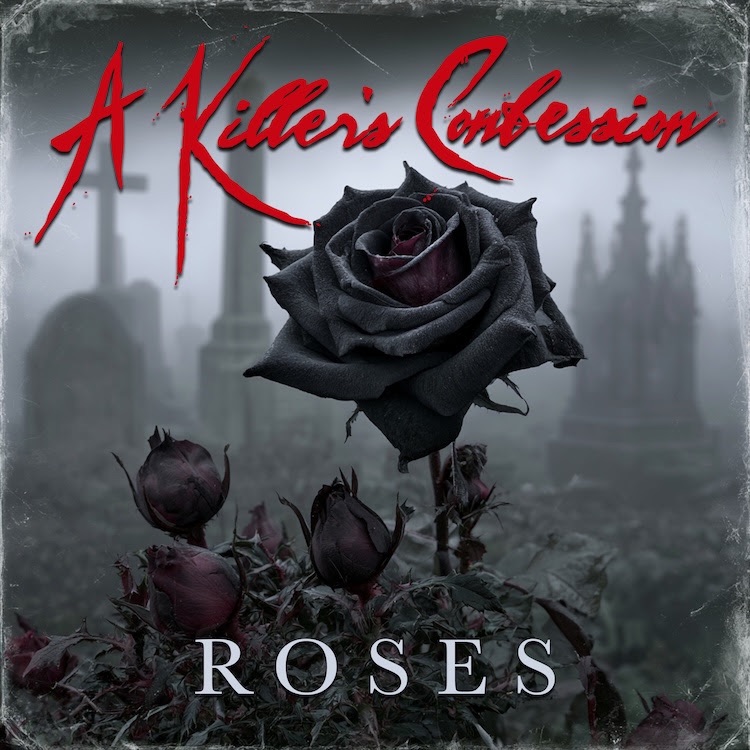
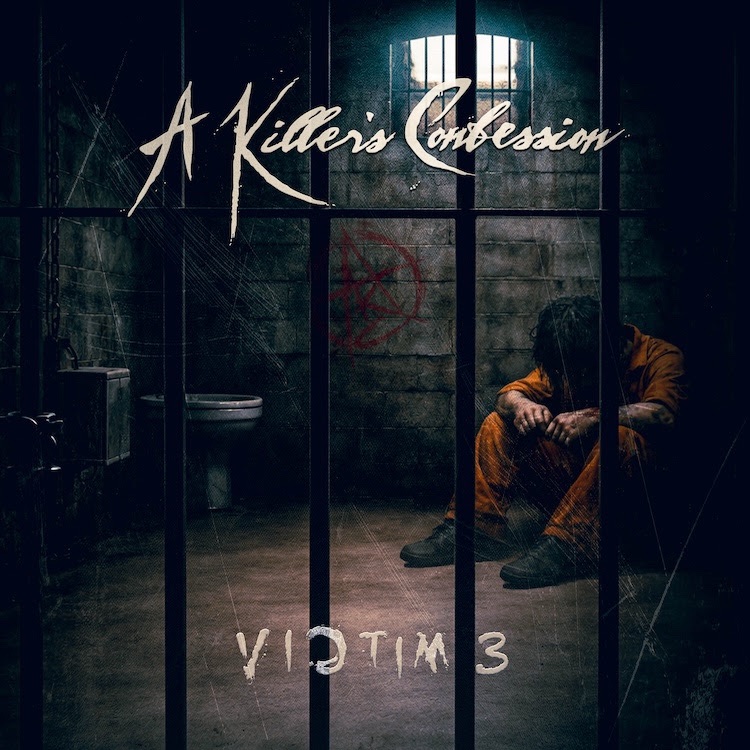
  • A KILLER’S CONFESSION Debut New SINGLE & Video “Roses” – WAYLON REAVIS Led Alt-Metal Outfit Announced Sixth Album VICTIM 3, Arriving Nov. 13th Via MNRK HEAVY

    A KILLER’S CONFESSION have returned with “Roses,” a dark and defiant new single from the band’s forthcoming sixth studio album, Victim 3, due November 13th via MNRK Heavy. The song arrives today alongside an official music video directed and produced by Dusten Boles.

    Led by vocalist Waylon Reavis, “Roses” turns feelings of disappointment, neglect and unfulfilled expectations into a statement about abandoning the need for outside approval. Rather than waiting for recognition that may never come, the track embraces the freedom of knowing your own reasons for the choices you make, even when no one else acknowledges them.

    Reavis explains:

    “Roses was written from a point of view of where everything that you have done was in vain. We’ve all been to that point of feeling unappreciated, but I feel like roses is a statement of it doesn’t matter what you do as long as you and only you know why you did it. In the end, never look for a pat on the back, because you’ll never get the acknowledgment that you’re seeking. There will be no roses on my grave.”

    STREAM “ROSES”: 

    https://ffm.mnrkheavy.com/roses

    PRESAVE VICTIM 3: 

    https://ffm.mnrkheavy.com/victim3

    “ROSES” MUSIC VIDEO: 
    https://youtu.be/1FmyFWHzyxE

    Victim 3 Track-list: 

    1. The One
    2. Meat Hook
    3. Roses
    4. Sick Condition
    5. Blinding Lights
    6. Sinners
    7. Guillotine
    8. Undertow
    9. Never Alone
    10. Pull Me Under
    11. Worth Saving

    “Roses” follows the recent release of A KILLER’S CONFESSION’s haunting, stripped-back interpretation of The Weeknd’s “Blinding Lights.” The unexpected cover showcased a different side of the band, dialing down the heaviness to put Reavis’ voice and the song’s underlying melancholy front and center.

    “BLINDING LIGHTS” MUSIC VIDEO:
    https://youtu.be/xjAAXwWlmIY

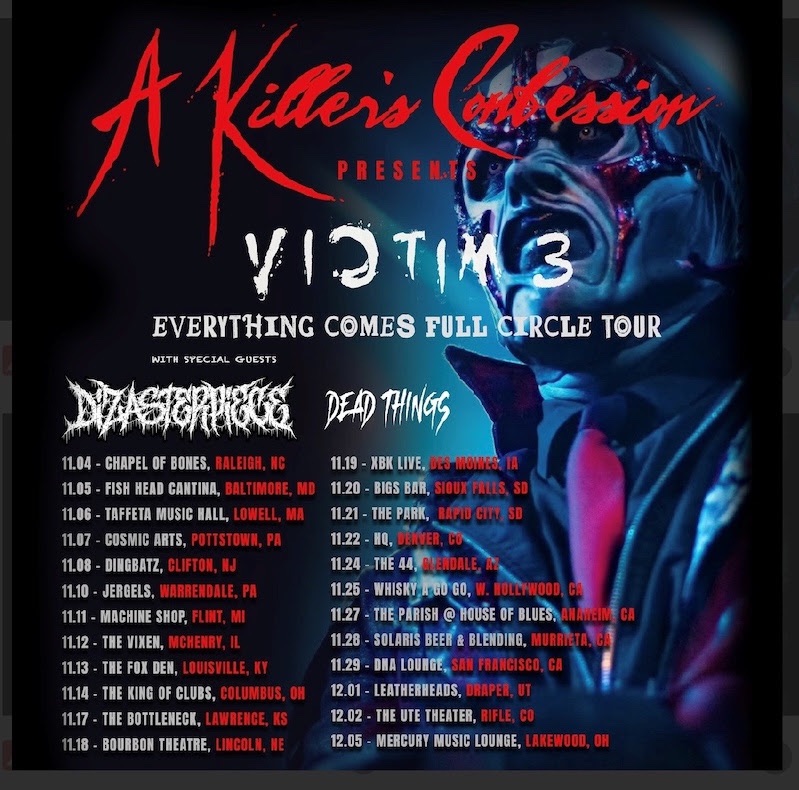
    The road to Victim 3 will also unfold onstage this fall as A KILLER’S CONFESSION embark on the “Everything Comes Full Circle Tour.” Joined by Dizasterpiece and Dead Things, the North American headline run kicks off November 4 and notably finds the band celebrating the release of Victim 3 from the road on November 13th.

    A KILLER’S CONFESSION Tour Dates:

    Purchase tickets HERE

    Nov 4 – Raleigh, NC – Chapel of Bones
    Nov 5 – Baltimore, MD – Fish Head Cantina
    Nov 6 – Lowell, MA – Taffeta Music Hall
    Nov 7 – Pottstown, PA – Cosmic Arts
    Nov 8 – Clifton, NJ – Dingbatz
    Nov 10 – Warrendale, PA – Jergel’s Rhythm Grille
    Nov 11 – Flint, MI – The Machine Shop
    Nov 12 – McHenry, IL – The Vixen
    Nov 13 – Louisville, KY – The Fox Den
    Nov 14 – Columbus, OH – The King of Clubs
    Nov 17 – Lawrence, KS – The Bottleneck
    Nov 18 – Lincoln, NE – Bourbon Theatre
    Nov 19 – Des Moines, IA – XBK Live
    Nov 20 – Sioux Falls, SD – Bigs Bar
    Nov 21 – Rapid City, SD – The Park
    Nov 22 – Denver, CO – HQ
    Nov 24 – Glendale, AZ – The 44 Sports Grill & Nightlife
    Nov 25 – West Hollywood, CA – Whisky A Go Go
    Nov 27 – Anaheim, CA – The Parish @ House of Blues
    Nov 28 – Murrieta, CA – Solaris Beer & Blending
    Nov 29 – San Francisco, CA – DNA Lounge
    Dec 1 – Draper, UT – Leatherheads Sports Bar & Grill
    Dec 2 – Rifle, CO – The UTE Theater
    Dec 5 – Lakewood, OH – Mercury Music Lounge

    About A KILLER’S CONFESSION:

    Fronted by Waylon Reavis, A Killer’s Confession turn the darkest corners of the human psyche into a collision of crushing riffs, sinister atmosphere, infectious melodies and punishing grooves. Since forming in 2016, the band has generated tens of millions of streams with songs including “Numb” and “Angel On The Outside,” while collaborating with artists such as Brian “Head” Welch of Korn, Chad Gray of Mudvayne, Aaron Nordstrom of Gemini Syndrome and Reavis’ former Mushroomhead bandmate JMANN.

    On their sixth full-length album, Victim 3 [MNRK Heavy], A Killer’s Confession brings their ambitious three-record narrative to its conclusion. Following Victim 1 and Victim 2, the new album finds its central character, a vigilante serial killer who targeted some of society’s worst offenders, finally facing the consequences of his actions on death row. What may have begun with a warped sense of justice has given way to something far more sinister, bringing the trilogy’s themes of morality, vengeance and accountability full circle.

    Created around the core of Reavis, Evan McKeever and Dusty Boles during sessions in Nashville and Denver, Victim 3 expands both the sound and storytelling of its predecessors. From the dark electronic textures and haunting melodies of “Roses” to the violent grooves of “Meat Hook,” the unhinged aggression of “The One” and the final resignation of “Worth Saving,” the album follows its protagonist through the last stages of his descent and toward an ending from which there is no redemption.

    For Reavis, the Victim trilogy has grown into something much larger than a series of records. “This is an art project of storytelling and madness,” he says. “It’s a collection of stories from different individuals in separate time periods with their own agendas. For me, it’s a big passion project. It’s closer to my heart than anything I’ve ever done. I’ve done great things in my career, but nothing compares to this. It gave me purpose. It gave me youth. It gave me fire. It gave me a universe.”

    Follow A KILLER’S CONFESSION:
    Facebook | Instagram | TikTok | Bandcamp | Spotify | Apple Music

  • SLOTHRUST Drop New Album, Share Single ‘Hearst Castle’

    Equal Vision Records/Civilians and Slothrust are pleased to announce the release of What They Grow In The Garden, the brand new studio album from the acclaimed LA-based alt-rock veterans. Produced by the band and Jordan Witzigreuter (The Ready Set), What They Grow In The Garden is the result of a band pushing itself to the […]
  • “I got to a point where whatever shred of liking I had for myself was lost. I was on a fast path to death.” Celebrating Trent Reznor’s long, hard road out of hell, as heard on Nine Inch Nails’ masterpiece The Fragile

    Few artists in the ’90s inspired such fervent devotion as Nine Inch Nails. With 1989’s Pretty Hate Machine Trent Reznor brought industrial metal to the masses, and with 1994’s altogether more unsettling concept album The Downward Spiral, he became one of the poster boys for Generation-X’s frustration, pain and mental turmoil.

    Nine Inch Nails’ music made Reznor a superstar, yet, far from giving him the inner peace he craved, it actually seemed to make him even more unhappy.

    Battling various demons, and self-medicating with heroin, cocaine and alcohol, Reznor all but vanished in the second half of the 1990s. But when he returned, he did so with an album that was even more complex, dense, dark and personal than anything he had or would ever put his name to again, Nine Inch Nails’ sprawling masterpiece The Fragile.

    Somewhat ironically, for Nine Inch Nails’ creative mastermind, the success of The Downward Spiral would lead to life imitating art. Amid the relentless schedule of the infamously tumultuous Self Destruct Tour, with his fanbase expanding and his profile rising, Reznor began to unravel, and his addictions escalated. Much like his character on the album, he began to loathe himself, and appeared hellbent on systematically tearing his world apart.

    “I really just hated myself,” he admitted to Rock Sound magazine in 2005. “I got to a point where whatever shred of liking I had for myself was lost. I was on a fast path to death.”

    Upon the conclusion of the tour, Reznor had always intended taking an extended break. But when an offer came in for NIN to support his hero David Bowie on his Dissonance tour through to the end of 1995, Reznor, frazzled and exhausted as he was, simply couldn’t resist.

    Amid the chaos, he sought a new sanctuary, transforming a former funeral home in New Orleans into a base and recording facility, Nothing Studios. It was here that he produced Marilyn Manson’s 1995 EP Smells Like Children and his protégée’s 1996 commercial breakthrough, Antichrist Superstar. The sessions for the latter record have gone down in history as some of the most fractured and turbulent of all time, and Reznor would later admit they took a heavy toll on his ever-spiralling mental health.

    “That was just like staying on tour, without going anywhere,” he told Rolling Stone in a 1999 profile titled The Fragile World of Trent Reznor. “The Manson camp party every night; there’s something going on all the time. At the time I was in that mind-set already, so that was appealing.”

    The subsequent success of Manson’s record saw the relationship between the two two musicians deteriorate completely.

    “I don’t want to get into a ‘he said, he said,’” Reznor told Rolling Stone, “but to sum that scene up, I think fame and power distort people’s personalities. He and I are two strong personalities that could coexist for a while, but things changed.”

    In addition, Reznor’s grandmother, who had raised him after his parents separated when he was five years old, passed away during this period. The loss hit him hard, though he later admitted to putting off dealing with at the time, as he disappeared from the spotlight.

    Something had to change.

    In classic Trent Reznor fashion, it was tragedy that ultimately sparked him into life, the murder of a close friend from New Orleans providing a brutal wake up call.

    “This guy was hired at the studio and somehow over the years we became friends,” he said to Rock Sound. “His mother called me one day, worried he hadn’t come home. I just happened to be in the studio and the news was on. My friend and his cousin had been shot in the face, found dead in the projects. Somehow that just cut through. I felt like I should have been the one who was killed. Shortly after, I had time to figure out the mess.”

    Reznor started his reset by heading to Big Sur in California for a change of scenery, taking with him musical ideas that would become The Fragile’s starting point.

    “I thought Big Sur would be a nice break,” he told Rolling Stone. “It was sheer terror. Isolation on the side of a mountain, an hour from the nearest grocery store. I really didn’t want to be by myself. I wasn’t prepared for it.”

    Reznor’s return to California was challenging, but by the time he returned to New Orleans, he was clean and sober, and he and his English writing partner/co-producer Alan Moulder had a semblance of ideas as to what the new NIN album would be. Reznor went back to Nothing Studios inspired by records like Bone Machine by Tom Waits, Loveless by My Bloody Valentine and, most tellingly, Pink Floyd’s 1979 masterpiece The Wall. A double album detailing a troubled rock star building a metaphorical wall around him, Pink Floyd’s masterpiece explored themes of alienation, frustration and isolation which The Fragile would also draw upon.

    Soon the writer’s block rooted in Reznor’s depression was gone, and hours and hours of new material flowed.

    “I established a new lifestyle routine of being in the studio all the time,” he told The Guardian. “This record took two solid years of being in the studio every day. When I started the album, I didn’t feel emotionally ready. I didn’t feel tough enough to take on a project, because I was beat down to almost breakdown stage.”

    Much of the record was recorded using old, broken, untuned and weathered instruments, a deliberate choice made by Reznor to help represent the feelings of shattered, exhausted alienation and angst.

    “I wanted this album, lyrically and sonically, to sound like there was something inherently flawed in the situation,” he told LA Times arts critic Robert Hilburn, “like someone struggling to put the pieces together. The Downward Spiral was about peeling off layers and arriving at a naked, ugly end. This album starts at the end, then attempts to create order from chaos, but never reaches the goal. It’s probably a bleaker album because it arrives back where it starts – the same emotion.”

    It quickly became obvious that Reznor now had too much material for a single album. More alarmingly, he began to feel that he could no longer see where the record should start and end, which songs should stay, and what should be left out. His masterstroke here was enlisting the help of legendary Canadian producer Bob Ezrin, who co-produced The Wall.

    “He was brilliant, feverishly recording and mixing in 3 rooms at the same time to complete the project on time for its scheduled release,” Ezrin remembered of Reznor to Echoing the Sound. “What he had realized was that he’d created a work that was much longer than was practical to release and that wasn’t quite hanging together the way he had hoped when he created its individual parts. My job was to take all of this work and reorganise it to more practically and effectively tell the story that originally generated all these bits. Sort of like editing a film.”

    When Reznor heard Ezrin’s track sequencing, he knew he had the album he wanted.

    “I called him into the room,” he recalled to The Guardian, “tried not to have him read my face, and said, Bob – you did it, man.”

    Finally, after five long years, the new Nine Inch Nails album was ready.

    Released on September 21, 1999, The Fragile entered the US Billboard 200 album chart at number one. By way of a celebration, Reznor allowed himself a beer.

    Reviews at the time made it seem that the album was either a disaster or a work of sublime genius. The Fragile was a “banal syndicated-action hour soundtrack” according to Pitchfork, but “a fearsomely accomplished mix of monster riffing, brooding melodies and patches of minimalist soul-searching” for The Guardian. For such a challenging album, such polarising views seemed apt.

    For the most part, the record was seen as an artistic success, if not the commercial triumph expected to follow Pretty Hate Machine and The Downward Spiral. But as time has passed, more and more people are standing up to proclaim The Fragile the finest work of Trent Reznor’s career.

    Certainly, the album does not boast the crossover hits delivered on his previous two records. Instead, The Fragile is a journey that needs to be absorbed from beginning to end to truly be appreciated.

    From the creeping opening dread-filled riff that kicks everything off on Somewhat Damaged, through the ode to his lost family on the quiet-loud-really fucking loud crescendo of The Day the World Went Away, the lilting piano juxtaposed with free jazz drums of La Mer, the popping, funk bass and bawling anger of Into the Void, to finally ending on the punch drunk, swaying, crawl of the closing Ripe (With Decay), The Fragile is an incredible piece of work.

    Filled with unusual and unsettling sounds, a gnawing anger and looming, stalking bleakness, yet still hummable, memorable and chock full of hooks, it perfectly encapsulates why Trent Reznor is held in such high regard as a creative powerhouse.

    More than a quarter of a century after its release, it still reveals depths and layers to those who remain committed to understanding its crooked, confused genius. It may not be Nine Inch Nails’ most famous, instant or successful album, but once its twisted, fragmented splendour gets its hooks into you, you’ll have trouble arguing against The Fragile as Reznor’s best work.

  • THE DOWN TIMES Share “Devil”

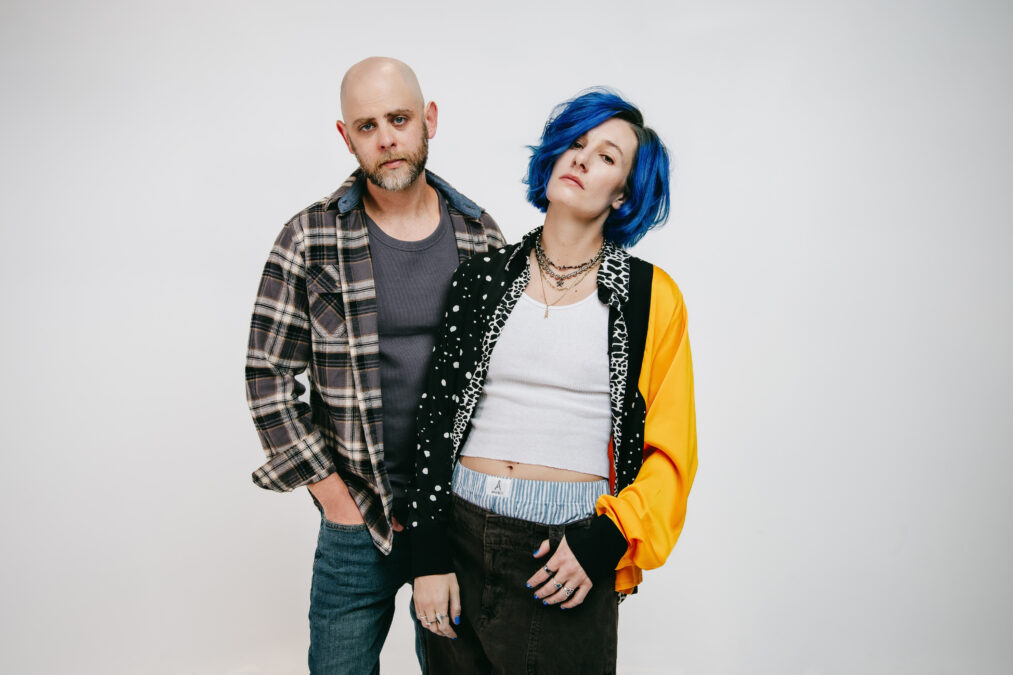
    The Down Times, a band formed by Lane Baker, channels the raw emotion and grit of 90s grunge through a modern lens. Drawing deeply from Baker’s own experiences and introspections, the band’s music revolves solely around his songwriting, offering fans an authentic and cohesive narrative voice. Known for their brooding lyrics and dark, moody tones, […]
  • Quiet Riot announce John Torra as new lead singer

    Selecting the 23-year-old Long Island vocalist from more than 700 submissions

    Source

  • Cicadastone Release Latest Single

    Melbourne grunge revivalists Cicadastone offer up the lastest track from their forthcoming album.

    Draw the Line is the second effort from the band’s long form release Edge of Life, due on January 15 (XMusic). It will be the fourth album from the band. Order now and check out the clip below.

    , , ,
  • Westone Mach 70 Review: A Bass-Forward Flagship That Doesn’t Forget the Mids

    VST Review Table

    AUDIO PRODUCT NAME

    9
    The Metalverse Score

    Pros
    • Best Bass of the entire Mach series
    • 7BA Drivers deliver detailed sound
    • Wide, Accurate Soundstage
    • Exceptionally comfortable
    Cons
    • Plastic Faceplate is durable but not flashy for $999
    • Cable is slightly thin and tangle prone
    • Built as a professional monitor, so it's quite expensive at full price
    Price
    $999
    Westone
    Check Price
    Amazon
    Check Price
    AliExpress
    Check Price
    Westone Mach 70 Review: A Bass-Forward Flagship That Doesn't Forget the Mids

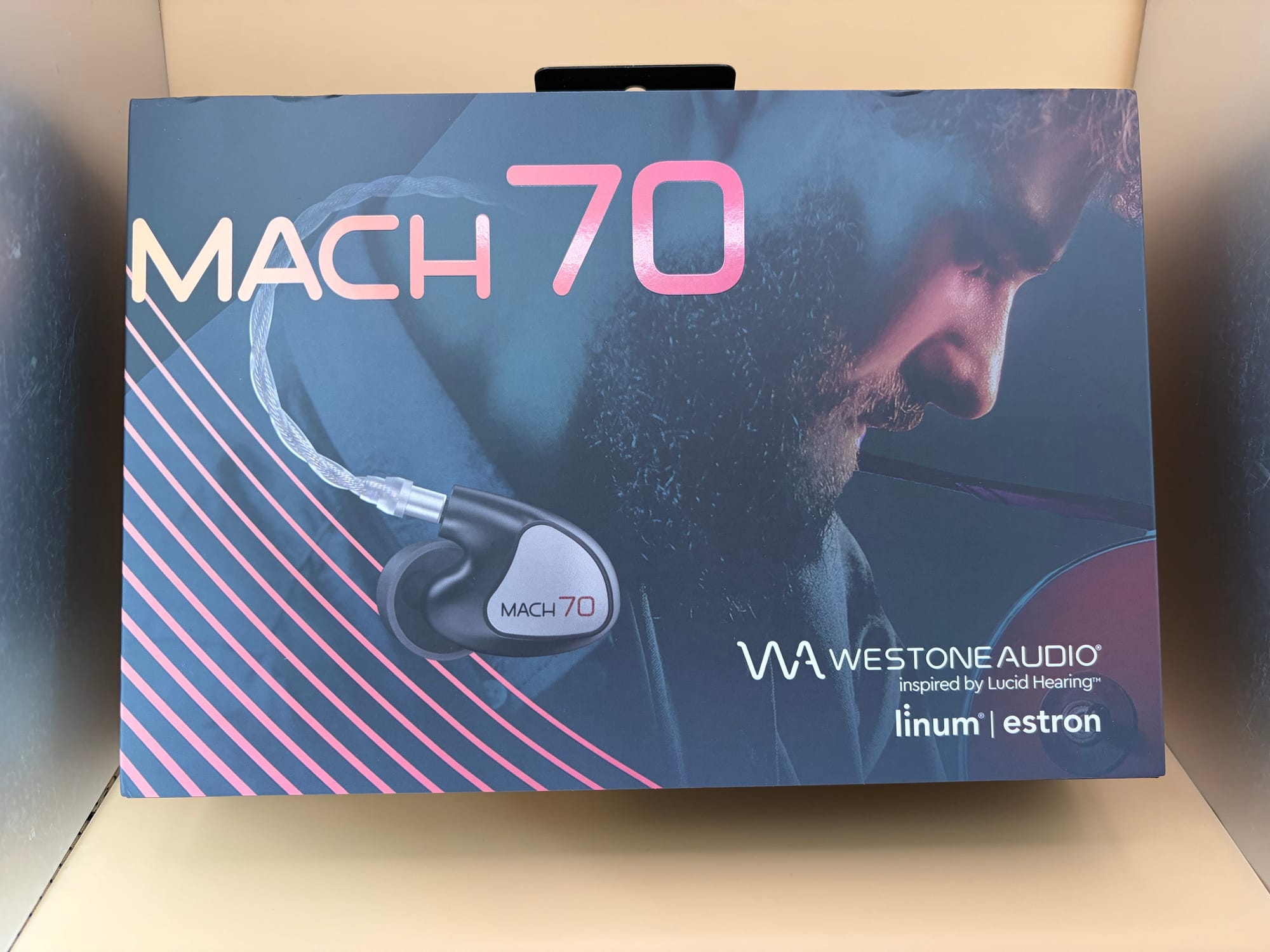
    If you've spent any time in the IEM rabbit hole, you already know Westone's name. They've been making earpieces since before "audiophile" was even a hobby people talked about on the internet. Now they're back with the Mach 70, the second-from-the-top model in their Mach series, and it's aimed squarely at people who want flagship detail but also want their bass to actually hit. We spent time with the Mach 70 and put together this breakdown so you know exactly what you're getting into before dropping $999.

    A Quick History of Westone

    Westone Laboratories was founded back in 1959 by Ron Morgan Sr. in Colorado, and the company has been making earpieces for hearing healthcare, military, industrial, and recreational use ever since. If that sounds like an odd pedigree for an audiophile IEM maker, it actually explains a lot. Westone's DNA is rooted in medical-grade comfort and fit, which is why their monitors—from the old UM Pro line to the newer W series—have a reputation for disappearing in your ear during long listening sessions. The Mach series is Westone's current flagship push, built on over three decades of driver engineering, and the Mach 70 sits as the company's bass-focused co-flagship alongside the more reference-tuned Mach 80.

    What Is the Westone Mach 70?

    Westone Mach 70 Review: A Bass-Forward Flagship That Doesn't Forget the Mids

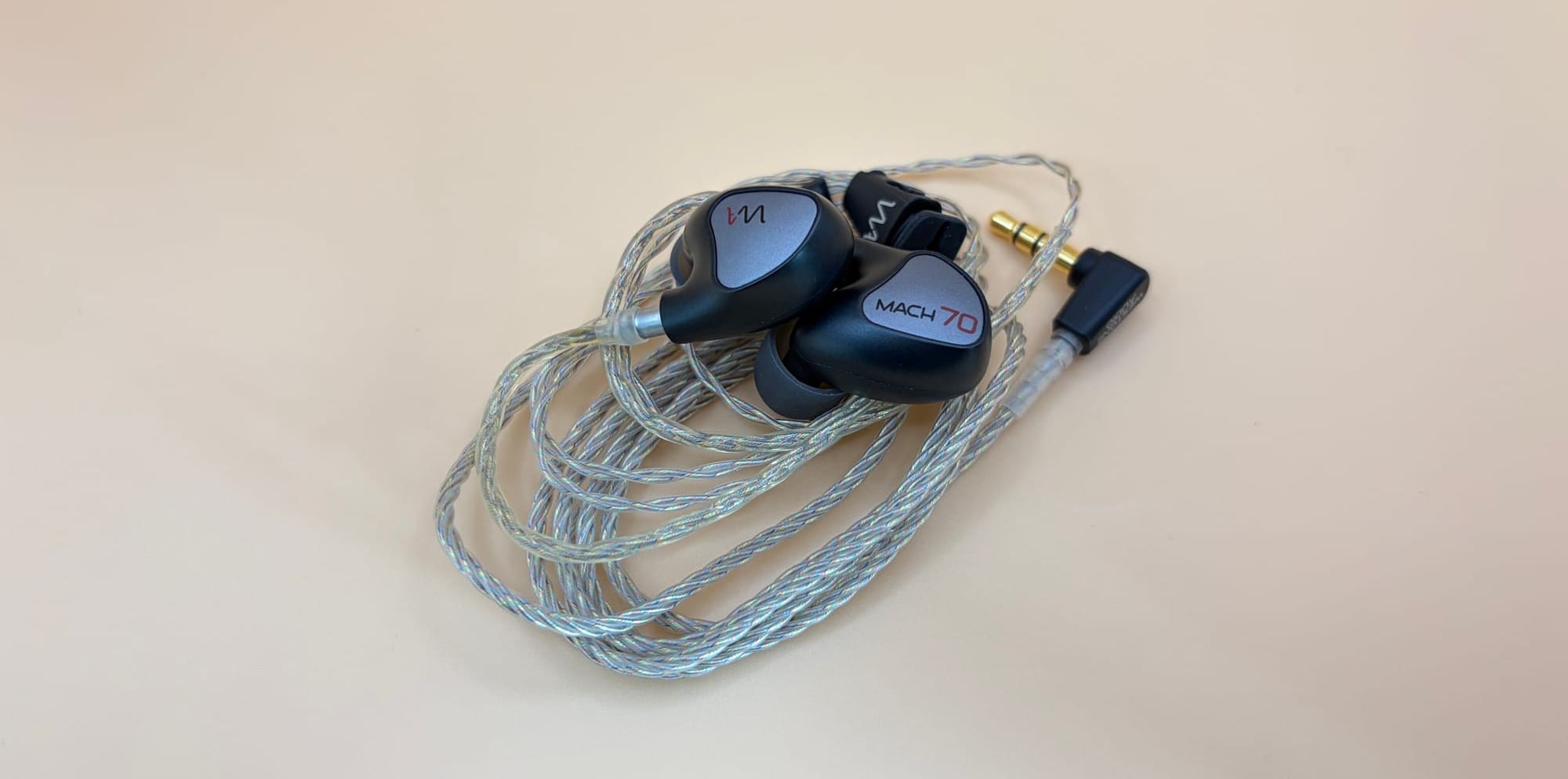
    The Mach 70 is a universal-fit in-ear monitor packing seven proprietary balanced armature drivers—one low, two mid, and four high—run through a 3-way passive crossover. It's priced at $999 and shares its shell, color scheme, and overall design language with its sibling, the Mach 80. Where the Mach 80 leans reference and monitor-flat, the Mach 70 is tuned for listeners who want a fuller, more musical low end without sacrificing the resolution Westone is known for. It's marketed toward drummers, bassists, and electric guitarists, but honestly, any bass-leaning listener who still wants technical detail should have this on their list.

    Build Quality and Design

    Westone Mach 70 Review: A Bass-Forward Flagship That Doesn't Forget the Mids

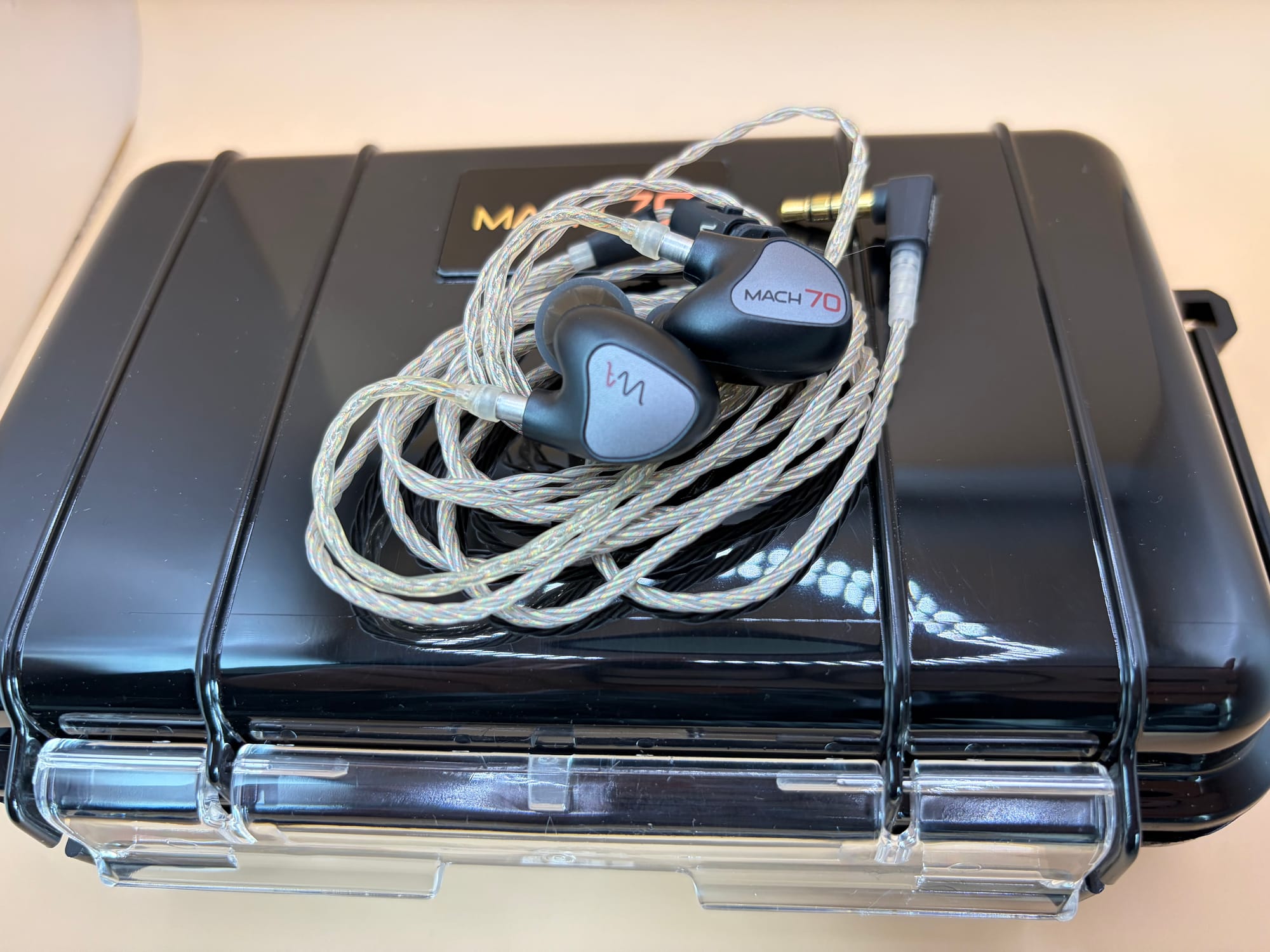
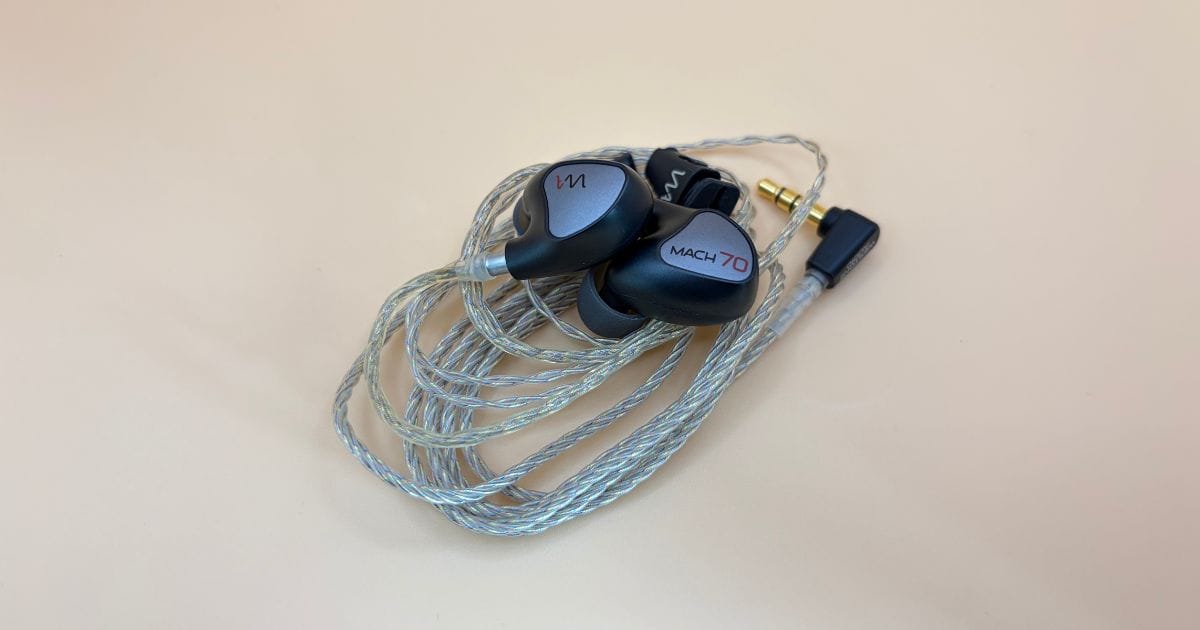
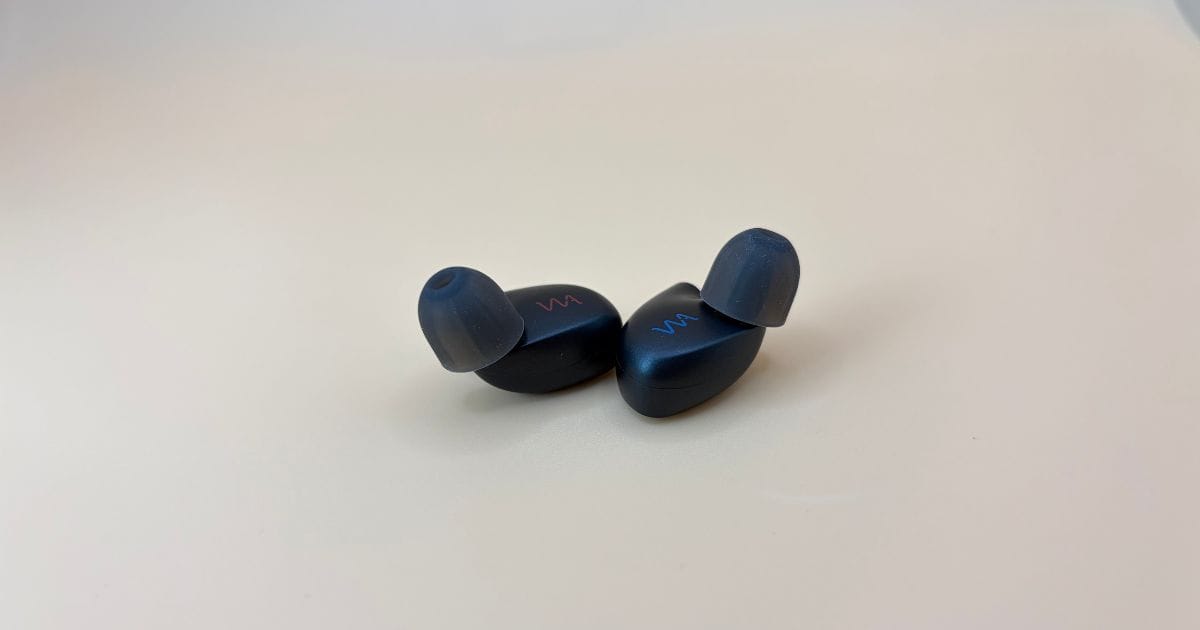
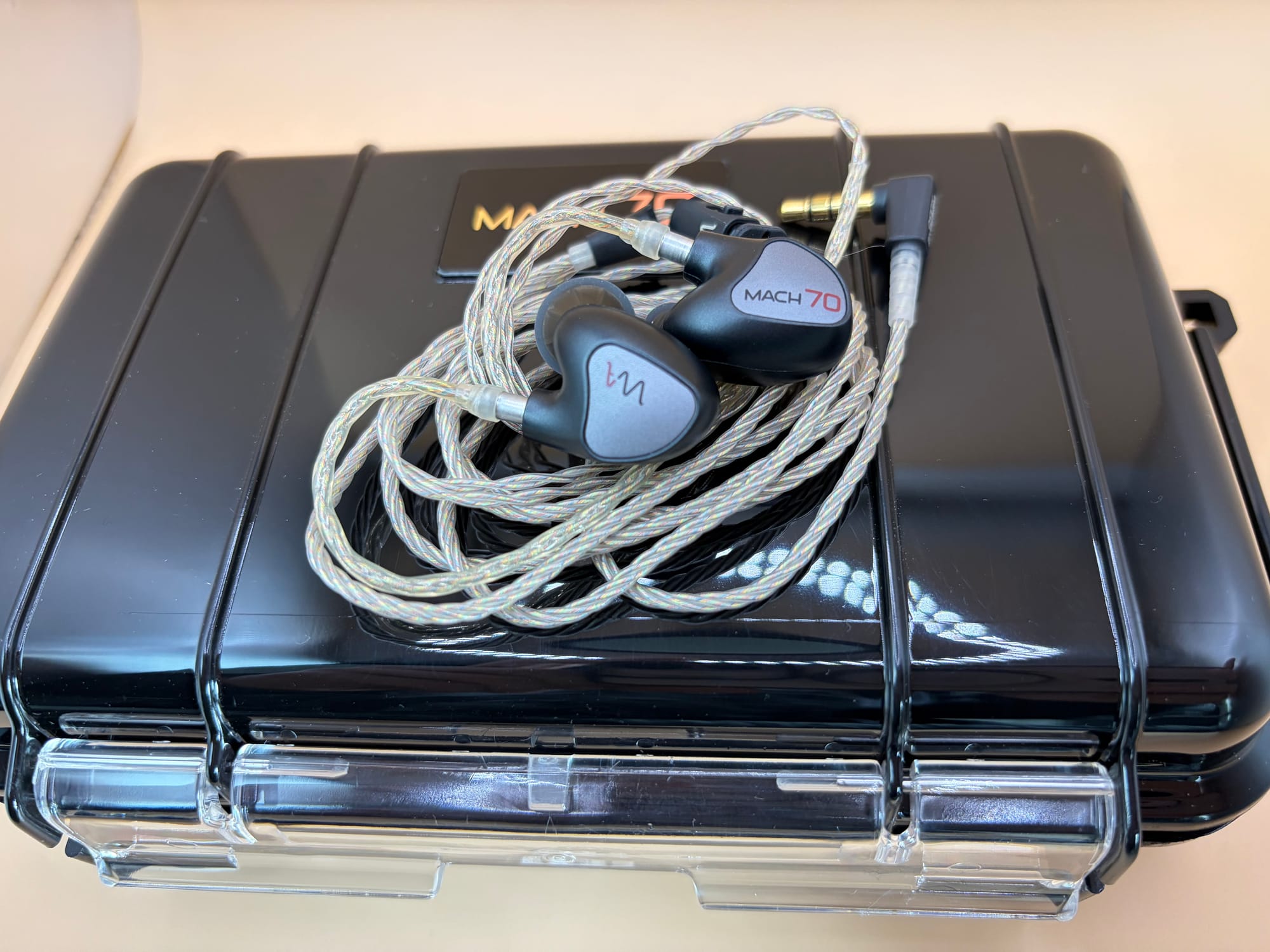
    The Mach 70 uses the same dual-color black-and-gray shell as the rest of the Mach lineup, with a triangular faceplate that mimics the look of a custom IEM. It's plastic, but the finish does a decent job of faking an anodized metal look from a few feet away. Up close, though, the build doesn't scream "premium" the way you'd expect from some other brands at the thousand-dollar price point—there's no dramatic flourish here, just clean, functional plastic. With that being said, it does still feel durable and will hold up to heavy use.

    Where Westone actually innovated is the connector. Instead of the industry-standard MMCX or 2-pin setup (both of which are notorious for wearing out or oxidizing over time), the Mach 70 uses Westone's T2 connector system, which is IP-67 rated for water and dust resistance. It's a more mechanically secure connection, though it does mean you're locked into Westone-compatible cables if you ever want to upgrade.

    The included cable is the Linum Estron UltraBaX, a quad-twisted design built from 224 strands of silver-plated copper in a 4-braid litz configuration. It has an ultra-low impedance of just 0.6 ohms, meaning it won't color the sound at all—a nice touch for an IEM in this price bracket. That said, the cable is on the thinner end and can be slightly tangle-prone.

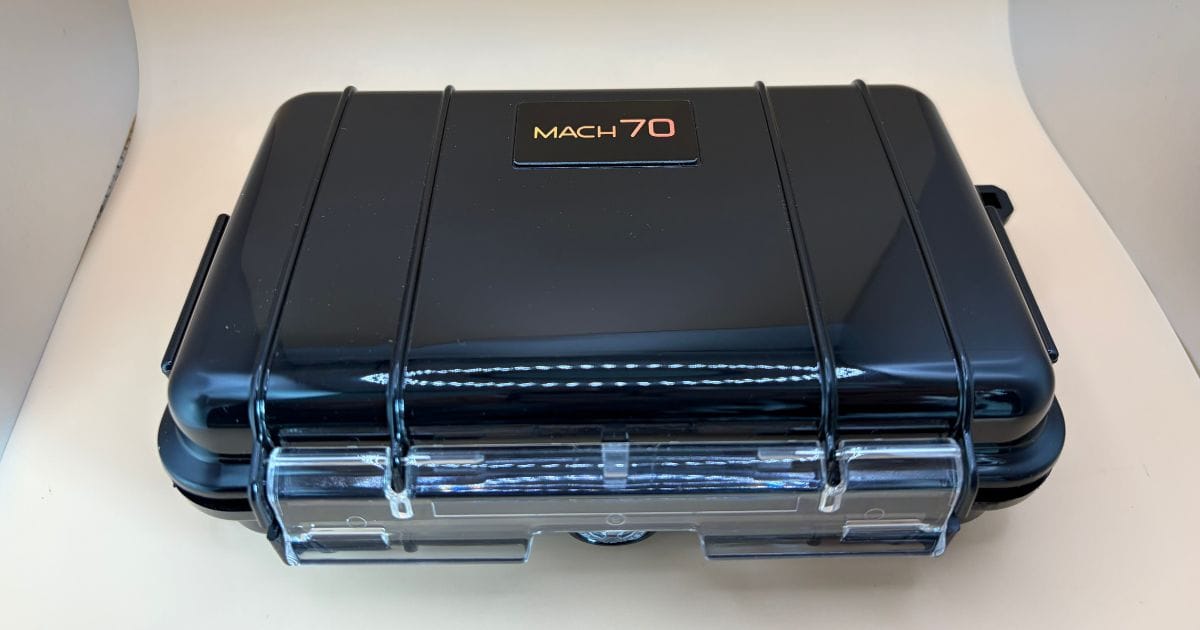
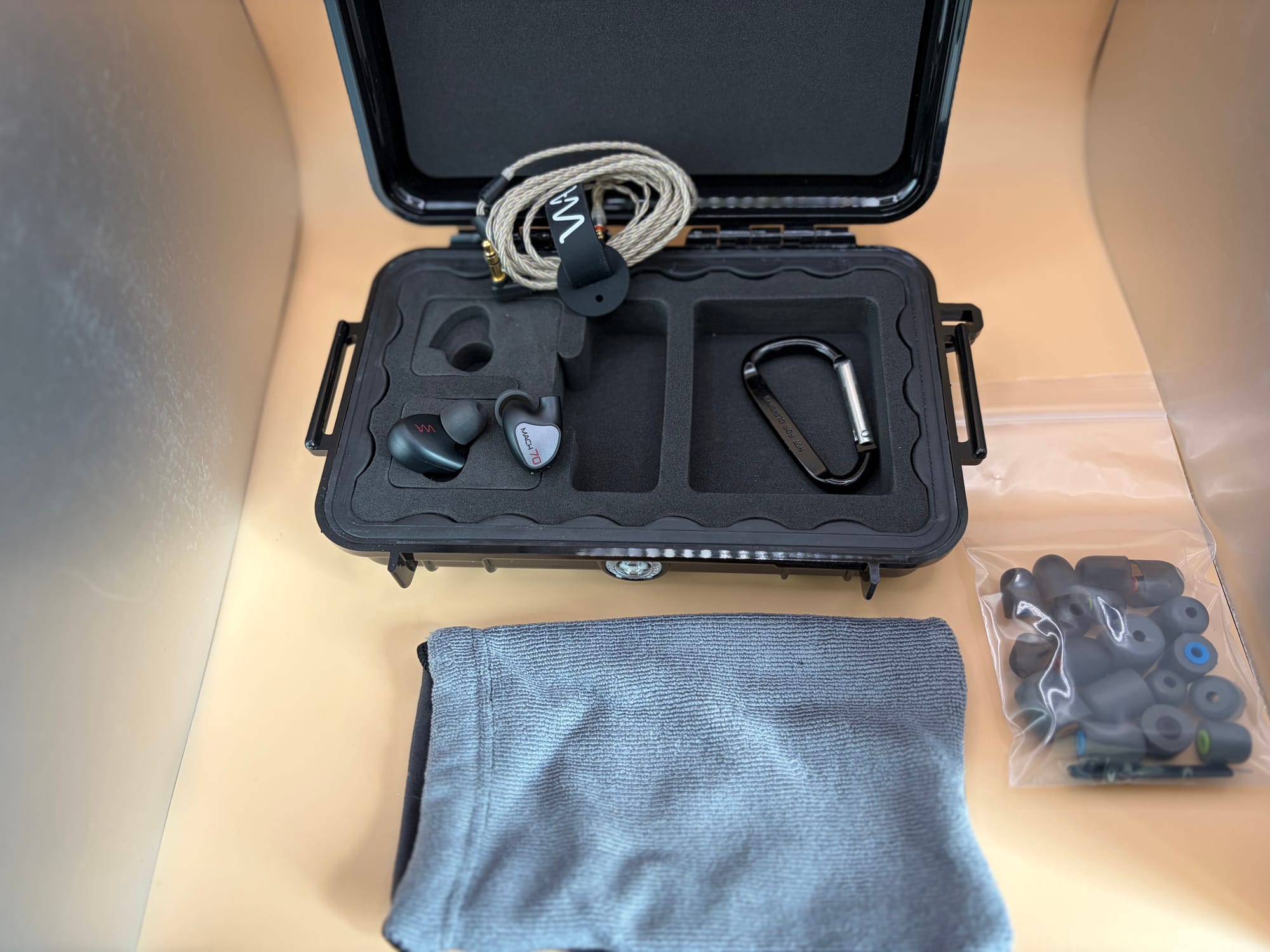
    In the box, Westone includes an excellent accessory kit: a crushproof, waterproof Pelican-style case, five pairs each of foam and silicone ear tips, a cloth carrying pouch, a cleaning tool, and a cable organizer.

    Sound Quality

    Westone Mach 70 Review: A Bass-Forward Flagship That Doesn't Forget the Mids

    Overall Sound: The Mach 70's defining trait is bass. It's the bassiest IEM in the entire Mach lineup, and by quite a bit. But this isn't a one-note basshead earphone. The low end is full-bodied and forward without burying the midrange, and the treble stays smooth and detailed rather than getting steamrolled by the bass boost. It's a warmer, more musical presentation than Westone's typical reference house sound, and it works.

    Bass

    The bass on the Mach 70 is rounded, weighty, and surprisingly nimble for a single low-frequency balanced armature driver. Sub-bass extension is impressive for an all-BA design—you get real rumble, not just an upper-bass bump pretending to be sub-bass. It's controlled enough that it doesn't bleed into the midrange, even though it's clearly the star of the show.

    Mids

    The midrange stays forward and dense despite the added bass emphasis. Vocals sit right up front with good body and resolution, helped along by tuning bumps around 3kHz and 5kHz with a deliberate dip at 4kHz to keep things from getting shouty or nasal. It's not the most transparent midrange in the Mach lineup (that title goes to the Mach 60 and Mach 80), but it trades a bit of clinical accuracy for warmth and richness that a lot of listeners will actually prefer.

    Treble

    Treble is open, airy, and energetic enough to keep pace with that big bass without ever tipping into harshness. It rolls off naturally at the very top, which treble-sensitive listeners will appreciate, but it never feels dull or truncated. Detail retrieval up top is genuinely impressive for the price.

    Timbre, Soundstage, and Imaging

    Timbre across the board sounds natural and true to instrument character; nothing feels artificially boosted or processed. The soundstage is one of the Mach 70's strongest features: it's wide, extends convincingly beyond the physical shell, and handles busy, layered mixes without collapsing. Imaging is precise, with instruments locking into specific, identifiable positions in the stereo field, which makes this a genuinely fun IEM for detail-oriented listening sessions, not just casual background music.

    Comfort and Isolation

    Westone Mach 70 Review: A Bass-Forward Flagship That Doesn't Forget the Mids

    Westone's decades of medical earpiece experience show up here. The shell is compact despite housing seven drivers, and the ergonomic shape is built for all-day wear without the ear fatigue you get from some larger custom-style universal shells. All of Westone's Mach series are still some of the most comfortable IEMs I've ever worn, and the five pairs of included foam and silicone tips give you plenty of room to dial in a proper seal.

    Isolation is solid, especially with the foam tips, making the Mach 70 a perfectly good option for stage monitoring or noisy commutes, not just quiet-room listening.

    How Does It Compare?

    Westone Mach 80 ($1,599)

    The obvious comparison, since they share the exact same shell and design. The Mach 80 adds a second bass driver (eight drivers total) and is tuned closer to reference-flat, making it the more "professional monitor" option. It also runs at 66 ohms compared to the Mach 70's 42 ohms, so it's noticeably harder to drive and benefits more from a dedicated dongle DAC or amp. If you want accuracy over fun, the Mach 80 is worth the extra $200. If you want musicality and a bigger low end, stick with the Mach 70.

    64 Audio U12t ($1,999)

    The U12t brings 12 drivers and 64 Audio's tia and Apex venting technology to the table, delivering a more analytical, technically dense sound with excellent extension on both ends. It's a fantastic all-rounder, but it leans more neutral than the Mach 70's bass-forward tuning, and it costs $600 more. If ultimate technical performance is your priority and you don't need the extra bass, the U12t is worth the jump.

    Empire Ears Legend X ($2,299)

    The Legend X is basically the basshead's basshead IEM, running dual subwoofer drivers alongside five balanced armatures for genuinely explosive low-end impact. It goes even further into bass territory than the Mach 70 and costs significantly more, but it's the natural next step for anyone who tries the Mach 70, loves the bass approach, and wants to chase it even further. Just know you're paying a real premium for that extra rumble.

    Final Verdict

    Westone Mach 70 Review: A Bass-Forward Flagship That Doesn't Forget the Mids

    The Westone Mach 70 is a fun, well-executed flagship IEM for anyone who wants their bass to matter without giving up midrange presence, treble detail, or soundstage width. It's not flawless—the build feels a little plasticky for the price (I personally don't mind it since it still feels sturdy), but the cable is thinner than expected and, in my experience, was quite tangle-prone. With all that being said, the sound tuning more than makes up for it. If you're a musician, bassist, or just someone who wants a bass-forward IEM that still resolves detail like a proper flagship, the Mach 70 earns its spot on our list as an easy recommendation.

    Technical Specifications

    • Drivers: 7 Balanced Armature Drivers (1 low, 2 mid, 4 high)
    • Crossover: 3-way passive crossover
    • Frequency Response: 5Hz – 22kHz
    • Sensitivity: 110dB @ 1kHz
    • Impedance: 42 Ohms @ 1kHz
    • Cable: Linum Estron UltraBaX T2 Cable, quad-twisted, 224-strand silver-plated copper, 4-braid litz, 0.6 Ohm cable impedance
    • Connector: Proprietary T2 connector, IP-67 rated (water and dust resistant)
    • Termination: 3.5mm single-ended (unbalanced)
    • In the Box: Mach 70 IEMs, Linum UltraBaX T2 cable, 5 pairs foam tips, 5 pairs silicone tips, Pelican-style crushproof/watertight case, cloth carrying bag, cable organizer, cleaning tool
    • Price: $999 USD

    Thanks for reading!

  • Is Carrie Underwood working on a secret rock album with Axl Rose?

    Country star Carrie Underwood has a well-documented history of onstage collaborations with Guns N’ Roses.

    She first appeared with the band at the Stagecoach Festival in Indio, California, in April 2022, and reprised the performance three months later at Tottenham Stadium in London. In addition, GN’R frontman Axl Rose gatecrashed one of Underwood’s solo shows the following year in Los Angeles.

    Last weekend, the relationship was rekindled as Underwood joined GN’R onstage during their show at Truist Park in Atlanta, singing Sweet Child O’ Mine and Paradise City with Rose.

    “Yet another amazing show from Guns N’ Roses,” Underwood posted on Instagram. “Thanks, Axl Rose, Duff McKagan, Slash, Dizzy Reed, Richard Fortus, Isaac Carpenter and the whole crew for having us and for letting me try and keep up on stage! You are always so kind! Love you all forever!”

    Now TMZ reports that the relationship Rose is mentoring Underwood as she works on a rock music project. The website’s sources haven’t revealed any more details, but Underwood – who performed a four-song set of rock covers that climaxed with a version of Limp Bizkit‘s Break Stuff at the Velocity Festival in Dyersville, Iowa, earlier this month – has previously spoken about her love of rock music.

    “I do have an affinity for rock music and metal, and I just love the energy more than anything,” she told Audacy in 2023. “I love going to rock concerts because it feels like freedom to me. You never really know with me. I never say never about anything. I feel like certain influences work their way into different songs and different moments, even if they’re not songs that I record.”

    Underwood has previously collaborated with Papa Roach – on the 2022 single Leave a Light On (Talk Away the Dark) – and appeared with Mötley Crüe on this year’s American Idol series finale. Last year on the same show, she paired up with a contestant to sing Drowning Pool’s nu metal banger Bodies, and she’s also covered Ozzy Osbourne‘s Mama I’m Coming Home and Motörhead‘s Ace Of Spades.

    Videos of Underwood’s most recent Guns N’ Roses cameos are below. The band’s Truist Park show was the final date of their 2026 North American tour, but they return to the road in November with shows in India, Indonesia, Singapore, Australia and New Zealand. Full dates below.

    Guns N’ Roses 2026 Tour

    Nov 14: Bengaluru, Nice Grounds, India
    Nov 17: Guwahati Khanapara Vetinary Ground, India
    Nov 21: Jakarta Madya Stadium GBK, Indonesia
    Nov 25: Singapore SG National Stadium, Singapore
    Nov 29: Adelaide Grand Final, Australia ≠
    Dec 02: Townsville Queensland Country Bank Stadium, Australia ≠
    Dec 05: Brisbane Suncorp Stadium, Australia ≠
    Dec 08: Newcastle McDonald Jones Stadium, Australia ≠
    Dec 11: Melbourne Marvel Stadium, Australia ≠
    Dec 14: Sydney Engie Stadium, Australia ≠
    Dec 17: Auckland Eden Park Stadium, New Zealand ≠

    ≠ with Airbourne

    Find Guns N’ Roses tickets.