A decade is a long time between albums, but Alyssa Bonagura has chosen the optimum moment to release America’s Backroads.
“It tells the story of the last ten years of my life,” explains the Nashville songwriter and multi-instrumentalist. “These are songs that I’ve played live or just never cut. When you write songs, sometimes they’re perfect for that moment. At other times they meet you years later and you’re like: ‘Oh my god, now that’s for me!’ That’s the magic of it.”
The richly autobiographical America’s Backroads, Bonagura’s fourth studio album, details a life spent criss-crossing the States, gathering experiences – good and bad – along the way. Predisposed to a sweeping chorus, she’s a classic Southern storyteller at heart, driven as much by rock’n’roll as by rootsy country.
“I listened to a lot of rock music growing up, a lot of electric guitar music,” she says. “I’ve always loved people like Bonnie Raitt, Sheryl Crow and Alanis Morissette. And all the women that kind of spearheaded that movement.”
Bonagura was destined for this kind of life. The daughter of Kathie Baillie and Michael Bonagura, founders of hit country trio Baillie & The Boys, she spent her childhood on the tour bus: “I think it’s because I was surrounded by music all the time. I wanted to be like my parents.” By 1998, aged 10, she was duetting with Kenny Rogers, and at 16 she was opening for Marty Stuart.
In 2006 she was granted an overseas scholarship to study sound technology at Liverpool Institute For Performing Arts.
“I was playing at the Zanzibar Club while I was there,” she recalls. “Pete Wylie turned up one night, saw me playing guitar and singing, and asked me to join his band. To be honest, I didn’t know who he was. But I joined The Mighty Wah! for the next two or three years. That whole experience changed everything. I came into my own as a songwriter.”
Bonagura channelled it all into her 2010 debut The English Diaries. She’s since had her songs covered by Steven Tyler, The Shires and a slew of contemporary country artists. But America’s Backroads is easily her finest statement yet.
“The title track led the way,” she says. “It’s about me, my mom and my dad playing in New Mexico, and growing up on the road. I also wrote it because I don’t want any of those memories to go away. They put miles on your soul.
“My parents really got burned by the industry,” she continues. “They were dropped when they had a number two record, which sounds crazy to me. It made me realise that the ebb and flow of the business will always be there, but that music still has to be the one priority in life. You have to love it enough to just keep going.”
When Nirvana hit the big time with Nevermindin late 1991, they kicked off a feeding frenzy that saw major record deals thrust in front of every oddball, backwoods yokel and scruffy coffee shop intellectual A&R reps could find playing dive bars and ‘toilet’ venues.
From bands who had a formative influence on Nirvana themselves (Melvins, Butthole Surfers) to those who took up the alt-rock charge in their wake (Bush, Candlebox, Stone Temple Pilots), everybody was suddenly a potential star in the making, a commercial goldmine just waiting to be tapped.
That also meant the 90s were a time where seemingly any band could break big and climb the charts, whether it was the quasi-prog-funk noodling of Primus or the baffling success of comedy metal thumpers Green Jellÿ (who achieved a UK Top 10 single with Three Little Pigs).
But even in a decade littered with oddities and surprise sensations, some bands remained frustratingly obscure. Whether by their own design or simply cursed with a lack of good fortune, these 10 obscure but brilliant bands had all the requirements needed for stardom but never quite crossed the finish line.
1. Screaming Trees
Screaming Trees were already on their fifth album when grunge broke big in 1991, their moody, reflective sound a pitch-perfect predecessor for the likes of Pearl Jam and Alice In Chains. Despite striking while the iron was hot with 1992’s Sweet Oblivion (and featuring on the platinum-selling soundtrack to Cameron Crowe’s grunge-era movie Singles), Screaming Trees found that mainstream success almost completely eluded them. Single Nearly Lost You stalled at No. 50 in the UK singles charts, failing to make the Top 100 in the US entirely (though it did reach No. 5 on the US Alternative Airplay and No. 12 on Mainstream Rock charts), proving to be as close to the big time as the band would ever come.
Despite being grunge forerunners and having endorsements from both Chris Cornell and Kurt Cobain (the former having helped produce the band’s major-label debut Uncle Anesthesia, while the latter selected the band for inclusion on the 1993 Reading Festival bill), Screaming Trees remained a cult act for the duration of their existence. Despite climbing to No. 32 on the UK albums charts in 1996 with the superb Dust, the band were met with utter indifference when trying to court label interest in releasing a follow-up, ultimately disbanding in 2000. Considering the success singer Mark Lanegan went on to achieve as a solo artist (and just how ubiquitous the band’s moody, radio-friendly sound would become), it beggars belief that Screaming Trees weren’t more beloved in their day.
2. Alice Donut
New York’s Alice Donut were exactly the kind of band the tag ‘alt rock’ was created for. Not entirely punk (though they certainly had their moments) and pretty far from straight-up rock, the band exhibited almost Frank Zappa levels of eccentricity (including releasing a trombone-led instrumental cover of Black Sabbath’sWar Pigs, a trick they later repeated in 2009 with Pixies’Where Is My Mind?) that in a just world would have enabled them to succeed in the alt-rock gold rush of the early 90s.
Frequent fliers at CBGB’s and signed to Alternative Tentacles (the label owned by ex-Dead Kennedys frontman Jello Biafra) throughout their initial run, Alice Donut were described by Biafra as being “the missing link between R.E.M. and the Butthole Surfers”.
The band’s genre-blurring sound meant they didn’t fully fit in with New York’s hardcore or noise rock scenes, closer resembling ’80s alternative underground acts like Husker Du and Minutemen, albeit a few years too late to fall in with either group. Nonetheless, their gloriously oddball sound helped them establish a devout cult following, with fans drawn in by their warped sense of humour and canny ear for wrapping brilliant radio hooks in squalling walls of sound that seemed to draw as much on twisted psychedelia as it did ’80s punk rock.
Alice Donut ultimately decided to call it quits in 1996 after playing their 1000th show, in spite of the fact they had earned more acclaim than ever with the previous year’s Pure Acid Park. The band ultimately reformed in 2001 and have operated intermittently ever since, their last album being 2009’s Ten Glorious Animals (though they did put out the documentary Freaks In Love in 2011 – which you can currently watch on Amazon Prime).
3. Bikini Kill
The 90s riot grrrl movement may have been iconic, but it seldom enjoyed the commercial success it so richly deserved. Yes, the likes of L7, Babes In Toyland and Hole (to whatever extent you include Hole as a riot grrrl band) would make their chart appearances, but with the exception of Courtney Love’s band they failed to break past the top 100 (in the US at least) and reach the same commercial peaks as other ’90s alt movements. Few were snubbed harder than Bikini Kill however.
One of the most vocal and politicised forces in the scene, the Olympia, WA/Washington DC-based band had a direct hand in shaping both the style and ideals of the riot grrl movement but ultimately found themselves sidelined, vocalist Kathleen Hanna saying people would bombard the band with hatemail while drummer Tobi Vail described their shows as “all-out war”.
Though Bikini Kill were extremely active in the scene, and received endorsements from Nirvana and Fugazi, with Ian MacKaye producing their self-titled debut EP, they were slow off the mark to release an album – 1993’s split-album Yeah Yeah Yeah Yeah was their first to see widespread release, followed shortly by their full-length debut Pussy Whipped. The song Rebel Girl became the band’s biggest ‘hit’ (as well as an anthem for riot grrl overall) but failed to make any major commercial dent.
The band released only one other album before splitting in 1997, never truly reaping the popularity associated with the scene they helped create, though the huge excitement generated by their on-going reunion tour is a testament to their ever-swelling cult status.
4. A
The US didn’t hold a complete monopoly on guitars in the ’90s. On the other side of the Atlantic, the rise (and chart success) of bands like The Wildhearts, Therapy? and Terrorvision helped cement the rise of Britrock, Britpop’s noisier, more distortion-friendly sibling. A had actually formed the other side of the ’80s, albeit under the name Grand Designs (a nod to the Rush song, rather than the band being fans of daytime TV) with a decidedly more prog sound.
By 1993 the Perry brothers had seen the light and rebranded into a punkish ball of energy that perfectly fit in with the Britrock scene. Neither of A’s ’90s releases (their debut How Ace Are Buildings and the utterly superb A Vs Monkey Kong) managed to fully crack the charts however, Monkey Kong stalling at No. 62 in the UK. They did manage to enjoy some chart success the other side of the millennium however; the more nu metal adjacent Nothing broke the Top 10 of the UK singles charts, while its parent album Hi-Fi Serious reached #18.
With a sunny sound that evoked the very best of ’90s pop-punk without ever sounding derivative, A should have been primed to take advantage of the popularity of bands like NoFx and The Offspring whilst also slotting in nicely with Britrock’s biggest bands.
But chalk it down to a case of bad timing (they came just a few years too late for Britrock’s peak and slightly too early for the early 2000s pop-punk explosion), being on the wrong label (the band would have fit perfectly on an Epitaph Punk O-Rama compilation) or just being from the wrong country, A never managed to get the success they deserved. The band’s prevalence at UK music festivals in recent years is heartening at least, the sizeable turnout of crowds a reminder that 25 years on from their debut the band are still loved in the right circles.
5. Cop Shoot Cop
Formed in New York in the late 80s, Cop Shoot Cop can neither be said to have come at the wrong time or wrong place. After all, New York’s late-80s/early 90s hardcore and noise rock scenes are the thing of legend, the likes of Unsane, White Zombie, Type O Negative, Helmet, Biohazard and Prong all emerging (and catapulting towards success) in just a few short years. Unfortunately Cop Shoot Cop seldom even get mentioned when discussing the scene, perhaps deemed just a little too weird to fit in with an empire of freaks who would help reshape the metal world.
Though starting out firmly rooted in noise rock, by 1994’s Release Cop Shoot Cop had largely reigned in their most abrasive tendencies. It didn’t make them any less unique; heavily bass-driven (Release was the only CSC album to feature a guitarist), Cop Shoot Cop’s sound mixed elements of industrial, noise, alt-metal and even freeform jazz, Release just throwing some radio-friendly tunes onto the pile.
The likes of It Only Hurts When I Breathe, Two At A Time and Ambulance Song are just the kind of weird that 90s alt-metal fans loved – think the Rollins Band’s Liar, Filter’s Hey Man Nice Shot or even the more out-there material by Tool or Therapy? and you’re in the right sonic headspace.
For all that Release was more straight-laced, it didn’t help the band’s fortunes; the album failed to make any decent in-roads commercially and ultimately contributed to the souring of their relationship with Interscope (singer Tod Ashley later saying they were treated ‘poorly’ by the label) and ultimate split in 1997 – the same year Devin Townsend covered their song Room 429.
6. Majesty Crush
When it comes to talking about a band who were born in the wrong time and place, Majesty Crush might take the crown. Formed in Detroit in 1990, Majesty Crush were on the wrong side of the Atlantic to take advantage of shoegaze’s ‘peak’, the genre never really taking hold in the US in the same way it had Britain.
Even so, by the time Majesty Crush put out their debut (and only) album Love 15 in 1993 the genre was already in decline; its best elements subsumed into the burgeoning Britpop movement and years out from the ‘nu gaze’ revival of the early 2000s.
Majesty Crush’s own take on shoegaze introduced radio sensibilities that, on reflection, are in-keeping with the tones and styles of many mainstream artists in the US during the 90s. Moments of Love 15 evoke the more ambient, reflective songs of Pearl Jam’sTen(think Release, or Garden), the discordant wall of noise that opens Boyfriend wouldn’t be out of place on a Siamese Dream or Gish-era Smashing Pumpkins song (think Cherub Rock or I Am One) and Grow is akin to Jeff Buckley’s Last Goodbye.
Unfortunately for Majesty Crush such elements were seemingly only palatable in the mainstream when absorbed into a wider musical genre (alt rock, grunge, pop) and when the band’s label collapsed shortly after Love 15‘s release they never managed to recover. A subsequent ‘best of’ collection was released in 2009, but any chances of the band making a comeback to more receptive audiences were dashed when singer David Stroughter was shot and killed by Californian police in an apparent road-rage incident in 2017.
7. Far
Formed in Sacramento, and fronted by the charismatic Jonah Matranga, Far cut their teeth in the same scene that gave rise to Deftones and while achieving a similar level of influence (particularly on the 00s post-hardcore and emo scenes), they never managed to commercially break through.
It’s something of a mystery of exactly why they never broke through however; the band’s sound bore heavily resemblance to Deftones own, albeit replacing the nu metal elements with a post-hardcore crunch and alt-rock radio choruses.
1998’s Water & Solutions presented a meatier, more direct sound that was decidedly more radio-friendly and Far were even able to tour with Deftones and Incubus in that same period, exposing them to wider audiences. Unfortunately, it wasn’t enough to break them on a mainstream level and the band split in 1999, meaning they missed out on any increased profile they would have enjoyed when emo broke big post-2001.
Water & Solutions remains a classic however, albeit in retrospect as it set out the stall for everyone from Finch, Hell is For Heroes and Hundred Reasons to Funeral For A Friend, Thursday and Biffy Clyro. The band reformed in 2008 and released At Night We Live in 2010, but have only operated intermittently since.
8. Tad
The band that took Nirvana on their first European/UK tour (as support, no less), Tad somehow never managed to fully capitalise on the industry gold rush in the post-Nevermind era. In truth, Tad’s sound bore more resemblance to the likes of Helmet or Prong than to Alice In Chains or Nirvana (though Soundgarden have their moments – just hear the metallic crunch of Room A Thousand Years Wide), but the band, fronted by the likeable Tad Doyle, were key early figures in grunge’s development.
From signing to Sub Pop to working with Steve Albini, Tad got in ahead of just about everyone else – and maybe that’s exactly what held them back. Coming just a little too early for the wider music world to pay attention, the band’s 1991 release 8-Way Santa would perhaps have also been their breakthrough had it not arrived in February that year – a full seven months before Nevermind.
As it was, the single Jack Pepsi earned some traction before hitting legal snags from the Pepsi company, while the song Jinx (and the band themselves) would feature on the movie Singles. The band did move over to a major label amidst the changes in the industry and 1993’s Inhaler was released through Giant Records (a company associated with Warner Bros.).
Neither Inhaler nor 1995 Infrared Riding Hood managed to break the band and they were released from the label shortly after Infrared Riding Hood‘s release. A final single, Oppenheimer’s Pretty Nightmare was released in 1998 but the band had reached breaking point and split in 1999, never having enjoyed the success they deserved as forerunners for many of the decade’s biggest grunge acts.
9. Girls Against Boys
By the end of the ’80s Washington D.C. had become a hotbed for post-hardcore acts, the likes of Jawbox, The Nation of Ulysses and Shudder establishing a strong presence in a scene popularised by local legends Minor Threat and Fugazi.
With Fugazi’s Brendan Canty a founding member alongside Soulside’s Scott McCloud, Girls Against Boys already had a sense of indie cred before they’d struck a note. But despite being much love from the UK music press, appearances in movies and extensive tours overseas, Girls Against Boys never managed to outgrow their cult status.
By 1993 the band had relocated to New York and released their second album, Venus Luxure No. 1 Baby, their first album for label Touch And Go but also the first that truly established the heart of their sound. Now sporting two bassists, the band were affixing the bounce of D.C. post-hardcore to New York noise abrasion, but executing it in a way that wasn’t an overload on the senses.
Two more well-received albums (1994’s Cruise Yourself and 1996’s House Of GSVB) under Touch And Go ultimately led to the band signing with Geffen, 1998’s Freak*on*ica becoming their highest-selling album but still not yielding major chart success (though the album did feature on the Billboard Heatseekers chart) and the band ultimately became inactive in 2003 after the release of You Can’t Fight What You Can’t See. In 2021 Girls Against Boys announced plans to play shows ahead of a reissue of House Of GVSB, leaving hope for a seventh album in future.
10. Cows
Minneapolis punks Cows only existed for a fraction over a decade, but made the most of their time by putting out nine albums of chaotic, howling brilliance. Ostensibly sat somewhere between post-hardcore and noise rock, the band’s sound felt more like a throwback to ’77 and late ’60s garage rock than many of their contemporaries, always sounding one note away from collapsing completely but somehow keeping the calamitous racket together.
Signed to Amphetamine Reptile for much of their existence (with only their 1987 debut Taint Pluribus, Taint Unum being issued elsewhere), Cows’ output represents the best of ’80s punk, chaotic bursts of energy punctuated by obnoxious blasts of brass courtesy of vocalist Shannon Selberg.
Though Cows never particularly dialled back their anarchic tendencies on record, there was a sense that by 1992’s Cunning Stunts they had at least twisted their sound into something with (warped) pop sensibilities, albeit with the same breed of off-brand humour as Faith No More. Unfortunately, it never translated into any mainstream appeal and even drafting in Buzz Osbourne of the Melvins to produce their swansong, 1998’s Sorry In Pig Minor, wasn’t enough to push the band over.
Shannon Selberg’s relocation to New York in 1998 spelled the end and Cows split later that year. Three quarters of the band reconvened in 2015 to play annual punk event Grumps (albeit under the name ‘Cowz’ to differentiate the show from being a full-band reunion) but subsequent plans for a comeback have never surfaced.
75. 40. 20. Three numbers. One extraordinary chapter in heavy metal history. New Album available for Pre-Order now
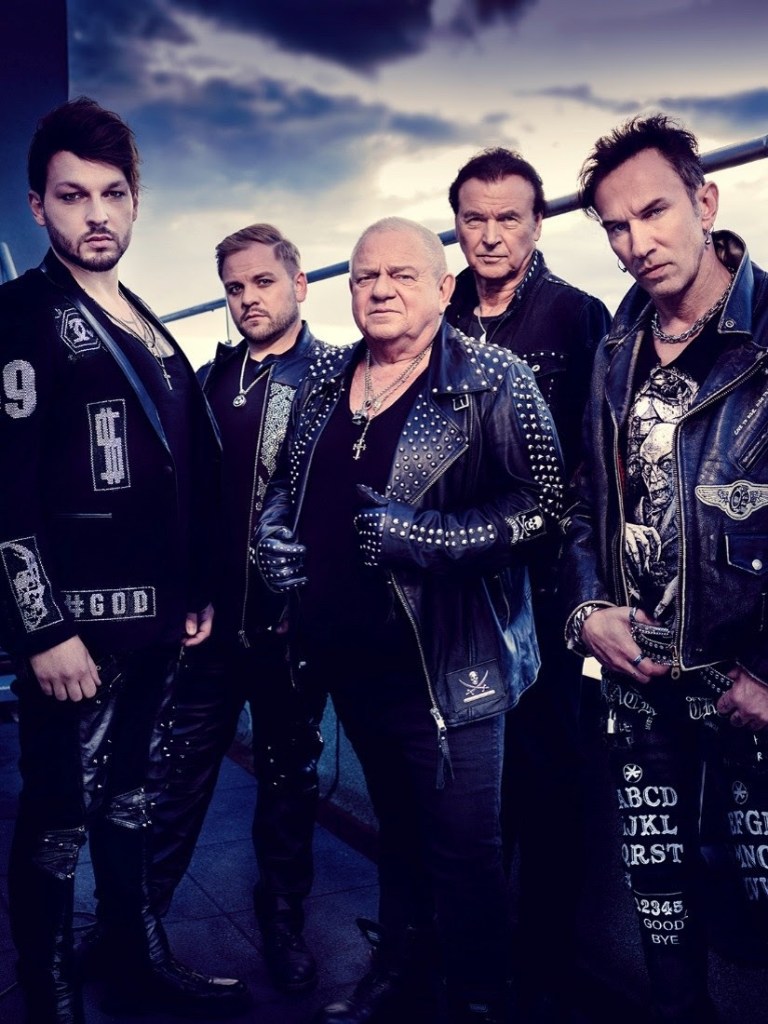
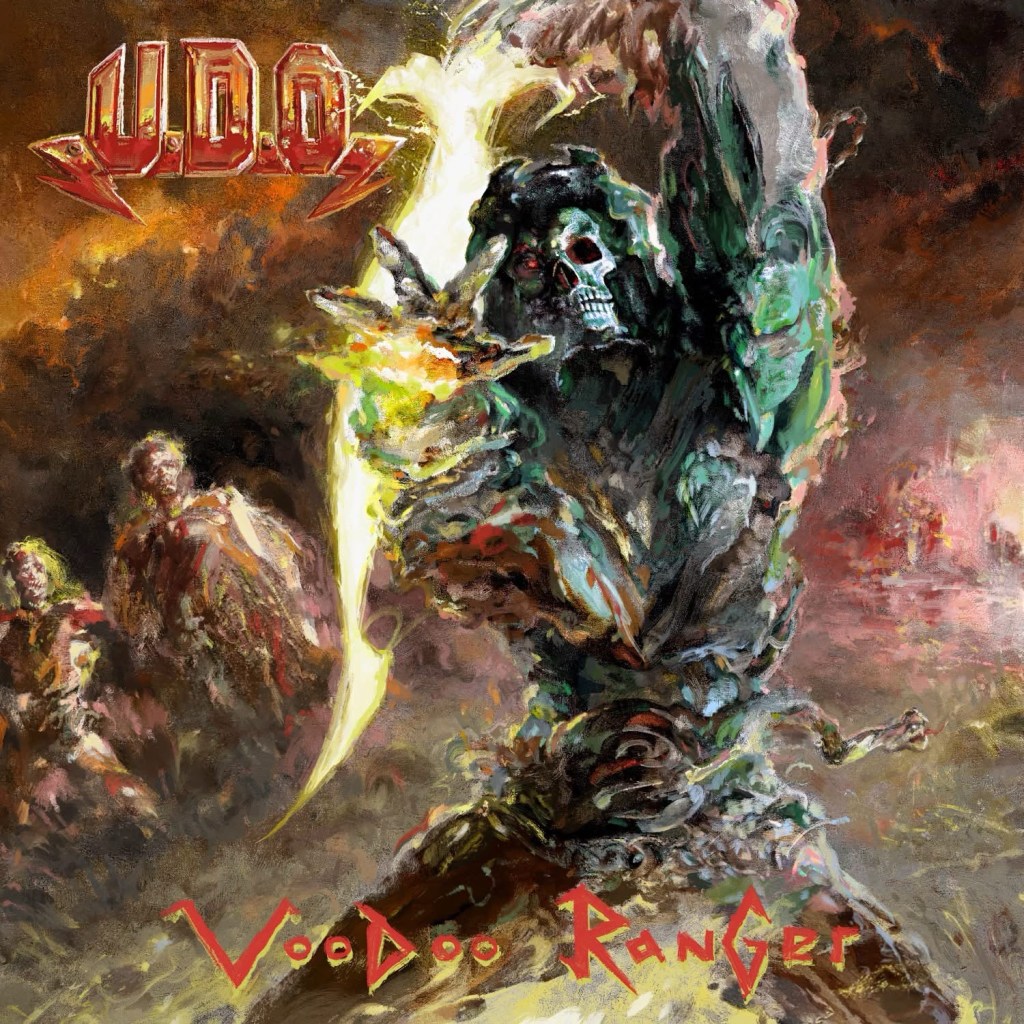
2027 marks a unique triple anniversary for Udo Dirkschneider and U.D.O.: Udo turns 75, U.D.O. celebrate 40 years as a band, and Voodoo Ranger marks the release of the German heavy metal institution’s 20th studio album. This very special record release will be celebrated on January 8, 2027 via powerhouse label Reigning Phoenix Music.
Today, U.D.O. open this milestone chapter with the first taste of Voodoo Ranger: new single “I’ll Die Trying.” Accompanied by an official music video, the track also marks the launch of the album pre-order.
Watch the official video for “I’ll Die Trying” HERE:
Rather than launching Voodoo Ranger with an all-out metal attack, U.D.O. introduce the album with one of its most personal moments. “I’ll Die Trying” is a classic U.D.O. ballad about perseverance, self-belief and staying true to your path, carried by the unmistakable voice of Udo Dirkschneider.
Voodoo Ranger – Track-list: 01. Testify 02. The Sky Is The Limit 03. Keep Me Alive 04. Back Breaker 05. I’ll Die Trying 06. Reach For The Crown 07. Pain & Glory 08. Hell Hunt 09. Voodoo Ranger 10. Magic Life 11. Devil’s Mind 12. Movin’ On
The song also became the album’s first single through an unexpected turn of events; a change of plans that, as Udo explains, ultimately felt like the right choice.
Udo Dirkschneider comments: “‘I’ll Die Trying’ is one of the most personal songs on Voodoo Ranger. It’s about never giving up, believing in yourself and always moving forward, no matter what life throws at you. The last verse especially means a lot to me because it reflects what I’ve experienced on stage for so many years. Every concert is a special moment and as long as people want to hear me sing, I’ll keep giving everything I’ve got. I’ve always believed that a great ballad can be just as powerful as the heaviest metal songs, and throughout my career these songs have become some of the most memorable ones. ‘I’ll Die Trying’ is another one of those songs that comes straight from the heart.
We originally planned to launch Voodoo Ranger with a different song, but after Peter and Alen were injured during one of the recent concerts of the Balls To The Wall – 40th Anniversary Tour, we had to postpone the original video production. Rather than rush things, we decided to let ‘I’ll Die Trying’ lead the way. Looking back, it feels like the right choice. The song captures a side of U.D.O. that has always been important to me. Ballads have been part of my career from the very beginning, and our fans have always embraced them. At the same time, nobody should think this album is getting softer: Voodoo Ranger is packed with classic U.D.O. power and has plenty of surprises waiting.”
AndVoodoo Ranger does indeed have more than a few surprises in store.
The album finds U.D.O. as unmistakable as ever with their signature sound firmly intact. Powerful riffs, massive hooks and Udo Dirkschneider’s unique voice meet heavier and darker moments.
Written by Udo Dirkschneider, Sven Dirkschneider, Peter Baltes and Fabian “Dee” Dammers, with additional contributions from new guitarist Alen Brentini, Voodoo Ranger brings four decades of heavy metal experience into an album that sounds unmistakably U.D.O. The album was produced and mixed by Martin “Mattes” Pfeiffer, mastered by Stefan Kaufmann, while its artwork was painted by acclaimed artist Eliran Kantor.
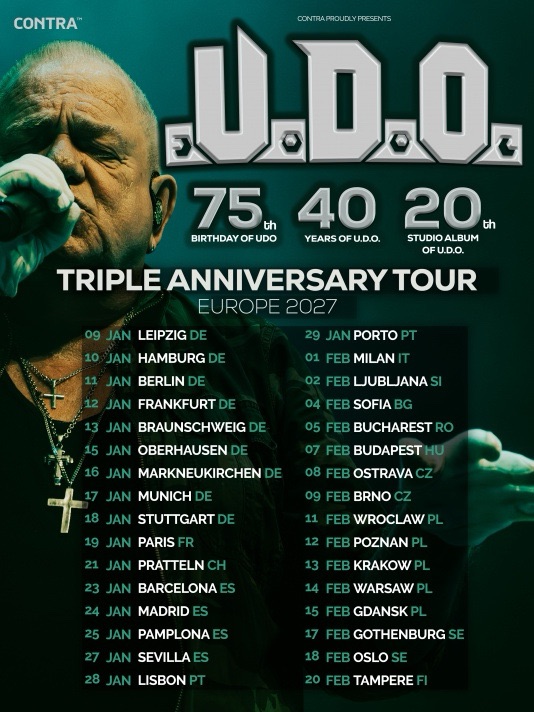
The album is only one part of what will make 2027 an exceptional year for Udo Dirkschneider and U.D.O. The band will celebrate four decades of U.D.O. live with the extensive Triple Anniversary Tour 2027, taking the anniversary across Europe and bringing together material from throughout the band’s history.
At the same time, another major chapter in Dirkschneider’s story will be told away from the stage: his official autobiography, created together with Dan Dreyer, will be published in the very same month as Voodoo Ranger.
Album, book and tour therefore meet at a unique point in his career. After more than five decades in heavy metal, Udo Dirkschneider has plenty of history to look back on, yet Voodoo Ranger makes one thing equally clear: U.D.O. are still looking ahead.
75 years. 40 years of U.D.O. 20 albums. And the metal heart keeps beating.
U.D.O. Artist Line-Up: Udo Dirkschneider – Vocals Sven Dirkschneider – Drums Fabian “Dee” Dammers – Guitar Peter Baltes – Bass Alen Brentini – Guitar
U.D.O. – TRIPLE ANNIVERSARY TOUR 2027
09.01.2027 DE-Leipzig, Haus Auensee 10.01.2027 DE-Hamburg, Große Freiheit 36 11.01.2027 DE-Berlin, Huxleys Neue Welt 12.01.2027 DE-Frankfurt, Batschkapp 13.01.2027 DE-Braunschweig, Westand 15.01.2027 DE-Oberhausen, Turbinenhalle 16.01.2027 DE-Markneukirchen, Musikhalle 17.01.2027 DE-Munich, Backstage Werk 18.01.2027 DE-Stuttgart, LKA-Longhorn 19.01.2027 FR-Paris, Bataclan 21.01.2027 CH-Pratteln, Konzertfabrik Z7 23.01.2027 ES-Barcelona, Sala Apolo 24.01.2027 ES-Madrid, Revi Live 25.01.2027 ES-Villava, Sala TOTEM Aretoa 27.01.2027 ES-Seville, Sala Custom 28.01.2027 PT-Lisbon, LAV – Lisboa ao Vivo 29.01.2027 PT-Porto, Hard Club 01.02.2027 IT-Milano, Magazzini Generali 02.02.2027 SI-Ljubljana, Club Cvetličarna 04.02.2027 BG-Sofia, Hristo Botev Hall 05.02.2027 RO-Bucharest, Quantic 07.02.2027 HU-Budapest, Barba Negra 08.02.2027 CZ-Ostrava, Club Garage 09.02.2027 CZ-Brno, Sono Centrum 11.02.2027 PL-Wroclaw, Concert Center A2 12.02.2027 PL-Poznan, B17 13.02.2027 PL-Krakow, Studio Kraków 14.02.2027 PL-Warsaw, Progresja 15.02.2027 PL-Gdańsk, Stary Manez 17.02.2027 SE-Gothenburg, Pustervik 18.02.2027 NO-Oslo, Vulkan Arena 20.02.2027 FI-Tampere, Tavara-asema
All the things I’ve seen,
all the things I’ve been must upset you.
Moving to a new city after a broken heart requires a certain faith in geography. Surely a different address, unfamiliar faces, and a few hundred miles can improve upon the person who packed the suitcase. Then comes the stranger discovery: the life you once wanted has become difficult to remember. Berlin’s Pretty Average explores that uneasy freedom on All I Wanted, I Forgot, a song about starting over and finding that some of your most cherished desires have quietly missed the connection.
That uncertainty carries into the accompanying video, where performance footage blurs beneath layers of static and bleeding color, matching the disorientation of the band’s beautiful blur of shoegaze, post-punk, and alternative rock. One of the earliest songs Pretty Average wrote together, All I Wanted, I Forgot appears on the album The Highs and Lows of Being Pretty Average, released on cassette this past May.
A cascading drumbeat sets the song in motion while sustained guitar notes spread across a dense bed of distortion. The bass carries a melodic ache familiar from The Cure, giving the guitars something solid to stretch against. There is a sweet sadness here that recalls the distance and desolation of Joy Division, though the broadening shoegaze textures allow a softer, almost yielding quality into the music. Candy’s voice sits low in the mix, as though she is singing from the next room and leaving the door closed.
That separation gives the words their peculiar weight. The lyrics inventory experiences, former selves, prayers, and departures, addressing someone who might resent everything that happened beyond their reach. By the time that accounting reaches “All I wanted, I forgot,” even the original wish has become elusive. As the guitars swell, their accumulating layers suggest water moving across an inscription, gradually making the names and promises harder to read. Forgetting carries its own small mercy, along with the disquiet of losing something you once thought essential.
The band describes the song as an exploration of “the disturbing yet exciting feeling of being in a new city and starting over with a wounded heart, leaving behind your past and your dreams.” Their conclusion is brief enough to sound almost surprised: “Somehow we became someone new.”
The video gives that uncertainty a physical form. Blue and violet stage lighting washes over the musicians while overlapping images, colour separation, and television static repeatedly interfere with the view. Faces and instruments become difficult to hold in focus; a close-up gives way to another image before either quite settles. The effect suggests a concert being recalled through an unreliable recording, with the band’s presence surviving all the visual interference. It suits a song in which the feeling remains clear even as its original object slips away.
Watch the video for All I Wanted, I Forgot below:
Formed in Berlin in 2022, Pretty Average centre Candy’s perspective on identity, social rejection, and the uncertain prospects facing her generation. Their 2024 EP, All I Wanted, was produced by Francisco Parisi of Minimal Schlager, with a Musicboard Berlin scholarship following that year. Regular Berlin performances, a Spanish tour, and support slots with acts including Genn, DVTR, Francis of Delirium, and Adult DVD helped develop a project whose priorities remain rooted in playing together.
Those priorities took some recovering. Lineup difficulties and disagreements with their former label delayed an album originally intended for 2025; the band credits a European tour this May with renewing their enthusiasm. Recorded in a self-made studio, The Highs and Lows of Being Pretty Average preserves the energy and imperfections of musicians sharing a room. Its extended songs also reflect their stated preference for small venues, direct support, and giving an album room for long songs and changes of pace.
The album is available on cassette through Bandcamp and at the band’s concerts. Listen to All I Wanted, I Forgot below and purchase the single here.
Pretty Average head out on their autumn album release tour later this month, with Garlands joining the September and early October dates.
Autumn 2026 Tour Dates:
September 23 — Hamburg, Germany — Haus 73*
September 24 — Cologne, Germany — Stereo Wonderland*
Acclaimed pop-rock firebrand LØLØ has teamed up with alt-pop singer and previous tour mate Ella Red for a new remix of delusional darling, originally featured on LØLØ’s sophomore album, god forbid a girl spits out her feelings! (April 2026 via Fearless Records). The introspective track chronicles the realization that sometimes, you just can’t change someone. […]
Dark Down South Open Air heavy metal festival is the only open air metal fest left in WA, and one of the last remaining in the whole of Australia. “This is one of Australia’s last remaining heavy metal festivals and it’s rapidly gaining a lot of excitement through the metal community across Australia. With many […]
Sheik’s song “Barely Breathing” spent 55 weeks on the Billboard Hot 100 chart in the late 1990s. But the success only propelled him closer to Broadway.
Red Light Acid Test came together in London 2019 to create hard, alternative rock music that is distinctively warped from the mainstream. Choppy rhythms, staggered guitars and dark, melodic vocals make for an intense listening experience. The 4 piece are known for their energetic and pulling-no-punches live shows. They have played in bars and clubs […]
Formed by the unholy trinity of DON VALENTINO (Beatmaker/DJ), 5T3MVTZ (Drummer), and MISS K (Singer), FVRIA is a sonic cult disguised as a band based in the country of money laundering. Mixing glitchy guitars, sub-atomic bass, powerful drums and versatile vocals, FVRIA is the perfect quintessence between the violence of metal and the mischievous groove […]
With a voice that carries both stormy intensity and haunting clarity, Alexayndra has carved her own lane in the alternative world. Her journey is one of raw, artistic evolution: from a childhood spent at the piano on the New England coast to early industry recognition, including nods from the Hollywood Music in Media Awards, and […]



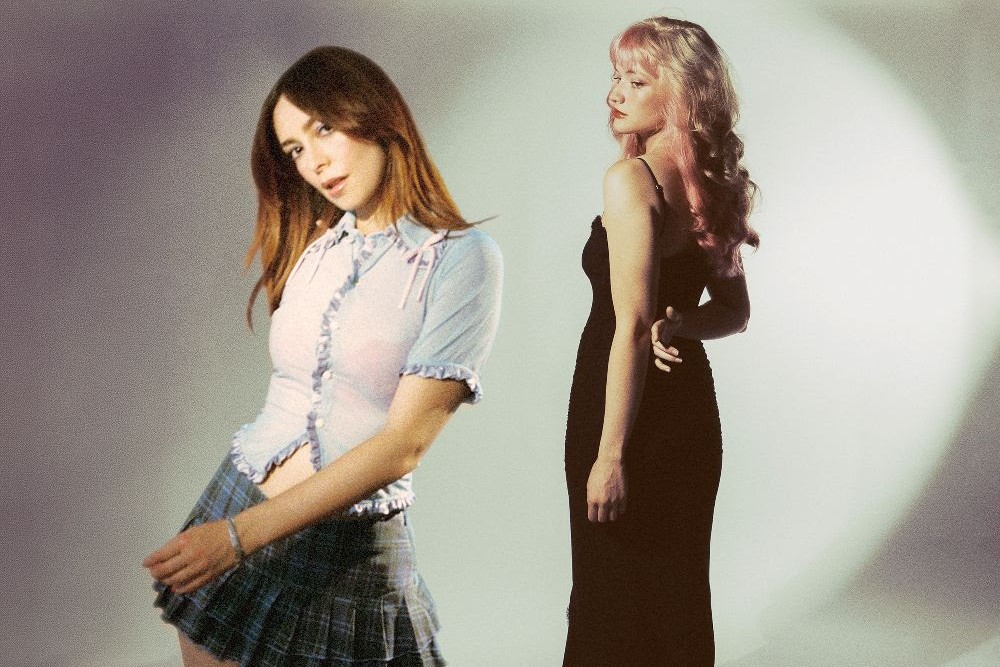 Acclaimed pop-rock firebrand LØLØ has teamed up with alt-pop singer and previous tour mate Ella Red for a new remix of delusional darling, originally featured on LØLØ’s sophomore album, god forbid a girl spits out her feelings! (April 2026 via Fearless Records). The introspective track chronicles the realization that sometimes, you just can’t change someone. […]
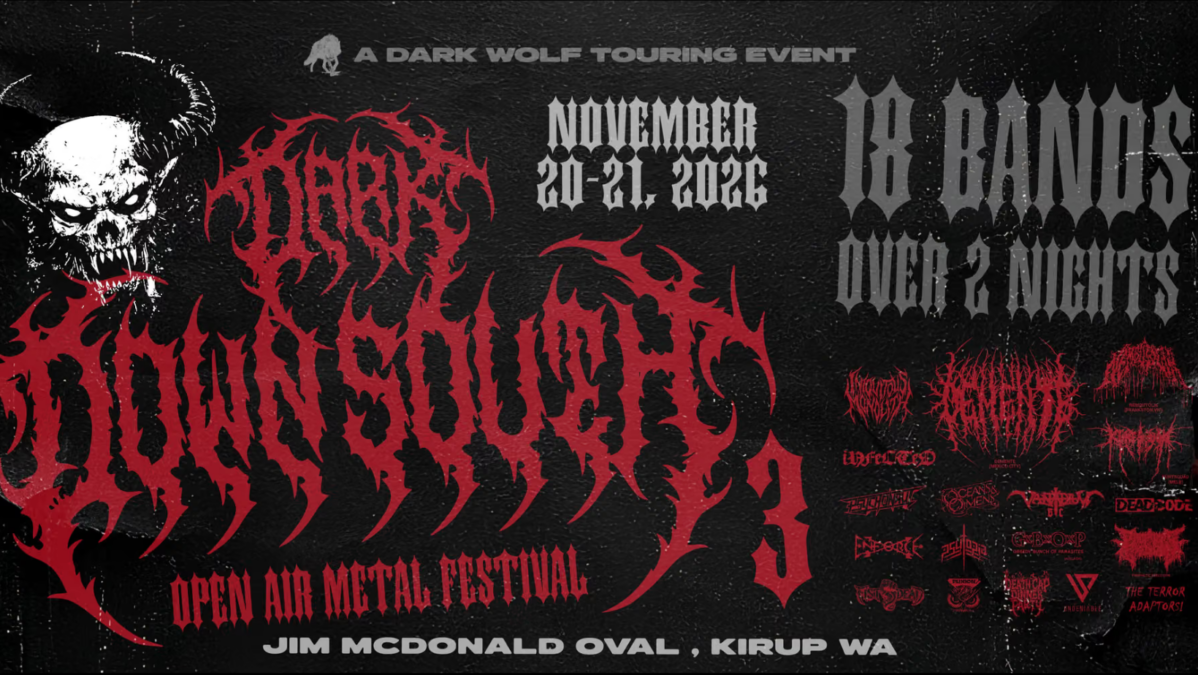 Dark Down South Open Air heavy metal festival is the only open air metal fest left in WA, and one of the last remaining in the whole of Australia. “This is one of Australia’s last remaining heavy metal festivals and it’s rapidly gaining a lot of excitement through the metal community across Australia. With many […]
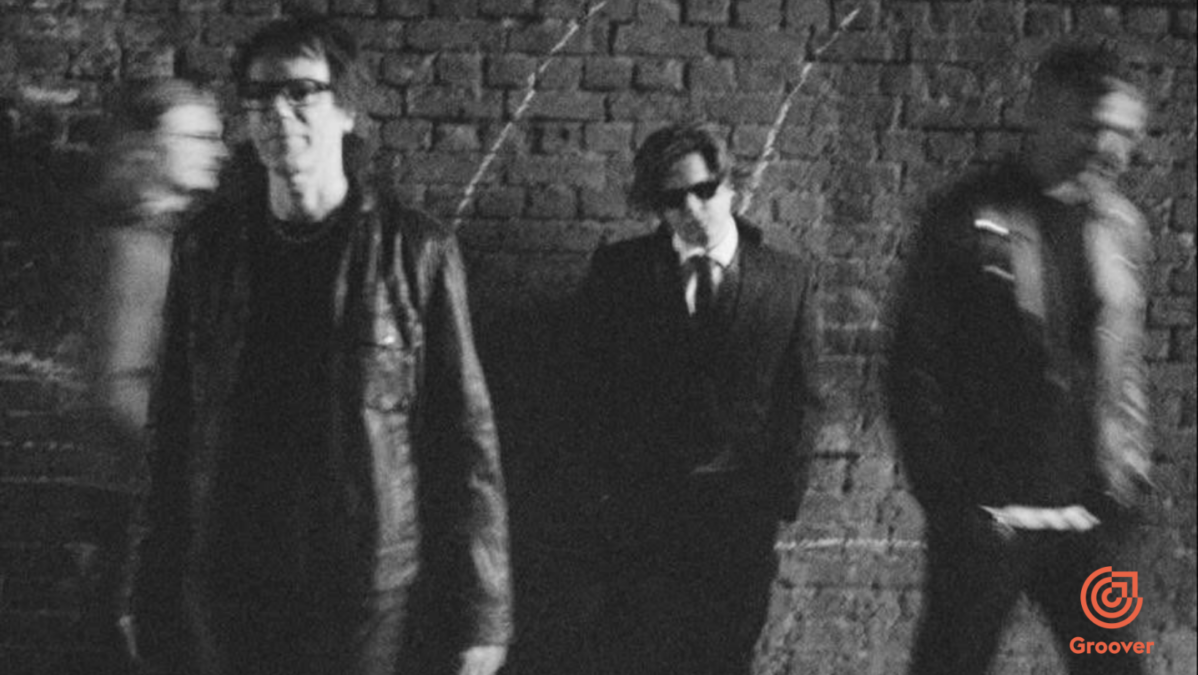 Red Light Acid Test came together in London 2019 to create hard, alternative rock music that is distinctively warped from the mainstream. Choppy rhythms, staggered guitars and dark, melodic vocals make for an intense listening experience. The 4 piece are known for their energetic and pulling-no-punches live shows. They have played in bars and clubs […]
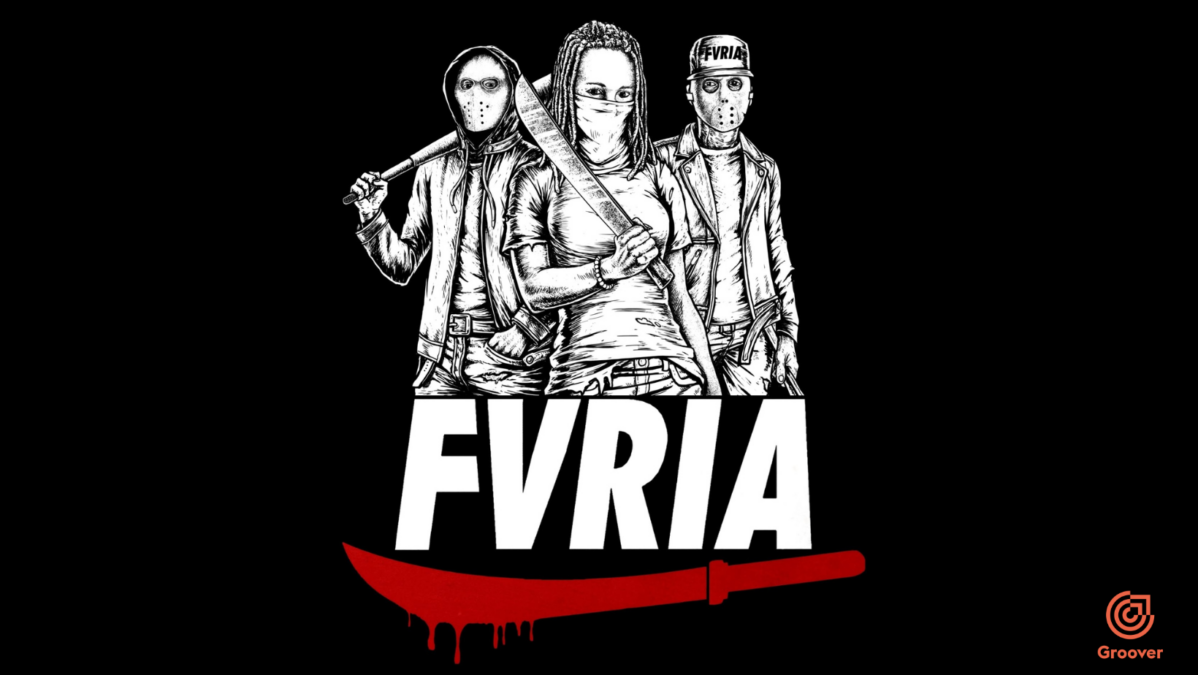 Formed by the unholy trinity of DON VALENTINO (Beatmaker/DJ), 5T3MVTZ (Drummer), and MISS K (Singer), FVRIA is a sonic cult disguised as a band based in the country of money laundering. Mixing glitchy guitars, sub-atomic bass, powerful drums and versatile vocals, FVRIA is the perfect quintessence between the violence of metal and the mischievous groove […]
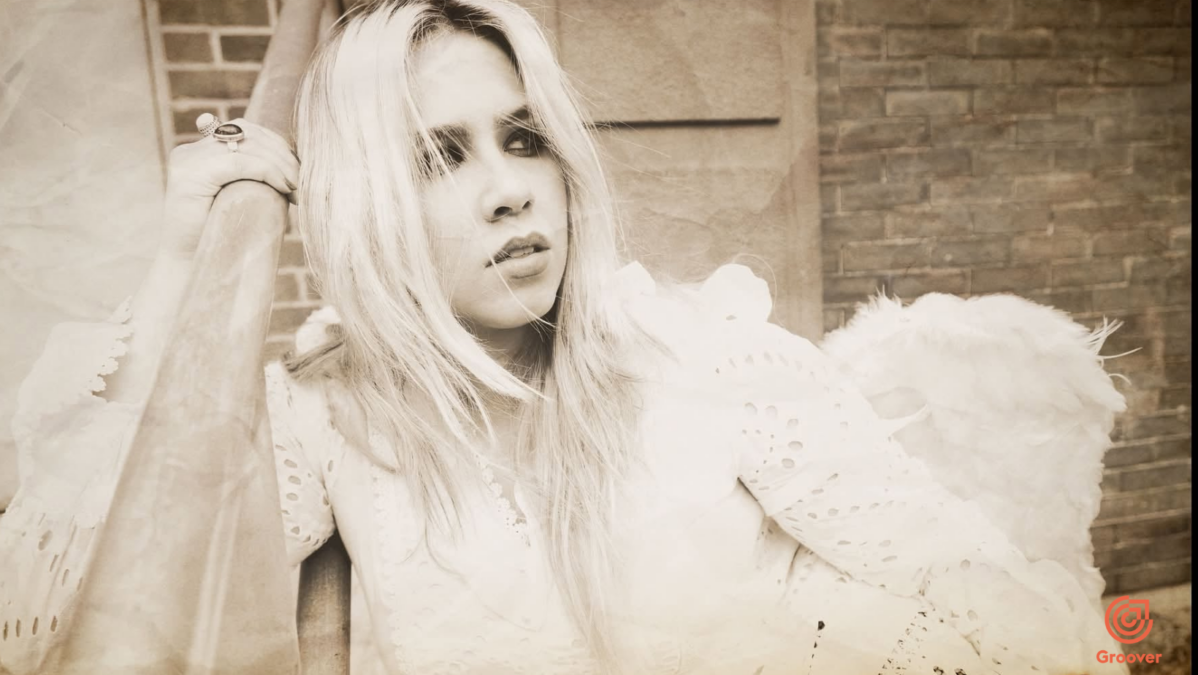 With a voice that carries both stormy intensity and haunting clarity, Alexayndra has carved her own lane in the alternative world. Her journey is one of raw, artistic evolution: from a childhood spent at the piano on the New England coast to early industry recognition, including nods from the Hollywood Music in Media Awards, and […]