
Category: news

  • GAWD Shares New Track “Non-Binary”

    Independent industrial rock artist GAWD releases their most unapologetic, transgressive single to date called Non-Binary. The track fuses heavy industrial cyber-rock, glitched-out vocoder hooks, and shock-pop theatricality to invert traditional power dynamics surrounding trauma, closet culture, and forced masculine conformity. Following international media recognition across Latin America, Europe, and the U.S. for singles like Mister […]
  • Whores. Reveal December Headlining Run

    A roughly two-week trek will kickoff December.

    The post Whores. Reveal December Headlining Run appeared first on Theprp.com.

  • THINGS YOU MAY HAVE MISSED (BUT SHOULDN’T)

    (Andy Synn has five recently, and one not-so-recently, released recommendations to share with you all today) People sometimes ask me how I stay on top of all the new releases every month, and the answer is… I don’t. Case in point, I haven’t managed to find time to get my thoughts about all of these […]

    The post THINGS YOU MAY HAVE MISSED (BUT SHOULDN’T) appeared first on NO CLEAN SINGING.

  • A missed fairy party sparks revenge on TAUFPATIN’s “Ne serais-je plus la Bienvenue?”

    Being left off the guest list has rarely ended well in black metal. French project TAUFPATIN have unveiled “Ne serais-je plus la Bienvenue?”, the fifth track revealed from debut album Les Malfaisances de la Taufpatin, due on 7 October through ANTIQ. The album revolves around La Taufpatin, a fictional witch from eastern France and Alsace […]

    Source

  • SNL Roasts Stella Leffy In Cut-For-Time Weekend Update Segment

    Stella Lefty must be so happy about all the Ed Sheeran stuff. Before Sheeran submitted to billionaire demands and kicked Macklemore off of his tour, Lefty, the Groupon heiress turned flavorless country-folk-pop singer, was the easiest snark-target in the music world. Lefty’s breakout smash “Boston,” still the #2 song in America, was a big enough bite of Noah Kahan’s recent hit “Stick Season” that Kahan got writing credit, and then people kept noticing that other songs from Lefty’s debut album were blatant ripoffs of other obvious popular songs. The “Stella Thefty” jokes wrote themselves. Now, Saturday Night Live has shared a cut-for-time Weekend Update bit built on the “Stella Lefty keeps stealing other people’s songs” premise.

    The post <em>SNL</em> Roasts Stella Leffy In Cut-For-Time Weekend Update Segment appeared first on Stereogum.

  • This nearly-invisible prog duo sold 50 million records. How was it done?

    The success story of The Alan Parsons Project is an unlikely one. The duo didn’t look glamorous, they never played live, they wrote progressive, orchestra-heavy suites of music at the height of punk, and hardly anyone knew who they were… and yet they sold 50 million albums. This is how it happened.

    Tales Of Mystery And Imagination may not have made the commercial splash that Alan Parsons and Eric Woolfson were hoping for, but a year or two after its release that was all water under the bridge. Why so? Because Clive Davis of the then-new American label Arista offered them a multi-album deal, eventually issuing a run of nine records that took them through the 70s and all the way up to their split in 1990, making the two men highly respected and highly rewarded for the rest of their careers.

    At the age of 77, Parsons is as busy as ever touring and recording, winning a Grammy in 2019 for a reissue of the Project’s 1982 album Eye In The Sky and receiving an OBE from Queen Elizabeth II two years later.

    Sadly, Woolfson passed away in 2009, but his fruitful post-Project career in musical theatre and his ongoing reputation as a songwriter without parallel continue to give his fans and family great pleasure.

    Most songwriters and producers fail to achieve half as much as Parsons and Woolfson did. How did fame and fortune come their way, when they did their best to remain out of the limelight?

    The Alan Parsons Project sounded like no other group

    Asked why the Project hit such a chord with the public, Parsons reasons: “We succeeded in having an original sound, which I think is unusual, even in the 70s. Tales Of Mystery And Imagination set the theme for the entire future of the Project, establishing a big-sounding style with lots of orchestra.

    “We were, I think, unique in that no other band had ever really done that: it didn’t sound like a band; it sounded like a production. I don’t think people visualised a bunch of long-haired rock’n’rollers when they heard our music. What’s more, I’ve always said that our albums could have been recorded in any order. I think they’re reasonably timeless.”

    Their guest musicians were the best in their fields

    Pilot, who supplied most of the backing tracks for the Project’s songs over their 14-year career, should not be underestimated. They may have only enjoyed one significant hit under their own name – the Parsons- produced Magic from 1974 – but as a backing band, they were flawless, restraining their skills most of the time but capable of endless melodic beauty when required.

    As for the guest singers, where do we begin? Over the years the Project benefited immeasurably from the silken larynxes of Allan Clarke and Terry Sylvester of The Hollies, Chris Rainbow of Camel, Clare ‘The Great Gig In The Sky’ Torry, Colin Blunstone of The Zombies, Gary Brooker of Procol Harum, John Miles, Lenny Zakatek of Gonzalez, the actor Peter Straker, Cockney Rebel’s Steve Harley and many others.

    The home hi-fi boom

    You may remember the precious laminated-wood stereo system that you (or your dad) installed in the living room in the 70s or 80s. Home hi-fi stacks were a massive status symbol back then – Abigail’s Party style – and it’s remarkably easy to take the mickey out of the prestige that people assigned to their £200 Sony or Panasonic amp, turntable, equaliser and, after 1982, CD player.

    However, that domestic access to high-fidelity recordings was perfect for music as precision-engineered as that of the Project. A promo film for Philips compact discs featured Woolfson and Parsons in the studio, discussing the benefits of the new medium.

    They had serious record company backing

    The late Russ Regan of 20th Century Records had vision, but Clive Davis of Arista had vision and a ton of money to invest. Of the former, Ambrosia bassist and fellow Regan signing Joe Puerta reflects: “You have to give Russ credit for having the vision to think that the Project could work. He liked ideas that were a little bit out of the box, and he had a great history for finding talent: he’d signed Elton John and Neil Diamond.
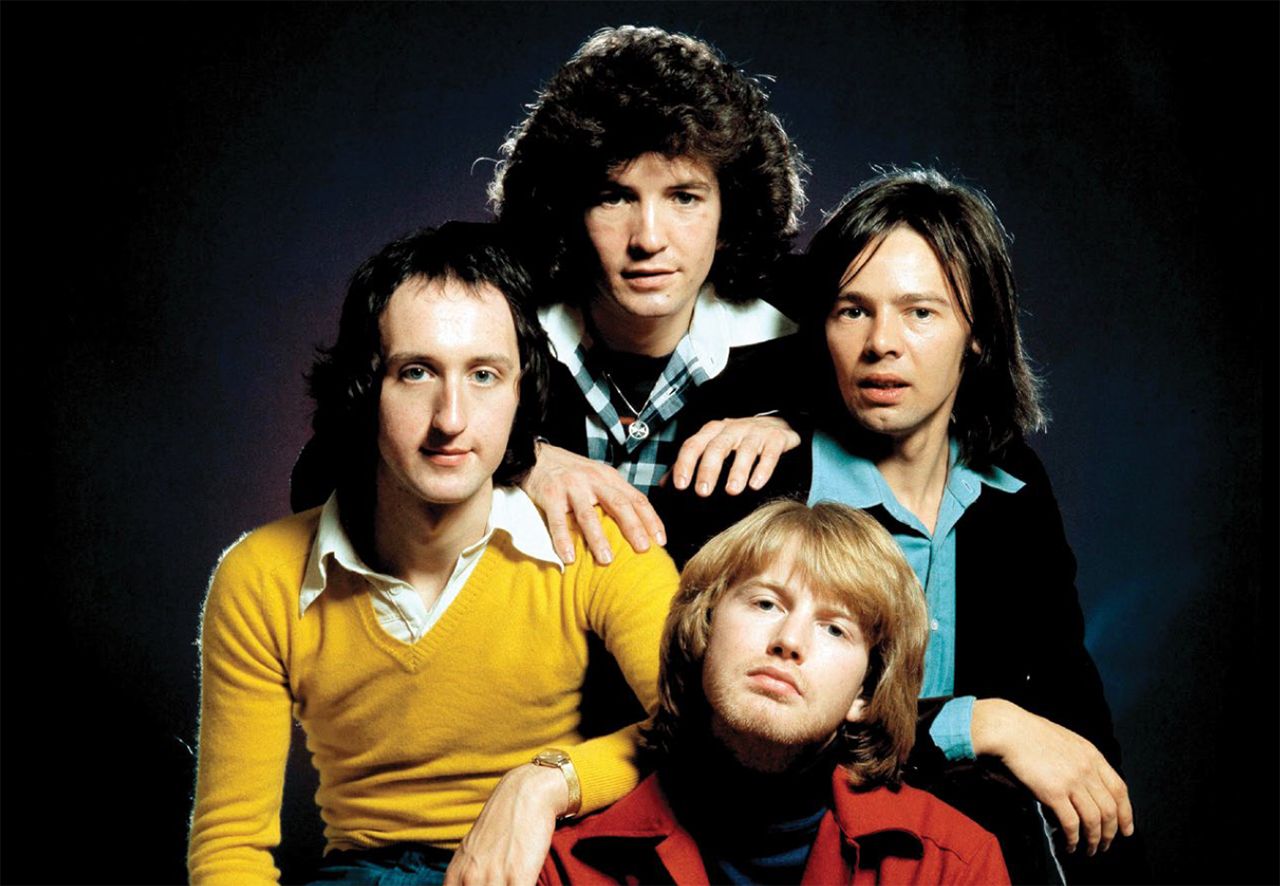
    Pilot, the band behind the Alan Parsons Project’s studio work

    (Image credit: Getty Images)

    “But on this one, he was taking a gamble. The fact that he was a small label with a lot of control helped, because it was a spinoff of the film company, so he signed a lot of people that had been forgotten or just not considered.”

    And Clive Davis? Any record company exec who had the power to summon Steven Spielberg to a meeting is someone to be reckoned with. As he wrote in his 2013 memoir The Soundtrack Of My Life, the success of the Project’s second album I Robot in 1977 gave him a cunning idea. “I asked for a meeting with Spielberg to discuss the music for Close Encounters Of The Third Kind.

    “I played I Robot for Spielberg and [composer John] Williams, set forth all of the group’s credentials, and asked if there was any way we could incorporate their music into the film. Steven and John were very polite and respectful, but of course there was no way in the world it was going to happen.”

    Their name sounded like the future

    The Alan Parsons Band? The Eric Woolfson Project? The Woolfson-Parsons Collaboration? None of these titles would have worked as well as The Alan Parsons Project, which is a bit unwieldy and sounds a bit like a school science assignment, but has the intended effect of being both enigmatic and scholarly.

    As the years passed, Woolfson expressed mixed opinions about the duo’s official title, but he later came to terms with it, reasoning: “The decision to call it The Alan Parsons Project was mine, based on the fact that although the Project was Alan and I, he had a higher visibility in the industry as a result of having worked with major artists such as Pink Floyd and Paul McCartney. In addition, I ran the business affairs of the venture and was the manager of the entity, and I thought it would be better for that reason not to identify myself too prominently.”

    Asked about the title today, Parsons acknowledges it as the reason he became a widely known name. “The name ‘Alan Parsons’ didn’t mean anything before that,” he says. “I was just a line of small print on The Dark Side Of The Moon. Did people really know the name of the guy that produced Magic by Pilot, Come Up And See Me by Cockney Rebel and Music by John Miles? I’m not so sure they did. The average record buyer would not have known my name until they heard The Alan Parsons Project.”

    They had vision, money, and the vision to spend the money the right way

    Drummer Stuart Tosh remembers how had the Project worked: “The mood in the studio was fairly intense, because time is money, and we were trying to get the music down on tape the way Alan and, in particular, Eric wanted it, in as few takes as possible. I can’t remember how many tracks we got done in a day, but I’m sure it was more than one. The general work ethic was, ‘Let’s get on with it.’”

    Then again, the musicians played hard as well as worked hard. Parsons: “During the Tales Of Mystery sessions, Eric and I went to Paris. That was not only a great trip because we managed to get hold of Debussy’s original score for The Fall Of The House Of Usher; but we also went to a restaurant called La Tour d’Argent, where we drank a bottle of Château Mouton Rothschild from 1945. Its label was marked with a V for Victory sign because it had been bottled in the last year of World War II. That bottle cost about £75. You’d probably pay £7,500 for it now!”
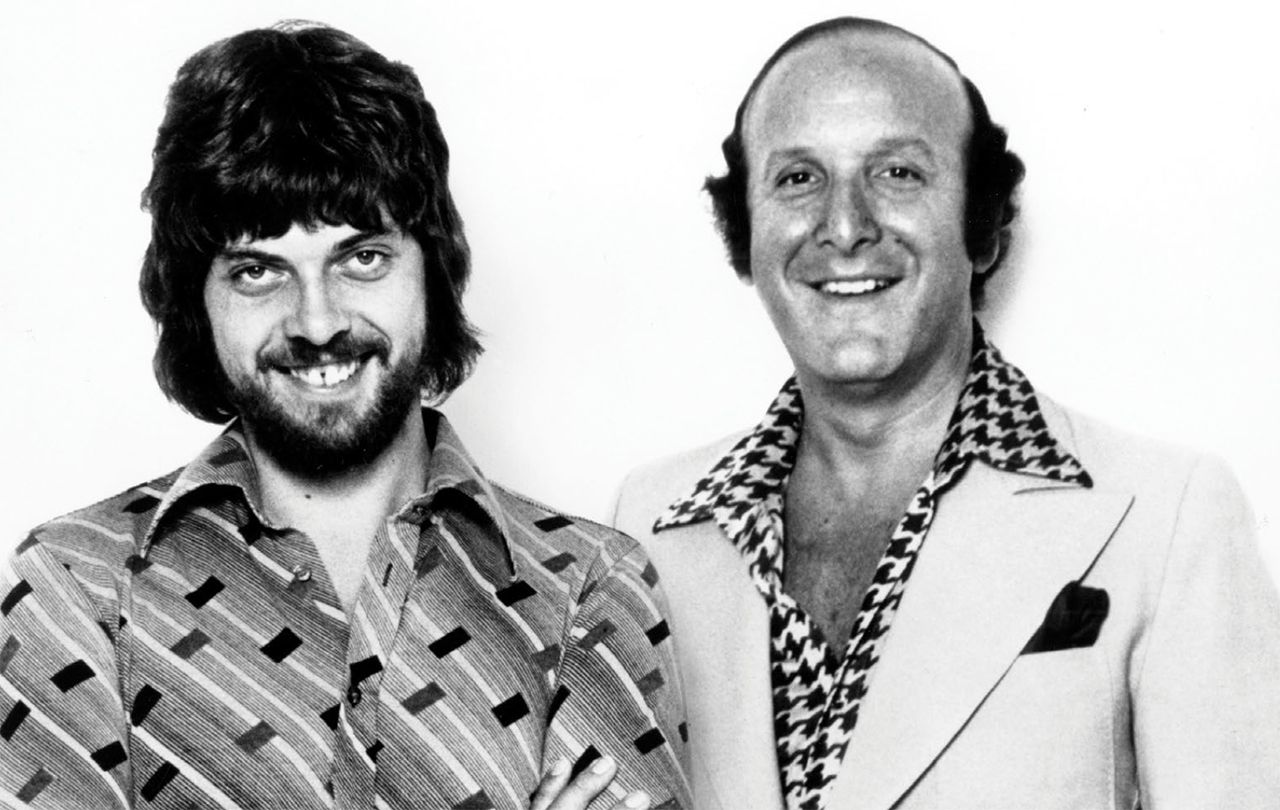
    Alan Parsons and Eric Woolfson

    (Image credit: Getty Images)

    Such largesse also extended to the musicians, says Tosh: “Eric was a bit of a wine collector and a very generous man. We used to go up to [chic French restaurant] Keats in Hampstead, where the menu was good, but the wine list was exceptional. Bottles would appear on the table, and just as you were ready to leave, more bottles would appear. We’d get back to Abbey Road not particularly capable of doing anything, let alone singing a backing vocal.”

    Their anonymity was an asset, not an obstacle

    Why dress like a rock star anyway? Mike Oldfield didn’t, and look what happened to his first album, 1973’s massive Tubular Bells º arguably a kindred spirit to Tales Of Mystery And Imagination in its recipe of studio savant-plus-guests. People knew what Oldfield looked like, though, whereas the average person in the street would be pushed to identify Parsons or Woolfson if you showed them photos.

    Parsons notes: “My visual imagery was not particularly important to me or anybody else. We were anonymous artists, and it didn’t matter what we looked like. We were just the names behind the music.” This gave them great freedom. Without an image as such, the Project’s music couldn’t be categorised, and without a category there could be no expectations.

    “People knew who they were, and there were pictures of them around, but they didn’t need to look like rock stars for the Project to be a success,” says Sally Woolfson, adding: “The ‘Mystery’ part of the first album title really embodies them. The two of them were a bit of an enigma.”

    All of this indicates why demand for APP material remains high after all this time, especially in the surround-sound era. Parsons has remixed several of the albums for Dolby Atmos as part of the reissue series managed by Sally Woolfson; a deluxe box set of Tales appeared in 2016 with comprehensive notes by Prog editor Jerry Ewing; and a 50th-anniversary edition is en route from the Cooking Vinyl label.

    But it’s not just prog fans who enjoy the music: the Project transcended its genre decades ago, pulling in listeners from a wider demographic than readers might think. As Sally explains: “I really love the fact that we have a massively increasing younger audience. We’ve doubled our TikTok and Instagram social media figures in recent years, and there’s something like a million new listeners a month. It’s incredible.

    Eric’s grandchildren sometimes talk about the Project with their peers, and they’re often astonished that more and more of them say, ‘Oh yeah, I know that.’ Now, I never heard that when I was a child. None of my friends knew about the Project, so the fact that young people do now is very pleasing. Dad would have been over the moon about that.”

    Not bad for a pair of blokes who never craved the limelight. Sometimes, it pays to let genius speak for itself.

    The Alan Parsons Project book is due for release this autumn via Rocket 88 and it’s available for pre-order now in Classic and Signature editions.

  • One day early: SERVANT stream Lux Ex Inferis in full

    German melodic black metal band SERVANT are streaming their fourth album, Lux Ex Inferis, in its entirety ahead of its official release on 2 October via AOP RECORDS. The full-album stream is available through the label’s official YouTube channel, offering an early listen to the nine-track record before its international release. Stream Lux Ex Inferis […]

    Source

  • TEMIC – Ceiba (Album Review)

    by Steve Joyce

    The pantheon of legendary prog rock supergroups traces a line from ELP, UK, Asia and Liquid Tension Experiment to Transatlantic and now, on the strength of their stellar second album, to TEMIC. The talent within TEMIC is astounding, with credits representing a “who’s who” of great modern prog. Probably most familiar to Prog Report fans will be Eric Gillette, guitarist with the NMB and Mike Portnoy’s Shattered Fortress and Diego Tejeida, ex-Haken and touring musician with Devin Townsend, handles keyboards and sound design. Singer Fredrik Klemp is vocalist for Norwegian proggers Maraton, and drummer Simen Sandnes plays for experimental/progressive band Shining. Bassist Miguel Pereira completes the formidable line-up.

    As the saying goes, “if you’ve got it, flaunt it”, and TEMIC hold absolutely nothing back on “Ceiba”. Over 10 tracks and 66 minutes, the musicianship reaches supreme heights of dexterity, panache and technical excellence, while retaining a soul and an emotional heartbeat.

    Ceiba is the follow-up to TEMIC’s impressive 2023 debut album, Terror Management Theory. The Prog Report’s review described it as strong and ambitious, praising the musical chemistry in the band and their ability to push boundaries while remaining accessible. High hopes, then, for this sophomore release. Believe me when I say: these hopes are emphatically fulfilled!

    The new album has a fascinating if bleak concept: it’s about loss in all its various forms. The titular Ceibais a tree in Mayan culture, considered sacred for its connection to the earth, heaven and the underworld. “We love how the image of the Ceiba connect to the overarching theme of loss,” TEMIC says. (Intriguing stuff, but how about a happy record next time?) The band continues, “while more progressive than our first album, the songs are driven by honesty and emotions.”

    The feels certainly come through. The album is not just an exercise in prog metal maestro-level fireworks – although there’s plenty of those to enjoy – the songs, co-written by all five members, also contain genuinely heartfelt and affecting moments. Be prepared to be exhilarated one moment and to feel a lump in the throat in the next.

    Short opening track “Asunder” is a mysterious prelude that does its job of saving you from being startled out of your skin when first song proper “Ashes” blasts off. And what a song! It’s a double-kick-fuelled riff frenzy, with syncopated and synchronised guitars and synths hurtling at breakneck speed like a runaway locomotive that just manages to stay on the track. Drummer Sandnes is also phenomenal here. The song boasts an anthemic chorus and the first of several shredding Gillette guitar solos, matched by synth wizardry from Tejeida.

    “Beyond The Voice” follows a similar template, with passionate vocals by Klemp. There are several passages on this album where he sounds as good as, and similar to, Einar Solberg, and there’s no higher compliment a prog singer can receive than that. This song thrills with a rousing chorus and another blistering guitar solo.

    TEMIC’s symphonic metal side is to the fore on lead single “Ceased To Be”. The octave-straddling chorus vocal melody is genuinely spine chilling and Gillette contributes another magnificent solo. The song’s soothing outro is well judged, and sets the listener up well for the next track, second single “Broken”. This song shows a different side to this multi-faceted band. It uses atmospheric synths, ghostly vocals and programmed beats to create a dreamy, ethereal mood, and Klemp’s voice is wonderful here.

    Oh boy, you’re in for a treat with the next song, “Casting Stone”. It’s nine minutes of unalloyed joy. Skipping to the 3.5 minute mark, the song delivers an instrumental section that’s insanely entertaining. It’s surely one of the top musical moments of 2026! Imagine the crazy and spectacular pyrotechnics of Dream Theater’s “The Test That Stumped Them All”, fused with the “Full Circle” section of “Octavarium”, and you might get close to the outrageousness on display here. Tejeida’s musicianship and sound design are incredibly good. Gillette proves he has soul as well as shred with a gorgeous, restrained (by this album’s standards) guitar solo. Klemp provides an anguished, heart-rending performance before Gillette stuns yet again with another searing guitar solo. As you may have guessed, this is my favourite song on the album.

    How do you follow that? By providing the album’s heaviest song, of course! I love the soaring keyboard tones which bind together the crunchy guitar riffs, and the song boasts a terrific Sandnes drum groove. Gillette and Tejeida trade licks like a prog metal “Heart of the Sunrise” on adrenaline, and listen out for some dextrous bass playing by Pereira, pleasingly high in the mix.

    For me “Parting The Waves Inside”, up against stern competition, is possibly the least impactful track on the album but it nevertheless has some strong vocals, a stirring middle eight section and frenetic fretboard/keyboard assaults in the finest tradition of technical prog metal. “Night of Veils” provides a welcome change of pace and is a showcase for the band’s ability to emote, containing as it does some beautiful piano and electronica, a poignant vocal performance and a resplendent guitar solo.

    “Alone” is a major album highlight. It features the album’s most affecting lyric – “I don’t want to feel this way / I’d rather feel nothing at all” – and not one but two sensational guitar solos. It’s definitely a man of the match performance from Gillette, who is firmly establishing himself as one of the genre’s most sparkling and prodigious talents. An utterly superb song. (Multi-instrumentalist extraordinaire Gillette has a growing catalogue of impressive solo releases, too – check out his recent super “The Watcher” album.)

    “As Long As We Last” could have suffered by following “Alone”, but holds its own as an archetypal album-closing pay off. The song has an epic chorus, the best keyboard solo on the album and an extraordinary outro that could almost be prog metal’s equivalent to the finale of the Beatles’ “A Day In The Life”. Marvelous stuff!

    What an album! On a personal note, preparing this review coincided with an unusually chaotic time at Joyce Towers, and I found this album to be an extremely effective stress-buster. The combination of power and emotion is immersive, and completely effective at distracting you from your trials and tribulations.

    Stop what you’re doing now and fire up this album on your music player of choice. If you do nothing else today, listen to “Casting Stone” and “Alone” – they will be the best sixteen minutes you’ll spend today. As a whole, Ceiba inspires, moves and delights, and showcases the very best that the modern progressive rock scene has to offer. You’ll be astonished by its off the charts brilliance.

    Pre-order: https://orcd.co/temicceiba

    Tracklist
    1. Asunder (1:35)
    2. Ashes (4:55)
    3. Beyond the Voice (3:58)
    4. Ceased To Be (6:26)
    5. Broken (4:45)
    6. Casting Stone (9:16)
    7. See Myself (6:38)
    8. Parting the Waves Inside (7:24)
    9. Night of Veils (3:38)
    10. Alone (7:02)
    11. As Long As We Last (10:21)

    Fredrik Bergersen Klemp – vocals
    Eric Gillette – guitars, backing vocals
    Diego Tejeida – keyboards, sound design
    Simen Sandnes – drums
    Miguel Pereira – bass&nbsp

    The post TEMIC – Ceiba (Album Review) appeared first on The Prog Report.

  • Mélancolie du Dhampir and the Sickness of Love (Review)

    North Carolina’s foremost purveyor of yearning, Mélancolie du Dhampir, has been quite busy since 2025’s excellent debut Amor, having also released two splits with Visonfethacsis and Cœur de Ronces. Rather than slowing down or taking a break to prioritize any of her other excellent projects being put out through her label Oakheart Productions, Countess Valentina Carmilla Iskariot has returned with her second full length, Noblesse.

    This record is a whirlwind of triumphant riffing, chords stacked to the ceiling, punishing drums, agonized and ferocious vocals, and harmonies that could make even the most hardened of souls shed a tear. To give you an idea of what is being presented on Noblesse, the lone statement from Carmilla about the record on its Bandcamp page reads, “Lunatic Ecstasy. The disease of obsession is hard on any girl.”

    …

    …

    Noblesse begins with a woman crying on “She of my Blood” until the song bursts open with an insane howl accompanied by unrelenting blast beats and soaring guitar harmonies, then breaking into the riffing style that feels immediately recognizable as Carmilla. She piles chords sky high, taking cues from Finland’s finest black metal acts and contorting their styles into something far more heartwrenching, infused with guitar leads and harmonies that somehow wouldn’t be out of place on a Versailles or Blood Stain Child record. “She of my Blood” sets the tone for the rest of the album without giving away any of the highlights yet to come, and emphatically reflects Noblesse’s ethos, which reads “Mélancolie du Dhampir is here to stay, believe in it or fuck off.”

    “Le Baiser du Sang” puts the exclamation point on what the opener already emphasized, starting with a rock-solid opening riff and never straying from the foundational “Riff first, ask questions later” approach that Carmilla employs on Noblesse. The post-verse section here feels like shifting into high gear in a Lamborghini, and the riff around the four minute mark is a highlight of the entire record, to the point that it almost sounds like it’s singing lyrics of its own that aren’t meant for mortal ears. Also present on “Le Baiser du Sang” is one of Noblesse’s greatest strengths: the guitar solos. Carmilla simultaneously rips through scales with the speed of a Shenyang J-15 while evoking palpable emotion in every bend and sustain. If anyone doubted that Noblesse was forged with precision and intent, the guitar solos that bless nearly every song should put that notion soundly to rest.

    The best song on the record is, undoubtedly, “Noble Blood, Spirit Resonance.” It’s an unfuckwithable barn-burner, starting out with Carmilla’s trademark harmonies building the tension until she puts her foot on the floor and goes full Sonic Firestorm-era Dragonforce. After the verse and a brief return to Dhampirforce, the song then breaks into a section around the two minute mark that I can only describe as a post-hardcore or even midwest emo riff played through a melodic black metal lens. The thing is, it works perfectly and doesn’t remotely feel out of place. The song then blossoms into the most melodically powerful guitar solo across all of Noblesse, with a lead tone some players could only dream of. Then, after one final verse, the song ends as quickly as it arrived. It is an absolute masterclass and a fantastic showcase of Carmilla’s songwriting abilities.

    Her cyclonic six-stringed spellcasting soars across Noblesse, including the Buckethead-flavored guitar leads over the verses in “Hollow Heart” and the ending section that feels like raising your sword in victory on a mountaintop at dawn just after the white-hot guitar solo, “Lunatic Euphoria”’s surprise key change and ‘90s In Flames harmonies following the call-and-response vocals that feel like communicating with the deceased, “Dog Woman” highlighting Carmilla’s killer harmonies and boasting one of the best guitar solos across Noblesse, and “Consanguinamorous Wretch” pulling out all the stops by showing off Carmilla’s serious J-Metal influence and her most frenzied vocal performance.

    While Noblesse is sloppy in parts, such as the few missed strums and picks across the second half of “Le Baiser du Sang,” that sloppiness reads as authentic rather than lazy – Noblesse is anything but the latter. It’s a labor of love, delivered earnestly, and the lyrics on Noblesse reflect that seriousness as they delve into subjects of loss within love: romantic suicide, yearning, the devastation of unrequited love, a willingness and desire to die for your soulmate, and profound sadness and lamentation. This is all enveloped by a veil of vampirism and, yes, melancholy.

    What Carmilla has brought to the table with Noblesse should be hailed as a revelation in the underground black metal space. By combinating widespread influences, both the album and Mélancolie du Dhampir become an entity all their own. Noblesse is simply phenomenal; a staggeringly aberrant record with soul-crushing undertones, carrying a sense of longing and desperation that in many ways actively rejects the hallmarks of hatred within the genre. Instead, it highlights desire and devastation intertwined with the ventricles of heartache.

    …

    Noblesse is available now via Oakheart Productions.