Category: news
-
MANGLED CARPENTER Return With Their Extreme Metal Masterpiece Between Blood And Silence On Rottweiler Records
Mangled Carpenter is set to return with their new EP Between Blood And Silence, the follow-up to their 2023 release Salvation Syndrome. The upcoming project finds the band expanding their established deathgrind foundation with a darker, more atmospheric approach that also leans into mechanical textures and slower, groove-driven moments. The EP opens with its title track, ‘Between Blood […] -
Listening Now : ROCHE – Lifeline
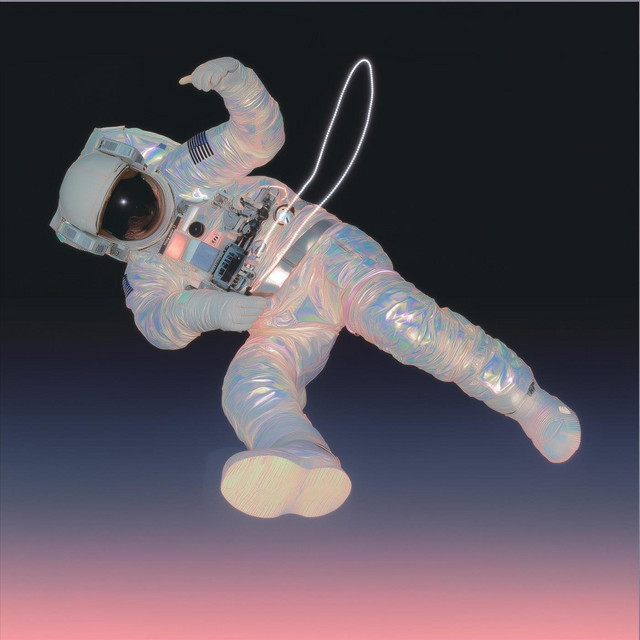
ROCHE’s Lifeline is a thoughtful indie-rock gem that pairs introspective songwriting with an irresistibly driving groove. Blending shimmering textures and melodic sensibilities reminiscent of modern psych-pop and alternative rock, the track captures the restless feeling of searching for answers that never arrive in a clear form. Its bright, energetic instrumentation contrasts beautifully with the reflective lyrical themes, creating a sense of movement that mirrors the emotional uncertainty at the heart of the song. The production remains polished yet organic, allowing the melody and atmosphere to shine equally. Lifeline is a compelling and memorable release that showcases Roché’s ability to balance depth, accessibility, and strong songwriting.
Connect:
-
PHANTOM CORPORATION Release First Single “Phantom Kommando” from Upcoming Split with CATBREATH
PHANTOM CORPORATION and CATBREATH will release a new split on August 7, 2026. The upcoming release features one EP from each band: Commando by PHANTOM CORPORATION and Die By The Claw by CATBREATH. Following the devastation left behind by their latest album, Time And Tide, released in late 2025, PHANTOM CORPORATION are already preparing their […] -
BALASHTOTH released its new full-length album Equation II: The Antithesis of Life and Free Will
Ireland based Melodic Death Metal act BALASHTOTH released its new full-length album Equation II: The Antithesis of Life and Free Will through Pest Records, Metal Ör Die Records and Not-Even-Music. The band also released a new video taken off the new album. + Fear + Despair is now streaming here: https://youtu.be/CCcaQm88rMQ Equation II: The Antithesis of Life and Free Will follows the band’s two previously released EPs […] -
OMNITROCY unveils the title and cover artwork of their upcoming debut album
Cluj-Napoca-based Technical Brutal Death Metal outfit OMNITROCY unveils the title and cover artwork of their debut album, set for release in collaboration with Loud Rage Music. Entitled States of Conscious Matter, the album was recorded at Liveset Recording (liveset.ro) with Garnoo behind the mixing desk and is scheduled for release this summer.The cover artwork, as well as the album’s complete layout, was created […] -
Listening Now : The Essence of The Universe – Bring All Your Lovers
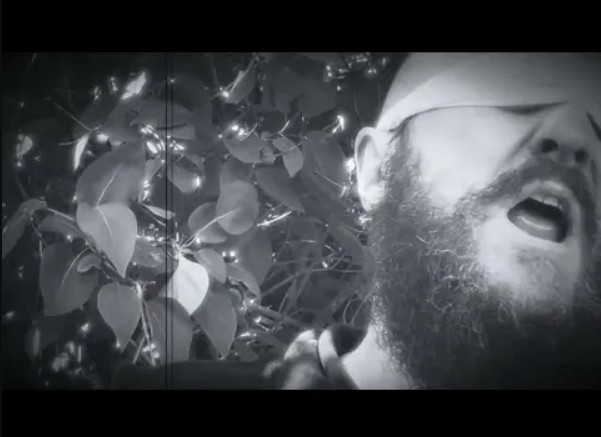
The Essence of The Universe’s Bring All Your Lovers is a bold and hypnotic psychedelic rock experience that thrives on tension, repetition, and atmosphere. Moving between raw intensity and dreamlike abstraction, the track creates a captivating sense of unease while maintaining a powerful forward momentum. The shifting vocal performance adds depth and unpredictability, ranging from confrontational urgency to hallucinatory calm, while the immersive synth work enriches the song’s otherworldly character. Blurring the boundaries between psychedelia, art rock, and experimental sound design, Bring All Your Lovers feels both primal and cinematic. It is a fearless and imaginative composition that leaves a lasting impression long after its final moments fade away.
Connect:
-
Former Senses Fail, Etc. Guitarist Zack Roach Has Passed Away
R.I.P..
The post Former Senses Fail, Etc. Guitarist Zack Roach Has Passed Away appeared first on Theprp.com.
-
Romanian Black Metal Squad WARHYMN Announce New Full-Length Album Founder
Founder is the second full-length album and the fourth studio release by the Romanian Black Metal band WarHymn, scheduled for release in collaboration with Loud Rage Music in the autumn of 2026. Here’s what the band had to say about it: “The album concludes the trilogy that began with the debut album Gnosis (consciousness), continued with Cult of Primordials (crime and free will), […] -
LA Symphonic Metal LEVINIA Sinks Their Teeth Into 2026 With Dracula Inspired Single “Bite”
Los Angeles cinematic‑metal outfit Levinia returns with the third installment of their 2026 four‑single cycle, releasing their heaviest and most visceral track yet: “Bite.” The single and accompanying music video arrive as the follow‑up to the band’s recent releases “Silver Tongues” and “The Thorn,” continuing the group’s evolution into a darker, sharper, and more emotionally charged era. “Bite,” like all four upcoming singles, is […] -
“This is the experience Babymetal have wanted to give fans for a decade.” Download’s most cursed band finally bring the show we’ve all been waiting for
Sunshine, riffs and bops: Babymetal finally shake off their Download curse in style