Category: news
-
Posthumous Jimmy Buffett Album Will Feature Unheard Songs
Coral Reefer Band to release “good hodgepodge” of songs three years after leader passed. Continue reading… -
Spiritbox’s Courtney LaPlante Stops Phoenix Show Cold And Makes The Whole Crowd Point Out The Fan Attacking People In The Pit

Spiritbox vocalist Courtney LaPlante brought the band’s Phoenix, Arizona concert to a dead stop on July 15 after a fan was spotted getting physically violent in the pit, knocking at least one person to the ground at Talking Stick Resort Amphitheatre. LaPlante refused to play another song until the crowd identified the aggressor, declared to the entire venue that everyone had seen what he did, and made sure security hauled him out — all before the band closed the night with their crushing single Soft Spine. Footage of the moment is now spreading fast across social media.
 STREAM THE METAL BREAKDOWN DAILY NOW:
A frontwoman freezing a packed amphitheater to protect her own crowd — Scott Penfold breaks down exactly how Courtney LaPlante handled the Phoenix incident on today’s Metal Breakdown Daily, and why more artists are policing their own pits in 2026. Download the free Loaded Radio App on Apple iOS and Google Play and stream the broadcast now.
What Happened In Phoenix
Spiritbox were deep into their set supporting Evanescence, with Nova Twins also on the bill, when drummer Zev Rose — with the elevated view from behind his kit — spotted trouble in the crowd and alerted the band. What he saw was a concertgoer being physically violent with the fans around him, reportedly knocking at least one person down.
LaPlante didn’t hesitate. She stopped the show entirely and told the audience the band would not play another note until everyone in the venue was safe. Then she flipped the script on the usual concert etiquette: she asked the crowd to point the man out, telling thousands of fans to identify exactly where he was standing. When the aggressor tried to slip away through the crowd, LaPlante called it out in real time — telling him the entire venue had watched what he did and knew exactly where he was headed. Moments later, security had him, and out he went.
The moment came just before the band tore into their set-closing anthem Soft Spine — a song about standing up to exactly this kind of behavior, which made the timing almost poetic.
Also Recommended – Metalcore Bands Ranked: The 13 That Actually Defined The Genre
LaPlante Checks On The Victim — And Puts The Whole Crowd On Notice
What elevated the moment from crowd control to genuine leadership was what LaPlante did next. She found one of the fans who had been on the receiving end of the violence and checked in from the stage, apologizing for putting a spotlight on them but making clear that what happened to them wasn’t acceptable. Her summary of the situation instantly became the quote of the night: <cite index=”63-1″>”This isn’t the damn gold medal karate match”</cite> — this is a rock and roll show.
She then delivered a warning wrapped in her trademark humor, letting the crowd know that while the venue’s security team loves the fans, they were fully prepared to forcibly remove anyone else who wanted to cause problems. And she closed with the oldest rule in heavy music, the one every pit veteran learned on night one: if somebody falls down, you pick them up.
Artists Policing Their Own Pits Is The New Normal
Here’s the reality after decades of watching live rock and metal from every possible vantage point: the pit polices itself ninety-nine nights out of a hundred, and the unwritten code — go hard, but take care of each other — has held up remarkably well for forty-plus years. What’s changed is that artists no longer wait for security to notice. From Slipknot to Turnstile to Spiritbox, the biggest acts in heavy music now treat crowd safety as part of the job description, and fans overwhelmingly back them for it. LaPlante handling it decisively, with humor, and without ever losing command of the room is exactly why Spiritbox have rocketed from Victoria, BC bedroom project to one of the biggest bands in modern metal — this band’s connection with their audience is the product, and Wednesday night in Phoenix showed why.
It’s also been a massive year for the band even without viral moments. Their sophomore album Tsunami Sea debuted inside the Billboard 200’s Top 30, and the Evanescence run keeps them in front of amphitheater-sized crowds through the summer. The remaining dates:
7/22 Ridgefield, WA – Cascades Amphitheater
7/23 Auburn, WA – White River Amphitheatre
7/25 Salt Lake City, UT – Utah First Credit Union Amphitheatre
7/28 St. Louis, MO – Hollywood Casino Amphitheater
7/30 Cuyahoga Falls, OH – Blossom Music Center
8/01 Cincinnati, OH – Riverbend Music Center
8/02 Clarkston, MI – Pine Knob Music TheatreAlso – The Most Influential Women In Modern Metal Right Now (2026 Ranking)

TL;DR
- Courtney LaPlante stopped Spiritbox’s July 15 show in Phoenix after a fan got violent in the pit and knocked at least one person down
- Drummer Zev Rose spotted the aggressor from behind the kit and alerted the band
- LaPlante refused to continue the show until the crowd pointed the man out, and security ejected him
- She checked on a victim from the stage and warned the crowd that security would remove anyone else causing trouble
- The incident happened right before set-closer Soft Spine, and the footage is now going viral
- Spiritbox’s tour with Evanescence and Nova Twins runs through August 2 in Clarkston, MI
FAQ
What happened at the Spiritbox show in Phoenix?
During Spiritbox’s July 15, 2026 show at Talking Stick Resort Amphitheatre in Phoenix, vocalist Courtney LaPlante stopped the set after a fan was seen being physically violent in the pit. She refused to continue until the crowd identified the man, and security removed him from the venue.
Who spotted the violent fan at the Spiritbox concert?
piritbox drummer Zev Rose spotted the aggressor from his elevated position behind the drum kit and alerted the band, prompting Courtney LaPlante to stop the show.
What tour is Spiritbox currently on?
piritbox are supporting Evanescence on a North American amphitheater tour that also features Nova Twins, with remaining dates running through August 2, 2026 in Clarkston, Michigan.
What song was Spiritbox about to play when the show stopped?
The incident occurred just before the band’s set-closing performance of Soft Spine, a single from their 2025 album Tsunami Sea.
Courtney LaPlante just showed the whole scene how a frontwoman protects her crowd — total command of that room. Have you ever seen an artist stop a show for crowd safety? Tell us about it in the comments, and follow Loaded Radio for daily rock and metal news.
The post Spiritbox’s Courtney LaPlante Stops Phoenix Show Cold And Makes The Whole Crowd Point Out The Fan Attacking People In The Pit appeared first on Loaded Radio.
-
Ozzy Osbourne’s Death: One Year Later
Here's everything that's happened since the Prince of Darkness passed. Continue reading… -
Tony Iommi’s Tribute to Ozzy Osbourne One Year After His Death
Guitarist marks a year since bandmate's death and thanks Black Sabbath fans for their love and respect. Continue reading… -
Kelly Osbourne’s Emotional Letter to ‘My Daddy’ Ozzy
On the first anniversary of Ozzy Osbourne's death, Kelly shares an open letter to her father and examines the toll of grief. Continue reading… -
Sammy Hagar’s Cabo Birthday Bash Drew Over 50,000 Ticket Requests
Red Rocker sets out rules to get the best from his annual birthday bash – if you get in. Continue reading… -
Forbidden – Unveil New Single
Bay Area thrash metal veterans Forbidden are pleased to present a brand new single, titled “Psyclops”. Check it out via YouTube player below.
Read more… -
Sarcator – Will Put Out New Full Length Effort
On October 30th 2026, blackened thrahsers Sarcator will unleash their next full-length instalment entitled The Ones We Follow. The latter was recorded at Studio-MT in Trollhättan, Sweden. Produced, mixed and mastered by Marko Tervonen. For a preview, check out a video clip for the first streaming single “The Ones We Follow”.
Read more… -
10 Blues Rock Artists that Changed the World
Blues rock stands as one of the most electrifying and transformative forces in modern music history. It fuses the raw emotional power of the blues with the high-energy drive of rock & roll, creating a sound that redefined generations. The ten artists on this list are among the genre’s most important visionaries. Their groundbreaking guitar work, soulful vocals, and innovative songwriting pushed musical boundaries and had a cultural impact on a global scale.
Here are 10 blues rock artists that changed the world.
The Allman Brothers Band
The critical period of creativity, when the Allman Brothers Band expanded musical boundaries and reshaped the landscape of American music, came during the brief window when both Gregg and Duane Allman were together in the lineup. That collaboration ended in October 1971 when Duane was killed in a tragic motorcycle accident. Duane Allman’s slide guitar mastery and his younger brother Gregg’s raw, heartfelt vocals created a sound that was both rootsy and revolutionary. Dickey Betts’ second lead guitar, paired with Duane’s, created a dynamic, fiery interplay interwoven with soulful Southern storytelling. Together, they pioneered Southern rock and influenced generations of artists, from Lynyrd Skynyrd to ZZ Top, while also helping lay the foundation for the jam band genre.Eric Clapton
Eric Clapton changed the world with his music as he rose through the ranks during his time with the Yardbirds, John Mayall’s Bluesbreakers, Cream, Derek and the Dominos, and finally as a solo artist. He was unique in his ability to bridge the raw emotional depth of American blues with the explosive energy of rock & roll, using his guitar as a transformative instrument. He took the phrasing of legendary blues artists like Robert Johnson, B.B. King, Freddie King, and Buddy Guy and infused it with his own brand of fiery improvisation. He has won 18 Grammy Awards and is the only artist inducted into the Rock and Roll Hall of Fame three times: as a member of the Yardbirds, Cream, and as a solo artist.Fleetwood Mac
Fleetwood Mac’s foundational period began when the band was founded by Peter Green in 1967 after he left John Mayall’s Bluesbreakers. Green recruited former Bluesbreakers drummer Mick Fleetwood and bassist John McVie, prophetically naming the new group after them. Green’s musical genius produced classics like “Albatross,” “Black Magic Woman,” “Oh Well,” and “The Green Manalishi” with an authenticity that transcended nearly everything else of the era. The band’s tight chemistry, especially after the additions of slide guitarist Jeremy Spencer and guitarist Danny Kirwan, gave them a distinctive, atmospheric sound that shaped blues rock and left an enduring mark on popular music.
Rory Gallagher
Rory Gallagher grew up in Cork, Ireland, and despite the fact that there was no real music scene in his hometown, he managed to listen to the erratic radio signals that carried American music. He heard artists like Muddy Waters, Howlin’ Wolf, Chuck Berry, and Woody Guthrie, and received his first guitar at the age of nine. He was a fast learner, and after winning a talent contest at age 12, he purchased his first electric guitar and began playing professionally in show bands by the age of 15. He purchased a 1961 sunburst Fender Stratocaster that he played almost exclusively throughout his 30-year career until the paint wore off.
In January 1974, he performed at Ulster Hall in Belfast, Ireland, during one of the city’s most violent periods, when hundreds of people had been killed. The audience was made up of Protestant and Catholic fans who peacefully coexisted and joyously enjoyed the concert together. The performance was recorded and released as Irish Tour ’74 in July 1974, and decades later, Joe Bonamassa called it one of the most influential live albums of all time.
Jimi Hendrix
Jimi Hendrix was the most revolutionary and influential guitar player in history. His rise coincided with the hippie counterculture movement of the late 1960s, which was fueled in part by the widespread use of psychedelic, mind-expanding drugs. The combination of his years of experience playing the Chitlin’ Circuit and the newfound freedom of expression that existed not only in music but throughout society reshaped modern music as we know it. His performances at the Monterey Pop Festival in 1967 and Woodstock in 1969 redefined what rock music could be, inspiring generations of guitarists. His performance at Woodstock, which was both filmed and recorded, remains the best example of his spellbinding ability to use the guitar as a transformative instrument. His rendition of “The Star-Spangled Banner” was revolutionary at the time and resonated deeply because of the pain the nation was experiencing as a result of the Vietnam War.
B.B. King
B.B. King was the undisputed King of the Blues, helping bridge the racial divide through blues rock by opening for bands like the Rolling Stones and Savoy Brown. He transformed the genre and left a lasting mark on blues rock and popular music worldwide while influencing and inspiring artists like Jimi Hendrix, Eric Clapton, Stevie Ray Vaughan, and countless others. He was an ambassador for the blues, and in 1969 he recorded and released his signature hit, “The Thrill Is Gone,” on Completely Well. Through seven decades of relentless touring, often performing up to 300 shows a year, King brought authentic blues to mainstream audiences around the world.
Led Zeppelin
Keith Moon predicted that guitarist Jimmy Page’s new band would go over like a lead balloon, inspiring Page and the band to name themselves Led Zeppelin. They emerged from the ashes of the Yardbirds, who had broken up, leaving Page as the group’s only remaining member. He recruited Robert Plant on vocals, John Paul Jones on bass and keyboards, and John Bonham on drums to complete the lineup and fulfill the remaining tour dates. They took Delta and Chicago blues and transformed it into a global force that redefined music’s scale, ambition, and cultural impact.
The Rolling Stones
The Rolling Stones took Black American blues by artists like Muddy Waters, Howlin’ Wolf, and Chuck Berry and brought it into arenas packed with screaming fans. Brian Jones, the founder of the Rolling Stones, named the band after a Muddy Waters song, and the group recorded blues standards like Howlin’ Wolf’s “Little Red Rooster.” The Rolling Stones shattered racial and generational barriers while embracing the persona of the outlaw antihero rock star. They proved that rock could endure as both art and spectacle with songs like “(I Can’t Get No) Satisfaction” and “Sympathy for the Devil.” They created a soundtrack for the counterculture movement and the social upheaval of the late 1960s.
Stevie Ray Vaughan
Stevie Ray Vaughan spearheaded what could be considered a new wave of blues rock artists that gained popularity in the 1980s. By that time, many pioneering blues rock bands, including the Butterfield Blues Band, Led Zeppelin, and Free, had either broken up or faded into the background. Vaughan reignited the blues rock flame when he burst onto the scene in 1983 with his debut album, Texas Flood, which featured his signature song, “Pride and Joy.” The song introduced listeners to his explosive style, marked by searing bends, thunderous tone, impeccable dynamics, and lightning-fast Stratocaster runs. He was influenced by legends like Albert King, Freddie King, and Jimi Hendrix, and in turn inspired artists such as Dan Auerbach, Kenny Wayne Shepherd, and Gary Clark Jr.
Johnny Winter
Johnny Winter was a trailblazing guitarist from Texas whose ferocious slide guitar technique and piercing vocals injected raw, electrifying energy into blues rock during the late 1960s and 1970s. At a time when the British blues invasion dominated the genre, he reignited interest in American roots music with lightning-fast licks, thunderous riffs, and gritty authenticity. He used his fame to draw attention to blues legends who had been overlooked by mainstream audiences and helped Muddy Waters make a comeback by producing four of his albums, three of which won Grammy Awards. Johnny Winter left a lasting mark on music that continues to inspire guitarists and blues rock artists around the world through his electrifying performances, fearless musicianship, and unwavering dedication to preserving the blues.
Blues rock provided the soundtrack for the late 20th century and continues to evolve, giving generations a channel to express their rebellious spirit through music. By combining the emotional honesty of the blues with the power, volume, and freedom of rock and roll, its pioneers created a genre that transcended cultural, racial, and national boundaries. More than half a century after some of the greatest blues rock of the Golden Age was recorded, it still resonates with listeners. From the guitar pyrotechnics of Jimi Hendrix and Stevie Ray Vaughan to the enduring careers of Eric Clapton and the Rolling Stones, their legacy isn’t measured only by album sales or awards, but by the countless people they inspired to pick up a guitar and carry the music forward.
The post 10 Blues Rock Artists that Changed the World appeared first on Blues Rock Review.
-
LIVE: 2000Trees 2026 – Friday
It’s even hotter today, but we’re not throwing in the towel yet. 2000Trees Friday sees the return of the mighty Arcane Roots, gives us a chance to release our Cancer Bats, and kicks us into the heaviest day of the weekend!
Words: Kate Allvey // Photos: Penny Bennett and Paul Lyme
Beauty School
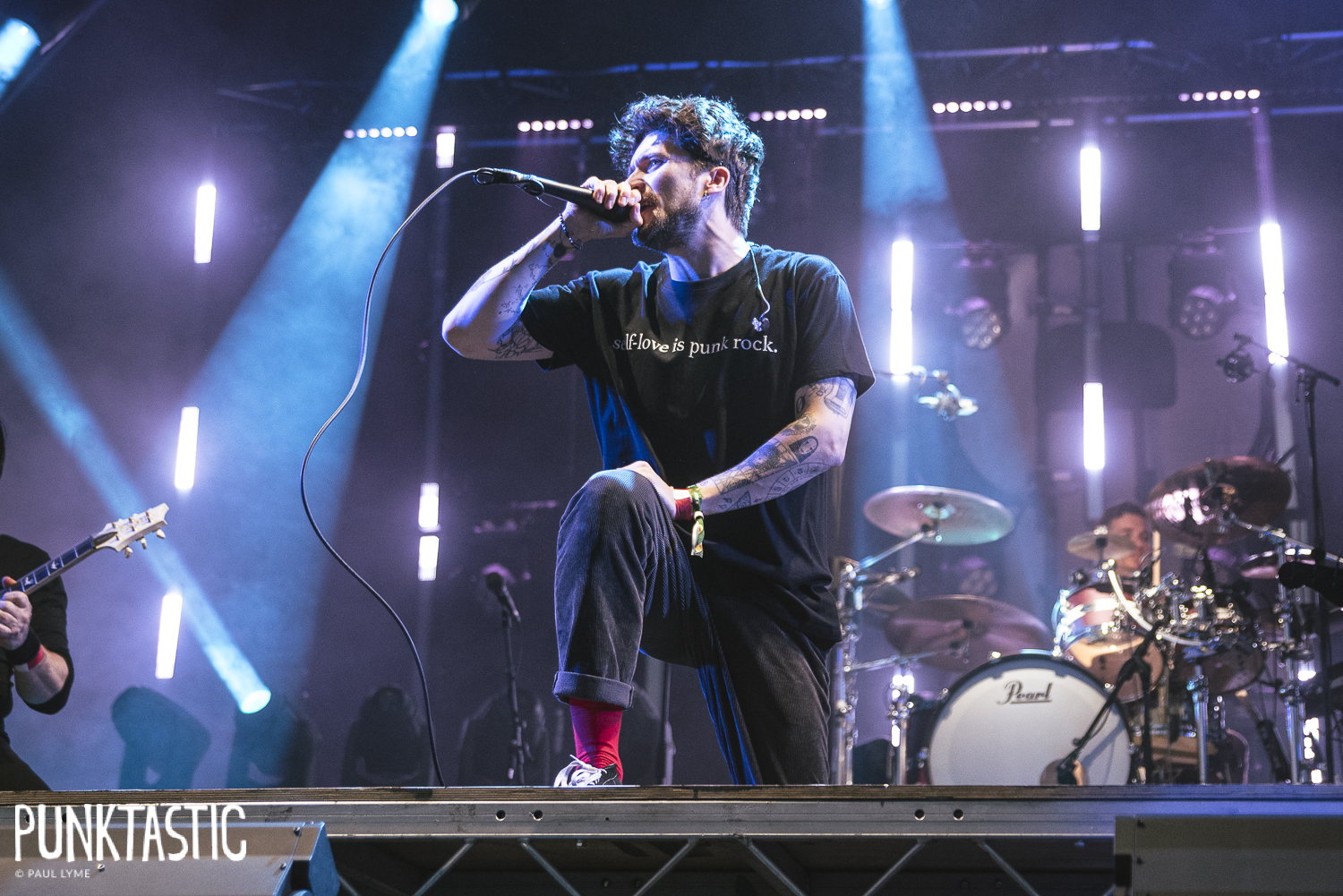
The timeless longing of ‘The Reaper’ turns a couple of onlookers into a vast, laid-back crowd within minutes, all of us ready to have our pains eased. ‘Old Rotten Teeth’ blooms with nostalgia for the Leeds of their youth, and we’re filled with emotional warmth for Beauty School’s mellow hardcore that’s as rich in sentiment as it is full of hope for the future.
Reclus.E
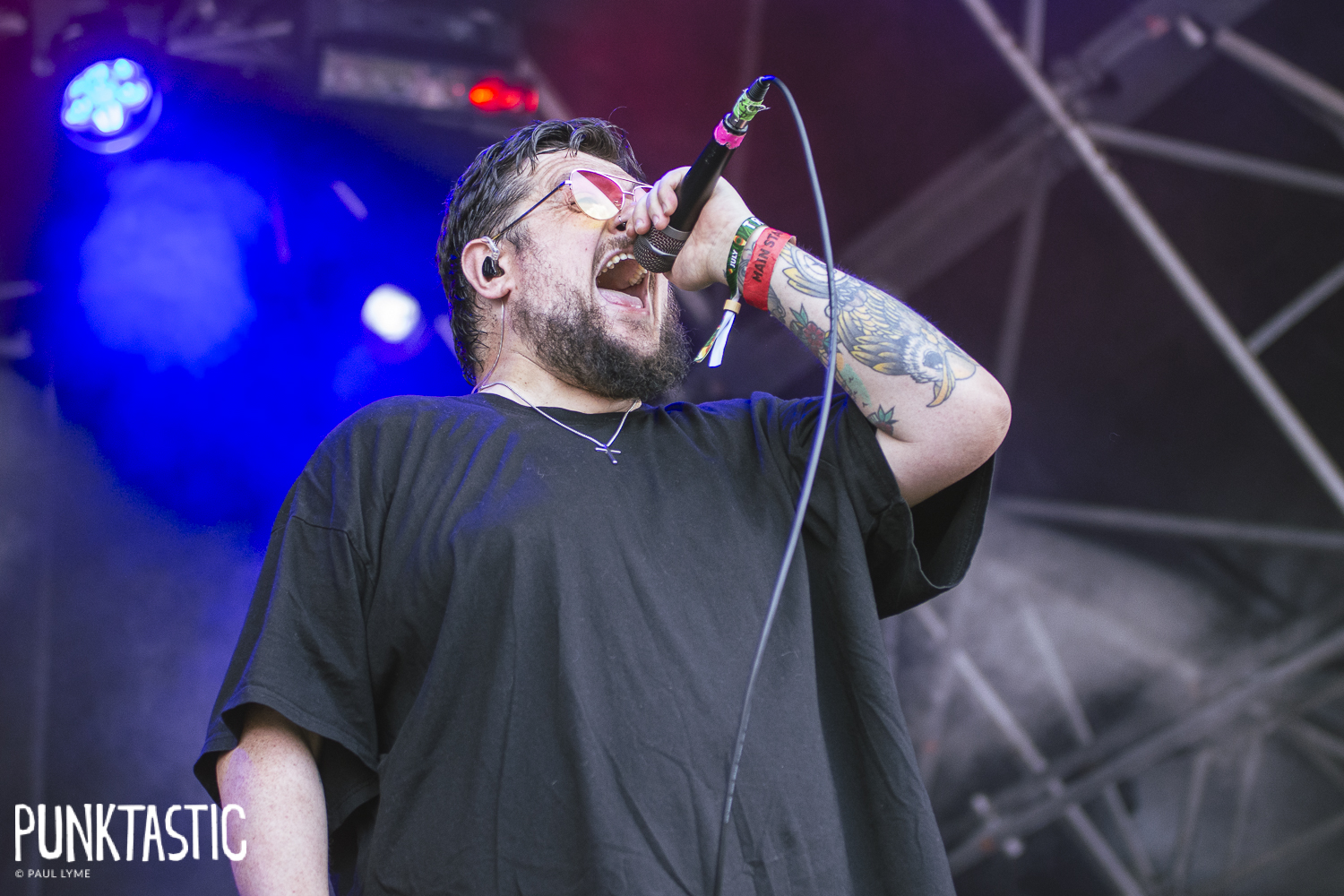
They’re the fresh new project that feels like they’re created as timeless soothsayers against the pretentiousness of the world, and Reclus.E make brutal, beautiful post punk that twists into wails. “I’m sorry I’m not an angry man screaming,” laughs vocalist Soren Bryce, but in a lineup packed with just that, her outsider take on the problems of the world makes for an intelligent, appealing respite.
House of Protection
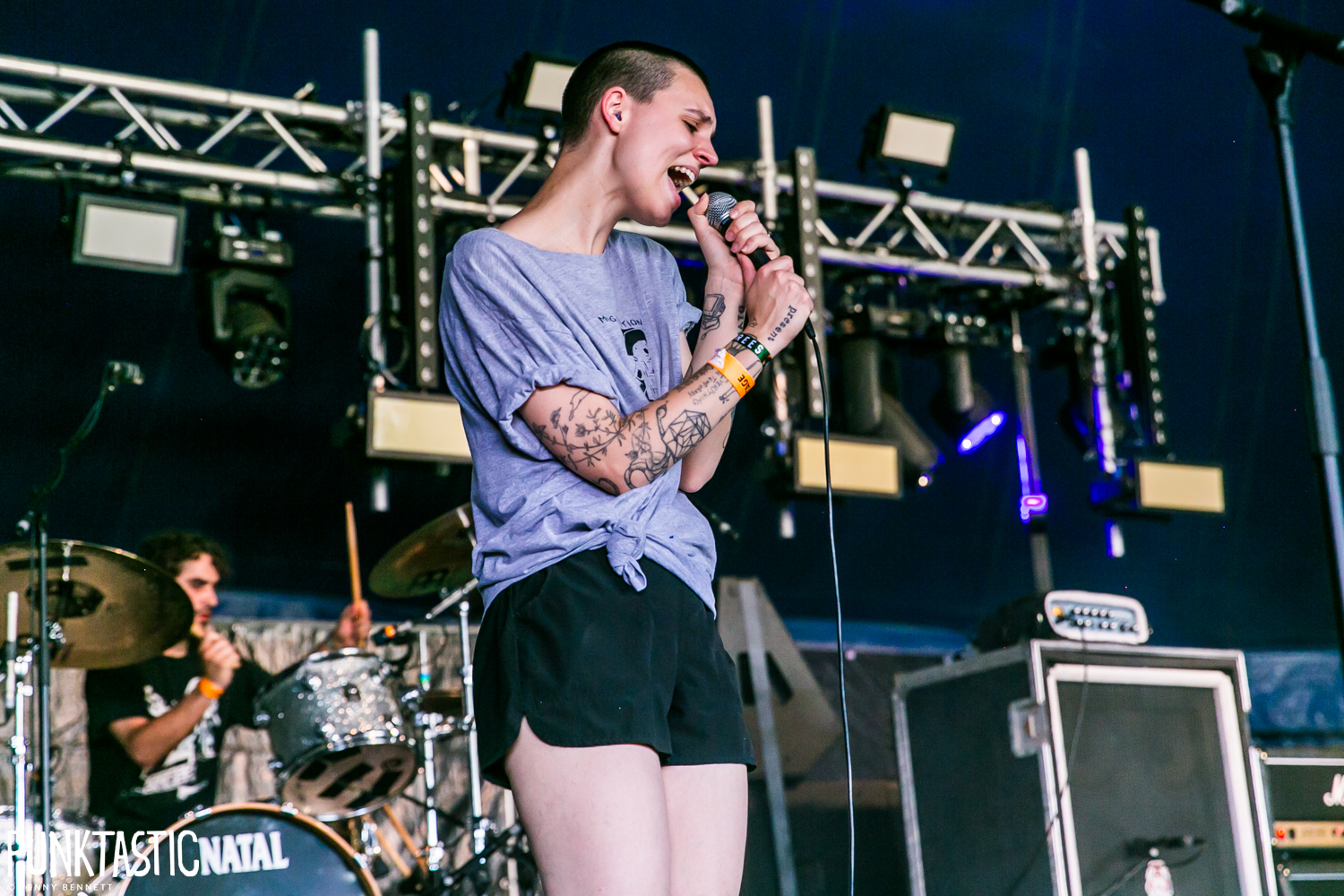
Immersive and charismatic, House of Protection have emerged from the ashes of Fever 333 as a force to be reckoned with. Barely recovered from the heaviness of ‘Pulling Teeth’, vocalist Stephen Harrison directs ‘Learn To Forget’ from the middle of the circle pit, his mic stand a tiny island in a whirlpool of people. Lunchtime surfers flip towards the front for ‘Fuse’, a highlight of an endlessly dynamic and massive set.
Free Throw
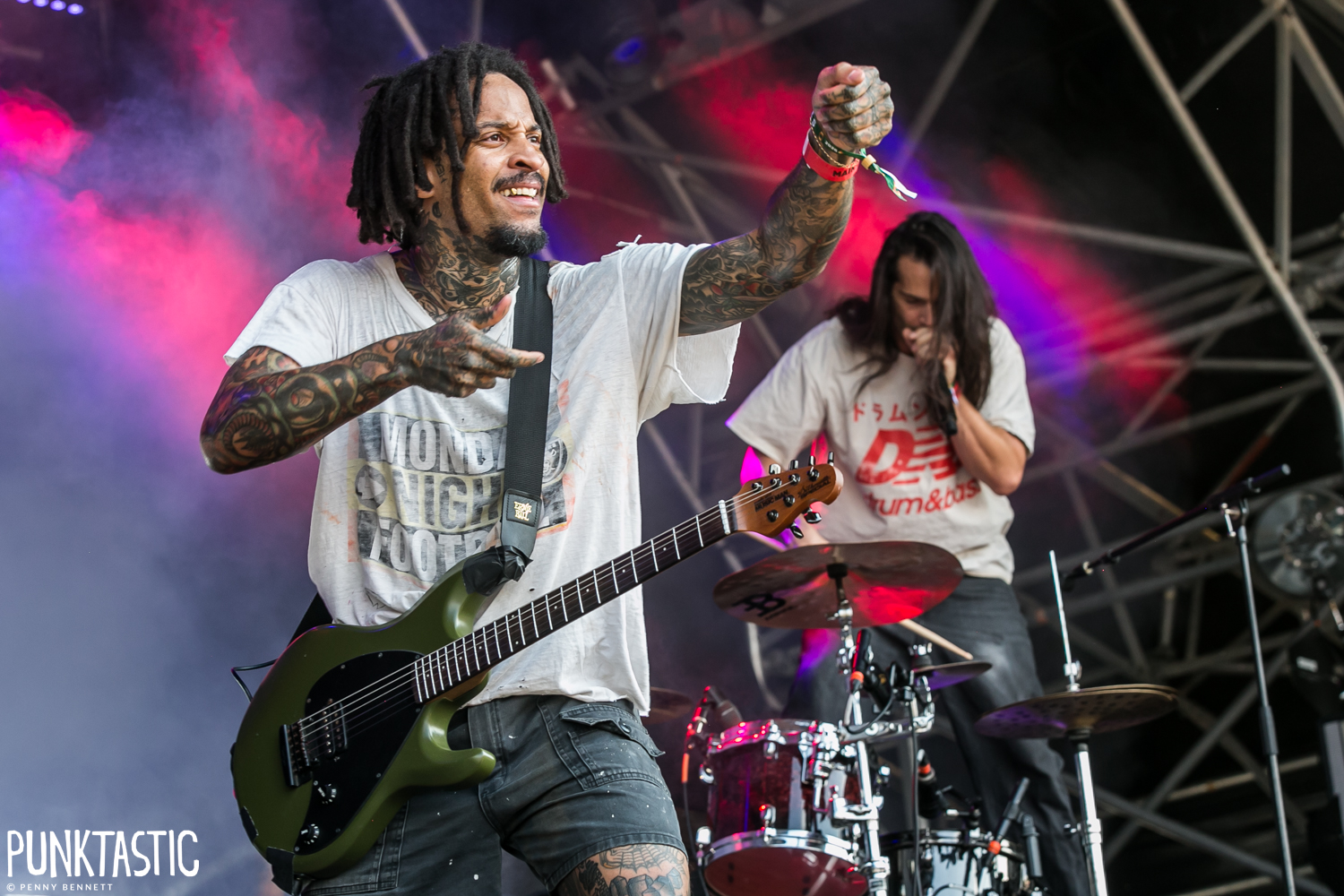
Free Throw’s passion fills out the Axiom Stage as the sun’s rays lengthen. Before they even finish opener ‘Missingno’, there’s no room left. ‘Pallet Town’ conjures memories of streets past as we fan ourselves with the fumes of their regrets and cloud-like choruses send us swaying. We’re dancing our troubles away, fuelled by the knowledge that catching Free Throw was the best decision of the day.
Banks Arcade
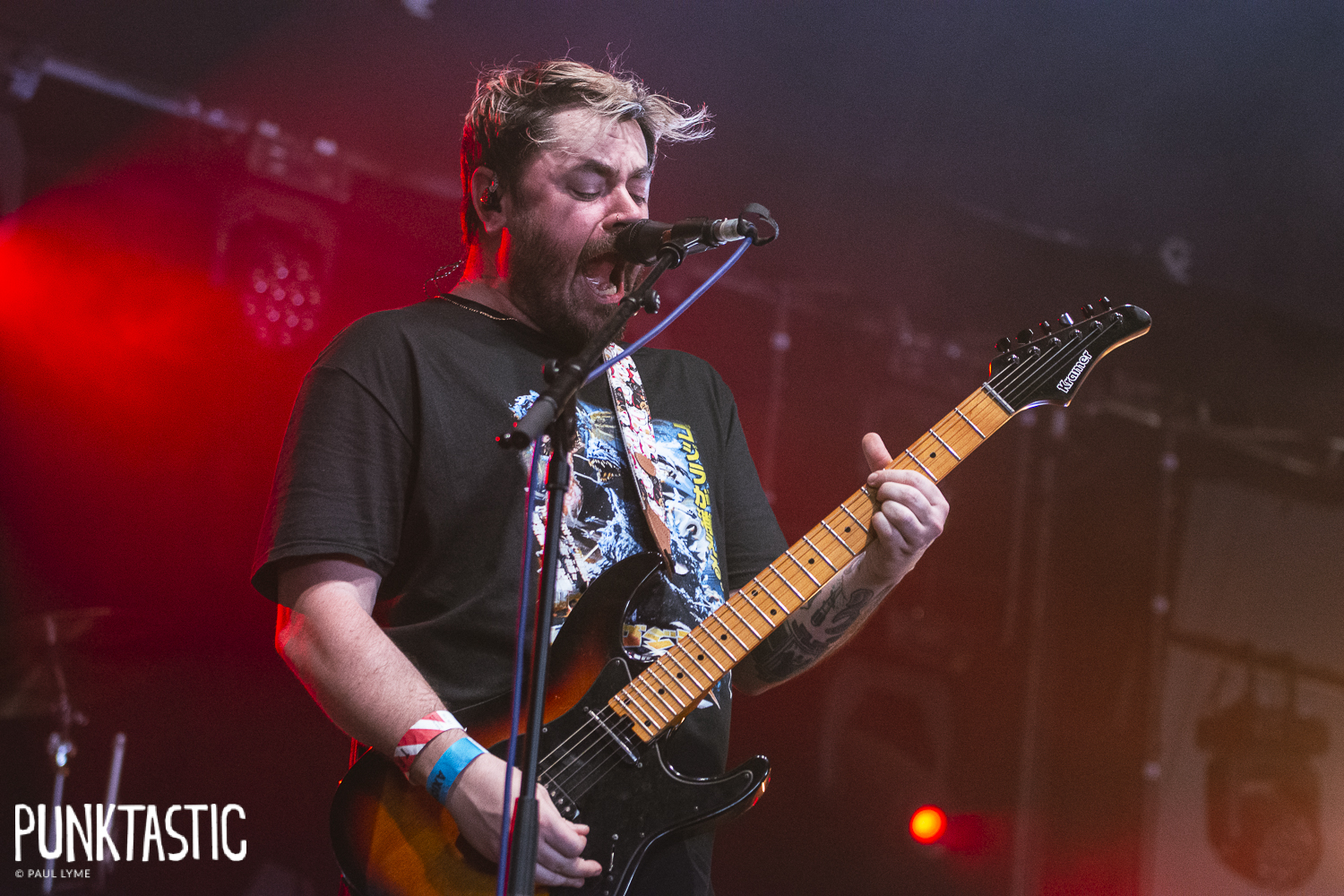
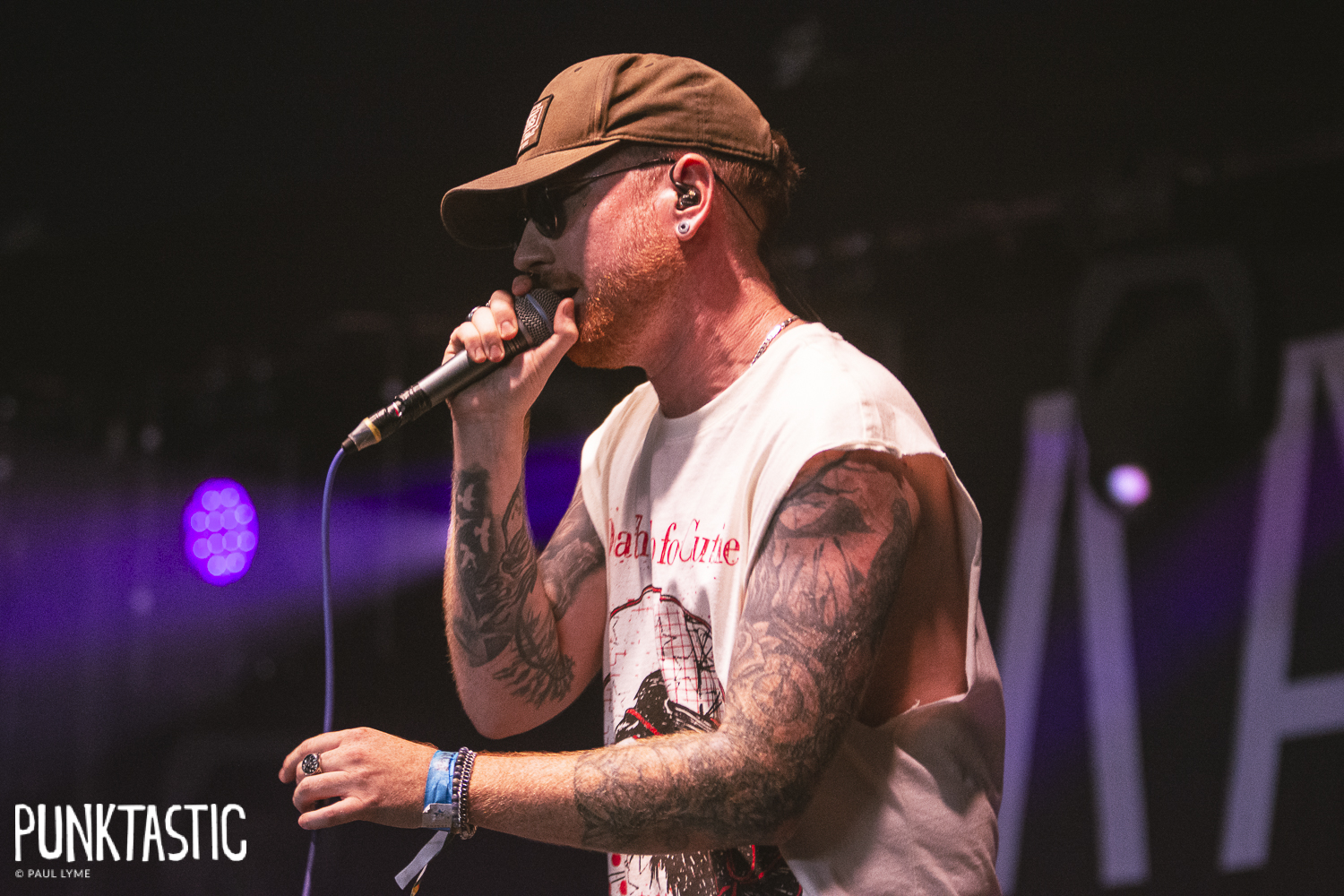
The fizzy anti-boyband chuck sharp riffs at The Cave and we are ready to slam. ‘Move’, from their upcoming release, builds into towering echoes before we’re thrown into screwed depths, and ‘Be Someone’ shows that the sweary Kiwis have a serious side which could lead to some impressive stadium potential. If they keep throwing out heavy electro with their metalcore, we’ll be seeing a whole lot more of these guys on much bigger stages.
Mallory Knox
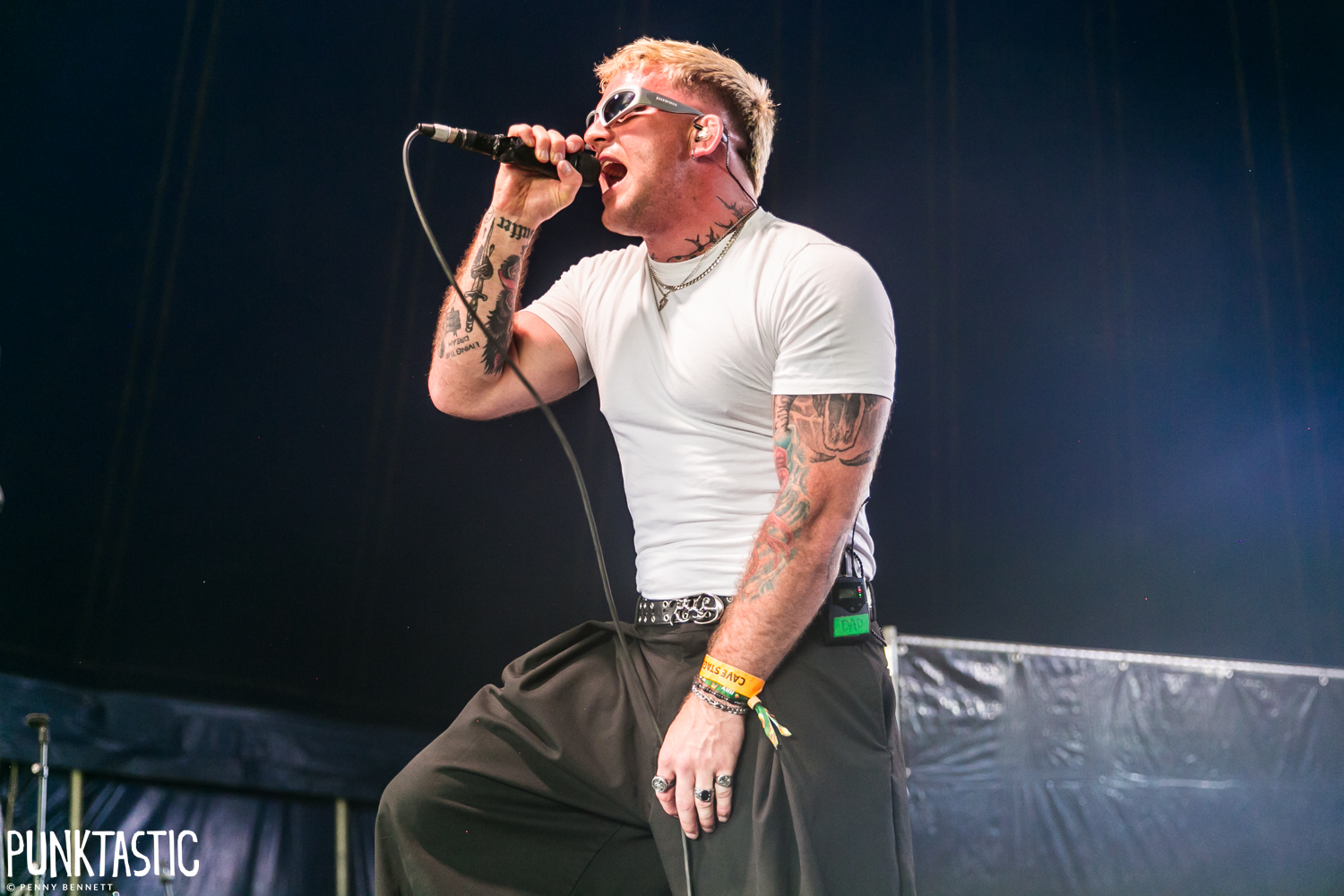
We’ll never stop being grateful that Mallory Knox have returned, and ‘Beggars’ instant connection reminds us of why we’re so thankful. ‘Getaway’ provides otherworldly comfort, and ‘Wake Up’ is always beautiful in the way that it can unite so many tribes within the alt world into one huge singalong. It’s the delicacy at the heart of ‘Shout At The Moon’ that proves that Mallory Knox are the masters of both the emotive echo and the festival anthem.
The Wildhearts
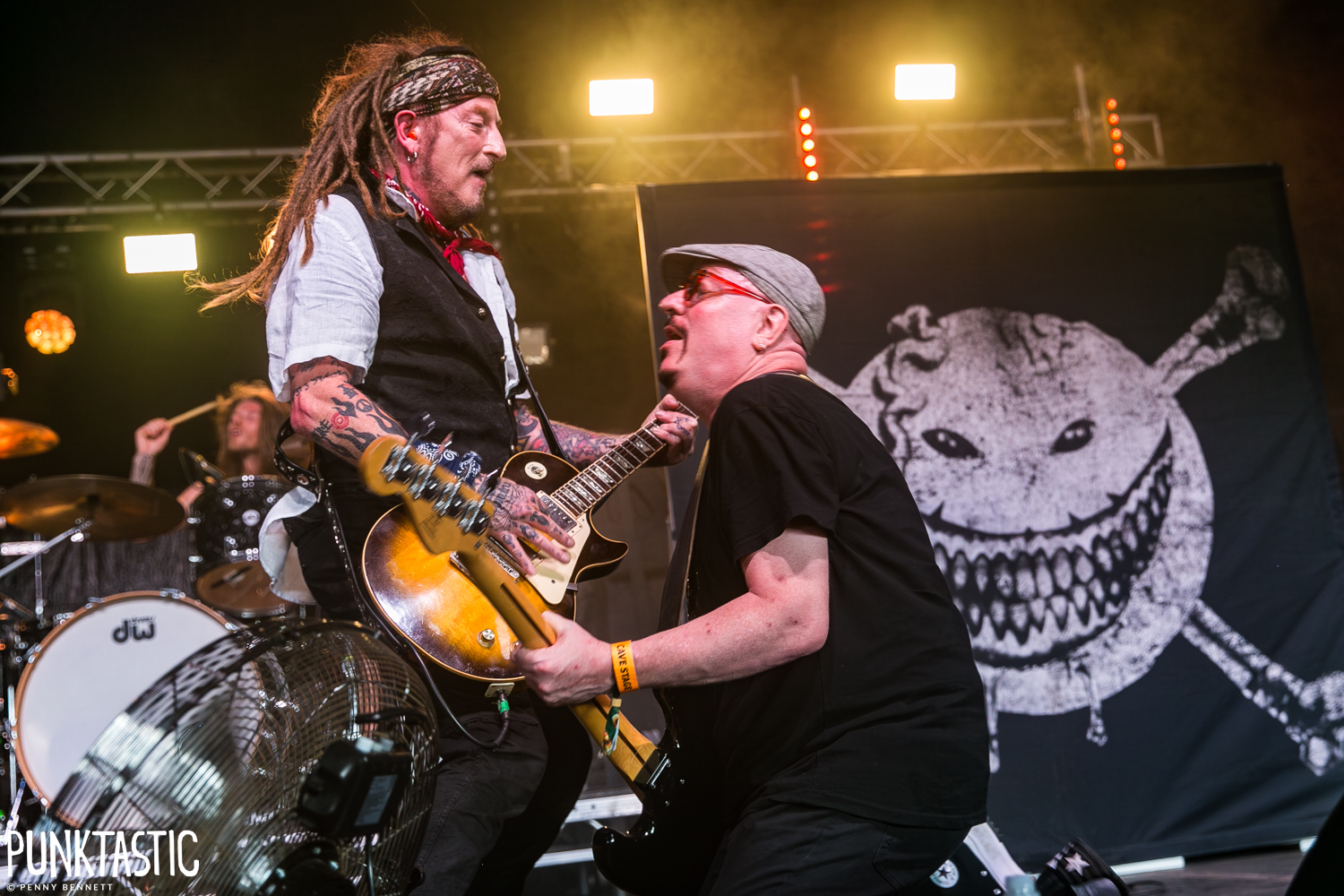
We’re very pleased to see these late additions to the lineup, as early shouts of glee attest. ‘Failure Is The Mother Of Success’ keeps it old school, with rip-roaring solos and an easy, accessible energy. As their “celebration of life” rolls on, we’re struck by how it’s the warmth of community and good humour which makes a Wildhearts show such a great experience. We toast to ‘Mazel Tov Cocktail’, jump, laugh, and bark back at Maggie the dog’s brief onstage cameo.
Arcane Roots
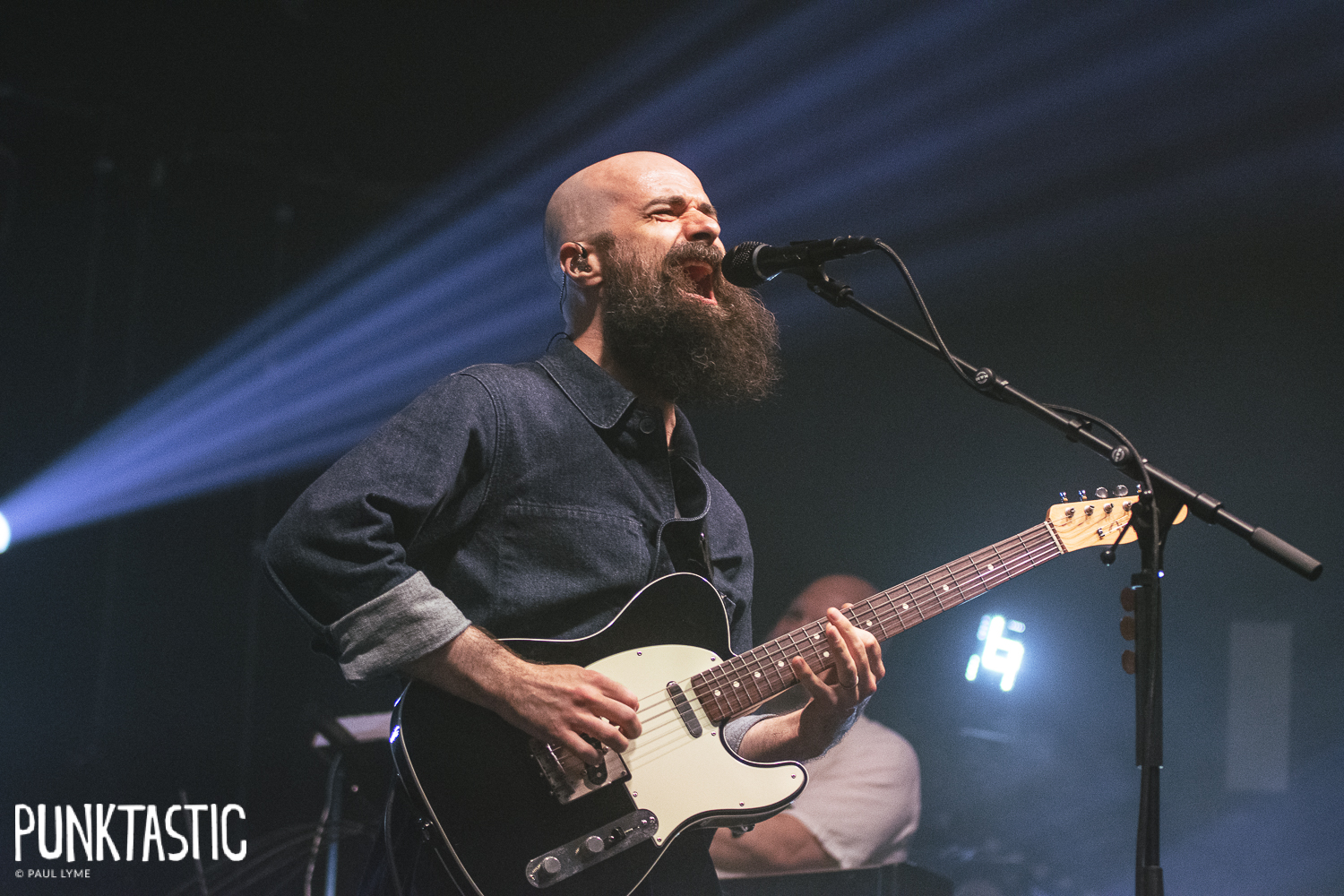
The hotly anticipated return of Arcane Roots is worth eight years of waiting for the payoff. Sirens, strings and delicious slow burn announce ‘A Wave, Across The Sea’. It is ever-changing, living art and we just have to stand back and let it wash over us. We raise our hands to worship ‘Matter’, fully aware that we’re experiencing what could be the Band of The Weekend who’ve used their time away to take their emotional gut-punch to the next level.
Cancer Bats
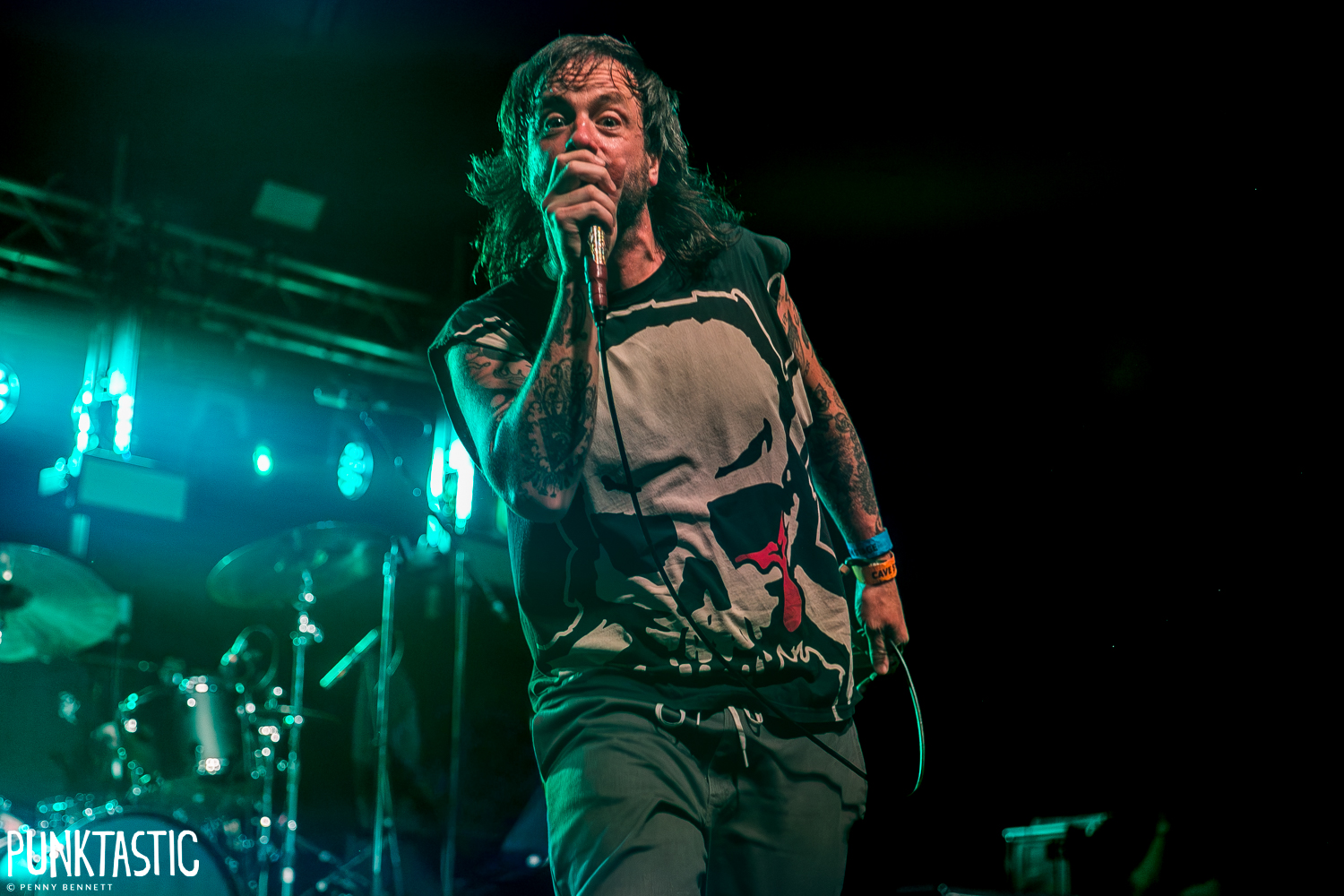
We’ve got no time to recover from the aftermath of Arcane Roots or “the brutal sun roasting our flesh,” as vocalist Liam Cormier puts it, because there’s no way we’re missing Cancer Bats. ‘R.A.T.S’ takes everything up to eleven before ‘Bricks & Mortar’ calls down the night and a spring-loaded Cormier commands our pit for ‘Lucifer’s Rocking Chair’. They’re a reliable source of the heaviest noise around, a musical steamroller, and we’re rewarded for our endurance with a Beastie Boys cover and a beachball party.
Funeral For A Friend
There’s more than a pinch of Trees magic in the air as children with rainbow glow sticks giggle during a proper heavy rock show. “It’s a fucking amazing place to be!” Lucas Woodland grins, having the time of his life. His inclusion in Funeral For A Friend is Trees personified; he’s just as much a fan of the band as we are, and the community spirit between old fans and new, between the band and us, is what makes their set so glorious. Of course, the gorgeous guitar appeal of ‘Bullet Theory’ helps, as does the hypnotic rhythm of ‘Monster’, but this is a set radiating with love from every corner.
If we have to pick the times where we felt the elusive festival spirit the most, ‘The End Of Nothing’ has to be on the list. After all, it is “a fucking banger” as Woodland puts it, essential and compelling with every riff. Every song bursts with an energy that makes you want to revel in each moment until ‘Escape Artists Never Die’ sends us off to the Silent Disco. “Every time we play on stage, we play like it’s the last time,” the frontman admits, and it’s this beautiful transience which they’ve captured at every turn.