Category: news

  • The History of the Black Dress: From Mourning to Rebellion

    The History of the Black Dress: From Mourning to Rebellion

    Few garments carry as much cultural baggage as the black dress. Today it can appear elegant, rebellious, mysterious, seductive, professional, or empowering depending on who wears it and where it appears. Yet for centuries, black clothing was associated primarily with grief. Long before it became a fashion statement, the black dress functioned as a public language of loss.

    Its transformation from mourning attire to cultural icon reveals something fascinating about the societies that embraced it. Every generation has projected new meanings onto the black dress. Victorians saw sorrow. Gothic writers saw mystery. Film noir transformed it into a symbol of dangerous femininity. Punk culture turned it into an act of rebellion. The garment itself remained remarkably similar while its symbolism changed dramatically.

    The history of the black dress is therefore not simply a story about fashion. It is a story about changing attitudes toward death, gender, individuality, and power. By tracing its evolution from Victorian mourning rituals to modern Gothic culture, we can better understand why this simple garment continues to fascinate artists, writers, musicians, and designers more than a century after Queen Victoria helped make it famous.

    History of the black dress from Victorian mourning attire to Gothic and rebellious fashion.
    The black dress evolved from a symbol of mourning into one of the most powerful visual statements in modern culture.

    When Black Meant Grief

    The modern association between black clothing and mourning reached its cultural peak during the Victorian era. Following the death of Prince Albert in 1861, Queen Victoria entered a period of mourning that lasted for the remainder of her life. Her devotion to black attire transformed personal grief into a national fashion phenomenon. Millions of people across Britain and beyond adopted similar practices, turning mourning dress into a highly structured social ritual.

    Victorian mourning customs were remarkably detailed. Widows were expected to wear black crepe dresses for extended periods, sometimes lasting years. Jewelry, fabrics, and even social activities were regulated by elaborate conventions. Clothing communicated emotional status to the outside world. The black dress became a visible declaration that the wearer was living with loss.

    What makes this period so important is that it permanently linked black clothing with powerful emotional experiences. The color no longer functioned simply as an aesthetic choice. It became connected to memory, absence, devotion, and mortality.

    Contemporary readers often underestimate how present death was within Victorian society. Families frequently lost children. Epidemics were common. Life expectancy was far lower than it is today. Mourning rituals helped communities process grief publicly rather than privately. The black dress became one of the most recognizable symbols of that process.

    Even literature reflected this reality. Charles Dickens, Thomas Hardy, and the Brontë sisters populated their novels with characters whose clothing communicated emotional and social status. Readers instantly understood what black attire signified because they encountered it constantly in everyday life.


    The Birth of an Emotional Symbol

    Something unexpected happened as mourning fashions became widespread. Black clothing began acquiring meanings beyond grief itself. The color projected seriousness, elegance, and emotional depth. What started as a practical social convention slowly evolved into a powerful visual language.

    Fashion historians often point to this period as the moment when black transformed from a temporary condition into a lasting aesthetic. People began recognizing that the color possessed a dramatic quality unlike any other. It attracted attention while simultaneously suggesting restraint. It concealed while revealing. It created mystery.

    These qualities would soon capture the imagination of Gothic writers, artists, and cultural outsiders who saw in the black dress something far more interesting than mourning alone.


    How Gothic Literature Reimagined the Black Dress

    If Victorian culture gave the black dress its association with grief, Gothic literature transformed it into something darker and more psychologically complex. Novelists quickly realized that black clothing could communicate emotional states that ordinary descriptions struggled to capture. A character dressed in black immediately suggested mystery, loss, danger, isolation, or forbidden desire.

    One of the most famous examples appears in Gothic fiction’s fascination with haunted women. The black dress became a visual bridge between life and death, reality and memory. Rather than simply indicating mourning, it began signaling a deeper connection to the uncanny.

    Sheridan Le Fanu’s Carmilla provides a revealing example. The novella’s vampire heroine often appears with an elegance that conceals predatory intent. The contrast between beauty and danger would become one of Gothic culture’s defining visual motifs. Black attire reinforced that ambiguity. Was the woman grieving, seductive, threatening, or all three at once?

    Emily Brontë explored similar territory in Wuthering Heights. Catherine Earnshaw’s lingering presence after death blurs the boundary between memory and haunting. The Gothic imagination repeatedly returns to women dressed in dark clothing because the image communicates emotional complexity before a single word is spoken.

    “Be with me always—take any form—drive me mad! Only do not leave me in this abyss, where I cannot find you!”

    The passage captures something essential about Gothic culture. Absence becomes presence. Death becomes memory. Mourning becomes obsession. The black dress evolved alongside these themes, carrying emotional meanings that extended far beyond Victorian etiquette.

    By the end of the nineteenth century, the garment had already begun its transformation from a symbol of loss into a symbol of mystery. The next stage would make it something even more powerful.


    From Mourning to Power: The Rise of the Femme Fatale

    By the early twentieth century, the black dress was undergoing one of the most dramatic transformations in its history. What had once signified loss and restraint gradually became associated with confidence, sophistication, and danger. The shift reflected broader social changes. Women were gaining greater visibility in public life, traditional social structures were being challenged, and modern culture was increasingly fascinated by female independence.

    No figure embodied this transition more effectively than the femme fatale. Emerging through literature, silent cinema, and later film noir, she represented a woman who refused to conform to conventional expectations. She was intelligent, mysterious, emotionally complex, and often impossible to control. The black dress became one of her most recognizable visual signatures.

    The symbolism worked because it drew upon meanings that audiences already understood. Black still carried echoes of mourning, secrecy, and emotional depth. Yet those associations now acquired a new dimension. The woman dressed in black no longer appeared solely as a victim of loss. She became a figure capable of shaping her own destiny.

    This transformation reveals an important truth about fashion symbolism. Clothing rarely possesses a fixed meaning. Cultural context determines how garments are interpreted. The black dress retained its connection to darkness and mystery while simultaneously becoming associated with strength and autonomy.


    The Little Black Dress Revolution

    One of the most influential moments in fashion history arrived in 1926 when Coco Chanel introduced what would later become known as the Little Black Dress. At first glance, the design appeared remarkably simple. Yet its cultural impact was enormous.

    Before Chanel, black clothing often remained linked to mourning or formal occasions. Chanel reimagined black as modern, elegant, and universally wearable. The dress was practical, sophisticated, and accessible. Vogue famously compared its significance to the Ford Model T, suggesting that it would become a staple for women everywhere.

    The innovation was not merely aesthetic. Chanel helped separate black from grief and reposition it as a symbol of personal freedom. Women no longer wore black exclusively because society expected them to mourn. They chose it because it communicated confidence, style, and individuality.

    Fashion historians often identify this moment as the point where the black dress ceased being primarily reactive and became expressive. Instead of announcing a loss, it announced a personality.

    That change would profoundly influence the decades that followed.


    Film Noir and the Seduction of Darkness

    If Chanel modernized the black dress, film noir transformed it into a cultural myth. During the 1940s and 1950s, audiences encountered a new kind of heroine on cinema screens. These women occupied morally ambiguous worlds filled with crime, desire, betrayal, and hidden motives. Their appearance became inseparable from their narrative power.

    The black dress proved perfectly suited to noir storytelling. The visual contrast between dark clothing and dramatic lighting created unforgettable imagery. More importantly, the garment reflected the psychological complexity of the characters wearing it.

    Rita Hayworth’s performance in Gilda remains one of the most famous examples. Her black satin gown became more than a costume. It became a symbol of charisma, independence, and danger. Audiences were fascinated because the character resisted easy categorization. She could be vulnerable and powerful at the same time.

    The femme fatale’s relationship with the black dress reflected a broader cultural shift. Earlier narratives often portrayed women in black as mourners or tragic figures. Film noir presented them as active participants in their own stories. They possessed agency. They made choices. They shaped events rather than merely reacting to them.

    This evolution permanently altered how black clothing was perceived within popular culture. The dress still suggested mystery, but it now suggested authority as well.


    The Psychology of Attraction and Mystery

    Part of the black dress’s enduring appeal lies in psychology. Researchers studying color perception have consistently found that black is associated with authority, sophistication, seriousness, and emotional intensity. Unlike brighter colors that immediately reveal themselves, black invites interpretation.

    The Gothic imagination thrives on this uncertainty. Mystery creates curiosity. Hidden information generates tension. The black dress operates according to similar principles. It reveals enough to attract attention while concealing enough to remain enigmatic.

    This balance explains why the garment appears repeatedly across Gothic literature, noir cinema, and alternative fashion. The black dress became a visual shorthand for complexity. It suggests that there is always more beneath the surface.

    By the middle of the twentieth century, the garment had completed a remarkable transformation. What began as a public symbol of grief had become a symbol of self-possession and power. Yet its journey was not finished.

    The next generation would push the black dress even further, turning it into an unmistakable emblem of rebellion.


    When the Black Dress Became Rebellion

    The final transformation of the black dress occurred when it escaped the worlds of high fashion and cinema and entered various countercultures. By the late twentieth century, black clothing no longer belonged exclusively to mourners, socialites, or movie stars. It became the uniform of people who consciously positioned themselves outside the mainstream.

    Punk culture played a crucial role in this shift. During the 1970s and 1980s, black clothing became associated with resistance, individuality, and artistic experimentation. The color communicated dissatisfaction with social norms while allowing wearers to construct identities that felt authentic rather than prescribed.

    Unlike Victorian mourning, which relied on strict social rules, punk embraced personal interpretation. Black was no longer worn because society demanded it. It was worn because society often disapproved of it. The symbolism had inverted completely.

    Among the artists who helped redefine the black dress during this period, few were more influential than Siouxsie Sioux. Her visual style combined elements of Gothic literature, glam rock, punk rebellion, and theatrical performance. Dark dresses, dramatic makeup, and Victorian-inspired aesthetics created a look that felt both historical and revolutionary.

    What made this imagery powerful was its refusal to fit conventional categories. It was feminine without being submissive. Elegant without being conservative. Dark without being passive. The black dress became a statement of autonomy rather than conformity.


    The Gothic Revival

    As Gothic culture expanded during the 1980s and 1990s, the black dress acquired yet another layer of meaning. The garment became a bridge connecting Victorian mourning traditions, Gothic literature, film noir, post-punk music, and contemporary alternative culture.

    Unlike many fashion trends that disappear after a few years, Gothic culture actively preserved historical influences. A modern Gothic dress might contain echoes of Queen Victoria, references to Carmilla, traces of film noir glamour, and elements borrowed from post-punk aesthetics. The black dress became a living archive of cultural memory.

    This explains why Gothic fashion continues attracting new generations. It offers more than visual style. It provides a connection to stories, emotions, and artistic traditions that extend across centuries.

    The appeal is not merely aesthetic. Gothic fashion invites people to engage with themes that mainstream culture often avoids: mortality, memory, melancholy, mystery, and emotional complexity. The black dress became the most recognizable symbol of that exploration.


    Why the Black Dress Still Matters

    Few garments have accumulated as many meanings as the black dress. It has symbolized grief, devotion, elegance, seduction, independence, artistic rebellion, and personal identity. Remarkably, these meanings do not replace one another. They coexist.

    A woman wearing a black dress today may unknowingly participate in a cultural lineage stretching back more than a century. The garment carries traces of Victorian mourning customs, Gothic heroines, film noir legends, fashion innovators, punk musicians, and contemporary alternative culture.

    Psychologically, the black dress remains compelling because it balances contradiction. It attracts attention while appearing restrained. It suggests confidence while preserving mystery. It feels timeless while continuously reinventing itself.

    This ability to absorb new meanings helps explain its longevity. Most fashion trends eventually become trapped within a specific historical moment. The black dress repeatedly escapes that fate because each generation discovers something different within it.


    From Mourning Veil to Cultural Icon

    The history of the black dress is ultimately a history of transformation. What began as a public expression of grief evolved into one of the most powerful visual symbols in modern culture. Along the way, it absorbed influences from literature, psychology, art, cinema, music, and social change.

    Victorian mourners gave it emotional depth. Gothic writers gave it mystery. Film noir gave it power. Punk and Gothic culture gave it rebellion.

    Yet beneath all these transformations lies a common thread. The black dress has always communicated something that words struggle to express. Whether worn in grief, desire, defiance, or self-discovery, it functions as a visual language capable of conveying complex emotional realities.

    That may be why it continues returning generation after generation. The black dress is not merely a piece of clothing.

    It is a story society keeps rewriting.


    Wear the Darkness

    If the history of the black dress speaks to your fascination with Gothic culture, mystery, and artistic rebellion, explore the Edgar Allan Poets store. Our apparel and artwork celebrate the dark elegance that continues inspiring readers, musicians, and dreamers around the world.


    Edgar Allan Poe Gothic apparel and noir-inspired fashion from the Edgar Allan Poets store


    Join the Noir Newsletter

    Receive Gothic literature, dark history, noir psychology, Victorian culture, music, and cultural analysis directly in your inbox.


    Enter the Noir Atmosphere

    Continue the journey through Gothic elegance, dark romance, and cinematic atmosphere with the official Edgar Allan Poets playlist.


    Frequently Asked Questions

    Why was the black dress associated with mourning?

    The association became especially strong during the Victorian era, when strict mourning customs required black clothing to publicly signify grief and remembrance.

    Who helped make the black dress fashionable?

    Coco Chanel played a major role by introducing the Little Black Dress in 1926, transforming black clothing from a symbol of mourning into a symbol of modern elegance.

    Why is the black dress important in Gothic culture?

    Gothic culture embraced the black dress because it embodies themes of mystery, memory, melancholy, beauty, and emotional depth that have long been central to Gothic literature and art.

    How did film noir influence the symbolism of the black dress?

    Film noir associated the black dress with the femme fatale, transforming it into a symbol of power, independence, seduction, and psychological complexity.

    Why does the black dress remain popular today?

    Its enduring appeal comes from its versatility and symbolism. The black dress can communicate elegance, rebellion, confidence, mystery, or individuality depending on the wearer and context.


    The post The History of the Black Dress: From Mourning to Rebellion appeared first on Edgar Allan Poets – Noir Rock Band.

  • Album Review: Caelestia – Revelations In Black

    Album Review: Caelestia – Revelations In Black

    Reviewed by Oli GOnzalez

    Describing themselves as a fusion of the Gothenburg inspired death melodic death metal sound and the North American death metal act, this sounds like an interesting mix indeed! Working with producer Zack Ohren should surely help capture the death metal sound, given his experience of working with Immolation and Six Feet Under!

    The album opens up with a rather tranquil acoustic guitar passage in the shape of ‘La Morte Amoureuse’. You know that the tranquillity won’t last long though…and it doesn’t! Immediately, you’re slapped in the face with the forceful introduction of ‘Buried’. This features an aggressive choppy guitar led passage, distorted and venomous but not too overloading and retaining melody. The sound is more complex than one may anticipate, given the interluding melodies of this rhythm guitar, the distinctly clanging of the bass locking in tightly with the drums, and the majestically soaring guitar leads. Songs like ‘Jutland’ and ‘Fall of The Demon King’ seem to explore more ambient clean guitar tones and moods in the outset before progressing to more old school death metal timbres. The structure of each feeling more progressive and non-canonical in their approaches. Far from predictable…which is only a great thing!

    The acoustic guitars return in the introduction to ‘The Slopes Of Tenmohkuzan’, demonstrating that beauty can shine in darkness. Caelestia seem happy to stay outside the typical boundaries of extreme metal here, with the aura being more of an epic power metal ballad, just with the fierce growled vocals rather than a squirrel on helium higher pitched style clean vocal when power metal comes to mind! In fact, let’s talk about the vocals. Pantelis has a consistently fierce presence and commanding mid-range growl, or more demonic gutturals! They make for an interesting juxtaposition against the more melodic and opulent guitars in the background. Guitars that seem to have very little synth or background enhancements, making the sound feel raw and unfiltered.

    With that being said, ‘Five Unicorns And A Pearl’ throws some cinematic soundscapes in for good measure. Especially with the haunting choir chants in the beginning. Well, not really the beginning, this is the entire song. All 1 minute and 25 seconds of it. Where does this fit with the overall narrative of the album? Maybe just there to act as some respite. If so, that’s valid and serves this purpose well.

    How much have Amon Amarth influenced the bands sound? A question to ponder once you’ve listened to ‘Reflection Of The Beast’ and ‘Dead Eternal’.

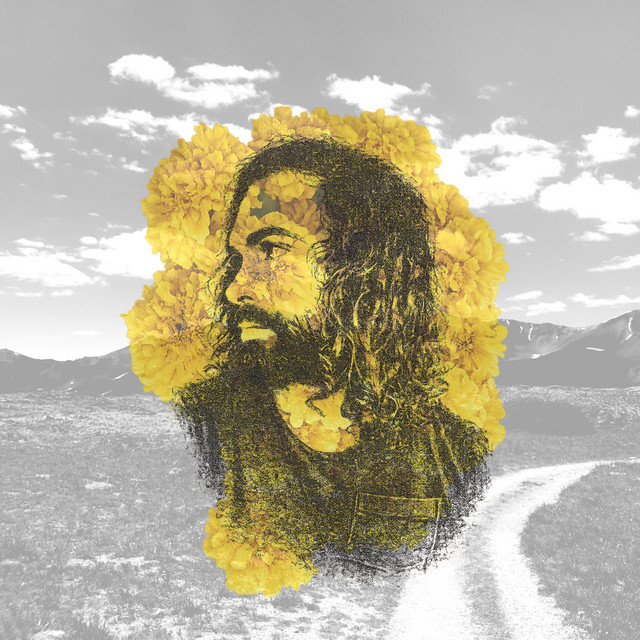
    Clearly, Caelestia aren’t afraid to experiment with the traditional confines of extreme metal. They offer something fresh and unique to the extreme metal world without it feeling like a half baked Frankenstein of genres; everything feels logical and held together nicely. “Revelations In Black” though likely won’t make a dent in the overly stacked scene. Though for what it is, it’s a mighty fine record and one to be admired. For fans of At The Gates, Wolfheart, and Blackbraid.

    For all the latest news, reviews, interviews across the heavy metal spectrum follow THE RAZORS’S EDGE on facebook, twitter and instagram.

    The post Album Review: Caelestia – Revelations In Black appeared first on The Razor's Edge.

  • KILLER: Ανακοίνωσαν το αποχαιρετιστήριο άλμπουμ «The Grand Finale»

    https://www.metalourgio.com/wp-content/uploads/2026/07/Killer-band-photo-2026-768×367.jpg
  • 1999 Alternative Rock Song Has One of the Best Guitar Solos of All Time

    The song’s guitar solo has been ranked among the best of all time by Rolling Stone magazine, snagging No. 96 on the publication’s list.

    The post 1999 Alternative Rock Song Has One of the Best Guitar Solos of All Time appeared first on Audio Ink Radio.

  • Rival Sons guitarist announces new solo project and debut album

    Rival Sons guitarist Scott Holiday has announced his new solo project, HOL1D4Y, and revealed plans to release his debut album, TOPOLOGY, on September 25 via Sacred Tongue Recordings, the band’s label, with worldwide distribution through Thirty Tigers.

    Alongside the announcement, Holiday has released the album’s first single, “Veridream.” The track blends psychedelic rock, vintage-inspired fuzz tones, progressive synthesizers and pop influences, offering a first look at the direction of the new project.

    According to the album announcement, TOPOLOGY explores themes of awareness, consciousness, healing, human connection and the impact of technology on modern life. The record was recorded and self-produced at Holiday’s home studio.

    The project began with a simple daily writing routine. Holiday committed to entering the studio each morning and creating a new musical idea, whether it was a complete song or a brief musical sketch. As those ideas accumulated, he recognized a common musical thread that leaned toward psychedelic experimentation, atmospheric textures and rhythmic exploration that differed from his work with Rival Sons.

    Longtime collaborator and Rival Sons drummer Michael Miley contributed improvised drum recordings that Holiday edited and reshaped into the rhythmic foundation of the songs. Keyboardist Jesse Nason later expanded the sound by adding vintage Moog, Mellotron, Oberheim and Prophet synthesizers.

    What initially began as an instrumental project took a dramatic turn after Holiday suffered serious injuries in a bicycle accident.

    The accident left him with six broken ribs, a shoulder injury, a head injury and months of recovery. During that time, he continued developing the unfinished material mentally before deciding many of the compositions needed lyrics.

    “What surprised me was that they stopped feeling like instrumental pieces,” Holiday says. “They seemed prepped for a story. Once I realized that, the words came quickly. That’s when I knew it was time to step into this new role — I needed to be the one to tell these stories.”

    The project also marks the first time Holiday has served as lead vocalist on his own recordings.

    Musically, TOPOLOGY combines psychedelic rock, alternative music, progressive influences and experimental pop, featuring fuzz-driven guitars, vintage synthesizers and groove-oriented rhythms while emphasizing mood and texture over traditional song structures.

    TRACK LISTING

    1. Holotropic
    2. Panoptic
    3. Veridream
    4. Autonomatic
    5. Constellations
    6. Metacognition
    7. CRISM
    8. Equanimity
    9. Love of Separation

    The post Rival Sons guitarist announces new solo project and debut album appeared first on Blues Rock Review.

  • Listening Now : GOLD ERIS – Binary Dreams

    GOLD ERIS delivers an electrifying fusion of alternative pop, synth rock, and modern electronica on Binary Dreams, pairing infectious melodies with a thought-provoking message. Pulsing synths, driving rhythms, and dynamic production create an energetic backdrop for lyrics that challenge rigid social norms while celebrating individuality and self-expression. The confident vocal performance amplifies the song’s emotional impact, balancing vulnerability with empowerment. Catchy without compromising its substance, Binary Dreams is a bold and uplifting anthem that proves compelling pop songwriting can inspire reflection as well as movement.

    Connect:

    Instagram

  • Complete List Of Talking Heads Songs From A to Z

    Talking Heads Songs

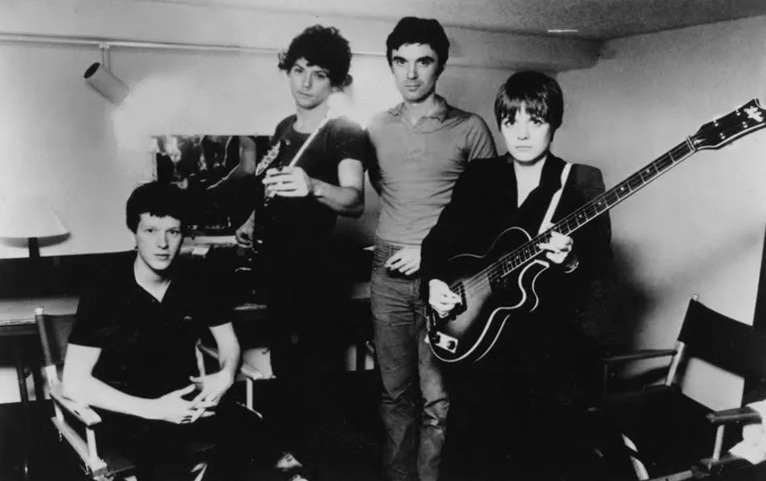
    Talking Heads transformed the possibilities of rock music by combining punk’s restless energy with funk, art rock, electronic experimentation, African-inspired rhythms, and David Byrne’s sharply observant writing. This complete A-to-Z guide collects the band’s studio songs, soundtrack recordings, live-only releases, demos, rarities, and archival discoveries from their earliest New York recordings through Tentative Decisions: Demos & Live. Formed in 1975 in New York City, Talking Heads emerged from the city’s vibrant punk scene to become pioneers of new wave music. The band consisted of David Byrne on lead vocals and guitar, Chris Frantz on drums, Tina Weymouth on bass, and

    The post Complete List Of Talking Heads Songs From A to Z appeared first on ClassicRockHistory.com.

  • Tomahawk Reunite For First Show In 13 Years

    Tomahawk, the noise-rock supergroup led by Faith No More/Mr. Bungle frontman Mike Patton, played their first show since 2013 last night.

    The post Tomahawk Reunite For First Show In 13 Years appeared first on Stereogum.

  • RIKET – 2026

    Rather than rulers, battles and victory monuments, Stockholm’s Riket are interested in those moments in history when progress, human ambition or even good intentions go astray. This can happen just as easily in an explosives factory or a housing estate intended to embody modernity as during an Arctic expedition or amid a crowd gathering beneath […]

    Source

  • INTERVIEW: Malokarpatan

    Slovakian blackened heavy metal mystics Malokarpatan have been a firm favourite band in the current underground for several years now. It is now time to explore their world of metallic mysteries and folklore…

    1. Hails! Please introduce yourself and the band to us!

    Hello! I’m Adam from the Slovakian band Malokarpatan. I view us simply as a black metal band, but you’ll get lots of nerdier definitions from different people – I guess everything needs to be pedantically pigeonholed in the era of internet over-saturation. There’s sadly a lot of people to whom black metal is synonymous with the Scandinavian 2nd wave style – which is but one of many forms of the genre, it just got the most spotlight partly due to its musical innovation and partly due to the crimes and controversies of the early 90s. Our sound has its roots in times prior to that – particularly bands that arose behind the Iron Curtain, but also Venom, Mercyful Fate, Italian bands like Death SS & Black Hole and even further back in time towards Black Sabbath and occult 70s rock.

    2. “Stridžie Dni” was your first output, back in 2015. I understand the themes to be relating to a celebration of local / rural myths and witchcraft. But I think you could explain it much better, so please, what is the real story of the record?

    Correct! It was in many ways a very spontaneous record. It first started as my solo project to pay homage to both early black metal of the 80s and to the darker idiosyncrasies of local folklore. But I wanted it to be more of a real band, so early on I invited more people to take part. Musically, it owes a lot to The Return era of Bathory, more so than anything we’ve released since. But you already get Mercyful Fate and Tormentor vibes too, which heralded our more melodic and archaic sound in the future. It was done on an almost zero budget, recording in bedrooms and rehearsal garages, the only money going to a guy in Czech Republic who mixed it to resemble early Bathory style of production. While not a concept album per se, lyrics are mostly centred around the winter carnival traditions of the Carpathian’s. Up to the 20th century, our ancestors believed this is when dark forces are the most powerful and they performed various rites of primitive folk magic in order to ward them off – cracking whips, blowing alpine horns, dancing in grotesque masks etc. That’s the  atmosphere we wanted to conjure with the album.

    3. How was the process of creating your first LP? Can you tell us a bit about it?

    I kind of answered that in the previous question I guess. Spontaneous, DIY recording with lots of passion and lots of boozing. It was recorded during winter which gave it a specific wintertime feeling, at least in my ears. The climate here might not be as punishing as in Scandinavia for example, but during December there really isn’t much more to do than lock yourself away from the world with a guitar, old books, movies, and a bottle of liquor.

    4. “Nordkarpatenland” came next in 2017. This felt like a further exploration of the sound you were trying to achieve on the debut and perhaps ventured a little further out there. What was different when creating this record?

    It was quite different. I didn’t expect any bigger success at all with the debut, just had hopes a few underground maniacs who are into the right kind of bands will get it. That happened, but it became way more popular than I’d imagine. Soon we had a contract and live gig offers. So we quickly transformed into a full-time band with five members, rehearsals and all. It was still just me writing all the material though, so there hasn’t been much change in that. While not consciously on my mind when writing, the big difference to the debut was that this time around there have been expectations for the album. So it became more ambitious on all levels. Influences were still similar, it just dwelled a lot less on Bathory and I was inspired by listening to many NWOBHM records at the time. We expanded our sound and have continued doing so ever since. It’s also the first time you can trace 70s influences in our music, although there were already tiny hints of that on the debut in guitar solos and Moog synthesiser.

    5. “Krupinské Ohne” is the next in your full-length discography (I will get into the shorter releases later). This 2020 LP felt like by far the strongest work yet from the band. I have enjoyed them all, do not get me wrong, but this felt a league above all that came before. The injection of a lot more classic heavy metal being the most obvious factor for this to me. What led to this change in sound towards that more traditional attack? Was this a conscious shift? And what was the story of “Krupina” and the witches that dwelled there?

    Interesting how views differ here! It’s definitely a controversial album because some people consider it our best and some our worst. That was basically my aim with it as well. Nordkarpatenland was popular in the underground and the first thing I’ve thought was – I can’t and won’t do a Nordkarpatenland 2. There’s no point in repeating yourself. So we went from shorter, catchy songs to long epics that take time to immerse oneself in. Influences were the epic era of Bathory and Root, early doom metal like Witchfinder General & Pentagram, and generally the more occult kind of heavy metal and rock, including progressive & psychedelic. It’s our darkest album, which was done to fit with the lyrical concept of a witches coven. Story-wise, it’s not much different from most European witch trials of those times. I just picked it because it’s local and no one has ever used the story before. It gets more interesting when you speak Slovak, because it’s written using a very archaic speech from the 17th century which creates a special atmosphere.

    6. Your most recent album, 2023’s “Vertumnus Caesar” beautifully followed on from its predecessor. The mixture of black and heavy metal with all these archaic elements from all over the musical spectrum is profoundly wonderful to listen to. These two albums feel the most “close” in sound to me. Do you feel you have found your sound and something you want to hold onto or will Malokarpatan always reach for the unpredictable and unwieldy?

    Thank you! Again, interesting because to me it’s more like the debut and Krupinské ohne are close to each other, and Vertumnus Caesar is closer to Nordkarpatenland. The biggest change was going from D Standard tuning used on all previous albums to E Standard. Using D Standard was inspired by Black Sabbath and early doom metal, the shift to E Standard was to get closer to classic heavy metal. It creates a lighter, more melodic sound. Vertumnus Caesar is a conceptual album about the life of Emperor Rudolf II who was infamous for his dabbling with occultism and that hugely influenced how it sounds. It’s very mystical and its darkness is more subtle. We also hugely increased the use of synthesisers, inspired by 70s progressive rock – especially its darker kinds like Goblin from Italy. As much as all our records differ, I think this helped to solidify our sound: Classic E Standard tuning, melodic riffs inspired by 80s metal, and 70s progressive/psychedelic elements that create a specific occult aura. Mix that with raspy vocals and you basically have the Malokarpatan formula, although there are a few more subtleties to that. That being said, I always want to move to a slightly different direction with each album and our next record will be another proof of that.

    7. Can you tell us about how your write, record and produce your albums? What goes into the lyrics, mixing and artwork? Your outputs are something truly unique and the insight into this from start to end would be fascinating to hear.

    It’s a quite painstaking and long process! I am my own harshest critic, so I overthink each riff, each lyrical verse. When in the proper mood, melodies and lyrics can come easy to me. The difficult part is assembling it together. I think good songwriting is a bit of a lost art in the current metal scene and many bands just stick random riffs on top of each other, without thinking too much of having the song tell a story. I want a song to make me feel like a good book or movie does. It has to have development, an element of adventure, memorability and some sort of conclusion in the end. I’d say the biggest influence on how I write songs is Tony Iommi. He usually starts Black Sabbath songs with a catchy verse and chorus, and then when other bands would just dwell on that, he suddenly wanders completely some place else. Once I pair the music with lyrics, I tend to adjust arrangements so the music follows the emotion in the lyrics. The final touch on top of that is the artwork and band pictures, it all has to follow the same atmosphere and work as a whole. You can’t write a song about 16th century alchemists and then pose in work clothes and have a flaming skull on the album cover.

    8. Okay, we have really covered the albums but as real underground maniacs you haven’t overlooked doing EPs or splits, some as recent as 2023. What is the importance in doing these shorter releases when you have such grandiose albums as well? Are they ideas that do not fit the longer format or do you simply enjoy the collaborative creative effort with another band?

    I never plan those releases and all basically happened by the bands contacting us to do something. In case of the EP, it wasn’t even planned as a standalone release, it was just part of a split release done for a small festival we played in Germany. Sun & Moon Records from Romania then offered us to release it on vinyl so we said sure, why not. Generally, the material we put on these short releases tends to be more experimental or outside of our usual style. It can be anything from experimental ambient through cover versions of a local country band to primitive early Törr worship. There’s one very unusual split song coming at some point with Caixão from Portugal, after that I don’t really plan to do any because I don’t have any extra songs. It’s totally ok for fans to skip these smaller releases, they’re meant for collectors and for diehards of the band who want to hear our less usual material too.

    9. Building on this I know you collect and listen to some excellent records. I won’t ask you to pick your top ones, because we did that in the last issue. I will ask you though; what is the importance of physical music to you? Do you prefer one particular format or are they all valuable and perhaps what is special about each? 

    I’m quite far from a collector haha. I’m used to living on minimal budgets, so I don’t buy a lot of material things. I was mostly buying tapes as a kid in the mid-late 90s using money from parents and grandparents – at the time I was obsessed with the Scandinavian 2nd wave so that was a major part of what I bought. I have some old death metal tapes which I traded from an older friend who is no longer around. Some vinyl from a record collection a friend’s dad got rid of – classic 60s/70s stuff, nothing too rare or unusual. And then I have a bunch of CDs from 70s progressive bands which I used to buy from bits of extra cash I had in my student years. Some other stuff I got for free or as trades, but that’s roughly it. LPs are of course the best format for many different reasons, but tapes are the nostalgic one for me because due to their cheap price that was what most metal kids in Eastern Europe grew up with. I haven’t held a CD in my hands before at least 1997.

    10. I think it would be wise to ask if there are any newer bands you find particularly noteworthy or inspiring despite your very ancient sound? I am sure you can recommend us some very deep cuts from the Slovakian or neighbouring underworlds…

    I’m really the wrong person to answer this because I follow the scene only very minimally. I live in the past because I believe the music was better. So I just have a basic overlook on what is happening, but most bands play in styles that are way too modern for my taste. I can recommend the new death/doom metal band from my town called Hrob, they released an album this year which I think will do fine internationally. It’s old school without being forced and you can feel they have their personality. There’s also a new traditional heavy metal band called Cmÿter – which is an almost nonexistent style here because almost every melodic Slovakian band plays the flashy kind of Euro-power metal instead. I think our black metal scene is doing quite alright, they all play in styles influenced by 90s Scandinavian BM or newer, so maybe fit more for a different kind of zine.

    11. So far, Invictus Productions has been your main label, although others such as The Ajna Offensive, Hexencave Productions and a few others have been involved. How has the working relationship been with Darragh and the others? I assume you must be quite happy to stay with him for so long and be a part of such a strong roster.

    There’s always things that could be improved, but we’ve had a friendly relationship with Darragh on a personal level going back over a decade now. There were offers from bigger labels and I almost signed one of those after our third album, but seeing all the million tiny mechanisms they have to control different aspects of the band, I just freaked out. The certain unpredictability and chaos of independent labels fits me more. I don’t like being bound by contracts – we in fact never had one with Invictus and all works just on mutual trust. There’s downsides to everything including this, but as you can see, we haven’t felt the need to jump ship over the years. Our next album will once again come out on Invictus as well. When it comes to their roster, I actually feel like we are the odd bunch out, but I’d feel like that on almost any other label too haha.

    12. Before we end things, I am curious; is there a reason Malokarpatan do not play many live shows? Do you enjoy it or not particularly? Can we expect more in the future? Lastly, are there any intriguing tales from prior shows you can share with us?

    It’s a combination of reasons. One is that, I indeed am not the biggest fan of playing live and have always preferred the quiet seclusion of studio work. I never understood the kind of bands who have just a bunch of EP releases out and focus on playing millions of gigs instead. Then there’s the practical side of gigs – the endless waiting, tiresome travelling, terrible food, cheap beer and the often poor amounts of money you make in the end – if you make any at all. Not to mention the disgusting practice of Pay For Play which many bands agree to with hopes of future stardom. If anything, live gigs are a sort of fan service to me. I believe the fans deserve them for their support so I mostly do it for them. But for several years now, there have been logistical obstacles stopping us from doing so. Our old drummer left, the new one is from Sweden which isn’t exactly a stone’s throw away from Slovakia, and there’s generally a shortage of musicians I could pick for live gigs here. Slovakia’s metal scene is tiny and the absolute majority of bands play in a style more modern compared to ours. Malokarpatan songs aren’t super technically challenging to play, but they require a certain 70s inspired groove which you’ll find in Mercyful Fate or Black Sabbath. Most metal musicians play in a stiff style which became prevalent especially from the 90s onward. So there are people who could play my music, but not many who could play it the right way if you get me. Like blues – you just have to feel it rather than painstakingly practice it. I’m still trying to figure out a way to do some gigs, so it’s not yet a closed question. It just may take some extra time. I’ve had to stop answering gig offers because I still get them on an almost weekly basis despite us not playing live for 6 years now. It gets really tiresome to reply the same thing in dozens of different emails.

    13. I’ll wrap things up by asking you what comes next? Album five seems to be underway, can you reveal some details about that?

    Our new album Baron Ferat is recorded for a long time now, just slowed down by the usual delays. Currently, I’m waiting for the guy who’ll be mixing it because he’s busy with other jobs. Artwork is almost done except a few details and I think it’ll be really special this time around – certainly nothing like you see from other bands. Musically, we build upon what started on Vertumnus Caesar, but it’s once again something a little different. Some people told me it reminds them of the more direct, catchy songwriting on Nordkarpatenland. This is partially true as I tried to simple things down. But there’s also new elements – there is a lot of synths throughout for example. We’ll just mix a lot of them low so it creates a more subtle cinematic atmosphere instead of being abrasively symphonic. It’s also very inspired by soundtracks of 70s horror movies, even though people will probably mention something completely else in the reviews like they often do, haha. I can’t tell you a release date because of the infinite delays, but it should be this year at least!

    Available in print as part of Shrieks From The Abyss fanzine issue 8! Buy here!