Category: news

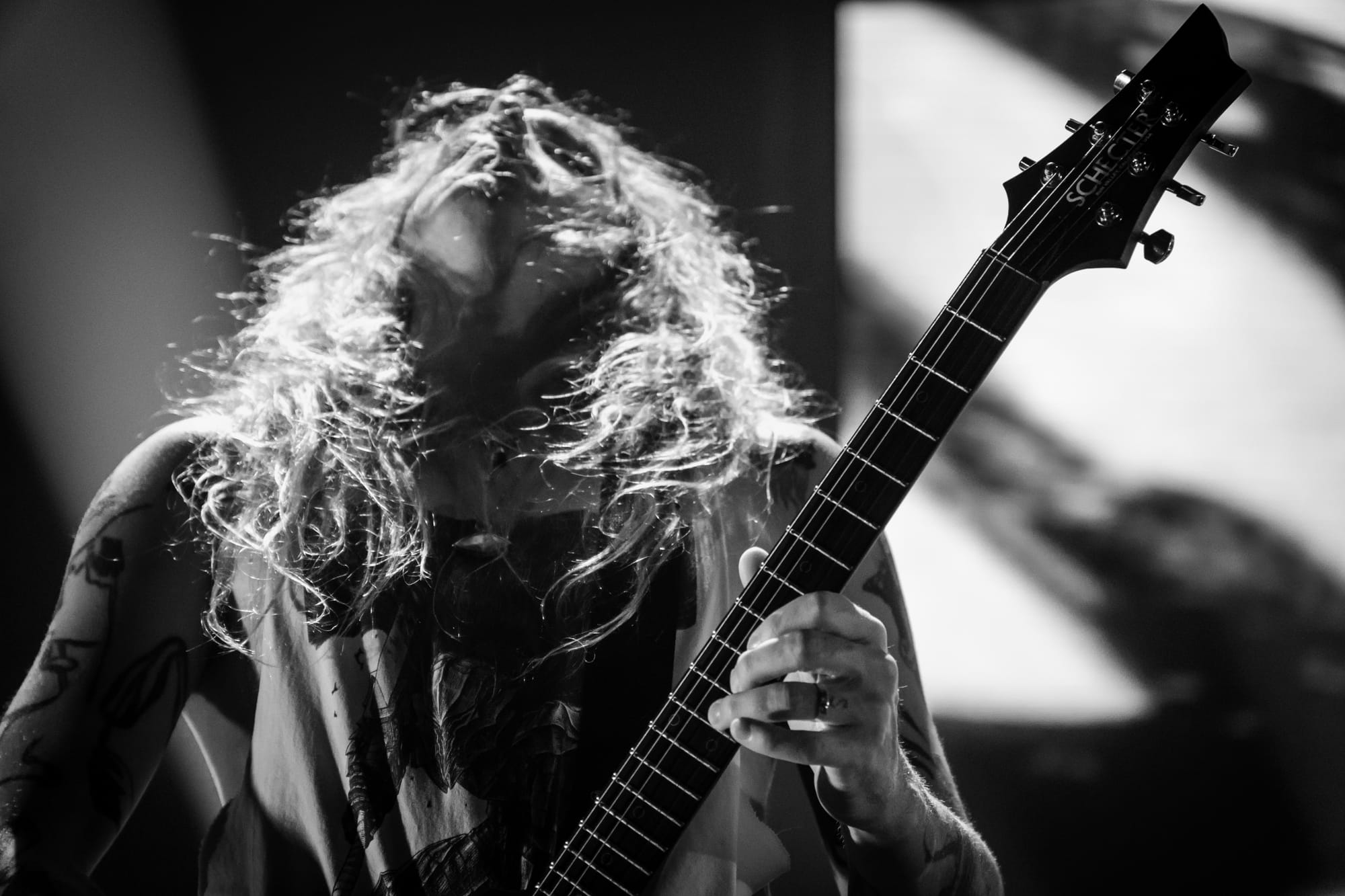
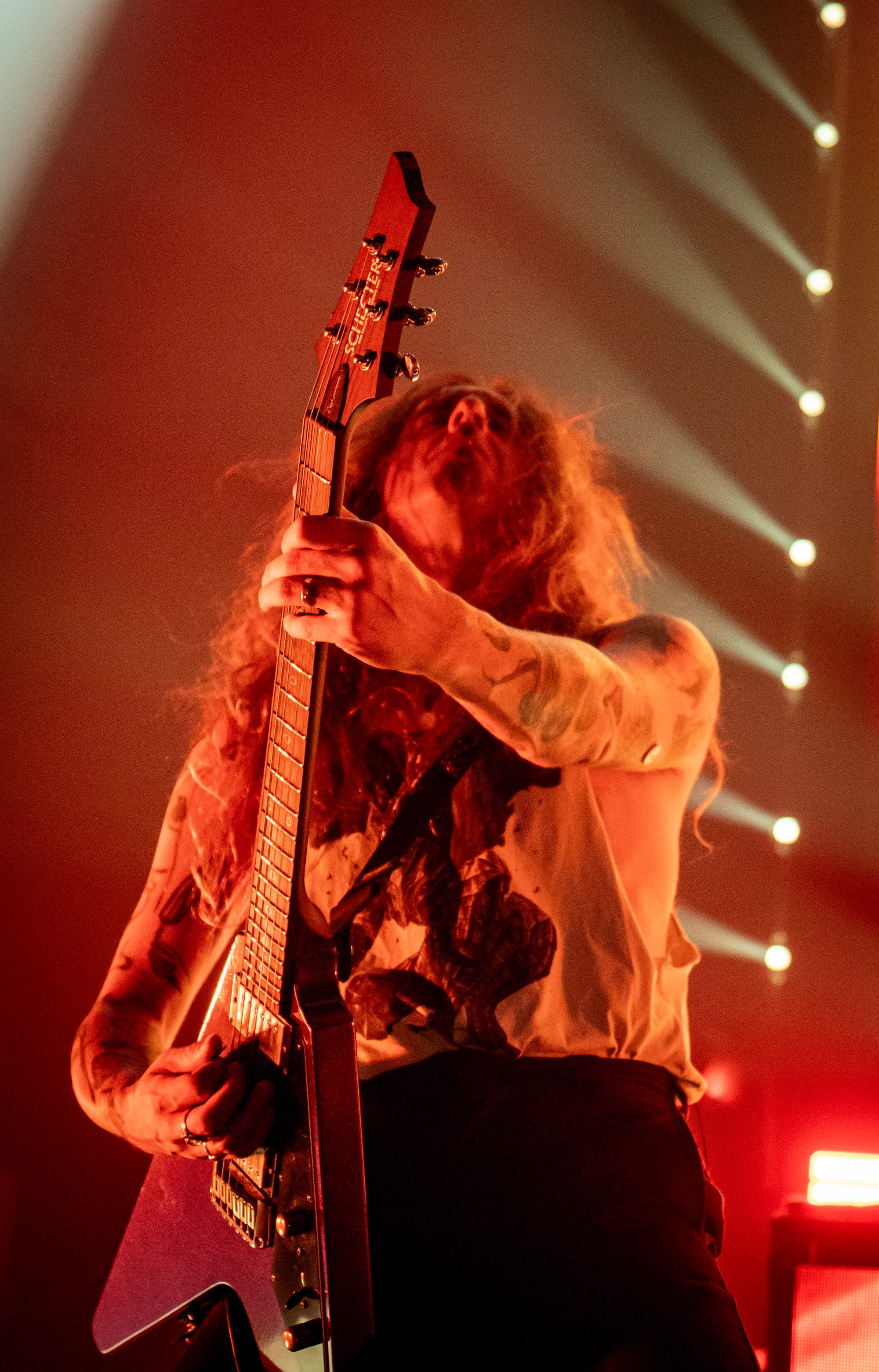
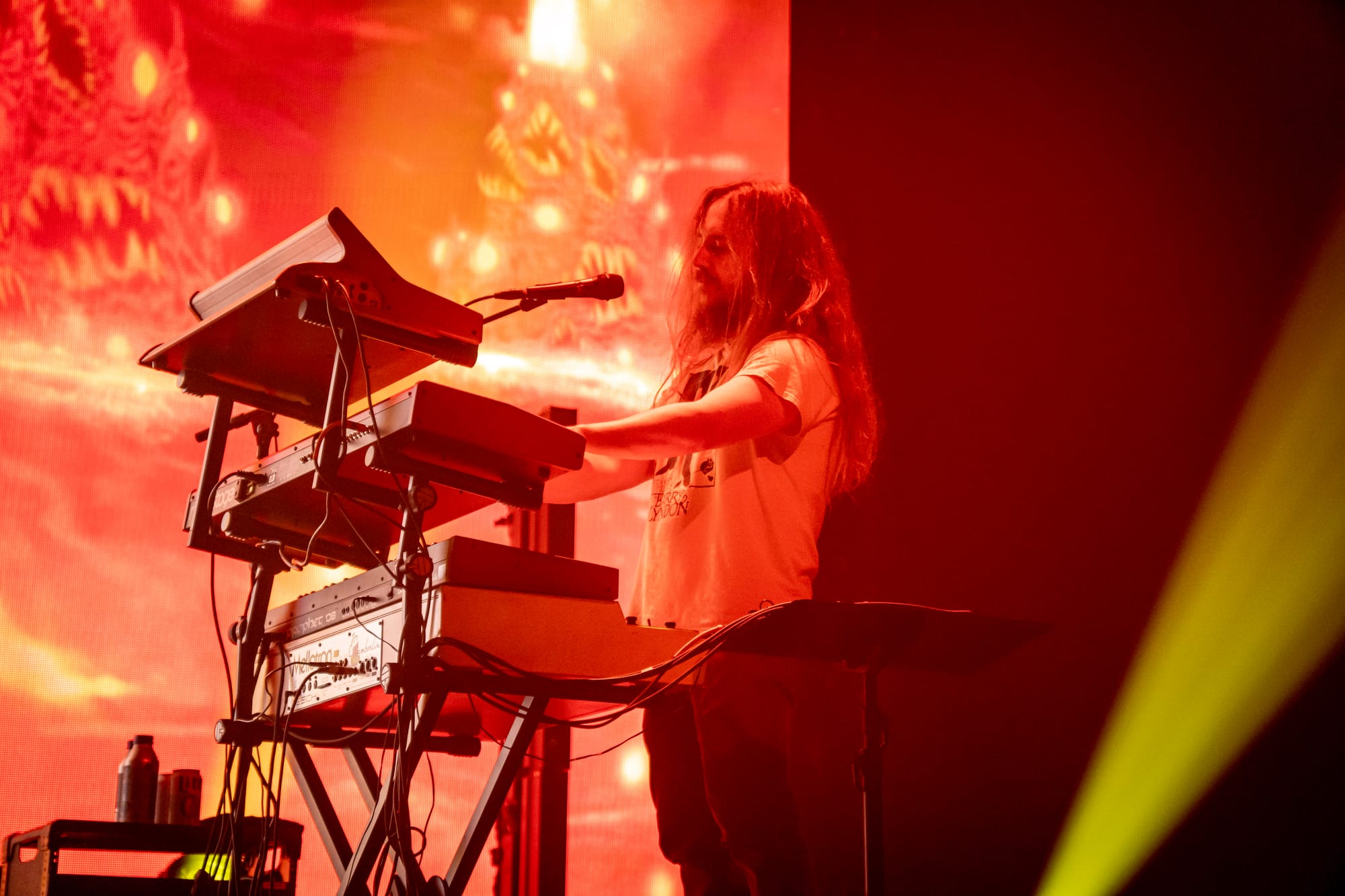
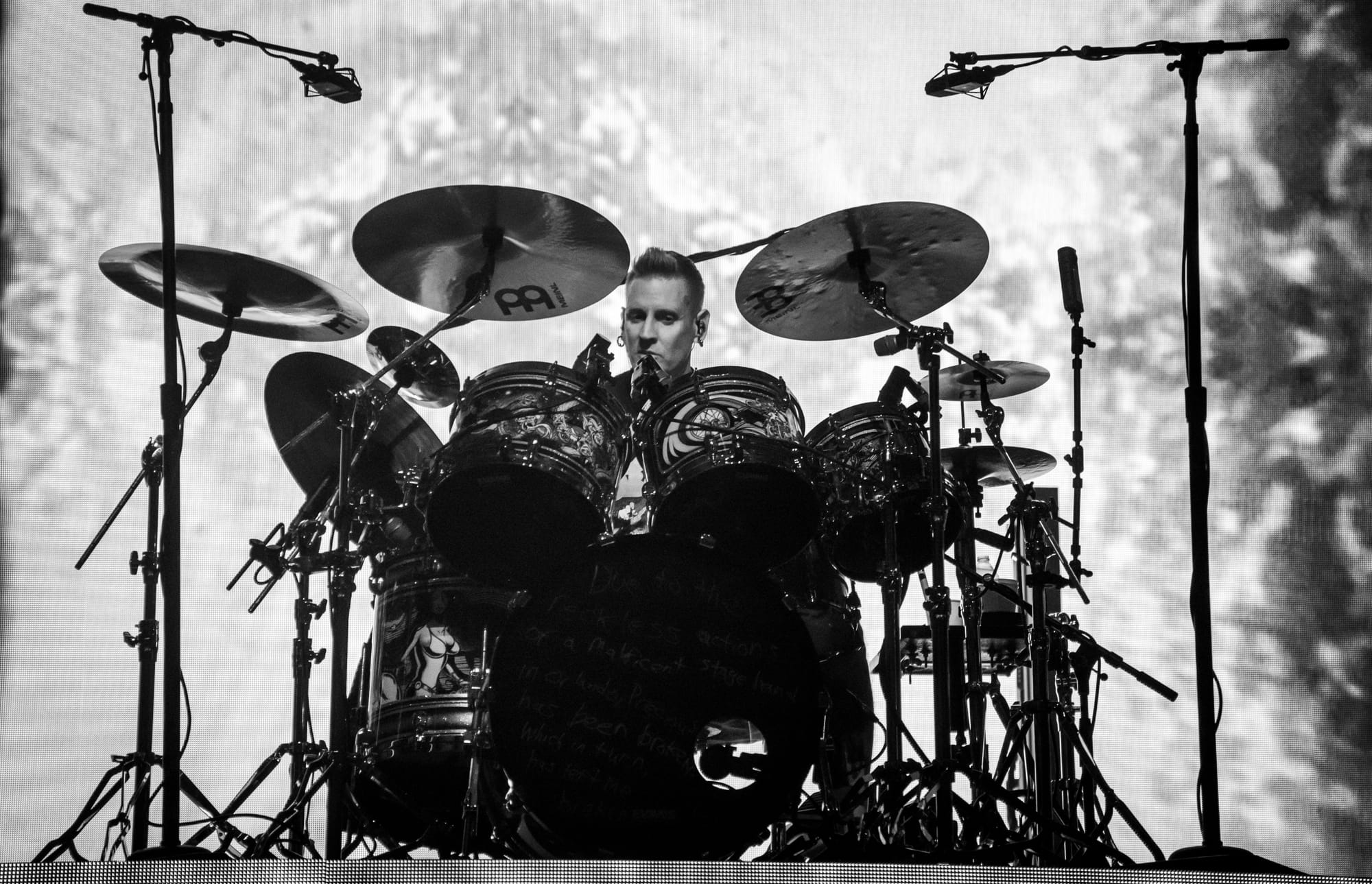
  • Lorna Shore release live tour video for “War Machine”

    Filmed during their recent European headlining tour with Whitechapel, Shadow of Intent, and Humanity’s Last Breath

    Source

  • SNĚŤ to Unleash New Album “V bažinách vědomí”

    Czechia OSDM beasts Sněť are set to release their newest full-length, V bažinách vědomí. Having annihilated the underground with their 2021 debut LP and kept things flowing with two splits in the interim, this promises to be an excellent slab of old-school death metal. Experience the madness to come with the music video for the album’s […]

    Source

  • Album Review | Amberian Dawn – “Temptation’s Gates”

    General Information

    Personnel:

    Nicole Willerton – vocals
    Tuomas Seppälä – keyboards, guitars
    Emil Pohjalainen – guitar
    Joonas Pykälä-aho – drums
    Jukka Hoffren – bass

    Producer: Tuomas Seppälä
    Release Date: June 26, 2026
    Record Label: Napalm Records

    Setting the Scene

    It takes a certain kind of confidence to reach your eleventh album and decide not to keep doing what has always worked. Amberian Dawn spent years shaping a sound that served them well, but Temptation’s Gates makes it plain the Finnish quintet has no interest in standing still. The reason for that change is Nicole Willerton. Making her debut behind the microphone, she isn’t here just to sing the melodies and keep everything in order. She brings a little more weight and roughness into the band’s soaring songs. It is a clear turn toward a heavier sound, one that gives an already strong catalog a fresh sense of purpose.

    First Impression

    Imagine sitting at your desk, buried in numbers, stubborn computers, and people who seem determined to make the day longer than it ought to be, only to find yourself on a horse crossing wide green plains. That would be a welcome change, wouldn’t it? Then the horse lifts off the ground and keeps right on going through the sky. That is about the same feeling I had the moment Temptation’s Gates began to play. The music carries a steady weight beneath melodies that drift high above it, and the two move together so naturally that the whole thing feels both grand and easy at the same time.

    Similar Sounds

    If you’re into any of these artists, this album should be on your radar.

    NightwishStratovariusSonata ArcticaXandria

    Visual Vibes

    The album cover depicts Taylor Momsen seated at a school desk, staring into a barren wall beneath a black cross pointing downward. This stark visual of isolated rebellion perfectly captures the dark emotional territory and heavy, unfiltered grit driving the music.

    Track on Repeat

    “Moon”

    “Moon” places carefully woven vocals over a truly heavy instrumental rush before breaking into a soaring guitar solo. If this album were a city, this track would be the beautiful landmark that both the people who live there and those just passing through would make time to visit.

    In-depth Notes

    Musical Shape 🎸

    The music on Temptation’s Gates is a bird with two wings: a flowing melodic side and a powerful layer of guitars and drums. Both work together perfectly, carrying the songs through the air with a graceful sense of movement. The title track gets things moving immediately with a fast melody that wastes no time taking flight. “The Vision of Dreaming” handles the heavier parts of the journey, building from atmospheric verses into crushing choruses before settling into a calmer bridge that keeps the whole thing from becoming a one-note sprint. The band keeps this energetic momentum going until “Undying Colours” finally gives the listener a chance to rest. Here, the tempo drops and the aggression fades away at exactly the right moment. Then “Moon” comes in and tears that calm apart. It opens with a rapid guitar riff and keeps the instrumental side running at full speed until the solo reaches its highest point. “The Garden” follows with more strong instrumental moments before “Phantasmagoria” brings everything to a close with a beautifully melodic finale.

    Vocal Performance 🎤

    Nicole Wellerton steps into the role of the new vocalist and immediately proves to be a remarkably fitting addition to the band. Her voice has a perfect tone that follows the melody so closely that the two might as well be glued together. The title track introduces her with undeniable flair, while “The Vision of Dreaming” puts her versatility to work right away. She carries the calm bridge with pure vocal control before the song throws her back into its heavier sections. She handles incredible high notes and harsh vocals with the same steady confidence. On “Moon,” her singing intertwines naturally with the rapid instrumentation, eventually returning after the guitar solo to push an already epic song to an even higher peak. Even when the pace slows to a crawl on “Undying Colours,” her performance remains just as impressive. She moves through every technical and melodic challenge this album demands without ever sounding like the music is asking too much of her.

    Themes and Concepts 💭

    Lyrically, the album takes on the rather complicated business of admitting what the heart wants, escaping the judgment of others, finding hope in a world that often seems determined to crush it, and searching for something deeper than ordinary connections. Thankfully, the music does not stand in the corner pretending it has nothing to do with all this trouble. The frantic heavy riffs carry the feeling of wrestling with inner demons, while the sweeping melodies and sudden changes in pace arrive like moments of clear air after a long struggle. The songs understand that even the darkest thoughts occasionally need a place to rest.

    Final Verdict

    It’s a Bird… It’s a Plane… It’s Temptation’s Gates taking off beautifully with brilliant vocals and a wonderfully heavy melodic flow before making a perfect landing.

    Mood Meter

    %

    Intensity

    %

    Melancholy

    %

    Darkness

    %

    Emotional

    %

    Serenity

    %

    Energy

    %

    Romance

    %

    Joyfulness

    Perfect For…

    Working on arts – good for inspiration
    Driving – windows closed, singing your heart out along
    Thinking in nature symphonic metal in nature is like the tzatziki in gyros
    Working at office – especially when you need to get rid of the noise Steve makes. Fuck you, Steve

    Get the Album

    The post Album Review | Amberian Dawn – “Temptation’s Gates” first appeared on FemMetal – Goddesses of Metal.

  • Open Mike Eagle & Kenny Segal – “Watching A Movie Called Freedom By Myself”

    “Ain’t no post-credits scene. We can all just leave.” That’s the refrain from Open Mike Eagle and Kenny Segal’s new single “Watching A Movie Called Freedom By Myself.” I don’t think we’re supposed to take that line literally. Similarly, I don’t think this is a song about a solo viewing of Freedom, the 2014 film in which Cuba Gooding Jr. escapes slavery on the Underground Railroad. Or at least it’s not just about that. I think the “freedom” here is more conceptual, and so is the “movie.” Open Mike Eagle is a master of the allegory, and he’s found a resonant one here.

    The post Open Mike Eagle & Kenny Segal – “Watching A Movie Called Freedom By Myself” appeared first on Stereogum.

  • MORTEMIA Releases Metal Cover of “California Dreamin’” Featuring Helle Bohdanova, Caterina Nix and Karmen Klinc

    MORTEMIA, the solo project of Morten Veland of SIRENIA and former TRISTANIA fame, has released a new metal rendition of the timeless classic “California Dreamin’.” The song features guest vocal performances from Helle Bohdanova of IGNEA, Caterina Nix of CHAOS MAGIC and Karmen Klinc of VENUS 5. It marks the tenth release from MORTEMIA’s ongoing […]

    Source

  • ANTHRAX Shares Second Single Video “The Edge Of Perfection” From Their Upcoming Album “Cursum Perficio”

    Anthrax have today released “The Edge Of Perfection,” the second single from their long-awaited 12th full-length studio album Cursum Perficio out September 18 via Megaforce Records. The new single is highlighted by clean guitar echoes and cymbals that gently shake until a blastbeat blows open the doors. Guitars buzz like a motorboat on the River Styx, making waves through the darkness. In their wake, a crushing rhythm trails the melody of lead singer Joey Belladonna’s lament, “My heart breaks…I’m on the edge…I’m on the edge of perfection.”

    For the video, the multi-Grammy Award-nominated New York hard rock titans—Scott Ian (guitar), Charlie Benante (drums), Frank Bello (bass), Joey Belladonna (vocals), and Jonathan Donais (guitar)—teamed up with director and Academy Award-winner Joel Harlow (Star Trek and Alice in Wonderland) to create a spectacular cinematic experience that takes the hero from a dream into an evening of magic where he encounters underworld evil, interspersed with live performance footage.

    The clip includes appearances from martial artist Wes Scarpias, actress Ashley Edner-Tancharoen, actor Troy James, actor and Academy-Award winning make-up and special effects creator Rick Baker, actor Rod Maxwell, and actor Fedor Steer.

    “It’s the apex predator of Anthrax songs,” grins Ian. “I think it’s the best song we’ve ever written and the best thing I’ve ever been a part of creatively. What’s the most powerful emotion that moves me more than anything? Of course, it’s love. Nothing moves me like the deep feeling that I get from my wife and son. I’m living on that edge for the rest of my life. This is mine, but there are a lot of ways to ruin it. I’ve ruined it in past iterations of my life, but it got me to where I am. Love is perfection, and I like being on the edge of it. I don’t want everything to be about all of the same shit. This record has a whole bunch of love, a whole bunch of fun, and a little hate.”

    Benante adds: “When I think about songs like ‘Only’ and ‘Indians,’ you know that you hit something and you can feel it. That’s the way I felt about ‘The Edge Of Perfection.’”

    “The Edge Of Perfection” follows Cursum Perficio’s first single and video, “It’s For The Kids.” It’s a classic Anthrax ripper locked and loaded with buzzsaw-sharp riffs, explosive drumming, and a howling and head-banging hook. It undoubtedly has all the makings of a future live staple.

    Cursum Perficio marks the band’s first record in ten years since 2016’s For All Kings, which debuted in the Top 10 of the Billboard 200. The phrase Cursum Perficio is Latin for “My journey has come to an end,” “My journey is over,” or “I complete my journey.” It proves apropos for such a complete body of work.

    Cursum Perficio can be pre-order/pre-save here in the following available formats:

    • Standard CD
    • Target exclusive CD with a fabric patch of the album cover
    • Standard black double LP with pop-up gatefold
    • Target exclusive double LP
    • Red zoetrope with pop up gatefold
    • Amazon exclusive double LP
    • Purple zoetrope LP with pop-up gatefold
    • Merch exclusive
    • Lilac vinyl double LP with pop-up gatefold
    • Metal Injection exclusive white vinyl double LP with pop-up gatefold
    • Talk Shop Live exclusive signed with red ripple vinyl double LP with pop-up gatefold; Indie exclusive – red, orange yellow vinyl double LP with pop-up gatefold.

    The band dove into recording Cursum Perficio in earnest during 2022, working out of Dave Grohl’s Studio 606 in Los Angeles. They carefully pieced together what would be this magnum opus, mining their history with reverence, delivering on fan expectations tenfold, and broadening the scope of their signature sound. Produced by Jay Ruston and Anthrax, the result is an album that’s as angry, aggressive, and alive as their most celebrated fare.

    The post ANTHRAX Shares Second Single Video “The Edge Of Perfection” From Their Upcoming Album “Cursum Perficio” appeared first on Sonic Perspectives.

  • Road To Bloodstock 2026: Arkdown

    As the countdown to Catton Park continues, we are keeping our eyes firmly on the exceptional talent rising up through the underground. Today, we catch up with Nottingham Metal 2 The Masses winners and former Band of the Day (in 2018!) Arkdown to talk modern metalcore, unique live atmospheres, and riding the hype train all … Continue reading Road To Bloodstock 2026: Arkdown
  • Five For Friday: July 10, 2026

    Greetings, Decibel readers!

    We’ve got a lot of great music for you this week, as all five albums below represent a different take on dark extremity. From punk-rock bluster to brutal death detonations, you’ll have no shortage of sonic energy to fuel your weekend.

    Cranial Osteotomy – Vortex of the Dark Knowledge

    Alright, let’s just blow the doors off right away. This is the band’s first album since 2011’s Victim of Wicked Sickness. And although the wait has been long, it should prove totally worth it for fans of brutal death metal. If you know what you want and you want it done well (and you like it brutal), then stare right into the vortex, my friends.

    Stream: Apple Music

    Grim Legion – Harbingers of Death

    From our full-album stream of Harbingers of Death:

    Grim Legion is quite a departure from the music that guitarists John Paradiso and Randy Cavanaugh play with funeral doom mainstay Evoken. No one who’s heard Evoken will be surprised that Paradiso and Cavanaugh have technical chops, but they might be surprised by the speed, precision and frantic solos on Harbingers of Death. They’re matched in intensity by drummer Ryan Donato, who blasts forward with impressive energy. When Grim Legion do slow down, it recalls the death/doom style of Asphyx or Incantation.”

    Stream: Apple Music

    Haserot – Advent of Suffering

    A new contender enters the death metal arena! Haserot hails from Houston, Texas, and this is the band’s debut album. The band’s style is punchy, powerful, and shows a contemplative side that makes songs like “Madness and the Void” worth revisiting to hear what you missed the first time around. It’s a finely honed sound that most strongly resembles Bloodbath in that it takes a classic death metal sound and seeks a path to carry it into the future.

    Stream: Apple Music

    NightFreak – Midwest Rattlesnakes

    Punk rock made by people who love metal! Basically think of Zeke if they threw in some 80s riffs and drum patterns, then called up the guys from Every Time I Die to collaborate on the final product. I’m extremely picky when it comes to punk nowadays, but these Chicago-based outfit has my full endorsement.

    Stream: Apple Music

    Sojourner – Gateways

    Good to catch up with this band and their epic and theatrical take on gothic black metal. It’s basically like Draconian if they decided to play fast. I really liked what they band was up to on Premonitions and it’s great to hear them further perfect their brand of melancholic fury.

    Stream: Apple Music

    The post Five For Friday: July 10, 2026 appeared first on Decibel Magazine.

  • Poe and Dante: Beauty, Hell, and the Architecture of Suffering

    Poe and Dante: Beauty, Hell, and the Architecture of Suffering

    Few writers have explored suffering with the intensity of Dante Alighieri and Edgar Allan Poe. Separated by nearly six centuries, they wrote in different languages, belonged to different worlds, and pursued radically different artistic goals. Dante sought spiritual truth. Poe explored psychological mystery. Yet both became fascinated by the same question: why does suffering possess such extraordinary power over the human imagination?

    Their answers helped shape Western literature. Dante transformed pain into a vast cosmic architecture populated by sinners, saints, demons, and souls searching for redemption. Poe turned inward, constructing haunted psychological landscapes where grief, obsession, guilt, and memory became forces capable of reshaping reality itself.

    For both writers, suffering was never simply an emotion. It became a place.

    Edgar Allan Poe and Dante Alighieri surrounded by Gothic architecture, infernal landscapes, and symbolic visions of suffering

    Dante and Poe transformed suffering into literary landscapes that continue to haunt readers centuries later.


    Beauty Born from Suffering

    Modern readers often remember Dante primarily for Hell. The Inferno has become so culturally influential that it sometimes overshadows the deeper purpose of the Divine Comedy. Yet Dante’s masterpiece is not ultimately a work about punishment. It is a work about love. Every step through Hell and Purgatory is driven by the memory of Beatrice, the woman whose presence illuminates the entire journey.

    Although Dante encountered Beatrice only briefly in life, her influence became immense within his imagination. She evolves from a historical figure into something larger—a symbol of beauty, grace, wisdom, and spiritual aspiration. The poet’s longing transforms personal loss into a vision of transcendence.

    Poe would recognize this process immediately.

    Again and again, his fiction and poetry return to women who exist somewhere between memory and myth. Annabel Lee, Lenore, Ligeia, and countless other figures inhabit a space where grief transforms the beloved into something almost supernatural. The woman is no longer merely remembered. She becomes an obsession, an ideal, a haunting presence that refuses to disappear.

    In Annabel Lee, Poe writes:

    “And neither the angels in Heaven above,
    Nor the demons down under the sea,
    Can ever dissever my soul from the soul
    Of the beautiful Annabel Lee.”

    The emotional intensity of these lines helps explain why Poe remains so compelling. Like Dante, he understands that loss rarely diminishes love. Memory often magnifies it. The absent person becomes larger than life, reconstructed by longing until reality can no longer compete with imagination.

    The difference lies in direction. Dante transforms loss into ascent. The memory of Beatrice gradually guides him toward Paradise. Poe’s narrators usually travel the opposite path. Their grief draws them deeper into isolation, melancholy, and obsession.

    The Urgency of Mortality

    Yet both writers arrive at a similar artistic discovery: beauty becomes most powerful when threatened by disappearance.

    Mortality gives beauty its urgency. Loss gives memory its intensity.

    This idea lies at the heart of both authors’ work. Dante’s vision of Heaven gains emotional power because readers have already witnessed suffering. Poe’s visions of beauty become unforgettable because they exist alongside decay, death, and impermanence. Neither writer separates beauty from pain. Instead, they reveal how deeply intertwined the two experiences can be.

    Long before psychologists began studying grief, memory, and attachment, Dante and Poe had already recognized a fundamental truth about human nature: what we fear losing often becomes the very thing that defines us.


    When Suffering Becomes Architecture

    Both writers also share an extraordinary ability to transform emotional states into physical environments. This is one of the reasons their work continues to feel so vivid centuries later.

    Dante does not simply describe suffering. He builds it.

    Hell becomes a meticulously organized landscape where every punishment reflects a deeper symbolic truth. The Inferno possesses rivers, gates, bridges, cliffs, towers, and descending circles. It functions almost like a vast Gothic cathedral dedicated to human failure. Readers do not merely observe pain from a distance. They walk through it alongside the poet.

    The entrance itself remains one of the most famous passages in literary history:

    “Abandon all hope, ye who enter here.”

    Few lines better capture the psychological power of architecture. A simple doorway becomes a threshold separating ordinary reality from a realm governed by suffering.

    Poe repeatedly employs a similar strategy, although his architecture tends to be psychological rather than theological. The decaying mansion in The Fall of the House of Usher, the claustrophobic chambers of The Pit and the Pendulum, and the suffocating interiors that populate much of his fiction all function as extensions of emotional states. The buildings themselves seem infected by fear, grief, or madness.

    In both writers, landscapes become mirrors. The outer world reflects the inner one.


    Descending into Hell and Descending into the Mind

    If beauty and loss connect Dante and Poe, descent may be the bridge that unites their darkest works. Both writers repeatedly guide readers downward into spaces where ordinary reality begins to dissolve. Yet the nature of those descents reveals the profound difference between their visions of suffering.

    For Dante, descent is a journey toward understanding. The deeper he travels into the Inferno, the more he learns about the consequences of human choices. Every circle possesses a purpose. Every punishment reflects a moral truth. Even the horrors of Hell remain part of a larger cosmic order. Readers may be disturbed by what they encounter, but they never doubt that the universe itself remains meaningful.

    Poe offers no such reassurance.

    His narrators rarely descend into physical underworlds. Instead, they move inward. They enter labyrinths of guilt, obsession, grief, paranoia, and madness where certainty gradually disappears. The journey becomes psychological rather than spiritual. No Virgil is waiting to explain the rules. There is often no clear distinction between reality and imagination.

    Consider The Tell-Tale Heart. The story begins with a narrator desperately insisting upon his own sanity. What follows is not a confrontation with demons or supernatural forces but something far more unsettling: the gradual collapse of reason itself. By the story’s conclusion, the narrator hears a heartbeat growing louder beneath the floorboards, a sound that may exist entirely within his own conscience.

    The punishment resembles something Dante might recognize. The difference is that no external authority imposes it. The narrator creates his own torment. His guilt becomes both prison and executioner.

    This psychological dimension helps explain why Poe continues to feel so modern. Dante’s Hell exists somewhere beyond the physical world. Poe’s Hell often exists inside the human mind, making it impossible to escape simply by changing one’s surroundings.


    The Gothic Power of Thresholds

    One of the most fascinating details shared by both writers is their obsession with thresholds. Their characters are constantly crossing boundaries that separate one state of existence from another.

    Dante enters dark forests, infernal gates, rivers of the dead, and ascending celestial spheres. Every threshold represents a movement toward deeper knowledge. The famous inscription above the gates of Hell remains terrifying precisely because it marks the point of no return. Once crossed, the traveler enters a reality governed by entirely different laws.

    Poe repeatedly uses doors, corridors, crypts, chambers, vaults, and hidden passages in much the same way. The claustrophobic burial chamber beneath the House of Usher serves as a prime example, just like the damp catacombs winding through The Cask of Amontillado. We see this dynamic again in the endless, terrifying confinement of The Pit and the Pendulum. These spaces all function as psychological thresholds where ordinary reality begins to unravel.

    What makes these environments so memorable is their symbolic flexibility. They are simultaneously physical locations and emotional states. Crossing a doorway often means entering a different version of the self. Descending a staircase can become a descent into memory, guilt, fear, or obsession.

    Modern Gothic horror still relies heavily upon this tradition. Haunted hotels, abandoned hospitals, forgotten corridors, underground tunnels, and impossible labyrinths continue to fascinate audiences because they symbolize journeys into hidden regions of the psyche. Long before modern horror cinema embraced these images, Dante and Poe were already exploring their psychological potential.


    Why Their Darkness Still Feels Modern

    The continued influence of Dante and Poe cannot be explained solely through historical importance. Countless once-famous writers have faded into obscurity. These two remain alive because they address fears that continue to define the human experience.

    Dante explores moral anxiety. What kind of life should a person live? Can redemption exist after failure? How should human beings understand suffering? These questions remain as relevant today as they were in fourteenth-century Florence.

    Poe confronts a different set of concerns. What happens when grief becomes obsession? Can guilt distort reality? How reliable is the mind itself? Modern psychology has given us new vocabulary for these experiences, but the emotional reality remains unchanged.

    Perhaps this explains why contemporary audiences continue to find echoes of both writers everywhere. Dante’s influence appears in fantasy, theology, philosophy, and visual art. Poe’s presence can be felt throughout psychological horror, Gothic fiction, detective stories, and cinema. Their works continue generating new interpretations because they engage with questions that possess no definitive answers.

    The centuries separating us from them gradually fade away. We may no longer inhabit Dante’s medieval worldview or Poe’s nineteenth-century America, but we still recognize the emotional landscapes they created.

    Fear. Longing. Regret. Desire. Memory.

    The architecture changes. The emotions endure.


    The Strange Beauty of Suffering

    Ultimately, both Dante and Poe achieve something extraordinarily difficult. They transform suffering into art without diminishing its reality. Neither writer treats pain as decorative. They understand its destructive potential. Yet they also recognize that suffering can reveal dimensions of human experience that comfort often conceals.

    For Dante, the journey through darkness eventually leads toward illumination. The Inferno exists because the possibility of Paradise exists. Hope survives even within the bleakest moments of the poem.

    Poe offers a more ambiguous vision. His stories rarely provide redemption in the traditional sense. Yet they reveal profound truths about memory, grief, beauty, and psychological complexity. His darkness illuminates rather than merely obscures.

    This may be the deepest connection between the two writers. Both understand that suffering is not simply an obstacle to meaning. It can become one of the pathways through which meaning is discovered.

    That realization continues to resonate because it speaks to something universal. Across centuries, cultures, and beliefs, human beings remain haunted by the same mysteries. Dante explored them through the architecture of the soul. Poe explored them through the labyrinth of the mind.

    Both journeys remain unfinished.


    Wear the Darkness

    Dante built cathedrals of suffering. Poe built haunted chambers of memory. Across centuries, both writers demonstrated that darkness can reveal as much about human nature as light. Their works continue to inspire artists, filmmakers, musicians, and readers because they transform grief, longing, beauty, and fear into something enduring.

    If Gothic literature, dark romanticism, and psychological mystery speak to you, explore the official Edgar Allan Poets Noir Store. Discover apparel and artwork inspired by literary legends, Gothic aesthetics, and the timeless beauty hidden within the shadows.


    Edgar Allan Poe Gothic apparel and literary-inspired fashion from the Edgar Allan Poets store


    Join the Noir Newsletter

    Receive Gothic literature, dark history, noir psychology, Victorian mysteries, literary analysis, and atmospheric storytelling directly inside your inbox. Join readers who share a fascination with the strange territory where beauty, suffering, imagination, and darkness converge.


    Enter the Noir Atmosphere

    Imagine Dante descending through the circles of the Inferno while Poe wanders the decaying halls of the House of Usher. One explores the architecture of the soul. The other navigates the labyrinth of the mind. Both journeys lead through darkness in search of deeper truths. Continue the experience through the official Edgar Allan Poets playlist, where Gothic atmosphere, melancholy beauty, and cinematic storytelling meet.


    Frequently Asked Questions

    Did Dante influence Gothic literature and Edgar Allan Poe?

    Yes, fundamentally. While Dante lived centuries before the Gothic movement, his architectural mapping of Hell, use of symbolic punishment, and psychological descent laid the framework for the dark romanticism that writers like Edgar Allan Poe later perfected.

    Did Poe read Dante?

    Poe was familiar with many major European literary traditions, and scholars generally agree that he knew Dante’s work. While Dante is not frequently cited in Poe’s writings, parallels between the two authors continue to attract literary scholars and critics.

    What is the biggest difference between Dante and Poe?

    Dante’s suffering exists within a structured spiritual universe governed by divine justice. Poe’s suffering is often psychological and internal, emerging from grief, guilt, obsession, memory, and the instability of the human mind.

    Why do Gothic readers connect with both writers?

    Because both understand that darkness can reveal profound truths about human experience. Whether through Dante’s symbolic landscapes or Poe’s haunted psychological worlds, readers encounter fears, desires, and emotions that remain recognizable across centuries.

    What works should I read first?

    For Dante, begin with Inferno, the first section of the Divine Comedy. For Poe, excellent starting points include The Fall of the House of Usher, The Tell-Tale Heart, The Raven, and Annabel Lee. Together they provide a powerful introduction to two of literature’s greatest explorers of darkness.


    The post Poe and Dante: Beauty, Hell, and the Architecture of Suffering appeared first on Edgar Allan Poets – Noir Rock Band.