Power metal bringers Iron Savior have recently put out the third single, “Light In The Dark”, as part of their upcoming full-length effort Deathbringer.
Read more…
When it comes to the deployment of the ultimate rock vocal, that indefinable sand, glue, honey, whisky, grit ’n’ gravel cocktail that speaks of a life well-lived and more than a few hearts broken, there’s no one quite like Rod Stewart.
Following a formative apprenticeship on London’s R’n’B scene and fronting The Jeff Beck Group, Stewart enjoyed a concurrent success with the Faces as his solo career exploded in 1971, when his pivotal third album, Every Picture Tells A Story, and its attendant Maggie May single, simultaneously topped charts on both sides of the Atlantic.
He went on to dabble in everything from disco to the Great American songbook, bagging a knighthood in the process, and now he’s finally beginning to wind down, with a farewell tour announced for 2027. But these are the six essential Rod Stewart solo albums.

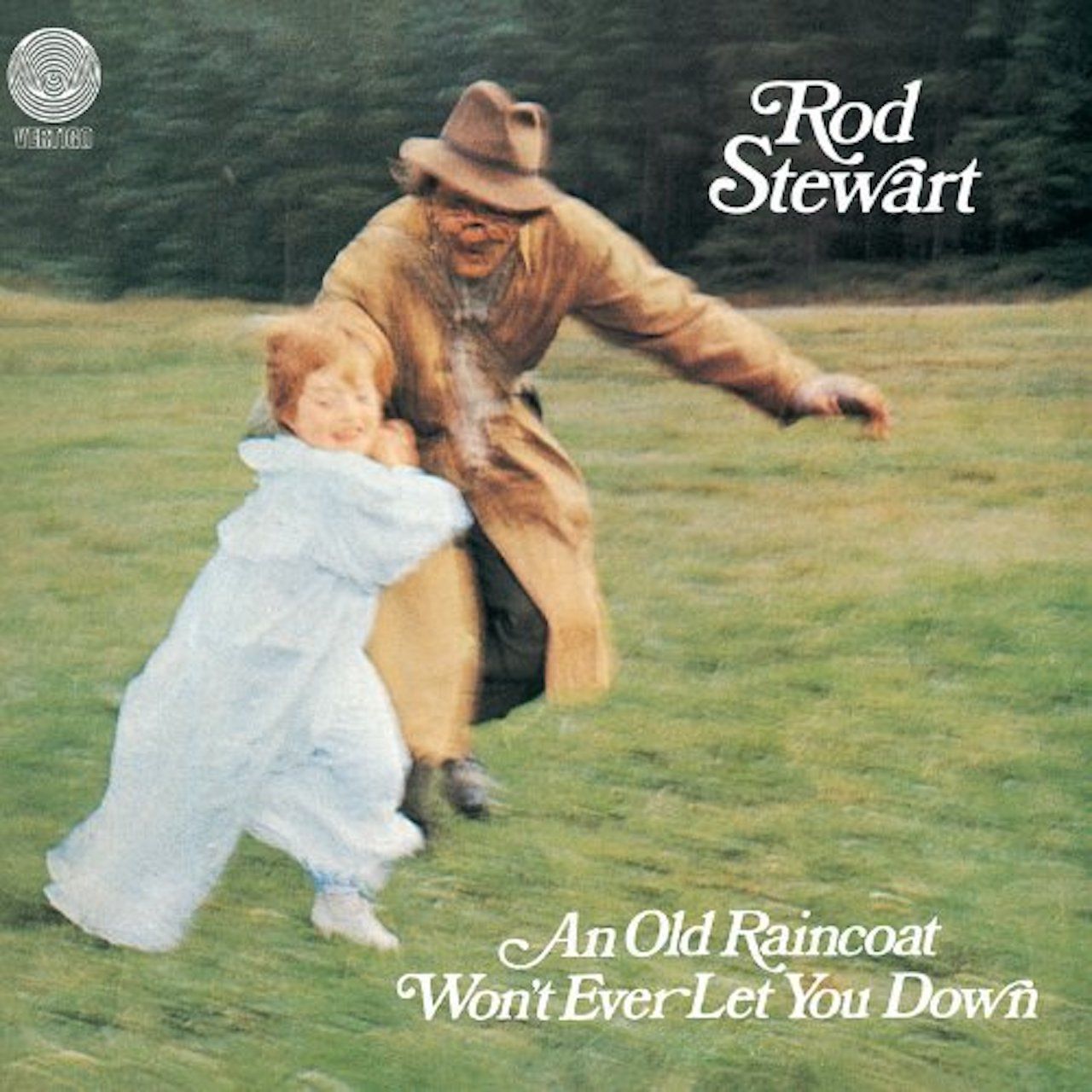
An Old Raincoat Won’t Ever Let You Down (Vertigo/Mercury/Fontana, 1969)
Rod’s solo account opens with an absolutely belting version of Mick Jagger and Keith Richards’ Street Fighting Man. How good was it? Well, that guitarist Ronnie Wood and keyboard player Ian McLagan both ended up playing with the Rolling Stones certainly speaks in its favour.
Elsewhere on the record (originally released in the US as The Rod Stewart Album) a definitive take on Mike D’Abo’s Handbags And Gladrags reveals Stewart’s unerring ability to inhabit even the most personal lyric and unerringly make it his own, while its gloriously chaotic title track is a full-tilt Faces carouse in all but name.
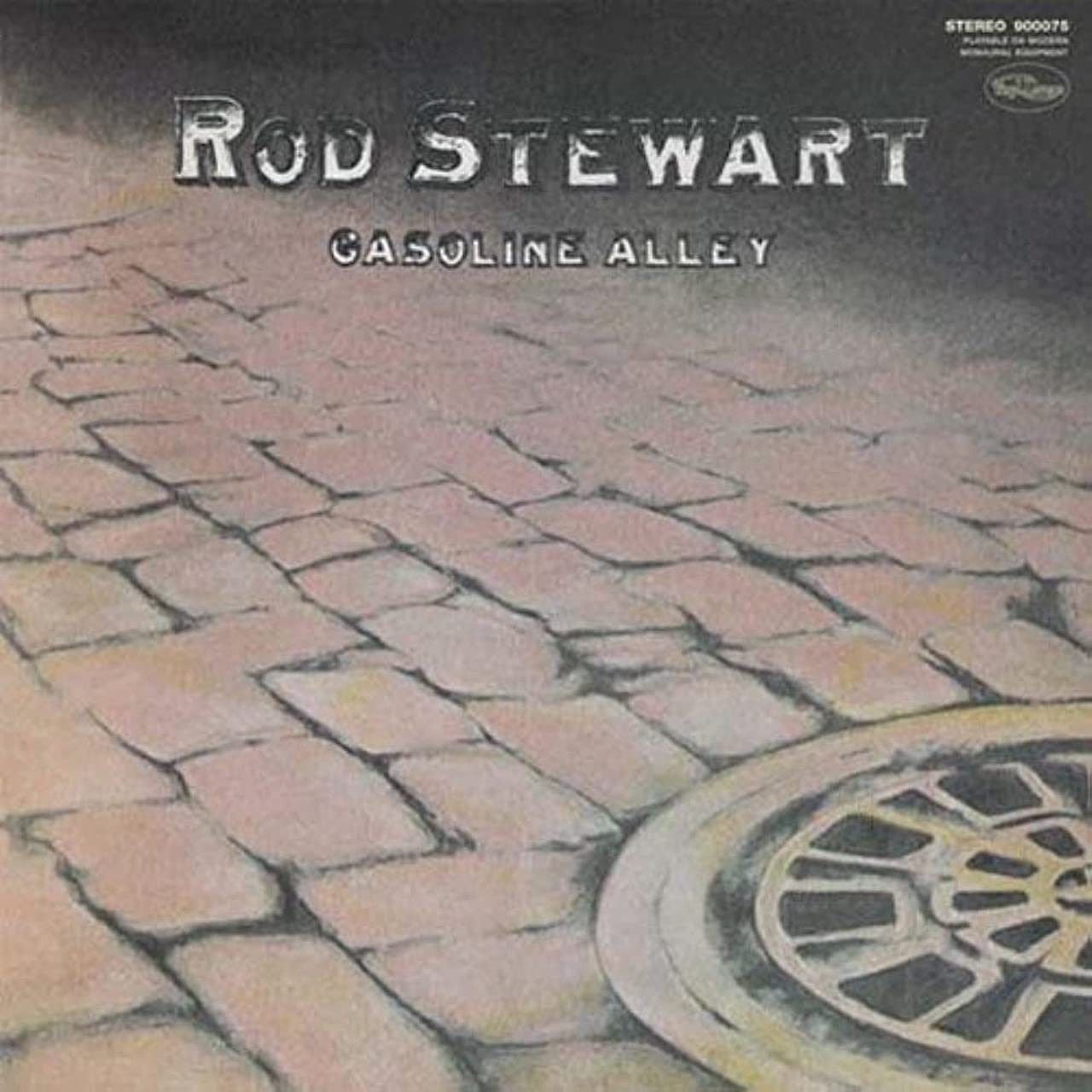
Gasoline Alley (Mercury/Vertigo, 1970)
Its opening title track, and sole Stewart/Wood-credited composition, shines brightest on a second album (recorded directly in the wake of the Faces’ First Step debut) that again captures Stewart’s remarkable way with a cover.
Both Rod originals Lady Day and Jo’s Lament reveal a wild-hearted, wistful, romantic folkie at heart, but where he truly makes his mark is on spirited versions of Eddie Cochran’s Cut Across Shorty (latterly a Faces live favourite), Little Richard’s You’re My Girl (I Don’t Want To Discuss It) and, the album’s only single, Bobby and Shirley Womack’s (irrevocably Rolling Stones-associated) It’s All Over Now.
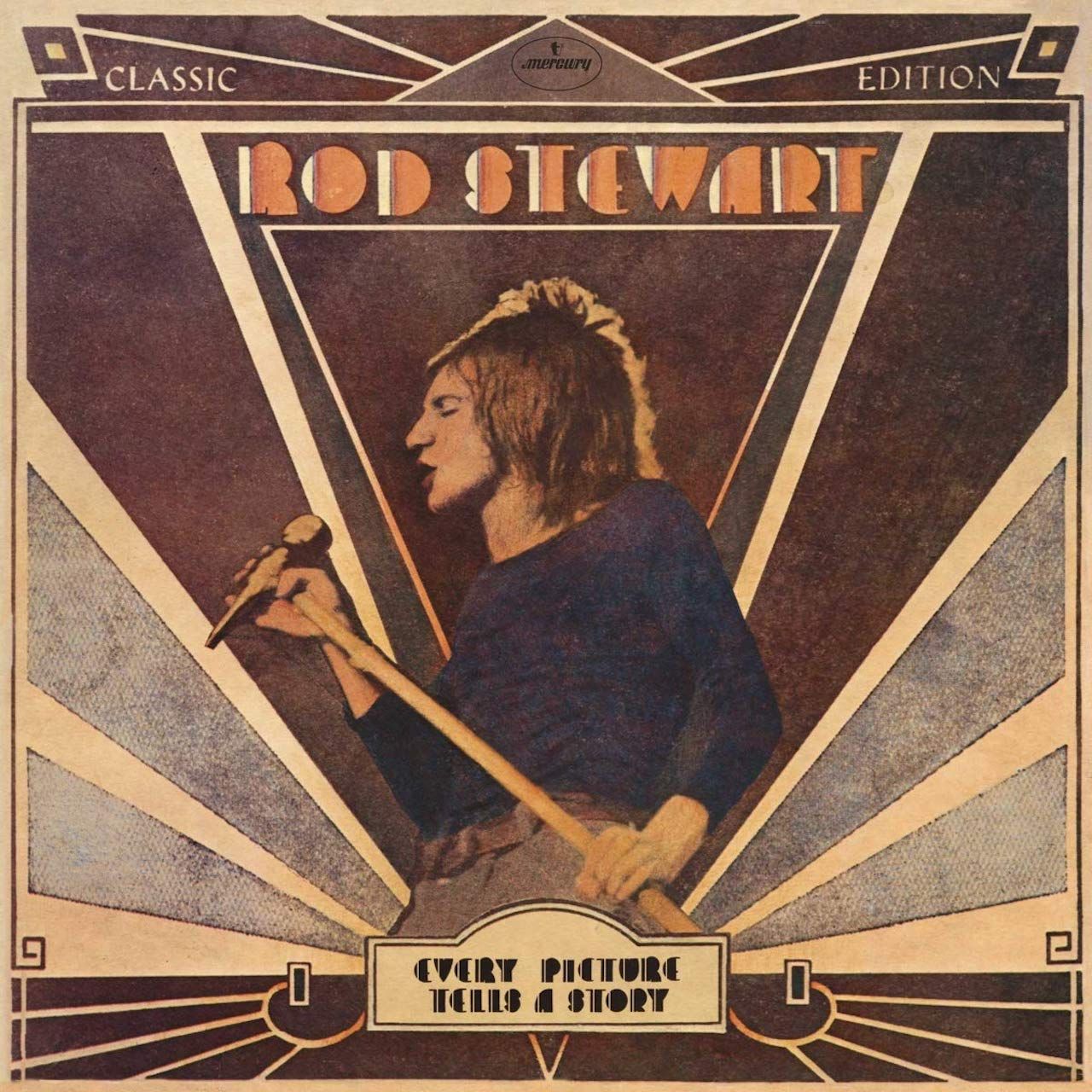
Every Picture Tells A Story (Mercury, 1971)
This is where it all came together, Lad’s rock’s ground zero. The all-conquering album that proved beyond doubt you didn’t have to be a denimed-down Laurel Canyon nepo posho to be a singer-songwriter, you could be a geezer, a swordsman, an itinerant, footie-literate, hedge-backwards boozer of no fixed hairstyle.
From a wildly un-PC, Maggie Bell-soaked title dust-up, to an entirely sublime reading of Tim Hardin’s Reason To Believe, via a full-throated assault on The Temptations (I Know) I’m Losing You, a blissful Mandolin Wind and an utterly unassailable Maggie May, this end-to-end seventies essential represents Rod The Mod in excelsis.
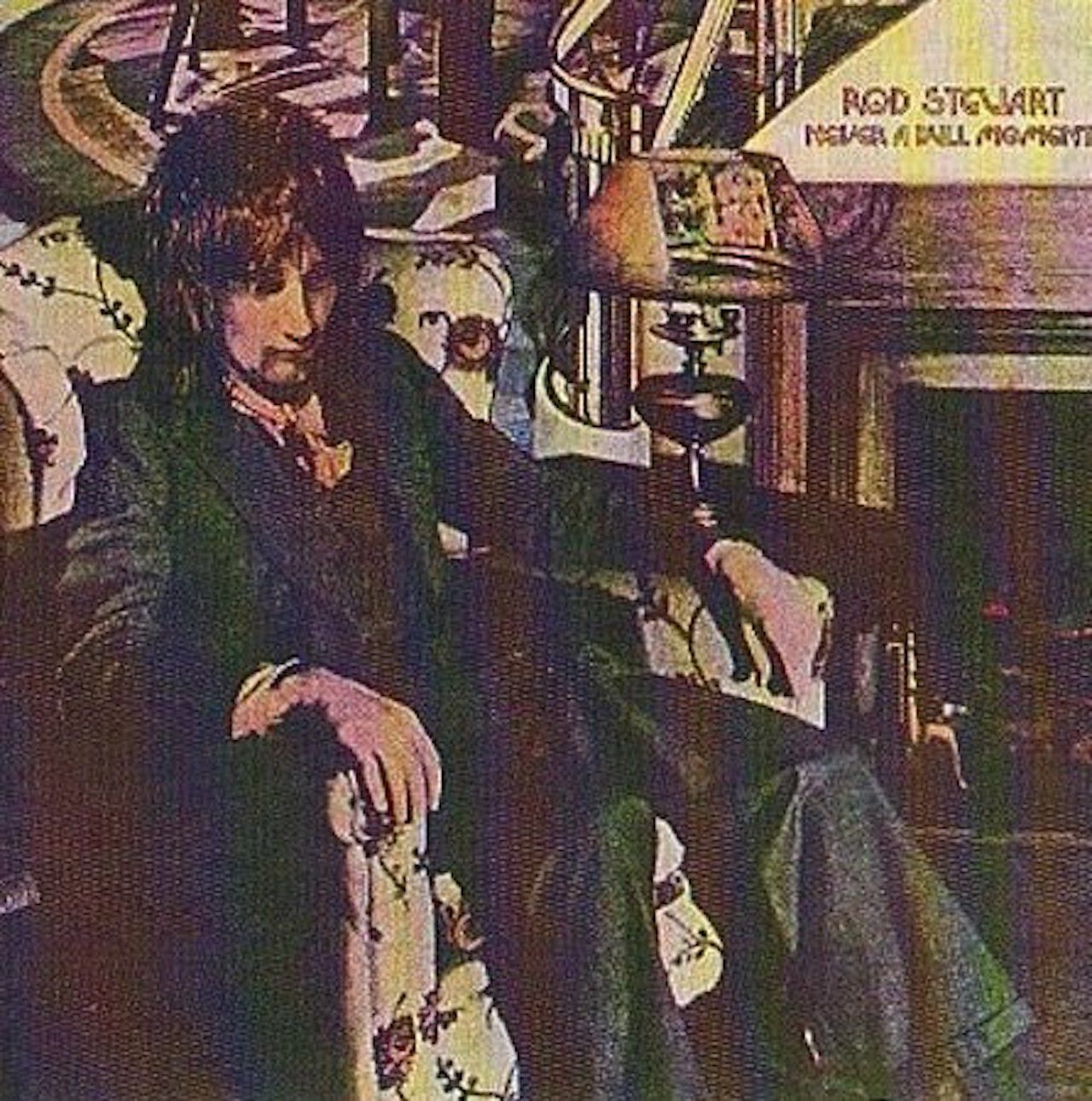
Never A Dull Moment (Mercury, 1972)
Not exactly a clone of Every Picture… save to say this chart-topping follow-up owes much to its esteemed predecessor in terms of pacing and mood.
From the glorious wheel-spinning Stewart/Wood opener True Blue to a seemingly off-the-cuff clatter through (Rod blueprint) Sam Cooke’s Twistin’ The Night Away by way of joy-filled finale, Never A Dull Moment captures a fame-glazed (check the cover) Rod operating at the peak of his powers. Lost Paraguayos is as irresistible as it’s incorrigible and Italian Girls almost more Stones than even the Stones. And then there’s You Wear It Well. A stone cold classic.
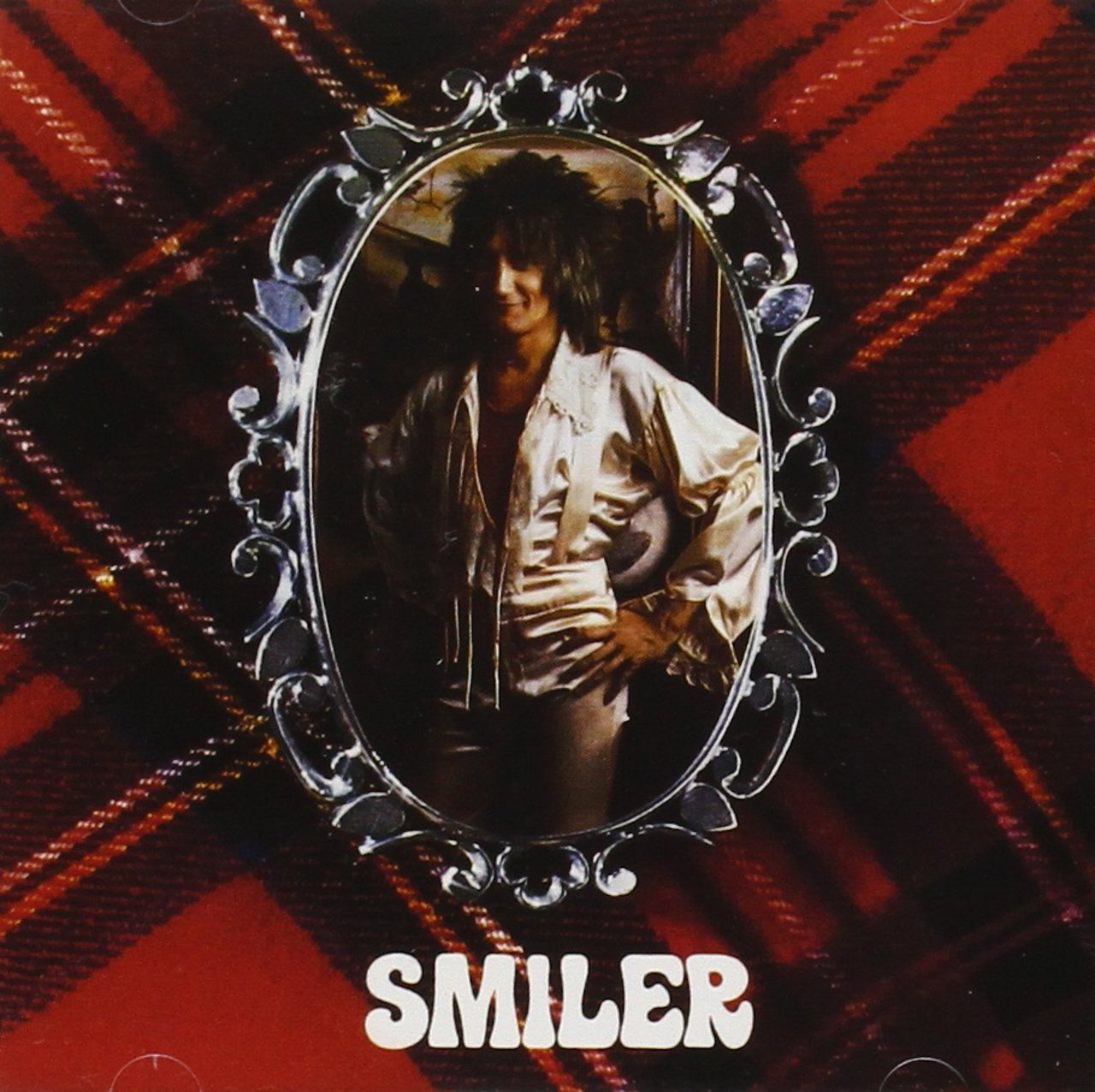
Following the introductory arfs of a barking dog, Ronnie Wood riffs out a feral, off-the-leash version of Chuck Berry’s Sweet Little Rock ’N’ Roller that – with hindsight – only seems to scream “Please may I be in The Rolling Stones now?”.
Smiler marks the end of an era. Without the grounding presence and influence of the Faces, Rod Stewart would never make records that sounded quite so much like an impromptu after-hours lock-in had broken out in the studio again. Smiler’s a customarily overlooked album, but Stewart/Wood swansong Sailor is magnificent, and Sam Cooke’s You Send Me, a complete joy.
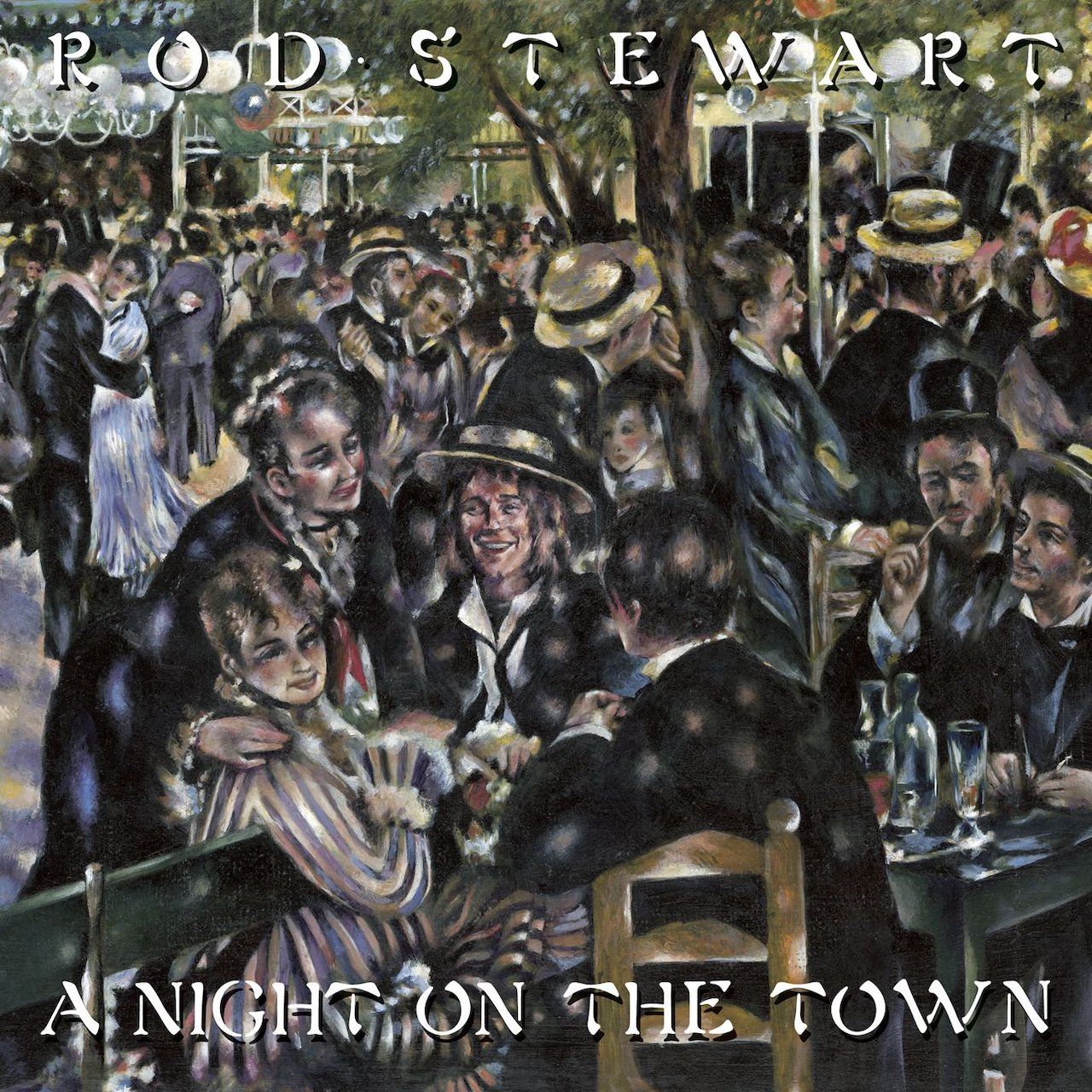
A Night On The Town (Riva/Warner Bros, 1976)
Following his first post-Faces collaboration with Tom Dowd (Atlantic Crossing) where Stewart got to enjoy his own Mull Of Kintyre moment with the ultimately wearing, if inescapable, ocean-going strains of Sailing, A Night On The Town not only features the questionable charms of Britt Eklund-encumbered defloration ditty Tonight’s The Night (Gonna Be Alright), but also the brave-for-its-time The Killing Of Georgie (Parts I And II).
An accomplished six-minute plus track, …Georgie (also a hit single) recounts the true story of a gay Faces associate killed for no other reason than his sexuality. Meanwhile Rod original The Balltrap rocks like a dry-run for Hot Legs.