 SOUL STORE is a Swiss post-grunge band blending raw emotion with powerful storytelling. Their music dives into inner conflict, societal tension, and the fragile moments where everything starts to fall apart. Heavy, honest, and built to connect beyond just sound. Check out This Wall below.
 Avalon Stone is a fierce new voice in rock, rising out of Kitchener, Ontario with a sound soaked in ‘90s grunge and sharpened by modern rock’s heavy punch. Her music is raw, emotional, and loud—built on heavy riffs, cutting vocals, and lyrics that don’t flinch. Inspired by legends like Alice In Chains, and with a […]
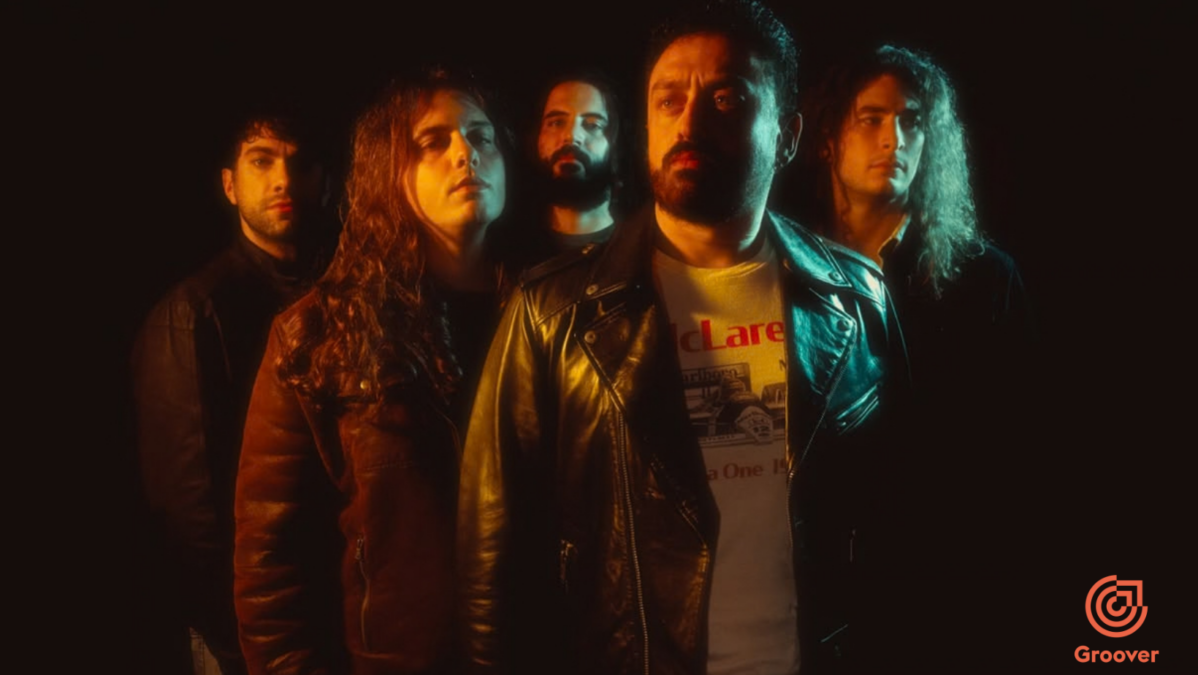 Voodoo Highway formed in Ferrara, Italy, in 2010, bringing back the spirit of classic ’70s and ’80s hard rock with heavy riffs, Hammond organ, and melodic vocals. Their debut album, Broken Uncle’s Inn (2011), quickly gained international press attention and led the band to perform across several European countries. After a seven-year hiatus, the band […]
 Crimson Glow is the newest single released by the German duo project Obsidian Harmony, consisting of Leon (vocals, guitar, songwriting) and Kenny (guitar, songwriting). In contrast to their other two releases, Crimson Glow features electric guitars, drums, a riveting guitar solo, and, of course, those already well-known, powerful and emotional vocals. Check it out below.
 Genre-defying instrumental rock innovators Polyphia have released the hypnotic new track With Eyes To See with an accompanying music video. This is the third single off their highly anticipated fifth full-length studio album BE NOT AFRAID, out October 23 with Rise Records. The accompanying music video mirrors the track’s hypnotic pull, layering mesmerizing visuals with […]
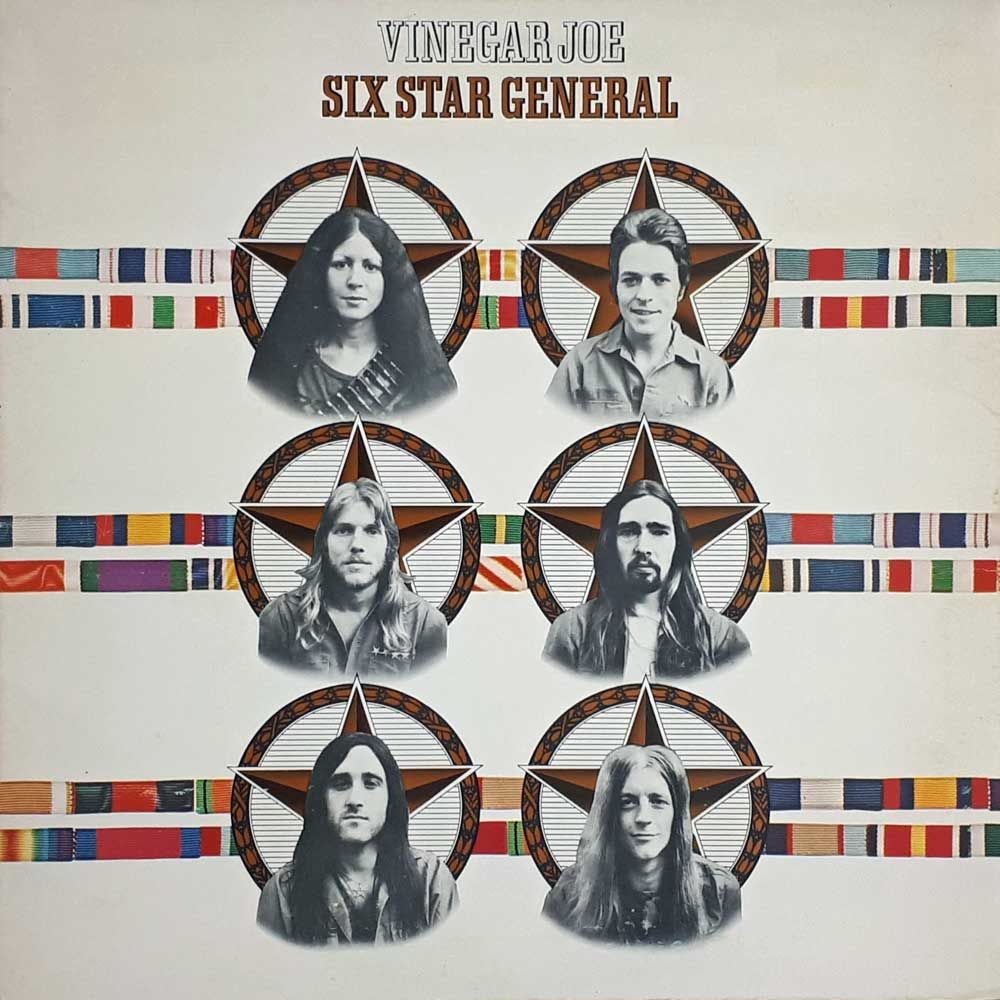
Vinegar Joe – Six Star General
Proud To Be (A Honky Woman)
Food For Thought
Dream My Own Dreams
Lady Of The Rain
Stay True To Yourself
Black Smoke Rising From The Calumet
Giving Yourself Away
Talkin’ ‘Bout My Baby
Let Me Down Easy
Fine Thing
Formed in 1971, Vinegar Joe were one of the lesser lights of the British pub-rock explosion, and will be remembered by most as the band that introduced Elkie Brooks and a pre-solo-stardom Robert Palmer to the world.
Six Star General, their third and final studio album, released in 1973, is a prime example of their classic soul-infused rock. Brooks brings a whiskey-soaked, belt-it-to-the-back-row soulfulness that rivals Janis Joplin at her peak, while Palmer counters with his signature R&B croon.
Tracks like Proud To Be A Honky Tonk Woman and Lady of the Rain are a testament to a band that should have been bigger, although their recorded output struggled to capture the supercharged energy of their live shows.
“It wasn’t good enough on record, was it?” Brooks told Classic Rock in 2015. “We did very well on tour, but we just weren’t pushed enough in the studio.”

Every week, Album of the Week Club listens to and discusses the album in question, votes on how good it is, and publishes our findings, with the aim of giving people reliable reviews and the wider rock community the chance to contribute.
Other albums released in October 1973
- For Girls Who Grow Plump in the Night – Caravan
- Goodbye Yellow Brick Road – Elton John
- These Foolish Things – Bryan Ferry
- Cyan – Three Dog Night
- Suzi Quatro – Suzi Quatro
- Selling England by the Pound – Genesis
- Moondog Matinee – The Band
- Mystery to Me – Fleetwood Mac
- Time Fades Away – Neil Young
- Wake of the Flood – Grateful Dead
- Live in Europe – Creedence Clearwater Revival
- Montrose – Montrose
- Hat Trick – America
- Pin Ups – David Bowie
- Quadrophenia – The Who
- Frampton’s Camel – Peter Frampton
- All American Boy – Rick Derringer
- Ashes Are Burnin – Renaissance
- At the Rainbow – Focus
- Full Sail – Loggins and Messina
- Gone Crazy – Grin
- Inside Out – John Martyn
- The Joker – Steve Miller Band
- Laid Back – Gregg Allman
- Marjory Razorblade – Kevin Coyne
- Nine – Fairport Convention
- On the Road – Traffic
- Please Don’t Ever Change – Brinsley Schwarz
- Sweet Revenge – John Prine
- Takin’ My Time – Bonnie Raitt
What they said…
“Vinegar Joe were initially marketed in the UK as a homegrown amalgam of The Allman Brothers Band and Wet Willie. However accurate Island’s marketing ploy might have been is a matter of opinion; what Vinegar Joe’s third, final and biggest-selling album makes clear is their empathy with, and mastery of, their craft.” (Record Collector)
“Elkie Brooks tries hard to be like a kind of white version of Tina Turner, and doesn’t do badly, and the playing is first-rate; the band’s rhythm section was always solid no matter who was in it, and Pete Gage’s guitar work was lithe and aggressive. The songs are all good, ranging from searing R&B to straight-ahead rock & roll, and the recordings provide a glimpse of the kind of surging, energetic performances that made their shows a major attraction – it’s a pity there aren’t any live tapes.” (AllMusic)
“A pretty well-balanced album. A good mix of raunchy blues rock with a couple of slower songs and a fair bit of funk/soul influences thrown in, often in the same style as Kokomo and Cado Belle. This sounds better today than it did years ago. Elkie Brooks is a superb vocalist, and Robert Palmer ain’t half bad either.” (RateYourMusic)
What you said…
Greg Schwepe: The only good thing about Mondays is waking up and seeing what album was selected for this week’s review. And more often than not, it’s “Wow, never heard of the band or the album!” And then the adventure begins. This week’s pick of Six Star General from Vinegar Joe was a nice little surprise. And who knew that the one person in the band I knew of would star in a music video over a decade later that featured a highly attractive female “backing band” and was all over that network.
But before we get to hear Robert Palmer, we are treated to the bluesy wail of Elkie Brooks right off the bat with the opening song Proud To Be (A Honky Woman). And unfortunately for Elkie (or any other early 70s female singer with a voice like that), the inevitable Janis comparisons come about. But the more you listen, you can hear that Ellie has her own style and is no Janis clone. Big vocals will continue throughout Six Star General.
Food For Thought has some nice funky keyboards. Dream My Own Dreams gives us a little chicken pickin’ boogie. Lady Of The Rain brings us a little reined-in vocals, which shows Elkie Brooks is not just belting it out and howling. Stay True to Yourself has more funky keyboards and might be my favourite track on the album. We get Robert Palmer joining in on this one.
Talkin’ ‘Bout My Baby features Robert Palmer and a vocoder. You can’t get more early 70s than that. Let Me Down Easy features a rollicking guitar riff and more big vocals.
7 out of 10 on this one for me. If you’re looking for something more recent and comparable, check out one of the two releases from The Rossington Collins Band featuring the vocals of Dale Krantz Rossington.
Mike Canoe: Ask and you shall receive. While, of course, I know Robert Palmer (but mainly from his 80s “plastic soul” heyday), I had never heard of Elkie Brooks or Vinegar Joe. Six Star General may be a little too jam band boogie woogie for my tastes, but I’m still glad I heard it. Dream My Own Dreams hit particularly hard while going nowhere fast on my Monday morning commute, and Black Smoke Rising from the Calumet is a nice melancholy big number. Bigger things were in store for the two singers, but Six Star General demonstrates they were already capable of delivering the goods.
Nigel Mawdsley: There’s some excellent musicianship on this powerful album and maybe if they’d written/ released a single in the Status Quo vein chart success could have beckoned.
I did compare some of Babe Ruth’s tracks (last week’s review album) to Vinegar Joe in places, but I found the former’s album a lot more varied. Like most reviews on this FB page 7 out 10 for a very good blues rock LP.
Glenn McDonald: Good band they were. Kinda like a better-mannered British version of Big Brother & The Holding Company. But they came across better live than on their records. Still, they gave us two of the UK’s greatest singers. Both Elkie and Robert made great albums in the 70s before tasting mainstream success.
Which is why Elkie’s second album Two Days Away, or Robert’s Sneaking Sally Through The Alley would be worthwhile future choices for the group to consider. Both far surpass what they did with Vinegar Joe.
Philip Qvist: I always saw Elkie Brooks as one of those middle-of-the-road singers, with her biggest hit being penned by Chris Rea, while my first introduction to Robert Palmer was his rather good 1980 Clues album, and of course those famous mid-1980s videos. So it is a bit strange to hear both of them singing blues numbers for Vinegar Joe, a band that I had heard about but never really explored.
And all in all, both singers pull it off. I notice that guitarist Pete Gage was the main songwriter, although both singers, along with bassist Steve York (who I am sure ended up on Marianne Faithfull’s excellent Broken English record) and drummer Pete Gavin, also picked up some writing credits.
Six Star General doesn’t set new boundaries, but it’s a decent record and well worth a spin or two. Another 7 from me this week, thanks for the suggestion.
John Davidson: Like most people, I know of Elkie Brooks from her mainstream solo success at the end of the 70s (Pearl’s A Singer) and Robert Palmer mostly for his smooth, soulful 1980s pop (Some Guys Have All The Luck, Addicted To Love).
I’d heard of Vinegar Joe, more as a pub quiz answer than as a band, and consequently never really given them much thought until I listened to the album today. Six Star General is a competent, professional slab of vocal-heavy, stonesy blues rock.
Where last week’s Babe Ruth leaned towards progressive/psychedlic influences, Vinegar Joe favour southern rock and country twangs. There is a good variety of tempo and tone through the album, but they never lose their core sound.
Giving Yourself is a jaunty romp, while Black Smoke is a mournful lament to peace. Talking Bout My Baby has a sleazy groove that is closest to the Stones.
There is nothing on the album that makes me want to add them to my list of favourite bands I’d never heard of before, but it’s good music, and almost any of the songs would fit well on a blues rock playlist. A good listen this week and a solid 7/10.
Chris Elliott: It’s a mildly interesting blues rock album. Not quite sure what it wants to be and never manages to master anything.
For some bizarre reason, in the midst of my hippy phase I totally fell in love with Pearls’ A Singer – and then the two Pearl albums. Vinegar Joe seemed a safe bet, but I’d rather hear Ellie doing MOR well.
Gary Claydon: By coincidence, there was an excellent interview in The Guardian a week or so ago with Elkie Brooks – now 81 years old and still performing. Well worth a read.
Final score: 6.95 (22 votes cast, total score 153)
Join the Album Of The Week Club on Facebook to join in. The history of rock, one album at a time.