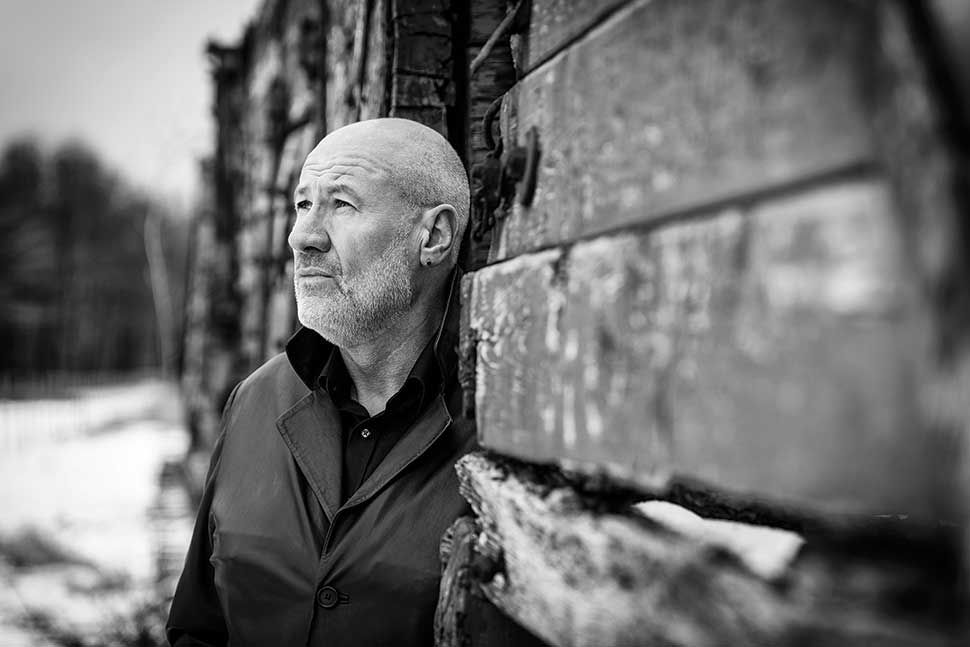
She has 2 bands…this Silent Legacy Band ( that is a Melissa Etheridge Tribute) comprised of Barry Edwards on Guitar, Bradley Heath on Drums, Gavin Paterniti on Bass ( filling in for Jack Pasquale at this show) and also her Ion Sky band that just won Best in the 716 award for the BEST BAND in the 716- for the 3rd year in a row! (Ion Sky was 1 of only 5 talented bands that won, some of which are veteran bands from the 716 – which is amazing! Congrats to the band)
You may have seen her at the Gateway Concert Series over the Summer or at Buffalo Iron Works last month…but now you can see her and her amazing Silent Legacy Band Friday Oct 9th in Clarence!
DO NOT MISS THIS – Tara L. Graves and her band are a class act and pays tribute to Etheridge so well that if you turn your back to the stage, you would swear that you were at an Etheridge concert! Go and check them out – if you have not as of yet !
Taylor Swift is back with her first new music since her extravagant, much-discussed wedding at Madison Square Garden. Before that, her last song was June’s Toy Story 5 tune “I Knew It, I Knew You,” but now she’s prolonging her The Life Of A Showgirl era with an encore version of the album that features four new songs.
Tom Morello has spent decades as one of rock’s greatest guitarists, but instead of leaning on his trademark riffs, his latest solo album pulls together every chapter of a career that stretches from Rage Against The Machine and Audioslave to The Nightwatchman and his recent run of high-profile collabs, with 15-year-old son Roman sharing songwriting credits on five tracks.
It’s a ride with many twists and turns. The title track lumbers in on a bluesy groove, Tom’s weathered baritone recalling Johnny Cash at his most worldweary, while Adjourn It pairs Serj Tankian with the closest thing here to classic Tom Morello riffing. Date Night tears through a World War II resistance story with punk fire, Soldier In The Army Of Love smashes gospel, country and rap together before Tom fires up the fretboard, while Unconquered slams The Prodigy’s electronic pulse into Kneecap’s confrontational flow and Everything Burns, featuring Beartooth, lands one of the album’s biggest hooks.
By the time Tom reaches the Dylan-esque folk of The Last Rung On The Ladder and They Can’t Kill Us All, the album feels almost naked, leaving his convictions to speak for themselves. His politics haven’t softened with age, either. Serj Tankian’s righteous fury, Kneecap’s confrontational energy and Beartooth’s arena-sized punch all strengthen the songs while reinforcing themes of anti-fascism, immigrant rights and solidarity, all delivered through storytelling, punk energy and protest folk rather than sloganeering alone.
Tom’s playing remains unmistakable, yet it’s his versatility that leaves the strongest impression. Every side of his musical identity finds a place here, resulting in an album from an artist refusing to be defined by the instrument that made him famous.
Everyone Gets Everything They Want is out now via Mom & Pop.
Today, FROM ASHES TO NEW — Danny Case (vocals), Matt Brandyberry (vocals), Lance Dowdle (guitar), Maty Madiro (drums), and Jimmy Bennett (guitar) —unleash an emotionally charged and engaging new single entitled Love Me, out now via Better Noise Music. This hard-hitting yet hypnotic anthem sets the stage for the forthcoming Deluxe Edition of their acclaimed […]
By the time Fish’s final album Weltschmerz arrived in September 2020, it had been subject to delays for several years. In late 2018 – when he was still hoping for a release in a few months’ time – he was confident it would achieve what he wanted it to, and compared the experience to writing his final album with Marillion 31 years previously.
Retirement may be part of life, but for those who’ve had four decades’ immersion in an artist’s music and polished lyrics, the thought of a final album comes with an overwhelming sadness. For Fish, that album is the long-touted Weltschmerz, which – if his plans come to fruition – would already released and bookending his catalogue. Indeed, his December 2019 live expedition was billed as a Weltschmerz & Clutching At Straws Tour – the only problem being that Fish and his band hadn’t written a note of the new record.
“Yeah, last year I was really worried about it,” he admits. “There’s been so much that’s happened. My dad died in May 2016; and six months later, I kind of woke up in the garden and went, ‘Where has the last six months gone?’ I also had a lot of health problems and I just couldn’t get my head into writing. I was in a state of perpetual recovery.
“It was really only around February this year that Steve [Vantsis, bassist] and I had that one spark that just set the control room ablaze. Finally, things just started to come together. I mean, this is tagged as my last album. I just want to do what I want to do and it’s like a ‘damn the torpedoes’ kind of vibe. I’m just going to feel the whole thing through. Whatever it demands will be done.”
Certainly, there was a slight but nagging doubt that writer’s block might blight the project. But once a firm direction had been formed, ideas began to speedily morph into tracks. Within six weeks the duo had four songs in demo form, with two of those running to around 15 minutes each. With another two lengthy epics also in development, Fish began to consider a double album. Yet with the original intention for the album to be released by September, that was adding unnecessary pressure to his schedule.
“I realised it would really screw things up – I knew I’d never be get a double written,” he recalls. “Around March, I got a call from Mark Wilkinson, who told me that he had some issues he had to deal with and there was no way he’d get the artwork ready for September. He and I had been talking for the year previously about how we wanted to put together a great packaging layout, similar if not better to A Feast Of Consequences.
“I said, ‘Look, you’ve worked on every project that I’ve ever been involved with since 1982 and there’s no way I’m going into my last album without you.’ So I thought, ‘Fuck it – let’s find the silver in the dark cloud and put the album back to May 2019.’ I could have put my head under a pillow and had a good sob ,but I just thought, ‘Let’s find a way round it. There’s always a solution to everything.’”
For Fish, there’s a need for the lyrics to dictate the album’s flow – or as he calls them, “rock flicks moments” – where he can effectively draft a short story, then translate it onto a musical backdrop. It’s often been a tricky process. His plan was to bring his band to his Haddington home studio and filter ideas through a process of lengthy jams.
That provided difficult: guitarist Robin Boult was on tour with Howard Jones, and keyboardist John Beck “wasn’t answering his phone.” That left the singer to nurture his relationship with Vantsis, leading to the revisiting of a technique that dates back to Marillion’s early days.
“It’s really quite strange – I’ve kind of gone back to writing in the same way we did between 1982 and 1985,” he laughs. “It’s that kind of vibe. We’re taking bits and putting bits together, but they’re the right bits. It’s like Marillion used to trust me. I could say that I thought one bit works well with another bit, or that I needed a section to go from one piece to another. It’s all about letting the drama and the dynamic rule it with a very strong lyric.”
Anyone who’s followed his career, or seen the interviews which accompany the recent reissues of Marillion’s 80s catalogue may spot an irony. He’s been pretty outspoken about the band’s writing technique of piecing together tracks “with sticky tape.” Return to that method appears to be a pretty dramatic turnaround.
“Well yes, but that’s because I came to loathe it,” he says. “Back in the Script… and Fugazi days, I think they trusted me, and there were a lot of ideas around that we could sift through. Clutching At Straws was when we moved into songwriting. When we moved on to the album that was supposed to come after Clutching At Straws, I was getting presented with loads of bits – but they didn’t make sense. It was like having different scenes from different movies and trying to construct a story amongst it, you know?
It’s become a collection of songs, in the third person, about people dealing with the world they live in
Steve trusts me and trusts my vision on the lyrical side in the same way that the guys used to do in the old days. When you listen to the song we’ve just completed, Waverley Steps, there’s definitely a throwback to that period – it reminds me of Fugazi in the way the tempos move. It was like, ‘This is the story; this is what I need to put across, and I need so many bars to go into the next section.’ It really was like making movies for people’s ears. That’s been commanding all the songs.”
The German word “weltschmerz” refers to a sense of world-weariness and ennui; so it’s obvious that the album possesses an overriding sense of darkness. Yet Fish was keen to avoid clichés, and determined that the lyrics would be far removed from the more obvious protest songs delivered over the decades.
“I got the idea for the title over two years ago, when I was watching the news, and also becoming more aware of people’s feelings,” he explains. “There was a lot of sadness and world-weariness. It wasn’t apathy – it was that people were feeling browbeaten. The last thing I wanted to do though was talk about corporations, kings and queens or corrupt governments. That’s been done so many times by other people, right the way back to Queensrÿche in the 80s. I feel that I’m good at observations of people and observations of things happening around me. So it’s become a collection of songs, in the third person, that are all about people dealing with the world they live in.”
(Image credit: Kai Joachim)
At face value, those subject matters may sound impenetrably gloomy. Waverley Steps delves into male suicide, C Song is written from the perspective of someone diagnosed with cancer, and Market Garden discusses dementia. There are also songs about self-harming and refugees. It’s by no means easy listening – but then Fish has always covered similar subjects in a researched and cerebral manner. Marillion’s Punch And Judy and his solo track Family Business covered domestic violence, and the likes of He Knows You Know referenced drug misuse. Yet for all the preconceptions that could be made about this new material, it’s far from being depressing collection.
“The subjects are really, really heavy,” he accepts. “But the approach I’m taking is something like the movie American Beauty. It deals with really dark subject matters, but it’s done in such a beautiful way. I’m not going out there to try and bring people down. There’s a melancholy to it – but it’s a beautiful melancholy. I took a whip to my own back as well, in that I gave myself a challenge to have a reference to a plant or a garden in every song. That’s all to do with being in the garden for six months after my dad died.”
This isn’t getting made for the money.I have to make this something really, really special
The delay in writing the material led to the hatching of another masterplan. His current tour features the premiere of songs from Weltschmerz, with an EP and downloads of selected tracks released simultaneously, included Waverley Steps, Little Man What Now and Man With A Stick.
“I felt that I could really approach this in a completely different way,” he says. “Rather than the old-fashioned fanfare of ‘here’s the album,’ let’s release a bunch of downloads first. On tour we’re playing 40 to 50 minutes of Weltschmerz along with the Clutching At Straws material – which we intended to do the previous year. I was aware that the fans needed to hear it otherwise there will be some very awkward silences.
“So we’ve recorded 30 to 40 minutes of music already, and then in January, February and March 2019, we’ll record the rest of the material, ready for the album release next May. Next year, it’s the 30th anniversary of Vigil In A Wilderness Of Mirrors, which we’ll tour with Weltschmerz at the end of the year. Then in 2020, that will be the farewell tour.”
It’s evident that Fish intends the album to be a career peak, yet he feels free to enjoy the final writing and recording process. He’ll depart the recording studio with an eloquent, musical swagger rather than a nervous whimper.
“I really want to make it special. I’ve got Dave Jackson from Van der Graaf Generator coming to play saxophone on it – that’s going to be a real teenage dream for me. We’ve got string sections; we’re putting real brass onto Waverley Steps. This isn’t getting made for the money. No; I have to make this something really, really special. I want to be a recording that I can be proud of.
“When I left Marillion, Clutching At Straws had been the best album I did with them. It was my favourite album. One of the problems I’ve had is that people always ask what would have happened next. That’s the way I want to leave my solo career: I want to write an album where people are going to ask what would have happened next? Which is always the end to a good film.”
Two years after the release of Call Me What You Want, Hamburg hard rockers Night Laser are back with a new album. With the same lineup as before, the band has had plenty of time to sharpen its identity and tighten the screws on its sound. And it shows. More seasoned as a unit, the four-piece… Continue Reading →
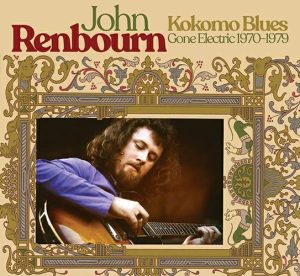
Inexplicably, and unfairly, less celebrated than his colleague Bert Jansch, John Renbourn‘s career was every bit as interesting, and when the famously acoustic guitarist plugged in and increased the rock component in his oeuvre, primarily in the ’70s, things became … Continue reading →
Every week there is a tidal wave of new music released unto the world. Each Friday we’ll round up some of the best new music available, some we’ve reviewed, some we haven’t, but all worth checking out!
Theres a lot of new heavy music hitting the airwaves this week, everything from black metal, death metal, gothic metal, Stoner rock, doom, thrash metal and even some of your traditional heavy metal!
Here’s what we think you should check out today!
ALBUM OF THE WEEK
Post-metal visionaries The Ocean are back with ‘Solaris’ on Pelagic Records. “a statement of resilience, and rather than resisting change, fully embracing it“ Read our full review here.
Swedish sludge/doom outfit Kongh release ‘Dissolved in Time’ via Trust No One Recordings. “crushing, cavernous and quietly magnificent.” Read our full review here.
Underground grindcore royalty Suffering Quota unleash ‘Sisyphean Life’ via Tartarus Records/7 Degrees Records. “a blitzkrieg of molten catharsis” Read our full review here.
Irish death metallers Zealot Cult release ‘Psalms Of Filth’ via Awakening Records. “old school death metal by old school death metal heads” Read our full review here.
Mat MCcNerney’s Scorpion Milk return with ‘Flesh Masks For Skulls’ via Peaceville Records. “A magpie’s scrapbook of a stopgap: inessential, unhurried and an absolute joy “ Read our full review here.
Noctule – the solo project of Svalbard’s Serena Cherry – releases sophomore album ‘Extinguish Thy Flame’. “forty-minutes of ripping melodic black metal” Read our full review here.
Nordic folk metal outfit Gåte release ‘Sigil’ via Season of Mist. “This is classic contemporary meets tradition and the synergy between the two is remarkable.” Read our full review here.
Modern heavy metal ensemble Banks Arcade drop ‘Second Place Superstar’ via Arising Empire. “see hard rock/ heavy metal as merely another arrow in their musical quiver, refusing to be wholly defined by the genre boundaries.” Read our full review here.
Crown Magnetar are bringing brutal back with ‘The Hollowing Of Godflesh’ on Unique Leader. “ranks right up there with the most destructive releases for 2026!” Read our full review here.
One of the worlds greatest rock acts, Europe, release ‘Come This Madness’ via Silver Lining Music. “a band very much on top of their game” Read our full review here.
Bimboviolence flagbearers Brat return with their vicious new album ‘Manslayer‘ on Prosthetic Records. “This feels like a big deal for Brat, an album which has seen them deviate from their original outlook and deliver a brutal yet breathtaking album.” Read our full review here.
Belgian grind/death outfit Barren drop ‘Verderf’ via Selfmadegod Records. “twenty-minutes of a band at the top of their game and blasting for all they’re worth.” Read our full review here.
The Scumdogs Of The Universe, GWAR, celebrate the 20th anniversary of ‘Beyond Hell’ with a deluxe reissue of the album. “giving this record a clean and sharp cutting edge, beside its big and lush sound.” Read our full review here.
Christian metal pioneers Stryper return with a commanding new chapter ‘Throne Of Thorns’ via Frontiers Music. “as cast iron a reaffirmation of Stryper’s place in the contemporary metal scene as could be asked for” Read our full review here.
Godflesh is ready to unleash an even bolder, bleaker series of sounds in ‘Decay’, via Relapse Records.
Rock
7 Miles To Pittsburgh – Beyond Repair (M-Theory Audio) Budgie – Running From My Soul – The MCA Years (1973-1975) (HNE Recordings) Francis Rossi – The Way We Were Vol. 2 (earMUSIC) Little King – Lente Viviente (Independent) Mason – Edge of Destruction (Eonian Records) Mikey Ball & The Company – Keep The Fire Burning (Independent) Paul Laine – The Long Road Back (Frontiers Music SRL) Spiders – Crystal Eyes (Wild Kingdom) Stay For Tomorrow – When Hope’s Gone (independent) Sweat – In Dream (Tee Pee Records) The Bitter Pills – The Bitter Pills (independent)
Heavy Metal
Apocalypse – Last Man Standing (High Roller Records) Bleak House – Tyrant (High Roller Records) Bloodstain – Bloodstain (Threeman Recordings) Cloven Hoof – Never A Prophet In Your Own Land (High Roller Records) Invincia – Echoes From The Past (Escape Music) Mama Doom – Eminent Womb (Argonauta Records) Metalite – Discovery (Perception) Meurtrier – Messe de Fer (Jawbreaker Records) Night Laser – Rats In The Cradle (Steamhammer) Plume – Saferooms & Healing Frequencies (Arising Empire) Raven – Wiped Out [BOXSET] (HNE Recordings) Red Code – Traces of Unease and Discomfort (Episode 1) (Epictronic Records) Sons of Cult – Revenge (Black Night Productions) Volucrine – Chapter V: Renewal (Inverse Records) Wednesday 13 – Un-Alive from Pol’and’Rock 2025 (Napalm Records)
Black Metal
Autumnfall – The Archaic Sins (Ardua Music) Bloodmother – Militant Black Magic (Time To kill Records) Death.Void.Terror. – The The Great Monolith III: Riffs (Sentient Ruin) Draugr – Ahnenfeuer – Ginnungagap Chaos Pt. I (Immortal Frost Productions) Iskald – Curse of the Mind (Dusktone) Nail By Nail – Internal Inferno (War Anthem records) Rorcal – Mahre (Humus Records) Theosophy – Line Before The Event Horizon (Apocalyptic Witchcraft) Überchriist – Dæmonic Apotheosis (Deanwell Global Music) Uburen – Dødsdans i Aske (Dusktone) Windswept – A Sign of The Cloven Hoof (Primitive Reaction)
Death Metal / Death-Doom / Grindcore
Burner – No One Is Coming To Save Us (Church Road Records) Forsaken Eternity – Shades Of Existence (Rottweiler Records) Goatest (A combination of Goatburner and Test) – Goatest (Time To kill Records) Intercorpse – Intercorpse [EP] (Everlasting Spew Records) Lord Gryphus – Summoning the King of Death (Nespithe) Massteron – Second in the Spheres (ATMF) Mindvile – Old Continent (Paragon Records) Sacreligious – Brutality Incarnated (independent) Slaughtercult – Devoured By Perversion (Vicious Instinct Records) Tombstalker – Chaos Monolith (Awakening Records) Wharflurch – Mycodeath and Rebirth in the Outer Clusters (Personal records)
Index – Vis Interiae (Get Better Records) Pain of Truth – Pain of Truth (Daze)
Metalcore
Altarheart – Prone to Wander (Rottweiler Records) coldrain – OPTIMIZE = OPTDEMISE (Century Media Records) Days of Ruin – Age of Ignorance EP (Independent) Lacrimas Profundere – Lay Me Down O Silent Fear (Steamhammer) Sicksense – Funerals EP (Independent)
Progressive Rock / Metal
Confusion Field – Resilience Remains (Independent) Mr. Bison – The Garden of Forgotten Dreams (Heavy Psych Sounds) Ølyp – I(m)MORTAL (Klonosphere Records/Season of Mist) Pure Reason Revolution – Terrifying Angels (InsideOut Music) The Great White Nothing – Live at Motormusic (Independent)
Thrash Metal
Apöcalypse A.D. – Prototype: Zero Hour (Independent) Chemical Storm – Splintered, Crushed And Shattered (Independent) Flame – Ignis Draconis Daemonicus (Primitive Reaction)


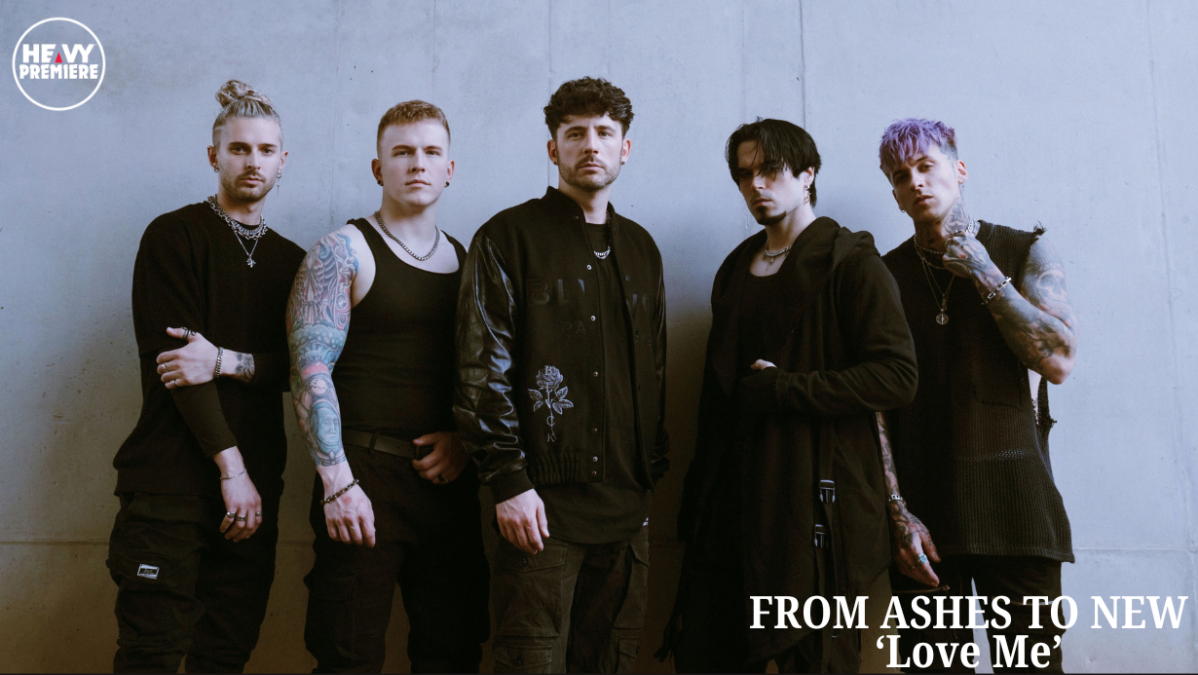 Today, FROM ASHES TO NEW — Danny Case (vocals), Matt Brandyberry (vocals), Lance Dowdle (guitar), Maty Madiro (drums), and Jimmy Bennett (guitar) —unleash an emotionally charged and engaging new single entitled Love Me, out now via Better Noise Music. This hard-hitting yet hypnotic anthem sets the stage for the forthcoming Deluxe Edition of their acclaimed […]