Category: news

  • How Green Lung made 2026’s greatest Victorian horror-inspired occult metal album

    Green Lung vocalist Tom Templar looks up at the blue sky and blazing sun above him, adjusts his sunglasses and sighs.

    “Only we could make an album about graveyards and death and choose to promote it in a cemetery on one of the hottest days of the year,” he says.

    The UK is in the midst of a heatwave, and right now London is roasting in the midday sun. It would be the perfect day to have a barbecue or head to the beach. Instead, we’re standing in Abney Park Cemetery in Stoke Newington, North London in the scorching heat, while Green Lung – Tom plus guitarist Scott Black, bassist Joe Ghast, drummer Matt Wiseman and organist John Wright – bake in their black jeans and denim and leather jackets.
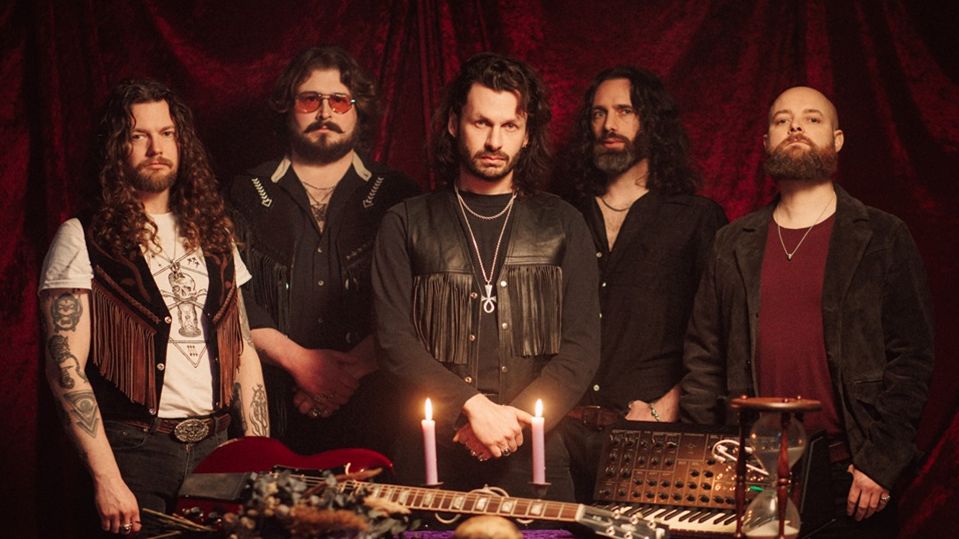
    Green Lung press image 2026

    Green Lung (left to right): Scott Black, Joseph Ghast, Tom Templar, John Wright, Matt Wiseman (Image credit: Andy Ford)

    There’s a reason for such masochism. The UK’s most significant doom metal success story are about to release their ambitious fourth album, Necropolitan. Tom calls it
    “a love letter to London”, the city that’s nurtured and inspired them since their days as a bunch of unsigned hopefuls playing Sabbath-inspired riffs in tiny rooms above pubs.

    “We headlined Desertfest two months ago and it was
    such a symbolic thing,” Tom explains. “You think, ‘That
    was the dream 10 years ago.’ Once you’ve done the dream,
    it’s natural to want to send back some love to the people
    that were around us early on. That’s why we felt like we needed to do this album.”

    But Necropolitan is far more than just a bunch of songs about getting drunk in Camden boozers and playing open mic nights in Shoreditch. Instead, Green Lung have dived into the capital’s more esoteric history. It uses the ‘Magnificent Seven’ – a group of seven grand Victorian garden cemeteries that are scattered around the city, from Highgate in the north to West Norwood in the south, and includes our current location of Abney Park – as inspiration for a concept that explores the city’s occult underground and the cemeteries’ symbolism as monuments to our own mortality, as well as acting as an allegorical critique of the changing face of London.

    Necropolitan plots the journey between London’s seven cemeteries, telling stories both real and fictional of the
    city’s dark and occult history, told from the perspectives of everyone from a condemned man on his way to the Tyburn gallows to a group leading a paranormal investigation.
    The band have agreed to act as guides for a tour that takes
    in some of the real-life places that have inspired the album, starting here in Abney Park.

    “I don’t think we could have done this album before,” says Tom. “We were outsiders, but now we’ve been here long enough that London is part of us.”
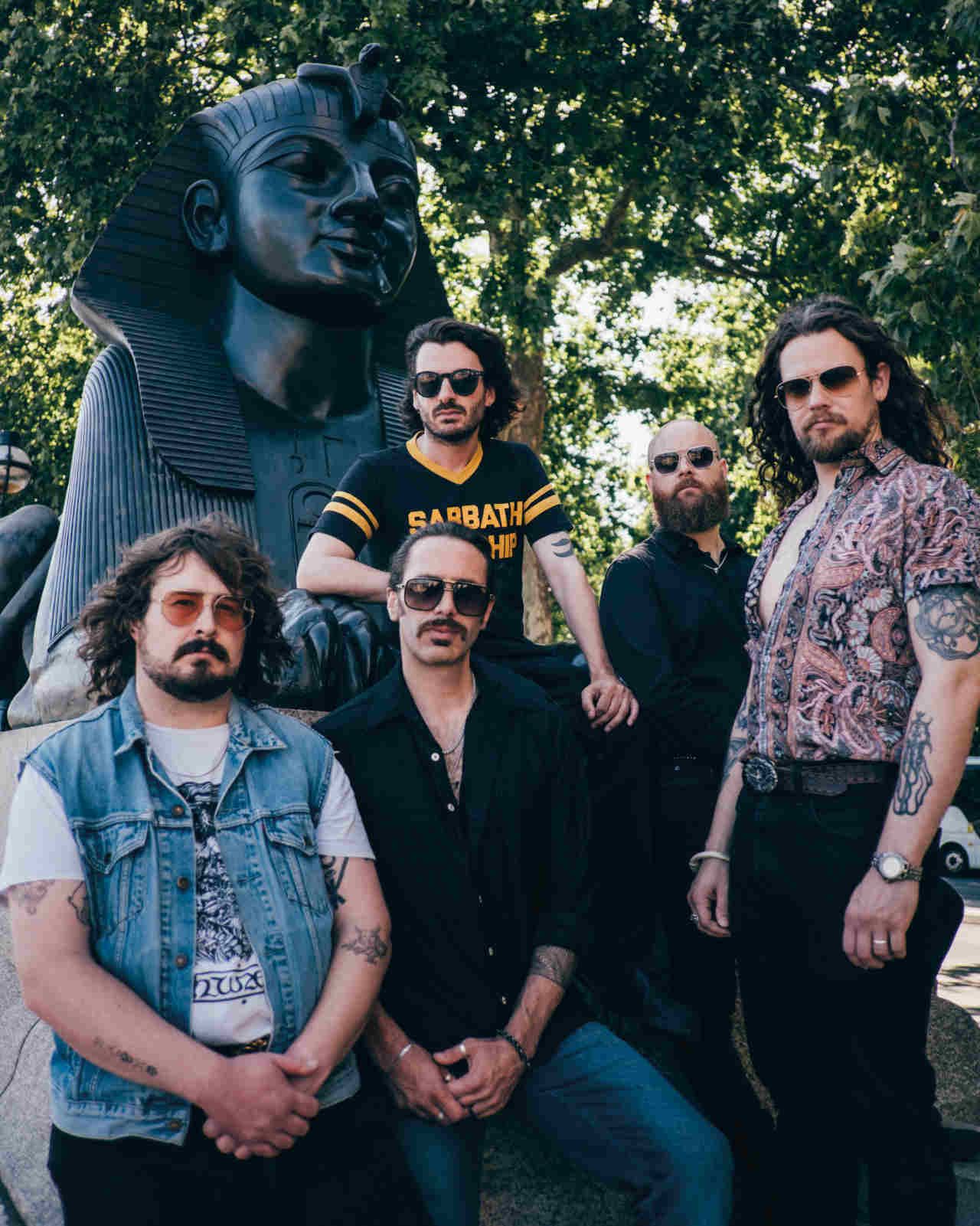
    Green Lung posing for a photograph in 2026

    Green Lung in Abney Park Cemetery, North London (Image credit: Derek Bremner)

    Abney Park was established in 1840, the result of London’s existing burial grounds being unable to keep up with the city’s growing population – and its dead. The cemetery is the last resting place of Isaac Watts, the non-conformist theologian and hymn writer who has a statue here in the grounds. His association with Abney Park led to the grounds becoming renowned as the place to bury dissenters and non-church goers.

    It’s something Green Lung feel an affinity with. Formed in 2017, they spent the first half of their career out of step with rock’s current musical zeitgeist – there was little place for a psychedelic-edged doom band who wrote songs about pagan rites and medieval witches. That changed with their ambitious third album, 2023’s This Heathen Land, a record that added massive hooks without diluting Green Lung’s unique vision and pushed them closer to mainstream recognition. Today, they’re trying to balance their original approach with what’s expected from a band in 2026.

    “It’s definitely interesting,” Tom says as we walk the quiet paths of Abney Park, protected from the sun by the shade of the trees and surrounded by some beautiful monuments. “We come from an underground doom metal scene, and although we’ve begun to traverse those spaces, we’ve really tried to ring-fence what we’re doing within the industry. I hate doing video content, I don’t want to ruin the mystery of us as a band, that’s kind of anathema to us, but it’s so commonplace now to establish your ‘brand’.”

    Green Lung could have taken the easy route with Necropolitan and gone down an even more commercial path. Instead, they’ve made a record that dials up the riffs and throws in some classic organ playing that evokes such old masters as Deep Purple and Atomic Rooster.

    “The writing was certainly more riff focused this time,” says Tom. “We toured more than ever on the last album and we wanted something that captured that raw, live sound.
    It always starts with the music, and the heaviness of the material I was getting from Scott made me think of gothic London, of the seven cemeteries. If he had come to me with
    a load of folky stuff it might have been different.”

    Necropolitan is more than just a set of songs, though. Green Lung have really leaned into the idea of London – specifically the strangeness that lurks just beneath its surface.

    “I first had the idea for this when I was writing a really
    bad novel when I was about 21,” says Tom. “It featured the seven cemeteries and was this kind of Dan Brown-style occult conspiracy: what if they had been built for
    a secret reason by a Victorian architect who had some sort of ritual in mind, but then they got abandoned? When
    it came to album four, and we realised people liked our world-building stuff, it was time to bring the idea back.”

    Green Lung have really leaned into the world-building thing on Necropolitan. The album comes with all manner of maps, illustrations and booklets brimming with dense lore and background.

    “There was the map on This Heathen Land, which made the whole album feel much more immersive,” says Tom of the band’s breakthrough album. “When people responded to that positively, I thought, ‘Great! I get to do more of that now!’ You get to do more story – I always felt like I needed to get us to a certain level to really do that properly.”
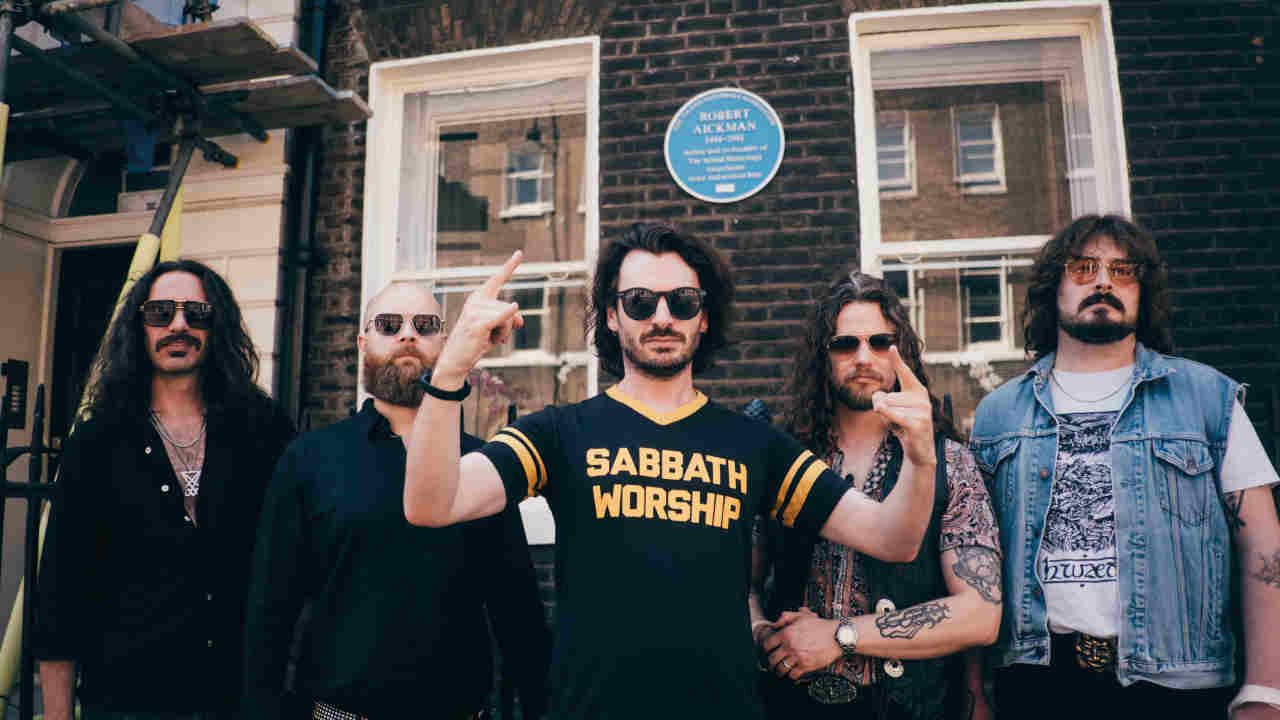
    Green Lung posing for a photograph in 2026

    (Image credit: Derek Bremner)

    As we continue to wander the paths of Abney Park and attempt to evade the sun, talk turns to Green Lung’s slow but steady rise. Despite the burst of success that came with This Heathen Land, the band are adamant they’ll always be connected to their underground roots. Tom says the fact that they were largely ignored by the music industry during the early part of their career meant that they were able to shape Green Lung into its perfect form without any outside interference.

    “We were never a band that was going to go onstage in
    a small pub dressed up or with a gimmick and be totally confident,” he says. “We’ve been on indie labels and we’ve had this dialogue with our audience where we’ve kind of grown together, meaning we now feel confident as artists to create this concept album. No matter how big we get, that DIY mindset will always be really important to us.”

    That sense of self-sufficiency mirrors what happened here in Abney Park. After the company that owned the cemetery went bankrupt in 1970, it became overgrown and derelict.
    It took the local council and some enthusiastic volunteers to restore it to its former glory.

    “It’s the perfect metaphor for what we’re trying to say on this album,” says Tom. “We’re in an era where billionaires and tech moguls are trying to buy up this city and make it exclusively accessible for the super-rich. But this is proof
    that this has all been done before. This was privately owned land made purely for the elites, and it just crumbled. Like always, it took the weirdos and the creatives to restore it, not the super-wealthy.”

    None of the members of Green Lung were actually born in London, instead moving to the capital from various rural parts of the UK, eventually meeting and bonding over their shared loves of heavy metal, old horror movies and the occult. It is, they say, the perfect place to find like-minded artists, even if that’s in danger of being crushed by capitalism and gentrification.

    “You can’t afford to live here and it’s something that
    needs to be addressed,” says Scott. “You don’t want
    a situation where only massive multinational corporations can afford anything. I worry that’s where we’re heading
    – a cultural desert full of luxury high rises sold to private investment firms.”
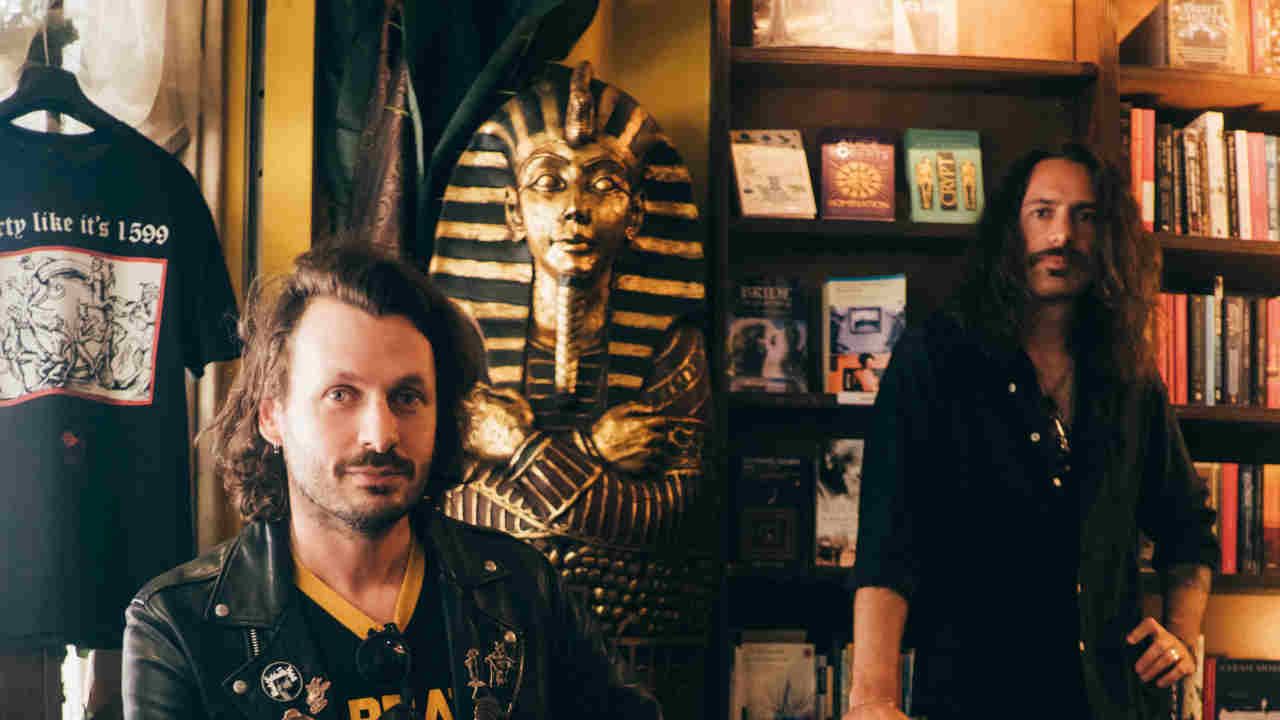
    Green Lung posing for a photograph in 2026

    Green Lung inside occult bookshop Treadwells (Image credit: Derek Bremner)

    Our time at Abney Park is finished, so we hop in
    Ubers to another location that provided inspiration for Necropolitan. Founded in 2003, Treadwell’s Bookshop in Bloomsbury is home to all manner of tomes on magic and occultism. They sell actual crystal balls and they even have an Egyptian sarcophagus named Stanley.

    “I’ve bought so many books from here that have inspired Green Lung lyrics,” Tom tells us. “It’s great to be able to
    give something back. We’ve put it on the map in the album artwork, which is just a nice thing to do.”

    Tom is clearly the driving force behind the lore and lyrics of the band, but everyone in Green Lung has their own specialist elements they bring to the table. Bassist Joe, for example, is something of a history buff.

    “That’s my thing, for sure,” he nods. “I feel like I’m there to lean on for context for some of those historical characters, and due to being in the band and collaborating I’ve certainly become more interested in the occult.”

    Joe has recently become a father, something that has understandably curtailed his reading time. Tom, on the other hand, tells us that, like a doom metal Chris Finch from The Office, he reads a book a week.

    “I love coming here and just finding something new,” he tells us as he thumbs through the shelves in Treadwell’s. “The other guys are definitely interested in it, but I don’t push it on them. We’re not having a Green Lung book club.”

    His obsession with the esoteric and the occult came from growing up in a remote part of England.

    “You live in the countryside and there isn’t much going on,” he says. “So you start to develop these interests that quickly become obsessions and then you move here and you get to see them for yourself.”

    Leaving the store, our next stop is The Angel pub in
    St. Giles Street, near Charing Cross Road. A classic London boozer, its first historical record dates all the way to 1546. With our step count rising, it seems only right that we stop off for a pint and rest our weary legs, but this is also a pub that has some significance to Necropolitan. The album’s final track, To The Gallows Born, tells the tale
    of a man taking his last steps before being executed, and is something that happened here in real life.

    “This used to be the final stop-off for the condemned
    who were being taken to the gallows round the corner,” explains Tom as we settle down in the pub garden with
    a round of much-needed cold lagers. “They’d allow them to stop here and have their last drink at the pub before taking them off and hanging them.”

    Pints downed and feeling refreshed and refuelled,
    we make our way toward the final destination on our whistlestop tour of Green Lung’s London: Cleopatra’s Needle, the towering monument that overlooks the Thames on London’s Southbank.
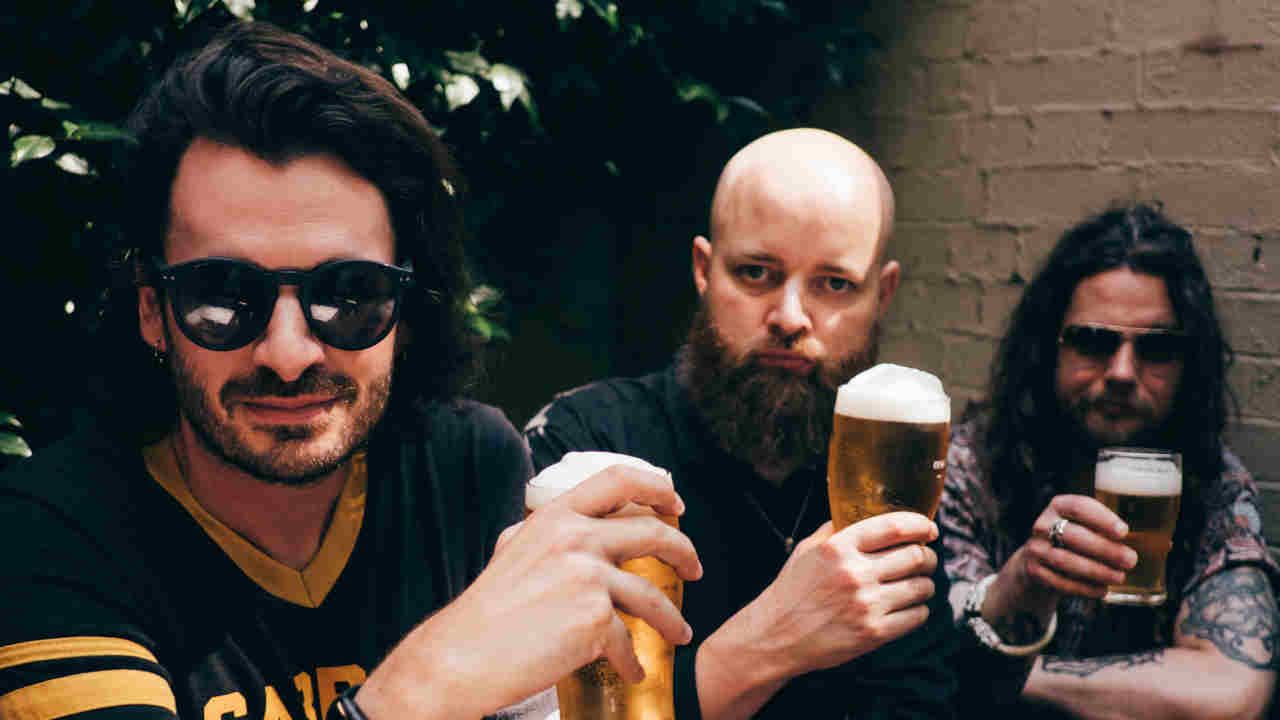
    Green Lung posing for a photograph in 2026

    (Image credit: Derek Bremner)

    Given to Britain as a gift from Egyptian ruler Muhammad Ali in 1819 to commemorate the Battle of the Nile and the Battle of Alexandria, the excavated obelisk, thought to have been built around 1500 BC, was eventually transported to Britain and erected here in 1877. It looks breathtaking towering above us with the clear blue sky framing it, a pair
    of majestic sphinxes flanking its base.

    “Did you know they actually lost it at sea when they were bringing it over, and they had to send another boat out to rescue it?” Tom tells us, nodding up at the Needle as we say our goodbyes. “I think that’s why I like it; it’s this old, ancient thing that was dug up from underground, came to London, was polished up and put on display, and now people marvel
    at it. A bit like our band, I guess.”

    He’s not wrong. If they carry on making albums as fine as Necropolitan, Green Lung could end up being every bit as definitive a part of this city as the places that make them such proud and protective Londoners.

  • Canadian lyricist and Rush collaborator Pye Dubois dead at 77

    Pye Dubois, the Canadian lyricist and poet most famous for his work with Rush and Max Webster, and later with Max Webster frontman Kim Mitchell, has died at the age of 77.

    The news was broken in an obituary published by the Smith Funeral Home and Family Centre in Sarnia, Ontario. “Pye was a true Canadian Icon,” the notice read. “A gifted writer, artist, lyricist, and poet, he was inducted into the Canadian Songwriters Hall of Fame in 2021.”

    “It’s been an unbelievably tragic year for Max Webster founder Kim Mitchell and all those who knew that band personally,” Rush wrote on social media. “In late February, Max keyboardist Terry Watkinson passed away, and now, a mere seven days after the death of drummer Gary McCracken, news has reached us that Max Webster lyricist Pye Dubois has suddenly left the planet.

    “For those who aren’t aware, over a span of 20 years, Pye and Neil collaborated on the lyrics for four Rush songs: Tom Sawyer, Force 10, Between Sun And Moon, and Test For Echo. We send our most heartfelt sympathies to the bandmates, friends and families of those three stellar musicians. RIP boys.”

    Dubois, born Paul Woods, was raised in Sarnia and joined childhood friend Kim Mitchell as a lyric-writing, honorary member of the fledgling Max Webster in 1972. Airing their skewed hard rock and prog on the local bar circuit, the band soon hit on their classic line-up, which comprised Mitchell and Dubois alongside keyboard player Terry Watkinson, drummer Gary McCracken and bassist Mike Tilka (later replaced by Dave Myles).

    “Our lyrics were rarely stories,” Mitchell told Classic Rock. “Pye would just jam with the English language in this amazing way, painting pictures. I said to him one time: ‘Pye, where are you getting all this stuff?’ He said: ‘You just have to listen really well. People are saying these things.’ I was like: ‘They are? Really?'”

    Mitchell contributed lyrics to all five Max Webster albums, from their self-titled 1976 debut to 1980’s Universal Juveniles, which featured Rush on the Mitchell/Dubois-written epic Battle Scar. At the recording studio, Dubois asked Rush if they might be interested in using some of his words, and the lyric he presented them with, titled Louis The Lawyer, was later reworked for Tom Sawyer, the much-celebrated opening track on Moving Pictures.

    “His original lyrics were kind of a portrait of a modern-day rebel, a free-spirited individualist striding through the world wide-eyed and purposeful,” wrote Peart, in Rush’s Backstage Club newsletter. “I added the themes of reconciling the boy and man in myself, and the difference between what people are and what others perceive them to be – namely me, I guess.”

    After Max Webster broke up in 1981, Dubois continued working with Mitchell and co-wrote three of his first four solo albums, but the pair stopped working together after falling out during Max Webster’s reunion tour in 1995.

    In 2021, Mitchell and Dubois were inducted into The Canadian Songwriter’s Hall Of Fame, but Mitchell attended the small, COVID-postponed ceremony alone. “They told me Pye was invited, but he didn’t show,” Mitchell told Classic Rock. “In fact, he didn’t even respond. I haven’t seen him since the reunion tour.”

    “Rest in peace, lyricist/friend/writing partner Pye Dubois,” he wrote on social media as the news of his former bandmate’s death broke. “You sure knew how to jam with the English language!”

  • KAT WILDER Drops New Single ‘Rise Up’

    After saying To Hell With You, taking off down Satan’s Highway, and Running Wild, Melbourne metal vocalist Kat Wilder returns with Rise Up, the title track to her forthcoming album. “Rise Up is about about rebuilding yourself after someone has tried to destroy you,” Kat says, “it’s about remembering who you are after the chaos […]

  • Review EUROPE “Come This Madness”

    Europe have proven time and again that they are much more than just “The Final Countdown.” Before their commercial breakthrough, the band had already released two strong albums, and since their reunion in 2003, they have continued to put out records that show just how much creative ground they can cover. Still, it has been… Continue Reading →
  • Bleach on reuniting, their new album, and if they identify as a Christian band

    Bleach on reuniting, their new album, and if they identify as a Christian band was originally published on HM Magazine by Nao Glover.

    Cullen and Mason chat with Milam Byers and Sam Barnhart about Bleach’s comeback as a band, their legacy and new album, and the reflections on being a Christian band.  Check out Bleach, become a supporter of this podcast and listen on Apple Podcasts, Spotify, and Spreaker. You can also follow us on Instagram and subscribe on YouTube.

    Bleach on reuniting, their new album, and if they identify as a Christian band was originally published on HM Magazine by Nao Glover.

  • ARIA AWARDS Celebrate 40 Years Of Australian Music

    The 40th anniversary of the ARIA Awards is set to be a night to remember, as the 2026 ARIA Awards in partnership with Spotify brings together a group of nominees that celebrate artists across four decades in Australian music alongside today’s biggest stars and the most exciting faces of the future. Leading the field are […]
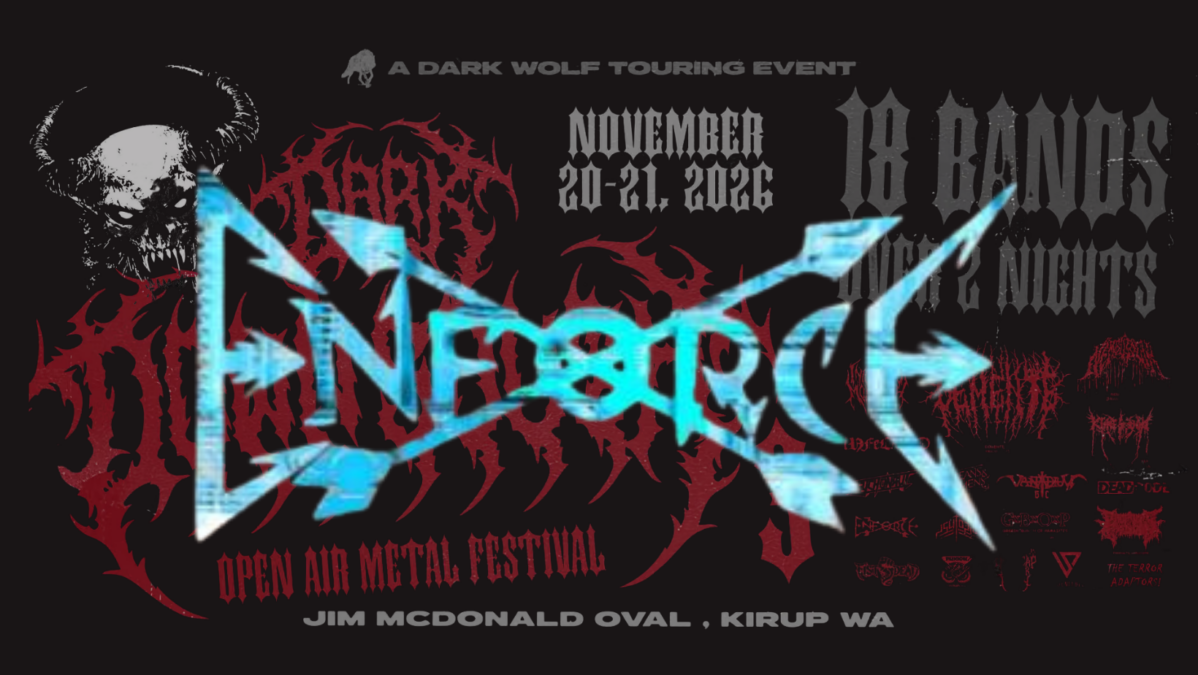
  • Getting To Know The Bands Playing DARK DOWN SOUTH III: ENFORCE

    Get ready to unleash the fury as Dark Down South III returns to Kirup this November 21 and 22, bringing two days of relentless metal mayhem to Western Australia’s South West. From Friday through Saturday, Jim McDonald Oval will once again transform into a haven for metalheads, showcasing a lineup that cuts across the full […]

  • WARGASM Drop New Single ‘Swallow’

    The explosive electronic-metalcore duo WARGASM have released their latest single. From the creators of spit comes Swallow – a song posed to make you drink, fuck, fight, and love all in the space of 3 minutes and 2 seconds. Born in a dive bar destined for mainstream radio. Soon to be wargasms most played song, […]
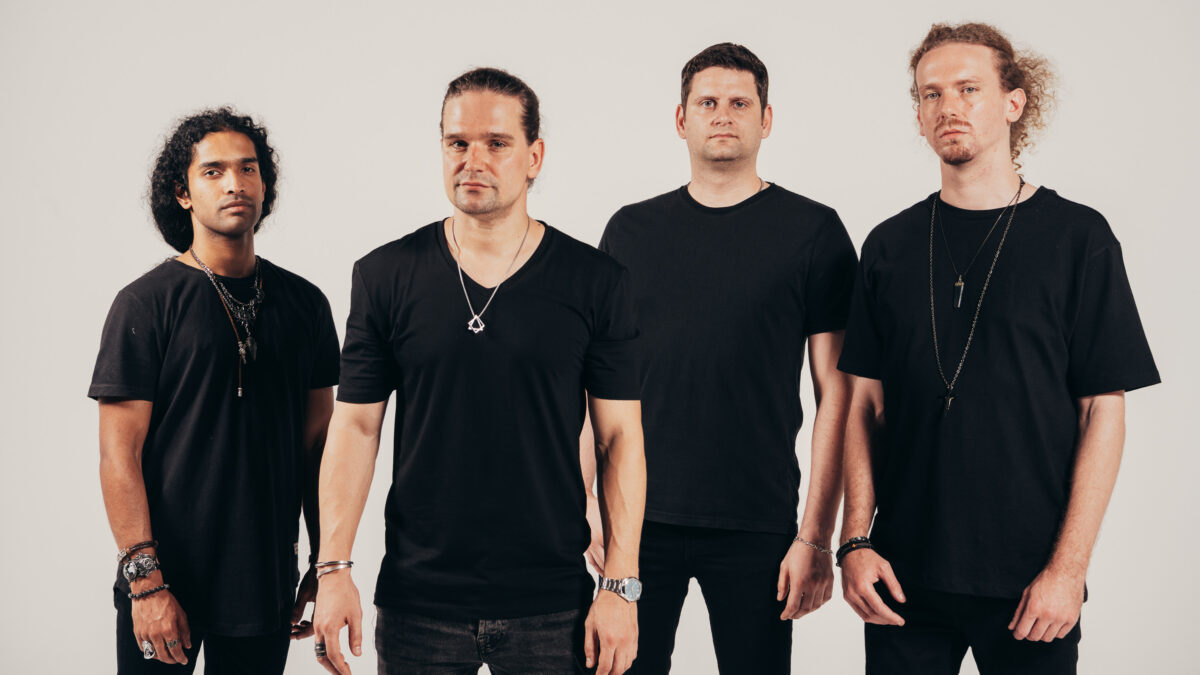
  • BESOMORA Deliver New EP DEVOTION TO THE FEAR

    Sydney melodic death metal outfit Besomora return with their second EP, Devotion to the Fear, a powerful five-track release that sees the band pushing their melodic death metal foundations into heavier, darker and more modern territory. Exploring themes of fear, anxiety, inner conflict and resilience, the EP combines crushing 9-string guitar work, aggressive low-tuned riffs […]
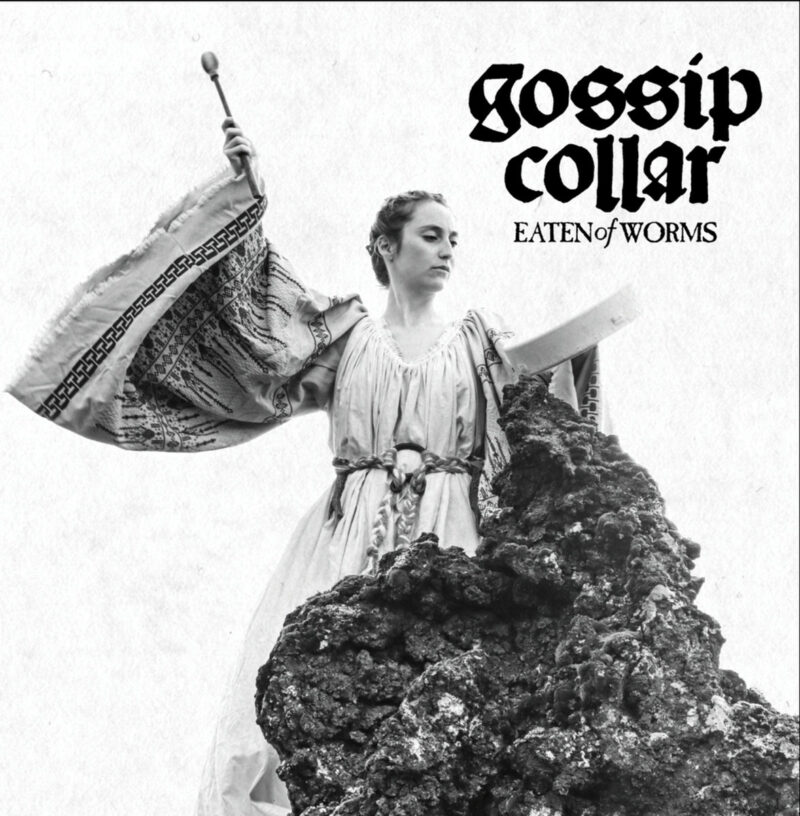
  • Boston’s GOSSIP COLLAR Explore Faith, Fear, and the Frailty of Flesh on Gothic Post-Punk LP “Eaten of Worms”

    His curved neck bent right back to see the swan

    Dreading the four steps up and over to where we ran

    I reached the viewing point and I sit here watching and waiting

    But then sometimes life’s unkind

    Boston’s GOSSIP COLLAR makes post-punk as though somebody locked Ladytron in an abandoned theater with a deathrock band, a stack of Killing Joke records, several reels of damaged fairy-tale film, and instructions that nobody gets out until dawn. Somewhere behind the electronic throb and serrated guitar on their latest offering, the EATEN OF WORMS LP, there is also the emotional breadth of the Chameleons, a little Breeders crookedness, and that marvelous early-goth conviction on bass guitar.

    The band began with best friends playing and dancing in a dark Boston basement at the tail end of the pandemic, drawing together members of The Showcase Showdown, Spitzz, and Secret Hearts. They describe this incarnation as their “dark punk chapter,” which sounds about right, though “chapter” seems almost too civilized for music filled with drowning sailors, torn bodies, predatory birds, collapsing circuses, religious dread, and people standing beside freezing seas wondering precisely when existence developed such a personal vendetta.

    There are obvious ancestral spirits here: Xmal Deutschland, Parálisis Permanente, early Siouxsie and the Banshees, the strange congregation that gathered around the London Batcave when punk discovered it could wear theatrical makeup without surrendering its teeth. They sound less interested in reconstructing 1982 than in asking what happens when those old poisons get poured into present-day arteries. Their live pedigree adds another clue. GOSSIP COLLAR have shared stages with The March Violets, Pink Turns Blue, Rendez-Vous, Haunt Me, House of Harm, Fotocrime, and Sympathy Flowers, placing them comfortably among bands for whom darkness still needs rhythm, muscle, and enough propulsion to keep bodies moving even while the songs are busy describing spiritual ruin.

    Throughout the songs on EATEN OF WORMS, nature rarely provides comfort. Seas threaten to swallow people, birds wait for flesh, wolves pursue deer, plants cut skin, rain destroys, and the night contains forces that clearly have not received the memo about personal boundaries. GOSSIP COLLAR’s apocalyptic fairy tale grows out of this collision between childhood imagery and adult terror, where forests, animals, oceans, and old religious symbols have all turned slightly hostile. Edgar Froese once said, “There is no death, there is just a change of our cosmic address.” GOSSIP COLLAR sound perfectly capable of furnishing the house he moved into.

    Disguise My Heart opens with a saxophone-like drone, its low complaint quickly overtaken by a deep, quick-moving bassline and drums that strike with the urgent physical force of Joy Division’s Love Will Tear Us Apart. The guitars pick out a cold, melodic figure before heavier layers gather around it, giving the song a density that makes the vocal seem to travel from somewhere beyond the instruments. Witchy and windblown, the voice calls through the mix with a banshee’s sense of occasion, stretching the distance between the rhythm section’s forward charge and the solitary figure waiting beside the Northern Sea. Freezing water, aching eyes, and blood threatening to turn cold give emotional injury a bodily presence; the guitars seem to press against the skin as insistently as the memories. Even as the drums push onward, the song remains fixed on that desolate stretch of coastline. Heartbreak becomes architectural here: eventually you stop carrying it around and simply move into it.

    Scavengers follows with a sheet of cold guitar and an insistent bass throb, burying an unusually inviting melody several layers into the disturbance. When the arrangement briefly catches its breath, the bass leads the voice into view, exposing the sharp, declamatory cadence beneath its witchy inflections. There is an anarcho-punk edge to the delivery, a sense that these words are being hurled across a room even as the guitars make that room feel enormous. That force suits a song whose speaker lies broken, bleeding, and apparently available to whatever happens to be circling overhead. The hook keeps drawing the ear back through the commotion while memories collect like personal debris beside the body. Death may happen quickly, destruction takes its time, and the promise of resurrection supplies a final complication. Apparently even carrion birds are going to have to wait their turn.

    A brief arc of distortion introduces Big Top Comes Crashing Down, followed by a jagged guitar figure that rings with the blunt insistence of a tolling bell. Once the drums and bass hit, the riff acquires a crooked melodic momentum, turning its initial severity into something almost indecently catchy. Above it, the vocal echoes with a thunderous breadth, making the performance feel much larger than the cramped emotional circumstances it describes. White greasepaint goes on, the smile gets rehearsed again, and another day disappears beneath the effort of remaining presentable. That circling guitar figure becomes an apt accompaniment to the work of doing it all again tomorrow. The image of someone maintaining the same expression for ten years on Exmouth Street carries the ugly comedy of a photograph that has outlived everybody’s patience. Keep smiling hard enough and sooner or later your face becomes part of the prison.

    Haerisis gives the bass room to announce itself, opening with a thick, deliberate strut locked to the drumbeat. Sustained guitar tones spread above that steady march, and the clearer placement of the vocal lets its chanting insistence register more directly. The arrangement has a substantial physical weight, with dense guitar chords and more melodic lines carrying on around a groove that remains easy to follow through all the theological panic. Blood, broken bones, forbidden chalices, frozen streams, wolves, and deer crowd the lyrics, turning belief into a landscape where almost everything can injure you. The sustained tones lend those images a sense of scale, while the rhythm section keeps their violence close enough to feel. There is something particularly effective about the orderly tread beneath all this religious dread: the song advances with the certainty of a procession whose destination nobody has thought to question.

    On Dead Thing, a heavy wash of guitar gives way to the splash and momentum of the drums, with the opening density settling into a firm support for the melody. Another weighty riff sweeps through the arrangement, while a persistent guitar drone keeps pressure on the spaces between its movements. The vocal sounds cavernous, its thunderous resonance making each phrase seem to return from the far end of a large, inhospitable room. Those overlapping guitar textures give the song’s fascination with self-destruction considerable force. Lions are led by their manes, weapons are made, and human ingenuity eventually discovers the convenience of turning its own inventions inward. Scars become evidence and shame becomes inheritance, yet the drums maintain enough movement to make the plea for dancing feel entirely plausible. Tenderness enters through the side door wearing funeral clothes, and the rhythm section has already made room for it.

    Why Me? begins with eerie chimes and a low drone, suggesting an old piano being played somewhere beyond the inhabited rooms of a house. A thick bass figure gradually establishes the song’s tension, recalling the stalking movement of the Cure’s A Forest with considerably more weight behind each step. The vocal holds its heat close, sounding troubled and intimate against the spacious opening. Around the halfway point, heavier guitars enter and the arrangement settles into a cold gothic-rock groove, increasing the pressure while keeping its movements controlled. That restraint gives the lyrics’ grotesque physical imagery additional bite. Red lips, internal screaming, and organs hanging from trees turn desire into a form of captivity, while the bass continues its patient inspection. The fascination directed toward the speaker feels increasingly forensic, as though somebody has been pinned beneath a collector’s glass and asked to appreciate the compliment.

    The uneasy string-like tones and warbles that open Peaceful in Daylight make its title seem optimistic well before the kick drum lands. Arcs of cold guitar stretch across the entrance, then the full beat pushes the song into motion, carrying heavy riffs and a vocal whose witchy bite grows sharper against the instrumental weight. Seaweed, dense smoke, cutting thorns, broken walls, injured skin, and abandoned nests accumulate in the lyrics, filling the song with evidence that something has gone badly wrong. The arrangement gives that damaged environment a restless physical life; every forward push seems to uncover another unpleasant detail. An old-school rock guitar solo adds a flash of theatrical excess, briefly letting the instrument take over the voice’s fevered work. Daylight may make this place easier to inspect, but there is very little in the music to suggest that inspection will bring reassurance.

    Spelling Misery initially gives its guitar melody a clear view of the room. The figure rises and falls over a solid rhythm section, its easy memorability providing a point of reference before heavier guitars and dark vocals crowd into the arrangement. Further melodic details appear as the song progresses, with a recurring gothic-rock guitar phrase adding small complications to the surrounding force. Those returns keep the ear attached to the song even as its family portrait becomes increasingly difficult to look at. Anger lives in the blood, a father kills the fatted calf in nervous rage, and memory falters under the effort of naming what has happened. Biblical promises of shelter follow: arrows will fail, feathers will cover the vulnerable body, and fear might be held outside for another night. The returning guitar figure offers a little steadiness amid those appeals, though the heavier passages make the promised protection feel precarious.

    Unsafe State opens with a buzzing synthesizer pulse and cold electronic tones, briefly suggesting a turn toward synthwave before the melodic resonance of the post-punk guitars establishes its place on the record. The vocal sits more clearly in the mix, and its somber delivery makes the song’s vulnerability unusually exposed. Where other tracks enlarge their distress through dense guitars and cavernous echoes, this one allows the words to feel nearer, with the electronic repetition giving them an uneasy regularity. Eyes lose their rhythm, time becomes a dark tunnel, and the speaker digs until their nails hurt while dead souls call from somewhere nearby. The guitar melody carries that distress with a fragile clarity, giving the song an emotional directness that makes its domestic setting especially troubling. Home is supposed to provide some distance from danger; here, danger has apparently obtained a key.

    The closing Merchants of the Wave begins with a bassline that shifts up and down, setting a rolling motion beneath a classic post-punk guitar figure. Broader gothic-rock arcs develop around that melody, while the ghostly vocal seems suspended above the rhythm section’s steady movement. The arrangement gives the record’s returning ocean imagery a physical shape: friends venture onto dangerous seas, boats pitch, beds shake with frantic dreams, and tears become indistinguishable from salt water. The bass keeps the song moving beneath those anxious visions, its rises and falls suggesting the uncertain footing of people trying to remain upright. Prayer repeats because repetition may be the only available defense against forces too large to negotiate with. The sea that opened the album as a place of private emotional exposure becomes a shared source of fear here, carrying the possibility that somebody loved might disappear beyond reach.

    GOSSIP COLLAR keeps returning to bodies under pressure: freezing, bleeding, scratched, exposed, dissected, exhausted, threatened with consumption or drowning. Yet these bodies persist. They dance. They pray. They disguise themselves. They paint their faces. They get abandoned to scavengers and announce plans to rise anyway.

    Musically, that stubbornness comes through in the combination of deathrock abrasion and electronic precision. Imagine Ladytron discovering a box of Killing Joke singles beneath the floorboards, then recruiting the Chameleons to widen the horizon while somebody from the Breeders quietly rearranges the furniture. Beneath all the gothic architecture runs punk’s ancient belief that anxiety becomes considerably more useful once somebody gives it a bassline.

    That may be why GOSSIP COLLAR’s particular apocalypse remains so inviting. Civilization has collapsed, the circus tent is falling, the sea wants your body, God may or may not be answering correspondence, and several animals appear to have questionable intentions. Fine. There is still a song playing downstairs.

    Might as well dance before the scavengers get here.

    Listen to EATEN OF WORMS below and order the album, out now via Bat-Cave Productions, here.

    Follow GOSSIP COLLAR:

    GOSSIP COLLAR — EATEN OF WORMS album artwork

    The post Boston’s GOSSIP COLLAR Explore Faith, Fear, and the Frailty of Flesh on Gothic Post-Punk LP “Eaten of Worms” appeared first on Post-Punk.com.