FOR IMMEDIATE RELEASE
ASHES REIGN SLOW IT DOWN WITH NEW SINGLE “START OF THE END”
Charlottesville Metal Act Unveils a More Melodic and Emotionally Charged Side Ahead of Debut Album Awakening
Charlottesville, Virginia | Rising metal act Ashes Reign have released their latest single, “Start of the End,” offering a slower, more introspective counterpart to the crushing aggression showcased on the band’s previously released title track from their upcoming debut album, Awakening , due October 1.
Known for combining soaring melodies with crushing riffs, Ashes Reign take a different approach on “Start of the End,” allowing the song to build gradually through extended guitar solos, layered vocals, and a melodic progression that gives its emotional weight room to breathe.
While the band’s title track delivered an immediate introduction to their heavier side, “Start of the End” explores the uncertainty that can exist beneath moments of happiness, capturing the fear of losing something meaningful even when everything seems to be going right.
Frontman Vinny Carrion explains:
“This song is anchored in the area between happiness and sadness within our relationships, but ultimately hopeful. Caught in the weight of those intrusive thoughts where we wonder if our current happiness that we have worked so hard to obtain will come to an abrupt end.”
That tension between contentment and doubt serves as the emotional foundation of “Start of the End,” giving Ashes Reign an opportunity to showcase another dimension of their songwriting ahead of the full Awakening release.
The single also marks a visual departure for the band. Rather than working with their usual illustrator, bassist Ryan Neurauter stepped behind the artwork for “Start of the End,” creating the cover himself and adding another personal element to the release.
“Start of the End” was mixed by Chris Dawson and mastered by Mike Kalajian and is available now across all major digital platforms.
Listen to “Start of the End” here:
https://hypeddit.com/ashesreign/startoftheend
Ashes Reign’s debut full-length album, Awakening , arrives October 1, 2026 .
For fans of: Melodic Metal, Modern Metal, Heavy Metal
Follow Ashes Reign
https://www.facebook.com/ashesreignband
https://www.instagram.com/ashesreignband/
https://www.ashesreign.com/
Contact: ashesreignband@gmail.com
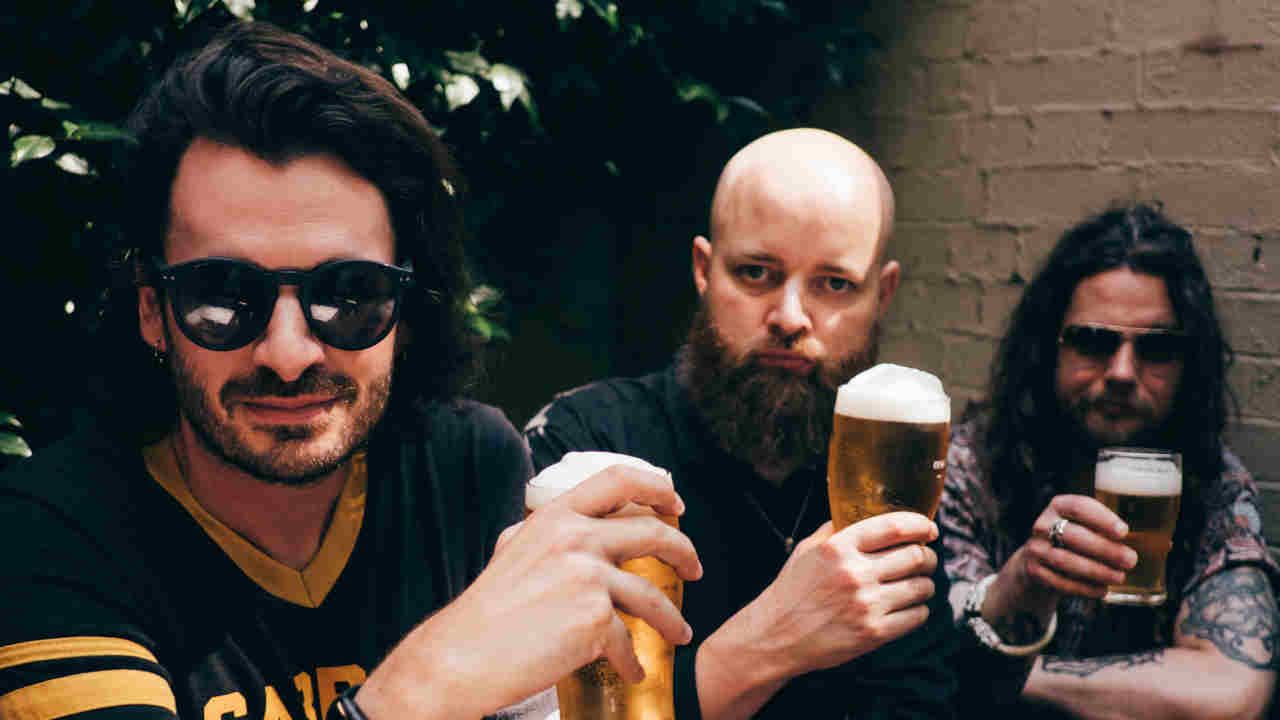
Green Lung vocalist Tom Templar looks up at the blue sky and blazing sun above him, adjusts his sunglasses and sighs.
“Only we could make an album about graveyards and death and choose to promote it in a cemetery on one of the hottest days of the year,” he says.
The UK is in the midst of a heatwave, and right now London is roasting in the midday sun. It would be the perfect day to have a barbecue or head to the beach. Instead, we’re standing in Abney Park Cemetery in Stoke Newington, North London in the scorching heat, while Green Lung – Tom plus guitarist Scott Black, bassist Joe Ghast, drummer Matt Wiseman and organist John Wright – bake in their black jeans and denim and leather jackets.
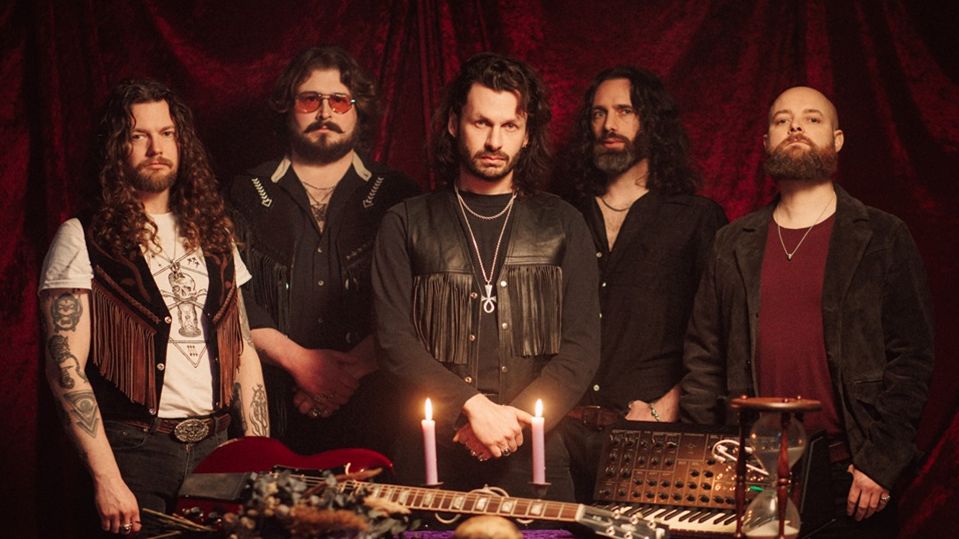
There’s a reason for such masochism. The UK’s most significant doom metal success story are about to release their ambitious fourth album, Necropolitan. Tom calls it
“a love letter to London”, the city that’s nurtured and inspired them since their days as a bunch of unsigned hopefuls playing Sabbath-inspired riffs in tiny rooms above pubs.
“We headlined Desertfest two months ago and it was
such a symbolic thing,” Tom explains. “You think, ‘That
was the dream 10 years ago.’ Once you’ve done the dream,
it’s natural to want to send back some love to the people
that were around us early on. That’s why we felt like we needed to do this album.”
But Necropolitan is far more than just a bunch of songs about getting drunk in Camden boozers and playing open mic nights in Shoreditch. Instead, Green Lung have dived into the capital’s more esoteric history. It uses the ‘Magnificent Seven’ – a group of seven grand Victorian garden cemeteries that are scattered around the city, from Highgate in the north to West Norwood in the south, and includes our current location of Abney Park – as inspiration for a concept that explores the city’s occult underground and the cemeteries’ symbolism as monuments to our own mortality, as well as acting as an allegorical critique of the changing face of London.
Necropolitan plots the journey between London’s seven cemeteries, telling stories both real and fictional of the
city’s dark and occult history, told from the perspectives of everyone from a condemned man on his way to the Tyburn gallows to a group leading a paranormal investigation.
The band have agreed to act as guides for a tour that takes
in some of the real-life places that have inspired the album, starting here in Abney Park.
“I don’t think we could have done this album before,” says Tom. “We were outsiders, but now we’ve been here long enough that London is part of us.”
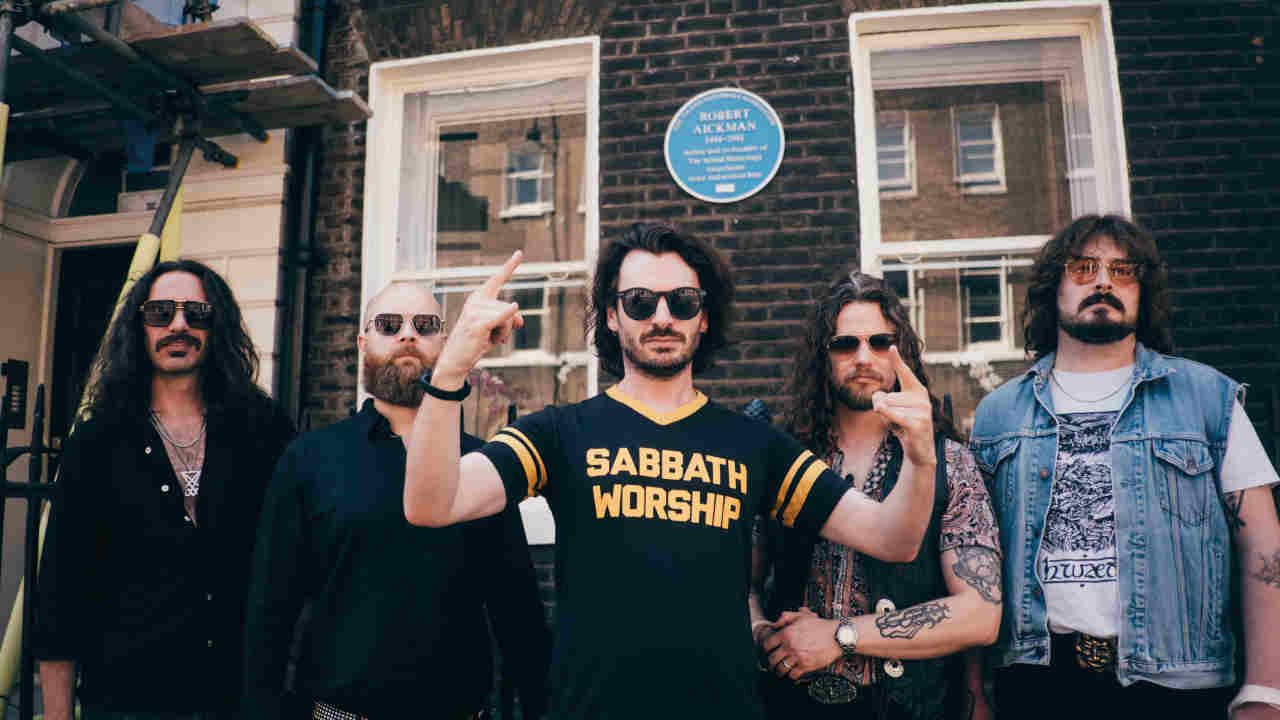
Abney Park was established in 1840, the result of London’s existing burial grounds being unable to keep up with the city’s growing population – and its dead. The cemetery is the last resting place of Isaac Watts, the non-conformist theologian and hymn writer who has a statue here in the grounds. His association with Abney Park led to the grounds becoming renowned as the place to bury dissenters and non-church goers.
It’s something Green Lung feel an affinity with. Formed in 2017, they spent the first half of their career out of step with rock’s current musical zeitgeist – there was little place for a psychedelic-edged doom band who wrote songs about pagan rites and medieval witches. That changed with their ambitious third album, 2023’s This Heathen Land, a record that added massive hooks without diluting Green Lung’s unique vision and pushed them closer to mainstream recognition. Today, they’re trying to balance their original approach with what’s expected from a band in 2026.
“It’s definitely interesting,” Tom says as we walk the quiet paths of Abney Park, protected from the sun by the shade of the trees and surrounded by some beautiful monuments. “We come from an underground doom metal scene, and although we’ve begun to traverse those spaces, we’ve really tried to ring-fence what we’re doing within the industry. I hate doing video content, I don’t want to ruin the mystery of us as a band, that’s kind of anathema to us, but it’s so commonplace now to establish your ‘brand’.”
Green Lung could have taken the easy route with Necropolitan and gone down an even more commercial path. Instead, they’ve made a record that dials up the riffs and throws in some classic organ playing that evokes such old masters as Deep Purple and Atomic Rooster.
“The writing was certainly more riff focused this time,” says Tom. “We toured more than ever on the last album and we wanted something that captured that raw, live sound.
It always starts with the music, and the heaviness of the material I was getting from Scott made me think of gothic London, of the seven cemeteries. If he had come to me with
a load of folky stuff it might have been different.”
Necropolitan is more than just a set of songs, though. Green Lung have really leaned into the idea of London – specifically the strangeness that lurks just beneath its surface.
“I first had the idea for this when I was writing a really
bad novel when I was about 21,” says Tom. “It featured the seven cemeteries and was this kind of Dan Brown-style occult conspiracy: what if they had been built for
a secret reason by a Victorian architect who had some sort of ritual in mind, but then they got abandoned? When
it came to album four, and we realised people liked our world-building stuff, it was time to bring the idea back.”
Green Lung have really leaned into the world-building thing on Necropolitan. The album comes with all manner of maps, illustrations and booklets brimming with dense lore and background.
“There was the map on This Heathen Land, which made the whole album feel much more immersive,” says Tom of the band’s breakthrough album. “When people responded to that positively, I thought, ‘Great! I get to do more of that now!’ You get to do more story – I always felt like I needed to get us to a certain level to really do that properly.”
As we continue to wander the paths of Abney Park and attempt to evade the sun, talk turns to Green Lung’s slow but steady rise. Despite the burst of success that came with This Heathen Land, the band are adamant they’ll always be connected to their underground roots. Tom says the fact that they were largely ignored by the music industry during the early part of their career meant that they were able to shape Green Lung into its perfect form without any outside interference.
“We were never a band that was going to go onstage in
a small pub dressed up or with a gimmick and be totally confident,” he says. “We’ve been on indie labels and we’ve had this dialogue with our audience where we’ve kind of grown together, meaning we now feel confident as artists to create this concept album. No matter how big we get, that DIY mindset will always be really important to us.”
That sense of self-sufficiency mirrors what happened here in Abney Park. After the company that owned the cemetery went bankrupt in 1970, it became overgrown and derelict.
It took the local council and some enthusiastic volunteers to restore it to its former glory.
“It’s the perfect metaphor for what we’re trying to say on this album,” says Tom. “We’re in an era where billionaires and tech moguls are trying to buy up this city and make it exclusively accessible for the super-rich. But this is proof
that this has all been done before. This was privately owned land made purely for the elites, and it just crumbled. Like always, it took the weirdos and the creatives to restore it, not the super-wealthy.”
None of the members of Green Lung were actually born in London, instead moving to the capital from various rural parts of the UK, eventually meeting and bonding over their shared loves of heavy metal, old horror movies and the occult. It is, they say, the perfect place to find like-minded artists, even if that’s in danger of being crushed by capitalism and gentrification.
“You can’t afford to live here and it’s something that
needs to be addressed,” says Scott. “You don’t want
a situation where only massive multinational corporations can afford anything. I worry that’s where we’re heading
– a cultural desert full of luxury high rises sold to private investment firms.”
Our time at Abney Park is finished, so we hop in
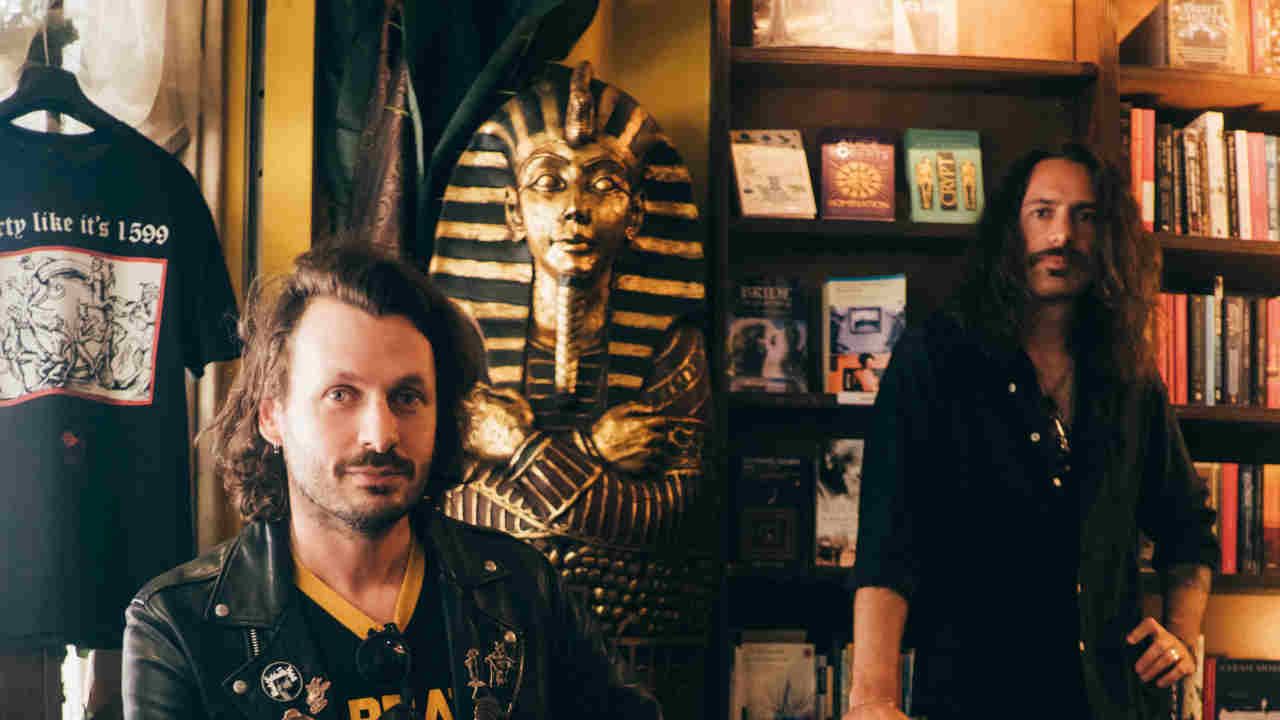
Ubers to another location that provided inspiration for Necropolitan. Founded in 2003, Treadwell’s Bookshop in Bloomsbury is home to all manner of tomes on magic and occultism. They sell actual crystal balls and they even have an Egyptian sarcophagus named Stanley.
“I’ve bought so many books from here that have inspired Green Lung lyrics,” Tom tells us. “It’s great to be able to
give something back. We’ve put it on the map in the album artwork, which is just a nice thing to do.”
Tom is clearly the driving force behind the lore and lyrics of the band, but everyone in Green Lung has their own specialist elements they bring to the table. Bassist Joe, for example, is something of a history buff.
“That’s my thing, for sure,” he nods. “I feel like I’m there to lean on for context for some of those historical characters, and due to being in the band and collaborating I’ve certainly become more interested in the occult.”
Joe has recently become a father, something that has understandably curtailed his reading time. Tom, on the other hand, tells us that, like a doom metal Chris Finch from The Office, he reads a book a week.
“I love coming here and just finding something new,” he tells us as he thumbs through the shelves in Treadwell’s. “The other guys are definitely interested in it, but I don’t push it on them. We’re not having a Green Lung book club.”
His obsession with the esoteric and the occult came from growing up in a remote part of England.
“You live in the countryside and there isn’t much going on,” he says. “So you start to develop these interests that quickly become obsessions and then you move here and you get to see them for yourself.”
Leaving the store, our next stop is The Angel pub in
St. Giles Street, near Charing Cross Road. A classic London boozer, its first historical record dates all the way to 1546. With our step count rising, it seems only right that we stop off for a pint and rest our weary legs, but this is also a pub that has some significance to Necropolitan. The album’s final track, To The Gallows Born, tells the tale
of a man taking his last steps before being executed, and is something that happened here in real life.
“This used to be the final stop-off for the condemned
who were being taken to the gallows round the corner,” explains Tom as we settle down in the pub garden with
a round of much-needed cold lagers. “They’d allow them to stop here and have their last drink at the pub before taking them off and hanging them.”
Pints downed and feeling refreshed and refuelled,
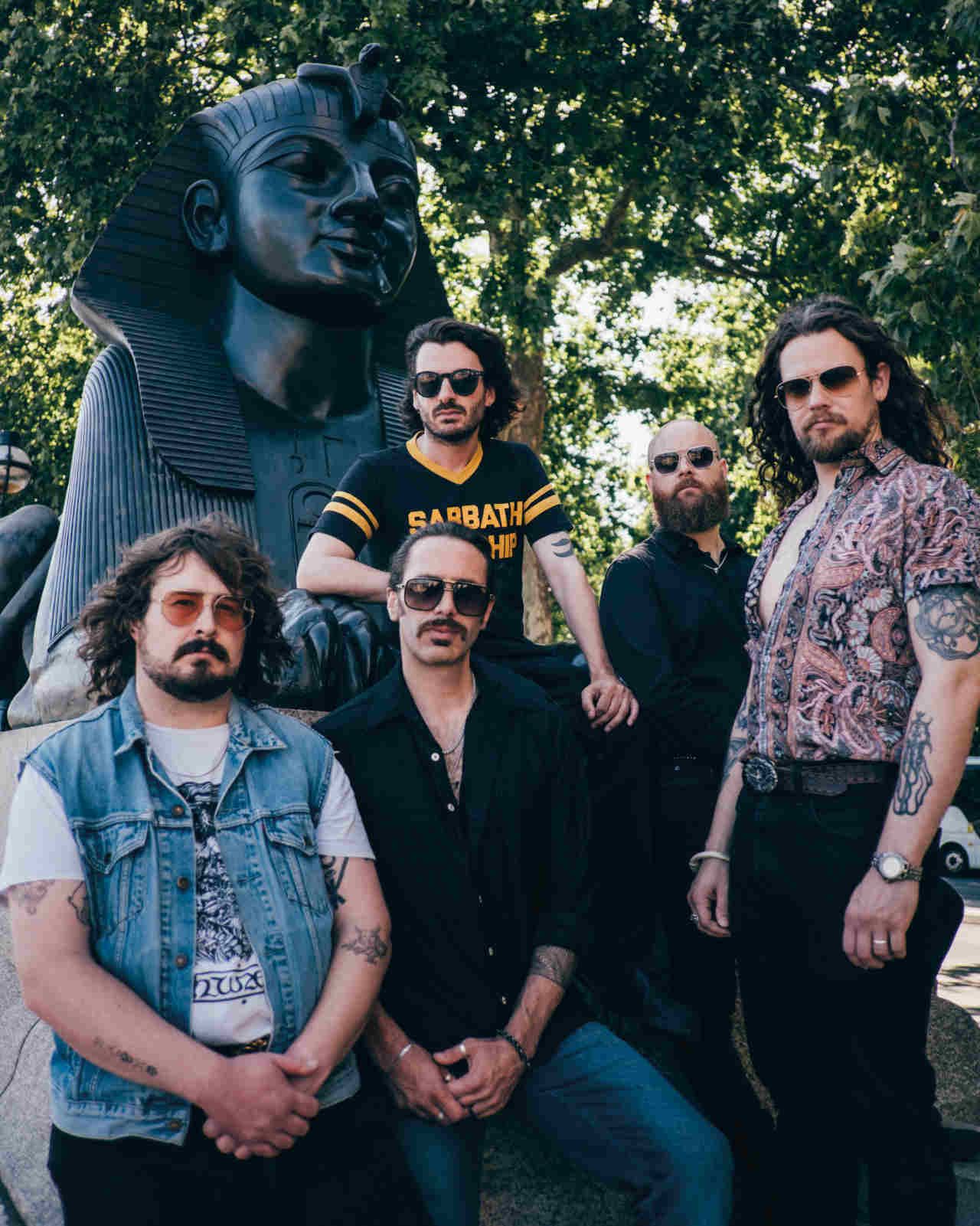
we make our way toward the final destination on our whistlestop tour of Green Lung’s London: Cleopatra’s Needle, the towering monument that overlooks the Thames on London’s Southbank.
Given to Britain as a gift from Egyptian ruler Muhammad Ali in 1819 to commemorate the Battle of the Nile and the Battle of Alexandria, the excavated obelisk, thought to have been built around 1500 BC, was eventually transported to Britain and erected here in 1877. It looks breathtaking towering above us with the clear blue sky framing it, a pair
of majestic sphinxes flanking its base.
“Did you know they actually lost it at sea when they were bringing it over, and they had to send another boat out to rescue it?” Tom tells us, nodding up at the Needle as we say our goodbyes. “I think that’s why I like it; it’s this old, ancient thing that was dug up from underground, came to London, was polished up and put on display, and now people marvel
at it. A bit like our band, I guess.”
He’s not wrong. If they carry on making albums as fine as Necropolitan, Green Lung could end up being every bit as definitive a part of this city as the places that make them such proud and protective Londoners.
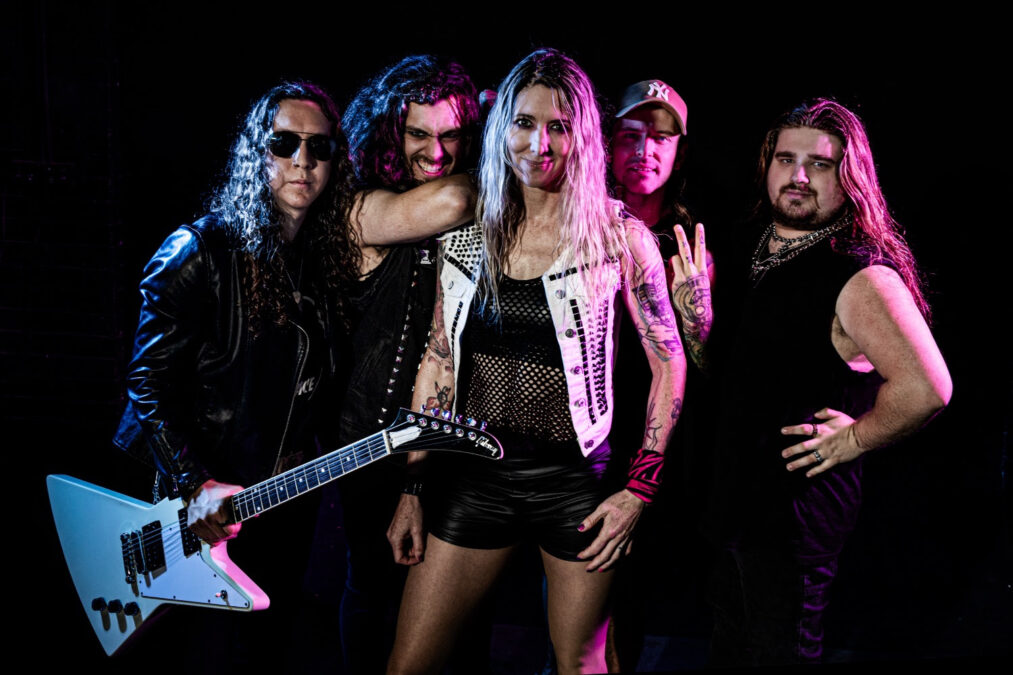 After saying To Hell With You, taking off down Satan’s Highway, and Running Wild, Melbourne metal vocalist Kat Wilder returns with Rise Up, the title track to her forthcoming album. “Rise Up is about about rebuilding yourself after someone has tried to destroy you,” Kat says, “it’s about remembering who you are after the chaos […]
 The 40th anniversary of the ARIA Awards is set to be a night to remember, as the 2026 ARIA Awards in partnership with Spotify brings together a group of nominees that celebrate artists across four decades in Australian music alongside today’s biggest stars and the most exciting faces of the future. Leading the field are […]
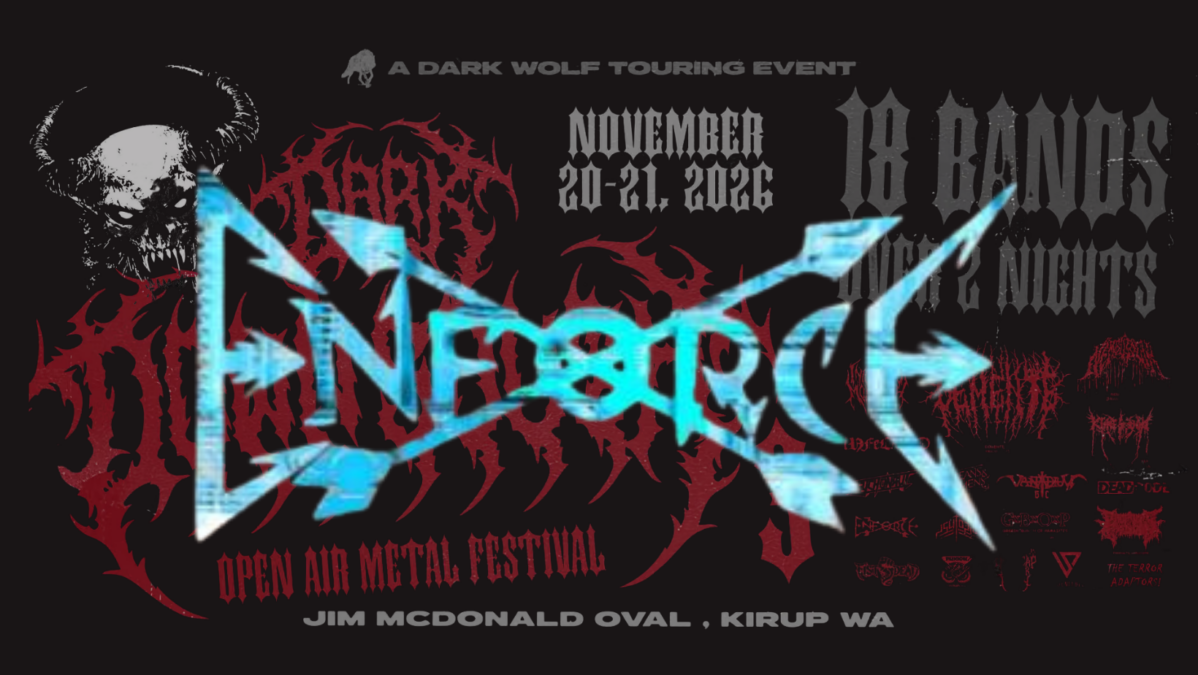 Get ready to unleash the fury as Dark Down South III returns to Kirup this November 21 and 22, bringing two days of relentless metal mayhem to Western Australia’s South West. From Friday through Saturday, Jim McDonald Oval will once again transform into a haven for metalheads, showcasing a lineup that cuts across the full […]
 The explosive electronic-metalcore duo WARGASM have released their latest single. From the creators of spit comes Swallow – a song posed to make you drink, fuck, fight, and love all in the space of 3 minutes and 2 seconds. Born in a dive bar destined for mainstream radio. Soon to be wargasms most played song, […]
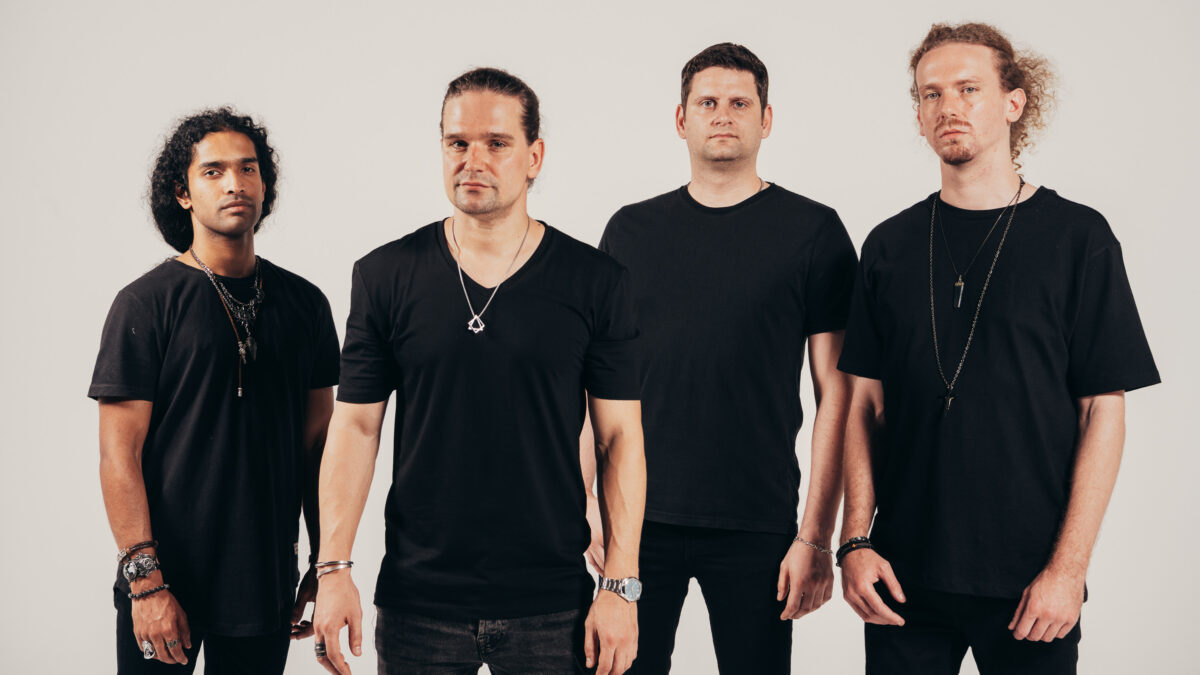 Sydney melodic death metal outfit Besomora return with their second EP, Devotion to the Fear, a powerful five-track release that sees the band pushing their melodic death metal foundations into heavier, darker and more modern territory. Exploring themes of fear, anxiety, inner conflict and resilience, the EP combines crushing 9-string guitar work, aggressive low-tuned riffs […]