Category: news

  • Rose Tattoo frontman Angry Anderson dead at 79

    Angry Anderson, the frontman of Australian hard rock veterans Rose Tattoo, has died aged 79.

    “It is with great sadness we announce the passing of Gary “Angry” Anderson on the eve of Monday 21 September 2026, surrounded by his loved ones here in Australia” reads a statement posted on the band’s Facebook page.

    “Angry was a devoted father, and much-loved member of his friends, bandmates and the wider music and entertainment community. His loss will be deeply felt by all those who knew and loved him both here in Australia and overseas.

    “The family and band members are asking for privacy at this difficult time and will not be giving interviews. We kindly ask that their wishes are respected as they come to terms with this devastating loss and take time they need to grieve.

    “We thank everyone for their prayers and messages of love and continued support.”

    Anderson was born in Melbourne in 1947, and formed his first band, Buster Brown, in 1973. The blues rock outfit recorded their only album, Something to Say, the following year, before drummer Phil Rudd left for Sydney to join AC/DC in 1975.

    Anderson followed him a year later, when he hooked up with Rose Tattoo, a band whose blues-drenched, sewer-rat rock’n’roll embodied the singer’s uncompromising personality. The band shared both a production team (Vanda and Young) and record label (Albert Productions) with AC/DC, not to mention a deep kinship with their fellow Aussies.

    “In the early days the Tatts were AC/DC’s fave band to go and see,” Anderson told Classic Rock in 2018. “That’s how we got signed to Alberts, they recommended us. Malcolm and Angus [Young] and particularly Bon [Scott] all jammed with us back then.”

    The band’s self-titled debut album (released in some overseas territories as Rock ‘n’ Roll Outlaw) was released in 1978, and is best known for featuring the song Nice Boys, later covered by Guns N’ Roses on their Live ?!★@ Like a Suicide EP. They recorded four further studio albums – Assault & Battery (1981), Scarred For Life (1982), Southern Stars (1984) and Beats From A Single Drum – before splitting in 1987.

    In their early years, Rose Tattoo made their name by combining their bluesy hard rock with famously aggressive and confrontational live shows, fuelled by cheap drugs. The band’s show at the UK’s Reading Festival in 1981 became legendary when Anderson deliberately smacked himself in the face with a microphone and then, his face smeared with blood, slammed the stand through the wooden stage before exiting to the wings.

    “Speed was around, amyl was around, it was all about getting fully charged and just seeing how fast and dangerous you could be,” Anderson told Planet Rock magazine in 2018. “We had this maniacal bass player [Ian Rilen], this Ronnie Wood character playing guitar [Mick Cocks], and Pete [Wells, slide guitar], who was this God-like creature.

    “So I’m feeding off this maniacal energy, and I was so inspired by it and so caught up in it I thought, We’re going to be the most dangerous thing on the fucking planet. And if you don’t like it, stand aside or lose a limb.”

    In the summer of 1987, Anderson scored an unlikely hit single in the UK when Suddenly from his first solo album Beats From A Single Drum reached number 2 in the UK.

    The song’s popularity was due to it being used in a much-watched episode of Australian television soap opera Neighbours, which featured the wedding of popular characters Scott Robinson (Jason Donovan) and Charlene Mitchell (Kylie Minogue).

    A second solo album, Blood From Stone, arrived in 1990, before Rose Tattoo briefly reunited in 1993 to support Guns N’ Roses on tour in Australia – “Axl Rose said, ‘No Rose Tattoo, no Guns N’ Roses'” Anderson said in 2018 – and reformed in 1998, subsequently releasing three more albums, Pain (2002), Blood Brothers (2007) and Outlaws (2020).

    Away from music, Anderson played the character Ironbar in the 1985 blockbuster film Mad Max Beyond Thunderdome, and embarked on a political career as a member of the conservative National Party before standing as an election candidate for the short-lived far-right Australian Liberty Alliance Party.

    “I ran for a federal seat, then for a state one and finally for the Senate, and it soon became obvious that both parties are as bad as each other,” he told Classic Rock. “The Who articulated it perfectly: ‘Meet the new boss, the same as the old boss’ [from Won’t Get Fooled Again]. I will be a conservative for the rest of my days, but I’ve got a foot in both camps. Power is all about keeping people at odds with one another.”

    Rose Tattoo had planned to play their final shows in 2026, but the band’s European tour was cut short last month after Anderson suffered a cardiac arrest and was hospitalised in Germany.

    “We wrap it up at the end of next year,” Anderson told Melbourne radio station 3AW last year. “We will be 50 years old in ’26 on New Year’s Eve. I am proud to say – because I have survived all the original members, and a few along the way – we have achieved what we set out to achieve. At the end of the day, if you can say that you are a lucky man.”

  • Duke Moody Wretched People Review

    Duke Moody Wretched People Review

    This song begins with a chord progression that hooks you right away. The sound evokes the 1990s era. It possesses a blend of psychedelic, instinctual, and ritualistic qualities. As the heavily reverberated voice enters the mix, it envelops and mesmerizes. The track features a repetitive structure, which creates a kaleidoscopic journey that incites meditation. There are beautiful backing vocals that complement the main voice.

    Duke Moody Wretched People

    Around the two-minute mark, the song temporarily strips down to just the rhythmic guitar. This transitional moment allows space for guitar effects to elevate the energy once more, returning to the groove that defines the song. The listening experience invites introspection, prompting thoughts on external corruption and personal moral inclinations. The lyrics, which push against malevolence, add depth to the overall message.

    Musically, one can discern influences reminiscent of Beck in the sounds employed. However, Duke Moody presents a unique and intense sonic vision that stands on its own. It resonates with listeners, evoking feelings that are both reflective and energetic.

    Wretched People – Sound and Atmosphere

    The production quality shines throughout the song. Each instrument, especially the guitars, is well balanced within the mix. The blend of electronic elements and organic sounds creates an inviting atmosphere. The choice of reverberation on the vocals enhances the dream-like quality of the piece. This gives it a timeless appeal that transcends genre boundaries.

    Each refrain feels like a mantra, reinforcing the themes presented in the lyrics. The music transforms the listening experience into an almost ritualistic observance, encouraging participants to reflect.

    Wretched People – Performance and Production

    Duke Moody’s artistic expression emerges through the lyrics and the instrumentation. His ability to fuse different musical styles into a single offering amplifies the emotional weight of the song. The arrangement showcases a mastery of dynamics. Moments of quiet introspection give way to explosive energy, engaging listeners fully.

    The rhythm section provides a solid foundation for the entire song. It locks the various elements in place while allowing for creative embellishments. Each transition feels natural, guiding the listener through the song’s various phases. This sense of flow is crucial to maintaining interest throughout.

    The rhythmic guitar serves as an anchor while the lead guitar ascends, generating excitement. This moment ignites a spark that relays the energy back to the original groove effectively.

    The song leaves the listener with much to ponder. Its exploration of individual versus societal morality resonates deeply. The interplay of its various components creates a compelling narrative. Duke Moody successfully invites listeners into a world that blends nostalgia with contemporary innovations.

    “Wretched People” presents a rich musical experience. It offers an engaging commentary on moral and ethical dilemmas. The intricate layers and thoughtful lyrics create a multifaceted work. This single not only entertains but also challenges the listener to reflect on deeper issues.


    Meditative

    🔥 If you love this music: Discover More

    Find Duke Moody here:
    Spotify | Instagram
    For fans of:

    Beck


    The post Duke Moody Wretched People Review appeared first on Edgar Allan Poets – Noir Rock Band.

  • Apollo Canna Co. and Parkway Ridge, Halloween Party on Friday, October 30th featuring the Unplugged MTV Tribute Band


    Apollo Canna Co. and Parkway Ridge, 380 Parkway Drive , Salamanca, NY, 

    Present a Halloween Party featuring the Unplugged MTV Tribute Band.


  • Star Circus – Masquerade


    London rock band Star Circus fuses classic 70s and 80s rock swagger with a collaborative modern edge. Fronted by Dave Winkler and Sophie Aurelia Young, the band built on the acclaim of their 2022 Tony Wilson-produced debut by returning with their sophomore album, From The Wreckage (via Renaissance Records). 

    Masquerade is the first Star Circus track that features bassist Sophie Aurelia Young stepping up to lead vocal duties, and also her first solo writing effort.

    “The masquerade is a metaphor for feeling like you have to hide a part of yourself in order to be accepted. The lyric ideas came from my own experience of spending my youth feeling like I should try to fit in, and never really finding a place where I felt accepted. The song ends on a more positive note as I did eventually find ‘my people’; my partner Dave and friends on the London rock scene who are unapologetically themselves and encourage me to be the same. I wanted the outro to keep a melancholy and slightly ominous feel as a reminder that life will always inevitably consist of both highs and lows.”

    Masquerade features relaxed (but intense) verses exploding in a super catchy chorus. The guitars are always very inspired and there is a great solo section toward the end of the song. A very cool one,  part of the playlist Rock Rotation. Give it a go by clicking on the Spotify player below and follow Star Circus if you like what you hear. 

    https://instagram.com/starcircus_band
    https://facebook.com/starcircusband

  • “We brought this about ourselves, and there’s a sense of shame”: The album that took Marillion back to the Top 10

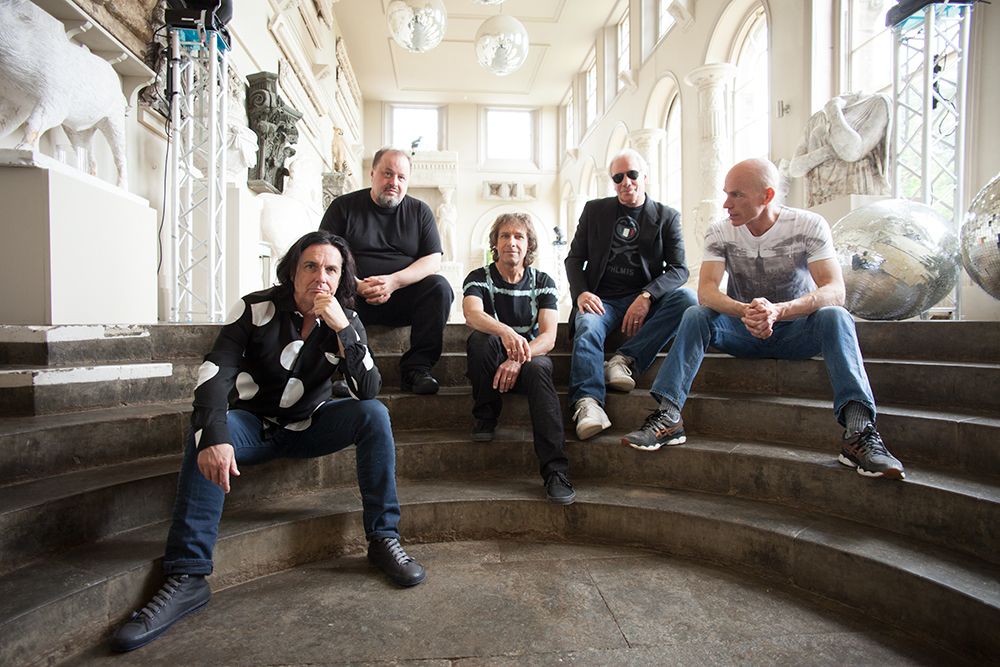
    On September 23, 2016, following another successful crowdfunding campaign, Marillion released 18th album Fuck Everyone And Run. The 68-minute, six-track production reached No.4 in the UK chart – the first time they’d hit such heights since 1994’s Brave. Ahead of the launch, vocalist Steve Hogarth gave Prog a track-by-track rundown.

    Tucked away in a rather anonymous business park in the Buckinghamshire countryside, the Racket Club has been Marillion’s headquarters and recording studio for over two decades.

    At its core is a control room, decorated in eastern drapes and artefacts that provide the comfortable feel of a Mongolian yurt. It’s here, as singer Steve Hogarth delights in explaining, that “all the magic happens”.

    It’s July 2016 and the band’s 18th studio album F.E.A.R (Fuck Everyone And Run) has recently been completed, and Hogarth is visibly enthralled with results. It’s a beguiling work, with three of the tracks extending to over 15 minutes.

    It’s beautifully layered, and as guitarist Steve Rothery neatly puts it: “It really embraces who we are and what we do.” With that thought, Hogarth talks us through the lyrical themes that provide an astute and salient take on the state of the world.

    Marillion in 2016

    Marillion: The New Kings

    El Dorado

    Split over five segments and extending to over 16 minutes, the track possesses the sublime musical passages that Marillion have always been known for.

    Hogarth: “It’s really about a sense of foreboding and a feeling that everything is going to change in this country. I was trying to paint a picture of someone mowing their lawn in a quiet garden as a storm comes towards them.

    It’s an ecological storm, a financial storm, it’s a humanitarian storm. It’s a feeling that there’s a sort of watershed coming. I don’t know what it is, but there’s just a foreboding. If there is a central theme to the record, it’s that, and the fact that we brought this about on ourselves and a sense of shame.

    El Dorado is for me about the fact that there’s a sense of shame over the migrant crisis. It’s about the way that this country has responded to the refugees spilling over from Syria, which is a war that we’ve stoked the fire in, even if we haven’t created it.”

    Living in FEAR

    Ostensibly a song about peace, with archetypal 60s sentiments of disarmament, it’s a polished, succinct track that also has a sublime earworm of a chorus.

    Hogarth: “That was one of the tracks that we worked on at Real World Studios [owned by Peter Gabriel]. They’ve got this big screen in the studio because they occasionally do soundtracks for films, so we can drop the big screen in the evening and just put a movie on, with the sound off and just have that running while we’re jamming.

    So we’d be in the dark and there would be a vibe going. We were able to work late, stop and have dinner and then go back in to the studio space at nine or 10 at night, and there’s always a different atmosphere than there is during the day.”

    The Leavers

    An expansive song that contains five distinct, seductive sections. With soaring Rothery guitar solos and opulent keyboards, it’s one of the finest tracks that the band have released over recent years.

    Hogarth: “The Leavers is a totally different animal. I wrote it really as a response to the corrosive effect that travel has on you. When you’re in a touring band, or even more so in a touring band’s crew, you’re hardly ever home; you wake up in a new city every day. There’s a repetitive thing of the process of putting a show together – perform a show, you take it down, get on the bus, go to sleep and go again. For crew that’s the life.

    When you get home if you’re off, you’re not being paid and you feel like you’re unemployed. It’s also about how these gypsy, thrill-seeking people seem to arrive, do their thing and then are gone. You can’t trust them because they’ll forget you as soon as they’re gone.”

    White Paper

    Another shorter song, there’s a distinct sadness to the lyrics that’s neatly equalled by the authoritative musical backdrop.

    Hogarth: “It’s about several things. It’s a sort of sister story to The Leavers in some respects. It’s about trying to settle into domestic life, about wanting to live passionately and in the moment. There’s also the thing about slowly coming to terms with the fact that you’re getting old, and you better get used to the fact that what you are railing against is very beautiful and natural.

    There’s a line in the song: ‘I used to be centre stage, time I should act my age’, and that really is what this song’s about – at one time feeling you were the most important person in the equation, then having to come to terms with the fact that you’d better stand at the side and watch something beautiful going on, rather than try and occupy that space yourself, with your own ego.”

    The New Kings

    A powerful lyrical statement on the general state of the world, the track runs to almost 20 minutes of luscious progressive rock.

    Steve Hogarth: “This is really a song about how the old systems of democracy have become overwhelmed and compromised by money and corporations – along with the fact that the division between rich and poor is widening all the time.

    In 1989 there wasn’t any money in Russia, as everybody owned it all. Within 10 years, there were some people who were ludicrously rich. I mean, how can you do that legitimately?

    The only people in Russia who had the cunning and sharpness to become businessmen were the politburo scumbags at the top. They controlled everything and had the keys to the locked doors where the money was. There’s also a healthy sprinkling of tax evasion, and a kind of overall loss of faith in what this country represents to me.”

  • BRAND NEW 🔥 xray xeroxx – “Worship Satan”

    Brainwashing The Populace
    LP, Robot Cannibal Records, 11 August 2026
    egg punk 🇺🇸

    In February, I described xray xeroxx as a future contender for the best egg punk band on the planet. Brainwashing The Populace is when this stops being a prediction, so I could not be happier to premiere the video for “Worship Satan”.

    The single kicks the door in immediately with AK’s Ramones-meets-Devo charge. The hooks that stick around for days. It sounds larger than ever, but never polished,  that is the real lo-fi achievement. Boom.

    Watch it here: https://youtu.be/YypJc_r3I4s

    The post BRAND NEW 🔥 xray xeroxx – “Worship Satan” appeared first on Still in Rock.

  • BRAND NEW 🔥 xray xeroxx – “Worship Satan”

    Brainwashing The Populace
    LP, Robot Cannibal Records, 11 August 2026
    egg punk 🇺🇸

    In February, I described xray xeroxx as a future contender for the best egg punk band on the planet. Brainwashing The Populace is when this stops being a prediction, so I could not be happier to premiere the video for “Worship Satan”.

    The single kicks the door in immediately with AK’s Ramones-meets-Devo charge. The hooks that stick around for days. It sounds larger than ever, but never polished, that is the real lo-fi achievement. Boom.

    Watch it here:

  • Northlane Release New Single

    Getting deeper into their electronic side but retaining guitar dissonance, latest single Crucified is another step toward a new album from Northlane.

    Released today across all platforms, Crucified is the third taste of forthcoming album Anemoia, due on October 30.

    Album pre-orders and ticket sales for their tour with After the Burial, Cenobia and Above, Below are available now.

    , , , , ,
  • Review SPIDERS “Crystal Eyes”

    Gothenburg is undoubtedly one of the key cities when it comes to melodic death metal. The bands that emerged from Sweden’s west coast have developed a sound of their own, but the country’s second-largest city has plenty more to offer musically. One of those bands is Spiders. Spiders is the brainchild of guitarist John Hoyles… Continue Reading →
  • Nine Pat Travers albums to listen to and one to ignore

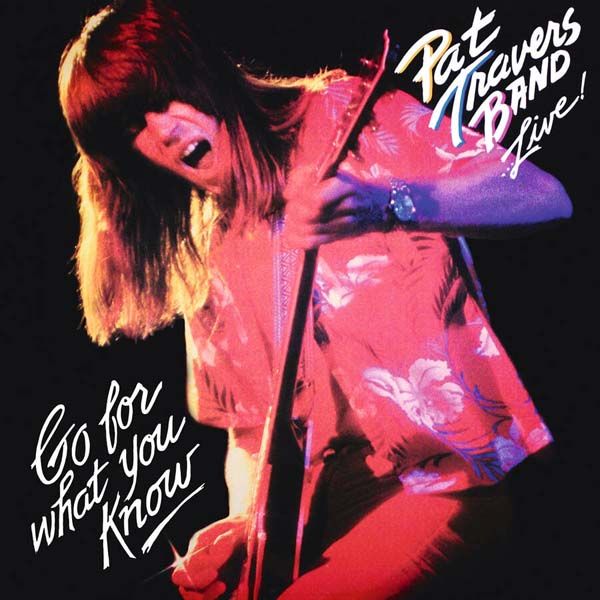
    Is Pat Travers criminally underrated? Rush’s Alex Lifeson certainly thought so. But in recent years, Travers’ most famous champion has been Extreme guitarist Nuno Bettencourt. Describing Travers’ 1979 in-concert album Live! Go For What You Know as his “funk rock bible”, Bettencourt often cites Toronto-born Patrick Henry Travers as a major influence. Indeed, the two guitarists played on stage together in Orange County, California, only last year.

    Like his hero Jimi Hendrix (Jeff Beck, Jimmy Page and Ronnie Montrose were also influences), Travers made it in the UK first. One of his Stateside rock star mentors, Ronnie Hawkins, had cautioned: “Play to the world, kid, don’t just play to locals.” The precociously gifted Travers took his advice, moving to London in 1975 aged 21, and quickly scoring a deal with Polydor Records after a false start making demos with Steve Lillywhite (later producer for U2) and Mutt Lange (later Def Leppard’s Midas-touch producer circa Pyromania).

    A powerful, soulful vocalist, a sterling songwriter and a guitar magus whose unique sound owed something to his earlier adoption of chorus, flanger and delay effects, Travers soon found a key foil in ace bassist Peter ‘Mars’ Cowling, who would help anchor the Pat Travers Band for much of the following decade. Drummers Nicko McBrain and Tommy Aldridge also spent time in his band.

    It was Neil Schon – whose band Journey the Pat Travers Band would support in the UK in 1979 – who introduced Travers to Pat Thrall, whose complementary, more histrionic lead guitar playing brought new colours to records such as 1978’s Heat In The Street. But even after Thrall bailed to join Glenn Hughes in the short-lived duo Hughes/Thrall, Travers proved to be more than capable of making other fine and forward-looking records – witness 1982’s Black Pearl, a true last-lost classic which Travers fought tooth and nail to make after legal wrangling with Polydor.

    Today, Travers’ studio and live album release tally stands at well over 50. He has guested on records by Glenn Hughes (1977’s Play Me Out) and Extreme (1990’s Pornografitti), made a full-on jazz record (2019’s Swing!), and still gigs regularly in the US. Thanks to Rage Of Travers, a track on The Mountain Goats’ 2017 album Goths telling of Travers’ ire when Bauhaus declined to jam with him, he has also been immortalised in song. Long may he rock.

    Lightning bolt page divider

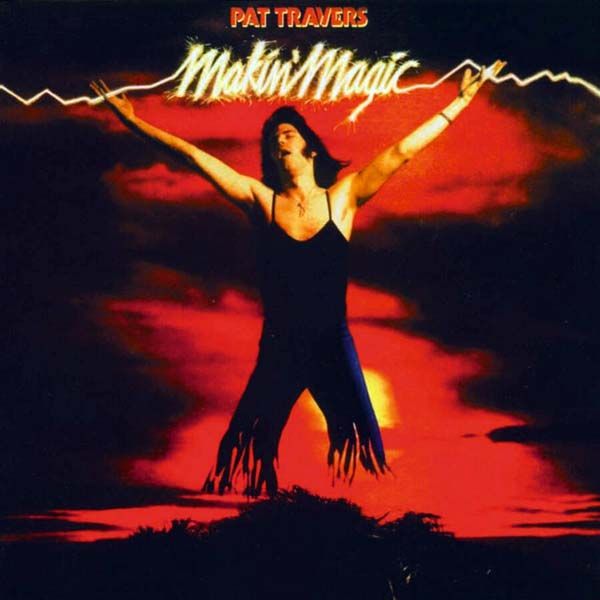
    Makin’ Magic (Polydor, 1977)

    With guests including Thin Lizzy’s Brian Robertson (who trades solos on Statesboro Blues) and Glenn Hughes (backing vocals on Stevie), Travers’ second was his first great studio LP. Future Iron Maiden drummer Nicko McBrain now replaced Liverpudlian Ron Dyke, and brought funky, decidedly un-Maiden-like chops to Hooked On Music.

    Though Need Love’s chanting and percussion toy-box intro is a tad daft, Rock ’N’ Roll Susie, inspired by Travers’ fun-loving then-girlfriend, is joy incarnate; a high-octane ride to the heart of Saturday night. Now fully acclimatised to London, Travers had arrived, Makin’ Magic delivering on its titular promise.

    Live! Go For What You Know (Polydor, 1979)

    Recorded at shows in Florida and Texas in January/February 1979, LGFWYK was seismic for Travers, going platinum in the US and raising his UK profile too. His interplay with Californian whiz Pat Thrall – later a foil for Glenn Hughes, Tina Turner and Meat Loaf – is terrific here, Thrall bringing extra stunt guitar and textural magic as he and Travers melt frets.

    Makin’ Magic’s supertaut groove showcases definitive Travers band rhythm section Mars Cowling and Tommy Aldridge, while soulful ballad Stevie, built on echoing shards of digitally delayed guitar, was Travers’ loving caution to his hell-raising kid brother.

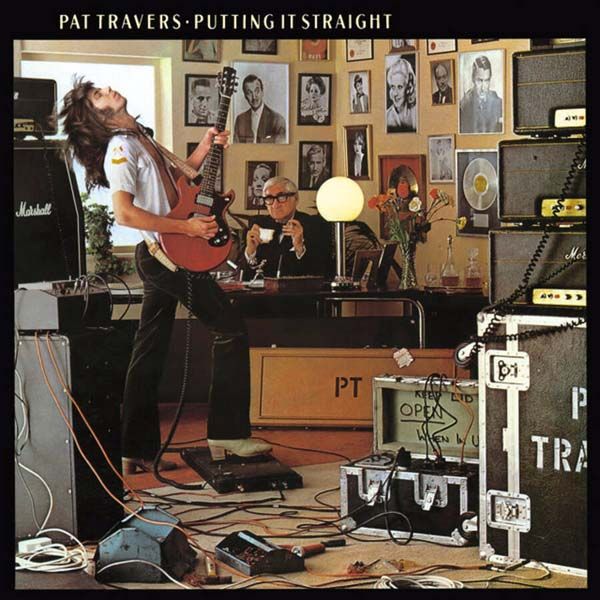
    Putting It Straight (Polydor, 1977)

    The album’s cover shows Travers – green Cuban heel boots, feather cut, impressive sideburns – ‘sticking it to the man’, but he had punk in his sights too. Life In London pokes gentle fun at the ‘razor blades and safety pins’ look that had become voguish.

    Elsewhere, Thin Lizzy’s Scott Gorham guests on Speakeasy, Travers’ snapshot of the famed rock-star hangout in London. Travers had seen Lizzy on their Jailbreak tour before befriending them, and there’s something Robbo-ish about his guitar solo on Dedication. Putting It Straight, Travers summarised, was about “keeping it real, no bullshit”.

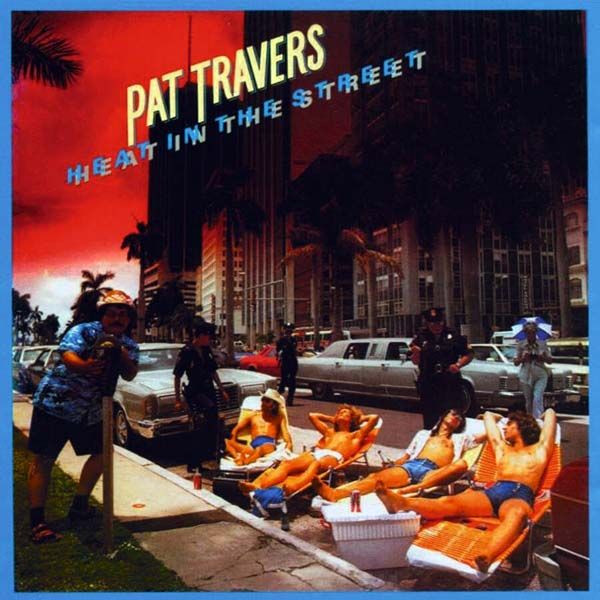
    Heat In The Street (Polydor, 1978)

    “It felt like we had a new engine in the car, and that car was a Lamborghini”, Travers said of the arrival of guitar foil Pat Thrall. Tommy Aldridge, formerly of Black Oak Arkansas, also signed up, replacing Nicko McBrain on drums.

    Thrillingly, Travers and Thrall were double trouble (“both young, skinny and romantically unencumbered” Travers recalled), ripping it up on Heat In The Street’s sizzling title track, and on Go All Night, on which bassist extraordinaire Mars Cowling brings the funk. All this, plus a stonking cover of Evie, written by The Easybeats’ Harry Vanda and George Young.

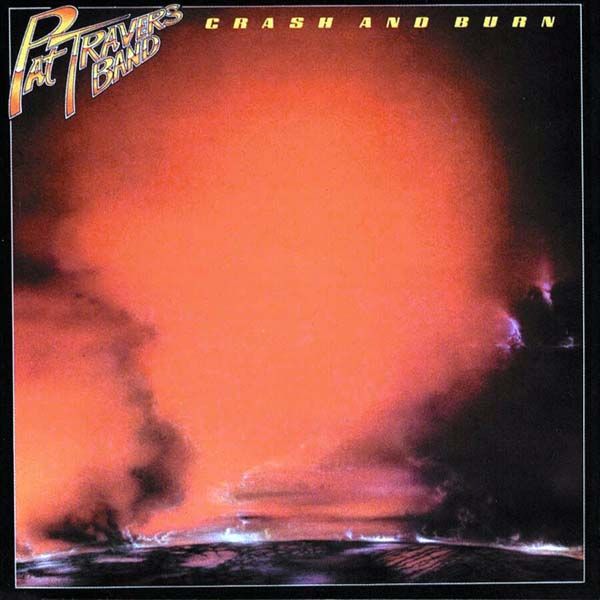
    Crash And Burn (Polydor, 1980)

    Somewhat controversially, Travers switched to Farfisa organ on a number of Crash And Burn tracks. Its weighty, slow-groove title track feints at dub reggae, while a fine cover of Bob Marley’s Is This Love goes the whole hog. There are out-and-out rockers here too: a sparky cover of gnarly blues classic Born Under A Bad Sign, and Snortin Whiskey, the party-hearty happening single that was the Travers/Thrall lineup’s finest – and heaviest – hour.

    Alas, what Travers called “dissension in the ranks” soon followed; Thrall joined Glenn Hughes to form Hughes/Thrall, and Tommy Aldridge joined Gary Moore for Dirty Fingers.

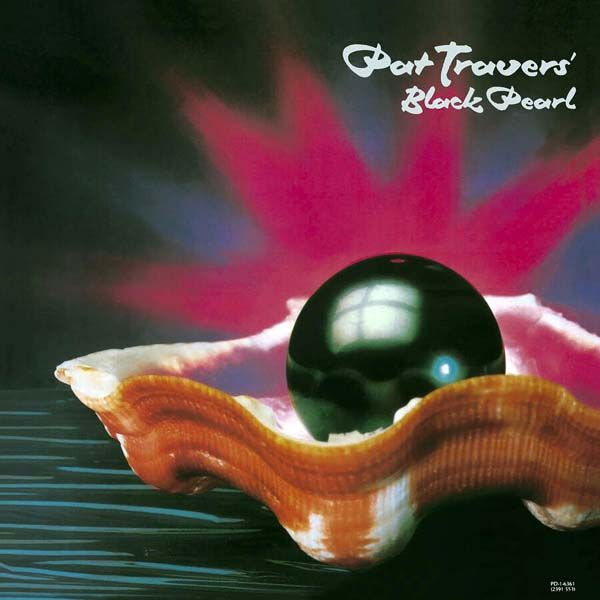
    Black Pearl (Polydor, 1982)

    Described by Travers as “the last of the old-school Pat Travers LPs”, Black Pearl remains criminally unsung. At its root, it’s a mix of brilliantly sung, radio-friendly rockers – Can’t Stop The Heartaches; I La La La Love You – and more out-there moments such as The Fifth, a layered-guitar take on Beethoven’s famed symphony.

    The record’s chances of commercial success were somewhat nixed by the video for single I’d Rather See You Dead being set in a funeral parlour, replete with dancing pall-bearers, yet Black Pearl is bursting with life, a true jewel. If you want proof, have a listen to Who’ll Take The Fall.

    Pat Travers (Polydor, 1976)

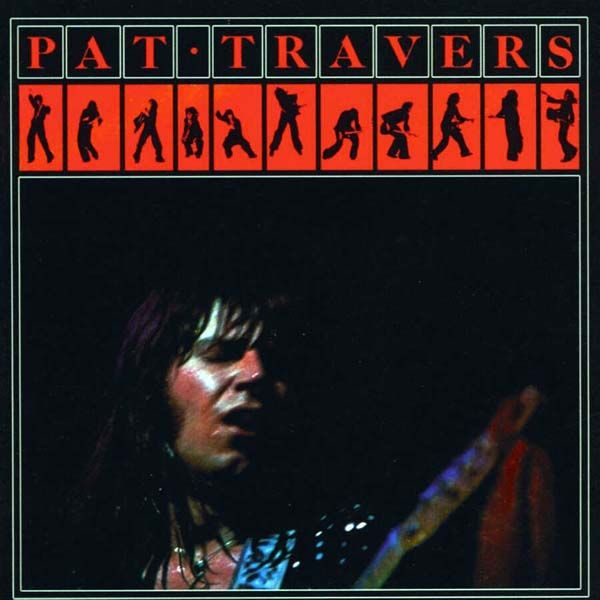
    When Travers left Toronto and moved to London in 1975, aged 21, he arrived with little more than a guitar and a change of jeans. A false start in a band that included drummer ‘Topper’ Headon (later of The Clash) ensued before he signed to Polydor and made this self-titled, somewhat cover-version-reliant debut.

    Although audibly not yet fully confident in his own writing and singing, for this album Travers recorded a classy take on JJ Cale’s Magnolia, an uncharacteristic rockabilly nugget, Hot Rod Lincoln, and a version of Stan Lewis’ Boom Boom (Out Go The Lights) that would become a barnstorming staple of his live shows.

    Radio Active (Polydor, 1981)

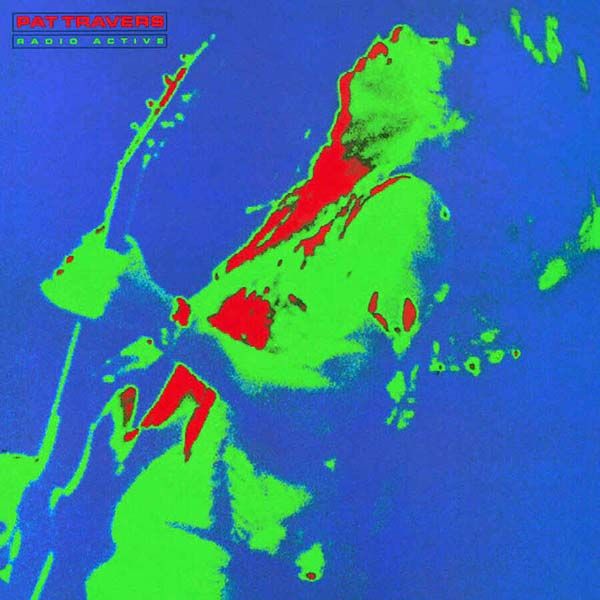
    “My anxiety levels were through the roof!”, Travers told this writer of his life circa Radio Active. Yet despite relationship problems, management issues, and ‘Gremlins with pickaxes chopping my mind into little tiny pieces’ (see unhinged, Valium-and-insomnia-informed gem I Don’t Want To Be Awake), Travers came up with the goods.

    Superb opener New Age Music isn’t Travers going ambient; rather, it’s a restatement of his belief in the transformative power of rock’n’roll, while Play It Like You See It is a perfectly weighted ballad with pinch-harmonic guitar lines. Travers recorded the entire album twice, nailing it on his second attempt.

    Hot Shot (Polydor, 1984)

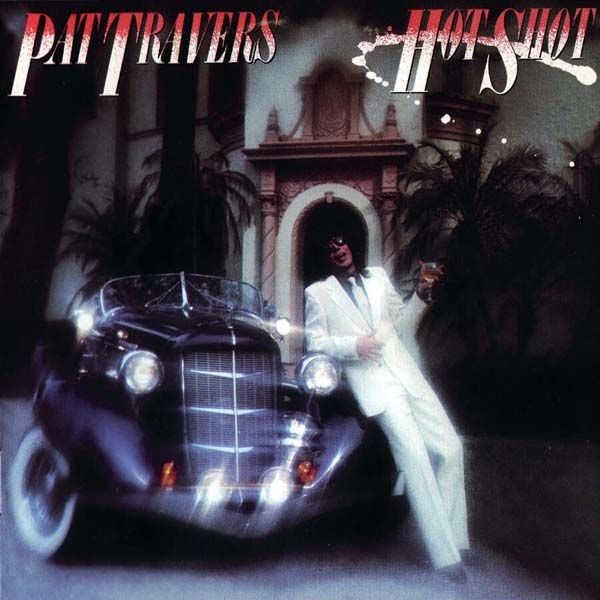
    Travers could definitely be described as a hot shot, but this album was his last shot with a major label. Restoring pleasing amounts of guts and balls to proceedings – see Killer and the title track – the record also features decidedly 80s pop-rocker Women On The Edge Of Love, and Louise, conceivably inspired by one of Rock ’N’ Roll Susie’s successors.

    Bizarrely, the album’s promo campaign factored in Just Another Killer Day, a daft, 30-minute sci-fi movie in which Travers and his band also appear in ‘live’ performance. “This music is obscene,” declares a heavily lipglossed siren from the planet Zorgo. But she clearly likes it too.

    …and one to avoid

    Can Do (Frontiers, 2013)

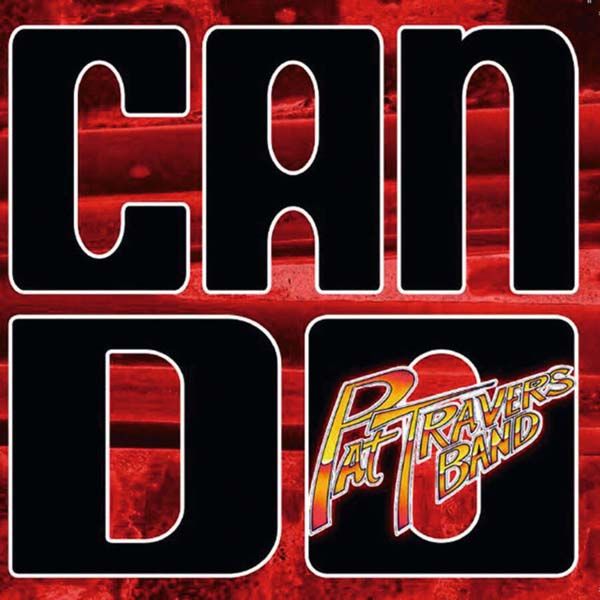
    Somewhat inevitably, given the sheer number of them that he has released, Travers’ live albums occasionally falter, but the guitar hero hasn’t really made a total turkey studio-wise. Can Do, though, is definitely below par, more of a ‘don’t do it’ for prospective buyers.

    A lacklustre take on the Eurythmics’ hit Here Comes The Rain Again seems waterlogged, while Waitin’ On The End Of Time is a rare instance of Travers trying to get the funk out and the funk staying put. For whatever reasons, Can Do just didn’t ignite. Thankfully, Travers got his mojo back by the time he recorded its 2015 follow-up, Retro Rocket.