Blog

  • Lifesick Premiere New Single & Music Video “All Eyes On Me” From Upcoming New Album “When Brutality Becomes The Language”

    Danish death metal/metallic hardcore outfit Lifesick have revealed details of their fifth full-length album, When Brutality Becomes The Language, scheduled to arrive on January 22nd, 2027, via Metal Blade Records. Alongside the announcement, the band have dropped a music video for the album’s latest single, “All Eyes On Me.” For the new reco… Read More/Discuss on Metal Underground.com
  • Track-by-Track: One World (R)evolution – Reflections Of Resilience

    Delving deep into the emotional core of artistic reinvention, Astrum Lux Lucis has crafted a deeply personal and cathartic journey on new album Reflections of Resilience. Below, she walks us through the record track by track, exploring the battles, lessons, and vulnerability that shaped every step of the songwriting process… When we recorded Reflections of … Continue reading Track-by-Track: One World (R)evolution – Reflections Of Resilience
  • Dayseeker Announce Redux Edition Of ‘Creature In The Black Night’

    Dayseeker have announced the details of an expanded version of their seminal album ‘Creature In The Black Night’, featuring a whole host of collaborations with The Midnight.

    Set for release on February 27, 2027 via Spinefarm, the expanded version of the record features six remixes produced by The Midnight, as well as two live tracks and the band’s cover of My Chemical Romance’s ‘The Ghost of You’. A pretty expansive body of work, and one that completely indulges in the neon glow of the original album.

    Vocalist Rory Rodriguez had this to say about the release:

    “This was such an honor to collaborate with The Midnight and transform these songs in a way people have never heard before. The MCR cover of ‘Ghost of You’ is so nostalgic for all of us in the band as well and we really tried to recreate that song in our own band’s sound and image.”

    Here is the full tracklisting:

    1. Pale Moonlight
    2. Creature In The Black Night
    3. Crawl Back To My Coffin
    4. Shapeshift
    5. Soulburn
    6. Bloodlust
    7. Cemetery Blue
    8. Nocturnal Remedy
    9. The Living Dead
    10. Meet the Reaper
    11. Forgotten Ghost
    12. The Ghost of You (My Chemical Romance Cover)
    13. Shapeshift (The Midnight Remix)
    14. The Ghost of You (The Midnight Remix)
    15. Crawl Back to My Coffin (The Midnight Remix)
    16. Bloodlust featuring Gabi Rose (The Midnight Remix)
    17. The Living Dead featuring Sace6 (The Midnight Remix)
    18. Creature In the Black Night (The Midnight Remix)
    19. Shapeshift – Stripped (Live on Sirius XM Octane)
    20. Crawl Back to My Coffin – Stripped (Live on Sirius XM Octane)

    And the artwork like this:

    You can hear the first taste of the record now in the form of the new version of ‘Shapeshift’, which shimmers and shakes with vibrant textures and gorgeously affecting sentiments. It also features a vocal display from The Midnight’s Tyler Lyle, pulling in double duty on the track.


    Dayseeker are set to tour the UK and Europe from next month, with support coming from Northlane and Siamese.

    Here are the dates:

    NOVEMBER

    28 – WOLVERHAMPTON KK’s Steel Mill
    29 – WOLVERHAMPTON KK’s Steel Mill

    DECEMBER

    01 – LEEDS Project House
    02 – MANCHESTER Academy 1
    03 – BRISTOL Prospect
    05 – GLASGOW O2 Academy Glasgow
    06 – LONDON O2 Academy Brixton
    08 – PARIS Élysée Montmartre
    09 – OBERHAUSEN Turbinenhalle 1
    10 – HANNOVER Capitol
    12 – WARSAW Proxima
    13 – BERLIN Huxley’s Neue Welt
    15 – PRAGUE Lucerna Music Bar
    16 – MUNICH Tonhalle
    18 – AMSTERDAM Melkweg

    The post Dayseeker Announce Redux Edition Of ‘Creature In The Black Night’ appeared first on Rock Sound.

  • Suicide Silence Premiere New Single & Drum Playthrough Video “Reminders Of Hell” From Upcoming New Album “Graceless”

    Suicide Silence have unveiled their latest single, “Reminders Of Hell”, online today, October 22nd, streaming via YouTube and Spotify for you now below. The third track to emerge from the Californian deathcore outfit’s upcoming album “Graceless” has also been accompanied by a drum playthrough video featuring the band’s own Ernie Iniguez. … Read More/Discuss on Metal Underground.com
  • 7 Famous Chefs Who Started Their Careers Washing Dishes

    Anthony Bourdain was washing dishes in a Massachusetts seafood restaurant long before millions of people knew him from television. Thomas Keller got his introduction to restaurant kitchens doing the same job. Neither began by preparing expensive dinners or running a kitchen full of cooks.

    Restaurant kitchens have given many successful chefs an unlikely starting point. The dishwashing station is physically demanding, the work never seems to end during a busy dinner service, and customers rarely know who is responsible for keeping everything clean.

    For several famous chefs, however, washing dishes provided their first opportunity to watch experienced cooks at work. Some eventually earned Michelin stars, opened successful restaurants or became television personalities. Here are seven chefs whose early dishwashing jobs are supported by interviews and biographical records.

    1. Anthony Bourdain Started Washing Dishes in Provincetown

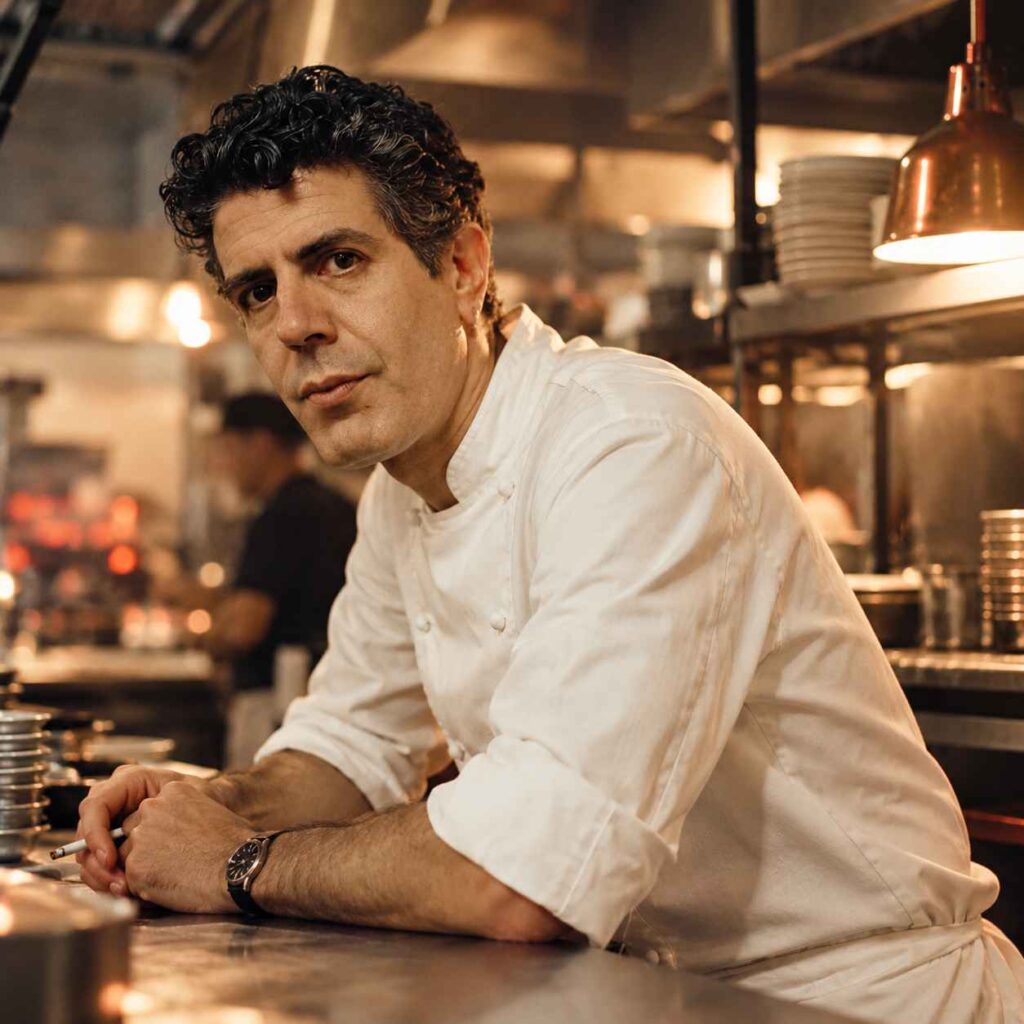
    Anthony Bourdain wearing a white chef's jacket in a warmly lit restaurant kitchen.
    Before his television success, Bourdain published his first novel, Bone in the Throat, in 1995, five years before Kitchen Confidential.

    Before he became the sharp-tongued host of Parts Unknown and the author of Kitchen Confidential, Anthony Bourdain was a college student spending a summer in Provincetown, Massachusetts.

    He found work washing dishes at a seafood restaurant. The job introduced him to the exhausting pace of a professional kitchen, where cooks, servers and dishwashers had to coordinate their work through busy shifts.

    Bourdain eventually moved from the dishwashing station to preparing food. By the end of that summer, he had become interested enough in cooking to pursue formal training.

    He enrolled at the Culinary Institute of America and graduated in 1978. His biography confirms that his restaurant career began with washing dishes in Provincetown.

    After graduation, Bourdain spent more than two decades working in professional kitchens, eventually becoming executive chef at Brasserie Les Halles in Manhattan.

    His career changed dramatically when Kitchen Confidential was published in 2000. The book brought the realities of restaurant work to a much larger audience and helped launch his television career.

    Bourdain’s transition from restaurant kitchens to television shows how a career can expand through storytelling and visual media, something also reflected in the evolution of music videos from MTV to YouTube.

    Bourdain continued speaking fondly of his earliest restaurant job. During a PBS interview, he credited dishwashing with helping him develop self-respect and discover the satisfaction of doing demanding work well.

    His experience highlights a problem that still confronts inexperienced restaurant employees. Moving from dishwashing or basic preparation into a cooking position depends partly on finding someone willing to provide training.

    Anyone interested in becoming a chef today has additional ways to build those skills. An Associate Degree in Culinary Arts can provide training in cooking techniques and restaurant management, followed by an industry externship where students gain experience in a professional kitchen.

    2. Thomas Keller Learned to Love Restaurants While Washing Dishes

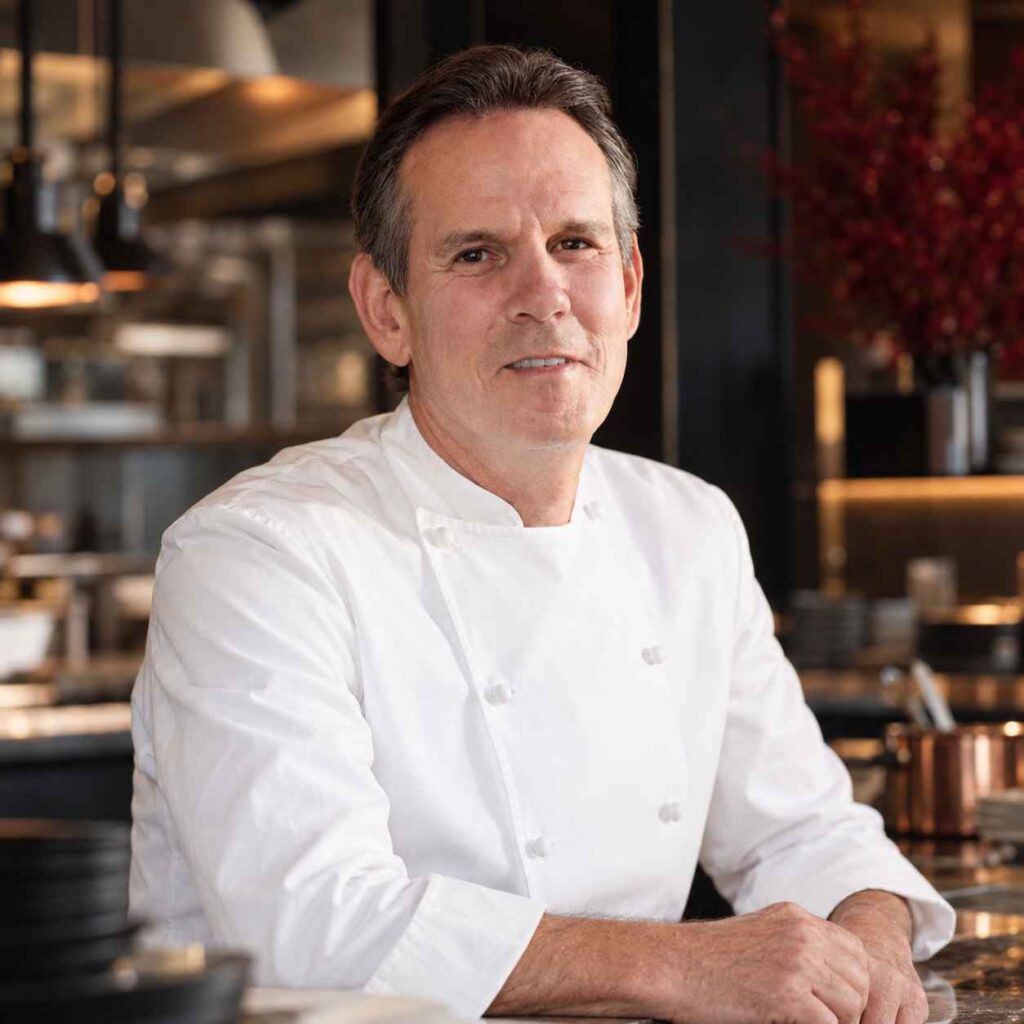
    Chef Thomas Keller wearing a white chef's jacket in a warmly lit restaurant kitchen.
    Thomas Keller served as a culinary consultant for Pixar’s animated film Ratatouille (2007), helping bring authenticity to its restaurant scenes.

    Thomas Keller, the chef behind The French Laundry and Per Se, developed his interest in restaurants through a job that involved cleaning up after other people.

    His mother worked in the restaurant industry, and Keller began washing dishes at one of the restaurants where she worked.

    The experience gave him an opportunity to observe the entire kitchen. He could see cooks preparing meals, servers collecting orders and employees working together to get food onto the dining room tables.

    During a 2010 interview, Keller recalled how the dishwashing job introduced him to restaurant life. He particularly enjoyed the teamwork and the immediate satisfaction of completing tasks.

    Keller gradually moved into cooking and spent years developing his skills in American and French kitchens. In 1994, he took ownership of The French Laundry in Yountville, California.

    The restaurant eventually earned three Michelin stars and became one of the most celebrated dining destinations in the United States. Keller later achieved the same recognition at Per Se in New York.

    His career also offers an interesting contrast with chefs who entered the industry through formal schooling. Keller learned his trade through restaurant work and apprenticeships, gradually assuming greater responsibility as his skills developed.

    3. Harold Dieterle Was Washing Dishes at Just 14

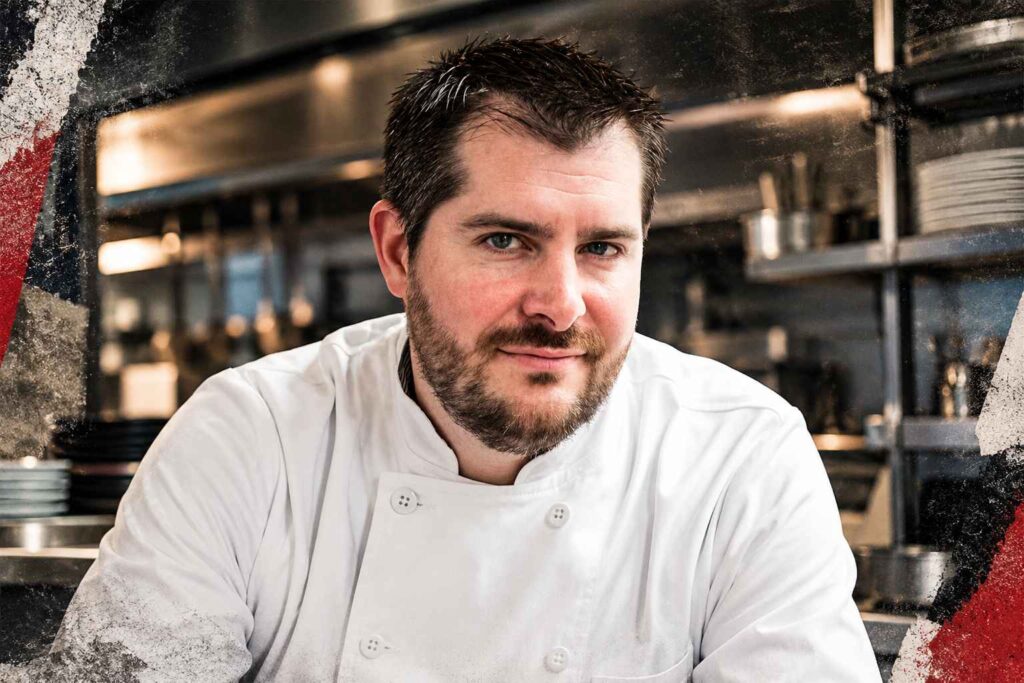
    Chef Harold Dieterle wearing a white chef's jacket in a restaurant kitchen with a Rocksoffmag-style background.
    Dieterle defeated Tiffani Faison in the finale of the first season of Top Chef in 2006.

    Harold Dieterle was only 14 when he started washing dishes at a marina restaurant called the Gull in Babylon, New York.

    He later admitted that he lied about his age to secure the job. The restaurant paid him five dollars an hour, which seemed like excellent money to a teenager.

    In an interview about his first kitchen job, Dieterle recalled being excited about the wages and the chance to spend time around restaurant employees.

    The early experience eventually developed into a serious interest in cooking. He attended the Culinary Institute of America and worked in several New York restaurants, developing a style influenced by Italian and Asian cooking.

    His television breakthrough came in 2006 when he won the first season of Top Chef. The victory introduced him to a national audience and opened opportunities to establish his own restaurants.

    Dieterle subsequently opened Perilla in Manhattan, followed by other restaurant ventures, including Kin Shop.

    For a chef who became nationally recognized through a cooking competition, his first restaurant responsibility had been cleaning plates at a small marina.

    4. Spike Mendelsohn Went From the Dish Pit to Top Chef


    View this post on Instagram


    A post shared by Food Network (@foodnetwork)

    Spike Mendelsohn grew up in a restaurant family, but his early responsibilities were far removed from creating menus or directing kitchen staff.

    He began washing dishes in his parents’ restaurant and became determined to perform the job properly. Mendelsohn later explained that the work was repetitive and physically exhausting, yet he took considerable pride in keeping everything organized.

    In a Washington Post interview, he described dishwashing as the starting point of his culinary career.

    His mother also remembered a moment when one of the cooks failed to arrive for work. Mendelsohn stepped into the kitchen and began handling the cooking equipment, demonstrating an interest in working on the line.

    He eventually attended the Culinary Institute of America and gained restaurant experience before appearing on the fourth season of Top Chef in 2008.

    After the show, Mendelsohn opened Good Stuff Eatery in Washington, D.C., concentrating on burgers, fries and milkshakes.

    Rather than immediately opening an expensive fine dining restaurant, he chose a casual concept that could reach a wider customer base. The decision helped establish him as a restaurant entrepreneur.

    5. Ron Duprat Began His Culinary Journey as a Dishwasher


    View this post on Instagram


    A post shared by Ron Duprat (@topchefron)

    Haitian-born chef Ron Duprat began his professional restaurant career washing dishes before developing the cooking skills that eventually brought him onto American television.

    Duprat later studied culinary arts and built a career combining Caribbean ingredients with French cooking techniques.

    His journey from dishwasher to established chef was featured by Worldchefs in February 2024. The organization documented his early employment and subsequent development as a professional chef.

    Duprat became widely recognized after competing on the sixth season of Top Chef, which aired in 2009.

    His television appearance introduced his cooking to viewers who were interested in the Caribbean influences he brought to his dishes.

    He subsequently became involved in culinary education, charitable activities and food-related events, using his public profile to promote culinary opportunities.

    His career also illustrates how a chef can develop a recognizable culinary identity by drawing on the food traditions of their home country.

    6. Jeff Henderson Started Washing Dishes After Prison

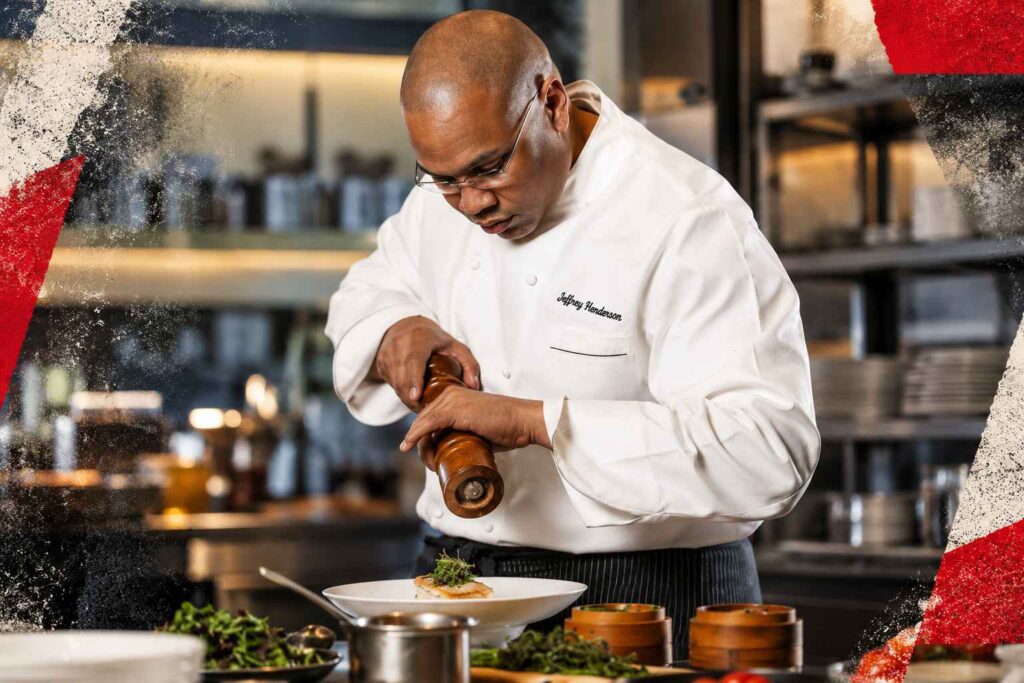
    Chef Jeff Henderson seasoning a plated dish in a restaurant kitchen with a Rocksoffmag-style background.
    Jeff Henderson was named Las Vegas Chef of the Year by the American Food and Wine Tasting Federation in 2001.

    Jeff Henderson entered the restaurant industry under very different circumstances from most young culinary students.

    After serving a prison sentence for drug trafficking, Henderson was released in 1996 and began searching for a way to establish a legitimate career.

    He had developed an interest in cooking during his incarceration and wanted to work in professional kitchens. His first opportunity after release was washing dishes in the kitchen of chef Robert Gadsby.

    Henderson continued learning and gradually secured more demanding restaurant positions. His career progression from dishwasher included work at the Coronado Island Marriott and Hotel Bel-Air before he moved to Las Vegas.

    At Caesars Palace, he became the first African American chef de cuisine to lead one of its restaurants. He subsequently served as executive chef at Café Bellagio.

    His experiences became the subject of the memoir Cooked, published in 2007, and he later hosted The Chef Jeff Project on Food Network.

    Henderson also began speaking publicly about employment opportunities for people rebuilding their lives after incarceration.

    His first dishwashing job was a way into an industry that eventually gave him a respected professional career and a platform to tell his story.

    7. David Burke Started as a Dishwasher Before Becoming a Celebrated New York Chef


    David Burke began working in restaurants as a teenager, first washing dishes before moving into food preparation and eventually learning to cook on the line.

    During a 2026 interview about his early career, Burke recalled how difficult it was to persuade experienced cooks to teach him. He wanted to move past basic preparation jobs, but kitchen positions required experience he had not yet gained.

    His opportunity came at a country club, where a chef agreed to help him learn broiler cooking.

    Burke went on to study at the Culinary Institute of America and trained in France. His professional career eventually brought him to New York, where he became executive chef at the River Café.

    He later earned widespread recognition for his inventive cooking and opened restaurants under his own name.

    The Bottom Line

    Imagine telling a young Anthony Bourdain, standing over a sink full of dirty dishes, that one day he would travel the world eating extraordinary food on television. Or telling Thomas Keller that he would eventually run restaurants with three Michelin stars.

    Neither had those achievements when they started. They had a job to do, a kitchen full of people to learn from and no idea where their careers would take them. Sometimes, the person washing your plate today could be the chef everyone wants a reservation with tomorrow.

  • The story behind the Foo Fighters’ cursed Million Dollar Demos

    On the weekend of August 18/19, 2001, Foo Fighters and Red Hot Chili Peppers co-headlined the UK’s V festivals, playing to crowds of 50,000 music fans at Weston Park in Staffordshire, and Hylands Park in Chelmsford, Essex. Both bands were flying high on the success of the shows, but on the morning of August 20, Foo Fighters came crashing down to earth, when Dave Grohl was informed that drummer Taylor Hawkins had been taken to a London hospital following a drug overdose. The following day, a press statement declared that Hawkins had “overindulged”, but was now in a stable condition.

    Twenty-five years on, the specifics of the incident referred to within the band as “Taylor’s little nap” still remain cloudy. In the 2011 Foo Fighters documentary Back and Forth, guitarist Chris Shiflett suggested that Hawkins had taken heroin – “Our soundman at the time was like, ‘Taylor fucked up, he’s going to die, he’s fucking dead'” – while Hawkins himself blamed an addiction to painkillers, cutting off further queries by saying, “Just fucking painkillers, okay?” Further muddying the waters, Dave Grohl suggested that the drummer was in a coma for “10 or 12 days”, while Hawkins insisted it was around 48 hours.

    Whatever the truth of the matter, it was sufficiently grave to cause Grohl to briefly consider breaking up the band.

    “That was the first time in my life that I ever considered quitting playing music,’ he told me in 2009, “because it had got to the point where I wondered if music just equalled death… I’m in it for the fucking music, but I don’t want to do it if everyone is just going to die all the time.”

    And yet, by the autumn of 2001, Foo Fighters were back in business, working on a new record, almost as if nothing had happened, as if the trauma of the episode could be managed for all concerned simply by the quartet immersing themselves in music once more.

    In an attempt to erase and rewind this troubling chapter of their history, the group attempted to tap back into more innocent, idyllic times, specifically the good vibes of their recording sessions for 1999’s There Is Nothing Left To Lose at Dave Grohl’s home in Virginia. This time around, however, working with producer Adam Kasper and recording engineer Nick Raskulinecz, the quartet struggled to recapture the same degree of creativity. Though Grohl had no shortage of song ideas – at least 20 – constructing fully-formed songs proved taxing, and frustration set in. As the new year dawned, the fruitless Virginia sessions were wound down, and operations shifted back to Los Angeles, specifically to Conway Studios, a state-of-the-art facility on Melrose Avenue.

    It had got to the point where I wondered if music just equalled death

    Dave Grohl

    If Dave Grohl, or his management, imagined that the change of scenery, and the boost given by the LA-based musicians returning to home soil, would serve as a catalyst for inspiration, they were mistaken.

    “Nothing was being accomplished,” Grohl recalled when we discussed the matter six years later. “The songs lacked any sort of life, they were just weird carbon-copy versions of songs that they were meant to be. It’s hard to explain. And then someone would come in and record half a track and go, ‘Okay, I gotta go see my acupuncturist, I’ll be back later’. Meanwhile we’re paying $4,000 a day for this room.”

    “Honestly what happened is that we started working too soon on the record,” he reflected. “We just weren’t ready to do it. We started in on it again before we were ready, before Taylor was ready, before the songs were ready: we felt obligated, in a way. That’s kinda the difference between the first album and the fourth album. In a way they were both made for the same reason – the first album, unconsciously – but the fourth album was a conscious attempt at healing the band. And it didn’t work. It had the opposite effect.’

    “We were almost forcing ourselves to make that record,” Taylor Hawkins added. “And it just wasn’t right. I just wanted to stay busy… but looking back, I probably could have used three or four months to get my head together.”

    Relationships within the Foo Fighters camp were hardly improved by Dave Grohl’s decision to help out his old friend Josh Homme by playing drums on sessions for the third Queens Of The Stone Age record. Not least because it made Grohl aware that the album he was making with his own band was very much a poor relation by comparison.

    “At night I’d go rehearse in a closet with Queens and I’d be in the best band in the world,” he admitted. “And then I’d come back to Foo Fighters studio and be totally dismayed by the apathy and lack of any sort of passion. So things started getting tense.”

    Things came to a head in the spring of 2022, when Foo Fighters invited representatives of the world’s biggest music magazines to Conway Studios for advance listens to what they imagined would be their fourth album. While Kerrang! writer Ian Winwood was being given a preview of new songs, the long-simmering tensions in the studio exploded.

    “I remember getting into a fight in the control room with the Kerrang! people outside,’ Grohl recalled. “It wasn’t even a fight, just people making little jabs and little comments here and there. And I said, Okay, do you want me to go and tell those guys that we’re going to break up right fucking now? Because I will. We can if you want.” And then the room was kinda silent.”

    “I remember getting a promotional schedule for that album, looking at it and thinking, Wait a minute, I don’t even like this music, how am I supposed to promote it? How can I tell anyone I’m proud of this when I’m just not? And to be honest, the last thing in the world the band wanted to do was [for us] to be in the same room as each other.”

    And so, having already spent around one million dollars on the making of the fourth Foo Fighters album, Dave Grohl took the bold executive decision to take what had been recorded to date and bin it, while he went off to join QOTSA on tour. As much as this put noses out of joint, his bandmates would come to recognise that the time. out saved their band.

    “It took about four months to do those Million Dollar Demos, and that’s far too long for a rock record,” Taylor Hawkins noted. “Unless you’re doing A Night at the Opera.”

    In May 2002, with their friendship repaired and heads clear, Dave Grohl and Hawkins would take another stab at the record back in Virginia, and put together an 11-track album in just 13 days. Almost everything the band had recorded in Los Angeles was rearranged, set aside for release as a B-side, or simply discarded, and the duo also wrote new songs – Low, Times Like These and Disenchanted Lullaby among them. Finally, they had a record they considered worthy of release.

    Much later, after his band’s fourth album, One By One, was voted Best Rock Album at the 2004 Grammy Awards, Grohl would confess that, in his opinion, it featured “only four good songs”.

    “We rushed into it and we rushed out of it,’ he admitted. ‘Too many of the songs on that record just weren’t good enough. It was just a question of getting it done and getting it out… it wasn’t our proudest moment”,

    By then, however, Foo Fighters were flying high once more, disaster averted.