Bronx Soul Collective’s Get To Know Me settles into a smooth modern soul and neo R&B space, balancing warm grooves with polished contemporary production. The track has an intimate, late night character, with the soulful delivery keeping the focus on connection, attraction and the desire to let someone closer. There is an easy flow to the arrangement, allowing the rhythm and vocal melodies to work together without feeling overly busy. Bronx Soul Collective bring a classic sense of soul storytelling into a more modern setting, giving the track both warmth and a clean contemporary edge. Get To Know Me feels relaxed but emotionally present, with enough groove to keep it moving while maintaining its intimate atmosphere. It is a confident introduction to the project’s sound, built around smooth vocals, understated sensuality and a rhythm that settles in naturally.
Smooth soul, late night energy and a little room to get closer.
Rhiannon Giddens has spent much of her career expanding the commonly told history of American folk music, particularly the role Black musicians played in shaping it. Hope Is the Thing with Feathers continues that work while emphasizing ensemble performance and songs connected to North Carolina. Odetta’s 1956 debut, Odetta Sings Ballads and Blues, offers a useful earlier reference point. Both records mix interpretation with a strong sense of ownership over the material.
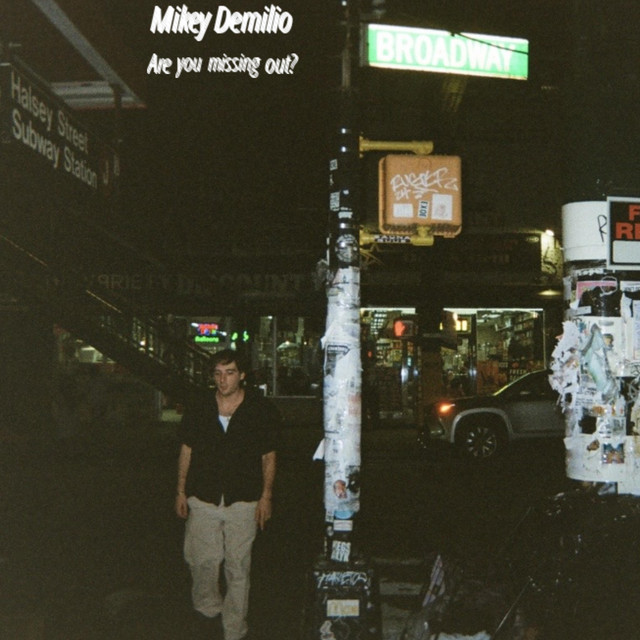
Mikey Demilio’s Her Tears carries a heartfelt indie rock character, balancing melodic guitars with an intimate, emotionally direct vocal performance. Demilio’s distinctive voice gives the track much of its personality, bringing a weathered warmth and natural vulnerability to the songwriting without ever sounding overstated. The arrangement has a steady guitar driven pulse, leaving enough space for the vocal to remain central while gradually adding weight and atmosphere around it. There is a bittersweet quality throughout, with the softer passages allowing the emotional details to land before the track opens up into a fuller indie rock feel. Her Tears feels honest and lived in, combining the intimacy of singer songwriter music with the energy and texture of a proper band arrangement. Mikey Demilio turns a personal emotional moment into something melodic, warm and immediately relatable.
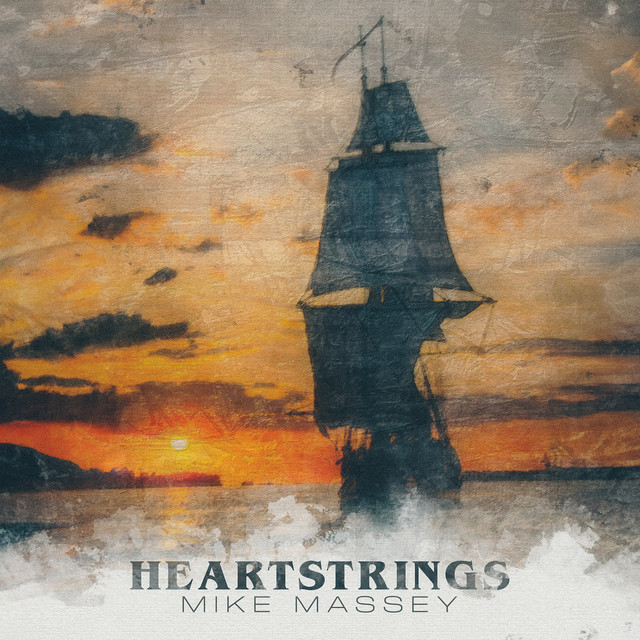
Mike Massey’s Heartstrings is a warm, intimate love song built around the idea that lasting relationships need both closeness and freedom. Its central image of a kite soaring only when the string is allowed to extend gives the songwriting a simple but affecting metaphor for trust, space and devotion. Massey brings a gentle singer songwriter character to the track, with an acoustic driven feel that keeps the focus firmly on the story and its emotional core. The song draws its warmth from personal experience, connecting memories of young love, long lasting commitment and the small moments that become meaningful over time. There is no need for grand gestures here, just an honest appreciation of what keeps two people connected. Heartstrings feels sincere without becoming overly sentimental, finding its strength in the belief that love can hold firm while still allowing room to breathe.
Sometimes love means knowing when to let the string out.
Last night, Sept. 27, Amelia Dimoldenberg hosted SNL UK and Rachel Chinouriri was the musical guest. Dimoldenberg, who recently announced that she was ending her show Chicken Shop Date, had some good laughs during her opening monologue, especially a dig at Ed Sheeran who she called “the world famous red-headed puppet with a hand up his ass telling him what to say.”
Death. Void. Terror. are a black/death/doom metal band from Switzerland, and this is their third album. This new record follows hot on the sulphurous heels of last month’s EP To the Great Monolith 2.5. So, what do these strange, otherworldly travellers have in store for us this time? The answer, is something unexpectedly special. Something, … Continue reading “Death. Void. Terror. – To the Great Monolith III: Rifts (Review)”
Mikey Demilio’s Barclays Ave carries an intimate indie folk flavor, pairing a warm, organic feel with the sense of place at the heart of the song. Written in Brooklyn and recorded at Manhattan’s Flux Studios, the track feels grounded in everyday surroundings, turning a familiar street into a setting for personal reflection and quiet observation. There is an understated warmth to Demilio’s songwriting, with the indie folk character giving the song a natural, lived in quality rather than pushing it toward anything overly polished. The arrangement leaves space for the melody and storytelling to breathe, allowing the emotional details to emerge gradually. Barclays Ave feels like a small musical postcard from the city, capturing the atmosphere of a particular place while leaving enough room for memory, movement and interpretation. It is personal without becoming overly sentimental, finding its strength in simplicity and a genuine sense of connection.
Indie folk for the streets, the memories and everything in between.
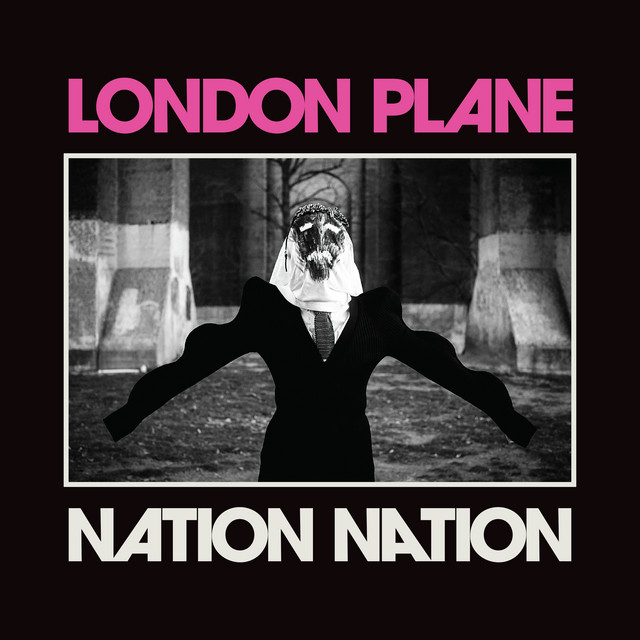
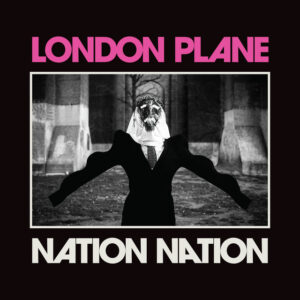
London Plane’s Nation Nation hits with a frantic, danceable energy, driven by rumbling rhythms, bright guitars and vocals that push the song into deliberately chaotic territory. The arrangement feels tightly controlled beneath the surface, with hooks constantly cutting through the noise while the guitars and rhythm section keep everything moving at a relentless pace. London Plane embrace an eccentric edge here, turning the track into something sharp, theatrical and slightly unhinged without losing its pop instincts. The vocal perspective adds another layer to the performance, inhabiting a character consumed by devotion and absurdity, which gives the song an intentionally uncomfortable tension. Produced by Carlos Dengler, Nation Nation balances immediacy with a more abrasive side, making every section feel like it is threatening to spill over. It is loud, catchy and restless, with enough melodic bite to keep the chaos firmly under control.
Bright guitars, dark impulses and absolutely no brakes.
A perfume cannot be seen, touched, or held. Yet throughout history, people have attributed extraordinary powers to scent, believing it could inspire desire, influence emotions, conceal identities, and even alter destiny.
This invisible quality gives perfume a uniquely Gothic character. Like a ghost, a memory, or a secret, fragrance occupies a space between presence and absence. It surrounds the body while remaining impossible to grasp.
For centuries, writers, artists, aristocrats, and alchemists have associated perfume with seduction, transformation, mystery, and danger. In Gothic culture, scent became more than an accessory. It evolved into a symbol of hidden desires, forbidden temptations, and the psychological forces operating beneath the surface of ordinary life.
The Dark History of Perfume and Gothic Seduction
Perfume, Alchemy, and Transformation
The history of perfume is deeply connected to ancient traditions of alchemy, mysticism, and transformation.
Long before modern chemistry emerged, alchemists experimented with distillation, extraction, and aromatic substances in their pursuit of hidden knowledge. Fragrant oils, flowers, herbs, and resins were often believed to possess spiritual as well as physical properties.
The creation of perfume itself seemed almost magical. Raw materials gathered from nature could be transformed into something invisible yet powerful, capable of altering mood, memory, and perception.
For many early practitioners, fragrance existed at the boundary between the material and spiritual worlds. Aromatic substances appeared in religious rituals, healing traditions, and occult practices throughout Europe, the Middle East, and Asia.
This connection between scent and transformation would later become central to Gothic symbolism. Like many Gothic characters, perfume seemed capable of changing identity while concealing the mechanisms behind the transformation.
Perfume in Gothic Literature
Gothic writers quickly recognized the narrative power of scent.
Unlike visual descriptions, perfume operates indirectly. A fragrance can reveal a character’s presence before they appear, linger after they leave, or evoke attraction, nostalgia, and suspicion without a single word being spoken.
This subtle influence made perfume an ideal Gothic symbol.
One of the most famous literary examples appears in Patrick Süskind’s Perfume: The Story of a Murderer. The novel transforms scent into an instrument of obsession, manipulation, and control. Jean-Baptiste Grenouille’s extraordinary sense of smell allows him to dominate others through fragrance, turning perfume into a frightening expression of power.
Oscar Wilde explored a different aspect of scent in The Picture of Dorian Gray. Throughout the novel, Dorian immerses himself in luxury, collecting rare perfumes and bizarre sensory experiences. These fragrances become symbols of indulgence and moral decay, reflecting the widening gap between his beautiful appearance and his corrupted soul.
In both novels, perfume functions as more than decoration. It becomes a vehicle for exploring temptation, identity, obsession, and transformation—core themes that have defined Gothic literature for generations.
The Psychology of Scent, Memory, and Desire
Few sensory experiences possess the emotional power of scent.
A particular fragrance can instantly trigger memories that have remained dormant for years. A forgotten room, a childhood experience, or the presence of a lost loved one may suddenly return through smell with remarkable intensity.
Modern neuroscience helps explain why this occurs. The brain’s olfactory system is closely connected to regions associated with memory and emotion, creating unusually strong links between scent and personal experience.
Writers understood this connection long before scientists explained it. Marcel Proust famously described how the aroma and taste of a madeleine unexpectedly released a flood of memories from childhood, demonstrating how scent can unlock entire worlds hidden within the mind.
Scent also operates below conscious awareness. People often respond emotionally to fragrances before they can explain why. Attraction, comfort, nostalgia, and even unease can be influenced by smells that remain difficult to identify or describe.
This psychological ambiguity gives perfume a distinctly Gothic quality. Like a ghost or a forgotten memory, fragrance can exert powerful influence without fully revealing its source.
Gothic literature repeatedly draws upon this phenomenon. A lingering scent can transform an ordinary room into a haunted space, connecting memory with absence, desire, and loss.
Perfume, Poison, and Seduction
Throughout history, perfume has occupied an uneasy position between attraction and danger.
Its purpose is to draw attention, create impressions, and influence perception. Yet this very ability to affect others has also generated suspicion. Gothic culture repeatedly explores the fear that what attracts us most strongly may also conceal hidden risks.
This tension appears throughout literature and folklore. Beautiful fragrances frequently accompany characters who are deceptive, mysterious, or morally ambiguous. The scent becomes a warning disguised as an invitation.
Unlike visible threats, perfume operates invisibly. It enters a room before its wearer arrives and lingers after they depart. This ability to exist between presence and absence gives fragrance a uniquely Gothic quality.
As a result, perfume often functions as a symbol of temptation itself. It suggests that desire can cloud judgment and that appearances may conceal darker realities beneath the surface.
Cleopatra and the Politics of Scent
Few historical figures illustrate the symbolic power of perfume more effectively than Cleopatra.
Ancient accounts describe her use of fragrance as part of a carefully constructed public image. According to later writers, even the sails of her royal barge were perfumed, allowing her presence to be announced through scent before she became visible.
Whether every detail is historically accurate matters less than the cultural legacy that emerged from these stories. Cleopatra became associated with the idea that fragrance could shape perception, influence desire, and project power.
For Gothic culture, this image proved irresistible. Perfume appeared capable of transforming an individual into something larger than life, blurring the boundary between reality and performance.
The figure of Cleopatra therefore represents one of the earliest examples of scent functioning as a tool of mystery, seduction, and psychological influence.
Catherine de Medici and the Legend of Poisoned Perfume
Another figure frequently associated with perfume’s darker reputation is Catherine de Medici.
During the Renaissance, Catherine helped popularize Italian perfumery at the French court, contributing to the growing importance of fragrance among European aristocracy.
Over time, however, legends emerged claiming that some of her perfumes and perfumed gloves concealed deadly poisons. Historians continue debating the accuracy of these stories, and many appear to be products of political hostility and later mythmaking rather than established fact.
Yet the persistence of these rumors reveals something important about the Gothic imagination.
The idea that a beautiful fragrance might conceal a lethal threat perfectly embodies the Gothic fascination with duality. Perfume becomes both attraction and danger, pleasure and destruction, beauty and death.
Whether true or not, the legend survives because it captures a recurring Gothic fear: that what appears most alluring may also be the most dangerous.
Perfume in Modern Gothic Culture
Contemporary Gothic culture continues drawing upon the symbolism of scent.
Modern perfume houses frequently create fragrances inspired by cemeteries, dark forests, ancient libraries, Victorian mourning rituals, ruined churches, and supernatural folklore. Notes of incense, smoke, black roses, leather, patchouli, oud, and aged woods are often used to evoke mystery and nostalgia.
These fragrances do more than smell pleasant. They tell stories.
Just as Gothic literature uses atmosphere to create emotional responses, Gothic perfumes seek to create moods associated with melancholy, romance, memory, and the unknown.
The popularity of dark fragrances demonstrates that perfume continues functioning as a form of symbolic expression. Wearers are often drawn not only to a scent itself but also to the identity and narrative associated with it.
In this way, perfume remains connected to the same themes that fascinated Gothic writers centuries ago: transformation, secrecy, desire, memory, and the hidden dimensions of personality.
The Invisible Art of Seduction
Perfume occupies a unique place within Gothic culture because it embodies many of the genre’s central themes at once.
It is associated with transformation, memory, desire, secrecy, and identity. It can evoke the past, shape perception in the present, and influence emotional responses in ways that often remain difficult to explain.
Unlike most Gothic symbols, scent leaves no visible trace. Yet its effects can be profound. A fragrance may trigger forgotten memories, create attraction, inspire nostalgia, or generate unease without revealing precisely why.
This psychological ambiguity explains why perfume appears so frequently in stories involving seduction, obsession, temptation, and hidden desires. Fragrance operates at the edge of conscious awareness, making it a natural symbol for forces that influence human behavior from beneath the surface.
From ancient alchemical traditions to Gothic literature and modern fragrance culture, perfume has remained connected to the idea that unseen influences can shape human experience as powerfully as visible ones.
Perhaps this is the true Gothic power of scent. Like a ghost, a secret, or a memory, it reminds us that some of the most powerful forces in life cannot be seen, only felt.
Wear the Darkness
If The Dark History of Perfume and Gothic Seduction speaks to your fascination with mystery, transformation, and Gothic symbolism, explore the Edgar Allan Poets store. Our designs celebrate dark aesthetics, Gothic literature, noir culture, and the beauty hidden within the shadows.
Join the Noir Newsletter
Receive more essays exploring Gothic literature, dark symbolism, noir psychology, Victorian culture, Gothic fashion, and the hidden forces that continue shaping the darker side of art and imagination.
Frequently Asked Questions
Why is perfume associated with Gothic culture?
Perfume is associated with Gothic culture because it symbolizes mystery, seduction, transformation, memory, and hidden psychological forces. Its invisible nature makes it particularly suited to Gothic themes.
What role does perfume play in Gothic literature?
In Gothic literature, perfume often functions as a symbol of temptation, identity, memory, and manipulation. Fragrance can reveal hidden emotions while concealing deeper truths.
Why does scent trigger powerful memories?
The brain’s olfactory system is closely connected to areas involved in memory and emotion, allowing fragrances to evoke vivid personal experiences and forgotten moments.
Was perfume connected to alchemy?
Yes. Early perfume-making shared techniques and ideas with alchemical traditions, particularly the belief that substances could be transformed into something possessing special physical and spiritual properties.
Why does perfume appear so often in stories about seduction?
Perfume influences perception through emotion rather than logic. This ability to shape attraction, mood, and identity has made fragrance a recurring symbol of seduction throughout history and literature.