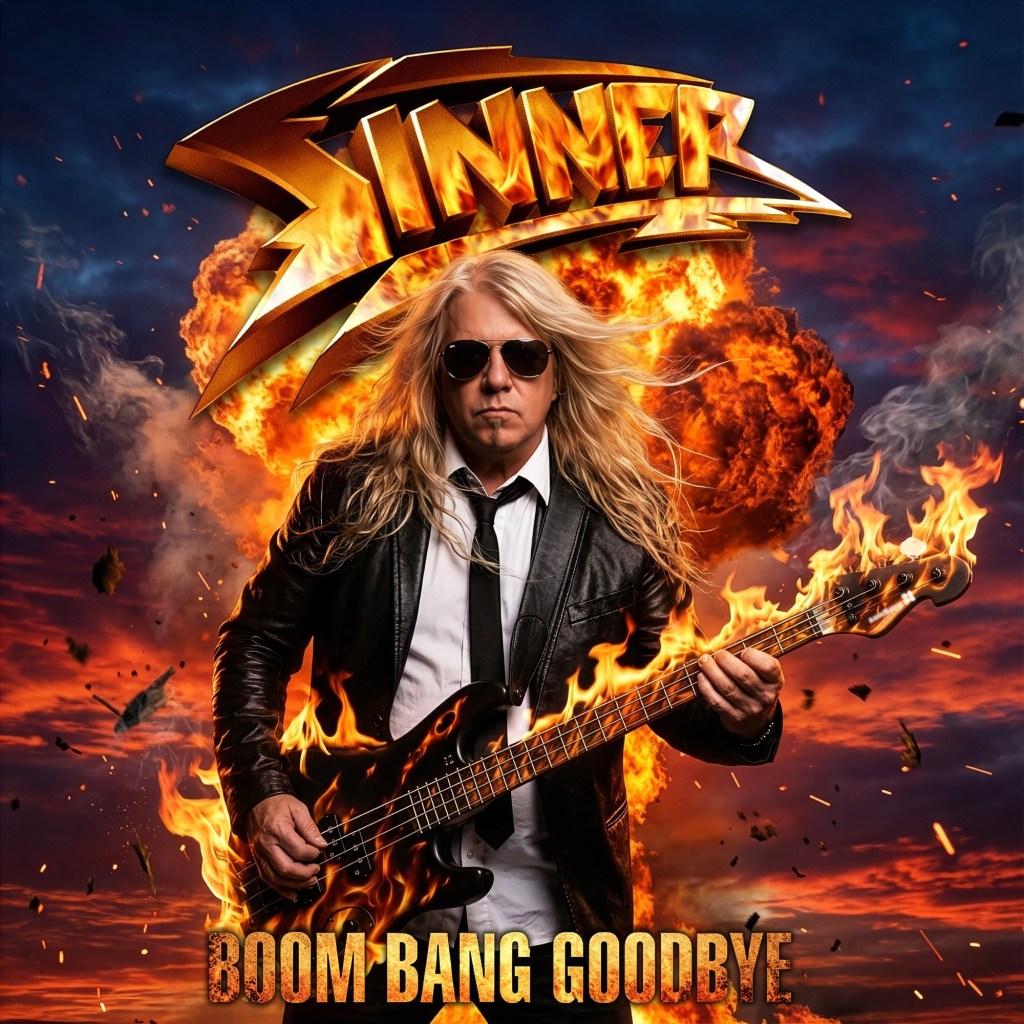
With Boom Bang Goodbye, SINNER release their final studio album today, via Reigning Phoenix Music (RPM). After more than four decades, 19 studio albums and countless live shows, the band led by Mat Sinner bid farewell with a record that distils their entire career into eleven powerful songs. Alongside the album, SINNER have also released a new video for “All Night Long,” arguably the most carefree and life-affirming anthem on the record, featuring Ronnie Romero on vocals.
What began as Mat Sinner’s vision in 1982 evolved over more than four decades into one of the most enduring and influential institutions of the German hard rock and metal scene. From their early classics to the chart success of Brotherhood (#12 in Germany, 2022), SINNER have always remained a band that refused to follow trends, instead forging their own path with passion, integrity and an unwavering love of rock ’n’ roll.
With Boom Bang Goodbye, this journey does not end quietly. Instead, SINNER bow out with an album that once again brings together everything the band have always stood for: soaring melodies, powerful guitars, anthemic choruses and genuine emotion. Produced by Mat Sinner and completed together with Alex Scholpp, the album spans an impressive range from classic hard rock and melodic metal to modern arena anthems.
Opening track “Dreams Can Come True” immediately sets the album’s emotional tone, telling a story of hope, perseverance and the courage to keep believing in your dreams despite every setback. Songs such as “Wait,” “Leave It All Behind” and “Turn The Page” reflect on farewells, the passing of time and inner strength, while “Hellbreaker” and “Under The Moonlight” deliver the riff-driven heaviness that has defined SINNER for decades.
To coincide with the album release, SINNER have also unveiled the video for “All Night Long.” With Ronnie Romero behind the microphone, the song becomes a musical journey back to the golden days of rock ’n’ roll. Memories of sweaty clubs, endless summer nights and unbreakable friendships meet an instantly infectious chorus.
The accompanying video captures exactly that spirit, packed with energy, good times and genuine rock ’n’ roll moments. “All Night Long” is the perfect feel-good soundtrack for the summer and, at the same time, one final collective toast to more than forty years of SINNER history. Because even though Boom Bang Goodbye marks the end of a chapter, one thing remains truer than ever: The party goes on.
For this final statement, Mat Sinner has once again assembled an impressive cast of longtime companions and outstanding musicians. Alex Scholpp (guitar) and Moritz Müller (drums) provide the album’s powerful foundation, joined by Jim Müller (KISSIN’ DYNAMITE), Lisa Müller, returning SINNER guitarist Mathias “Don” Dieth, and Magnus Karlsson, who has worked closely with Mat Sinner for many years.
Vocally, Boom Bang Goodbye also becomes an extraordinary meeting of remarkable voices. Ronnie Romero, Michael Bormann, Michael Sadler (SAGA), Björn “Speed” Strid (SOILWORK), Erik Mårtensson (ECLIPSE), Renan Zonta and Sascha Krebs each bring their own distinctive character to the songs, making the album a fitting farewell filled with exceptional vocal performances.
Mixed and mastered by Jacob Hansen at Hansen Studios, Boom Bang Goodbye combines modern power with the classic SINNER DNA. Every song bears Mat Sinner’s unmistakable signature as a musician, songwriter and one of the defining figures of the European hard rock and metal scene.
Boom Bang Goodbye is far more than simply the final SINNER album. It is an emotional legacy. A thank-you to the fans. And one last firework display of anthems, memories and passion. Or, as Mat Sinner himself puts it: “The last one turns off the lights.”
“I don’t want to speak for John about his political views; that wouldn’t be fair. I can say that the verb “was” [a Trump supporter] is correct. I can’t say for sure that it still is.”
Peter Gabriel’s compelling and eccentric performances with Genesis quickly became a powerful ticket-mover from their early days. In 2023 he told Prog about the motivations behind his characters and costumes – which, on occasion, caused conflict with his colleagues until his departure in 1975.
These days Peter Gabriel is a slaphead out of necessity. Or, as he puts it, due to “the absence of follicles”. But back in 1978, when having a shaven head at best marked you out as part of the boot-boy skinhead culture and at worst identified you as a Nazi sympathiser, Gabriel took a razor to his mop out of choice.
The fact that he would stand on stage clutching a pink teddy bear while singing Me And My Teddy Bear added to the whole incongruous image. “That was actually the first song I ever performed in front of an audience,” Gabriel told Classic Rock in 2014. “The contrast was deliberate. You want to believe that packaging isn’t the main priority for making initial decisions about people, but sadly it is. So by changing the packaging I was hoping to change the perception.”
And did you? “To an extent. I think it worked in America but in England I don’t think I’ve ever outgrown that middle-class, ex-progressive rock persona.”
Strange but true. Most people’s first acquaintance with Peter Gabriel dates back to the mid-80s and the Sledgehammer video that brought a touch of class to the rapidly expanding MTV channel and dropped him right into the laps of a new generation. And yet 29 years after he walked away from his original prog-rock persona in Genesis, the ghost still lingers.
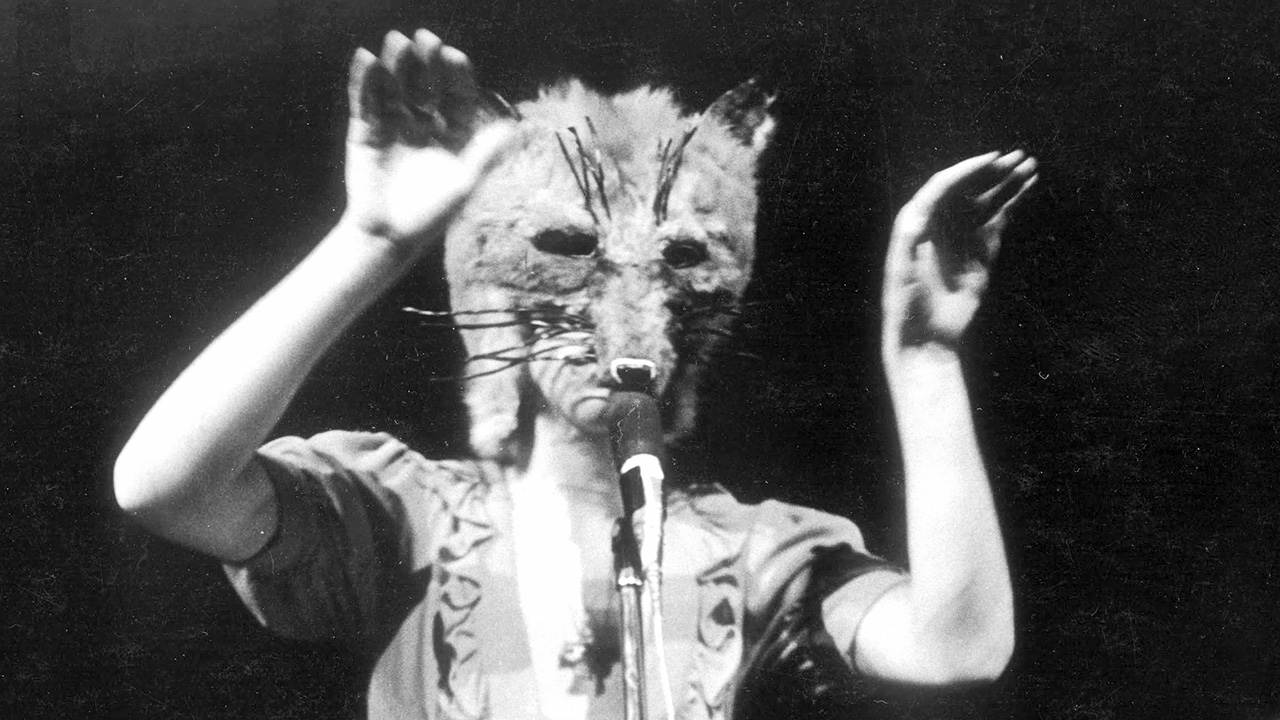
It’s not too hard to establish some kind of link between the middle-aged chap walking around upside down on stage singing Downside Up on his latest tour and the same bloke stuck inside a fox’s head wearing a long red dress back in 1972 singing Watcher Of The Skies.
The connection is Peter Gabriel’s sense of the dramatic. It’s what got him hooked on rock music back in the mid-60s when he was a pupil at the stuffy, class-ridden Charterhouse public school where rock’n’roll was considered subversive. (If you want to sample the flavour, try Lindsay Anderson’s 1969 movie, If – Gabriel auditioned for a part, although he didn’t get it.)
Gabriel isn’t normally one to get reflective about his career. Not when there are Bonobo apes to interact with. Not when the internet is transforming the music industry, giving artists the opportunity to take more control of their work. (When he suggested a couple of decades ago that people would soon be accessing music via the telephone he was laughed at.) Not when there’s an award-winning stage designer finding a way of enabling you to walk upside down on stage and an award-winning director to film you doing it.
But sitting in a cosy corner of the Covent Garden Hotel restaurant, Gabriel is allowing himself to wallow in a little nostalgia.
Gabriel’s formative rock’n’roll experiences outside the gates of Charterhouse – frequently illicit, which only added to the thrill – were Otis Redding and The Nice. “I got to see Otis Redding in 1967 at the Ram Jam Club in Brixton. It was a bit of a moment for me,” he recalls proudly.
“I’ve never really been a technical singer as such, or a musician. I’m someone who goes for the feel of something and tries to build pictures. And hearing the voice and the emotion of Otis Redding was just beyond words.
“I saw The Nice several times as well. I always thought The Nice got branded by ELP in some ways. There was a time when Jimi Hendrix wanted to join The Nice, and nowadays people might look back and wonder why, but if you saw The Nice they were exciting both musically and in terms of showmanship, which I think was part of the appeal to Hendrix.
“When we [Genesis] wrote The Knife, that was very much inspired by [Genesis keyboardist] Tony Banks’s and my enthusiasm for The Nice. Terrible name, though. But then words were never Keith Emerson’s strong point,” he adds.
But that was a couple of years down the line. Back inside the Charterhouse gates, simply forming a band was regarded as an act of rebellion against the establishment, regardless of how whimsical the early efforts of Gabriel, Banks and their school mates Michael Rutherford and Anthony Phillips actually were.
Their early band names – The Anon, the Garden Wall – are testament to their diffidence, although musically they were well-organised from the start. Gabriel had suggested they call themselves Gabriel’s Angels, which could have laid him open to Keith Emerson-style criticism, but the others were not impressed.
In fact they were given the name Genesis by Charterhouse old boy Jonathan King, who was the first to spot their potential. He’d had a hit in 1965 with Everyone’s Gone To The Moon and it wasn’t as if they had many other contacts in the music business, so they sent him a tape. King recorded their first album in ’68, From Genesis To Revelation on the Decca label, which almost nobody bought.
But they knew they could do better, and once they’d wriggled out of King’s clutches they took themselves off to a country cottage just outside Dorking where they spent six months eating, sleeping and rehearsing. Apart from taking afternoon walks they never left the place. As Mike Rutherford later observed: “We were far too intense to enjoy ourselves.”
It meant that by the time they started to play gigs they had a carefully prepared show. But at this point Gabriel became aware that he was the only one standing up on stage. “And the others had absolutely no understanding of the stress that it put on me,” he recalls. “Because I was the one who was actually having to sell it at gigs.
“And it was a lot of pressure,” he continues, “because there were audiences that weren’t the least bit interested in what we had to offer. What’s more, we had all these 12-string guitars that had to be retuned between each number. They’d be sitting there in silence, tuning up, and I’d be trying to speed it up because I could feel the energy from the audience just dissipating. That’s when I started, out of desperation, telling stories.”
Gabriel’s monologues soon became a feature of Genesis gigs as the band built up pockets of support in places like Aylesbury, Godalming and Bath. But progress was painfully slow. Despite package tours with Lindisfarne and Van der Graaf Generator – Genesis’s labelmates at their new home on Charisma – the band’s Trespass (1970) and Nursery Cryme (1971) albums sold pitifully few copies.
“We were plodders,” Gabriel admits. “I remember, after we’d been going for two or three years, talking with this guy who said he was forming a band called Curved Air. And within about three months they’d shot past us into the charts. We were quite depressed that they could do far more in a shorter space of time than we could.”
But then Genesis had very little in common with their rock’n’roll peers. While other bands would head down to the fish and chip shop or the pub after setting up their gear at a venue, the Genesis chaps would get out their lunch boxes and chow down on their egg-and-cress sandwiches.
Sex and drugs were not a prime motivation for their rock’n’roll, either. “We had read about those things,” Gabriel observes. And as for the drugs: “I had the odd experience with hash cigarettes and walked around with the giggles or threw up. It wasn’t doing it for me. Part of it was that I had a very vivid imagination and I didn’t really want to lose control.”
(Image credit: Getty)
Genesis were even different from other prog-rock bands. They took a democratic, collective approach to their music, and there were no wanton displays of instrumental flamboyance. “It was much more a composer’s approach rather than a player’s approach,” Gabriel agrees. “Some of the other bands were better players than us but didn’t have the same approach that we did. Tony and Steven [Hackett] would have their moments but they were all within the group context.”
Another problem for Gabriel was that while his vocals provided much of the songs’ foreplay, the climaxes were often instrumentally driven, leaving him standing around, useless and frustrated. “The most I could do was to bang a tambourine. Actually, I should have been utilised on a keyboard or some other instrument, but that was all down to politics within the band.”
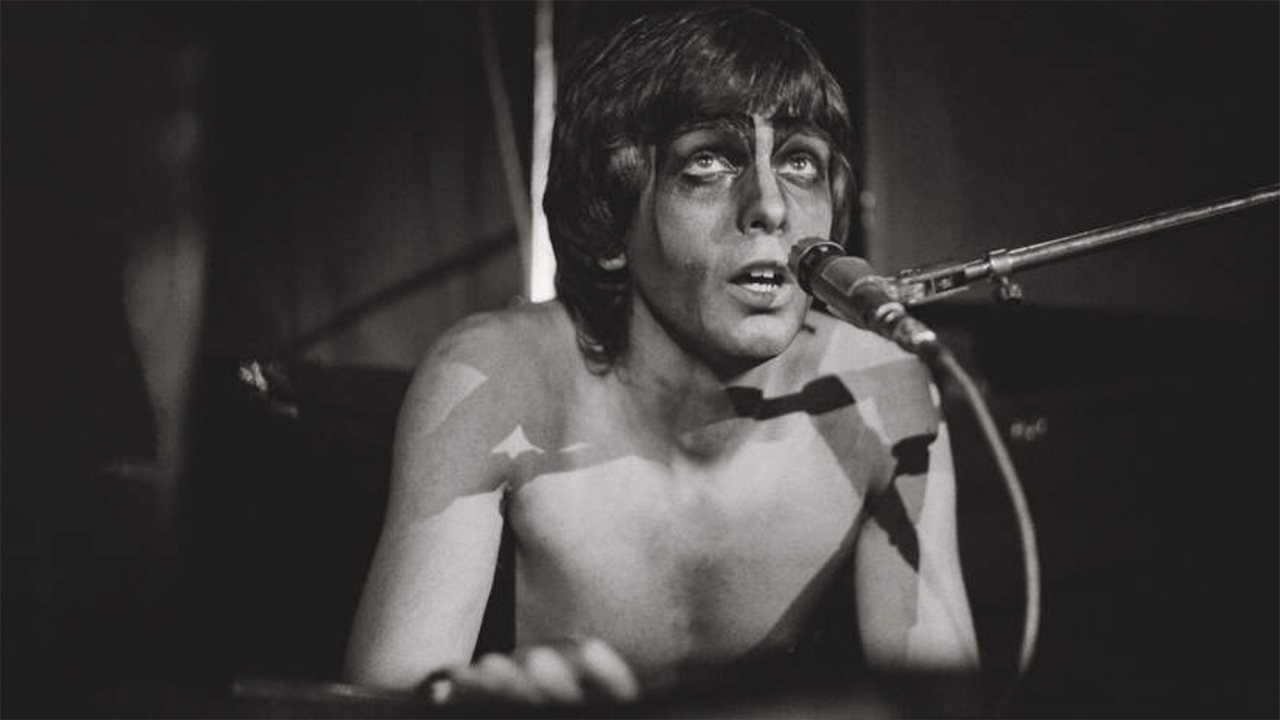
For all the musical drama Genesis could conjure up, it wasn’t until they developed a visual element that they started getting recognition. Gabriel had tinkered with eyeliner and shaving a wedge out of the hair above his forehead. Then he donned his wife’s (he got married in 1971) Ossie Clark designer dress (“It was a struggle getting into it”) and a fox’s head for a show in Dublin in October 1972.
“Back then Ireland was not the hippest country in Europe,” Gabriel says, with understatement, “and there was a palpable sense of shock as I walked out on stage. I thought the dressing up was fun, but the rest of the band were pretty uncomfortable about it. There was a lot of heavy discussion about whether I should be doing this sort of stuff. But I’m an obstinate bugger, particularly when people don’t want me to do something.”
Just as the others jealously guarded their instrumental domains, Gabriel protected his wardrobe. “When we started the Supper’s Ready tour I didn’t show the band any of the visual things I’d planned. I thought: ‘If these masks come up for band discussion they won’t go with it.’ I knew it would work, but I was going to have to do it furtively.
“I brought them along to the rehearsals on the day of the show. And I think the others realised at that point that they couldn’t stop me because it was too close to the show and it would really rock the boat. Fortunately the audience reacted well and I got away with it, although it was a close-run thing.”
The masks included a geometrically enhanced cardboard box, and a faintly ridiculous flower ensemble with Gabriel’s head framed by petals. With the addition of a white muslin curtain behind the band, lit by ultra-violet lights, the audience now had something to focus on apart from their own shoes.
Through 1973 and 1974 Genesis developed a cult following. They had already become big in Belgium and Italy, and their new musical tales of mystery and imagination on the Foxtrot and Selling England By The Pound albums proved particularly popular in the industrial towns and cities of northern England. They even almost had a Top 20 hit with I Know What I Like (In Your Wardrobe), but it stalled at No.21. And when they started touring America, their strongest areas were the blue-collar cities of the US Midwest and Canada.
“I think some of them were trying to escape from their backgrounds, and we had a romanticism that cut through to people,” Gabriel explains. “We were much more Harry Potter than The Terminator. The critical thing for me was how much feeling we were able to put out, and I think there was a real emotion getting through at our gigs.”
Emboldened by the band’s success, Gabriel’s stage outfits became more elaborate. On a couple of occasions he was even hoisted into the air on a wire to sing The Musical Box.
He also started getting more possessive over the lyrics, which caused ructions with the others who felt that words were part of the ‘group thing’. Gabriel didn’t help himself by being late with the lyrics. So it was with some reluctance that the rest of the band allowed Gabriel to write the lyrics for their conceptual tour de force The Lamb Lies Down On Broadway, even though it was his concept.
“I insisted, although there were two songs in which the others got involved because they didn’t want it to be a hundred per cent. And I think that really was the reason, although they would probably give you other reasons. But I did put a copyright on the little story I wrote on the sleeve, jumbled as it is, because while I was an equal contributor on the musical ideas I knew that I was doing a lot of this work in addition. It was pure ego.”
Ego – or the flattering of it – also had a part to play in the episode that nearly wrecked Genesis during the recording of The Lamb… The Exorcist director William Friedkin had read an earlier surreal story by Gabriel on the sleeve of their Live album, and got in touch about writing a script. Already behind with The Lamb… lyrics, Gabriel asked the group for time off. When they refused, he quit. Matters were resolved only when their management warned Friedkin that he was breaking up the group. Friedkin backed off, and Peter sheepishly returned.
(Image credit: Getty Images)
More traumatic was the birth of Gabriel’s first daughter, who after a complicated birth was in intensive care. “We were recording in deep Wales,” he recalls, “and my daughter was between life and death in Paddington. So there was this five-hour drive to visit my wife and daughter. It was absolutely exhausting.
“The rest of the band were sympathetic but they couldn’t understand. The Band had always been The Boss and our duty. Our life was our work, and any kind of life outside this all-consuming entity, whether private or professional, was something the others found pretty threatening.”
His daughter survived (and in the mid-noughties made a movie of her dad on tour), The Lamb… was completed after round-the-clock mixing sessions, tours were booked, and a new show conceived and prepared. But Gabriel’s perspective had changed irrevocably. Four dates into their US tour in late 1974 he told the band he was leaving, although it was another six months before he could extricate himself.
“Our manager was booking tours 18 months ahead, which is normal business practice, but I was just feeling the whole weight of commitment and thinking, when is life going to happen? Is it all just tours and records? I wanted to stop every now and again and have time with my family. But you couldn’t because it was fucking up the band.
“And the irony was that I had all that really strongly when I said I wanted to leave, because we hadn’t paid off our debt and things were really beginning to take off and now I was fucking it up for them. So the reason I stayed with the band for a European tour was guilt.
“And the thing that was hardest for me was that I had agreed that in order to give the band a chance to build a new identity I wouldn’t say anything for another six months. And I felt like a fraud. I was performing in front of all these people and I couldn’t say anything. But strangely enough I was more confident that they would do all right without me than they were.”
But the press and public didn’t see it that way. When news finally leaked out and Gabriel wrote a “convoluted letter” to the press, Genesis found themselves reading their own obituaries while everyone speculated on Gabriel’s next move.
Except that there was no next move. “It was time out rather than time off,” he explains. “After I left Genesis I wanted to be outside the music business. At first I was just growing vegetables and looking after the baby. I also looked at this commune that I was actually quite serious about joining. They’d put together different elements of spiritual traditions, and they auditioned prospective members with psychological testing and stuff like that. It was quite a weird experiment. Even weirder, it was called Genesis!
“But the more I was without music, the more I realised I still loved it and I wanted to get back. And they said: ‘If you do go back, we can all decide when you should go.’ And I thought, hang on a minute.”
Having rejected Genesis for a second time, Gabriel got back into the swing of writing songs. But who to play with? Apart from his old band, he hadn’t really hung around many musicians, although he had got to know Robert Fripp, the leader of King Crimson, and a London-based American keyboard player called Larry Fast. For Gabriel the prospect of forming a band was daunting.
He ended up going to Canada to work with Bob Ezrin, on the face of it a strange choice. Ezrin had made his name producing Alice Cooper and had recently worked with Lou Reed and Kiss.
“One of the attractions of Bob was that he seemed really good at organising people, and it was nice to feel that some of that pressure was not going to be on my shoulders,” Gabriel explains.
“I was very nervous doing the first sessions with him so I took my little English contingent with me, and he introduced me to these other musicians, one of whom was Tony Levin, who has been my bass player ever since.
“Bob helped enormously. He’s very talented. We still work together on projects. But at that time he was also a bit of a coke-inspired control freak. And that would manifest itself in various ways. There was one particular occasion when a beautiful guitar solo from Robert [Fripp] was erased and we didn’t quite know why. And that created tension.
“Then there were the sessions for Here Comes The Flood, when I wasn’t sure about the drum part so I wanted it isolated so I could erase it if necessary. But when I listened back the drums had been mixed in with the orchestra, and there was no way I could get rid of it. There were several moments like that. But we found a way through, and I think there are bits of that album [the first Peter Gabriel] that are really good and focused. There’s just a few bits where it goes off the rails.”
By now it was 1977 and, as Gabriel had predicted, Genesis had already risen, phoenix-like, and were more commercially successful than ever. Suddenly it was ‘Peter who?’ Thank goodness, then, for Solsbury Hill which gave Gabriel a Top 20 hit and the exposure he needed to launch his solo career. “That was something Bob Ezrin kept pushing me to finish. He’s very good at motivating people to get on with writing.”
His first tour that year put further distance between him and his former band – no dramatics, no costumes, just a simple but effective light show. “I was definitely trying not to play Genesis songs, although I did do Back In New York City [from The Lamb…]. And there were a couple of covers – Marvin Gaye’s Ain’t That Peculiar and The Kinks’ All Day & All Of The Night – which were outside the prog-rock background I was associated with.”
He had also been thinking about the barrier between the performer and the audience, and “how much more interesting it could be if you tried to break through that”. The newly developed radio microphone gave him the first chance: he’d disappear off stage during the introduction to Waiting For The Big One and reappear at the back of the stalls or the balcony before making his way back to the stage through the audience.
“You couldn’t pre-programme the show if there was a physical interaction with the audience,” he explains. “They could determine how long you were out there. It certainly added a sense of alive-ness to the show. Because I was putting myself in a place that was potentially vulnerable. And things like trust start to come into play.” Later on he would take that a big step – or fall – further.
Having put clear daylight between himself and Genesis – and had a hit single as well – Gabriel now had to decide which way to go on the next album.
“I was worried about getting drawn back into the pop thing. So the second album was a deliberate attempt to go somewhere else, and I asked Robert Fripp to produce it. He said: ‘That’s a wonderful idea. We’ll do the whole thing in six weeks. No pussyfooting around.’ I thought that sounded exciting and I decided to go for it.
“But what I learnt was that I don’t do good work in a hurry. I may get moments of things, but not a proper body of work. The songs weren’t as good as they could have been, the lyrics weren’t as good as they could have been, the arrangements certainly weren’t as good as they could have been, and the sounds weren’t as good as they could have been.
“It took until the next record to find out what I was as a solo artist, or could be. That was in the framework of feeling more settled with the band, and having the great team of [producer] Steve Lillywhite and [engineer] Hugh Padgham.”
The framework for that third album also included an odd rule: no cymbals. “I’d been thinking about the things I didn’t like on rock records,” Gabriel explains, “and one of the things was cymbals splashing around all over the place. They take up an incredible amount of space in the higher sound frequencies. And if you take them out you give yourself a whole country to explore.
“So I said no cymbals. And that meant that the drummers – mainly Jerry Marotta but also Phil Collins and Morris Pert – couldn’t do what they normally do. Suddenly they had to think differently. And that affected the spine of the piece, the rhythm. And everything else.”
Out of that quest for new and different drum sounds came the gated reverb, an effect that engineer Padgham had tried out on an XTC album shortly before. “He was playing with it in the studio, and I got quite excited and asked him to turn it right up. I remember saying: ‘This is going to revolutionise drum sounds.’ I wanted to do a track that was entirely based around that sound. And that track was Intruder. Phil was playing on that track and he got excited by it too.
“It’s a minor thing, but when people listen to that song and say: ‘You took that Phil Collins [In The Air Tonight] drum sound,’ that niggles me.”
That sound gave Gabriel’s third album a potent, if ominous, sound that ran from the opening Intruder through to the closing anthem Biko. Even the poppy Games Without Frontiers had menacing undertones. It was all too much for Atlantic Records in America, who decided to pass on the record. “Apparently after they heard Lead A Normal Life they asked my manager whether I’d been in a mental institution,” Gabriel says. “The head of A&R, John Kalodner, kept wanting me to sound more like the Doobie Brothers, who were very popular at the time.”
The album – his third to, confusingly, be titled simply Peter Gabriel – turned out to be his most successful so far in both the US and the UK, justifying his barbed comment about Atlantic’s “short-sighted and bigoted attitude”.
But it worked. Sledgehammer was a worldwide hit – No.1 in America – and the So album topped the UK charts and spent three weeks at No.2 in the US. Finally, Gabriel was a star and, having kept the music business at arm’s length for 20 years, suddenly he went high-profile, turning up at awards shows.
“I’d avoided all of that stuff and had a very pure, Stalinist line against the business, but I did embrace the selling of my music at this point, and I didn’t really feel much the worse for it. I didn’t feel that the angle of bending over had exceeded my natural comfort zone,” he adds with a smile.
The This Way Up date schedule included all but one of the So songs, and expanded the light and space concepts from the previous tour. This time Gabriel used mobile lighting cranes, which were at their most effective when they crowded round him while he sang Mercy Street. And the rousing duet with Youssou N’Dour on In Your Eyes was an inspired piece of world music alchemy.
Gabriel was reaching a new audience, drawn in by the videos and his media profile. “It was a pop audience that I hadn’t had before. And I’m afraid some of the cult followers were not very happy to share with the casual viewers,” he recalls.
“And then, just as everything was beginning to wind down, the album got another boost from the Say Anything movie, with John Cusack holding up a radio playing In Your Eyes as a Valentine’s Day offering for his girlfriend. You never quite know when these external events are going to help or hinder you.”
Typically, Gabriel managed to dissipate much of his new-found rock-star status by taking six years for the follow-up, Us. Admittedly there was another soundtrack (Passion) and a compilation (Shaking The Tree) in between, but he acknowledges an almost wilful intent: “I have tended to follow a successful album with a less successful album. I think I’ve protected myself with obscurity whenever I was threatened with success.”
On stage Gabriel, who had now gone skinhead, continued his walkabouts, sometimes ‘surfing’ the audience on a piece of plywood which was carried along by four strong roadies acting as pall-bearers. When he occasionally fell off, the audience, far from ripping him to shreds in a frenzy, helped him back on to the board. From that developed the idea of deliberately falling backwards into the audience from the lip of the stage.
“I’d done those hippy psychological games, falling backwards and trusting people to catch you, so I thought I’d do that on stage and hope that they caught me. When you go forwards that’s one thing, but when you go backwards it’s another completely. For the most part I got caught. But early on, in San Francisco, they thought: ‘This must be part of the act. We’d better move away.’ And that hurt!”
Even when they caught him the audience were not always reverential. “I was debagged on a regular basis. And in Chicago I barely held on to my underpants. I clambered back on stage holding my belly in as best I could. Later on I saw an REM video where Michael Stipe dives into the audience and I thought: ‘Damn, I should have done the video while I was ahead.’”
Gabriel’s stage-diving antics began on the mysteriously named Tour Of China 1984 – it was only 1980 at the time. “Well, there was this big thing about who would be the first rock act to play China. I knew I wasn’t going to be the first, but I thought I might as well do the merchandise. And 1984 always struck me as a scary year ever since I read the book.”
The closest Gabriel actually got to China was when the Tianjin Song & Dance Ensemble performed at the first WOMAD Festival in 1981, which he was heavily involved in. That event is now seen as the catalyst for the burgeoning world music scene, but at the time it bankrupted Gabriel and exposed him to a few unpleasant realities. Genesis bailed him out with a benefit show the following year.
“People were saying: ‘Who is this fat cat watching us suffer?’ when in fact the debt was far more money than I had to my name. It was extraordinary to see what happened when it all went bankrupt. I got death threats, and the liquidators actually forged a signature of one of the WOMAD directors so they could get their cut of the Genesis benefit concert.”
The Genesis reunion concert at Milton Keynes the following year paid off the debts, but Gabriel emphasised the one-off nature of the reunion by entering and leaving the stage in a coffin.
His own enthusiasm for world music was evident from the opening track of his fourth Peter Gabriel album (titled Security in America), The Rhythm Of The Heat. “I’d been working with this Ghanaian drum band, Ekome, in Bristol, and that’s where the final section of that song came from. Getting that change of rhythm down was incredibly exciting – one of those moments when you think: ‘Nailed it!’ A great feeling.”
The unrelenting intensity of Gabriel’s fourth album – musically even the hook-laden single Shock The Monkey was like a coiled spring – scuppered its chances of being his breakthrough album. “It wasn’t a big seller,” Gabriel confirms. “Some of the hardcore fans think it’s the best record but others thought it was too wacky. Maybe that’s because I was taking a bigger role in the production.”
The complex and sometimes impenetrable videos didn’t help, either. But live the musicians had developed into a cohesive, energetic unit that attacked the songs’ dynamics with a cavalcade of synthesised rhythms and loops. The stage was sparse, the lights white and bright, and ‘the dive’ took on an almost religious significance. David Bowie was so impressed that he took Gabriel along with him on the North American leg of his Serious Moonlight ‘comeback’ tour in 1983.
Gabriel began work on the next album the following year, but got waylaid by soundtrack projects for Birdy, Against All Odds and Gremlins, not to mention domestic strife and temporary separation from his family. But when So finally emerged in May 1986 it was emphatically a case of right record, right time.
“It exceeded all our expectations, in terms of making music as well as commercially,” Gabriel admits. “I had hooked up with Daniel Lanois, who co-produced the album with me, and all the elements were fitting together. But then it’s always easier to look back in hindsight. I mean, even though Sledgehammer felt strong and the groove was great it didn’t feel like a big hit record. People go: ‘You must have known it was the commercial track,’ but it wasn’t until we started doing the video that we got a feeling about it.”
The Sledgehammer video was when Gabriel’s complicated ideas were made accessible. “I think it was looking forwards and backwards at the same time,” he muses. “People think it was done with a lot of computer effects, but it fact it was old-fashioned animation techniques. It was a slow, tortuous process. And the day I spent surrounded by stale fish that had been under the bright lights the day before was not a sensual experience I want to repeat.”
Us may have sold only around half of what So did, but it probably wouldn’t have sold much more even if it had come out four years earlier. Where So was direct and accessible, Us was pristine but introspective. The cult following had their man back again. “I didn’t feel the production caught the energy sometimes, but I felt good about the songs,” Gabriel reflects.
The accompanying Secret World tour was an ambitious leap into the unknown. It was the brainchild of acclaimed designer Robert Lepage, who, Gabriel says, “creates theatre for people who go to the cinema. It was not just about words and performance, it had what I call a high moisture content – a mysterious environment, if you like – and I wanted to see if we could incorporate that into our show.”
Set in the round, the set had two stages with a walkway between. “There was the male square stage and the female round stage, and obviously some random stereotyping in that sense,” Gabriel explains. “But having two places to go, the feeling of playing two stages, was quite different from the usual show where everybody’s pointing the same way and the energy is going in the same direction.”
But despite the show’s complexity there were no dazzling affects to wow the audience. “A lot of acts were in the ‘weapons race’ back then: how many lights you can have, that sort of thing,” Gabriel says. “We went out with about a tenth of the weapons of some of these bands, but we were trying to use them in a more interesting way. I think it’s an important distinction; it’s not all about quantity.”
Some of it was about choreography, though, given Lepage’s theatrical background, and some of the band had to learn to skip in unison. But skip they did as the Secret World tour traversed the globe for most of 1993 and 1994, visiting countries off rock’n’roll’s beaten track like India, Egypt, Chile and Venezuela.
The six-year gap between So and Us paled in comparison to the 10-year wait for Up, which eventually arrived in September 2002. “It’s a bookends record,” according to a 50-something Gabriel in 2004, “looking more at the beginning and end of life than the middle.”
Songs about death (I Grieve) and childhood fears (Darkness) may not be obvious rock’n’roll subject matter, although they are broken up by some thunderous metallic beats and rhythms, as well as the life-affirming More Than This and a caustic satire on reality TV (The Barry Williams Show).
“To begin with, Up got some really bad reviews,” he admits. “Rolling Stone gave me a stinker, which was quite disappointing because I felt I’d worked bloody hard at it and it has some of my best work. It’s taken a while, but recently I’ve had musicians come up to me and say it’s my best record. Which is some consolation.”
And if they didn’t like the record, the critics have been effusive about the latest Still Growing Up tour. Last time, Lepage and Gabriel spread out horizontally, this time they’ve gone upwards. “We decided to try and create levels and variations vertically, so that you end up effectively with a heaven stage and an earth stage and a means of moving things – and people – up and down.”
Which is how Gabriel and his daughter Melanie come to be walking upside down on the underside of heaven, singing Downside Up (from Gabriel’s OVO Millennium Dome show).
“Actually I was dreading that,” Gabriel confesses. “While Robert and I were working on the idea someone had actually fallen. And my daughter was going to be asked to do this, so I wanted to make doubly sure it was safe. The first time she did it live I was very emotional. I was wanting to be protective and supportive but at the same time I just wanted to sit back and enjoy it.”
The Still Growing Up tour does have some gadgets to impress the audience: the Zorg ball, a huge, transparent hamster wheel inside which Gabriel walks while singing Growing Up. His original intention was to walk out over the heads of the audience in a novel departure from his earlier stage diving. “But it was pointed out to me that the combined weight of the ball and my not inconsiderable weight might flatten some smaller members of the audience.” There’s also the jacket of lights that he wears for Sledgehammer, and the bike he rides around the stage while singing Solsbury Hill.
“One of the things I enjoy most is brainstorming with interesting people,” Gabriel says, “and doing a very visual tour gives me the chance to do that. The big production stuff is something I‘ve always enjoyed, right from the early days of Genesis.”
In a wardrobe of his there probably still lurks a red dress and a fox’s head.
Erna shared his appreciation for all involved following the band's recent performance at Pol'and'Rock Festival (which reportedly drew 700,000 people). Continue reading…
KISS formed in New York City in January 1973 and transformed the presentation of hard rock through makeup, costumes, comic-book personas, pyrotechnics, theatrical staging, and direct songs built for enormous audiences. Paul Stanley and Gene Simmons created the group after leaving Wicked Lester, then brought in drummer Peter Criss and lead guitarist Ace Frehley to complete the original lineup. The four musicians developed the Starchild, Demon, Catman, and Spaceman characters that became inseparable from the band’s identity. Their early studio albums built the catalog, but the 1975 concert album Alive! captured the energy that made KISS a national phenomenon. “Rock
Wenn du denkst, du hast schon alles gesehen, kommt eben doch wieder etwas Neues.
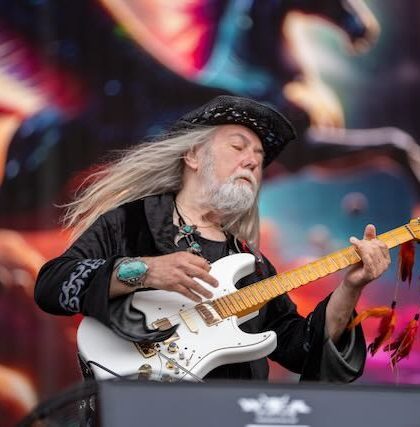
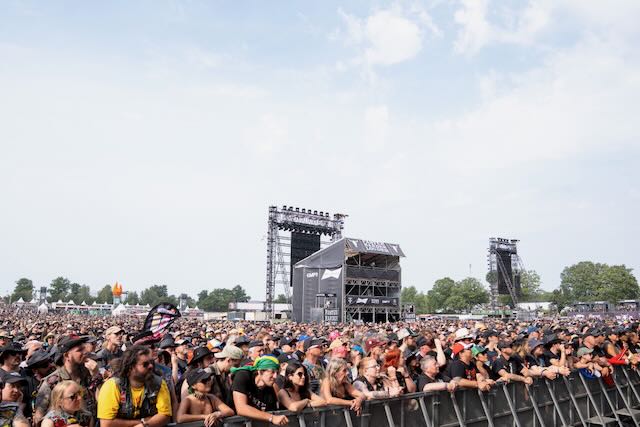
Uli Jon Roth bringt die frühen Scorpions nach Wacken. Ein Gitarrenmeister auf der Faster Stage
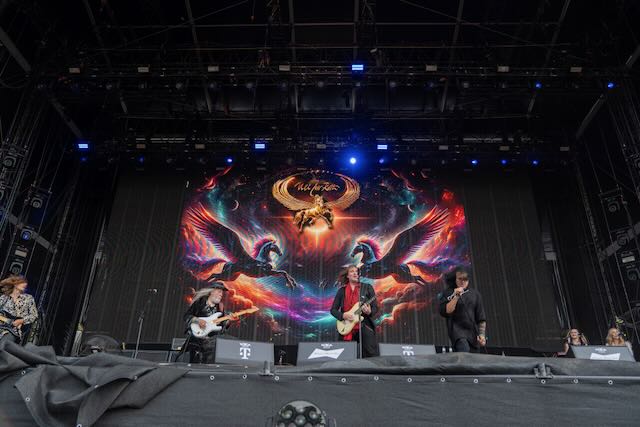
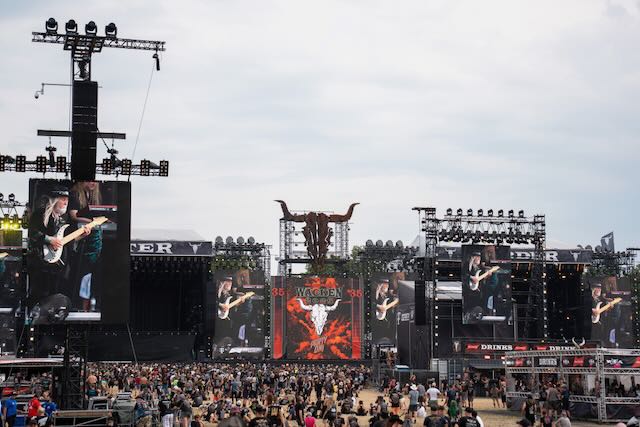
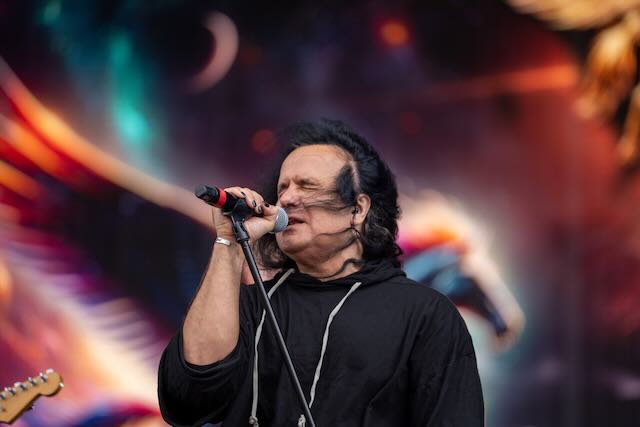
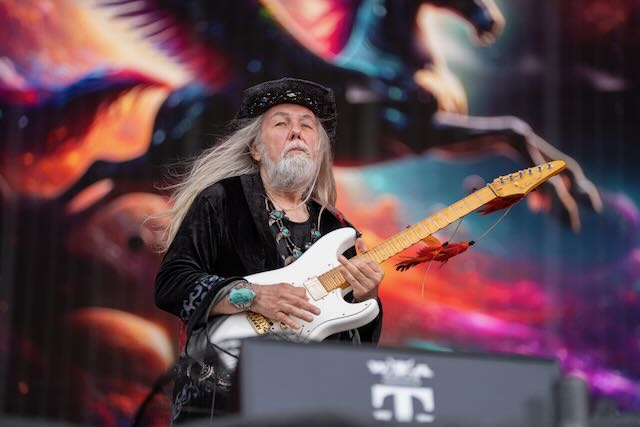
Uli Jon Roth feiert beim Wacken Open Air 2026 die frühen Scorpions. Mit Mille Petrozza, Frédéric Leclercq und einer Setlist voller Klassiker wurde der Auftritt auf der Faster Stage zu einem besonderen Programmpunkt.
Zwischen den zahlreichen Metal-Acts des Wacken Open Air 2026 wirkte dieser Auftritt fast wie eine kleine Zeitreise. Uli Jon Roth stand auf der Faster Stage und hatte sich für das Festival etwas Besonderes vorgenommen. Im Mittelpunkt stand das 50-jährige Jubiläum des Scorpions-Albums „Virgin Killer“, einem Meilenstein der frühen Bandgeschichte und gleichzeitig eines der prägendsten Werke seiner eigenen Karriere.
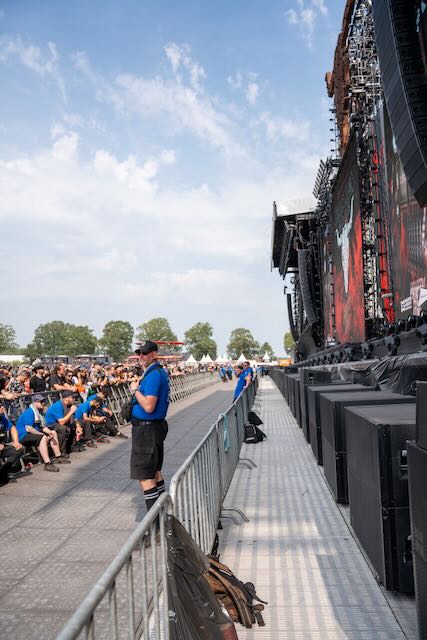
Für mich war dieser Auftritt gleich aus mehreren Gründen interessant. Zum einen wollte ich einen der einflussreichsten deutschen Gitarristen endlich einmal live erleben. Zum anderen hatte ich für dieses Konzert einen Fotopass für den Bühnengraben. Gerade bei einem Musiker wie Uli Jon Roth ist das eine Gelegenheit, die man nicht oft bekommt.
Als Konzertfotograf sind die großen Festivalbühnen allerdings nicht unbedingt meine erste Wahl. Zwischen Bühne und Fotograben liegen oft viele Meter, die Künstler nutzen die gesamte Bühnenbreite und mit einer zweistelligen Zahl an Fotografen im Graben bleibt nur wenig Raum für ungewöhnliche Perspektiven. Dafür bekommt man Motive, die es eben nur auf den großen Festivalproduktionen gibt.
Ein Stück Scorpions-Geschichte
Uli Jon Roth gehört zu den Musikern, deren Einfluss weit über die eigene Diskografie hinausreicht. Zwischen 1973 und 1978 prägte er den Sound der Scorpions entscheidend mit. Alben wie „Fly To The Rainbow“, „In Trance“, „Virgin Killer“ oder „Taken By Force“ genießen bis heute Kultstatus und beeinflussten Generationen von Gitarristen im Hard Rock und Heavy Metal.
Sein virtuoses Gitarrenspiel, die markanten Melodien und seine später entwickelte Sky Guitar machten ihn zu einem Musiker mit unverwechselbarem Stil. Dass Wacken ihm zum 50. Geburtstag von „Virgin Killer“ einen eigenen Slot widmete, passte deshalb hervorragend ins Festivalprogramm.
Ein Nachmittag für die Klassiker
Der Auftritt auf der Faster Stage begann am späten Nachmittag und zog von Beginn an zahlreiche Besucher an. Vor der Bühne standen nicht nur langjährige Scorpions-Fans, sondern auch viele jüngere Festivalgäste, die die Gelegenheit nutzten, einen Musiker live zu erleben, dessen Einfluss bis heute in zahllosen Bands hörbar ist.
Anstatt möglichst viele eigene Solostücke unterzubringen, konzentrierte sich Roth auf die frühen Scorpions-Jahre. Das Konzept ging auf. Die Zuschauer reagierten aufmerksam, spendeten nach den langen Gitarrensoli immer wieder Szenenapplaus und sangen bei den bekannten Refrains laut mit.
Kreator trifft Scorpions
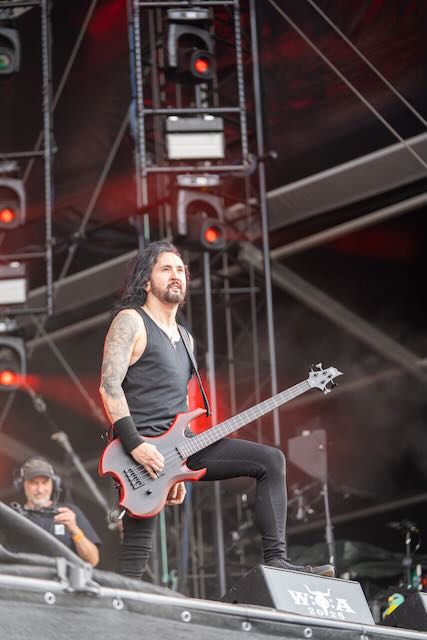
Für zusätzliche Überraschungen sorgten prominente Gäste. Mille Petrozza ließ es sich nicht nehmen, gemeinsam mit Uli Jon Roth auf der Bühne zu stehen. Ebenfalls mit dabei war Kreator-Bassist Frédéric Leclercq. Gerade diese Kombination machte den besonderen Reiz des Auftritts aus. Hier trafen Musiker unterschiedlicher Generationen und Stilrichtungen aufeinander, verbunden durch den gemeinsamen Respekt vor einem Gitarristen, der den deutschen Hard Rock entscheidend geprägt hat.
Die Setlist
Der Schwerpunkt lag erwartungsgemäß auf den frühen Scorpions-Alben.
Pictured Life
Catch Your Train
In Your Park
Backstage Queen
Virgin Killer
Hell-Cat
Crying Days
Polar Nights
Yellow Raven
Sun In My Hand
We’ll Burn The Sky
The Sails Of Charon
In Trance
Die Auswahl zeigte eindrucksvoll, wie zeitlos viele dieser Songs geblieben sind. Gerade Stücke wie „Pictured Life“, „Virgin Killer“ oder „The Sails Of Charon“ gehören bis heute zu den beliebtesten Titeln der Uli-Jon-Roth-Ära.
Ein Auftritt, der aus dem Wacken-Programm herausstach
Während auf den anderen Bühnen Blastbeats, Growls und Pyro dominierten, setzte Uli Jon Roth auf musikalische Präzision und ausgedehnte Gitarrensoli. Genau das machte den Reiz dieses Konzerts aus. Es war kein Spektakel, sondern eine Hommage an eine Zeit, in der Gitarrenmelodien und Kompositionen im Mittelpunkt standen.
Auch das Publikum schien diesen Kontrast zu genießen. Viele Besucher blieben deutlich länger als ursprünglich geplant vor der Faster Stage stehen und spendierten der Band nach jedem Song kräftigen Applaus.
Fazit:
Nicht jeder Auftritt in Wacken lebt von Lautstärke oder einer spektakulären Bühnenshow. Uli Jon Roth zeigte eindrucksvoll, dass musikalische Klasse und ein Katalog voller zeitloser Songs auch fünf Jahrzehnte nach ihrer Entstehung funktionieren.
Für mich war der Auftritt gleichzeitig eine seltene Gelegenheit, einen der wichtigsten deutschen Gitarristen einmal aus nächster Nähe im Fotograben zu erleben. Auch wenn die großen Festivalbühnen fotografisch ihre Tücken haben, gehören genau solche Momente zu den besonderen Erinnerungen eines Wacken-Besuchs.
Oh boy! We’ve got another new track from Dany Laj And The Looks! And it’s a dandy! “Tell It To You” is the second single off the band’s album If Looks Could Kill, which will be out September 18th on Toronto’s Having Fun Records. I like this track because it adds some really cool layers to the usual pop-rock approach. It starts off a little laidback before really hitting its stride in the chorus. Dany has some really interesting things going on with his guitar tone on this record. I love the way his guitar and Jeanette’s bass bob and weave around each other in such a striking way. The song comments on one of the worst aspects of modern life — the way public discourse is dominated by supposed truths that are anything but. A lesser songwriter may have been too heavy-handed with the topic. But this song takes a more subtle and human approach, holding off on the snark until the final verse, and even then its comes off as perfectly good-natured. How is it that we’re knee-deep in the Information Age and people are more prone than ever to believing the dumbest things? The “three chords and the truth” approach to music has never been vital, and “Tell It To You” is exactly what the doctor ordered. When that chorus hits, it hits hard. Based on the singles that have been released so far, I can’t help but be excited about If Looks Could Kill coming out next month — one day before NHL preseason starts! Let’s go!
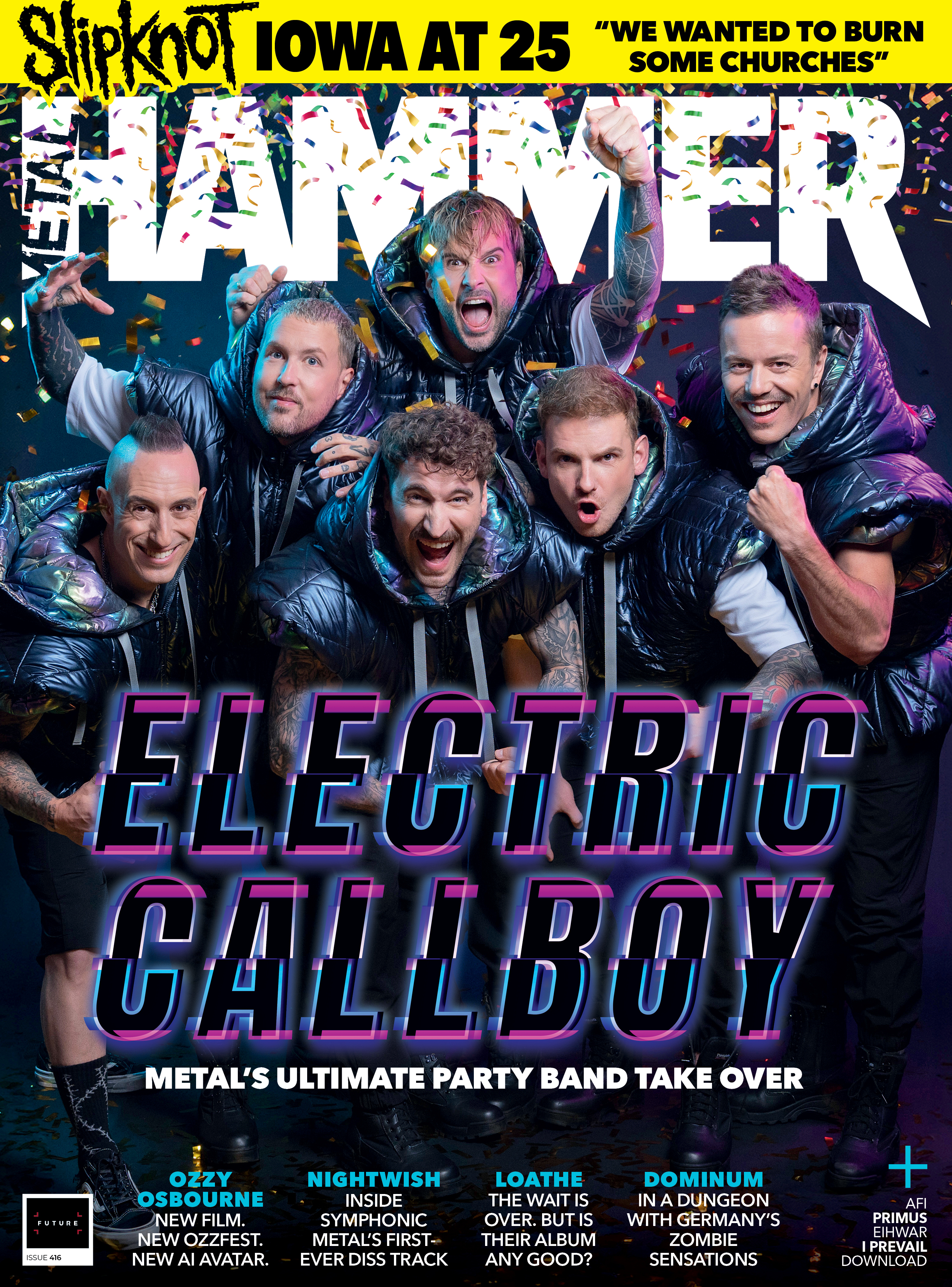
July 22, 2026 marked a year since Ozzy Osbourne’s death, but his presence remains as strong as ever. The next 12 months will see a raft of high-profile events keeping the singer’s memory alive, including the return of Ozzfest, a film of the Back To The Beginning show, and the controversial Ozzy AI avatar.
“Ozzy’s legacy isn’t fading,” says the singer’s wife and manager, Sharon Osbourne, in an interview in the brand new issue of Metal Hammer. “I cannot tell you how blown away we’ve all been with the love that has been shown for him.”
Sharon confirms that 2027 will see the return of Ozzfest, the travelling festival that helped change the course of metal in the late 1990s and early 2000s – and she also added that it would be held at Villa Park in Birmingham, the venue for Ozzy’s swansong, the star-packed Back To The Beginning gig, which took place on July 5, 2025.
“It’s going to be at Villa Park again,” says Sharon. “Whether it’ll be two nights [in Birmingham], that’s up for the fans to tell me.”
At the time of going to press, no date or festival headliners had been announced. “Of course we’re speaking to people,” she says. “I can’t let that out yet, but it’ll be soon.”
Speaking to her son Jack on The Osbournes Podcast in March, Sharon said that she hoped to bring Ozzfest to the US for two dates.
“We want to hear from everyone where we should go in America,” she told Jack. “We’ve got to find a lot of young, new talent, because that’s what your dad would want.”
There are also plans to revisit Back To The Beginning itself. A much-rumoured film of the show will finally be released, featuring appearances from all the bands who played, from Metallica and Guns N’ Roses to Black Sabbath and Ozzy himself.
“It’s coming. It will be out this year,” Sharon promises. “The most precious thing that people can give you is their time, and they all took time out of their summer to come and do this show. Everybody deserves to be seen and heard.”
More contentious is the upcoming AI avatar of Ozzy. The Osbournes have teamed up with tech companies Hyperreal and Proto Hologram to create a digital version of the singer that fans can talk to and interact with.
“You can ask [the digital] Ozzy anything, and he will answer you in his own voice – and the answers will be what Ozzy would have said,” Sharon said at the Licensing Expo 2026 in Las Vegas in May. “People can talk to him and he will talk back.”
While specific details and locations are still under wraps, the avatar will reportedly appear via interactive touchscreens. The news has prompted pushback from some fans.
“I’ve seen such shit online about it being a ‘money grab’,” Sharon tells Hammer. “Why would I need to do that? It’s not as if I’m using Ozzy to sell fucking weedkiller or beer. Ozzy loved the idea. We’ve been talking about it for 10 years. Ozzy has this great body of work that took a lifetime to do – why shouldn’t he still be seen? Why should we have to watch the same videos over and over again, when there’s technology available that means we don’t have to? If you don’t like it, don’t go see it. I’m not at people’s houses with a fucking gun, going, ‘Give me your money!’”
Less controversial is the long-gestating Ozzy biopic, which Sharon says is moving forwards after years in development hell.
“We’re now on our second writer because we had somebody else write three different drafts, and we felt that it wasn’t Ozzy’s voice,” says Sharon. “We feel that this new guy has got Ozzy’s voice, and we’re ready to send [the script] out to directors. When I used to see people get up at the Oscars and say, ‘I’ve been working on this movie for 20 years, and we finally got it made!’ I’d think, ‘Bullshit.’ But it’s true. It’s not like making a record, believe you me. Working with the writers and the directors is a whole fucking lifetime commitment to get a movie done.”
Elsewhere, the Birmingham Museum & Art Gallery has recently extended Working Class Hero, its exhibition dedicated to Ozzy, until September 27. The gothic black throne used by Ozzy at Back To The Beginning was added to the exhibition at the start of July to mark the anniversary of the show. Sadly, a campaign to rename Birmingham Airport after Ozzy has so far been unsuccessful, despite almost 78,000 people signing a petition.
“Birmingham has always been embarrassed about its heavy metal heritage – and that’s unacceptable,” the campaign’s organiser, Dan Hudson, told Hammer in January.
Still, Sharon says her plans to honour her husband’s legacy will be a fitting tribute to the Prince Of Darkness.
“He’s the guy that came from nothing, had nothing, and made it – and he never, ever forgot who he was or where he came from,” she says. “He never tried to be anything other than what he was – a genuine guy, fucking out of his mind, beautifully insane. He was just one in a million.”
The new issue of Metal Hammer is onsale now. Order it here and have it delivered straight to your door.
The curtain rises. A distant choir echoes through the theater while shadows gather across the stage. Somewhere beneath the music, longing, dread, and desire intertwine. Long before Gothic rock and Darkwave emerged, opera was already exploring the emotional territories that would later define dark music.
Gothic opera occupies a unique place in cultural history. It transforms fear into beauty, obsession into melody, and mystery into spectacle. Through haunting orchestration, tragic narratives, and overwhelming emotional intensity, composers created worlds where audiences could confront the darker aspects of human experience from the safety of a theater seat.
No figure shaped this tradition more profoundly than Richard Wagner. His revolutionary approach to music drama redefined what opera could achieve. Rather than presenting isolated songs and performances, Wagner sought complete immersion. Music, architecture, lighting, narrative, and symbolism merged into a single emotional experience.
That vision continues influencing dark music today. Understanding this gothic opera evolution reveals that while modern Darkwave artists may use synthesizers instead of orchestras, they pursue many of the same goals. Atmosphere, melancholy, transcendence, and emotional depth remain at the heart of the experience.
The journey from Wagner’s opera houses to contemporary Darkwave clubs reveals a surprisingly direct lineage. Both seek to transform sound into a space where beauty and darkness coexist.
Gothic opera transformed music into an immersive world of mystery, tragedy, and emotional intensity.
Richard Wagner and the Birth of Gothic Sound
When Richard Wagner began composing during the nineteenth century, opera was already an established art form. Yet Wagner believed it could become something far more powerful. He envisioned performances that would completely absorb audiences, surrounding them with music, symbolism, and emotion.
His concept of Gesamtkunstwerk, often translated as “total work of art,” sought to unite every artistic element into a single experience. Music no longer served merely as accompaniment. It became the emotional architecture supporting the entire narrative.
This approach proved especially effective for stories involving myth, destiny, sacrifice, and obsession. Wagner’s operas often feel less like traditional performances and more like journeys through psychological landscapes.
The characters struggle with forbidden love, impossible desires, supernatural forces, and tragic fates. These themes would later become central to Gothic culture, making Wagner an important precursor to modern dark music.
Why Wagner Still Feels Dark
Many nineteenth-century composers wrote dramatic music, yet Wagner’s work retains a particularly dark atmosphere. Part of this effect comes from his fascination with unresolved tension.
Traditional musical structures often guide listeners toward clear resolutions. Wagner frequently delayed that sense of completion. Melodies stretch toward fulfillment without immediately arriving. Harmonic progressions create longing rather than certainty.
The result feels emotionally restless. Listeners experience anticipation, desire, and unease simultaneously. This psychological complexity would later become one of the defining characteristics of Gothic music.
His operas also embrace themes of death, transformation, and transcendence. Rather than treating darkness as something to be defeated, Wagner often presents it as a pathway toward deeper understanding.
That perspective continues resonating throughout Gothic culture today.
What Makes Music Feel Gothic?
Before exploring modern Darkwave, it is worth asking a simple question. What actually makes music feel Gothic?
The answer involves more than lyrics or visual aesthetics. Gothic music creates atmosphere through sound itself. Slow tempos, dramatic contrasts, reverberant spaces, minor tonalities, and unresolved musical tension all contribute to the experience.
Choirs often evoke spiritual mystery. Deep orchestral passages suggest hidden forces operating beneath the surface. Repetition creates a hypnotic effect, drawing listeners into an emotional landscape rather than simply presenting a melody.
These techniques appear repeatedly throughout Wagner’s operas. They also reappear decades later within Gothic rock, Darkwave, and other dark musical traditions.
The instruments change. The emotional language remains remarkably similar.
The Gothic Opera Evolution
One reason Gothic opera remains influential is its ability to create environments through sound. Listeners often describe certain compositions as feeling like places rather than songs.
A cathedral choir evokes towering architecture. A mournful string passage suggests isolation. Distant echoes create the sensation of vast empty spaces. Music becomes a form of emotional architecture.
This immersive quality explains why Gothic opera continues inspiring modern artists. The goal is not simply entertainment. The goal is transportation.
Audiences enter another world for a few hours, carrying its emotions back with them when the performance ends.
The Phantom of the Opera: The Perfect Gothic Opera
If Wagner helped establish the emotional foundations of Gothic opera, Andrew Lloyd Webber’s The Phantom of the Opera transformed those ideas into one of the most successful musical works of the modern era. Since its premiere in 1986, the production has captivated audiences worldwide through its combination of romance, horror, tragedy, and spectacle.
The story contains nearly every element associated with Gothic fiction. Hidden passageways wind beneath an ancient building. A mysterious figure lives in isolation. Obsession blurs the boundary between love and possession. Beauty coexists with decay. Light and darkness constantly compete for control.
Yet the production’s lasting success cannot be explained by narrative alone. Countless Gothic stories have appeared and disappeared over the years. What distinguishes The Phantom of the Opera is its ability to transform these themes into sound.
The music does not simply accompany the drama. It becomes the drama.
The Phantom as a Gothic Archetype
The Phantom belongs to a long tradition of Gothic outsiders. Like many figures in Gothic literature, he exists between categories. He is both victim and villain. He inspires sympathy and fear. His brilliance is undeniable, yet his isolation gradually distorts his humanity.
This duality gives the character extraordinary emotional depth. Audiences recognize the tragedy of his loneliness even when they reject his actions. The tension between compassion and horror creates much of the story’s emotional power.
Characters such as Heathcliff in Wuthering Heights, the creature in Frankenstein, and several of Poe’s tormented narrators share similar qualities. They remain compelling because they embody contradictions that resist simple judgment.
The Phantom’s music reflects these contradictions. Tender melodies coexist with moments of menace. Beauty and terror emerge from the same voice.
The Music of the Night and the Seduction of Darkness
Few songs capture the emotional essence of Gothic opera more effectively than The Music of the Night. The piece serves as both a love song and a declaration of philosophy. Through music, the Phantom invites Christine to abandon ordinary reality and enter a world governed by imagination, emotion, and desire.
What makes the song so effective is its restraint. Rather than relying upon explosive drama, the composition unfolds gradually. The melody moves with hypnotic confidence while the orchestration surrounds the listener in a rich, dreamlike atmosphere.
The effect resembles a Gothic novel brought to life through sound. Reality begins dissolving at the edges. The familiar world grows distant. The listener enters a space where beauty and danger become inseparable.
“Close your eyes and surrender to your darkest dreams.”
The line functions almost as a manifesto for Gothic art itself. Rather than avoiding fear, uncertainty, and desire, Gothic works encourage audiences to confront them directly. Darkness becomes a source of discovery rather than merely a source of danger.
Why the Song Still Resonates
Decades after its debut, The Music of the Night remains one of the most recognizable songs in modern musical theater. Its popularity stems partly from technical excellence, but emotional psychology plays an equally important role.
The song appeals to a universal desire for transcendence. Most people experience moments when ordinary life feels insufficient. Art offers temporary escape into larger emotional worlds. The Phantom’s invitation speaks directly to that impulse.
At the same time, the music never allows listeners to forget the risks involved. Seduction and danger remain intertwined. The song feels beautiful precisely because it acknowledges complexity.
This tension between attraction and unease lies at the heart of Gothic opera.
Why Opera Became the Perfect Gothic Medium
Gothic stories require intensity. Ordinary conversation often struggles to express the overwhelming emotions that define obsession, grief, longing, and terror. Opera solves this problem by allowing characters to communicate through music.
A spoken confession may reveal sadness. An operatic aria can transform sadness into an experience that fills an entire theater. Music magnifies emotion without requiring literal realism.
This ability makes opera uniquely suited to Gothic narratives. The genre thrives on emotional extremes. Characters are consumed by forbidden love, haunted by memory, driven by revenge, or confronted by forces beyond their control. Opera provides the scale necessary to make such experiences believable.
The architecture of traditional opera houses further strengthens the effect. Velvet curtains, elaborate staging, towering sets, and dramatic lighting create an environment that already feels removed from everyday reality.
Long before Darkwave artists filled clubs with fog and atmospheric lighting, opera had mastered the art of immersive darkness.
The Opera House as a Gothic Space
Many Gothic stories revolve around haunted locations. Castles, monasteries, mansions, and ancient ruins frequently become characters in their own right. The opera house serves a similar function within The Phantom of the Opera.
Hidden chambers, underground lakes, forgotten corridors, and secret passageways transform the building into a Gothic labyrinth. The setting mirrors the psychological complexity of the characters themselves.
This relationship between architecture and emotion appears throughout Gothic culture. Physical spaces become reflections of internal states. The deeper characters travel into the opera house, the deeper they travel into their own fears and desires.
Music guides that journey every step of the way.
From Opera Houses to Darkwave Clubs
The connection between Gothic opera and Darkwave may seem surprising at first. One belongs to grand theaters filled with orchestras and elaborate costumes. The other emerged from underground music scenes shaped by synthesizers, drum machines, and post-punk experimentation.
Yet both traditions pursue remarkably similar goals. Each seeks to create immersive emotional experiences where atmosphere becomes as important as melody. Both transform music into a space where longing, melancholy, beauty, and mystery coexist.
Darkwave inherited many of the emotional qualities that defined Gothic opera. The instrumentation changed dramatically, but the psychological language remained familiar. Echoing voices replaced operatic choirs. Synthesizers took the place of orchestras. The emotional architecture survived.
Listeners continue entering musical worlds designed to feel larger than everyday life.
Dead Can Dance and the Operatic Spirit
Few artists demonstrate this connection more clearly than Dead Can Dance. Throughout their career, Brendan Perry and Lisa Gerrard created music that feels simultaneously ancient and modern, intimate and monumental.
Many compositions rely on techniques that would feel familiar to Gothic opera composers. Expansive atmospheres, dramatic vocal performances, ritualistic rhythms, and a fascination with transcendence all play central roles.
Lisa Gerrard’s voice, in particular, often functions less like a conventional singer and more like an instrument carrying emotional meaning beyond language. The effect resembles opera’s ability to communicate feelings that words alone cannot fully express.
Listening to Dead Can Dance often feels like entering a cathedral built from sound. The experience is immersive, emotional, and deeply atmospheric.
The Gothic DNA of Darkwave
As Darkwave evolved, many artists continued drawing from emotional traditions that opera had explored for centuries. Themes of longing, isolation, memory, spirituality, and transformation remained central to the music.
Groups such as Sopor Aeternus, Lycia, and Clan of Xymox created soundscapes filled with melancholy and introspection. Their work often prioritizes atmosphere over conventional song structures, encouraging listeners to inhabit emotional states rather than simply observe them.
This approach mirrors one of opera’s most important achievements. Music becomes a psychological environment. Rather than describing emotions, it allows audiences to experience them directly.
The connection reveals why Darkwave feels so distinct from many other genres. Its roots extend beyond rock music into much older traditions of dramatic storytelling through sound.
Why Gothic Music Feels Timeless
Musical styles constantly evolve, yet certain emotional themes continue reappearing across centuries. Love, loss, longing, mortality, and transcendence remain fundamental aspects of the human experience.
Gothic opera and Darkwave both thrive because they explore these themes without simplifying them. Their music acknowledges contradiction. Beauty exists beside sorrow. Hope appears within despair. Desire often leads toward uncertainty.
This emotional complexity gives the music lasting relevance. Audiences may live in different centuries, but the underlying feelings remain recognizable.
The technology changes. Human nature does not.
Why the Gothic Sound Still Resonates
The enduring appeal of Gothic music comes from its ability to create atmosphere while confronting emotional realities that many forms of entertainment prefer to avoid. Rather than offering simple comfort, it invites reflection.
Wagner understood this principle when he transformed opera into an immersive emotional experience. The Phantom of the Opera demonstrated how Gothic themes could reach modern audiences through unforgettable melodies and dramatic storytelling. Darkwave carried those ideas into a new era, proving that the emotional language of Gothic music remained as powerful as ever.
Across different centuries and artistic movements, the same essential impulse persists. Artists continue using music to explore mystery, longing, beauty, and the unknown.
The forms evolve. The emotional journey remains remarkably familiar.
A Stage Built from Shadows
From Wagner’s monumental operas to the atmospheric landscapes of modern Darkwave, Gothic music has consistently transformed sound into architecture. Audiences enter these works the way they might enter a cathedral, a haunted mansion, or a dream.
The power of the tradition lies in its ability to make darkness meaningful. Fear becomes beauty. Melancholy becomes transcendence. Mystery becomes a source of wonder rather than merely a source of anxiety.
That is why Gothic opera continues influencing contemporary artists long after its origins in nineteenth-century Europe. Its emotional language remains remarkably adaptable.
The stage may have changed.
The shadows are still singing.
Wear the Darkness
If Gothic music, dark aesthetics, Edgar Allan Poe, and atmospheric storytelling inspire you, explore the Edgar Allan Poets store. Discover apparel and artwork created for lovers of mystery, imagination, and the beauty hidden within the shadows.
Join the Noir Newsletter
Receive Gothic music history, dark culture, Edgar Allan Poe analysis, noir psychology, and mysterious stories directly in your inbox.
Enter the Gothic Atmosphere
Continue your journey through dark music, Gothic moods, and cinematic emotion with the official Edgar Allan Poets playlist.
Frequently Asked Questions
What is Gothic opera?
Gothic opera combines dramatic music, emotional intensity, mystery, tragedy, and atmospheric storytelling to explore themes often associated with Gothic culture.
Why is Richard Wagner important to Gothic music?
Wagner helped create immersive musical experiences built around emotional depth, symbolism, unresolved tension, and dramatic storytelling, elements that later influenced many dark music traditions.
Is The Phantom of the Opera considered Gothic?
Yes. Its themes of obsession, hidden identities, romantic tragedy, mystery, and atmospheric settings make it one of the most recognizable examples of modern Gothic opera.
How is Darkwave connected to opera?
Darkwave inherited many of opera’s emotional qualities, including atmosphere, melancholy, dramatic vocals, and immersive storytelling, while expressing them through modern instruments and production techniques.
Which modern artists reflect the Gothic operatic tradition?
Artists such as Dead Can Dance, Sopor Aeternus, Lycia, and Clan of Xymox often create music that emphasizes atmosphere, emotional depth, and transcendence in ways reminiscent of Gothic opera.



.jpg)