They’ve seemingly locked in someone accustomed to performing with actual rock royalty.
The post Pearl Jam Hit The Stage With Their Apparent New Drummer Last Night appeared first on Theprp.com.
They’ve seemingly locked in someone accustomed to performing with actual rock royalty.
The post Pearl Jam Hit The Stage With Their Apparent New Drummer Last Night appeared first on Theprp.com.

Grunge did not arrive in 1991. By the time ‘Smells Like Teen Spirit’ reached MTV, the bands who built the thing had been at it for the better part of a decade in basements and half-empty rooms across Washington State, and several of the most important of them never sold a record worth mentioning.
This is a ranking of the thirty bands that actually made the genre, from the architects who got there first to the ones who cashed the cheque, and it counts down. The band at number one will not surprise you. Almost everything between thirty and four probably will, and there is at least one placement in here that is going to annoy somebody.
The reason grunge sounds the way it does is geography and boredom.
Seattle in the mid-eighties was far enough from Los Angeles and New York that no label scout was going to turn up, which meant bands had nobody to impress and no template to copy. What they had instead was punk records and Black Sabbath records in roughly equal measure, and a climate that keeps you indoors.
So you got Black Flag’s velocity welded onto Sabbath’s weight. Detuned guitars because they sounded heavier and because nobody was checking. Vocals that were sung rather than shouted, which is the thing that actually separates grunge from hardcore and the thing that made it sellable later. And lyrics about being stuck, which turned out to be the most exportable idea of the decade.
Sub Pop put a name and a look on it. The 1992 film Singles put it on cinema screens. But the sound was finished years before either of those things happened.
Also Recommended – THE NORTHWEST INVASION: Best Grunge Albums Ranked – The 13 Most Essential Pillars of the Seattle Sound
People search this constantly and it deserves a straight answer.
The generally accepted Big Four of grunge are Nirvana, Pearl Jam, Soundgarden and Alice In Chains. Those are the four bands that broke nationally, sold in the millions, and defined what the wider world understood grunge to be.
It’s a useful shorthand and it’s also incomplete, which is why it starts arguments. It’s a commercial list, not a musical one. Melvins and Green River and Mudhoney built the sound those four bands sold, and not one of them is on it. If you drew the Big Four by influence rather than by sales, at least two names would change.
Both things can be true. The Big Four is the right answer to “who defined grunge for the public” and the wrong answer to “who invented grunge”.

The last gasp, and better than it gets credit for. Travis Meeks built an acoustic-driven version of the Alice In Chains formula and had a genuine hit with ‘Touch, Peel And Stand’ in 1997, by which point the scene it came from was already dead. It’s derivative and it knows it, but the harmonies are real and the songwriting holds up. Included at thirty because the story of grunge has to include what it turned into.

Detroit, not Seattle, and that matters less than people pretend. ‘Plowed’ and ‘Molly’ off 1994’s Rotting Piñata are two of the better singles the post-grunge wave produced, and Vinnie Dombroski could actually sing. They got lumped in with a hundred identical bands and deserved better than that.

Two guys from Illinois who made more noise than most four-pieces and wrote ‘Bound For The Floor’, a song about people who peaked in high school that is funnier and meaner than anything on the radio in 1996. Scott Lucas rigged his bass pickup into his guitar so a duo could sound like a band, which is exactly the kind of problem-solving this genre was built on.

Here is where I lose some of you. Candlebox were from Seattle, signed to Maverick, and got absolutely hammered for being the band that showed up after the gold rush started. ‘Far Behind’ sold four million copies and the scene treated them like tourists. Listen to it now without the baggage and it’s a good rock record with a singer who had range. Being late is not the same as being bad.

The English band who understood grunge as a sound rather than a scene, which is precisely why the scene hated them. Sixteen Stone moved six million copies in America by reverse-engineering the Nirvana formula with better haircuts. It’s a genuinely strange artefact — grunge performed by people who learned it from records rather than from a basement in Aberdeen — and it’s the clearest evidence of how fast the thing got commodified.

Three Australian teenagers who made Frogstomp at fifteen and sounded uncannily like Pearl Jam and Nirvana fed through a blender. That could have been the whole story. Instead Daniel Johns spent the next decade dismantling it and turned into one of the most ambitious songwriters of his generation. The grunge records are the least interesting thing they did, which is why they’re at twenty-five and not lower.

Nina Gordon and Louise Post wrote ‘Seether’ in 1994 and it remains one of the sharpest singles of the whole era — a song about suppressed rage disguised as a pop hook. They got filed under “female-fronted alternative” and that label did them no favours. The guitars are heavier than anybody remembers.

Everybody knows the bee girl and almost nobody knows the second record. Soup, released in 1995, is a dark, strange, Southern-inflected album made by a band coming apart, and Shannon Hoon died months after it came out. ‘No Rain’ made them famous for the wrong thing entirely.

Ben McMillan’s band, built partly out of Skin Yard, and about as heavy as Seattle got without tipping into metal. Push from 1992 is a punishing record that never found an audience because it was too heavy for the alternative crowd and too weird for the metal crowd. McMillan died in 2008. It’s a genuine loss.

Named after a Buzzcocks song and built around psychedelia rather than sludge, which made them the odd band out on Sub Pop’s roster. Dayglo from 1992 sounds like nothing else from that scene — melodic, swirling, and completely uninterested in being heavy for its own sake. Proof that the label had a wider ear than the Sub Pop caricature suggests.

Formed in Seattle in 1990 and forged by genuine tragedy — they lost guitarist Stefanie Sargent in 1992 and their friend Mia Zapata was murdered the following year. ¡Viva Zapata! is the sound of a band processing that in public, and it is as raw as any record this scene produced. Politically furious, musically unforgiving, and criminally under-documented.

Before Green River, before Sub Pop, before any of it, there was The U-Men. Formed in Seattle in 1980, they were the first band in that city to combine punk aggression with something weirder and heavier, and every important person in this article was watching them. They never made a great album. They didn’t need to. They showed everyone else that it was possible.

Jack Endino’s band — and Jack Endino produced what feels like half the records on this list, including Nirvana’s Bleach. Skin Yard themselves were angular, difficult and jazz-inflected in a way that never made them popular, but Endino’s fingerprints are on the entire genre. This entry is as much about the man behind the desk as the band on stage.
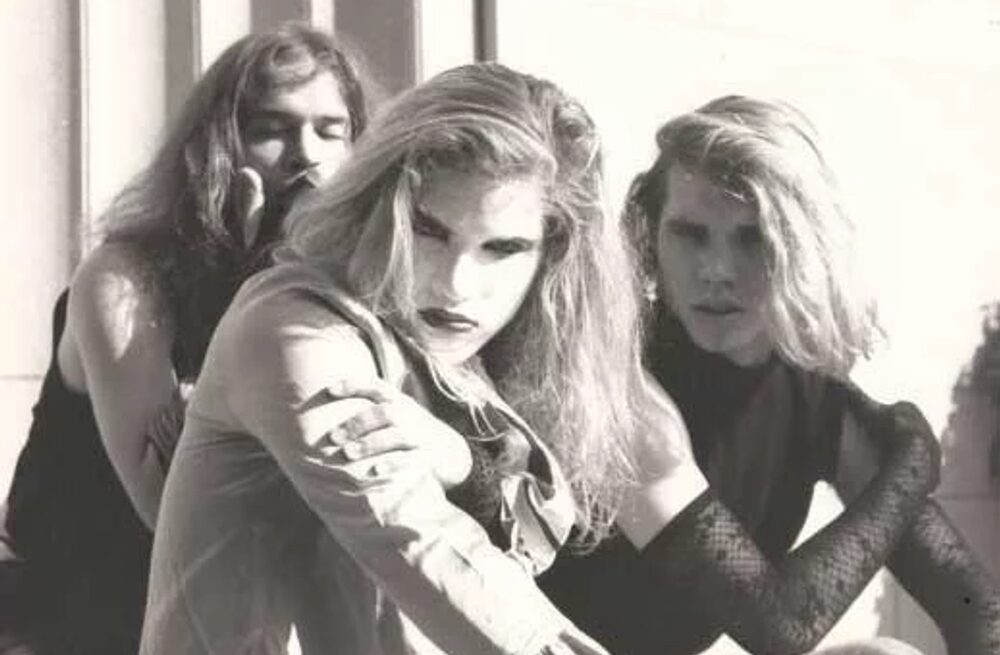
Andrew Wood in his first incarnation, performing as Landrew The Love Child in white face paint and platform boots, playing glam-inflected heavy rock with total sincerity in a scene built on irony. It should not have worked. It absolutely did. Wood’s death in 1990 at twenty-four reshaped everything that came after — without it there’s no Temple Of The Dog and no Pearl Jam in the form we got them.
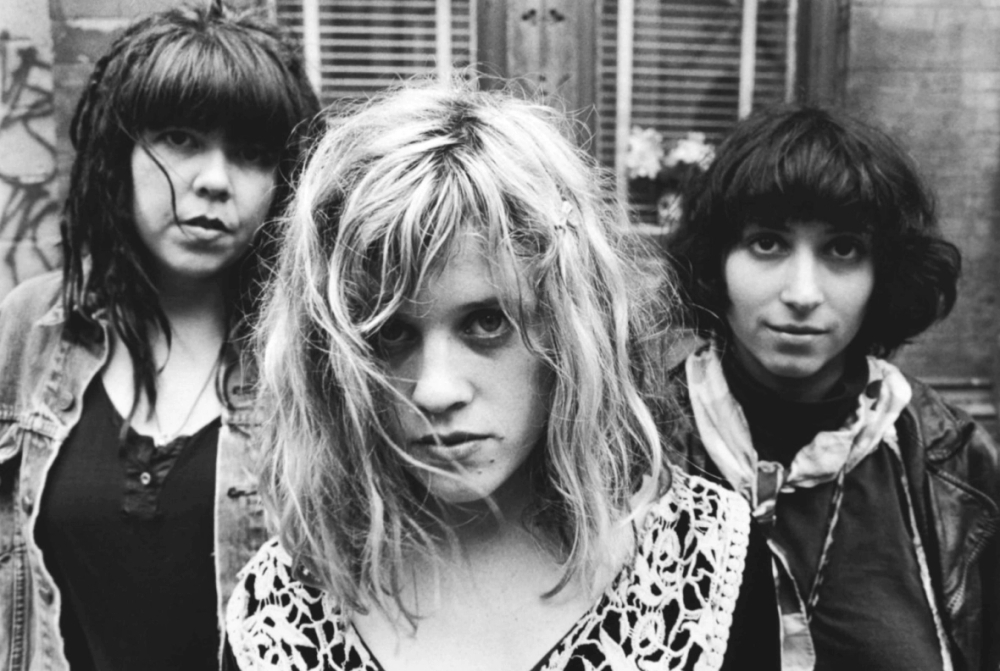
Minneapolis rather than Seattle, and all the better for it. Kat Bjelland’s vocal on Fontanelle is one of the genuinely frightening performances in nineties rock — not screaming for effect, screaming like something is wrong. Lee Ranaldo of Sonic Youth produced it. ‘Bruise Violet’ still sounds like a threat.
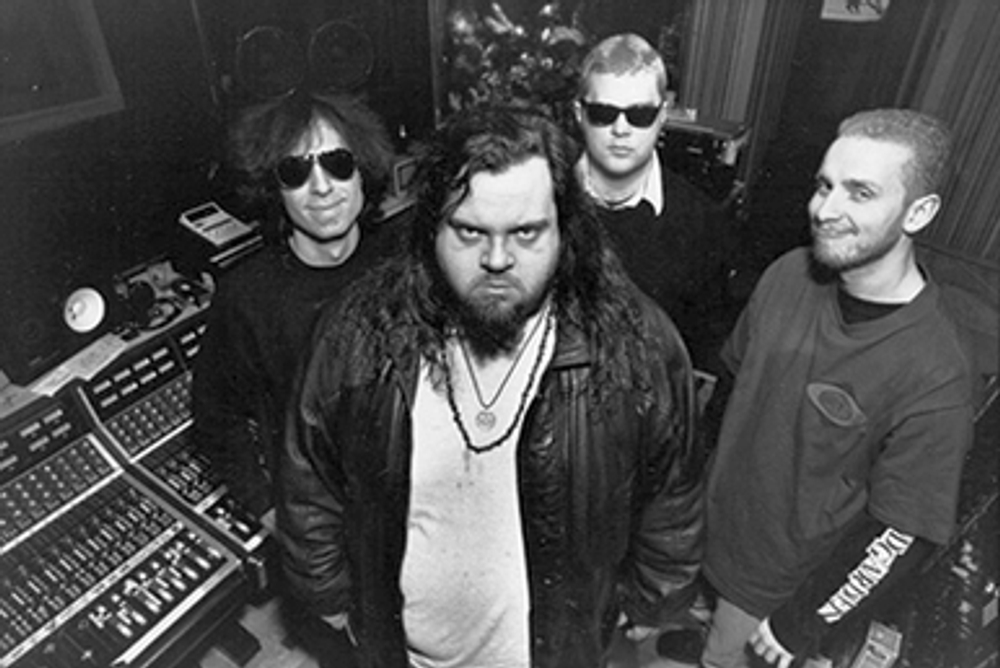
Tad Doyle was a trained butcher from Idaho and Sub Pop marketed him as exactly that, which was funny until you realised the band was heavier than almost anything else on the label. 8-Way Santa is a genuinely punishing record. They toured with Nirvana constantly and the industry decided Tad was the wrong kind of frontman, which tells you more about the industry than about the band.

Los Angeles, not Seattle, and one of the toughest bands of the era regardless of postcode. Bricks Are Heavy, produced by Butch Vig a year after he did Nevermind, contains ‘Pretend We’re Dead’, which is a perfect song. They founded Rock For Choice, they were funnier than everybody, and they got written about in terms no male band ever had to deal with.

Live Through This is a better album than its reputation allows, because its reputation is permanently entangled with Courtney Love’s life. Strip that away and you have twelve songs about rage and motherhood and appetite, played hard, sung by someone with no interest in being liked. ‘Violet’ and ‘Doll Parts’ would be on any honest list of the decade’s best songs.

San Diego, and the scene never forgave them for it. STP got labelled as imitators the moment Core landed and the criticism stuck for years — then Purple arrived and made it look stupid, and by Tiny Music they’d become a genuinely inventive rock band with a frontman who could do things Vedder couldn’t. Scott Weiland was one of the great rock singers of his generation and it took his death for a lot of people to say so.

One album. Above, 1995. Layne Staley, Mike McCready, Barrett Martin of Screaming Trees and John Baker Saunders, made while most of them were in the middle of addiction. ‘River Of Deceit’ is the most naked thing Staley ever recorded. It’s a blues record wearing grunge clothes and it’s the most emotionally honest album anybody from this scene made.

Chris Cornell wrote ‘Say Hello 2 Heaven’ and ‘Reach Down’ for Andrew Wood and then assembled the surviving members of Mother Love Bone plus Matt Cameron and a then-unknown Eddie Vedder to record them. It’s a tribute album that accidentally became the origin story of Pearl Jam. ‘Hunger Strike’ is two of the biggest voices in rock history trading lines before either of them was famous.
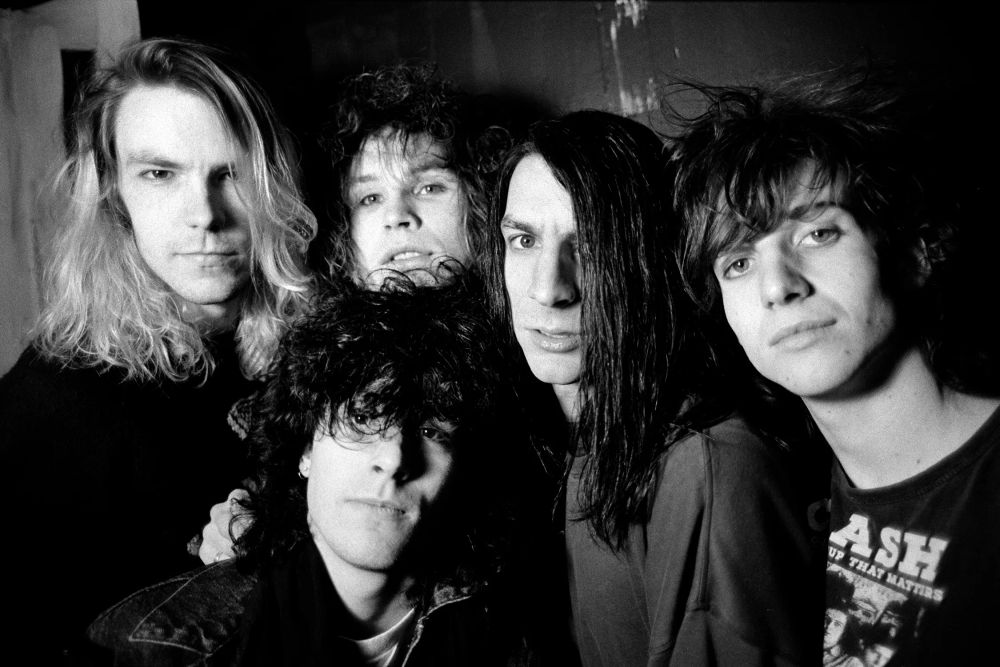
The forefather, and the split is the whole story. Formed in 1984, Green River fused punk with hard rock and then fractured over exactly the tension that would define the next decade — Mark Arm wanted to stay underground, Stone Gossard and Jeff Ament wanted to get somewhere. Arm went and formed Mudhoney. Gossard and Ament went and formed Mother Love Bone and then Pearl Jam. Every argument grunge ever had about selling out was rehearsed inside this band first.
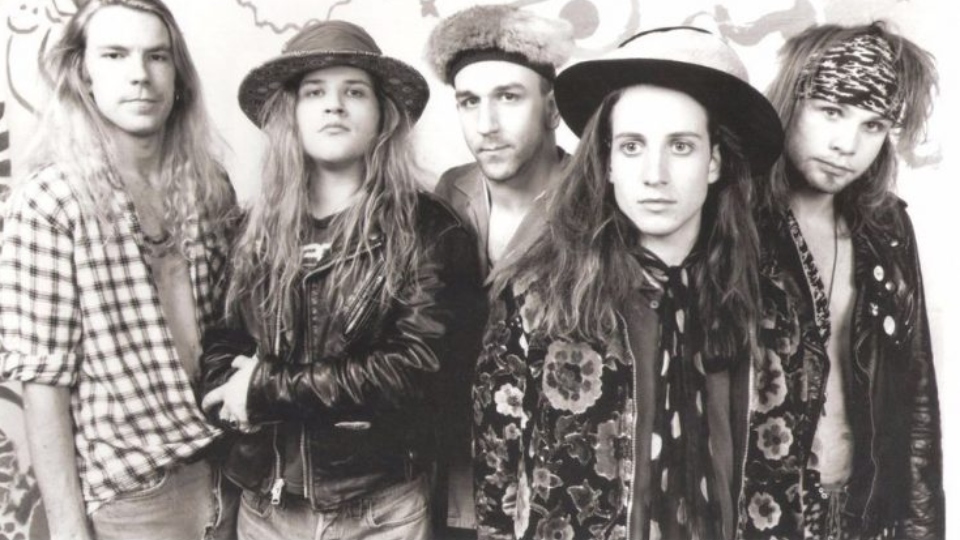
Andrew Wood’s second act, and for about eighteen months the most likely band in Seattle to break nationally. Apple is a swaggering, theatrical, funk-inflected rock record that sounds almost nothing like what grunge became — Wood wanted to be a rock star in the old sense and had the charisma to pull it off. He died of an overdose days before it was released. The band that formed out of the wreckage sold seventy million records.
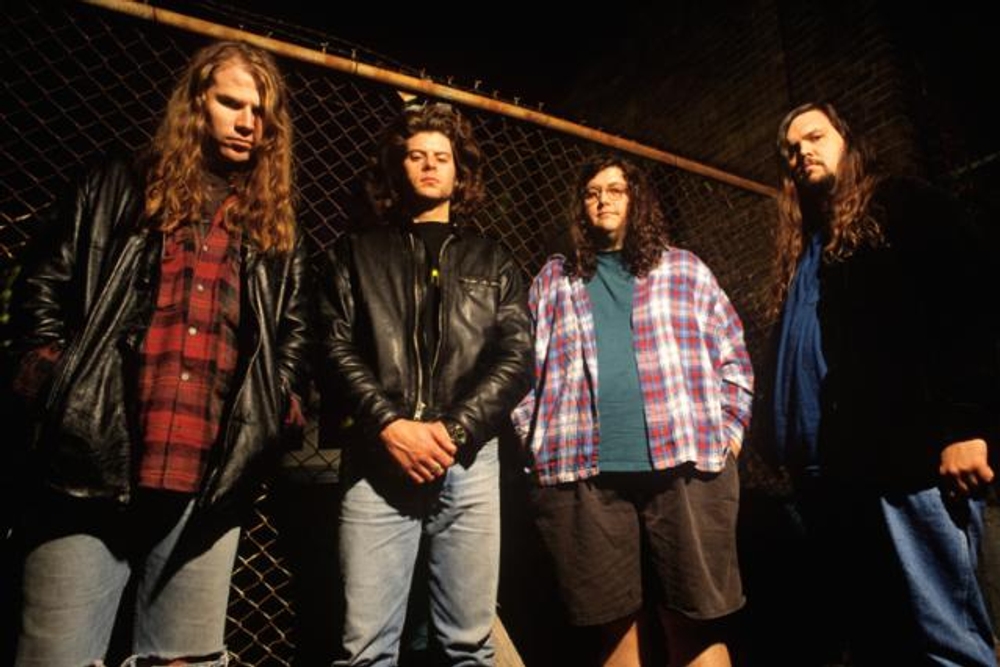
From Ellensburg, not Seattle, and the most underrated band of the entire movement. Mark Lanegan had the best voice in the scene after Cornell — a baritone with actual grain in it — and Sweet Oblivion is a psychedelic, melodic record that proved grunge could be beautiful. ‘Nearly Lost You’ got onto the Singles soundtrack and should have made them enormous. It didn’t, and they broke up in 2000 having never quite got what they were owed.
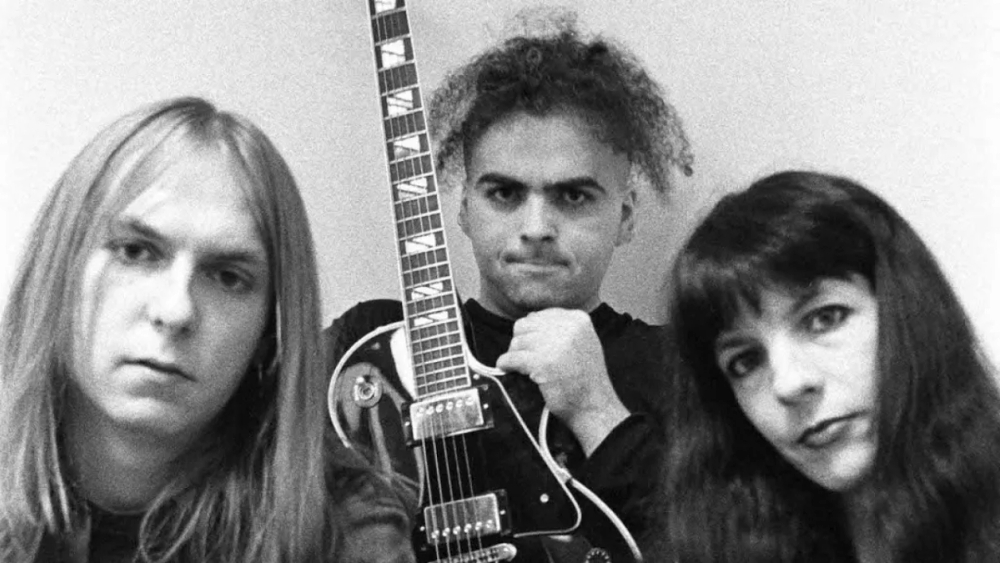
The godfathers, and Kurt Cobain said so himself. Buzz Osborne handed Nirvana their first ideas about what heavy meant, put Dale Crover behind Cobain’s drum kit on Bleach, and made Gluey Porch Treatments in 1987 — slow, sludgy, downtuned, and the blueprint for a genre they were too contrary to participate in. They have released well over twenty albums and they are still going. Nobody in this scene has a better long game.
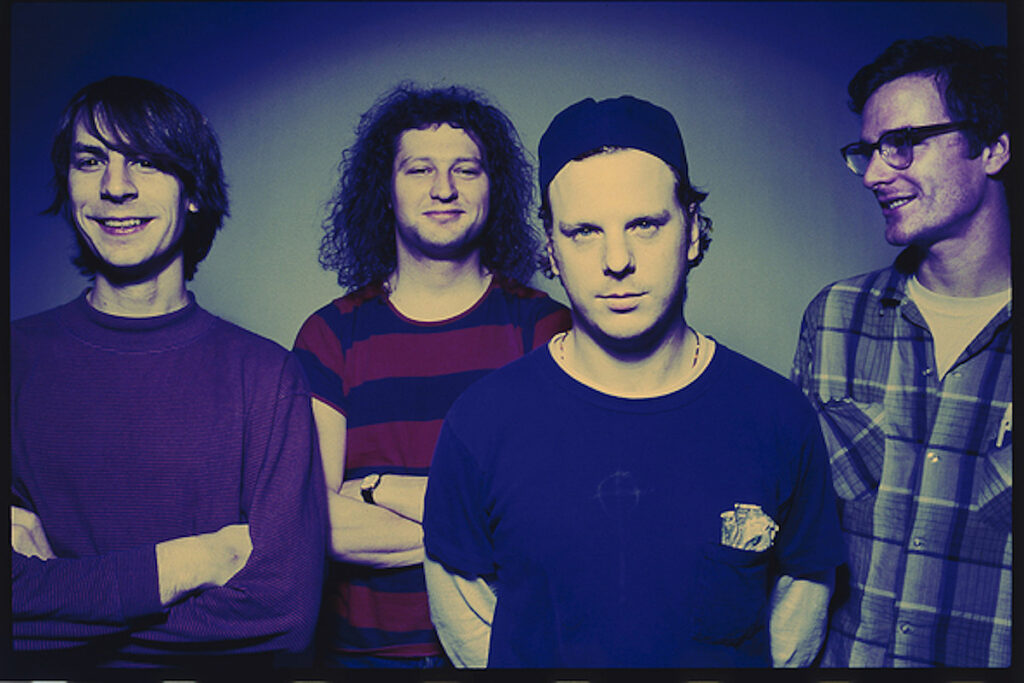
Mark Arm’s band, and the most purely grunge band on this entire list. Superfuzz Bigmuff in 1988 is the sound of the genre arriving fully formed — fuzz pedals, feedback, sarcasm, and ‘Touch Me I’m Sick’, which is the single best song title of the era and lives up to it. They never sold much and they never stopped, and there’s a strong argument they’re the only band here who never compromised a thing.
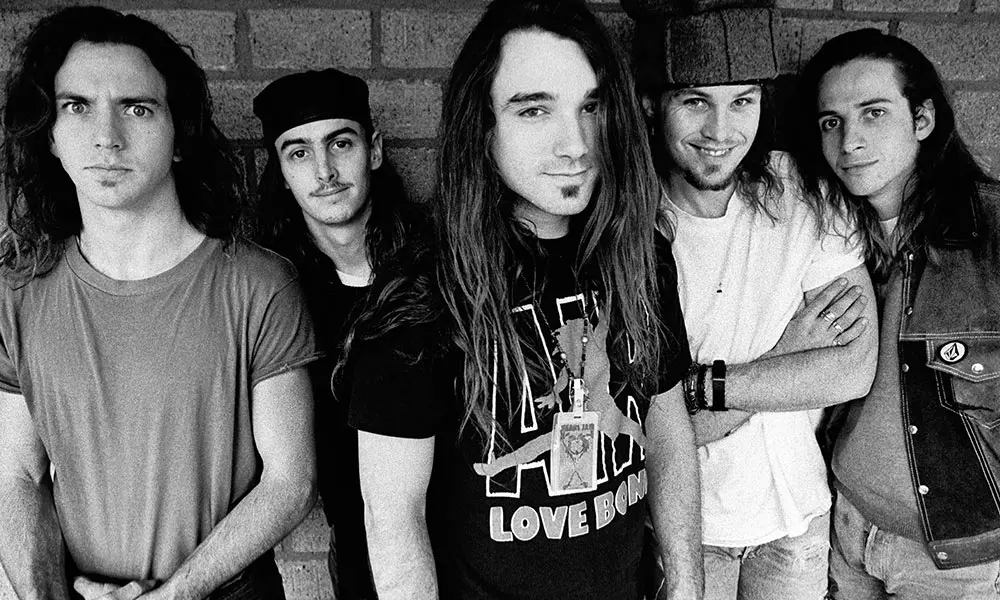
The ones who worked out how to survive it. Ten sold thirteen million copies and then Pearl Jam spent five years actively trying to get smaller — fighting Ticketmaster, refusing videos, making deliberately difficult records — and somehow came out the other side as the biggest rock band America still has. Eddie Vedder’s voice is the most imitated in modern rock and the imitations are all terrible. Placed fourth rather than higher because Ten is the least inventive of the four big debuts, not because it’s the least loved.
Check This Out – Layne Staley’s Enduring Legacy: 13 Facts About Alice In Chains’ Iconic Voice
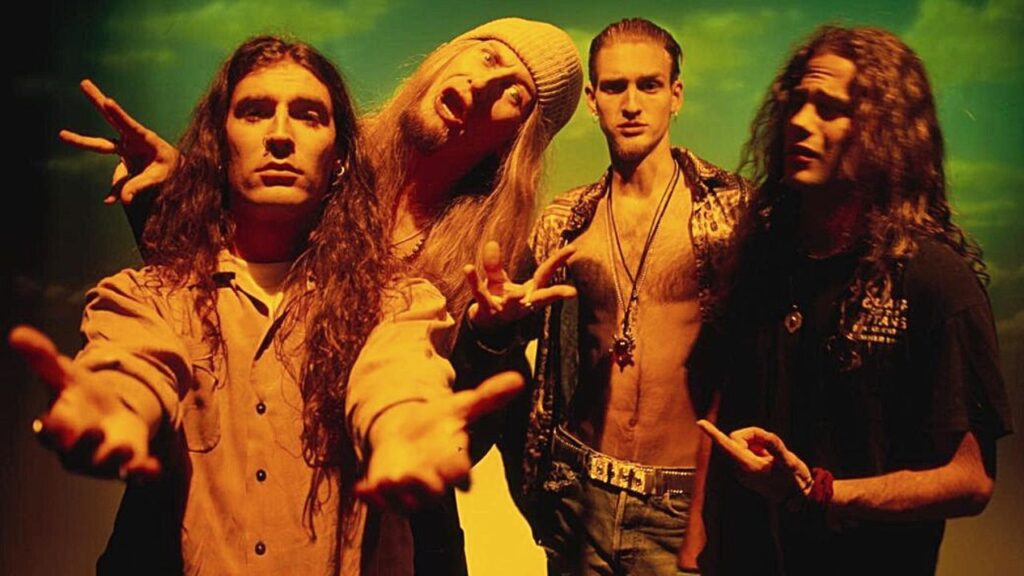
The heaviest of the big four and the only one that came from metal rather than punk, which is exactly why they sound like nothing else here. Jerry Cantrell’s riffs are slow and sick and built on those dissonant stacked harmonies with Layne Staley that nobody has successfully copied in thirty years. Dirt is one of the most unflinching albums about addiction ever recorded by anyone. Staley died in 2002 and the band that continued with William DuVall has more than earned the right to the name.
Check Out – Alice In Chains Albums Ranked: Every Album And EP
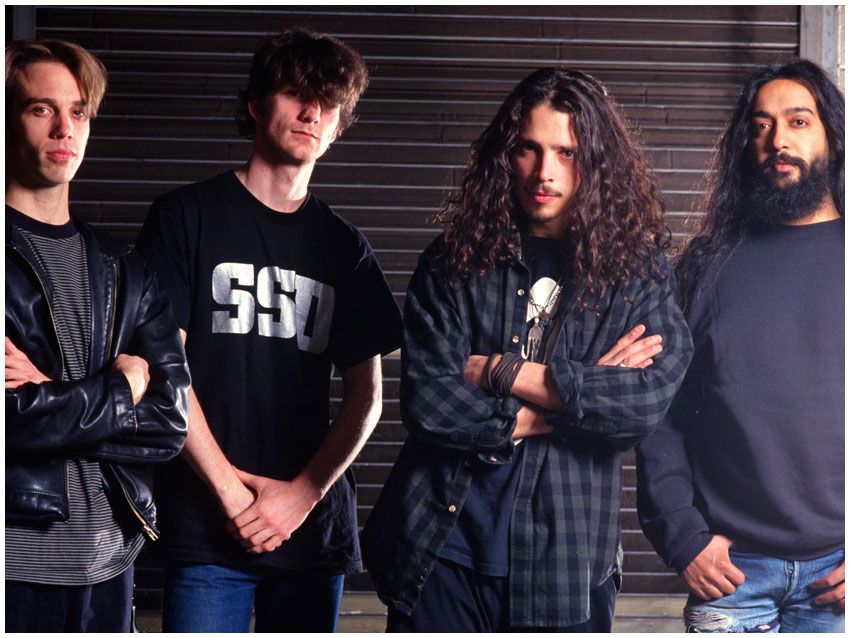
The most musically ambitious band the scene produced, by a distance. Odd time signatures, drop tunings nobody else was using, and Chris Cornell — a four-octave range and the best rock voice of his generation, no qualifiers. Badmotorfinger is the heavier record and Superunknown is the better one, an album that goes from ‘Black Hole Sun’ to ‘Like Suicide’ and holds together anyway. They were the first Seattle band signed to a major and the last one anybody could accuse of writing simple songs.
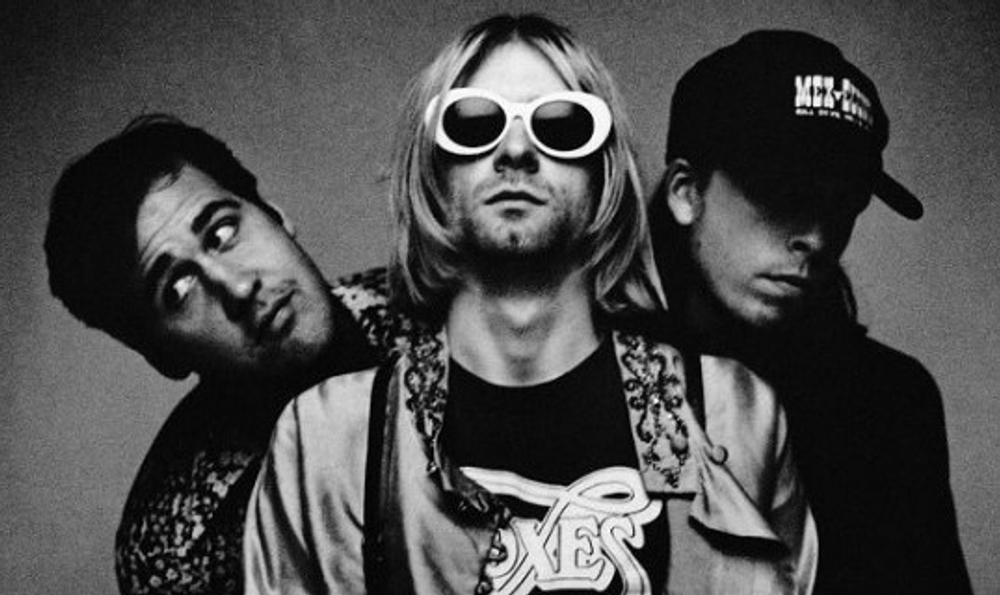
There was never going to be another answer.
Three albums, four years, and a before-and-after line straight through popular music. Nevermind did not just sell — it ended an entire commercial era of rock overnight, and the industry never got it back. But the thing that keeps Nirvana at number one three decades later isn’t the sales figures, it’s that Kurt Cobain was a far better songwriter than the myth allows. Listen to ‘Something In The Way’, or ‘All Apologies’, or anything on In Utero, and the melodies are pop melodies buried under noise on purpose. He could have written hits all day. He mostly chose not to.
They were not the first grunge band, they were not the heaviest, and by most accounts they were not even the best live. They were the ones who changed everything, and that’s what the top of this list is for.
30. Days Of The New
29. Sponge
28. Local H
27. Candlebox
26. Bush
25. Silverchair
24. Veruca Salt
23. Blind Melon
22. Gruntruck
21. Love Battery
20. 7 Year Bitch
19. The U-Men
18. Skin Yard
17. Malfunkshun
16. Babes In Toyland
15. Tad
14. L7
13. Hole
12. Stone Temple Pilots
11. Mad Season
10. Temple Of The Dog
9. Green River
8. Mother Love Bone
7. Screaming Trees
6. Melvins
5. Mudhoney
4. Pearl Jam
3. Alice In Chains
2. Soundgarden
1. Nirvana
More than you’d think, and this is the part of the story people forget.
Pearl Jam have never stopped and are still filling stadiums. Alice In Chains have been going with William DuVall since 2006 and have made three albums with him. Melvins release records at a rate that borders on unreasonable. Mudhoney are still putting out albums on Sub Pop, which is either poetic or stubborn depending on your mood. Soundgarden have played live five times since Chris Cornell’s death in 2017 and are building an album from recordings he made before he died.
Of the bands that defined the sound, only Nirvana and Mother Love Bone ended in a way that can’t be undone.
Nirvana, Pearl Jam, Soundgarden and Alice In Chains. It’s a commercial grouping based on which bands broke nationally and sold in the millions, not a musical one — Melvins, Green River and Mudhoney built the sound those four bands sold and none of them are on the list.
There’s no single answer, but the strongest candidates are The U-Men, who formed in Seattle in 1980 and fused punk with something heavier and stranger, and Green River, who formed in 1984 and are usually credited as the first band to combine punk aggression with hard rock in the form grunge later took. Melvins, formed in 1983, supplied the slow downtuned heaviness.
Yes, though the Seattle scene spent years arguing otherwise because they came from San Diego. Core was dismissed as imitation when it arrived in 1992, but Purple and Tiny Music showed a band with its own identity, and Scott Weiland was one of the finest rock vocalists of the era.
Grunge came out of the Pacific Northwest underground between the mid-eighties and early nineties and was shaped by punk and Black Sabbath. Post-grunge describes the bands that arrived after the commercial breakthrough and learned the sound from records rather than from the scene — Bush, Candlebox, Silverchair and later Creed and Nickelback. It’s generally cleaner, more radio-shaped, and far less argued over by the people who were there.
Yes. Pearl Jam, Alice In Chains, Melvins and Mudhoney are all still active and recording. Soundgarden’s surviving members have performed live five times since Chris Cornell’s death in 2017 and are working on an album built from unreleased recordings he made before he died.
Thirty bands and somebody is going to be furious about at least three of them. Tell us in the comments who’s ranked too high, who got left out entirely, and whether Candlebox deserved what the scene did to them. Follow Loaded Radio for daily rock and metal news.
The post Best Grunge Bands: The 30 That Still Matter, Ranked appeared first on Loaded Radio.
They spent some time together as part of a The Whosoevers event.
The post Fieldy & Head From Korn Hung Out Together Last Night appeared first on Theprp.com.
R.I.P..
The post GWAR Co-Founder Chuck Varga Has Passed Away appeared first on Theprp.com.
In February 2001, I was 22 years old, and six months into a new job working for a weekly British music magazine, when I was commissioned for my very first overseas assignment, to interview Dropkick Murphys in Boston. I’ve been told more than once that what transpired on my trip to the celtic punk band’s home turf is a story that the Dropkicks still like to share.
The trip got off to a rocky start – I got into Boston from London in the early evening, but was held at the airport for two hours because immigration considered my short trip suspicious. I was questioned aggressively and only free to go once I’d dropped the Dropkick Murphys name. (“I love that band!” yelled the guy who’d been grilling me.) When I finally got to the hotel, I was thoroughly exhausted, but when then-bassist, now-vocalist Ken Casey called my room and asked me to go for a drink, it seemed like a good opportunity to get some colour for the story.
Thirty minutes later, half the band pulled up to the hotel in Ken’s mini-van and whisked me off to an Irish bar. (I know it was an Irish bar because every human in there had either an Irish flag or a shamrock tattooed on them, and everyone was drinking Guinness.) But the band members were quiet and awkward, to the point where I wondered why they had even asked me there in the first place.
After 20 minutes of stilted conversation, vocalist Al Barr asked me if I’d like to go outside and smoke some weed with him. Desperate for the awkwardness to subside, I accepted the invitation. Once down the nearest alley, Al put some weed in a small pipe, and smoking commenced. Approximately three seconds later, a voice boomed down on us from a loudspeaker: “HANDS ON THE WALL! HANDS ON THE WALL!” A Boston Police Department van had us cornered.
“Shiiiiiiiit…” Al muttered.
So here we are. Side by side. Getting frisked against a graffiti-covered wall, in an area of Boston I don’t even know the name of yet. The cops treat us like we are complete idiots. They empty our pockets and go through my bag. When they find my Dictaphone, one cop asks, “Wha’s this fo-ah?”
“I’m a journalist,” I replied.
The sneering laughter that follows prompts instant waves of anxiety telling me that I won’t be sent anywhere to interview anyone ever again.
After a thorough 20 minute shakedown, the police confiscated Al’s weed and threw his pipe onto the roof of a neighbouring warehouse. They told us that they were surveilling the bar we had been in because of a gang shooting that had occurred there a week ago. They didn’t trust us not to blab to other patrons, so they insisted we leave the area immediately, or risk being taken to jail for the night. We returned to the bar, swiftly retrieved the rest of the band under the watchful eyes of the cops, and got the hell out.
We soon found a new bar, obviously. This one was more relaxed, and the band and I started to actually have a genuinely good time. They were jovial and chatty now, and we all had a good laugh about the bust earlier. An hour in, I was feeling boozy and having a great time. Until two cops walked into the bar…
These weren’t the same cops we’d dealt with earlier, but they approached me sternly, and asked me to confirm my name. I did so and asked what this was about. They told me to come outside with them. I grabbed Ken, in a panic, and begged him to come with me. He frowned, visibly concerned, and obliged.
The cops pushed us into the back of their patrol car. Then we drove. We drove around in circles for 25 minutes. The cops were gigantic Boston cop stereotypes. At one point, one of them actually said, “Sweethaaaaart, we can do this the hahd way, or the easy way. Just tell us where you got tha drugs.”
I just kept repeating the same thing over and over: “I’m a journalist. I’m following the band for a story. I had zero drugs on me. I just got into the country tonight.”
They weren’t listening.
“You wanna spend tha night in ah cell? Do ya? Just tell us where ya got tha drugs.”
This was a nightmare. Ken was completely and utterly silent. Eventually, the cops turned down a dark alley, pulled in and parked. They were silent for a minute or so. I panicked.
“If you want me to pay a fine, I’ll just pay a fine. I just don’t understand what’s going on right now.”
Ken turned to face me. Then, swiftly, he pulled out a camera, took a photo of my stressed face and burst out laughing. So did the cops.
Ken, shit-eating grin on his face, went about explaining what just happened. Dropkick Murphys had just released third album, Sing Loud, Sing Proud, and on the week prior my trip, a colleague at the magazine had given it a poor review, lambasting it in his trademark sarcastic manner. Incensed, the band decided then and there that they were going to get the journalist interviewing them in Boston, thrown in jail for the night, as revenge. The way Ken told it, they were fully prepared to exact this revenge – until they met me and realised I was both a nice human, and a fan. The reason they were quiet in the first bar was because they were all having second thoughts.
Then Al and I got into genuine trouble with the cops and they decided it was too good a set up to waste. They called a couple of friends on the force when I was in the bathroom at the second bar, and told them to come arrest me. The band liked me enough to not have my ass thrown in jail overnight, but not enough to refrain from pulling such a great prank. The next day, during the photoshoot, they left me alone in the minivan, parked illegally in a tow-away zone.
“If you hear sirens… just go with it,” someone said. “You should be used to that by now.”
Bastards.
Quavo’s new Pharrell-produced album QRÖMELIFE arrives next week. On Friday (Sept. 25), the Migos member announced the tracklist, which features guests like Tyler, The Creator, Justin Timberlake, Future, A$AP Rocky, Yung Miami, and more.
The post Quavo Announces <em>QRÖMELIFE</em> Tracklist With Tyler, The Creator, Justin Timberlake, Future, & More appeared first on Stereogum.