Blog

  • Space-rock, proto-metal, acid-rock and a lot more in a swirling pot: Nine Monster Magnet albums you should listen to and one to avoid

    Rising from the ashes of ’Nam-themed CBGB also-rans Shrapnel, New Jersey’s Monster Magnet arrived on the scene like low-budget psychedelic cartoon supervillains, spewing a thoroughly ancient form of acid rock but somehow sounding like something from seven hundred years in the future.

    Led by David Wyndorf – a creepy-moustachioed culture vulture with an encyclopaedic knowledge of everything cool, from underground comics to Z-grade splatter flicks and dungeon-dwelling metal acts from the dawn of time – Monster Magnet presented an alternative world far away from anything else in the ether at the dawn of the 90s.

    Most of the street-rock dirtbags who first heard Monster Magnet had no idea who Hawkwind, Bang, Sir Lord Baltimore or any of the other deep-space/ downer-rock cuts Wyndorf had rattling around in his head even were. And while an entire cottage industry of be-denimed retro-rockers sprang up in their wake, Monster Magnet were it; ground zero in the dope-rock-proto-metal revival wave.

    They didn’t invent shit, but they reinvented practically everything. After a few head-spinning indie releases asserting their feral dominance in underground rock circles and a wild tour with rising grunge stars Soundgarden, Monster Magnet signed to major label A&M – desperate to get a jump on the 90s alt.rock train – and the band took full advantage, crafting big, beefy, arena-rattling monster albums like 1995’s Dopes To Infinity and, more significantly, 1998’s Powertrip, the band’s apex predator move, an authentic gold record with an equally authentic smash hit in the timeless earth-rocker Space Lord.

    If nothing else, it provided the only time the word ‘motherfucker’ was on mainstream radio every fifteen minutes. The story from there is as old as time eternal. They toured relentlessly over the next few years, smoked whatever was around, made music videos with half-naked models and piles of somebody else’s money, and generally lived the rapidly fleeting dream.

    And while the venues and budgets eventually got smaller as the decades wore on, Monster Magnet remained the preeminent stoner rock band on the planet, the wiggest-out dope smokers and space streakers to ever rip off Amon Düül, Jack Kirby and Dario Argento all at once, even if things have slowed down.

    In the last decade they’ve released just two albums, and the most recent of those, 2021’s A Better Dystopia, was one of those covers albums that bands release as the turbochargers begin to falter.

    Monster Magnet’s discography is legendary, on purpose.

    Alt

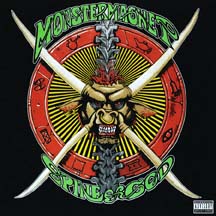
    Spine Of God (Napalm, 1991)

    One of the greatest ever debut albums, Spine Of God still sounds as fresh and exciting as it did when it was first released 30 years ago. An improbable but perfect melange of Stooges abandon, planet-eating psychedelia and punk venom, Spine is a total immersive experience, a dark and penetrating funhouse ride that’s as spaced-out and psychotic as Chrome and just as satanic as any Norwegian church burners.

    Ostensibly a satire of over-the-top metal albums, Spine goes so deep undercover it basically becomes the greatest over-the-top metal album ever. Recorded for $3,000, although it sounds like a lot less. In a good way.
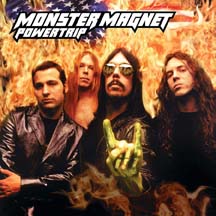
    Powertrip (A&M, 1998)

    Anchored by the outrageous acid-metal masterpiece Space Lord, Powertrip is Monster Magnet’s magnum opus. By far the band’s most straightforward hard rock album, it hammers your skull with hit after hit, from the sleazy grunge of Bummer to the biker-metal bliss of 3rd Eye Landslide.

    Wyndorf’s lyrical skills were off the charts at this point (’I’m grabbing her knees like a worm with a mission’), and each song is a cinematic experience in itself. Unlike the band’s earlier material, which always delivered the goods with a knowing wink, Powertrip feels all-in. With Spine Of God they made fun of rock gods; with Powertrip they became them.
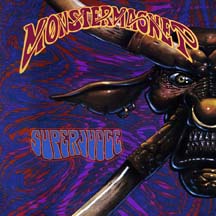
    Superjudge (A&M, 1993)

    Superjudge was Monster Magnet’s second album, and the first to feature the searing, corrosive leads of Ed Mundell. This is the record that cemented the band’s demented genius in the burgeoning ‘alt.rock’ world of 90s rock.

    Melding Black Flag and Black Sabbath into one sonic steamroller, and tossing 60s space rock into the mix, Monster Magnet created the ‘stoner metal’ blueprint that hundreds of other bands would follow. It features unapologetically excessive dope’n’roll classics, as well as covers of Howlin’ Wolf and Hawkwind songs that teased out the band’s still mysterious back-story.
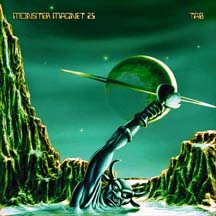
    Tab 25 (Gitterhouse, 1991)

    Technically an EP, recorded prior to Spine Of God but officially released only after that record made a splash, Tab is the band at their most excessive. The title track – with a 32-minute (!) running time – is a brain-melting, couch-of-woe classic that not only predates monolithic longest players like Sleep’s never-ending Dopesmoker, but also manages to toss everything from Krautrock to creepy field recordings in its winding sonic spew.

    The rest isn’t quite as out-there but it’s wild, heavy teenage nightmare stuff nonetheless, full of woozy acid rock like the seasick Longhair and the subtle creep of the VU-inspired Lord 13.
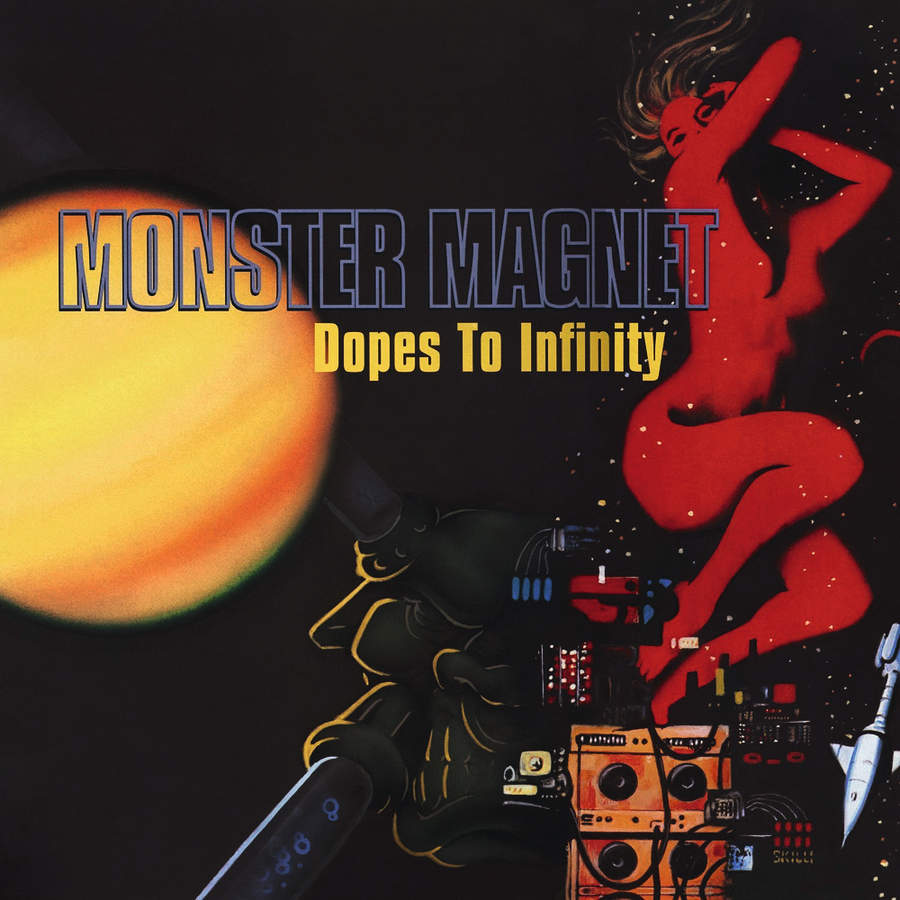
    Dopes To Infinity (A&M, 1995)

    While their ascent to the big league was still just out of reach here, the band already sound like they’re playing for the stadiums. Dopes To Infinity sounds both thoroughly mainstream and hopelessly obscure all at once. It’s like an echo from some alternative dimension where the Flower Travelin’ Band were as big as The Beatles and Judas Priest were actual priests.

    Lead single Nagasonic Teenage Warhead was their first hit, and for good reason; it’s like pouring hydrochloric acid directly into your brain. A relentless monster of a record that drips cool from every greasy pore.
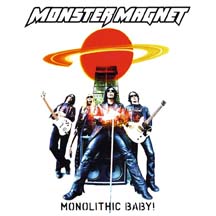
    Monolithic Baby! (A&M, 2004)

    The last gasp of the band’s arena-rock era. All indications suggest they knew it too, since this album wrings out every last over-the-top rock’n’roll cliche it can. There’s a song on here called Slut Machine, for Chrissakes. The absolute banger on Monolithic Baby! is undoubtedly the hook-heavy sleaze rocker Unbroken (Hotel Baby), which somehow evaded hit status, with the positively Kiss-esque strutter Master Of Light not far behind.

    Quite honestly this is the band’s best album since Powertrip, and it’s bursting at the seams with righteous 70s motor-rock. Monolithic Baby! is the forgotten gem of their catalogue.
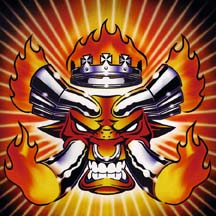
    God Says No (A&M, 2001)

    Well it wasn’t quite the smash follow-up to Powertrip that everybody expected. That’s probably because only one song on the album, the fiery Heads Explode, followed that record’s Super Rock formula. The rest of God Says No is pretty eclectic, even by Monster Magnet standards.

    There’s a bunch of solid, Mudhoney-esque garage-grunge head boppers like All Shook Out, Medicine (a Spine redux) and Melt, and there’s also 60s psych-pop (Kiss Of The Scorpion), discordant gut-bucket blues (Gravity Well) and even lo-fi new wave (Take It). Given the stakes, Monster Magnet probably should of zagged instead of all these zigs, but still, it’s a real adventure.
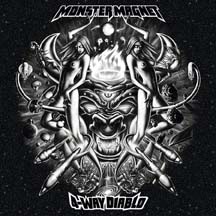
    4-Way Diablo (SPV, 2007)

    Dave Wyndorf overdosed on anxiety meds in 2006 and spent some time in a psych ward. If rock history was any indication, we’d expect some kind of From The Inside-esque confessional drivel from 4-Way Diablo.

    Well, fuck that. Apart from grunge-ballad I’m Calling You and the – well, okay, you got me – overly dramatic confessional drone-pop of Little Bag Of Gloom, the rest of the album is prime Magnet gonzola. Witness absolute belters like MC5 homage Wall Of Fire, slinky sleaze-rocker Slap In The Face and the blistering You’re Alive. Mountains of churning riffs and defiant howls from the man who just cheated death.
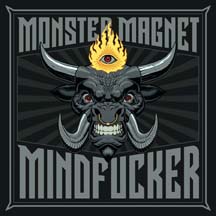
    Mindfucker (Napalm, 2018)

    Generally speaking, nobody’s asking much from anybody’s eleventh album, but Mindfucker is a surprisingly solid late-period entry in the band’s catalogue. Borrowing heavily from the snarly space-punk of their Spine Of God days, Monster Magnet are in full scorched-earth mode here, blasting out acid-fried room shakers like Rocket Freak, I’m God and the paint-peeling title track like they were still young and hungry.

    The only real divergence from the Saturday-night-forever vibes is the dark, free-floating space-prog ballad Drowning. The album could be weirder, for sure, but if you’re looking to get your face melted then it will certainly do the trick.

    And one to avoid…
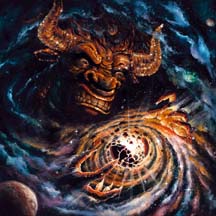
    Milking The Stars: A Re-Imagining Of Last Patrol (Napalm, 2013)

    With their heavy touring days behind ‘em, latter-day Monster Magnet projects tend to involve a lot of fucking around. This album is them at their most fucked-around. Essentially a 60s psych-rock revamp of their already sorta plodding 2013 album Last Patrol with a few new scraps and live tracks thrown in to make it a ‘new’ album, MTS is ‘experimental’ in the most commercially crass way possible.

    It’s not awful – it’s not Hot Space or anything – but it’s a million miles away from the breathless excitement of their 90s heyday.

  • Three Previously Unreleased Wayne Static Demos Discovered From the Early Static-X Era – @thebeast

    FOR IMMEDIATE RELEASE

    Three Previously Unreleased Wayne Static Demos Discovered From the Early Static-X Era

    Rare Wisconsin Death Trip-Era Recordings Unearthed During Archival Research and Set for Restoration

    Three previously unheard Wayne Static demo recordings from the early days of Static-X have been discovered by director Matt Zane while researching archival material connected to his upcoming Wayne Static and Tera Wray documentary project.
    The recordings are believed to date back to approximately 1996, during the formative period that would eventually lead to Static-X’s groundbreaking debut album, Wisconsin Death Trip . The rare demos offer fans a unique glimpse into the creative process and early musical evolution of one of modern metal’s most recognizable voices.
    While the discovery was an exciting moment, the age and condition of the recordings presented a challenge.
    “It was exciting to hear these tracks, but this demo had to be from around 1996, so it’s in rough shape. I knew I had to bring in a proper producer to save it,” said Zane.
    To help restore and preserve the recordings, Zane brought in Mikael Johnston, founder of electronic rock pioneers Mephisto Odyssey and a longtime collaborator of Wayne Static. Johnston previously worked with Wayne on the track “Crash” from the Batman Beyond soundtrack, created remixes for Static-X, and produced an alternate version of the band’s iconic hit “Push It.”
    “Wayne and I always talked about doing more music together after ‘Crash’ and the remixes, but unfortunately our schedules never lined up. Now I can finally honor him by restoring these tracks and giving the fans something truly special,” said Johnston.
    The newly discovered demos represent a rare piece of Static-X history, capturing an important chapter in Wayne Static’s journey before the band’s rise to international success. For longtime fans, the recordings provide another opportunity to celebrate the creativity and legacy of a musician who left a lasting mark on the metal world.
    A short preview of one of the original demos can be heard in Matt Zane’s recent social media update.
    Additional information regarding the restoration process and potential future release plans will be announced as details become available.
    Wayne Static’s influence continues to inspire generations of musicians and fans worldwide, and these newly uncovered recordings offer a powerful reminder of the creativity that helped shape the sound of an era.
    Fans can hear a short preview from one of the original demos in Matt Zane’s Instagram update:
    https://www.instagram.com/reel/DbRE5Gevpaf/
    Hear Mikael Johnston’s previous work with Wayne Static on the song “Crash”:
  • “John Belushi always used to try to get off with my ex-wife. I’d say: ‘John, I can hear you, you fat git’”: Ronnie Wood’s wild tales of Jimi Hendrix, Keith Richards, Bob Dylan and Axl Rose

    Rolling Stones guitarist Ronnie Wood has an address book that’s fatter and more well-thumbed than most. Over the years he’s partied with the great and the good of rock’n’roll and beyond – and he can even remember some of it. In 2010, he took a stroll down memory lane to look back on some of the more memorable encounters he’s had down the decades.

    Lightning bolt page divider

    Jimi Hendrix

    We shared a house in Holland Park – Pat [PP] Arnold’s house – and he gave me a basset hound called Snoopy that used to shit everywhere. Pat said: “Either the dog goes or you two go”. So Jimi said: “Why don’t I go and you keep my dog? I’ve got to move on anyway”. He was quite quiet as a flatmate: Quaaluded-up all the time. And spliffed. Very laid back. He’d just sit back and play right-handed or left-handed guitar – that ambidextrousness blew my mind.

    If I try to play left-handed it’s like giving a child a guitar. We used to get out the acoustics and swap blues licks, sometimes for him to warm-up before a show. He always said: “I don’t like my voice”. And I’d say: “Don’t worry, your guitar playing takes care of that.” He was a very sweet man. I remember him walking out of Ronnie Scott’s on the night he died. He had his arm around a girl and I shouted after him: “Oi, Jimi, say goodnight!” I was in tears when I found out the next day. I couldn’t believe it.

    Ronnie Lane

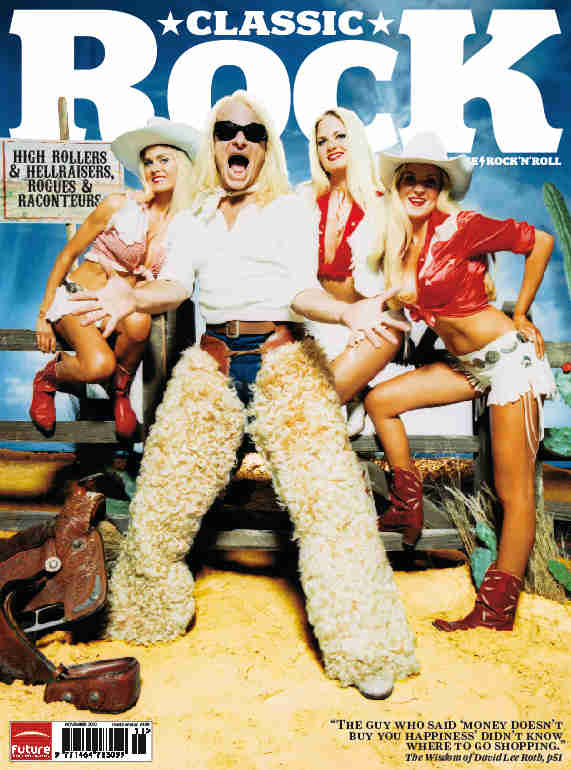
    The cover of Classic Rock issue 151 featuring David Lee Roth

    This feature was originally published in Classic Rock magazine issue 151 (October 2010) (Image credit: Future)

    He was a lovely boy, until he took the gypsy route and moved to some remote farm in Wales with his best friend’s girl. It always used to be Ronnie and Sue Lane, always together with their dog Molly. Then one day he came round and said: “I’m leaving Sue. And I’m also leaving the group.” And I went: “What? Nice joke!”

    We always used to say that we were leaving during group arguments, it would dispel any bad vibes in the room and we’d all have a laugh. But he said: “No, I really am leaving the group”. That was the last I saw of him, and then his health went down. The MS [Multiple Sclerosis] got progressively worse. We did our best for him, Rod and I investigated snake venom treatment, pressure tanks, but after a while there was very little we could do.

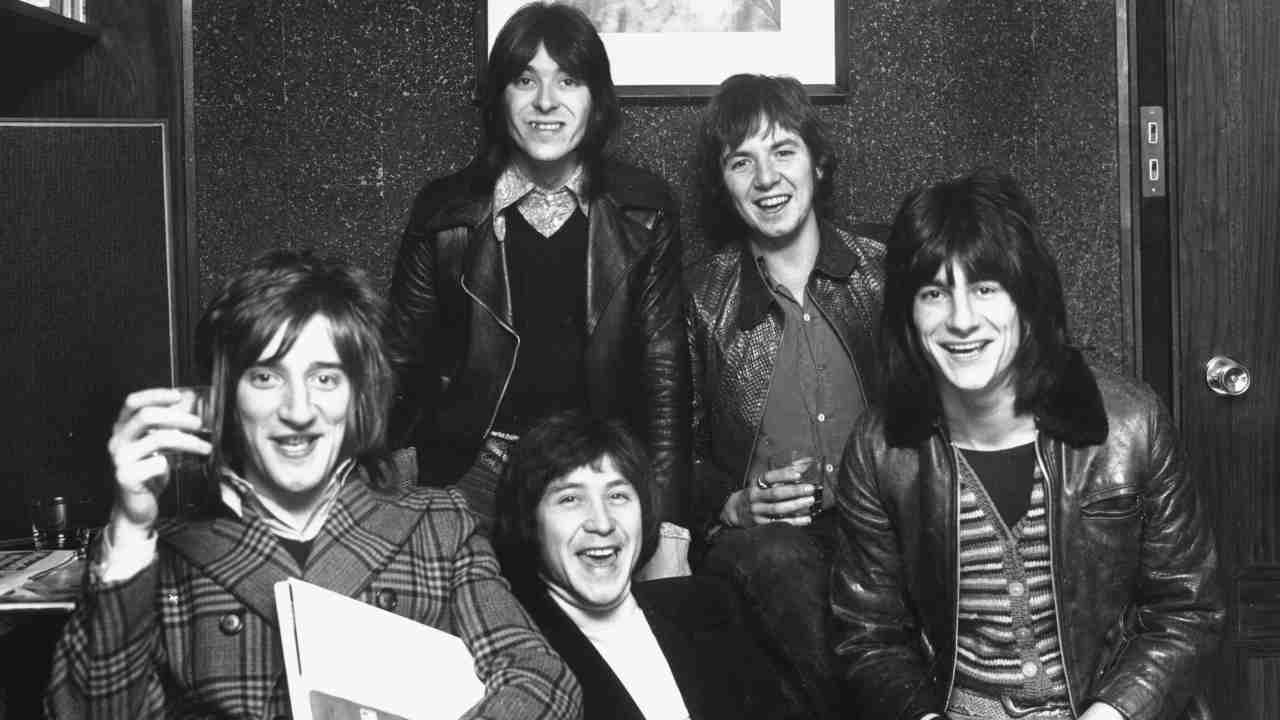
    The Faces posing for a photograph in 1974

    The Faces in 1974: (from left) Rod Stewart, Ian McLagan, Ronnie Lane, Ronnie Wood, Kenney Jones (Image credit: Chris Walter/WireImag)

    Rod Stewart

    Last time I saw Rod he was so lovely to me. He gave me and my girlfriend a wonderful evening. We had dinner with his family at his Celtic House in Hollywood. It’s very Hollywood, with effigies in the garden, columns, water-spouting fountains.

    It’s a really over-the-top mansion, just like you would imagine. Rod likes to show his wealth, with his collection of Pre-Raphaelite-type paintings. He often says to me: “Is that one alright? Did I buy the right painting?” And I go: “Rod, buy whatever you want, you know what you like.

    Jeff Beck

    He used to be incredibly shy when were in The Jeff Beck Group, as was Rod. If there was another guitar player like BB King or Albert King on the bill he’d go: “No, I can’t go on,” and he’d disappear because he’d think he wasn’t good enough. Rod would be like: “I’m gonna sing behind the amps, I’m too shy,” and I’d say: “Why don’t you just come out and enjoy yourselves?”

    That’s how it developed with The Faces – we got rid of all the nerves. Everything was a risk, some risks came off and some didn’t and the audience picked up on that looseness and raggedness. There’s still a bit of that with The Faces. You can’t polish a turd – unless you wait for it to go hard.

    Keith Richards

    He’s not happy unless he’s working with the Stones, nor is Charlie [Watts, Stones drummer] really… nor is Mick and nor am I. But it’s a matter of getting all those energies directed at the same thing at the same time. The next thing will be a group meeting, probably before Christmas, and we’ll decide whether to record, or do live, or both. See how everybody’s doing.

    When I first took Keith home he was high, and crashed out on my dad’s couch in the living room. So my dad come down at seven in the morning, opens the curtains and Keith went: [bellows] “Fuck off!” And my dad came straight back with “Nobody swears in my house!” and ordered him out. Keith had a tremendous amount of respect for my dad after that.

    Bob Dylan

    Working with Bob can be hard for most people, but not for me, because I know that he doesn’t know what’s coming next, so it’s easy to fit in with his meanderings. You have to follow him into various oxbow lakes. That’s the way he thinks – it ends up going in a straight line, but takes various deviations along the way.

    Often a song that he’s thinking one way will come out in a totally different way, which is evident when you see him live. You’ll be saying: “Was that Blowing In The Wind or All Along The Watchtower?”

    Axl Rose & Slash

    Guns N’ Roses and the Stones did a few shows together on the Bridges To Babylon tour and that’s when I got to know them. They were really sweet guys, but they all knew they were too high to carry on at that rate. Axl used to call me aside at parties and he’d go out on the balcony and say: “Please help me with my relationship problems”.

    So I told him: “First of all you’ve got to get some fucking coherency.” It was funny giving him advice ’cos at the time I was out of it as well. Slash was always a constant. I didn’t notice any difference between when he was high and when he was straight. He’s a lot more clear these days, but he was always a gentleman whether he was using or not.

    John Belushi

    He always used to try to get off with my ex-wife, Jo. He used to propose to her when I was asleep. I’d say: “John, I can hear you, you fat git. If you weren’t so fat and ugly you might stand a chance.” Like all comedians he was really pathetic, and he had a low tolerance to alcohol and drugs.

    Dan Aykroyd used to always put him in my care when he came to Hollywood. He used to drop him off at my house and say: “I know he’s safe now, I can go off and leave him.” Then he’d go off and do his stuff. The only time he didn’t do that was when he died. John booked himself into the Chateau Marmont. He dearly wanted to be a rock star.

    Keith Moon

    Moony used to come up and jam with us when we were in The Birds. I always used to say to him: “Keith, you’re only supposed to take one Valium, not the whole jumbo bottle.” He used to do that with uppers and downers, take the whole lot. He gave me my first Mandrax when they first came out – when they were really powerful. He said: “Take two of these.”

    We were in the Speakeasy. I had my Jaguar XK150 outside and I was with my first wife, Chrissie, and my manager, Billy Gaff. We’d already had a few whiskies, so although he gave me two I only took one. It kicked in before I got to the bottom of the stairs, so by the time I got to my car I was well gone. I ended up driving straight over Marble Arch and straight over Hyde Park without going round. I ended up in a mews with just enough room to get the car in and no one could get out.

    We had to get out of the roof. After that I don’t remember anything. I was sick. I don’t know how I got home, so not a great recommendation from Moony. He used to lead me astray, but my mum used to think he was a gentleman. He used to put a smoking jacket and cravat on and serve her brandy and she would say: “What a polite gentleman that Keith Moon is.”

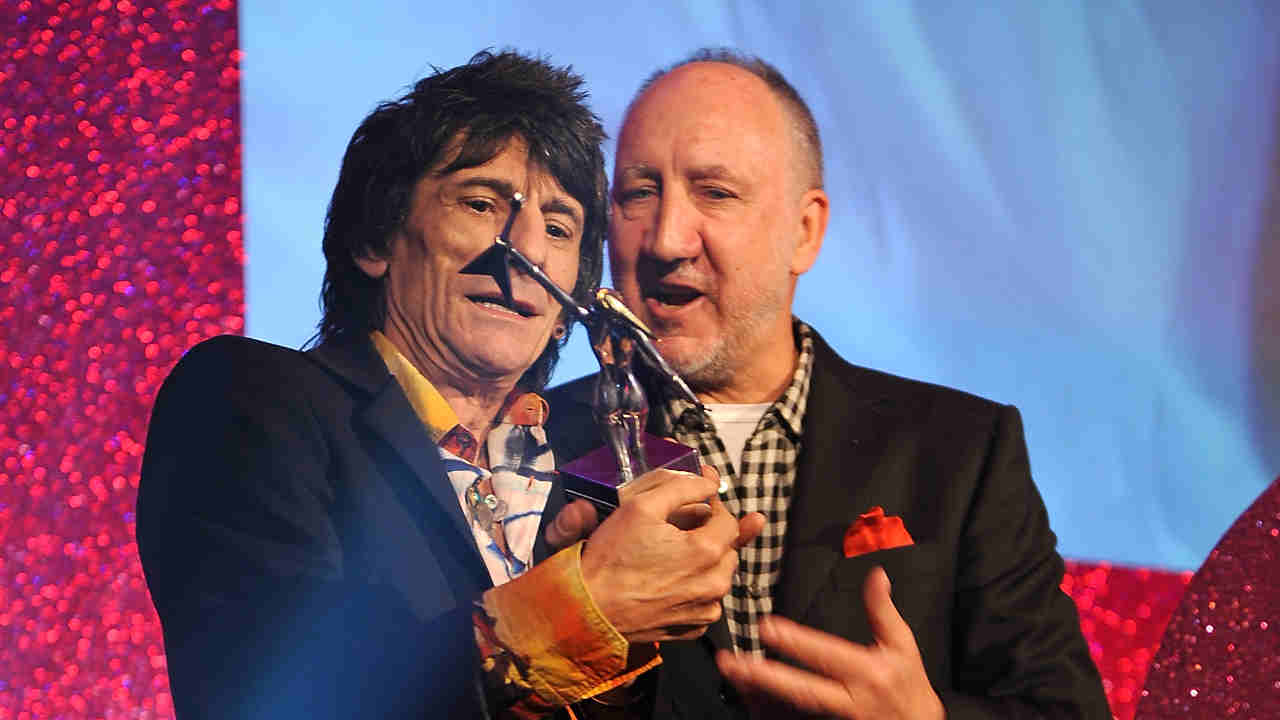
    Ronnie Wood and Pete Townshend onstage at the Classic Rock Awards in 2009

    Ronnie Wood with The Who’s Pete Townshend onstage at the Classic Rock Awards in 2009 (Image credit: Ian Gavan/Getty Images)

    Pete Townshend

    I first met Pete, who is still a neighbour of mine, back in the old Ealing Club days when The Who first had I Can’t Explain in the charts. I was in The Birds and they were going: “We’re number one!” And we were going: “Fuck off back to Acton!” We were so jealous.

    The High Numbers were brilliant, and the early Who, especially at the Marquee, were incredible. They’re still great today, but there was nothing quite so electric as the original line-up.

    Eric Clapton

    He’s always very suspicious of me, but he takes me under his wing. He’s very pleased that I am clean and serene, but he just doubts that I can keep it up. I used to go every week to the Crawdaddy in Richmond to see Eric with the Yardbirds. The first time I was ever invited up on stage there was when [Yardbirds singer] Keith Relf was ill. They said: “Are there any harmonica players in the audience?” and all my friends pushed me up.

    So I did I’m A Man and all their raving stuff, and they said: “Get that red Indian back… Cleopatra,” because my hair was always like this. “Get him back on stage.” That was my claim to fame. I’d played with the Yardbirds. I was always the youngster in them days, the newcomer. But it’s great, I’m still the youngest one.

    Ronnie O’Sullivan

    A very sweet, very mysterious person… and his own worst enemy – a bit like all those snooker players. One minute you see them all the time, then you can’t find them for love nor money. Ronnie’s like that at the moment. He’s got the constant fight with the alcohol and drugs – like we all seem to have – all of us, musicians, snooker players, artists, writers… Any of the creative sports.

    Ronnie’s checked me into recovery a few times and he’s said: “Take my room, it’s the good room. I came out and won the world championship after I was in here.” He’s been really helpful in my recovery.

    Mick Jagger

    Mick has been so supportive, I can’t tell you. It really surprised me because I thought he would have given up the ghost on me by now, but he’s getting stronger with his commitment of support. He’s saying: “Well done, Ronnie… I need at least one and a half guitar players I can rely on.”

    And now he’s got two full-blooded ones, so he’s very happy. What he wants to see is me showing the strength not to fall off the wagon and possibly messing up, because he needs me as a really concrete support, like Charlie, when he puts on his show. And he’s got it. I’m ready any time.

    Originally published in Classic Rock issue 151, October 2010

  • Interview with Jim Klieforth of the Traits

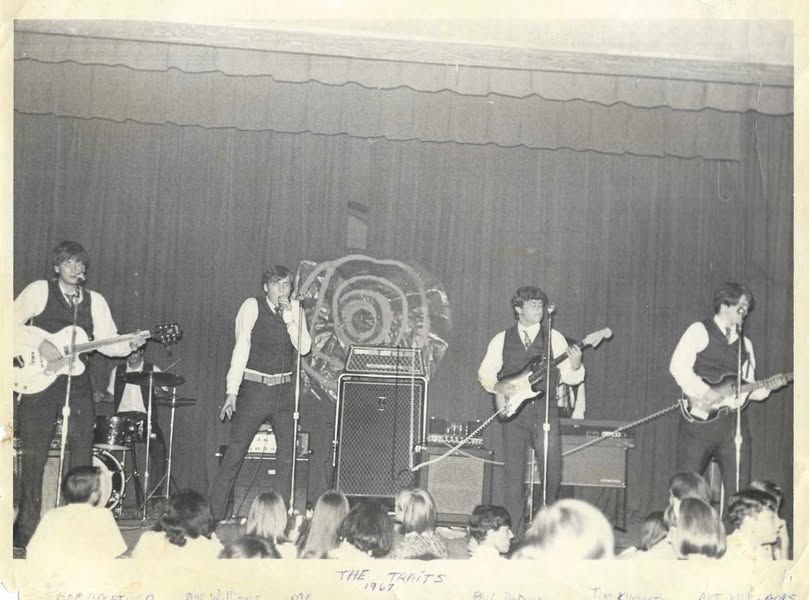
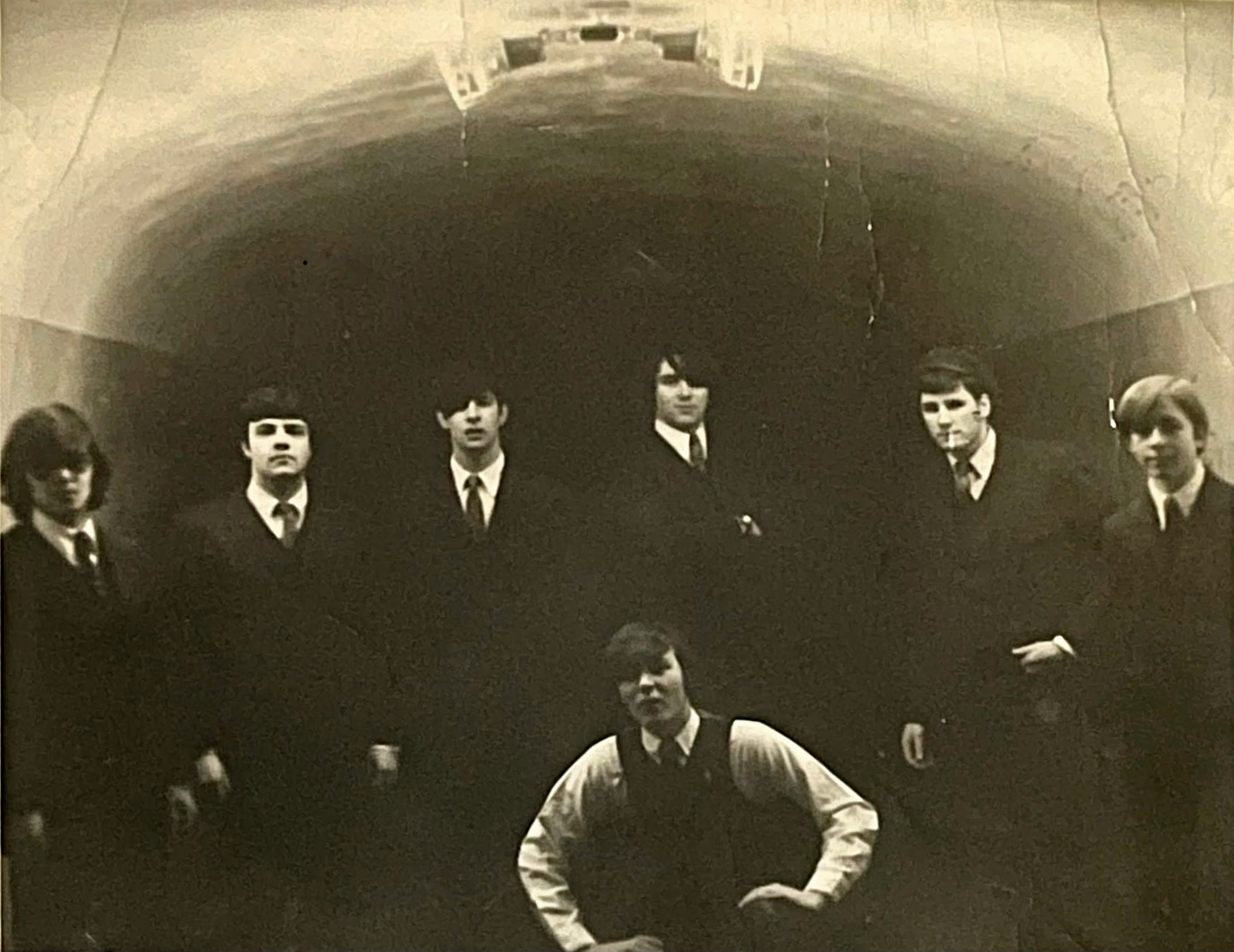
    The Traits, 1967, from left: Bob Creaturo, Bobby Williams (on drums), Mike Carroll, Phil Daddona, Jim Klieforth (on keyboard, obscured) and Artie Williams. Photo from Mike Carroll, courtesy of his family.

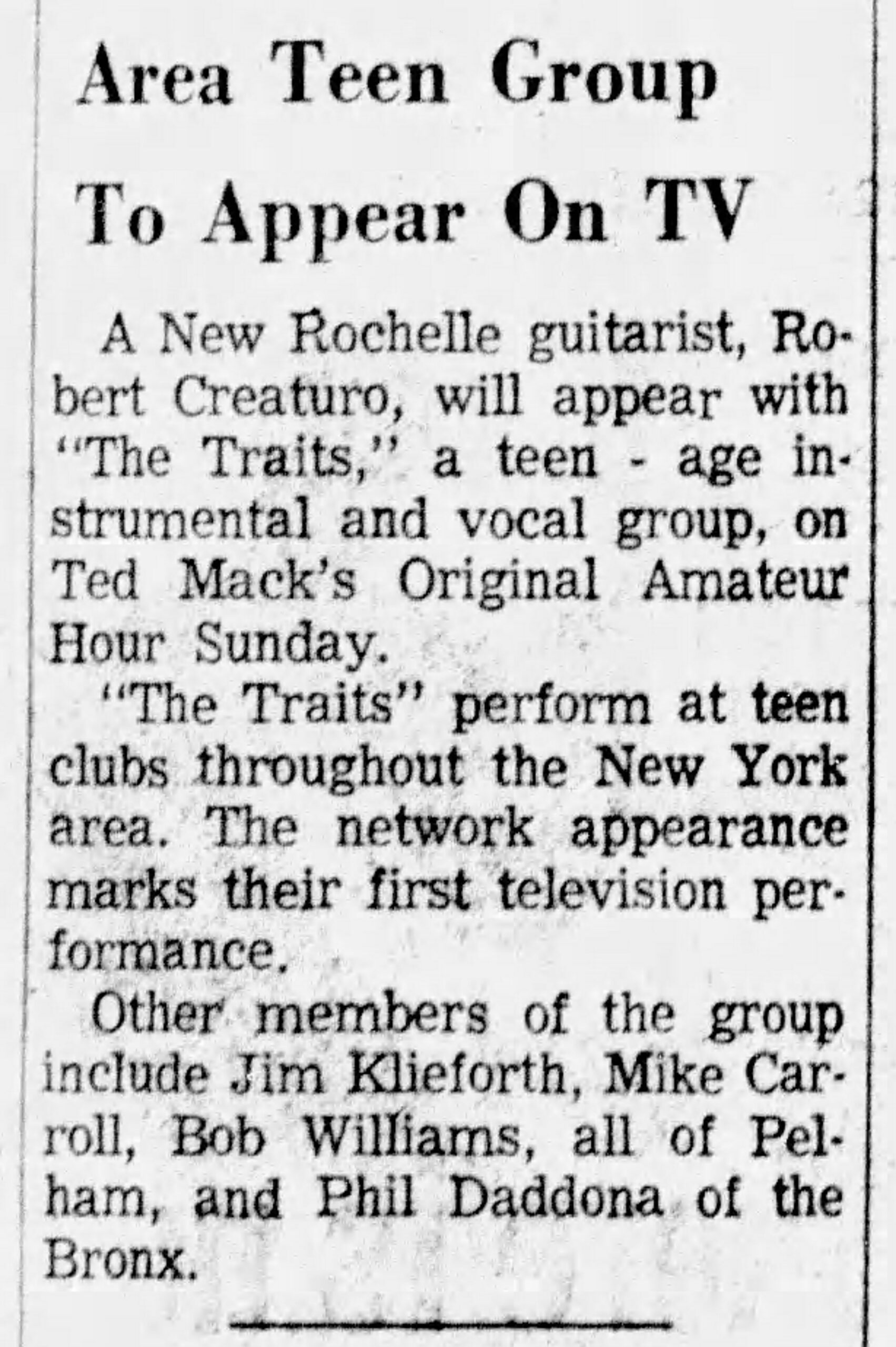
    I corresponded with Jim Klieforth of the Traits in 2009, about a year after writing about them in some detail in regard to the Ren-Vell Records Battle of the Bands LP. Below is our conversation from that time.

    Jime Klieforth: My late brother [Charles Klieforth] was a bit of a wheeler-dealer who wasn’t musical but wanted to be in the rock business in some capacity, nurturing a fantasy of being an impresario. I’d been playing guitar and keyboards for a couple of years and our family home had an empty basement that was suitable for a group to rehearse in, so he sweet-talked me and the best musician-singers he knew into forming a group with him as manager. I’d never met any of these guys but was very impressed with the line-up’s talent and professionalism.

    Back then, a group needed to have a couple of hours of material well rehearsed for public performances and we had enough musical common ground to pull that together within two weeks. My brother Chuck and his assistant, Don Reid, started aggressively pursuing work for the band and getting us publicity. Almost overnight, we were playing every local venue and from then on out, our rehearsals were jammed with our local contemporaries (mostly schoolgirls) eager to monitor our development. It was an odd and unexpected social change for all of us.

    I wish I could say that we were friendly with other bands at that time but the truth is that we saw all of them as competition that needed to be vanquished. The Orphans, for example, who didn’t shine on the Renvell record, turned into a force to be reckoned with when Bobby Mayo (later of Peter Frampton fame) joined up.

    We’d had a real advantage by starting out with a good rhythm section and an extraordinary guitarist (Dom Chicerchia, who left the band just before the Ted Mack show we did) but our competitors began acquiring skills at a pace that caused us to get very serious about playing well and refining all aspects of our performance. In an unfortunate reversal of what usually happens, the only recordings of the band were from very early on, before we really developed musically.

    I was born in White Plains. Jimmy Carpenito of the Mystics told me Renvell’s studio was next to Gun Town on Central Ave, a store I vaguely remember from my childhood. Hard to believe there was a recording studio on Central Ave! I’m in Brooklyn, now, but my family’s still in White Plains and Yonkers.

    As I recall it, Renvell was a second floor walkup, a big room that struck me, even then, as being quite low budget, a shoestring operation with cheap and/or antique equipment. Given how few records carry the Renvell label, I have to assume that most of their business was geared to commercial jingles for local businesses and radio play. I ran into the guy who ran it (I believe his name was Joe Renda) years later, when he owned Northlake Studios in White Plains.

    I reminded him of the album and told him I’d been on it and he replied with a story that I thought at the time was an overblown fabrication. According to him, a couple of big DJ’s in England had fallen in love with the Battle of The Bands album and by repeatedly featuring it, had cultivated the development of the garage band sound there, setting the stage for punk. As he told it, the album was selling for $200.00 a pop there (in 1980 dollars) and “High On a Cloud” had received extensive airplay. It turned out that he’d been telling the truth, and the song became known well enough to end up being covered by the Pandoras. Since then it has been put on more compilations than I’ve been able to keep track of. In what is a common story about recordings of that era, no request for usage in these compilations has ever been requested from the band and no compensation has ever been forthcoming. Some of my former band mates are unhappy about this, but personally, I’m delighted that the recording has been archived and perpetuated as a minor archetype of the true garage band sound.

    Traits to appear on Ted Mack’s Amateur Hour on Sunday, September 17, 1967

    Q. When Dom left the band, who replaced him for the Ted Mack show, playing guitar behind his neck on the film?

    That was Phil Daddona, who had to attempt to learn Dom’s “behind the neck” trick very quickly.  As you can see from the film, he wasn’t particularly adept at it, whereas Dom had been the pre-Hendrix master of it.

    Jim Klieforth (2009)

    The Traits on “High on a Cloud”:

    Mike Carroll – lead vocals
    Dom Chicherchia – lead guitar
    Jim Klieforth – keyboard
    Bob “Creature” Creaturo – guitar
    Bobby Williams – drums
    Unidentified bass player

    The Traits on Ted Mack (July 31, 1967, aired Sept. 17, 1967):

    Mike Carroll – lead vocals
    Phil Daddona – lead guitar
    Jim Klieforth – keyboard
    Bob “Creature” Creaturo – guitar
    Bobby Williams – drums
    Artie Williams – bass

    The band seems to have slowly split up, as Mike Carroll was drafted in ’68, but must have come back at some point to be the lead vocalist on the Nobody Loves the Hulk release, from 1969.

    Bobby Williams reportedly died some years ago, details are unknown. Three other Traits members have passed: Bob Creaturo on September 12, 2014, Mike Carroll on March 15, 2018, and Dom Chicherchia on August 24, 2021.

    The Traits at the entrance to the Pelham Parkway IRT station (the 5 train)

    More info can be found in the accompanying booklet to the Mojo-Bone release and Ugly Things #66.

  • Seethe Unleashes Crushing New Single “Critic // Critique” Blending Nu Metal Aggression With Modern Alternative Metal Chaos – @thebeast


    FOR IMMEDIATE RELEASE
    Seethe Unleashes Crushing New Single “Critic // Critique” Blending Nu Metal Aggression With Modern Alternative Metal Chaos
    New Track Out Now Released: July 25, 2026
    Stream & Purchase:
    https://distrokid.com/hyperfollow/seethe/critic–critique-2
    Bandcamp:
    https://seethe1.bandcamp.com
    FFO: Linkin Park, Static-X, Bring Me The Horizon
    Emerging from the chaos and uncertainty of the Covid-19 pandemic, Seethe has continued carving out a unique space within the modern metal landscape. Now, the project unleashes its latest hard-hitting single, “Critic // Critique,” delivering a powerful collision of early 2000s nu metal emotion, alternative metal intensity, and the distorted electronic aggression of today’s trap metal movement.
    Born in 2020 from the creative vision of Patrick McElravy , vocalist of 9 Stitch Method , Seethe was created as an outlet for raw emotion, frustration, and experimentation. Combining manic, emotionally charged vocal performances with crushing riffs, electronic textures, and a modern sonic edge, Seethe bridges the gap between the sounds that defined a generation and the evolving future of heavy music.
    “ Critic // Critique is a hard hitting song about facing the adversity against the conditioned ‘normality’ of society,” explains McElravy. The track confronts the pressure to conform while embracing the struggle of standing apart and challenging expectations.
    The new single showcases Seethe’s continued evolution beyond its early trap metal influences, expanding into a heavier and more diverse sound incorporating elements of alternative metal and deathcore. The track serves as another glimpse into the upcoming project “Blue Notes & Old Doses,” where Seethe continues pushing boundaries and exploring the darker corners of modern metal.
    Since its formation, Seethe has quickly gained momentum, sharing stages with acts including King 810 and Twiztid , while also earning recognition through features in Nu Metal: The Definitive Guide . With each release, Seethe continues proving that the spirit of nu metal is alive and evolving through a new generation of artists.
    For “Critic // Critique,” Patrick McElravy handled all vocal writing, recording, and performances, while Jacob Lizotte of Dark Cabin Studios composed and produced the instrumental. The track was mixed and mastered by Gus Wallner of You Think Music , bringing together a polished yet punishing sound built for fans of heavy music’s past, present, and future.
    With a fearless approach and a refusal to follow a predetermined formula, Seethe stands ready to make an impact with a sound that is emotional, aggressive, and unapologetically different.
    Seethe is:
    Patrick McElravy – Vocals
    Production Credits:
    Vocals written, recorded, and performed by Patrick McElravy
    Instrumental composed and produced by Jacob Lizotte of Dark Cabin Studios
    Mixed and mastered by Gus Wallner of You Think Music
    Listen to “Critic // Critique” now:
    https://distrokid.com/hyperfollow/seethe/critic–critique-2
    Check out the video: 


    Follow Seethe:
    https://seethe1.bandcamp.com
    https://www.facebook.com/seethepa
    https://instagram.com/xxseethexx
    https://open.spotify.com/artist/7deCrOOPM0rmUqBrJVW6w2
    Contact: pmcelravy234@live.com
  • Review ICONIC “II”

    A lineup that brings together well-known names from the worlds of rock and metal does not automatically guarantee great music. Iconic is a project featuring iconic veterans of the scene, and the band’s name alone naturally creates certain expectations. With II, the group now delivers their second studio album. Iconic consists of Nathan James, Michael Sweet, Joel Hoekstra,… Continue Reading →
  • Richard Thompson Feeds On Fantasies On Fresh Album

    Richard Thompson Feeds On Fantasies On Fresh Album

    Sixty years is a great span for one’s career, especially when said career is as steady as Richard Thompson has been, and though his records can hardly surprise any listener now, they remain solid works which never fail to impress. … Continue reading →

    The post Richard Thompson Feeds On Fantasies On Fresh Album appeared first on DMME.net.

  • Karen Adilyan Armenian Music Duduk Homelend Review

    Karen Adilyan Armenian Music Duduk Homelend Review

    This song is a gift; it envelops listeners with its ethnic breath. The music evokes cinematic imagery that transports the imagination. One might find it best to listen with closed eyes. Doing so makes you feel like a drone soaring over the beautiful landscapes of Armenia that inspired this piece.

    Karen Adilyan Armenian Music Duduk Homelend

    The prominent use of the Duduk truly enhances the song’s appeal. Its melody carries Eastern vibes, suggesting the presence of dancers enchanted by its rhythms. The music evokes imagery of odalisques, captivating the heart of anyone who listens. The arrangement is epic and intense, featuring sublime orchestration that pairs beautifully with the Duduk.

    Strings create a lush foundation beneath the Duduk’s melody. This interaction heightens the experience, drawing listeners deeper into the emotional terrain. As the rhythm builds, it hypnotizes, allowing listeners to take flight on a wave of sound. The connection between the Duduk and the orchestral elements showcases a remarkable blend of influences.

    Armenian Music Duduk Homelend – Sound and Atmosphere

    Such artistry culminates in a piece that could easily serve as a film soundtrack. Its immersive qualities suggest narratives waiting to be told visually. This instrumental work is not only impressive; it sparks admiration for a significant composer. Whether for relaxation or inspiration, this music speaks volumes.

    Listeners gain a sense of appreciation for Armenian culture through this track. Each note carries rich history, making the experience feel profound. The music invites listeners on a journey, showcasing the depth of emotion possible through instrumentation. The grandeur of this composition is undeniable.

    Musical arrangements lead the listener on an odyssey through sound. The Duduk’s timbre resonates deeply, providing a spiritual connection. As the composition unfolds, it reveals layers that continually stimulate the senses. This engagement offers more than mere entertainment; it inspires reflection.

    Armenian Music Duduk Homelend – Performance and Production

    Adilyan’s artistry shines brightly. He captures the essence of a unique cultural heritage, offering it to a broader audience. The balance of traditional elements with modern sensibilities creates a timeless piece.

    This piece stands as a harmonious blend of emotion and artistry. It transcends geographical limitations, creating a universal dialogue through sound. The intricate arrangements speak to a deep understanding of musical craftsmanship.

    This piece is a remarkable exploration of sound and sentiment. It inspires creativity and fosters a deep appreciation for its origins. The Duduk’s vocals intertwined with orchestral support deliver an unforgettable experience. It stands as a formidable testament to the power of music.

    Delve into this musical journey; allow it to guide your thoughts and feelings. “Armenian Music Duduk Homelend” is a bridge connecting listeners to a rich, cultural narrative. Experience the depths of emotion with each note and rhythm.


    Sublime

    🔥 If you love this music: Discover More


    Find Karen Adilyan here:
    Spotify | Instagram

    The post Karen Adilyan Armenian Music Duduk Homelend Review appeared first on Edgar Allan Poets – Noir Rock Band.

  • LOUFO Rainbow in Your Eyes Review

    LOUFO Rainbow in Your Eyes Review

    The EP opens with “Be there in a Bite.” This track immediately showcases the artist’s psychedelic style. Its retro composition draws inspiration from the sounds of the 1980s. The melody evokes a sense of upliftment, pulling the listener into its exuberant energy.

    LOUFO Rainbow in your eyes

    Following this, “The Man on a Tree Branch” introduces a near-western vibe. It features an infectious rhythm that envelops the audience. This song also presents darker undertones, revealing the artist’s capacity for complex emotions. The juxtaposition between light and shadow captivates the listener.

    Next is “A Heartbeat Away from the Core.” This ballad carries a 1960s essence, marked by a steady piano rhythm. The delicate melody is almost therapeutic, soothing the listener’s mind. Its sentimentality resonates deeply, allowing for a moment of introspection.

    Rainbow in Your Eyes – Sound and Atmosphere

    “Still in Love with You” follows, presenting another heartfelt and intense ballad. The emotional sincerity captured in this song strikes a chord. It highlights the artist’s ability to convey raw feelings through music. Each note feels genuine, and the listener is drawn into the narrative.

    The title track, “Rainbow in Your Eyes,” exudes charm with its guitar work and chorus. The melody is intriguingly nocturnal and nostalgic. There is a sense of mystery woven throughout this composition. The artist’s visionary qualities shine through, showcasing a unique compositional style that stands out remarkably.

    The EP concludes with “Solo e sempre gli esseri umani.” This song, delivered in Italian, creates a dreamlike and delirious atmosphere. It transports listeners to a bubble that spins in a unique dimension. This track encapsulates the psychedelic essence of the 1970s while delivering a distinctive vision.

    Rainbow in Your Eyes – Performance and Production

    LOUFO’s EP presents a thrilling journey through various musical themes. The artist’s creative range shines brilliantly. Each song invites listeners to explore diverse emotional landscapes. They perfectly blend elements of nostalgia and modernity.

    The overall cohesion of the EP is impressive. It is refreshing to encounter an artist who fuses these styles. The intricate layers of each track enrich the listening experience. LOUFO demonstrates a keen understanding of how to engage audiences.

    The production quality enhances the listening experience greatly. Attention to detail is evident across all tracks. Each instrument complements the vocal arrangements, creating a harmonious effect. The blending of different musical eras adds depth and richness.

    In a competitive music landscape, LOUFO stands out with this release. The combination of retro influences and modern sensibilities creates a unique identity. Fans of alternative and indie genres will find a lot to love here. The ingenuity present in “Rainbow in Your Eyes” resonates well beyond the closing notes.


    Unique

    🔥 If you love this music: Discover More


    Find LOUFO here:
    Spotify | Instagram

    The post LOUFO Rainbow in Your Eyes Review appeared first on Edgar Allan Poets – Noir Rock Band.

  • Patriot Rebel Your God Review

    Patriot Rebel Your God Review

    The single “Your God” opens with an atmospheric, almost ritualistic introduction. It features ethereal pads accompanied by a mysterious and intense guitar arpeggio. This establishes the tone that feels contemplative and powerful right from the start.

    Patriot Rebel Your God

    As the song progresses, it accelerates into a vigorous section where the guitars push forward with a hard, direct sound. The energy here is palpable, creating an atmosphere that grabs the listener’s attention. For a moment, the composition holds back with a syncopated rhythm, creating tension before unleashing a powerful hard rock explosion.

    The band demonstrates a high level of musicianship throughout this track. Their experience in songwriting is evident. Each detail of the music reflects their dedication and time spent in rehearsal spaces, honing their art. The harmonic and rhythmic transitions are expertly executed, reinforcing the impression of seasoned professionals at work.

    Your God – Sound and Atmosphere

    The vocal delivery is striking, featuring a high and determined timbre. The lead singer’s voice resonates with a quality reminiscent of 1980s hard rock bands, merging nostalgia with modernity. This strong performance adds an engaging quality to the overall composition.

    A standout moment occurs around the two-minute mark. The song shifts, momentarily changing direction before introducing a rhythmic bridge. The bridge has a marching quality that makes you point the horn skyward, celebrating the sacred fire of rock. This chorus-like section inspires an almost communal experience.

    The lyrical themes delve into the relationship between humanity and the divine. The intensity of the music enhances the weight of the words, emphasizing a deep reverence for personal beliefs and collective experiences.

    Your God – Performance and Production

    Throughout the piece, the dynamics are perfectly balanced. Moments of calm contrast with intense bursts of energy, expertly guiding the listener through an emotional journey. The arrangement showcases the band’s understanding of pacing and tension, allowing the music to ebb and flow while maintaining engagement.

    The production quality is notable, with each instrument clearly articulated in the mix. The guitars cut through the layers with precision, while the bass provides a solid foundation. The drums propel the song forward, delivering a driving force that keeps the energy high.

    This single is an intense and powerful offering that showcases the musicianship and passion of the band. It is a worthy addition to any hard rock enthusiast’s playlist.  This single is highly recommended for anyone seeking an invigorating musical experience.


    Solid

    🔥 If you love this music: Discover More


    Find Patriot Rebel here:
    Spotify | Instagram

    The post Patriot Rebel Your God Review appeared first on Edgar Allan Poets – Noir Rock Band.