Eyes Set To Kill will only be playing fan favorites on the run.
The post Eyes Set To Kill Announce The ‘Guilty Pleasures Tour’ With Sicksense & Twist It appeared first on Theprp.com.
Eyes Set To Kill will only be playing fan favorites on the run.
The post Eyes Set To Kill Announce The ‘Guilty Pleasures Tour’ With Sicksense & Twist It appeared first on Theprp.com.
Julia Holter might win some, but she just lost one. Actually, I don’t know if she just lost it. Her new single “My Lost One,” the latest from her forthcoming Materia, doesn’t specify when it was lost. The song is minimal and dreamy for most of its runtime, marked by Chris Speed’s ambiguous saxophone and breathy whispers from Holter that often resemble incantations. She used the word “witchy” to describe what’s going on here, a descriptor that feels ever more appropriate as the song reaches its haunting/soothing conclusion.
The post Julia Holter – “My Lost One” appeared first on Stereogum.
Two years ago, underground OGs David Grubbs and Kramer teamed up with nouveau legend Wendy Eisenberg under the name Squanderers, playing sparse, searching improvisational guitar-bass music with no further accompaniment. The trio released their debut album, If A Body Meet A Body, on Kramer’s Shimmy-Disc label in 2024, then followed it with a second LP, Skantagio, in 2025. They’ve already got a third in the queue: Bright Madness will be out in September, this time via Drag City.
The post Squanderers Announce New Album <em>Bright Madness</em>: Hear “Theme For The Casino At 5 A.M.” appeared first on Stereogum.
Their sophomore album is already in the can.
The post Wargasm Sign With Hopeless Records, Debut New Single “Get Down” appeared first on Theprp.com.
Their first album since 2010.
The post Colepitz Announce Their Comeback Album “The Time Between”, Premiere “The Living Dead” Lyric Video appeared first on Theprp.com.
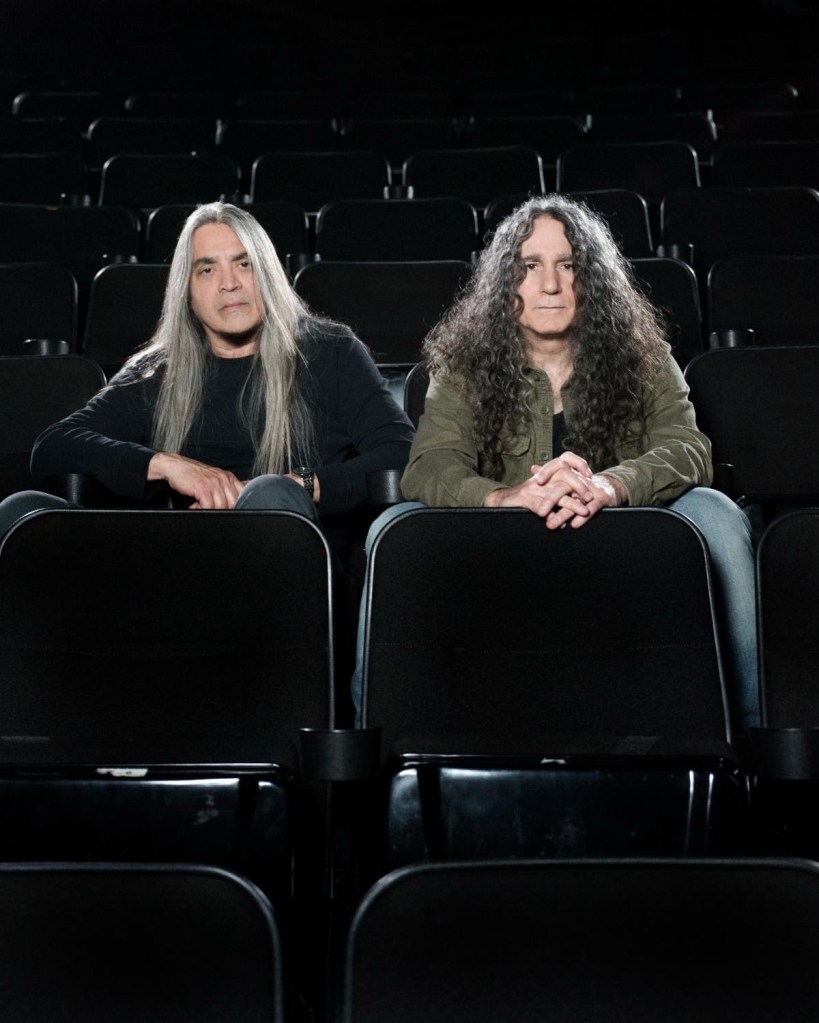
Watch NORTH SEA ECHOES’ “I’ll Leave A Light On” video HERE.
NORTH SEA ECHOES – featuring progressive metal pioneers, singer Ray Alder and guitarist Jim Matheos, of Fates Warning – today deliver their video for “I’ll Leave A Light On.” The track appears on the band’s latest studio album, How To Cast A Shadow, out now on Metal Blade Records!
Comments Alder, “’I’ll Leave a Light On’ is much heavier than anything on [2024’s] Really Good Terrible Things, the first NORTH SEA ECHOES album. It has a darker, melancholic feel that fits well on this record. I loosely based the lyrics on a character from my favorite sci-fi series. I won’t say which, but they do use the quote ‘out there in the black.’”
Watch NORTH SEA ECHOES’ “I’ll Leave A Light On” video HERE.
Watch NORTH SEA ECHOES’ previously released video for “Enjoy The View” HERE.
On NORTH SEA ECHOES’ Really Good Terrible Things full-length, Alder and Matheos garnered rave reviews for songs that possessed, “liberating sonic space and emotional vulnerability… from somnambulant electro-fog to gritty, overdriven disquiet, to the quietly devastating (Blabbermouth).” With How To Cast A Shadow, the band’s identity is further expanded upon and explored.
“This record is a bit heavier,” asserts Matheos, “with several more songs featuring real drums, played by Dennis Leeflang. It wasn’t necessarily intentional or planned, just the way things shaped up and how they emerged this time.”
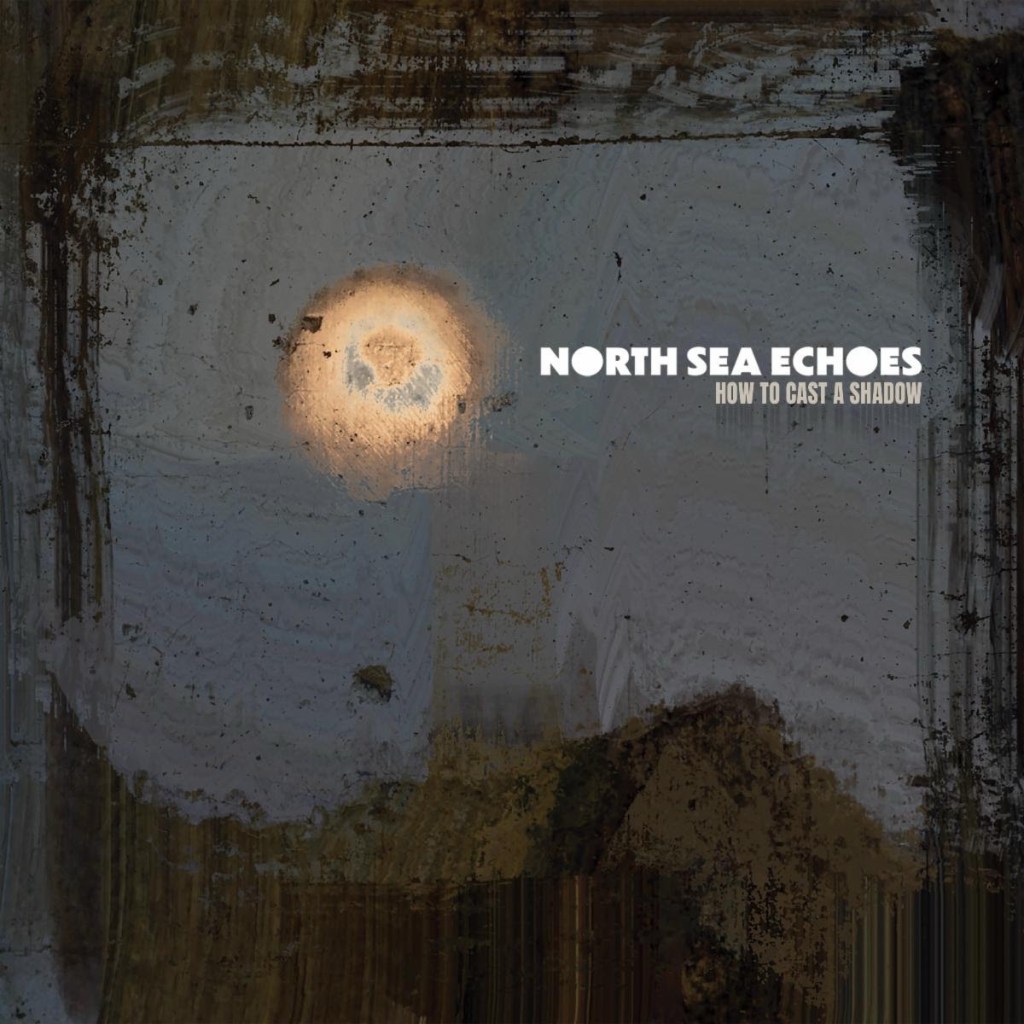
How To Cast A Shadow – Track Listing:
1. A Time of Innocence and Purpose
2. Enjoy the View
3. Good Enough
4. I’ll Leave a Light On
5. All Fall Away
6. Revenge
7. Villains or Saints
8. What is and What Was
10. All That Comes After
11. How to Cast a Shadow
The duo’s shared and separate histories help to forge a fresh creative opus. Alder has been the vocalist and main co-writer for prog metal heroes Fates Warning for 37 years, recording ten albums between 1988 (No Exit) and 2020 (Long Day Good Night). Rounding out his discography are seven albums with Redemption, two solo records, and the band A-Z, which debuted in 2022.
Revered guitarist and producer Matheos is a cofounder of Fates Warning, the lineup debuting with 1984’s Night On Bröcken on Metal Blade. In addition to thirteen albums with Fates Warning, Matheos launched several solo albums, four LPs alongside former Dream Theater keyboardist Kevin Moore under the name OSI, and Kings Of Mercia, which launched in 2022.
From the radio-ready rock of “All That Comes After” and the intimate, escalating “A Time Of Innocence And Purpose” to the powerful, timeless ballad “Villains Or Saints,” How To Cast A Shadow cohesively crosses genres and challenges aural preconceptions.
How To Cast A Shadow is out now on CD and digital formats. Preview/purchase the record at: metalblade.com/northseaechoes.
If Really Good Terrible Things kickstarted NORTH SEA ECHOES’s career with “hovering subtleties, introspective thoughtful reflections” and lyrics with “wisdom and authenticity,” How To Cast A Shadow ups the promise of its predecessor. Provocative words of hope, sorrow and consciousness are paired with Matheos’ equally emotive, varied and deeply moving guitar work.
https://www.metalblade.com/us/artists/north-sea-echoes
Source: EARSPLIT PR

The vinyl is limited to 1500 copies worldwide.
The post Machine Head’s “Unto The Locust” Set For 15th Anniversary Vinyl & CD Reissue appeared first on Theprp.com.