Their sophomore album is already in the can.
The post Wargasm Sign With Hopeless Records, Debut New Single “Get Down” appeared first on Theprp.com.
Their sophomore album is already in the can.
The post Wargasm Sign With Hopeless Records, Debut New Single “Get Down” appeared first on Theprp.com.
Their first album since 2010.
The post Colepitz Announce Their Comeback Album “The Time Between”, Premiere “The Living Dead” Lyric Video appeared first on Theprp.com.
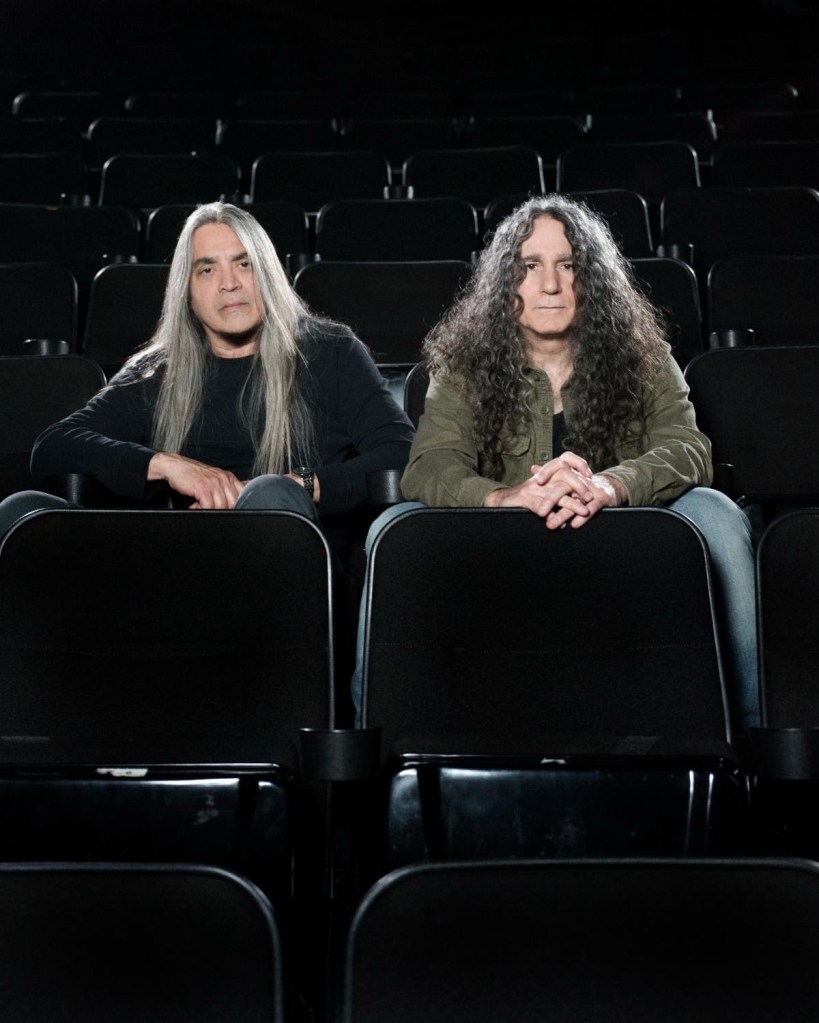
Watch NORTH SEA ECHOES’ “I’ll Leave A Light On” video HERE.
NORTH SEA ECHOES – featuring progressive metal pioneers, singer Ray Alder and guitarist Jim Matheos, of Fates Warning – today deliver their video for “I’ll Leave A Light On.” The track appears on the band’s latest studio album, How To Cast A Shadow, out now on Metal Blade Records!
Comments Alder, “’I’ll Leave a Light On’ is much heavier than anything on [2024’s] Really Good Terrible Things, the first NORTH SEA ECHOES album. It has a darker, melancholic feel that fits well on this record. I loosely based the lyrics on a character from my favorite sci-fi series. I won’t say which, but they do use the quote ‘out there in the black.’”
Watch NORTH SEA ECHOES’ “I’ll Leave A Light On” video HERE.
Watch NORTH SEA ECHOES’ previously released video for “Enjoy The View” HERE.
On NORTH SEA ECHOES’ Really Good Terrible Things full-length, Alder and Matheos garnered rave reviews for songs that possessed, “liberating sonic space and emotional vulnerability… from somnambulant electro-fog to gritty, overdriven disquiet, to the quietly devastating (Blabbermouth).” With How To Cast A Shadow, the band’s identity is further expanded upon and explored.
“This record is a bit heavier,” asserts Matheos, “with several more songs featuring real drums, played by Dennis Leeflang. It wasn’t necessarily intentional or planned, just the way things shaped up and how they emerged this time.”
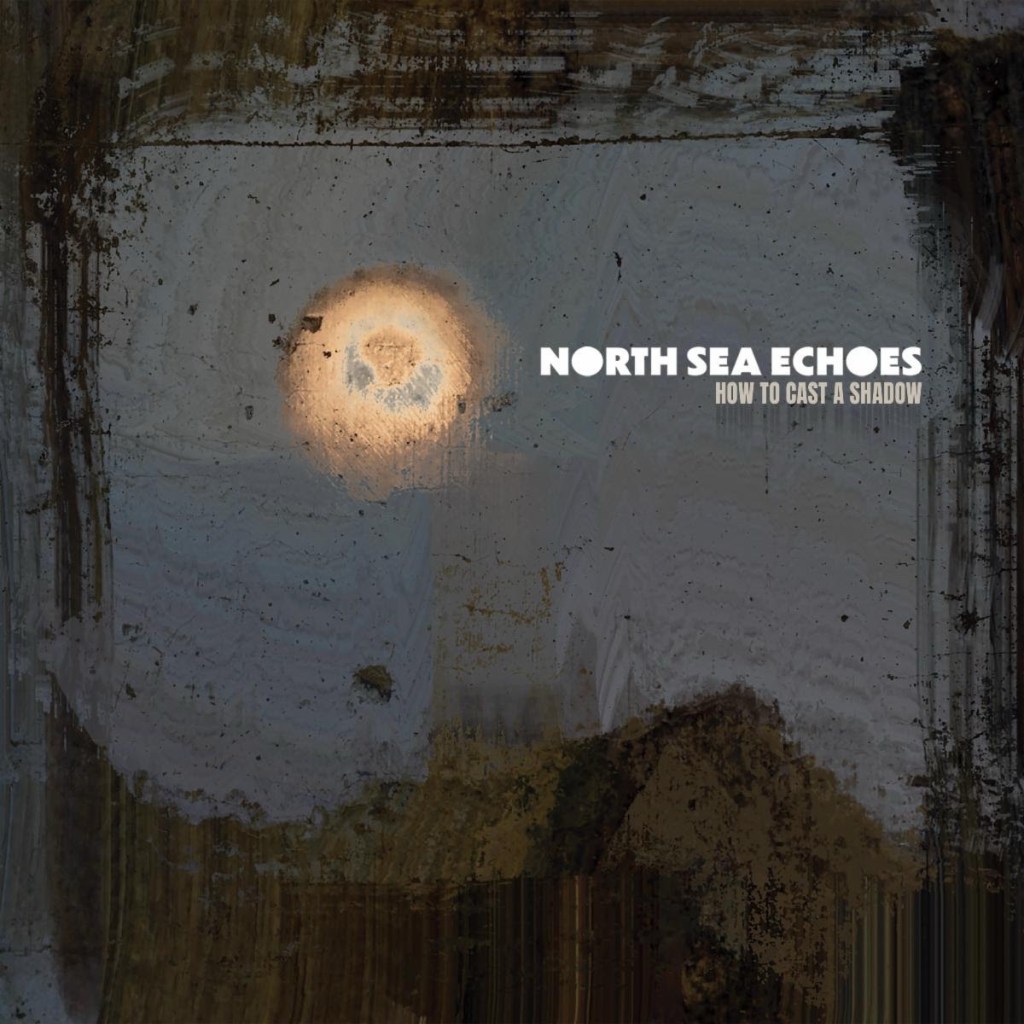
How To Cast A Shadow – Track Listing:
1. A Time of Innocence and Purpose
2. Enjoy the View
3. Good Enough
4. I’ll Leave a Light On
5. All Fall Away
6. Revenge
7. Villains or Saints
8. What is and What Was
10. All That Comes After
11. How to Cast a Shadow
The duo’s shared and separate histories help to forge a fresh creative opus. Alder has been the vocalist and main co-writer for prog metal heroes Fates Warning for 37 years, recording ten albums between 1988 (No Exit) and 2020 (Long Day Good Night). Rounding out his discography are seven albums with Redemption, two solo records, and the band A-Z, which debuted in 2022.
Revered guitarist and producer Matheos is a cofounder of Fates Warning, the lineup debuting with 1984’s Night On Bröcken on Metal Blade. In addition to thirteen albums with Fates Warning, Matheos launched several solo albums, four LPs alongside former Dream Theater keyboardist Kevin Moore under the name OSI, and Kings Of Mercia, which launched in 2022.
From the radio-ready rock of “All That Comes After” and the intimate, escalating “A Time Of Innocence And Purpose” to the powerful, timeless ballad “Villains Or Saints,” How To Cast A Shadow cohesively crosses genres and challenges aural preconceptions.
How To Cast A Shadow is out now on CD and digital formats. Preview/purchase the record at: metalblade.com/northseaechoes.
If Really Good Terrible Things kickstarted NORTH SEA ECHOES’s career with “hovering subtleties, introspective thoughtful reflections” and lyrics with “wisdom and authenticity,” How To Cast A Shadow ups the promise of its predecessor. Provocative words of hope, sorrow and consciousness are paired with Matheos’ equally emotive, varied and deeply moving guitar work.
https://www.metalblade.com/us/artists/north-sea-echoes
Source: EARSPLIT PR

The vinyl is limited to 1500 copies worldwide.
The post Machine Head’s “Unto The Locust” Set For 15th Anniversary Vinyl & CD Reissue appeared first on Theprp.com.
Written by Kep
Nothingness – Godslaughter
> Death metal
> Minnesota, US
> Releasing July 31
> Everlasting Spew Records

If you asked me to name my top 10 active death metal bands, my list might be a little unorthodox. Sure, Immolation, Gorguts, and Cannibal Corpse would be in there, obviously, but the remaining seven would have to include the Jersey Two—Hath and Replicant, and no, nobody has ever called them the Jersey Two before—and you know I can’t leave out my faves Hyperdontia. The final few spots would be tough decisions involving names like Undeath, Atræ Bilis, Dormant Ordeal, and the like. But I’m 100% certain that Nothingness would be in.
Maybe that’s surprising because Nothingness haven’t been around all that long (their debut was in 2019). Or maybe you missed having your skull crushed in 2023 by Supraliminal, their monster sophomore record (which made my AOTY list). Whatever the reason you might be surprised, you shouldn’t be because this band is fucking GOOD. Their brand is ugly, dissonant, bestial gnarly death, grooved up to mega fun levels and just the right amount of weird quirky shit. It sort of stands in its own space in modern death metal: there aren’t any bands out there that sound like Nothingness, and Godslaughter is another righteous exhibition of their uniquely addictive viscera-splattered art.
This is a band that’s far from orthodox and eager to break out of whatever box you think death metal lives in, and so they kick off the record with the brisk one minute and 39 seconds of “Incinerated Immediately”, a chugging chaotic demon train made of bones and jabs to the solar plexus. “Convulsing Putrefaction” follows and feels a bit like being trapped inside a house of horrors that’s rotating on multiple axes, all stairmaster-from-hell riffs and revolving mobiles of meat slabs slapping you across the face. This is as good a place as any to mention the guitar tone on Godslaughter: it’s mean and toothy, a mix of beefy audible pitches with a layer of distortion on top, like it practically has a literal oozing crust. Shit is crunchy and delicious. And it sits on a bass base that’s as wide and heavy as a Snorlax but demonically agile.

Next up is “Skull Evulsion”, a straight ahead death-dealing assault with lyrics that confirm this band is made up of intelligent motherfuckers: “Toothless men / Pat themselves on the back / With clawless hands / And kiss the rings of those / Which wring the necks of dissent”. Total time elapsed in the album so far: less than eight minutes. The next three tracks more than double that length. “Trenchant Glunch” (a delightful name for a song if ever there was one) vacillates between groove-laden salvos of chunky pummeling and vicious tremolo passages. “Vanquishing Providence” gets all doomy in its prodigious intro before laying into some of the deepest cut grooves on the record, then “Divine Irresponsibility” churns slowly to life with grimace-inducing pinches and barrels into a downright grisly mixture of murderous blasting and grim, horror-tinged atmosphere, complete with the ominous tolling of bells and a guest vocal spot from Convulsing’s Brendan Sloan.
Godslaughter’s impressive final third is introduced with a spoken quote from Vonnegut’s Slaughterhouse Five, which leads humorously into “Incredible Violence”, which delivers accurately on the promise of its title. “Umbral Spear” opens with gloomy synths on a dark and twisted motif that sticks around for the duration of the track, a particularly chilling number that features a truly demented solo courtesy of guest Gabriele Gramaglia (Cosmic Putrefaction, Vertebra Atlantis, etc.). Closing the listen is the brooding “Novus Hegemonikon”, all mid-tempo menace and quirky bits of moodiness, a fitting album-ender that feels final, permanent even.
All told, the record just feels gruesome, visceral and violent in all the right ways with an overarching tinge of the macabre. The riffs are utterly non-stop and any given song can feel like being caught in a blender full of gore, but Nothingness are smart enough in the songwriting department to keep things varied and surprising. Fast and furious work on the fretboards makes the slow, ponderous stuff feel heavier and the groovier stuff catchier, and bits of quirk like the swinging chugs in the middle of “Trenchant Glunch” play off of it all to add that unique element of fun. The mix and master are killer work, every instrument shines, and Barclay Olson’s vocals are unequivocally excellent.
THE BOTTOM LINE
Nothingness made a believer out of me years ago, and now they’re gonna do that for a hell of a lot more folks. Godslaughter is right up there with the best death metal albums of the year and might well be in my top slot after a few more weeks of revisits. If Nothingness aren’t on your radar yet, fix that shit.
The post Album Review: Nothingness – “Godslaughter” (Death Metal) appeared first on Noob Heavy.
Written by Kep
Nothingness – Godslaughter
> Death metal
> Minnesota, US
> Releasing July 31
> Everlasting Spew Records

If you asked me to name my top 10 active death metal bands, my list might be a little unorthodox. Sure, Immolation, Gorguts, and Cannibal Corpse would be in there, obviously, but the remaining seven would have to include the Jersey Two—Hath and Replicant, and no, nobody has ever called them the Jersey Two before—and you know I can’t leave out my faves Hyperdontia. The final few spots would be tough decisions involving names like Undeath, Atræ Bilis, Dormant Ordeal, and the like. But I’m 100% certain that Nothingness would be in.
Maybe that’s surprising because Nothingness haven’t been around all that long (their debut was in 2019). Or maybe you missed having your skull crushed in 2023 by Supraliminal, their monster sophomore record (which made my AOTY list). Whatever the reason you might be surprised, you shouldn’t be because this band is fucking GOOD. Their brand is ugly, dissonant, bestial gnarly death, grooved up to mega fun levels and just the right amount of weird quirky shit. It sort of stands in its own space in modern death metal: there aren’t any bands out there that sound like Nothingness, and Godslaughter is another righteous exhibition of their uniquely addictive viscera-splattered art.
This is a band that’s far from orthodox and eager to break out of whatever box you think death metal lives in, and so they kick off the record with the brisk one minute and 39 seconds of “Incinerated Immediately”, a chugging chaotic demon train made of bones and jabs to the solar plexus. “Convulsing Putrefaction” follows and feels a bit like being trapped inside a house of horrors that’s rotating on multiple axes, all stairmaster-from-hell riffs and revolving mobiles of meat slabs slapping you across the face. This is as good a place as any to mention the guitar tone on Godslaughter: it’s mean and toothy, a mix of beefy audible pitches with a layer of distortion on top, like it practically has a literal oozing crust. Shit is crunchy and delicious. And it sits on a bass base that’s as wide and heavy as a Snorlax but demonically agile.

Next up is “Skull Evulsion”, a straight ahead death-dealing assault with lyrics that confirm this band is made up of intelligent motherfuckers: “Toothless men / Pat themselves on the back / With clawless hands / And kiss the rings of those / Which wring the necks of dissent”. Total time elapsed in the album so far: less than eight minutes. The next three tracks more than double that length. “Trenchant Glunch” (a delightful name for a song if ever there was one) vacillates between groove-laden salvos of chunky pummeling and vicious tremolo passages. “Vanquishing Providence” gets all doomy in its prodigious intro before laying into some of the deepest cut grooves on the record, then “Divine Irresponsibility” churns slowly to life with grimace-inducing pinches and barrels into a downright grisly mixture of murderous blasting and grim, horror-tinged atmosphere, complete with the ominous tolling of bells and a guest vocal spot from Convulsing’s Brendan Sloan.
Godslaughter’s impressive final third is introduced with a spoken quote from Vonnegut’s Slaughterhouse Five, which leads humorously into “Incredible Violence”, which delivers accurately on the promise of its title. “Umbral Spear” opens with gloomy synths on a dark and twisted motif that sticks around for the duration of the track, a particularly chilling number that features a truly demented solo courtesy of guest Gabriele Gramaglia (Cosmic Putrefaction, Vertebra Atlantis, etc.). Closing the listen is the brooding “Novus Hegemonikon”, all mid-tempo menace and quirky bits of moodiness, a fitting album-ender that feels final, permanent even.
All told, the record just feels gruesome, visceral and violent in all the right ways with an overarching tinge of the macabre. The riffs are utterly non-stop and any given song can feel like being caught in a blender full of gore, but Nothingness are smart enough in the songwriting department to keep things varied and surprising. Fast and furious work on the fretboards makes the slow, ponderous stuff feel heavier and the groovier stuff catchier, and bits of quirk like the swinging chugs in the middle of “Trenchant Glunch” play off of it all to add that unique element of fun. The mix and master are killer work, every instrument shines, and Barclay Olson’s vocals are unequivocally excellent.
THE BOTTOM LINE
Nothingness made a believer out of me years ago, and now they’re gonna do that for a hell of a lot more folks. Godslaughter is right up there with the best death metal albums of the year and might well be in my top slot after a few more weeks of revisits. If Nothingness aren’t on your radar yet, fix that shit.
The post Album Review: Nothingness – “Godslaughter” (Death Metal) appeared first on Noob Heavy.
Late last year, Chicago’s V.V. Lightbody shared a very pretty song called “Best Problem” with strings from Macie Stewart. Now, the singer-songwriter is announcing her new album Period Piece to follow 2020’s Make A Shrine Or Burn It, and it’s her first with herself as the lead producer. The exquisite second single, “Practice Smiling,” is out now.
The post V.V. Lightbody Announces New Album <em>Period Piece</em>: Hear “Practice Smiling” appeared first on Stereogum.
Οι Towards the Sinister, η μπάντα που δημιουργήθηκε από τον πρώην frontman και από αρχικά μέλη των My Dying Bride (για περισσότερες πληροφορίες εδώ), ανακοινώνουν τα πρώτα live events στα οποία θα συμμετέχουν. Το πρώτο live τους θα είναι ως headliners στο Ziele Klanken (Psalm II) festival που θα διεξαχθεί στις 20 Φεβρουαρίου του 2027, στο εξαιρετικό χώρο εκδηλώσεων AMUZ που βρίσκεται στην πόλη Antwerp του Βελγίου. Δείτε εδώ λεπτομέρειες σχετικά. Επιπροσθέτως, ανακοίνωσαν τη συμμετοχή τους στο Rockstadt Extreme Fest (θα μετονομαστεί σε Rockstadt Fest), που θα διεξαχθεί από τις 26 έως και τις 30 Ιουλίου του 2027 στο Ghimbav, […]
The post TOWARDS THE SINISTER – Η μπάντα-project ανακοινώνει live εμφανίσεις μέσα στο 2027 appeared first on metalourgio.com.
Last month, we very much liked “Man The Door,” the debut single from Curbside Lambsear, the band made up of members of caroline and the Umlauts. Now, the intriguing duo is announcing their debut EP, Put Rings On All My Fingers To Weigh Down My Hands. The new single, “No Ordinary Word,” is another entrancing, promising beaut.
The post Curbside Lambsear Announce Debut EP <em>Put Rings On All My Fingers To Weigh Down My Hands</em>: Hear “No Ordinary Word” appeared first on Stereogum.
In anticipation of the September 18 release of their long-awaited 12th full-length studio album Cursum Perficio via Megaforce Records, Anthrax are rolling out uniquely animated short clips based on the album cover, with the first clip shared yesterday on July 28.
The multi-GRAMMY® Award-nominated New York rock titans, Scott Ian on guitar, Charlie Benante on drums, Frank Bello on bass, Joey Belladonna on vocals, and Jonathan Donais on guitar, worked with artist Mark Stritzel for the striking cover and the animation was done by Emmanuel Cappellini. Mark initially worked with the band’s Charlie Benante on the characters featured on the album cover.
“When Tim Burton released ‘The Nightmare Before Christmas,’ they did this whole ad campaign, Meet the Characters, Meet Jack, Meet Sally, and they gave a little description about them,” Benante explains. “This is what inspired the idea to release these stories about the characters. When we came up with the art for the cover, we felt the characters needed to have a backstory and not just be an image on an album cover. For the magician, initially he was meant to be the younger version of Among The Living (1987) character, The Preacher. He could have been a magician when he was younger, and he is really sadistic. For the bride (Clara) and Dog, we wanted to make something that was another door into the cover and get a glimpse of who these characters are.”
Every Tuesday, the group is unveiling the individual stories of each character featured on the album. Beyond the Magician’s story, subsequent weeks will reveal more about the Woman In White, Dog, Winged Skeleton, and concluding September 1 with Hands.
Cursum Perficio marks the band’s first record in ten years since 2016’s For All Kings, which debuted in the Top 10 of the Billboard 200. The phrase Cursum Perficio is Latin for “My journey has come to an end,” “My journey is over,” or “I complete my journey.” It proves apropos for such a complete body of work. It will be available as a standard CD; Target exclusive CD with a fabric patch of the album cover; standard black double LP with pop-up gatefold; Target exclusive double LP, red zoetrope with pop up gatefold; Amazon exclusive double LP, purple zoetrope LP with pop-up gatefold; merch exclusive lilac vinyl double LP with pop-up gatefold; Metal Injection exclusive white vinyl double LP with pop-up gatefold; Talk Shop Live exclusive signed with red ripple vinyl double LP with pop-up gatefold; Indie exclusive – red, orange yellow vinyl double LP with pop-up gatefold. To pre-order and/or pre-save, click here.
Thus far, Anthrax has released two singles and videos from Cursum Perficio: “It’s For The Kids” a classic Anthrax ripper locked and loaded with buzzsaw-sharp riffs, explosive drumming, and a howling and head-banging hook. It undoubtedly has all the makings of a future live staple. Followed by “The Edge Of Perfection,” highlighted by clean guitar echoes and cymbals that gently shake until a blastbeat blows open the doors. Guitars buzz like a motorboat on the River Styx, making waves through the darkness. In their wake, a crushing rhythm trails the melody of lead singer Joey Belladonna’s lament, “My heart breaks…I’m on the edge…I’m on the edge of perfection.”
The band dove into recording Cursum Perficio in earnest during 2022, working out of Dave Grohl’s Studio 606 in Los Angeles. They carefully pieced together what would be this magnum opus, mining their history with reverence, delivering on fan expectations tenfold, and broadening the scope of their signature sound. Produced by Jay Ruston and Anthrax, the result is an album that’s as angry, aggressive, and alive as their most celebrated fare.
Their journey has brought them to Cursum Perficio, a powerful, pummeling, and poetic milestone in Anthrax’s 45-year career.
The post ANTHRAX Breaks Down Cover Artwork For “Cursum Perficio” With Weekly Animated Clips Describing The Characters Featured On The Cover appeared first on Sonic Perspectives.