The longtime guitarist reveals to UCR how the set list was made, how things have been going so far and what Mellencamp has planned for the future. Continue reading…
The mastodon (the animal) went extinct about 10,000 years ago, but Mastodon (the band) refuse to go anywhere. The Atlanta metal maestros formed in January 2000 – “the Y2K thing didn’t happen, so we had a new lease on life,” singer/bassist Troy Sanders later joked – and quickly became one of their generation’s trailblazers. Where most of their New Wave Of American Heavy Metal contemporaries were out-and-out metal acts, they rewrote the script, adding prog, psychedelia and three-singer harmonies to their riffy onslaughts.
Since they broke through with savage single Blood And Thunder, the band’s story has been one of endurance. They’ve survived alcoholism (guitarist Bill Kelliher entered rehab in the early 2010s), the losses of loved ones (as tackled on 2017’s Emperor Of Sand and 2021’s Hushed And Grim), and even the departure and later death of founding guitarist/vocalist Brent Hinds in 2025. But through it all, Mastodon have been one of the most consistent forces in heavy music, and their relaunch with added members Nick Johnston (guitars) and Joao Nogueira (keyboards) spells a triumphant new era.
As the world prepares to hear their long-awaited ninth album, Marrow Deep, join Hammer on a march through Mastodon’s discography, in reverse-order of excellence.
8. Once More ’Round The Sun (2014)
Mastodon laid the groundwork for shorter and more instantaneous songs on 2011’s The Hunter, and Once More ’Round The Sun picked up where that album left off. High Road and the title track work as well as standalone rock radio singles as they do in the context of the album, which hasn’t always been the case with this band. But if we’re being picky, OMRTS loses half a point because it wasn’t such a huge leap forward from what had come before it. Even so, it’s still tremendous.
7. The Hunter (2011)
The Hunter has been called Mastodon’s Black Album, dialling back on head-spinning prog metal and serving up the anthems. Some consider this approach to represent the band at their finest, and you can’t fuck with Curl Of The Burl, Octopus Has No Friends or Black Tongue when it comes to horns-in-the-air, beer-swigging metal. Even though Mastodon are at their best when doing something challenging, this is still an essential listen – as well as a hugely important commercial breakthrough.
6. Hushed And Grim (2021)
Reeling from the death of longtime manager Nick John, the band followed Emperor Of Sand – a concept album about family members battling cancer – with another heart-rending listen. The 86-minute double album confronted mortality on the downtempo Skeleton Of Splendor and Had It All, while also making room for bittersweet, metallic thrills. More Than I Could Chew, Pushing The Tides and Teardrinker remain vital components of their live set with good reason, and the country twang of The Beast was a powerful final bow from Brent Hinds.
5. Emperor Of Sand (2017)
Believe us when we say that we have no beef with Mastodon’s output over the last decade – it’s just a measure of how off-the-scale the albums they made in the 2000s were. Emperor Of Sand was a fantastic meld of their older, more progressive work with the contemporary sheen of The Hunter and Once More ’Round The Sun. The huge metallic riff that drive Steambreather, the QOTSA-style rock hooks that lift lead single Show Yourself and the psychedelic freak-outs in Scorpion Breath all congeal into a massively satisfying whole.
4. Remission (2002)
In a career with some heavy ones, this is the really heavy one. Mastodon’s debut still sounds as extreme, cutting edge and visceral as it did back in 2002.Where Strides The Behemoth is a 100-hand slap of a song that finds all manner of new ways to sonically destroy you, Trampled Under Hoof is as close to classic death metal as they have ever been, and, in March Of The Fire Ants and Mother Puncher, they served up two stone-cold classics.
3. Blood Mountain (2006)
If any other metal band released an album as good as Blood Mountain, it would be considered their masterpiece. Like the landscape they’re singing about, Blood Mountain feels treacherous, earthy, dangerous and ascending all at once. Josh Homme’s guest vocals on Colony Of Birchmen cut through you like biting wind, Crystal Skull’srolling riff evokes the feeling of scrabbling up uneven rocks and the manic Circle Of Cysquatch is like being pursued through thick woodland by some unholy beast. Altogether, it makes for one of modern metal’s most exciting records.
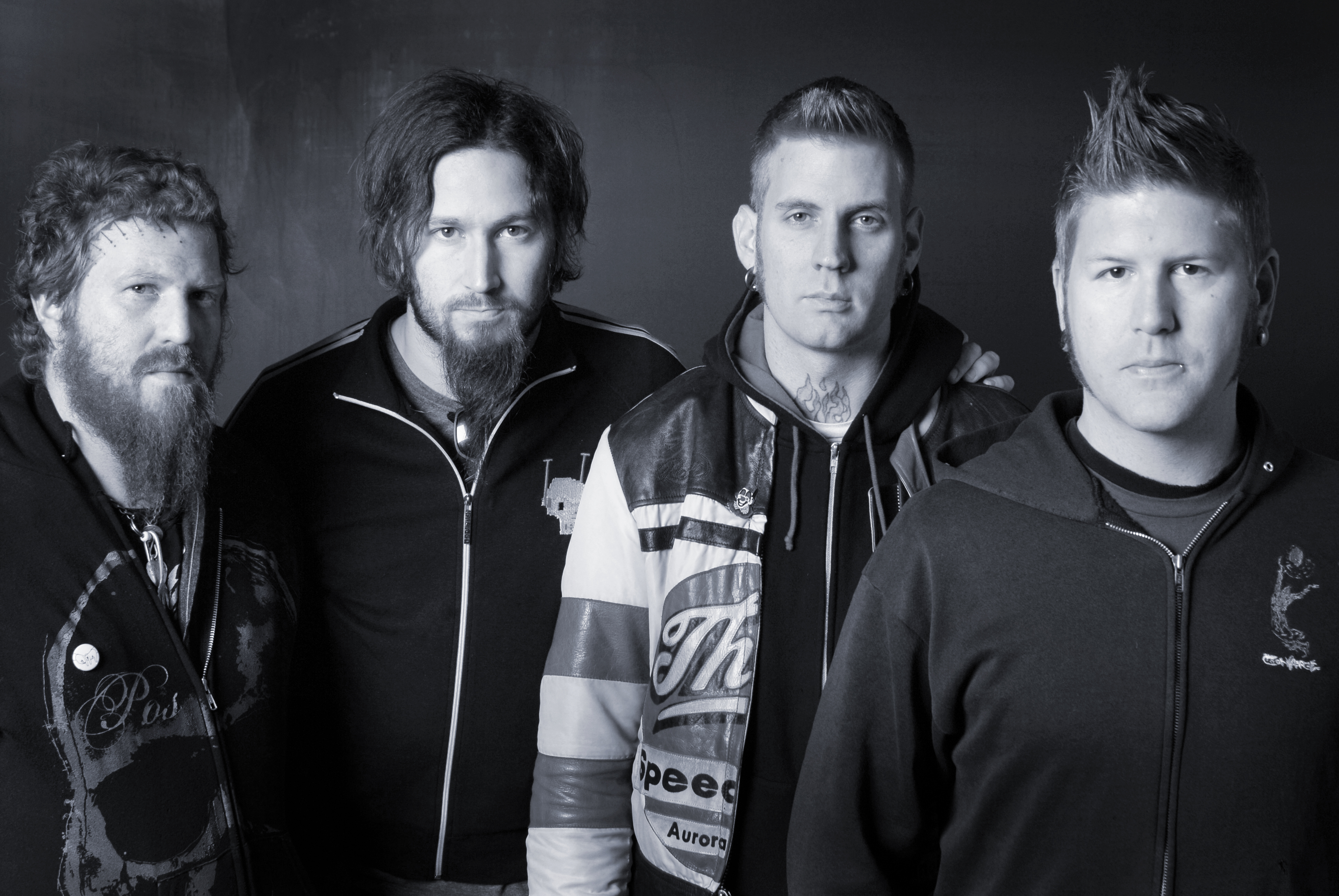
Mastodon in 2006, with the late Brent Hinds far-left. (Image credit: Gie Knaeps/Getty Images)
2. Crack The Skye (2009)
If any album represents Peak Mastodon in terms of musical and lyrical complexity, it’s Crack The Skye. Their fourth albumworks best as one singular piece, but if you want an idea of why it’s considered such a landmark, then heading straight for the magnificent, 13-minute The Last Baron should give you some idea. The fact that the band somehow managed to bury such high-falutin’ concepts amidst their then-most accessible album to date remains testament to just how insanely talented they are as songwriters.
1. Leviathan (2004)
This was the point where it became apparent: Mastodon were more than just another sludge metal band content to churn out filthy riffs to clubs of sweaty fans until the end of time. Leviathan features all the elements that would come to define them. Iron Tusk and I Am Ahab are as technical as they are savage. There’s the conceptual narrative, which would become a staple of the band’s arsenal: you can practically feel yourself in Captain Ahab’s boots as Seabeast crashes around you. And the anthemic Blood And Thunder, featuring Neil Fallon of Clutch, may well be their defining song.
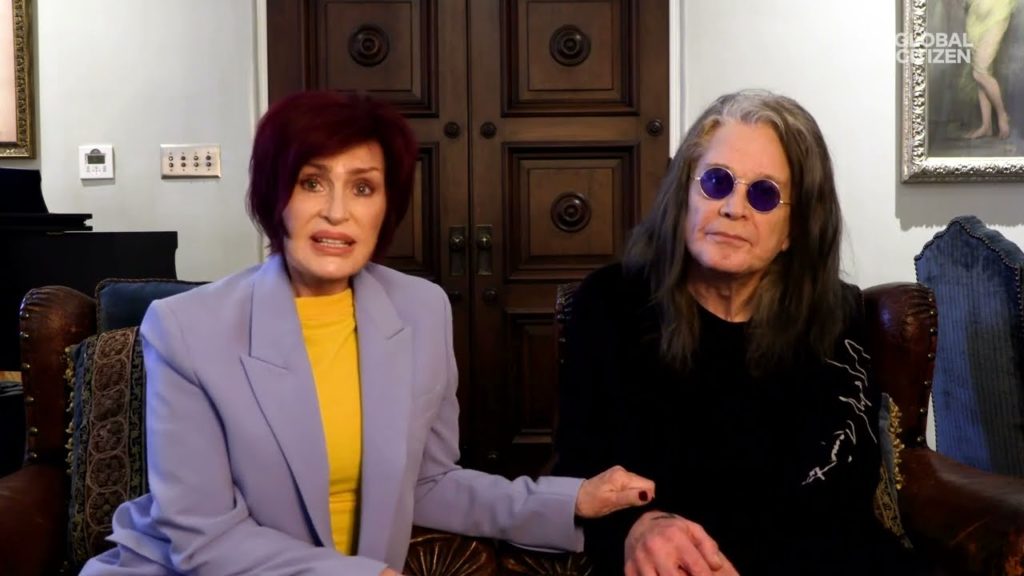
Today marks exactly one year since the world lost Ozzy Osbourne. The Black Sabbath legend and Prince of Darkness died on July 22, 2025 at the age of 76, just seventeen days after taking his final bow at the Back to the Beginning farewell concert in Birmingham. Now, on the first anniversary of his passing, Sharon Osbourne has revealed exactly how Ozzy himself wanted to be remembered — and it’s the most Ozzy answer imaginable: “yank up the music really loud, as loud as you can get it” — and just head bang.
STREAM THE METAL BREAKDOWN DAILY NOW:
One year without the Prince of Darkness — and host Scott Penfold is turning it up loud on today’s Metal Breakdown Daily. Scott breaks down Sharon’s emotional tribute, Birmingham’s city-wide Ozzy Day celebration, and the legacy project that has the fanbase divided. Download the free Loaded Radio App on Apple iOS and Google Play and stream the broadcast now.
Sharon Remembers The Man Behind The Prince Of Darkness
Speaking to the BBC from Ozzy’s hometown of Birmingham this morning, Sharon — who was married to the singer for 43 years — painted a picture of her late husband that had nothing to do with bats, darkness, or rock and roll infamy. What she wants the world to remember is how funny he was.
She described Ozzy as completely authentic, a man who never tried to be anything other than exactly what he was, and someone who would tell you the truth about everything, so you always knew where you stood with him. Even the couple’s fiercest fights, she recalled, tended to collapse into laughter, because Ozzy would inevitably blurt out something so ridiculous that neither of them could stay angry.
And her guidance for fans wanting to honor him today came straight from the man himself. According to Sharon, Ozzy told her that whenever people wanted to remember him, they should simply turn the music up as loud as it goes and headbang. No candles, no moments of silence — maximum volume. It’s a fitting final instruction from the man who spent nearly six decades making the loudest music on Earth.
Birmingham Declares Ozzy Day For Its Most Metal Son
Ozzy’s hometown is taking that instruction seriously. Birmingham is celebrating Ozzy Day today, a city-wide remembrance co-organized by Birmingham City Council and Central BID featuring live music, film screenings, and exclusive merchandise.
The Bostin’ Brass Band — the same ensemble that performed Black Sabbath songs in front of Ozzy’s funeral procession as it rolled through Birmingham last July — has returned for multiple performances throughout the day, while the City of Birmingham Symphony Orchestra is performing at the Bullring shopping centre in the heart of the city. At Birmingham New Street station, fans can grab free Polaroid photos with Ozzy The Bull, the beloved 33-foot mechanical bull sculpture named after the singer in a 2022 public poll, now decked out to resemble its namesake.
Meanwhile, the free Working Class Hero exhibit at Birmingham Museum & Art Gallery continues to draw fans from around the world — and earlier this month it added its most significant artifact yet: the actual throne Ozzy performed from at Black Sabbath’s historic Back to the Beginning farewell show at Villa Park on July 5, 2025, which drew over five million livestream viewers for the original lineup’s final performance together.
The twelve months since Ozzy’s passing have seen an outpouring of tributes unlike anything heavy music has witnessed. Within weeks of his death, Wacken Open Air honored him with an emotional drone show spelling out a message of love in the night sky, and rock royalty united at the 2025 MTV VMAs as Steven Tyler, Joe Perry, Nuno Bettencourt, and Yungblud tore through his greatest hits. In February, Sharon and daughter Kelly accepted a BRIT Awards Lifetime Achievement honor on his behalf.
Not every legacy project has landed smoothly. Sharon and son Jack are currently developing an AI avatar of Ozzy designed to converse, move, and respond the way he did in life — a project that has split the fanbase, with some fans branding it a cash grab. Sharon has stood firm, pointing out that Ozzy repeatedly asked her how long he’d be remembered after he was gone. In her mind, the avatar answers that question.
Ozzy died following a heart attack after years of health battles, primarily Parkinson’s disease and complications from spinal surgeries following a 2018 fall at home. In his posthumously published memoir, Last Rites, he revealed that an infection from his final surgery left him with a heart arrhythmia and a faulty heart valve.
One year on, the verdict is in: the Prince of Darkness has never been more present. Turn it up loud today. As loud as you can get it.
Today (July 22, 2026) marks one year since Ozzy Osbourne died at age 76
Sharon Osbourne told the BBC that Ozzy wanted fans to remember him by cranking music as loud as possible and headbanging
Sharon remembered Ozzy as authentic, honest, and hilarious — even their worst arguments ended in laughter
Birmingham is celebrating Ozzy Day with performances by the Bostin’ Brass Band and the City of Birmingham Symphony Orchestra, exclusive merch, and photos with the Ozzy The Bull sculpture
The Working Class Hero museum exhibit recently added the throne from Ozzy’s final show, Back to the Beginning
Sharon and Jack Osbourne are developing a controversial AI Ozzy avatar despite cash-grab accusations
FAQ
When did Ozzy Osbourne die?
Ozzy Osbourne died on July 22, 2025 at the age of 76, following a heart attack. His death came just seventeen days after his final performance with Black Sabbath at the Back to the Beginning concert in Birmingham.
What is Ozzy Day in Birmingham?
Ozzy Day is a city-wide celebration held in Birmingham, England on the anniversary of Ozzy Osbourne’s death, co-organized by Birmingham City Council and Central BID. It features live musical performances, film screenings, exclusive merchandise, and tributes across the city where Ozzy grew up.
How did Sharon Osbourne pay tribute to Ozzy on the anniversary of his death?
Sharon Osbourne gave an interview to the BBC from Birmingham, remembering Ozzy as authentic and funny, and shared that he wanted fans to remember him by playing music as loud as possible and headbanging.
What was Ozzy Osbourne’s last show?
Ozzy Osbourne’s final performance was Back to the Beginning at Villa Park in Birmingham on July 5, 2025, where he played a solo set and reunited with the original Black Sabbath lineup for the last time. The show was livestreamed to more than five million fans worldwide.
One year gone and the Madman’s still the loudest presence in metal — that’s a legacy. How are you remembering Ozzy today? Drop your favorite Ozzy memory in the comments, and follow Loaded Radio for daily rock and metal news.
Dark Entries has unveiled another exciting addition to its 2026 calendar with a special event set to take place on Saturday, August 15, at La Reina Lagarta in Madrid. Designed as a celebration of the goth, industrial and dark electronic scene, the night will feature internationally recognized guests alongside members of the Spanish alternative community.
The event will welcome Skinny, the unmistakable frontman of Swedish industrial metal icons Deathstars. As one of the most recognizable figures in modern industrial music, Skinny has helped shape the band’s signature sound and striking visual identity, making his appearance a special occasion for fans of the genre.
Also joining the line-up is DJ Vade Retro, founder of the influential Reptile club nights in the UK. Renowned for his carefully curated sets and decades of dedication to the gothic and industrial scene, Vade Retro has become a respected name among audiences across Europe.
Representing the host organization, Barbara Banu will also take to the decks, continuing Dark Entries’ commitment to supporting the Spanish dark alternative scene while sharing the stage with internationally respected artists.
As punk celebrates its fiftieth year, it has seen ups and downs. As with most movements with a decades-long history, aspects will get left in the dust and damn near forgotten. However, Molly Tie’s book, Rebel Grrrls: The Real Story of Women and Punk, is her attempt to fix these misappropriations within the history of punk and how it came to be that men mostly took credit for the genre’s big moments. Tie’s intro states that the purpose of this book is to focus on how the women of punk influenced other women in the scene. Yet, what we get is a concise but comprehensive picture of punk in general that works more than most broader works of punk rock history.
Rebel Grrrls covers six major topics in punk rock and how it relates to feminism: British Punk, American 1980s Hardcore, Riot Grrrl, Emo, the radical punk resurgence in the 2010s, and the potential future of feminism in punk. For the older scenes that have been covered previously, Tie recounts what created the scene rather than recycling the histories we’ve heard a million times. It doesn’t mean the bands or figures aren’t mentioned, but it does put them in a different light. Each of the pioneering women of each era gets a good amount of space dedicated to their story.
Molly Tie writes with authority, taking the reins and course-correcting a genre that is supposedly more open-minded than most. While punk rock did some things right, it still fell into its own traps and eventually the same problems as other movements. She understands this by not only retelling the stories of punk rock performers but also interviewing people who were in the scene. These interviews give Rebel Grrrls a more grounded, human angle than most books about the scene or genre. Most of the interviewees are women located in the UK, where the author resides, but this gives perspective on how American punk and, in some cases, politics are interpreted across the pond. Despite being from England, her grasp of American politics is pretty spot on. Tie’s dissection of American politics feels more real than those found in American history books.
Rebel Grrrls gives the women who were present in these different eras of the genre the credit they deserved the whole time. I’m sure people will push back and say they have been, but as usual, things were left out or miscredited. This aspect also makes it one of the best Punk Rock History books. Not only does it highlight the minimized contributions that women have brought to punk, but it concisely gives a great history of punk rock’s roots to the many branches each era has given us. If making sure the proper people being credited wasn’t enough, Tie has plenty to say about women’s roles and how they were treated in punk rock and in general. Things like pop punk neutering punk rock politically, while allowing boys to developing a voice that inadvertently belittled the work women like Kathleen Hanna and others had put in during the era before it. Something like this may come off as a bold statement, however it’s things like this that have needed to be said for a while.
Molly Tie’s Rebel Grrrls: The Real Story of Women and Punk is one of the best books on punk history you will read. I suspect a lot of people (men) will be turned off by the title. While the book mostly focuses on the contribution women have provided to the genre, it doesn’t completely shut men out. If anything, it levels the playing field. I appreciate the way it is able to provide historical context of punk rock and what it says about punk rock and feminism through the evolution of both. For a book highlighting women’s contribution to the genre, it has a lot of balls. Rebel Grrrls: The Real Story of Women and Punk is available through Omnibus Press.
Born from punk but geared by avant guile, Swindon’s XTC were always different to the ‘learn three chords and now play’ pack. In thrall to Be Bop Deluxe, Captain Beefheart and Todd Rundgren, among others, their innovation became the blueprint for upcoming angular pop boffins. In 2012 Prog asked the question: how prog were XTC?
“If you categorise prog as long songs with extended soloing, then XTC isn’t that,” says Knifeworld anf Gong mastermind Kavus Torabi. “But if you regard prog as extremely inventive music with extremely high-level musicianship, a constant search for perfection, then XTC are totally prog. They were always reinventing themselves but in a completely natural way. They really tick all the boxes!”
Emerging from the outer fringes of the punk rock and so-called new wave scene that purported to be lighting a fire under the complacent arse of early 70s prog and arena rock, Swindon’s XTC earned the patronage of John Peel and became one of the most critically lauded bands of the era by deftly side-stepping every imaginable cliché and swiftly establishing themselves as perennial square pegs.
Early singles like Science Friction and This Is Pop? seemed to ally the band with their punk peers to a degree; but even on their debut album, 1978’s White Music, they were displaying the kind of feverish invention that owed far more to prog’s experimental instincts than anything the three-chord generation could conjure up through a fug of spittle and safety pins.
“Punk opened the door to the amateur and I loved the energy of it,” admits Andy Partridge, XTC’s de facto leader and frontman. “But we got a lot of stick around that time. People would say, ‘Oh this lot are too smart-arsed! They’re too clever and quirky!’ We were just playing what we wanted to play. ‘If our playing’s better than yours then maybe you should hurry up and get better! Don’t blame us for being ahead of you in the race,’ you know?
“I remember I got up at some jam session that Virgin organised. The guy drumming was from X-Ray Spex and he could barely hold a rhythm down. He was hating the fact that I could play half-decent! There was a lot of inverted snobbery back then.”
Signed to Virgin while punk reached its peak as a media sensation – the proudly prog-orientated Harvest imprint being the other label showing interest, according to Partridge – XTC were never a band content to stick to a formula or fall into line with the musical status quo. Whether crudely dismantling Bob Dylan’s All Along The Watchtower on White Music, or drifting into hypnotic art rock on Battery Brides and Life Is Good In The Greenhouse – both from 1978’s Go 2 – Partridge and fellow songwriter Colin Moulding were very audibly in love with the possibilities of composition and recorded sound.
If their short hair and skinny jeans suggested they were joining in the widespread denunciation of prog’s great and good, it was merely an aesthetic necessity. In truth, XTC were bringing two worlds together with considerable skill. “Early on, we were often described as prunk…or was it pronk?” chuckles Partridge. “In fact, I really liked a lot of classic prog bands. I loved Yes, but for me every eight minute Yes song could’ve been four two-minute singles! I liked the conciseness of getting it all done in two and a half minutes.
“If I’m being honest, the 1976 XTC was basically me being in thrall to what Be Bop Deluxe were doing – short pop songs but with enough musicality and pushing of the envelope to make it interesting. And that’s ironic, because after we made White Music and Go 2, Bill Nelson suddenly did his Red Noise project and everyone said, ‘He’s ripping off XTC!’”
Esoteric instincts were in full control by the time XTC recorded third album Drums And Wires in 1979. With angular, fidget-funk assaults like Scissor Man and Helicopter alongside the warped, krautrock-tinged rumble of Millions and the deeply creepy whisper-to-a-scream of Complicated Game, this was music that existed in an entirely different universe from the strutting, art school tail-chasing of most new wave acts.
Now with mercurial six-stringer Dave Gregory – later a member of the Prog-approved Tin Spirits – in the ranks, Partridge and Moulding were able to take their songs in any direction that felt right, regardless of the meagre creative spectrum approved by what Partridge refers to as “punk’s Year Zero mentality.”
“When we played Battery Brides on stage, the instrumental machine noise section in the middle used to go on for ages, and that was pretty out there for the time,” Gregory says. “Some nights it worked better than others. It was a great one to play – we used to go off into a trance and Andy would improvise this long guitar solo while I played this ostinato riff through a very fast digital tremolo effect. Some nights it would be quite magical and others it would be pretty boring! That’s prog, isn’t it: either magical or boring. If it’s neither then it’s not proper prog!”
That’s prog, isn’t it: either magical or boring. If it’s neither then it’s not proper prog
Dave Gregory
While the 80s’ most successful artists slavishly embraced the stodgy sonic trademarks of the age, XTC spent the decade producing an extraordinary series of albums that dared to be both wildly imaginative and compositionally timeless. From the muscular, dark rock of 1980’s Black Sea, with its terrifying closing epic Travels In Nihilon – surely among the decade’s most subversive and progressive pieces of music – to the pastoral gleam of 1986’s Todd Rundgren-produced masterwork Skylarking; and on to the genre soup of 1989’s Oranges & Lemons, XTC were a major label band that had occasional brushes with the pop charts, but steadfastly refused to hold back when it came to exploring music’s endless possibilities.
“People would always ask, ‘How would you classify the music?’ I wouldn’t know where to begin,” says Gregory. “There were definitely progressive elements in there. We never got into that awful trap of having to follow up a hit single, so in that way we were always prog. Andy’s a very inventive guy and was always thinking ahead. As soon as there was any kind of threat of the band being put in a box, he’d be thinking outside it.”
“I think they’re my generation’s Beatles,” states Torabi. “They went right out to the outer regions and it was all brilliant; and yet it always sounded like XTC. Travels In Nihilon is their Tomorrow Never Knows. It’s probably my favourite song of theirs – but what is it? Where did that come from? It predates Sonic Youth by about five years. It’s just amazing, an incredible piece.
“Then listen to their [psychedelic side-project] Dukes Of Stratosphear records. They’re actually better than the psychedelic records they were pastiching; not a duff track anywhere! XTC were such a brilliant and pioneering band in so many ways.”
Although XTC are no longer active, their music continues to influence and delight new generations of musicians and fans. You can hear shades of their pristine, crafted songwriting and exquisitely intricate arrangements in everyone from It Bites and Field Music to Knifeworld and Primus (who memorably covered Scissor Man on their 1998 EP Rhinoplasty); a testament to the appeal of a legacy that thrums with energy generated by a truly progressive ethos.
I heard a lot of unusual stuff … My brain was at the stage where it was ready to be opened – and it stayed open
Andy Partridge
“When I was a kid I made friends with this chap who was a couple of years older than me, and had much more out-there tastes than me,” Partridge recalls. “I already loved The Beatles and British psychedelic pop; but he was importing stuff, a lot of jazz like Tony Williams’ Lifetime, the Emergency! album, and Mothers Of Invention records.
“I was being exposed to things like We’re Only In It for The Money, which I still think is a masterpiece. I heard Captain Beefheart’s Safe As Milk emanating from my friend Dave’s brother’s bedroom. I heard a lot of unusual stuff on strange radio stations, too. My brain was at the stage where it was ready to be opened – and it stayed open!”
Initially reluctant to concede that XTC were a bona fide prog band, while speaking with Prog, Partridge reassesses the situation and warms to the idea. “Oh, there’s That Wave, from our Nonsuch album, for a start,” he notes triumphantly. “My guitar was in a very strange tuning, which I can’t even remember. Then there’s Easter Theatre [from 1999’s Apple Venus Volume 1], which has proper movements in it – and not of the bowel variety! It’s firmly in the progosphere.
“Then there’s Garden Of Earthly Delights [from Oranges & Lemons], which is progsational! Colin is a prog offender too, I’d say. Deliver Us From The Elements [from Mummer, 1983] for instance: the synthesizer, the Leslie guitar, the Mellotron choirs and the backwards guitars washing over it and making it sound like a storm. Pretty damn proggy!”
Square pegs to the last, XTC never achieved the commercial success their music deserved. And yet, if being progressive means pursuing a unique path at all costs and producing astonishing music along the way, they qualify with room to spare.
“I’ve really damned myself, haven’t I?” Partridge reflects. “But the more I think about it, we were pretty progtastical. I’m quite happy with that.”
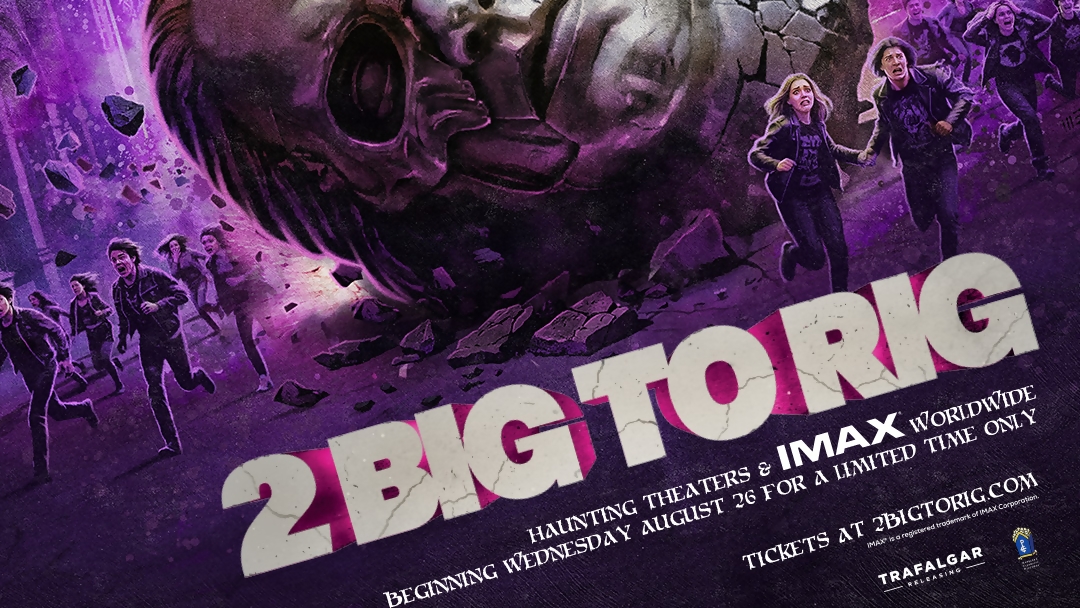
After teasing it earlier in the year, Ghost have revealed all of the details of their upcoming concert film.
Titled ‘2 Big To Rig’, it will be released in cinemas and IMAX for a limited time from August 26.
Tickets for the showings will be going on sale from July 23 at 6am PDT / 9am EDT / 2pm BST from right here.
The filmed was shot on 16mm film at Mexico City’s Palacio de los Deportes, where the band played two shows as part of the Skeletour in 2025, a route that took Ghost through North America and Europe as well.
The film is named ‘2 Big To Rig’ for a plethora of reasons, mainly as a means of showing off the vast production for those unable to be a part of it because of being outside of the territories it was physically unable to put it on.
Not just an exclusive look at the live show, thanks to the No Phones policy at every show on the tour, but the film will also include behind-the-scenes footage of the crew.
Kymberli Frueh, EVP Content Acquisitions & Programming at Trafalgar Releasing, said: “Ghost captured the final nights of the legendary Skeletour’s first leg on 16mm film in Mexico City – creating a nostalgic experience and a fitting farewell to an era for fans.
“We’re proud to share it with cinema audiences worldwide before Ghost takes a well-publicised break. It’s the perfect way to close such a significant chapter in the band’s history and give fans a chance to relive this moment together.”
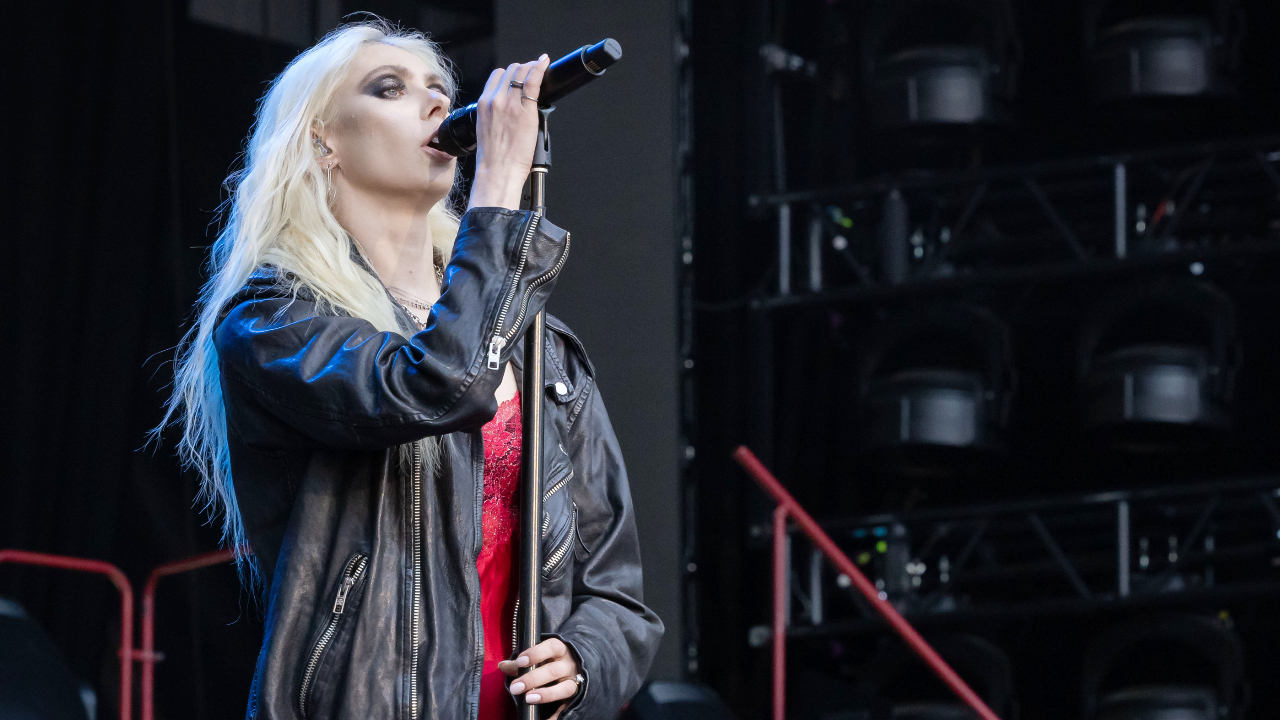
Taylor Momsen doesn’t have a lot of luck with potentially deadly critters. In May 2024, while her band The Pretty Reckless were opening for AC/DC in Seville, she was bitten by a bat onstage, requiring a two-week course of anti-rabies shots. Then, in April this year, the singer was bitten for a second time, this time by a poisonous spider – once again while on the road with AC/DC, but this time in Mexico City.
“I don’t know whether getting bit twice means I’m lucky or cursed,” she says with a laugh.
The fact that she was even up there onstage with AC/DC is something few could have predicted when she entered the public consciousness as a child actor, first as a button-nosed five-year-old softening a heavily-made-up Jim Carrey’s heart in the 2000 movie How The Grinch Stole Christmas or later as one of the stars of glossy teen soap Gossip Girl.
Her reinvention as the black-eyelinered singer of The Pretty Reckless at the very end of the 2000s was one of the more unexpected career pivots of the last couple of decades. A string of grungy yet anthemic albums silenced the detractors a long time ago, though, as did the backing of the likes of Soundgarden and AC/DC, both of whom hand-picked The Pretty Reckless to support them.
But her journey has been coloured by loss. In 2017, her idol Chris Cornell died while her band were on the road with the grunge legends. The following year, The Pretty Reckless’s producer, Kato Khandwala, was killed in a motorcycle accident. The double tragedy sent her into a self-destructive spiral of substance abuse, binge-drinking benders and meaningless sex to numb the pain.
“For a while, I felt like, ‘What’s the fucking point? Everything I love is dead,’ and that’s a very dark place to be mentally,” she reflects. “I didn’t care if I lived or died, until there was a moment where I had to make a choice between life and death.”
Thankfully, she made it through the darkest period of her life. Now 32 years old, and having just released The Pretty Reckless’s fifth album, Dear God, she’s finally living by her own script.
“I live and breathe rock’n’roll,” she says sincerely.
How are you recovering from the spider bite on your leg?
“If I hadn’t caught it, I might have had to get it amputated. My doctor was joking that I should go and buy a lottery ticket because it’s such a bizarre, one-in-a-billion chance. I got out of the hospital against medical advice; they wanted to admit me, and I went, ‘No, I have a fucking show to play.’ Even if it might lead to a poisonous leg amputation, I’d literally die for the music.”
Why is rock’n’roll your top priority?
“It’s a love you can’t outgrow. I resonate with the ethic of rock music so deeply – it’s existential and powerful and everything I am always searching for in humanity. It’s more than just loud guitars, but then, at the end of the day, loud guitars are also fucking awesome. So there’s that.”
How has music help you understand yourself over the years?
“I grew up in a household where my father revered rock’n’roll, so I was very fortunate to be exposed to really, really great records. I was humming songs before I could talk; it was a language that always made sense to me. I started playing instruments and writing songs when I was about five or six, and it gave me an outlet from my very strange upbringing.”
I didn’t understand that I was working on The Grinch. It felt like playing dress-up.
You rose to fame as a child actor. What was that life like?
“I booked The Grinch when I was five. At that age, it’s fun, and it had always been a part of my life. I didn’t understand that I was working, it felt more like playing dress-up. Then there was an element of moving around a lot for work, going in and out of schools and trying to make friends. It felt isolating a lot of the time, but that’s also what made music so important for me. I loved it because it became my solace.”
When did you realise it was time to make the big shift from acting to music?
“When I started working on the TV show Gossip Girl, it felt like my character became my identity. Rather than shooting a commercial or a movie, it was a regular part of my schedule, and it never went away. I was this character all the time to the public. And it was the first time the tabloids were interested, and that sort of fame can be cruel. It got to the point where Gossip Girl was almost overtaking myself and my identity. I wasn’t a young girl coming into my own, someone with these grand ideas of what I wanted to do. So I quit, formed The Pretty Reckless and I never looked back.”
How did you find the transition from acting to music?
“Thankfully, the Gossip Girl writers made it a little bit easier for me – I couldn’t get out of my contract, but they were gracious enough to write me out of the scripts. They understood that I just wanted to make music and said, ‘You don’t have to act this season, you can go on tour.’ I’m forever grateful to them for that. Then I was able to go and record [The Pretty Reckless’s 2010 debut album] Light Me Up and live life on the road.
“[Producer] Kato Khandwala and [guitarist and songwriter] Ben Phillips were the first two that really got me. They didn’t try to change what I was doing or shape it in any way other than supporting and embellishing it. I always wanted to be the one telling the story, and I wanted to be the one in control, creating the vision, and they let me do that.”
How did the public react to the shift?
“It felt like being a rock star, like I’d always dreamed – the fans were there, going crazy, identifying with the music. But when I looked at the grander picture of public perception, there was a lot to overcome. I understand how people must have seen it: a 15-year-old girl quit a teen soap opera to go on tour with a rock band, trying to be taken seriously as an artist. It’s a fairytale I’d forgive people for laughing at. But there was a lot of pressure to prove myself.”
How did that feel?
“It was frustrating when people wouldn’t take me seriously, even though I was doing everything the real way. I didn’t try to take a shortcut – we toured in a small van, played small shows, really worked for it. But it was perceived as if I’d taken a shortcut. People might’ve known me from my acting, but in reality that was its own hurdle, because I had to overcome my youth. It was exhausting… I just wanted to be taken seriously. Eventually I just stopped caring what people thought.”
Who were some of your earliest supporters who took you seriously?
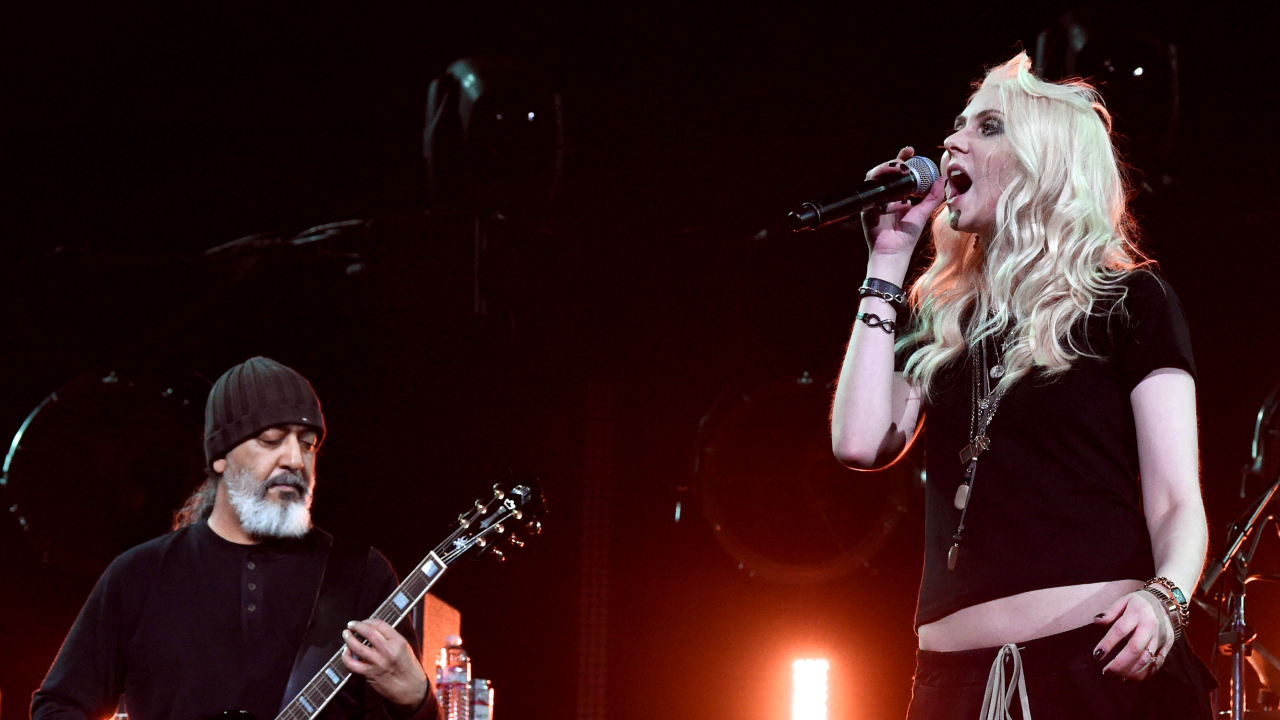
“Obviously the band, but I’ve also been supported by so many musical idols of mine. Being taken on the road to support Soundgarden was one of the craziest phone calls I’ve ever gotten. Knowing that Chris Cornell appreciated my music… they’re my favourite band in the world, and hearing that from him was huge for me.
Taylor with Soundgarden’s Kim Thayil at 2019’s Chris Cornell tribute gig. (Image credit: Kevin Mazur/Getty Images for The Chris Cornell Estate)
“It was the same with AC/DC. When Angus Young calls you and goes, ‘Hey, I love your band!’, you know you’re doing something right. Before the tour I told my manager, ‘I’m making a new record – unless AC/DC or The Rolling Stones call, don’t bother!’ About two weeks later, my agent calls saying, ‘Taylor, you’re not gonna believe this, but AC/DC called and they want you on their tour.’ I felt like I was tripping. About a week after that, he calls again, and he goes, ‘You’re not going to believe this, but The Rolling Stones have also called…’ I kind of manifested it.”
Chris Cornell passed away in 2017, and your producer Kato Khandwala died the following year. How did that impact on you?
“Relationships like those feel so intimate that it’s hard to put into words… but both of them played such an important role in my life in so many ways. Chris was an idol of mine, and I hugged him the night before [he passed away]. Kato was my musical partner and best friend – I talked on the phone with him every single day. Losing him felt like losing a piece of myself.
“I just try to do my best to keep Chris and Kato’s memories alive, but grief is a wound that never heals. The one-two punch of losing them made me enter a very dark period of my life. I shut down, lost a lot of elements of myself, forgot who I was. I didn’t know what the point of life was any more.”
I hugged Chris Cornell the night before he died
When I Wake Up on the new record hints at some of that period. When was the moment you realised that something had to change?
“It’s quite a dark story, but there was a there was a moment where I had to make a very conscious choice whether I was going to live or I was going to die. It wasn’t subtle. After that, I chose life, got clean, and I wrote [The Pretty Reckless’ 2021 album] Death By Rock And Roll to help process the grief. I’d usually turn to music, but I couldn’t even listen to music, because it all brought back too many emotions I was not equipped to deal with yet. It felt like a core part of my identity had been taken away.”
How did you rekindle your love for music?
“The simple answer is, it took time. I had to look back and rediscover where the love began, and the answer was The Beatles. They were the first band my dad ever played me, when I was coming home from the hospital. Then, almost in chronological order of bands I fell in love with throughout my youth growing up, I re-listened to all those records and trained myself to remember where the love stemmed from. Then, I could eventually listen to Soundgarden records again, and they brought me comfort instead of immense pain. Music was the path back.”
Devil In Disguise, from Dear God, is dedicated to your Gossip Girl co-star Michelle Trachtenberg who died in 2025. Does your music help you reassess your relationship with death?
“Lyrics will always be a way for me to process life, and life and death are two sides of the same coin. So it only makes sense that writing helps me process death, too. It’s something I’ve explored in my writing ever since the first record, and I’m constantly coming to terms with it. A lot of this new record is processing things like that, wondering whether to let grief destroy you – which it almost did, in my case – or whether you can turn it into something that gives you power. To go back to Death By Rock And Roll, the record starts with Kato’s footsteps. Having him with me became my superpower.”
It’s like you can let the people live on.
“It’s like rock’n’roll transcendence, putting a person’s memory into a track. That, and it allows you to process and move forward in life. But the grief never gets easier, it just transforms. Everyone I’ve lost in my life is scarred onto my body forever, and they’re a part of me that I carry with me.”
You were raised Catholic. How has that shaped how you view death?
“I was raised in the church when I was younger, but I’m not involved in any organised religion at this point in my life. But there are some things that stick – like an awareness of those grand concepts of life and death. It gets you thinking about our physical being, our spirituality. I like to get a little existential and confessional. To me, Dear God is looking to something larger than yourself – you could even call it the universe – and wondering why life is how it is.”
On tour with AC/DC in 2025. (Image credit: Frank Hoensch/Redferns)
The title track of the new album features a lyric about the neighbours looking over and thinking ‘that little girl we knew has surely gone insane’. Do you think anyone from your Catholic past thinks your career is some act of grand blasphemy?
“Probably some of them. I’m sure there’s some people from my childhood that are confused… but I could be totally wrong. They could be in the front row at a show for all I know!”
You had a real full-circle moment last year, when your Grinch co-star Jim Carrey inducted Soundgarden into the Rock & Roll Hall Of Fame and you performed Rusty Cage and Black Hole Sun. How did that feel?
“Crazy – talk about a universal alignment. When I got asked to sing at the induction, I didn’t even know Jim Carrey was going to be there. When I found out, my head just about spun around on my body. I hadn’t seen him in 25 years, and it was the 25th anniversary of The Grinch, and I’d just released Taylor Momsen’s Pretty Reckless Christmas album.”
I told my manager, ‘Unless AC/DC or The Rolling Stones call, don’t bother!’ Two weeks later, my agent says, ‘AC/DC called.’
On the 2016 single Take Me Down you sang, ‘I gave my life to rock’n’roll.’ How much have you sacrificed?
“I’ve given my entire life to music. So it’s fair to say I’ve sacrificed everything for it. But at the same time, I don’t think that that’s a sacrifice at all, because it’s the only thing I love. I wouldn’t change anything.”
Would the young Taylor be proud of you today?
“A young version of me would be really proud of me. I wanted to play in a rock’n’roll band, write my own songs and express myself openly, and so I’m doing exactly what little me wanted to do. And I think she’d be proud of everything I’ve overcome, and the fact that I’m still here, still alive. Every day I wake up and I don’t know if I’m going to be a mess again, or be absolutely fine. Against all odds, all obstacles, I’ve bulldozed through to get where I am right now.”


 STREAM THE METAL BREAKDOWN DAILY NOW: