Celebrated blues and roots band Misty Blues, fronted by singer, guitarist and founder Gina Coleman, will release their 18th studio album, ‘Still Ticking‘, on July 31st, 2026 via Guitar One Records — available digitally and on CD and vinyl. Arriving in the band’s 27th year together, the 11-track collection is what the band calls “blues […]
One month prior the release of their seventh full-length offering Maanääri, melodic death metal bringers Noumena offer in listening the third single titled Tyhjyys (“The Void”). The accompanying music video was written, directed, filmed and edited by Ville Lamminaho. Read more…
In a recent interview with ‘Stevie J of TotalRock’ at this past weekend’s Maid Of Stone festival at Mote Park, Maidstone, Kent, United Kingdom, one of long-running all female heavy metal act Girlschool are planning to celebrate their 50th anniversary in 2028 with the release a new studio album. The upcoming effort will be the follow-up to WTFortyfive?, which came out in July 2023 via Silver Lining Music. More info in due time. Read more…
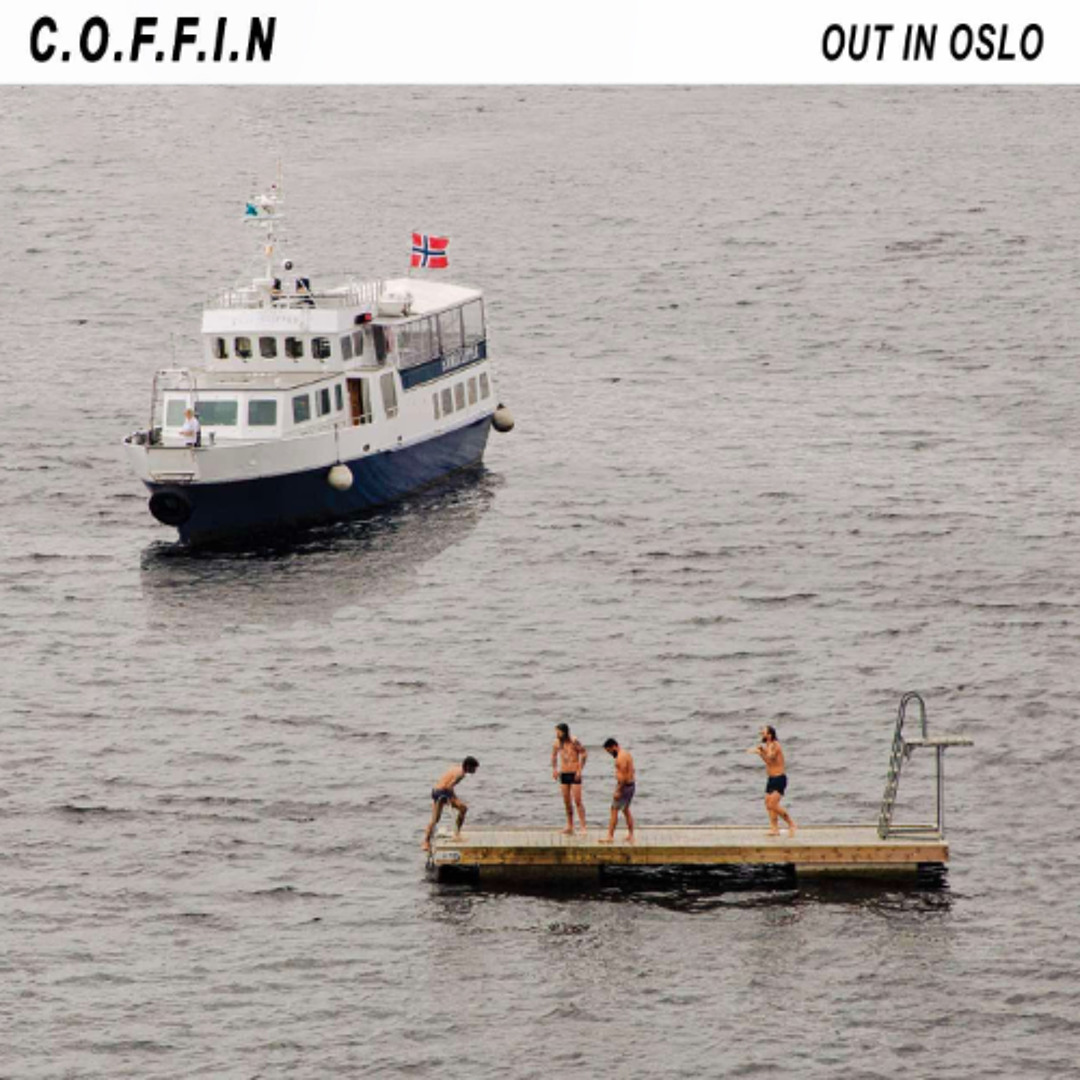
C.O.F.F.I.N channel swagger, grit, and raw rock ‘n’ roll power into Think Bad, a thunderous cut that trades relentless speed for a heavier, groove-driven assault. Thick blues-rock riffs, pounding rhythms, and a commanding vocal performance create a rugged, no-frills sound that recalls classic hard rock while retaining the band’s unmistakable punk attitude. The slower tempo only amplifies the song’s intensity, allowing every riff to hit with maximum impact. Tough, uncompromising, and loaded with attitude, Think Bad proves C.O.F.F.I.N can be just as devastating when they lock into a crushing groove.
Metalcore unity Demon Hunter announce ‘Storm The Gates Of Hell 20th Anniversary Tour’, a headlining trek across the North American continent. Wolves At The Gate and Bloodlines will serve as support. Read more…
When I heard Ripper would release their first studio album in a decade I was ecstatic; Ripper are amongst my favourite thrash/death bands of the new guard and whilst they’ve had a slew of smaller releases in the intermediary years it’s great to finally see a new record on the horizon. Formed in 2007 out of Santiago, Chile, Ripper exemplify a coarse and shredding metal attack that’s left audiences breathless in their wake where an ensemble of Demos, a Split, an EP, culminating in their debut record, 2014’s Raising The Corpse, demonstrated with consistent galore. But their 2016 follow up record, Experiment Of Existence, blew the lid clean off as Ripper put their foot firmly amongst the big leagues. Signed onto Darkness Descent Records, Ripper’s third album, the curiously titled Towards Rebirth, sheds light on a band not merely releasing a new record but viewing it as a true rebirth for the band as a whole where, aside from vocalist Patricio Spalinger, Ripper now sees an entirely revamped lineup for a new era. Lined up for a July 24th release date, Towards Rebirth is likely to be on many people’s radars.
It’s been ten years since their last album? Then someone should have reminded Ripper because given the ferocity they perform with out of the gate, their last record might as well have been five minutes ago. Not only do Ripper play fast but their guitar work feels utterly serrated, where welding their instruments with unblemished hands is course for grevious wounding. As they play you’ll feel riffs move through and over you; their performance isn’t merely halting at your person but shall pierce right through your torso and out again. Just because they’ve thrown you to your back doesn’t mean their onslaught will cease as you feel the rush of adrenaline occurring on all sides. This is the kind of thrash/death metal fans love, the kind where mercy is utterly shunned. It simply doesn’t stop for anything for whilst a solo might demonstrate more intricate playing the secondary guitar is shredding ahead with an unbroken slew of notes, maintaining the band’s momentum. Ripper therefore keep your attention engaged even as they lacerate the world around you.
It could be argued, upon hindsight, that Ripper is a band now comprised of lead instrumentalists as each component actively fights, bites and slashes the others not for spotlight but for the glory of killing you. Take the bass for instance, not only is it wonderfully audible and its basslines jumping with the frantic dreams of an MDMA-fuelled gymnast but it manages to defend its position and sound from guitars that are going balls to the wall at every second. The vocals can let loose cries reminiscent of slaughterhouses, there are double bass pieces akin to Dave Lombardo or Charlie Betante’s most fervent thrashings, and yet the bass stands. Credit must be applied to the mix also for enabling every element of the band to come forth through the chaos and still find its audience.
I’ve heard many a quality album this year thus far but few have replicated the intensity Ripper possess, and the vocals are one factor as to why. As sole reminding original member, Spalinger’s vocals are lightning fast and sharp as knives. It truly is a dangerous record to experience as you behold that stabbing, murderous miasma with eyes bloodshot and honed for death. It’s one of the few records you’ll hear this year where the vocals are fast rabid and rapidfire as any riff thrown your way; it’s that Chilean-accented English, much in the same vein as the Germans, that lends Ripper’s lyrical quality the bladed edge they’ve so championed.
It needs emphasising just how total of a whirlwind this record is. Ripper’s songwriting has always been far from safe or casual but Towards Rebirth has taken that unbridled fury to eleven. There is not a moment in record where you’ll feel outright safe and secure in knowing you’ve processed everything it offers; there are going to things you’ll miss yet that brings a peculiar joy, knowing you have a strong reason for returning. You can forget about holding on tight, you’ll be swallowed into the vortex from the first track onwards and from there the winds only increase in speed, they’re constantly picking up debris, you’re assailed in every way imaginable, bruised and lacerated and bludgeoned and whilst mercy is pleaded for the band have the glee to say you’re not done withstanding it yet.
In conclusion, Ripper’s first studio album in a decade is a triumph. It’s one of the best records this year and certainly the fastest I’ve yet experienced. There isn’t a moment of reprieve in sight and yet, though their songwriting never abates or wanes, it’s heavily structured and that structure is noticeable in riffs and how the band direct themselves. Just because they’re playing breakneck speed doesn’t mean it’s without control; it’s just happens to be exquisitely controlled chaos in Ripper’s case. The band race by with a tempo that’s to be feared and whilst you’ll miss some parts owing to that speed, it becomes a second and third or fourth blessing come back to this sonic inferno. I think Towards Rebirth truly justifies its namesake, heralding a new chapter for the band. If this is the standard fans can expect from Ripper we have some spectacular years ahead of us.
On July 22, 2025, the heavy metal world got a lot less rowdy as its founding agitator, Ozzy Osbourne, died aged 76. The Prince Of Darkness had been at the heart of the genre for his entire career, from his pioneering antics with Black Sabbath right up to his retirement, when he bowed out at the blockbuster Back To The Beginning concert in his birthplace of Birmingham. He was also a multimedia star who transcended alternative music, as reflected by the tributes that followed his death: Coldplay and Cyndi Lauper honoured him at shows, and Elton John attended his funeral.
One year on, Ozzy remains in the zeitgeist. The last 12 months have been full of high-profile award wins, news stories and even controversies which are all ripples from his catastrophic loss. This is Hammer’s look back at metal’s first year without its leading man – the good, the bad and the confusing.
July 22: Petition to rename Birmingham Airport ‘Ozzy Osbourne International’ launches
Dan Hudson, co-host of the podcast A Gay And A Non-Gay, spearheaded this initiative almost immediately after news of the Prince Of Darkness’ death broke. By December, it had 77,000 signatures and the endorsement of the Osbourne family, but CEO Nick Barton ruled out a name change. “The airport name is so important for our future development,” he argued. Nonetheless, Hudson continues to campaign. He told Hammer in January: “I’ve had it up to here with metalheads being made to feel like we don’t exist.”
July 30: Ozzy’s funeral procession passes through Birmingham
Eight days after Ozzy’s death, more than 10,000 mourners descended upon Birmingham to see his procession drive down Broad Street en route to a private funeral. Led by the Bostin’ Brass Band, playing brass versions of classic Black Sabbath songs, it briefly stopped at the Black Sabbath Bench, where the Osbournes saw fan tributes and laid flowers. The funeral was held later that day at Ozzy’s Buckinghamshire residence, with his Sabbath bandmates, Elton John and Metallica members among those in attendance. A public, albeit unauthorised, memorial service was put on by London bar Helgi’s on August 2.
Birmingham Museum & Art Gallery’s free-to-enter exhibit Ozzy Osbourne: Working Class Hero opened on June 25, 2025, to coincide with retirement gig Back To The Beginning, and was initially set to close the following September. However, after Ozzy’s death, its end was postponed to December 2025. In January, it got extended again, and it’s now going to remain open until September 27, 2026. On July 1 this year, the museum added the throne that Ozzy performed on at Back To The Beginning to its display.
August 9–11: Trivium, Mastodon and Gojira cover Black Sabbath at Bloodstock
The biggest out-and-out metal festival in the UK, Bloodstock 2025 brought a host of international heavy bands to Derbyshire, a short distance from Ozzy’s hometown of Birmingham. Several of them used the occasion to pay tribute to their late hero. On the Friday, headliners Trivium performed Sabbath’s Symptom Of The Universe with Machine Head’s Robb Flynn. On the Sunday, Mastodon closed their set with Supernaut, before headliners Gojira took on Under The Sun / Every Day Comes And Goes. Gojira’s Joe Duplantier wielded a Gibson SG in tribute to Sabbath’s guitar player, Tony Iommi.
September 7: Yungblud, Aerosmith and Nuno Bettencourt’s VMAs medley
On September 5, it was announced that Ozzy’s protégé Yungblud would join Nuno Bettencourt and Aerosmith’s Steven Tyler and Joe Perry onstage at the MTV Video Music Awards for an Ozzy celebration. The quartet played a three-song medley: Crazy Train, Changes (which Yungblud previously sang at Back To The Beginning) and Mama, I’m Coming Home. The performance was widely received as the highlight of the event. “Coolest thing to happen [at the] VMAs in the last 25 years,” says the top comment on the official YouTube upload.
October 7: Memoir Last Rites sheds light on health struggles and heart condition
Ozzy’s second memoir was written and announced when he was still alive, but didn’t hit bookshops until almost three months after he died. Last Rites focussed on his health battles during his final years, primarily his experiences with Parkinson’s and the surgeries he endured after a 2018 fall at home. In the final chapter, written just after Back To The Beginning, Ozzy revealed that he had arrhythmia and “a dodgy heart valve”, caused by a sepsis infection following his final surgery. Days later, he died of a heart attack.
February 1: Yungblud’s Changes wins Grammy; Post Malone, Slash and more perform War Pigs
The 68th Annual Grammy Awards show was a triumphant night for Ozzy fans. Yungblud’s take on Changes from Back To The Beginning – for which he was flanked by Adam Wakeman, Sleep Token’s II, Anthrax’s Frank Bello and Nuno Bettencourt – won the Best Rock Performance trophy. There was also a live cover of War Pigs featuring Post Malone on vocals. Guns N’ Roses legends Slash and Duff Mackagan, Red Hot Chili Peppers drummer Chad Smith and Ozzy producer/guitarist Andrew Watt served as his backing band.
February 28: Ozzy wins Lifetime Achievement Award, Robbie Williams sings No More Tears at the BRIT Awards
The BRIT Awards also put on a live Ozzy tribute, getting UK pop-rock megastar Robbie Williams for a stunning version of No More Tears. Ozzy’s longtime guitarist Zakk Wylde, Metallica and ex-Ozzy bassist Robert Trujillo, keyboardist Adam Wakeman and ex-Sabbath live drummer Tommy Clufetos rounded out the all-star band. Ozzy’s wife/manager Sharon and daughter Kelly took the stage the same night, accepting the Lifetime Achievement Award on his behalf and delivering a heart-rending speech. “I’m honoured to accept this award for my gorgeous husband,” said Sharon.
March 3: Sharon confirms Ozzfest will return in 2027
Co-founded by Sharon after travelling US festival Lollapalooza refused to book Ozzy, Ozzfest revived the singer’s career and shined an early light on such icons as Slipknot and System Of A Down. Its last edition was a one-day event in 2018 headlined by Ozzy, but Sharon teased in January that it could return in her late husband’s honour. In March, she confirmed that it will “definitely” come back. “We want to do two days at Aston Villa” – where Ozzy played his final gig – “and then come to America,” she said.
March 5: Jack Osbourne names baby daughter Ozzy
Also in March, Ozzy’s son Jack welcomed his fifth daughter (his second with current wife Aree Gearhart). He announced the birth via social media later in the month, revealing that she was named Ozzy Matilda and sharing a picture of her with a cuddly toy bat, referencing that time his dad infamously bit the head off a real bat in 1982. Jack previously confirmed that Aree was pregnant at the end of 2025, shortly after he left the jungle on UK reality TV show I’m A Celebrity… Get Me Out Of Here.
March 27: Black Label Society release Ozzy’s Song
On the same day that they put out their 12th album Engines Of Demolition, Zakk Wylde’s Black Label Society released the music video for Ozzy’s Song. The tender ballad was a departure from the band’s usual biker-metal ragers, but for many fans it was the record’s standout moment. “I wrote the music before Oz passed away,” Wylde told Guitar World. “But after Oz passed away … I was just sitting in the house and [this] is when I wrote the lyrics and just sang the song.”
April 30: Ozzy perfume raises money for Cure Parkinson’s
Ever wonder what Ozzy smelled like? British perfumer Czech & Speake let the world know in the spring, releasing a limited-edition bottle of their scent No.88, which was reportedly the Prince Of Darkness’ essence of choice for more than 30 years. The commemorative perfume cost £250 a pop, with £50 of each sale going to the charity Cure Parkinson’s. “So many people in the industry always asked ‘what’s that smell?’,” Sharon told Rolling Stone UK at the launch, “and they never expected it to be Ozzy.”
May 20: Family announce AI avatar, controversy ensues
During a panel at the Licensing Expo in Las Vegas, Jack and Sharon declared their plans for an AI Ozzy avatar which would “have conversations with fans and move, speak and respond as Ozzy would”. The news proved divisive, with many lambasting the move as a “cash grab” and disrespectful to the singer’s memory. Sharon responded on the Osbourne family’s podcast, saying she doesn’t “need your fucking money”. “I know my husband,” she added. “My husband would say to me over and over, ‘After I go, how long do you think I’ll be remembered?’”
June 17: Hellfest statue unveiled
One day before France’s biggest annual heavy metal weekender opened its gates this year, Sharon took to social media and revealed that a 6m (19.5ft) Ozzy statue had been designed by artist Philippe Pasqua and erected near the entrance to the site. “I’m sorry I couldn’t be at Hellfest for the unveiling of Ozzy’s statue. Unfortunately I had an unexpected trip to the hospital earlier in the week,” she wrote. ”A big thank you [organisers] Olivier Garnier, Ben Barbaud and everyone at Hellfest. Special thank you to [Pasqua] for the absolutely stunning statue!”
July 22: Birmingham hosts Ozzy Day to celebrate its most metal son
To mark the anniversary of Ozzy’s death, Birmingham is putting on Ozzy Day: a city-wide celebration of his life featuring musical performances, film screenings and limited-edition merchandise. The Bostin’ Brass Band, who led Ozzy’s procession, will perform at multiple spots, including the Black Sabbath Bench. The City Of Birmingham Symphony Orchestra (CBSO) will play at the Bullring shopping centre, the branch of Selfridges at the Bullring will sell an exclusive Ozzy Day t-shirt, and the 10m (33ft) moving statue Ozzy The Bull will be made up to resemble its namesake singer. Sam Watson, chair of co-organisers Central BID, calls the day “a fantastic example of Birmingham working together to celebrate the legendary Ozzy Osbourne”.
Post-hardcore outfit 156/Silence have offered up another preview of their forthcoming album “From A Distance“. A music video for the track “Swept From Under (Call Of The Void)” has now premiered online, with Chris Klumpp (Gideon, Shadows Fall) handling the directorial duties. “From A Distance” is slated for a September 04th release via Pure Noi… Read More/Discuss on Metal Underground.com
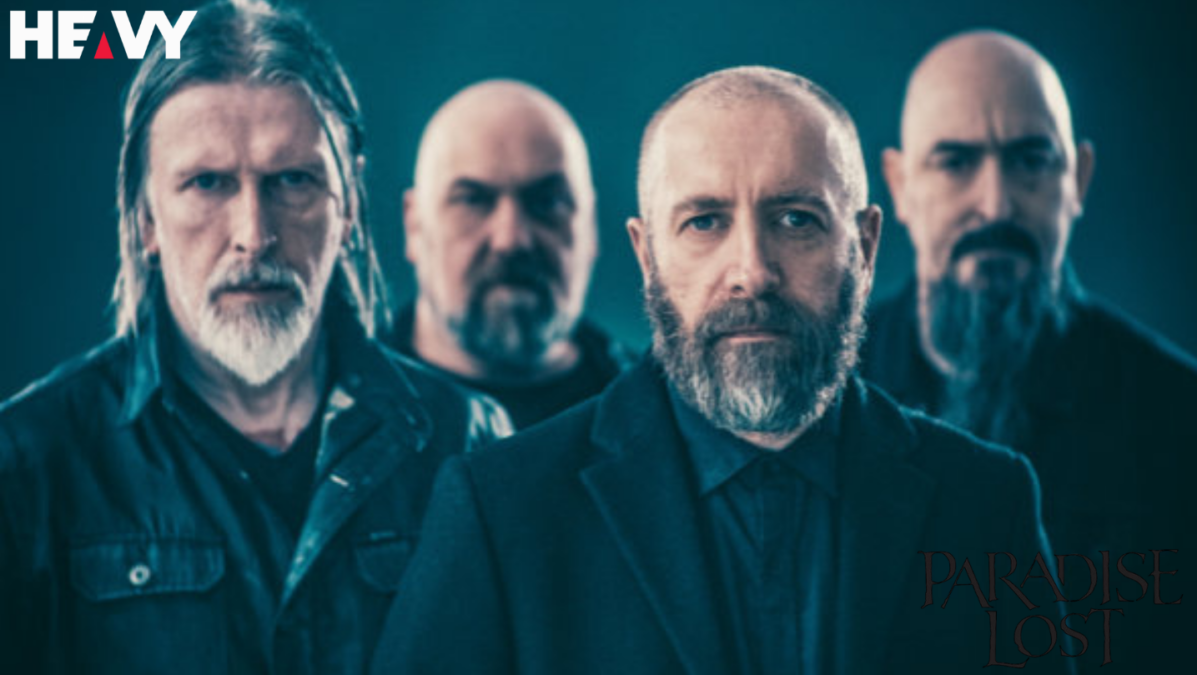
Interview by Ali Williams PARADISE LOST have spent close to four decades making misery sound magnificent. While countless bands have shuffled through genres, line-ups and ill-advised creative awakenings, the UK veterans have built an entire legacy from heaviness, melancholy and the endless human capacity to stare into the void and find a decent guitar melody […]
Revitalized Bay Area thrash metal veterans Forbidden — now fronted by Norman Skinner since 2023 — have returned with another new single named “Psyclops,” streaming via Spotify for you now below.
Read More/Discuss on Metal Underground.com


 Interview by Ali Williams PARADISE LOST have spent close to four decades making misery sound magnificent. While countless bands have shuffled through genres, line-ups and ill-advised creative awakenings, the UK veterans have built an entire legacy from heaviness, melancholy and the endless human capacity to stare into the void and find a decent guitar melody […]