Their second new single of 2026.
The post Employed To Serve Unveil “A Moment Gone Too Soon” Music Video, Announce Fall European/UK Tour With Cabal & Cold Culture appeared first on Theprp.com.
Their second new single of 2026.
The post Employed To Serve Unveil “A Moment Gone Too Soon” Music Video, Announce Fall European/UK Tour With Cabal & Cold Culture appeared first on Theprp.com.
Personnel:
Maria Lessing – vocals
Manuel Kohlert – guitars
Johannes Früchtenicht – drums
Release Date: July 31, 2026
Record Label: Century Media Records
Berlin-based post-hardcore band Future Palace is back with Resurgence, their latest album following their recent North American tour and arriving ahead of their upcoming 29-date “Deep Blue” European headline run. Building on their alternative metal sound, the record combines harsh screams and clean vocals with cinematic electronic production while exploring deeply personal themes of mental health, dysphoria, and inner emotional struggles.
Listening to Resurgence for the first time feels like hearing a band that has finally found the sound that suits them best. The album is immediately emotional and dynamic, with an impressive vocal range that turns every lyric into something genuinely raw and expressive. The way Future Palace move between crushing heaviness and carefully placed moments of calm keeps the entire experience engaging and immersive from beginning to end.
If you’re into any of these artists, this album should be on your radar.
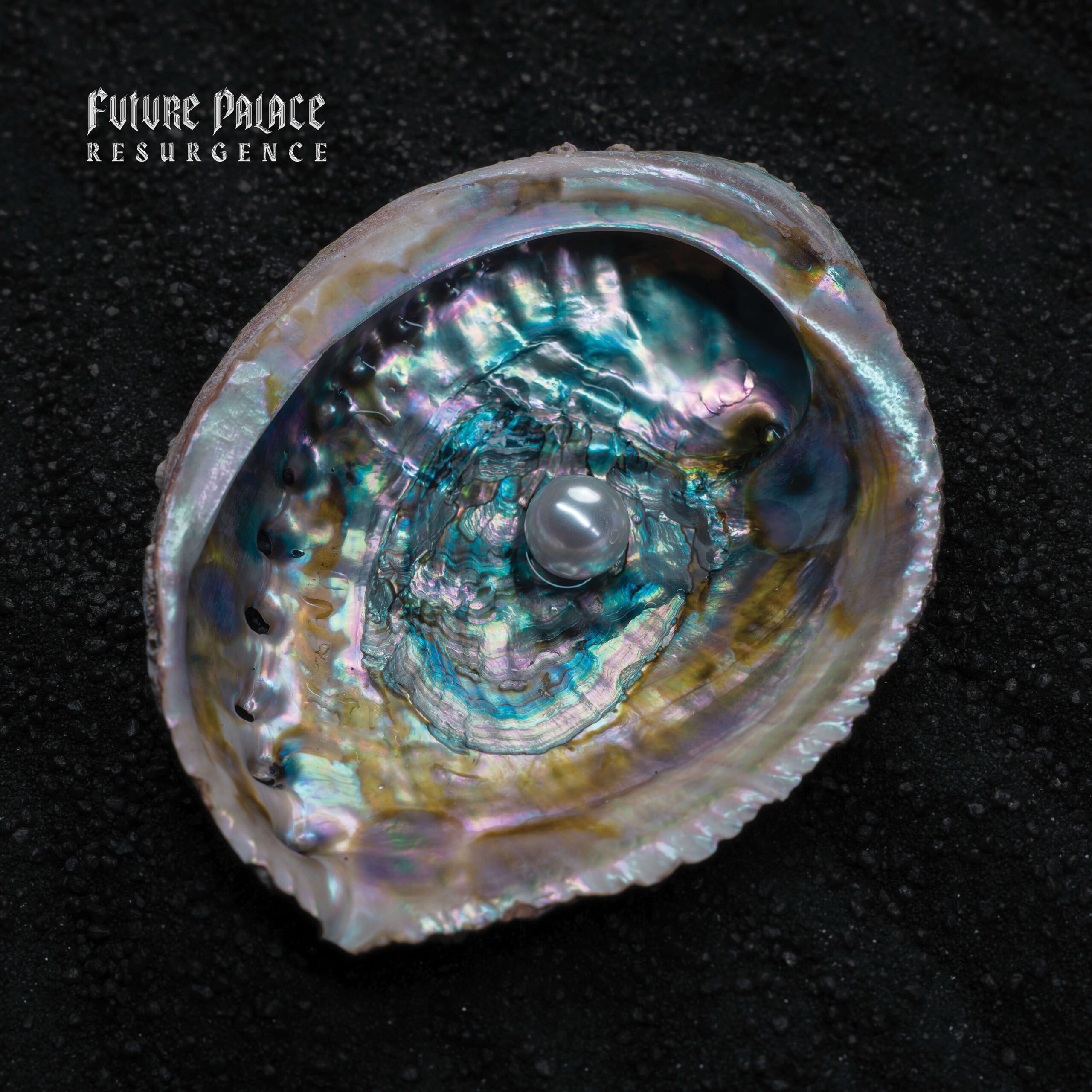
With impressive vocal versatility, “Resurge” perfectly captures the song’s emotion through a seamless combination of harsh screams, deep growls, and melodic sections.
Musically, Resurgence thrives on masterful dynamic shifts and a massive, progressive sound. The band constantly adjusts its instrumentation, balancing relentless layers of guitars and powerful drums on exceptionally heavy tracks like “Nixy” with beautifully composed moments of calm. Whether it is the gorgeous mid-song pause in “Supernova,” the brief tension-building respite in “Thorns,” or the genre-bending introduction of calm piano, synths, and electronic beats on “Tidal Waves,” these carefully placed changes make the heavy hardcore explosions hit even harder. This constant interplay between punishing riffs and captivating atmospheric melodies keeps the album’s sonic landscape thrilling and unique from start to finish.
Maria Lessing’s vocal performance is the undeniable crown jewel of the album, showcasing a remarkable versatility that carries raw emotion straight to the listener. She moves effortlessly between stunning melodic singing, unexpected rapped verses on tracks like “The Shades,” and some of the roughest, most brutal screams the band has ever recorded. Whether she is delivering the perfect opening screams to carry the emotional weight of “Resurge,” cutting through the harsher textures of “Nightfall,” or closing “Deep Blue” with devastating growls, her ability to match every lyric with exactly the right emotion makes her performance an absolute masterclass.
Thematically, Resurgence dives deep into the unfiltered realities of mental health, emotional burnout, and dysphoria. The band mirrors these internal struggles through the album’s extreme sonic dynamics, throwing chaotic, heavy instrumental outbursts against quiet, composed moments to reflect the exhausting highs and lows of the human mind. At the center of this concept is the vocal delivery, which becomes a direct channel for that raw vulnerability, moving seamlessly from desperate, throat-tearing screams during moments of overwhelming panic and grief to fragile, haunting melodies that capture the quiet isolation of depression.
“Driven by staggering vocal versatility and masterful dynamic shifts, Resurgence is a fiercely emotional and highly engaging record that firmly establishes Future Palace’s signature blend of heaviness and melody.”
%
%
%
%
%
%
%
%
 |
 |
 |
 |
Gaming – fun to play in the background while playing in the foreground
Driving – windows closed, singing your heart out along
Workout – Gives energy for lifting and something fun for your cardios
Working at office – especially when you want to silence your dumb co-worker
The post Album Review | Future Palace – “Resurgence” first appeared on FemMetal – Goddesses of Metal.
(written by Islander) Today we’re announcing that on November 11th Satanath Records (Georgia) and Bajo Tierra Records (Mexico) will co-release the third album from the Mexican death metal band Feathropod, which is a solo project founded in Querétaro by Armando Ríos. The name of the new album is Oathkeeper. For those who might be unfamiliar […]
The post AN NCS VIDEO PREMIERE: FEARTHROPOD — “LESSER CARNIVORA” appeared first on NO CLEAN SINGING.

Harry Metal trifft in Folge 5 auf Greta und besucht „Residenz Evil“ und das „Moshtel“ – beides besondere Camping-Unterkünfte, die für einen noch angenehmeren Aufenthalt beim Wacken Open Air sorgen – inklusive Massage, wenn euch danach ist.
Außerdem läuft der Aufbau der „Faster“- und „Harder“-Stages auf Hochtouren!
Weiter im Aufbau und mit Harry Metal geht es morgen. Also bleibt am Ball!
Euer
W:O:A Team
Der Beitrag W:O:A 2026 – Harry Metal – Episode #5 erschien zuerst auf Live, laut, legendär!.
In the dimly lit corners of musical history, Portishead stands as a spectral presence, translating the shadowy allure of film noir into haunting soundscapes. Their music, a mélange of trip-hop beats and cinematic samples, evokes the same sense of mystery and melancholy that defined the classic noir films of the mid-20th century. This transformation of visual language into auditory experience is nothing short of revolutionary.
Portishead emerged from the Bristol scene, a crucible of innovation that birthed the trip-hop genre. While Massive Attack and Tricky laid the groundwork, it was Portishead who took the genre into the realm of noir. Their debut album, ‘Dummy,’ serves as a masterclass in blending the gritty textures of urban life with the existential musings that film noir so poignantly captured.
This article will argue that Portishead’s music not only embodies the essence of film noir but also expands its reach into the auditory domain. By dissecting their techniques and exploring their cultural lineage, we will uncover how Portishead’s unique sound continues to resonate with audiences today, offering a fresh perspective on the interplay between music and visual storytelling.

How Portishead Turned Film Noir Into Sound
Trip-hop emerged in the early 1990s as a revolutionary genre, blending elements of hip-hop, electronica, and jazz. The Bristol scene, with its melting pot of cultures and sounds, was the epicenter of this movement. Massive Attack’s ‘Blue Lines’ was a pioneering album that laid the foundation for the genre. It combined soulful vocals with downtempo beats, creating an atmospheric sound that would become synonymous with trip-hop.
Portishead, however, took this nascent genre and infused it with a darker, more cinematic quality. While Massive Attack explored themes of social and political unrest, Portishead delved into the personal and existential. Their music captured the essence of film noir, with its focus on alienation, despair, and moral ambiguity. This was not just music; it was a soundscape that evoked a specific mood and atmosphere.
The Bristol scene was a cultural melting pot, where different musical influences converged to create something entirely new. This environment allowed Portishead to experiment freely, drawing inspiration from a wide range of sources. Their music was not just a product of its time but a reflection of a broader cultural shift towards introspection and emotional depth. In this way, Portishead’s sound was both a continuation of and a departure from the trip-hop tradition.
The Bristol scene was a unique cultural phenomenon, characterized by its diversity and innovation. It was a place where musicians from different backgrounds came together to create something new. This collaborative spirit was essential to the development of trip-hop.
Portishead thrived in this environment, using it as a springboard to explore new sonic territories. Their music was a reflection of the eclectic influences that surrounded them, from jazz and soul to electronic and hip-hop. This diversity of influences is what gave their sound its distinctive noir quality.
Portishead’s debut album ‘Dummy’ is a masterful exploration of noir themes through sound. The album’s opening track, ‘Sour Times,’ sets the tone with its haunting melody and cinematic sampling. The use of vintage film scores and dialogue snippets creates a sense of nostalgia and foreboding, reminiscent of classic noir films.
‘Roads,’ another standout track, captures the existential despair that is central to the noir genre. Beth Gibbons’ ethereal vocals convey a sense of longing and isolation, while the sparse instrumentation underscores the emotional weight of the lyrics. This track, like the album as a whole, is a testament to Portishead’s ability to translate visual motifs into sound.
The cinematic sampling on ‘Dummy’ is not just a stylistic choice but a deliberate attempt to evoke the atmosphere of film noir. By incorporating elements of classic cinema into their music, Portishead creates a soundscape that is both familiar and unsettling. This fusion of old and new is what makes ‘Dummy’ a quintessential noir album.
Each track on ‘Dummy’ contributes to the album’s overall noir aesthetic. From the sultry ‘Strangers’ to the introspective ‘It Could Be Sweet,’ the album is a journey through the darker aspects of the human psyche.
The use of cinematic elements, such as dialogue samples and orchestral arrangements, enhances the album’s narrative quality. This approach allows Portishead to tell a story through music, much like a film director uses visuals to convey a narrative.
Portishead’s music evokes psychological states akin to those found in noir films. Beth Gibbons’ vocal delivery is a key element in this process. Her voice, often described as haunting and ethereal, conveys a deep sense of vulnerability and longing. This emotional depth is what makes Portishead’s music so resonant with listeners.
The existential themes explored in their music also contribute to its psychological impact. Songs like ‘Glory Box’ and ‘Numb’ examines themes of identity, alienation, and desire. These themes are central to the noir genre and are expertly woven into the fabric of Portishead’s music.
The influence of filmmakers like David Lynch is evident in Portishead’s work. Lynch’s ‘Blue Velvet,’ with its exploration of the dark underbelly of suburban life, shares thematic similarities with Portishead’s music. Both create a sense of unease and tension, inviting the audience to explore the complexities of the human psyche.
Portishead’s music offers a cathartic experience for listeners, allowing them to confront and process their own emotions. This is achieved through the combination of haunting melodies and introspective lyrics.
The inner terrains created by their music are both unsettling and comforting. They invite listeners to explore their own feelings of despair and longing, ultimately leading to a sense of catharsis and understanding.
The cultural lineage connecting classic film noir to Portishead’s sound is rich and complex. Film noir, epitomized by works like ‘The Maltese Falcon,’ is characterized by its exploration of moral ambiguity and existential despair. These themes are echoed in Portishead’s music, which examines similar emotional territories.
The influence of artists like Billie Holiday and Tom Waits is also evident in Portishead’s work. Holiday’s melancholic jazz and Waits’ gritty storytelling both contribute to the noir aesthetic that Portishead embodies. These influences are woven into the fabric of their music, creating a sound that is both timeless and contemporary.
Portishead’s ability to translate the visual language of noir into sound is a testament to their artistry. By drawing on a rich cultural heritage, they have created a body of work that resonates with audiences across generations. This evolution of noir from cinema to music is a fascinating exploration of the interplay between different art forms.
The cultural threads that connect Portishead to classic film noir are evident in their music. Their sound is a tapestry of influences, from jazz and blues to cinema and literature.
This rich cultural lineage allows Portishead to create music that is both innovative and deeply rooted in tradition. By weaving these threads together, they have crafted a sound that is uniquely their own.
Portishead’s approach to noir differs from other artists influenced by the genre. While Nick Cave and PJ Harvey explore similar themes of darkness and despair, their music is more rooted in rock and blues traditions. Portishead, on the other hand, uses electronic elements and sampling to create a more atmospheric sound.
Tricky, another Bristol-based artist, shares Portishead’s affinity for noir themes but approaches them with a more aggressive sound. His music is characterized by its raw energy and confrontational lyrics, contrasting with Portishead’s more introspective style.
This diversity of approaches highlights the versatility of the noir genre. Each artist brings their own unique perspective to the table, creating a layered history of sound that continues to evolve and inspire.
Each artist’s interpretation of noir reflects their own musical influences and personal experiences. Portishead’s use of sampling and electronic elements sets them apart from their contemporaries.
This diversity of interpretation is what makes the noir genre so compelling. It allows for endless possibilities and new avenues of exploration, ensuring its continued relevance in the music world.
Portishead’s music videos are a visual extension of their noir aesthetic. The video for ‘Only You’ is a prime example of this, shot in black-and-white with surreal imagery that mirrors the song’s haunting atmosphere.
The use of black-and-white cinematography in their videos reinforces the noir themes present in their music. This visual style creates a sense of timelessness and mystery, drawing viewers into the world of Portishead’s music.
These visual elements are not just an afterthought but an integral part of Portishead’s artistic vision. By combining sound and visuals, they create a multi-sensory experience that enhances the emotional impact of their music.
Portishead’s music videos are a testament to their ability to tell a story through visuals. The use of surreal imagery and dreamlike narratives creates a sense of intrigue and mystery.
This visual storytelling complements the noir themes present in their music, creating a cohesive artistic vision that is both captivating and thought-provoking.
Critics have long debated Portishead’s relationship with the noir genre. Simon Reynolds, in his book ‘Energy Flash,’ highlights the cultural impact of trip-hop and Portishead’s role in it. He argues that their music captures the essence of noir, with its focus on mood and atmosphere.
Rolling Stone reviews have praised Portishead for their innovative approach to music, noting their ability to blend elements of different genres to create a unique sound. This fusion of influences is what sets them apart from other artists in the trip-hop genre.
Academic analyses have also explored the psychological depth of Portishead’s music, examining how their sound evokes emotional responses similar to those elicited by noir films. This scholarly interest underscores the complexity and richness of Portishead’s work.
Simon Reynolds, in his critical survey Energy Flash, positioned Portishead at the center of trip-hop’s cultural moment, arguing that their music prioritized mood and atmosphere above all else — a quality he saw as the genre’s defining inheritance from noir cinema.
Reynolds’ observation highlights Portishead’s ability to translate the visual language of noir into a sonic experience. This focus on mood and atmosphere is what makes their music so compelling and resonant.
Critics have differing opinions on Portishead’s interpretation of noir. Some praise their innovative approach, while others question the authenticity of their sound.
These debates highlight the complexity of Portishead’s music and its ability to provoke thought and discussion. It is this complexity that ensures their continued relevance in the music world.
Listeners connect with Portishead’s music on a deeply personal level. Fan testimonies often describe the emotional impact of their songs, with many citing them as a source of comfort during difficult times. This personal connection is proof of the force of Portishead’s music.
Live performances further enhance this connection, allowing fans to experience the emotional intensity of Portishead’s music in a communal setting. These performances are often described as transcendent, with audiences being drawn into the world of the music.
Listener interpretations of Portishead’s songs vary widely, reflecting the diverse experiences and emotions that their music evokes. This multiplicity of interpretations is what makes their music so enduring and resonant with audiences across the world.
The personal connection that listeners have with Portishead’s music is a testament to its emotional depth. Fans often describe their music as a source of solace and understanding.
This personal connection is what makes Portishead’s music so powerful. It allows listeners to explore their own emotions and experiences, creating a shared journey through the world of noir.
Portishead’s legacy is a testament to their ability to translate the essence of noir into sound. Their music has not only reshaped musical genres but also expanded the emotional vocabulary available to musicians. This legacy suggests that the boundaries between visual and auditory art forms are more porous than ever.
Emerging artists continue to draw inspiration from Portishead’s work, incorporating elements of their sound into new musical explorations. This ongoing influence is a testament to the timeless quality of their music and its ability to inspire new generations of musicians.
As the music world continues to evolve, Portishead’s legacy will undoubtedly play a role in shaping the future of noir-inspired music. Their innovative approach to sound and storytelling ensures that their influence will be felt for years to come.
The future of noir-inspired music is bright, with many emerging artists drawing inspiration from Portishead’s work. Their innovative approach to sound continues to influence new musical explorations.
This ongoing legacy ensures that the noir genre will continue to evolve and inspire, offering new possibilities for expression and creativity in the music world.
Portishead’s translation of noir into sound not only reshaped musical genres but also expanded the emotional vocabulary available to musicians. Their work blurs the boundaries between visual and auditory art forms, creating a unique sonic experience that continues to resonate with audiences today.
In modern culture, Portishead’s influence can be seen in the work of contemporary artists and filmmakers who draw inspiration from their innovative approach to sound and storytelling. This ongoing legacy is a testament to the timeless quality of their music and its ability to inspire new generations.
As we look to the future, Portishead’s legacy will undoubtedly continue to shape the evolution of noir-inspired music. Their innovative approach ensures that their influence will be felt for years to come, offering new possibilities for expression and creativity in the music world.
If How Portishead Turned Film Noir Into Sound speaks to your darker imagination, explore the Edgar Allan Poets store. Our Gothic-inspired apparel and artwork celebrate Poe, noir culture, haunted literature, and the strange beauty that keeps returning through art.

Continue the atmosphere behind How Portishead Turned Film Noir Into Sound through the official Edgar Allan Poets playlist, where Gothic rock, noir emotion, and cinematic storytelling meet in sound.
Portishead translates film noir’s visual language into a unique sound through their use of cinematic sampling, atmospheric production, and exploration of noir themes like alienation and despair.
Portishead’s music uses Beth Gibbons’ haunting vocals and existential themes to evoke psychological states similar to those found in noir films, creating an emotional depth that resonates with listeners.
Portishead’s sound is unique due to their blend of trip-hop, cinematic sampling, and noir themes, creating a haunting and atmospheric experience that sets them apart from other artists.
Portishead’s influence can be seen in contemporary artists like Lana Del Rey and Billie Eilish, who incorporate similar themes of melancholy and introspection into their music, as well as in film soundtracks.
Portishead’s music videos use visual storytelling, surreal imagery, and black-and-white cinematography to complement their noir sound, creating a cohesive artistic vision that enhances the emotional impact of their music.
The post How Portishead Turned Film Noir Into Sound appeared first on Edgar Allan Poets – Noir Rock Band.
Greetings, Decibel readers!
This week brings a variety of heavy music, with two particularly horrifying releases from long-running experimental acts. But there’s also some classic revival albums as well and some catchy melodeath if you just want some riffs!
—
The California-based classic heavy metal outfit has returned with its third album. Definitely essential listening for fans of 70s hard rock and metal who also want a bit of NWOBHM thrown in. I particularly like Sean Rivera’s vocal approach, landing somewhere between David Coverdale and Bruce Dickinson. And hey, I even enjoyed the organ parts on this album, which I normally can’t stand!
Stream: Apple Music
—
Dark, menacing, and disturbing noise. I’m not even sure how to categorize Emptiness anymore, and I guess that’s a testament to the band’s peculiar blending of styles and moods. One way or another, this is a nightmarish clash of heavy sounds that should appeal to all daring explorers.
Stream: Apple Music
—
Dense, swirling, avant-garde black metal. Definitely on the dissonant end of the spectrum, seated comfortably next to Blut Aus Nord‘s darker material and bands of a similar persuasion. Here is how Inferno describes the album and its central themes:
“The human being is neither measure nor destination here, only a witness. An infinitesimal point within a field of forces that surpass it. The senses fail, reason loses its footing, and yet something is happening. Something unnameable, existing beyond language and beyond control. This is not music that tells a story or offers consolation in a refrain. It is a movement unfolding regardless of expectation.”
Stream: Apple Music
—
Matt Harvey and Gus Rios team up with original Death members Terry Butler and Rick Rozz to dive deep into the crypts of death metal to unearth and refurbish the earliest scrolls of the Mantas/Death legacy. It is really neat to hear these songs given a 2026-level upgrade that still preserves the energy and intensity of the 1980s. I think it helps that Matt’s vocal style very closely tracks with Chuck’s from the first few Death albums. Additionally, the release pays a fitting tribute to just how creative and groundbreaking Death was. You can still hear some thrash metal echoes in here, but there’s a definitive break taking place as well.
Stream: Apple Music
—
Melodic death metal from Raleigh, North Carolina. Harkens back to The Black Dahlia Murder at their most melodic while also hewing close to bands like Hypocrisy and Kataklysm. Lots of flashy guitar work on here as well!
Stream: Apple Music
The post Five For Friday: July 17, 2026 appeared first on Decibel Magazine.
Reviewed by Oli Gonzalez
Meshuggah. A name that instantly demands respect from seasoned musicians and casual music fans alike. More than a one hit wonder – though ‘Bleed’ is by far their most recognisable and famous song – the Swedish legends have crushed pretty much every stage they have ever stepped foot on. Though they’re reaching the twilight of their epic career now, recent performances on British soil at Bloodstock Open Air, Arctangent, and Download festivals show that they’ve still very much got it! The jury is very much out as to which of their studio albums takes top prize as their finest. Some point to “Obzen”, whilst others argue the case for “Violent Of Sleep Of Reason”. Under the microscope today will be “Catch Thirty Three”, an album widely considered to be crucial in establishing Meshuggah’s reputation amongst extreme metal’s elite.
Right from the start, you can see why they’ve earned this reputation! With no fancy introductions to ease you in, they drop you straight into the deep end and watch you squirm with unease during ‘Autonomy Lost’! Before you’ve even had time to process the all-consuming waves of distortion, you’re immediately thrown into the next song…and then the next! It’s 2026 now, and the band have become subject to multiple memes and stitches given the relentlessly brutal guitar tones and unfathomably complex rhythmic patterns and structures. How did they even decide how to write something like this? What inspired this ? I’d have loved to have been a fly on the wall during a writing session!

Things slow down considerably during ‘The Paradoxical Cycle’, and whilst the pace has reduced, this is still a suffocating maelstrom, a nigh-on impossible enigma to decode and unravel! Whilst the crushing guitar and bass tones take front and centre, one cannot overlook the metronomic drumming of Tomas Haake. As compared to the original – which utilised programmed tracks from the ‘Drumkit From Hell’ – there’s something that feels different in this remix. With sharper snare hits and cymbal strikes with much greater resonance and reverb, these feel like the work of a genuine acoustic kit; a sound that simply cannot be fully captured digitally. Or maybe that’s just my interpretation!
Another constant within the album is the sharper and ferocious mid-range growls of Jens Kidman. A ferociously underrated metal vocalist who’s receiving the praise he deserves finally in this late stage of his career.
If the sonic pounding was too much, you have chance to get some respite in the shape of ‘Minds Mirror’. With the futuristic electronic vibe – best personified by the heavily distorted spoken word – evolving into the haunting and spinechilling series of guitar arpeggios to keep you on edge. Then suddenly, you’re thrown back into another near 20 minute frenzy where you’re left to fend yourself! Every song flows gracefully into the next feeling like one continuous onslaught, designed to be consumed in one setting! Though the band show some mercy, and allow you time to decompress and offer some kind of debrief in the form of the 7 minute ambient track ‘Sum’.
Some may point to the repetitive nature of the songs and the album feeling a little copy and paste at times. That may be valid. This isn’t for everybody. “Catch Thirty Three” certainly isn’t easy-listening or accessible metal. It’s designed for those craving unparalleled heaviness and will satiate lovers of punishingly crushing grooves. “Catch Thirty Three” serves as an empathetic reminder of Meshuggah’s unquestioned legacy and impact they’ve left on the world of metal.
For all the latest news, reviews, interviews across the heavy metal spectrum follow THE RAZORS’S EDGE on facebook, twitter and instagram.
The post Album Review: Meshuggah – Catch Thirtythree [Reissue] appeared first on The Razor's Edge.