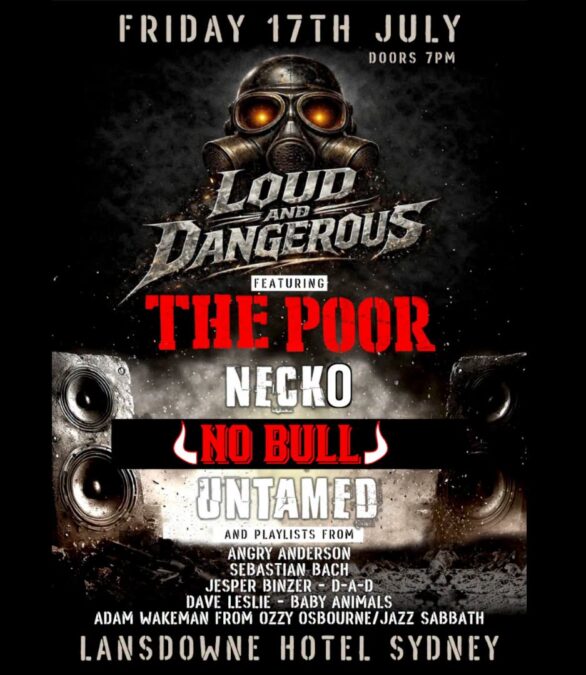
 This year, THE POOR are turning their creative focus toward writing and developing a brand-new album. As part of this process, the group has announced an exciting live event titled Loud and Dangerous. The event will serve as a dynamic testing ground for several new tracks, giving audiences an exclusive first listen to material still […]
Blog
-
THE POOR Hit Sydney And Newcastle This Weekend
This year, THE POOR are turning their creative focus toward writing and developing a brand-new album. As part of this process, the group has announced an exciting live event titled Loud and Dangerous. The event will serve as a dynamic testing ground for several new tracks, giving audiences an exclusive first listen to material still […] -
Soft Cell Celebrates the 80s Disco Scene With “In Heaven (When I Dance With You)”
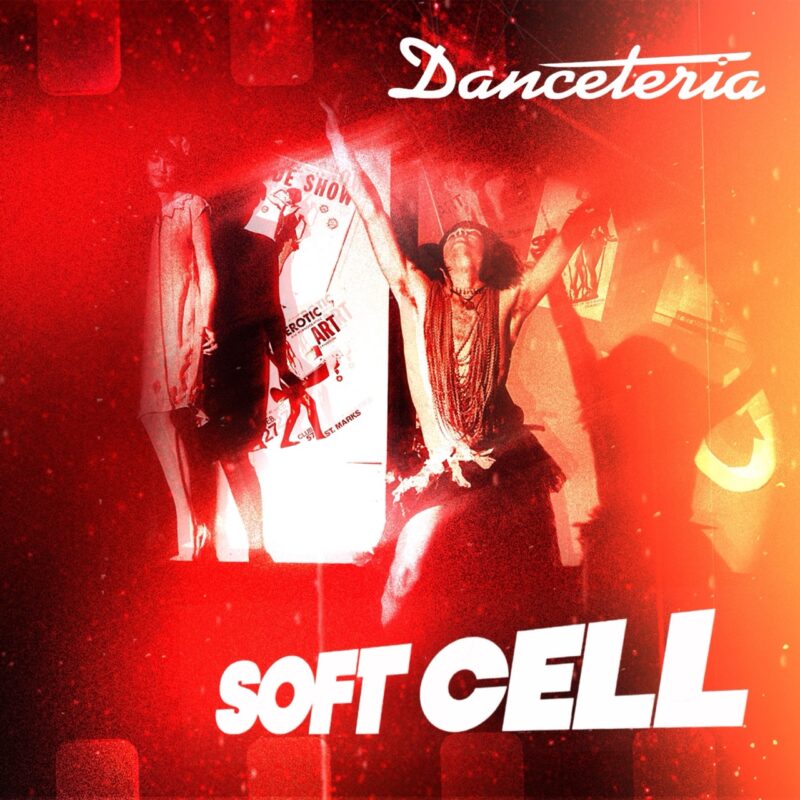
Soft Cell’s “In Heaven (When I Dance With You)” comes striding out of Danceteria with a lipstick grin and enough downtown perfume to turn the subway into its own discotheque. Marc Almond sings as though the dance floor has waited forty-seven years for him, while the late, great Dave Ball built the track from buoyant keyboards, clipped percussion, and bass that nudges the hips toward misbehaviour. The tune feels immediate, polished, and full of the odd angles that have always made Soft Cell excellent party hosts.
“Soft Cell have always had a strong connection with New York, and my Soft Cell lyrics often look at America through British eyes,” says Almond. “New York in the 1980s was a particularly creative place for me. It was a pivotal era in terms of changes in my personal life and changes in the city itself. New York shaped Soft Cell, as it opened up a whole new world of possibilities. It was dirty, dark and dangerous – a real Wild West – but it was also deeply inspiring and exciting. A lot of our original influences came from America anyway: New York punk, Devo, Suicide, Lou Reed, disco and 1960s soul. But New York was like nowhere else on earth. There were 24-hour nightclubs, music, art and underground theatre. It offered a cornucopia of energy and edge, and the lyrics on ‘Danceteria’ reflect that time of my life.”
That biography lives inside the record; a museum tag would only get in the way. Ball’s arrangement keeps changing the room by inches: a bright keyboard figure, a sly rhythmic turn, then a chorus broad enough for strangers to become temporary relatives. Almond works the lyric with the seasoned theatricality of someone who knows sincerity can wear eyeliner and still mean every word. His delivery carries delight, appetite, and the suspicion that somebody has already stolen your coat.
“In Heaven (When I Dance With You) is a celebration of the early ’80s joyful disco scene,” says Almond. “A coming together of the sentiments of the time. I wanted it to be that moment when you run to the dance floor.”
Almond gets his wish; the single finds disco’s social velocity: private feeling becomes public motion, and nobody needs to fill out a form. Its summer brightness carries a small ache because the track belongs to Ball’s farewell, completed two days before his death. That knowledge adds weight, yet the music keeps moving with generosity and comic grace; even grief is asked to check its shoes at the floor’s edge.
As a preview of Soft Cell’s final album, In Heaven (When I Dance With You) makes a persuasive invitation. It remembers a New York of clubs, art kids, queer communion, bad decisions, and excellent shoes, then converts memory into present-tense pleasure. Ball’s production remains precise and playful; Almond gives the melody a grin wide enough to smuggle history through customs. Soft Cell leave the party as they entered it: with machines humming, hearts exposed, and somebody in the corner wondering whether dawn is really necessary.
Listen below:
Due September 25th 2026, via Republic of Music, Danceteria will be released on vinyl and CD, with the CD edition expanded to 14 tracks through the bonus cuts Crackland and What Is Your Morality.
Listen to In Heaven (When I Dance With You) below and order it here. You can pre-order Danceteria here.
Follow Soft Cell:
The post Soft Cell Celebrates the 80s Disco Scene With “In Heaven (When I Dance With You)” appeared first on Post-Punk.com.
-
“It’s Not Enough” — Black Marble Has Every Option but No Satisfaction in Video for “Anything”
When the Rolling Stones recorded “(I Can’t Get No) Satisfaction” in 1965, dissatisfaction came crackling through transistor radios amid advertising pitches, postwar consumer plenty, sexual frustration, and the suspicion that modern life was selling desires it could never fulfill. But what if the song were written now? It very well might confront a stranger predicament: every conceivable choice within reach, every connection replaceable, and the growing fear that access to anything and everything has left us satisfied by almost nothing. Brooklyn-based artist Black Marble answers that “What If?” with Anything, carrying the old complaint into an era of endless options and easy exits.
Anything begins with a clipped guitar figure that could have slipped out of a college station at 2 a.m., back when radio still felt like a clubhouse run by sleep-deprived obsessives with bad posture and excellent record collections. Chris Stewart has spent fourteen years making pop music with machines that hum, wobble, and occasionally seem ready to electrocute the landlord, yet this track carries a springy immediacy, a small-room bounce built from dry drums, chiming guitar, and keyboards that hover at the edge of the frame. You can hear the dust on the knobs, which is far more persuasive than another immaculate digital coffin.
The tune moves fast enough to suggest pleasure, while Stewart’s voice drifts through it with the calm of a man discovering that every available exit leads to another room full of way too many possibilities. The new guitar emphasis gives Black Marble a leaner body. Pylon and Wire hover nearby as useful ancestors, though Stewart avoids museum polish. The instruments feel handled, bumped, and left with fingerprints.
“I want to dream us up. I’ll do anything, but it’s not enough!” This line lands with the blunt embarrassment of admitting that abundance can feel like starvation. Everybody has options, everybody has a profile, everybody can vanish before breakfast, and somehow the modern romance has become a customer-service portal where nobody can find the button marked “human being.”
“Anything is basically a bedroom pop version of Satisfaction but it trades the carnal undertones for more of a domestic pastiche,” says Stewart. “…the center of the struggle is less about finding temporary satisfaction, but that today’s glut of options and opportunities gives every relationship an expiration date, every encounter an easy off ramp and every minor annoyance a reason to move on. The sentiment is the same from those old days, lack of fulfillment, but it’s due to modern circumstances. It feels like we have every option at our fingertips but we’re somehow losing the ability to connect.”
Stewart follows the idea into the apartment, where resentment breeds beside the open window and friendship keeps showing up unannounced. His revolution is domestic, cramped, and slightly ridiculous, which makes it believable. Mick Jagger wanted release; Stewart sounds trapped inside the endless menu, scrolling past intimacy until the screen goes dim.
Scott Kiernan’s video, shot at Various/Artists in New York City, converts that unease into visual overload. Images pile up with the appetite of a browser containing forty tabs, while Stewart remains meditative at the center, present yet swallowed by the barrage. The clip makes overstimulation feel comic and exhausting, a public carnival staged around private disconnection.
Watch Anything below:
Anything is pop for people who suspect convenience has made them lonelier. Its hook smiles with one side of its mouth, its rhythm keeps moving, and its central ache stays lodged beneath the floorboards. Stewart has made a fine little machine for dancing around the knowledge that freedom, multiplied without limit, can become another form of confinement.
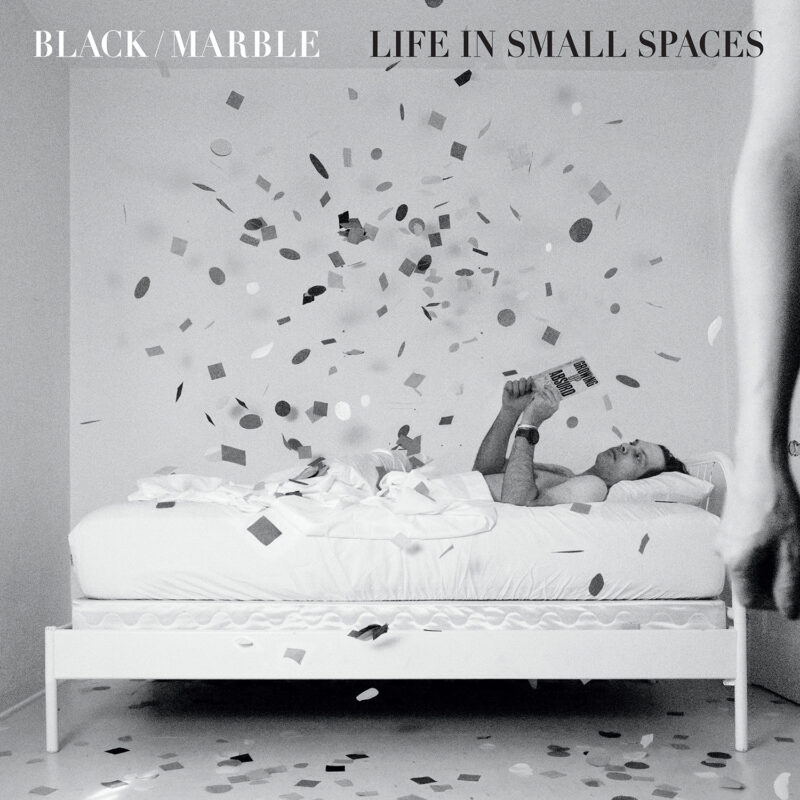
Listen to Anything below. You can pre-order Life in Small Spaces, out August 21st on Sacred Bones, here.
Tour Dates:
- Saturday, August 22 — Santa Ana, CA — Constellation Room at the Observatory
- Sunday, August 23 — Los Angeles, CA — 1720
- Tuesday, August 25 — San Francisco, CA — Rickshaw Stop
- Wednesday, August 26 — Sacramento, CA — Harlow’s
- Friday, August 28 — Seattle, WA — The Crocodile
- Saturday, August 29 — Portland, OR — Wonder Ballroom
- Sunday, August 30 — Boise, ID — Shrine Social Club
- Monday, August 31 — Salt Lake City, UT — Urban Lounge
- Tuesday, September 1 — Denver, CO — The Federal Theatre
- Thursday, September 3 — Omaha, NE — Slowdown
- Friday, September 4 — Minneapolis, MN — Fine Line
- Saturday, September 5 — Chicago, IL — Thalia Hall
- Sunday, September 6 — Detroit, MI — El Club
- Monday, September 7 — Toronto, ON — Lee’s Palace
- Tuesday, September 8 — Montreal, QC — La Sala Rosa
- Thursday, September 10 — New York City, NY — Webster Hall
- Friday, September 11 — Philadelphia, PA — Union Transfer
- Saturday, September 12 — Baltimore, MD — Ottobar
- Monday, September 14 — Raleigh, NC — Kings
- Tuesday, September 15 — Atlanta, GA — The Earl
- Thursday, September 17 — Houston, TX — White Oak Music Hall Upstairs
- Friday, September 18 — Dallas, TX — Club Dada
- Saturday, September 19 — Austin, TX — 29th Street Ballroom
* w/ The Serfs. # w/ Public Circuit. (and Jimmy Cicero for select shows)
Follow Black Marble:
The post “It’s Not Enough” — Black Marble Has Every Option but No Satisfaction in Video for “Anything” appeared first on Post-Punk.com.
-
MOTIONLESS IN WHITE Unleash New Album DECADES, Share Track ‘Fight Like Hell’
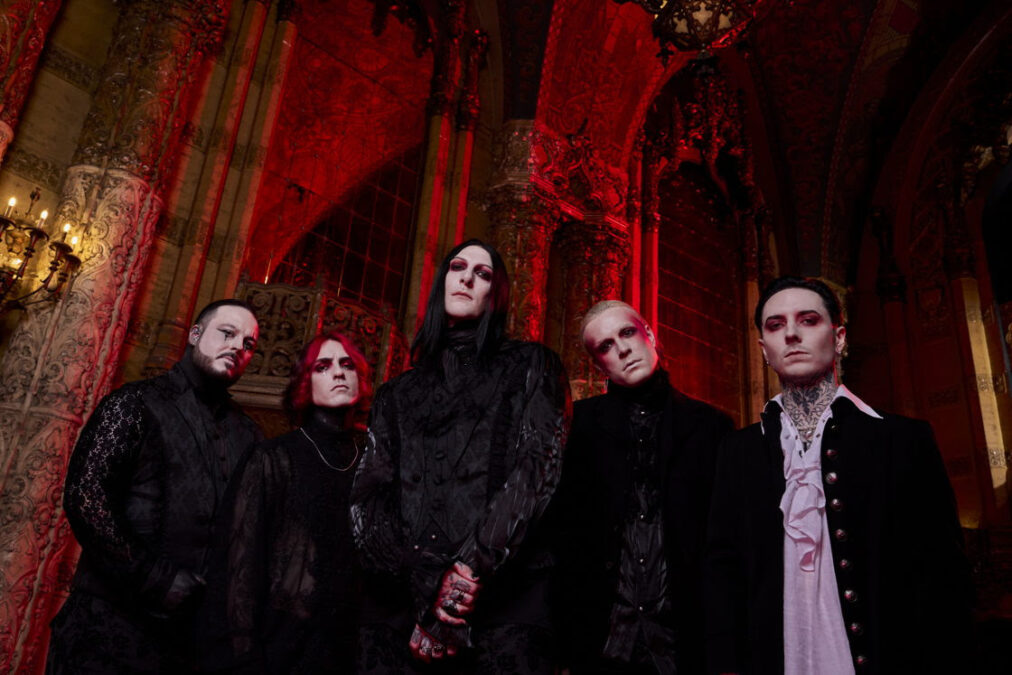 Platinum-selling, Scranton, PA powerhouse MOTIONLESS IN WHITE have released their new album DECADES via Roadrunner Records. Listen HERE. “I can’t believe it’s finally the day to release DECADES into the world,” says singer Chris Motionless. “No other record means as much to me personally as this one does. The past two-and-a-half years of working on […]
 -
Psycroptic Release Album #9
The new studio album from technical death metal masters Psycroptic was released today.
The Pulse of Annihilation is the band’s ninth album, and the first to feature songwriting contributions from Origin’s Jason Keyser, studio collaborator and occasional live vocalist.
A clip for opening track “Ashes of A New Dawn” has also just been released.
Psycroptic is launching the album with a special Q&A session on Reddit on July 18 at 11am AEST.
-
Sigh Treats London To A Selection Of Old School Deep Cuts With Support From Craven Idol
The Dome in Tufnell Park may not be as recognised as The Underworld, or have the financial backing of the 02 Academies, but metal fans will attest that it's a venue headbangers in London have to keep an eye on. There have been some certified legends taking the stage here, from Raven to Eyehategod and so many more, not to mention a former home base … Read More/Discuss on Metal Underground.com -
STREET TOMBS: Santa Fe Death Metallers to Release Existence Is Corruption Full-Length on August 21st via Carbonized Records
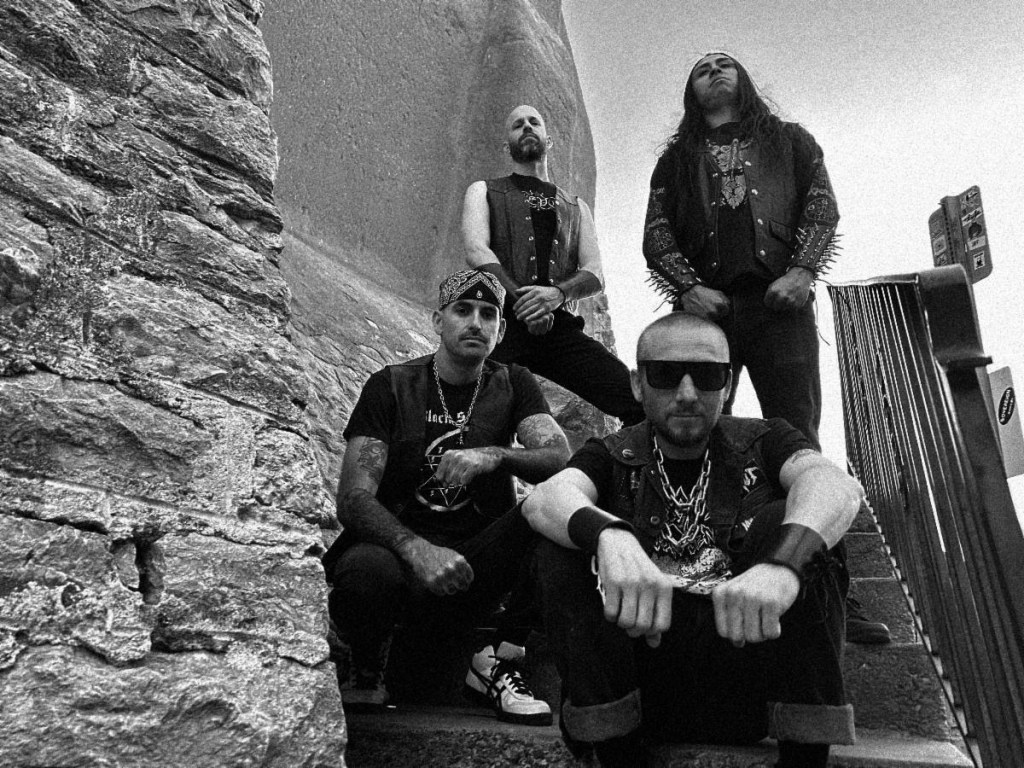
Photo by Lloyd Gray New Track Streaming + Preorders Available
Stream STREET TOMBS’ “Systematic Suffering” HERE.
Santa Fe death metallers STREET TOMBS will unleash their second full-length studio album, Existence Is Corruption, on August 21st via Carbonized Records!
STREET TOMBS was forged in the flames of the legendary underground venue, The Cave, in 2017, where the band hosted numerous shows for the DIY punk/metal community of Santa Fe and surrounding cities. Combining the death metal grit of early Sepultura and Bolt Thrower, with the rabid d-beat/street punk of Discharge and G.B.H., the collective released three demos before dropping their Reclusive Decay full-length (2023).
The critically lauded offering presented a unified vision for all that is dark, heavy, and fast. Several US tours would follow including the Reborn Dead Tour supporting Left To Die.
Metal Injection championed a record that “feels like a cross between early thrash and punk rock mixed with some serious Bolt Thrower vibes for an experience that’ll put you right into the ground. Reclusive Decay also earned the #38 spot on Decibel Magazine’s Top 40 Albums Of 2023.
2024 saw the release of a compilation LP, RIP The Abyss, which contained recordings the band had previously produced at the beginning of the COVID-19 pandemic. The album was released in conjunction with the start of their North American Tour supporting Necrot across the US and Canada that June.
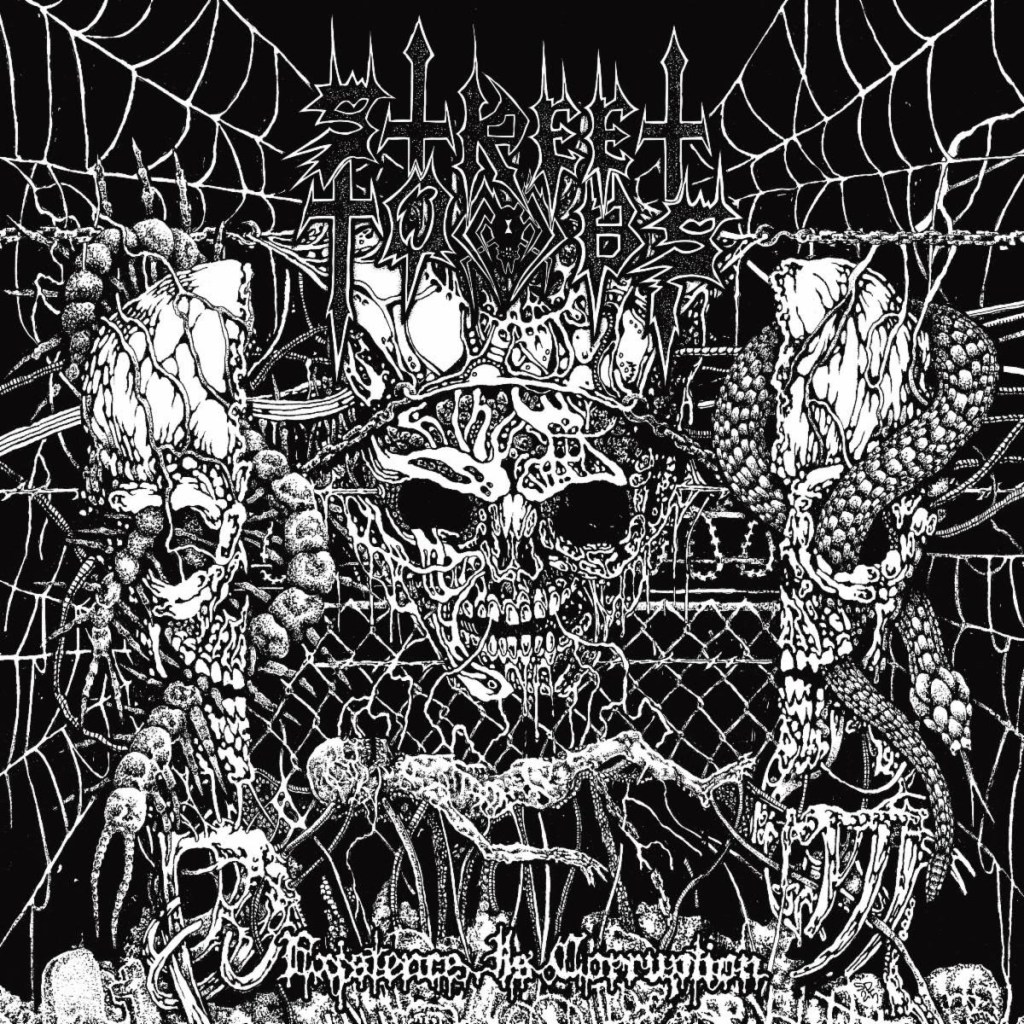
STREET TOMBS spent much of 2025 finalizing the writing portion of Existence Is Corruption. By December, the band entered Santa Fe, New Mexico’s Engine 70 Studios with Grammy Award winning producer and engineer, Greg Wilkinson, at the helm.
Existence Is Corruption delivers an unapologetically vitriolic and sickening take on modern society, complacency, corruption, and destruction. As greedy poisonous minds mutilate today’s world, STREET TOMBS continues to upset the grave with crusty blackened d-beats and deadly driving riffs straight from the gutter.
Existence Is Corruption digs more into STREET TOMBS’ roots and expands on its punk ethos and first wave black metal origins from influences like Hellhammer, Celtic Frost, Bathory, and Amebix, while keeping an uncompromising pissed-off attitude.
Comments vocalist/guitarist Damian Jacoby on the record’s first single: “Systematic Suffering, like many of our songs on this release, echoes themes of corruption, abuse, and discrimination. Entrenched in servitude losing all desire to deny the corruption infused in our society.”
Stream STREET TOMBS’ “Systematic Suffering” HERE.

Existence Is Corruption was recorded, mixed, and mastered by Greg Wilkinson at Engine 70 Studios in Santa Fe, New Mexico and Earhammer Studio in Oakland, California with additional recording by STREET TOMBS bassist Galen Baudhuin. The record features artwork by Shane Donaldson and logo by Ben Brodsky.
Existence Is Corruption will be released on CD, LP, cassette, and digital formats.
Find North American preorders HERE, European preorders HERE, all other international orders HERE, and digital orders HERE.
Existence Is Corruption – Track Listing:
- Pestilent Storm
- Deceptor
- Septic Values
- Upset The Grave
- Systematic Suffering
- Mental Mutilation
- Braindead
- Parasitic Feast
STREET TOMBS Live:
9/01/2026 Tumbleroot – Santa Fe, NM
9/04/2026 Seventh Circle – Denver, CO
9/05/2026 Aces High – Salt Lake City, UT
9/06/2026 TBA – Boise, ID
9/07/2026 The Kraken – Seattle, WA
9/08/2026 High Water Mark – Portland, OR
9/10/2026 TBA – Sacramento, CA
9/11/2026 Great American Music Hall – San Francisco, CA
9/12/2026 Knucklehead – Los Angeles, CA
9/13/2026 TBA – Phoenix, AZSTREET TOMBS:
Damian Jacoby – vocals, guitar
David McMaster – guitar, backing vocals
Ben Brodsky – drums
Galen Baudhuin – basshttps://instagram.com/streettombs
https://carbonizedrecords.merchtable.com
https://carbonizedrecords.bandcamp.com
Source: EARSPLIT PR

-
Draconia Introduces Göran Edman & Stefan Nykvist In Nikolo Kotzev’s New Symphonic Rock Opera
The journey into the world of ‘Draconia‘ continues with the release of two new behind-the-scenes EPK videos, this time focusing on two of the project’s most important characters: Göran Edman, who takes on the pivotal role of the Storyteller, and Stefan Nykvist, who portrays Mohdrai, the ruthless reptilian overlord and the opera’s main antagonist. Created […]
The post Draconia Introduces Göran Edman & Stefan Nykvist In Nikolo Kotzev’s New Symphonic Rock Opera appeared first on ROCKPOSER DOT COM.
-
STAND ATLANTIC Release New Track ‘Lucid’
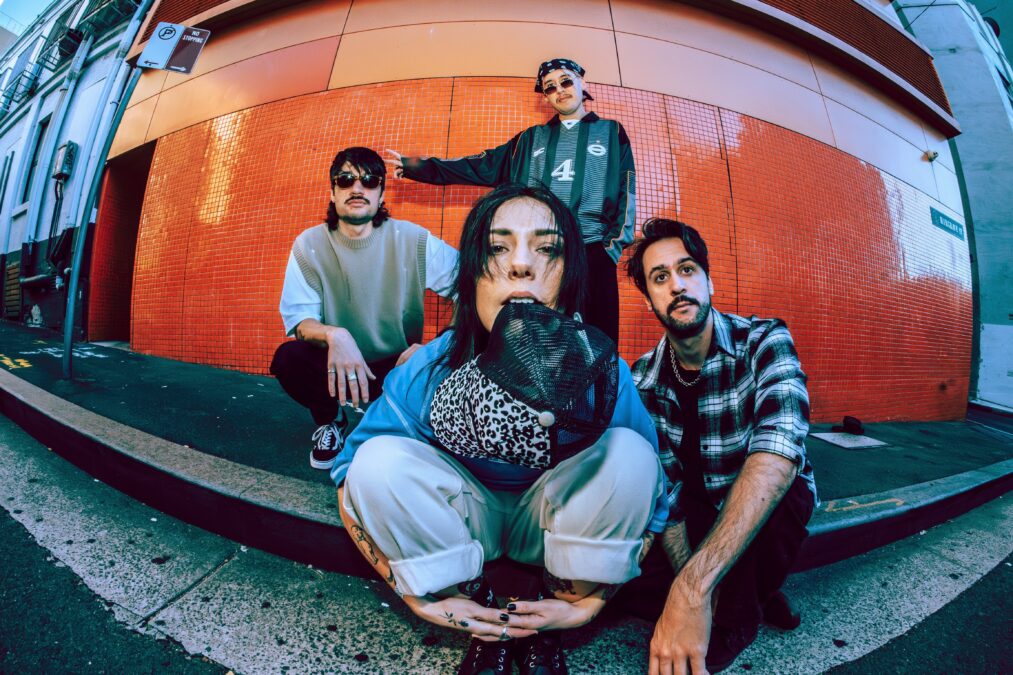 Today, alternative Australian band Stand Atlantic share news of their fifth studio album GODBREATH, to be released on Friday, October 23 via Virgin Music Group. Out now, the new single LUCID provides the next glimpse into the psyche of an act that knows exactly who they are and where they want to go. The last […]