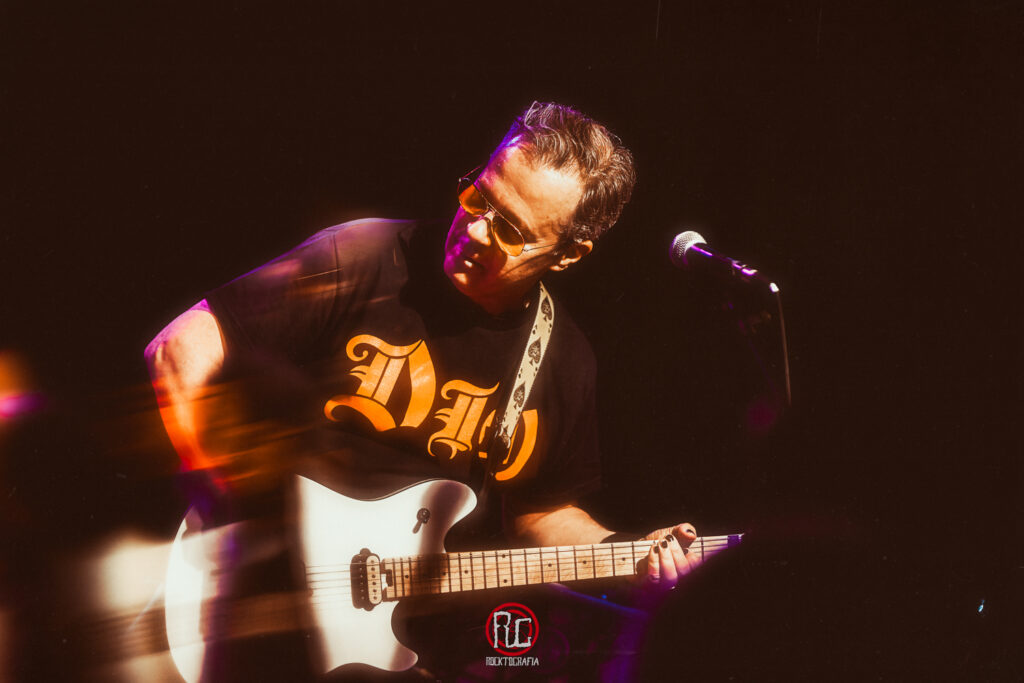
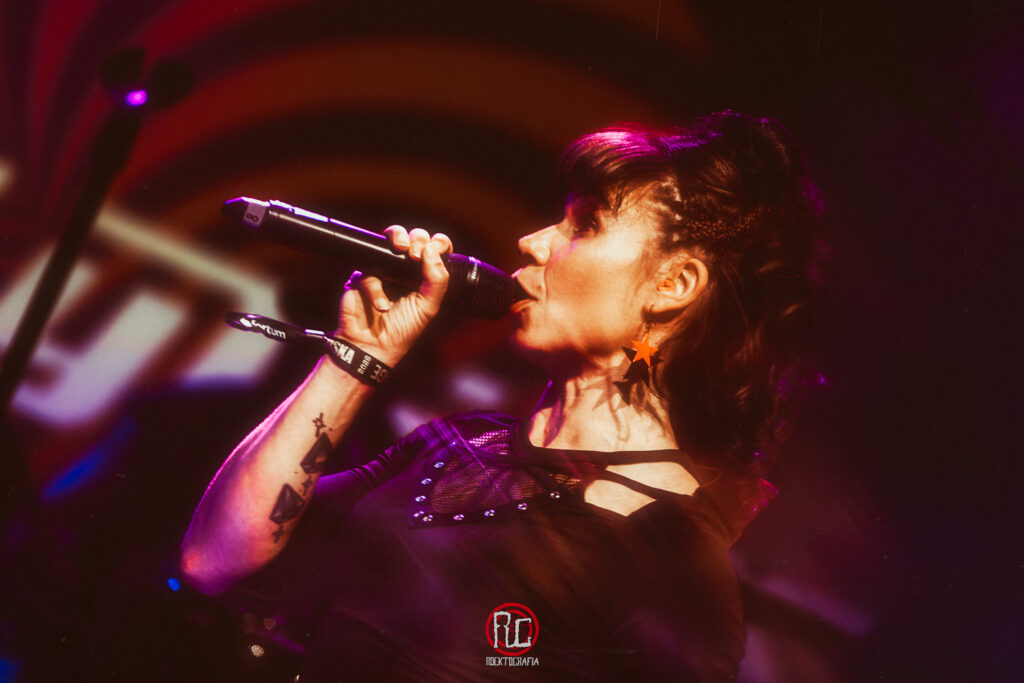
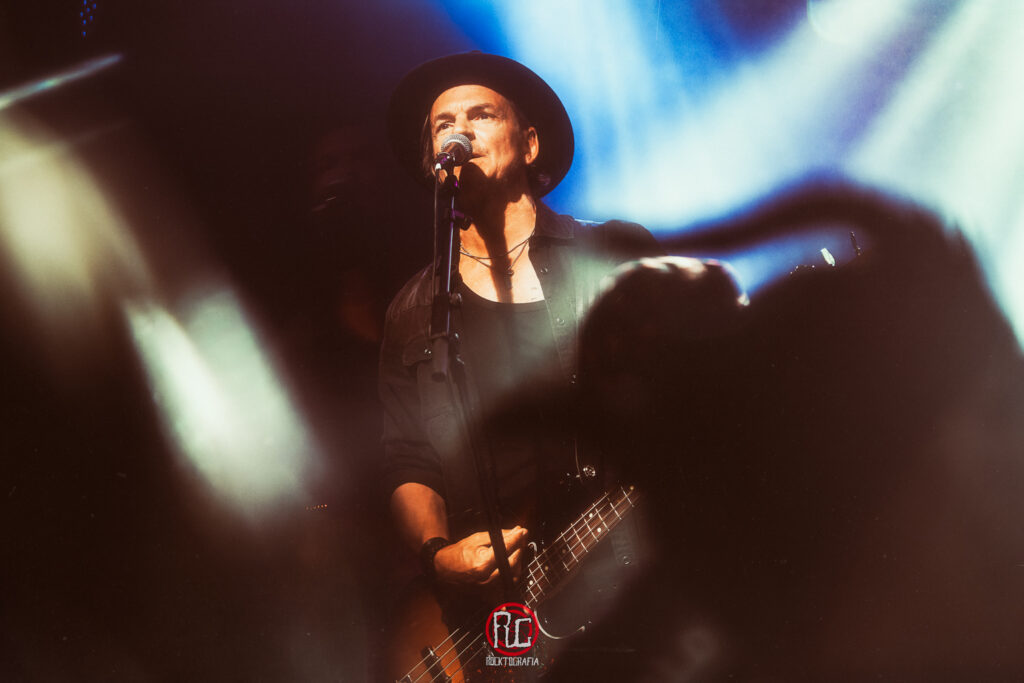
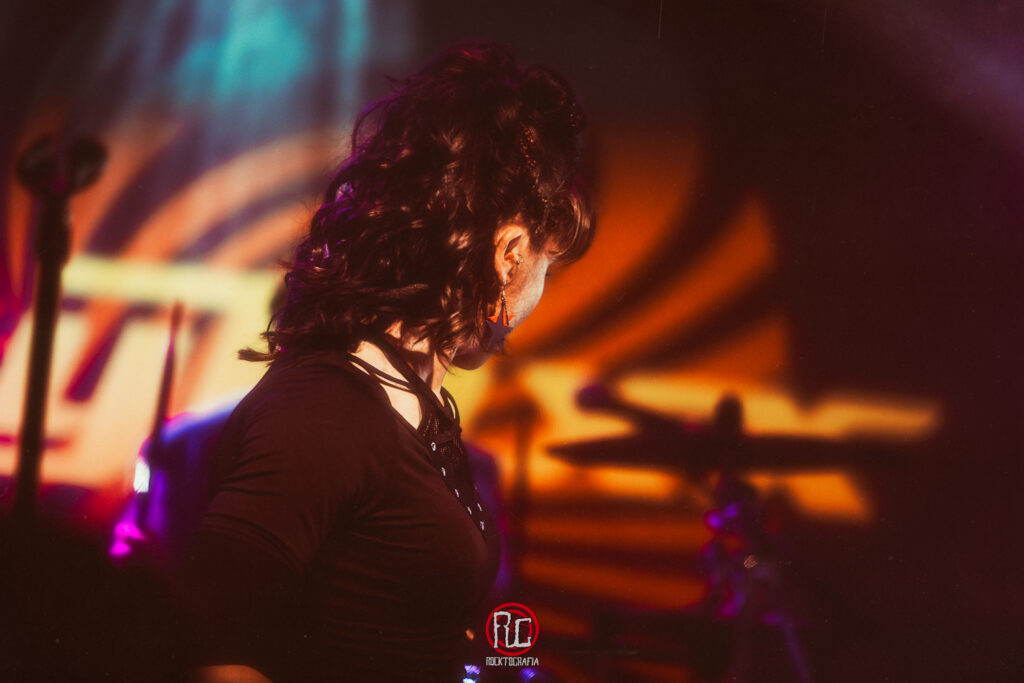
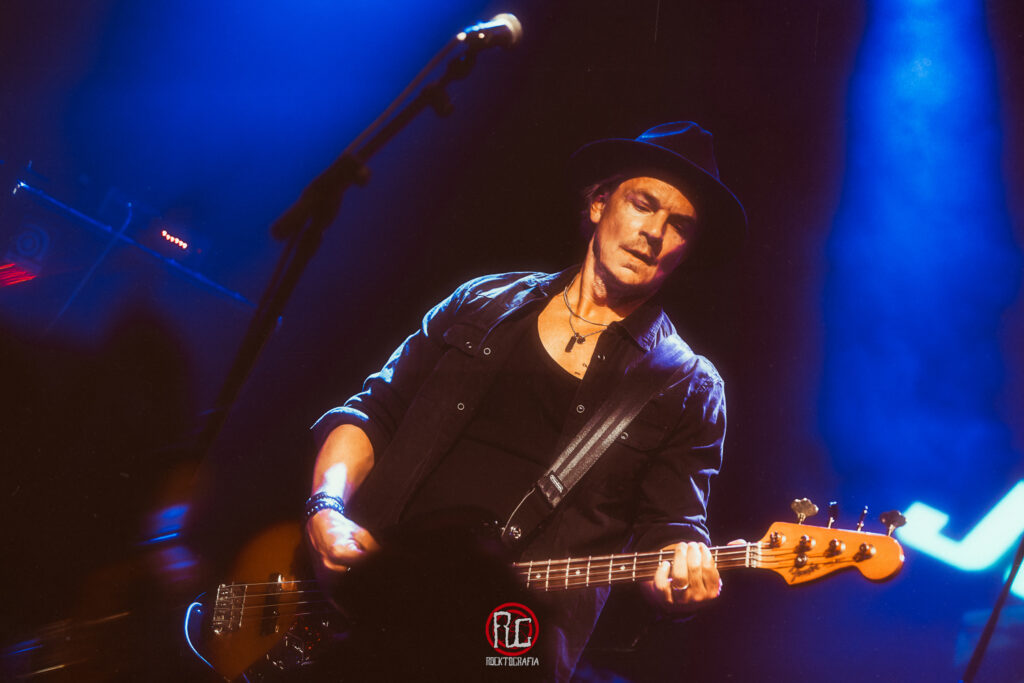
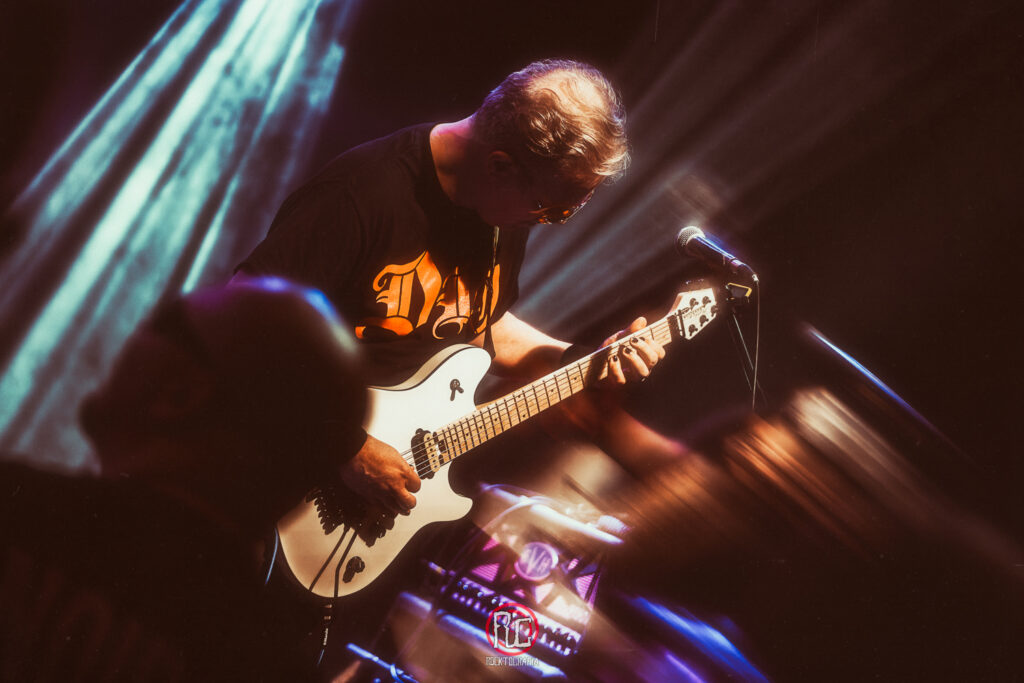
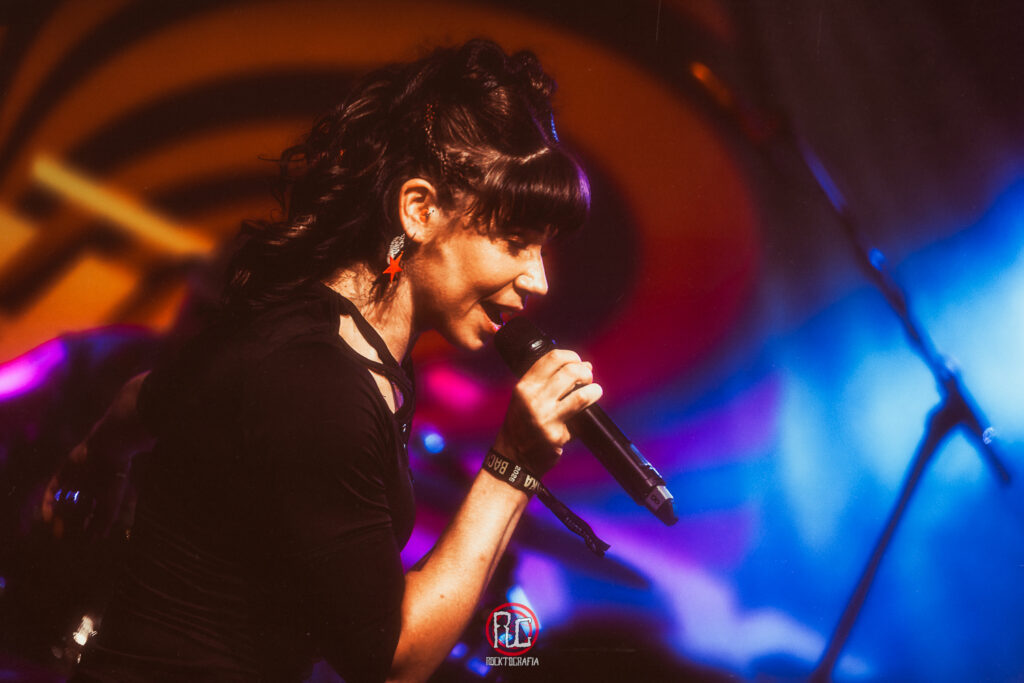
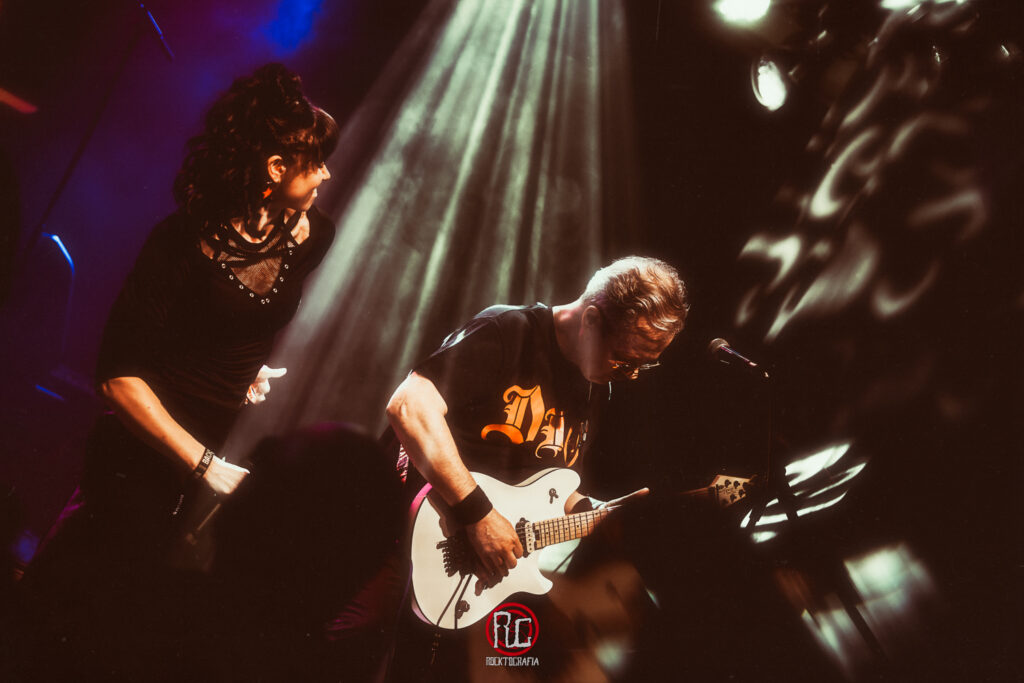
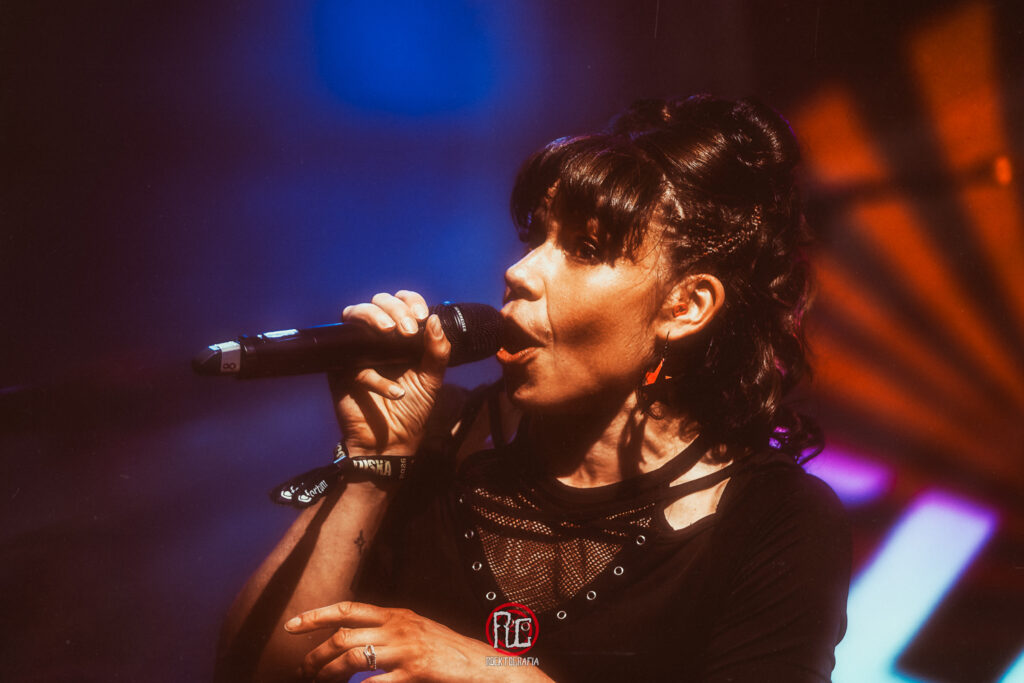
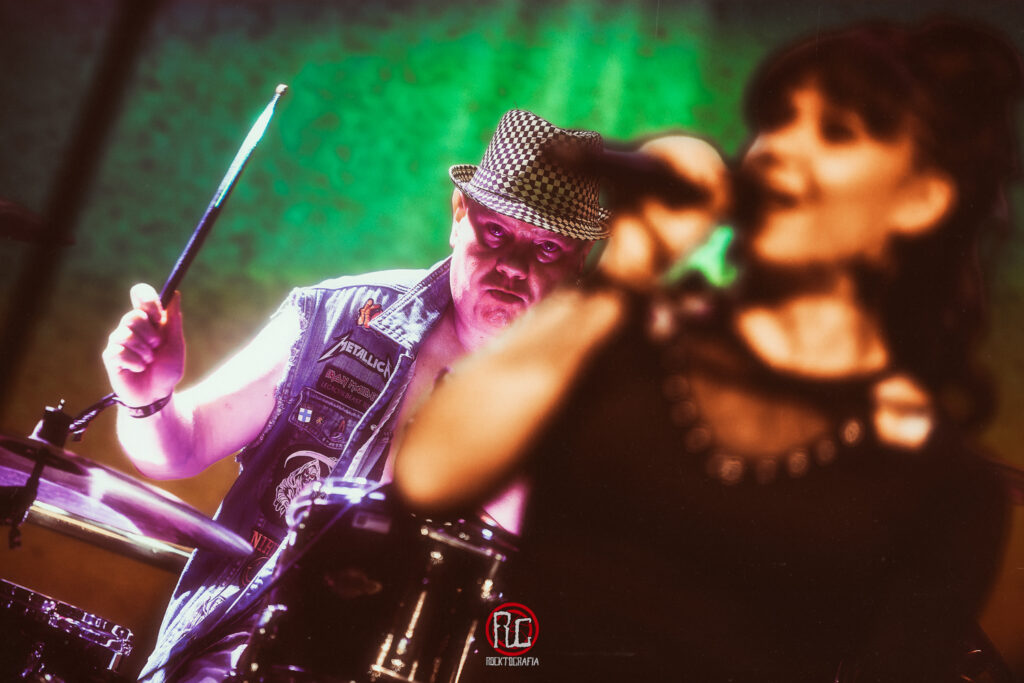
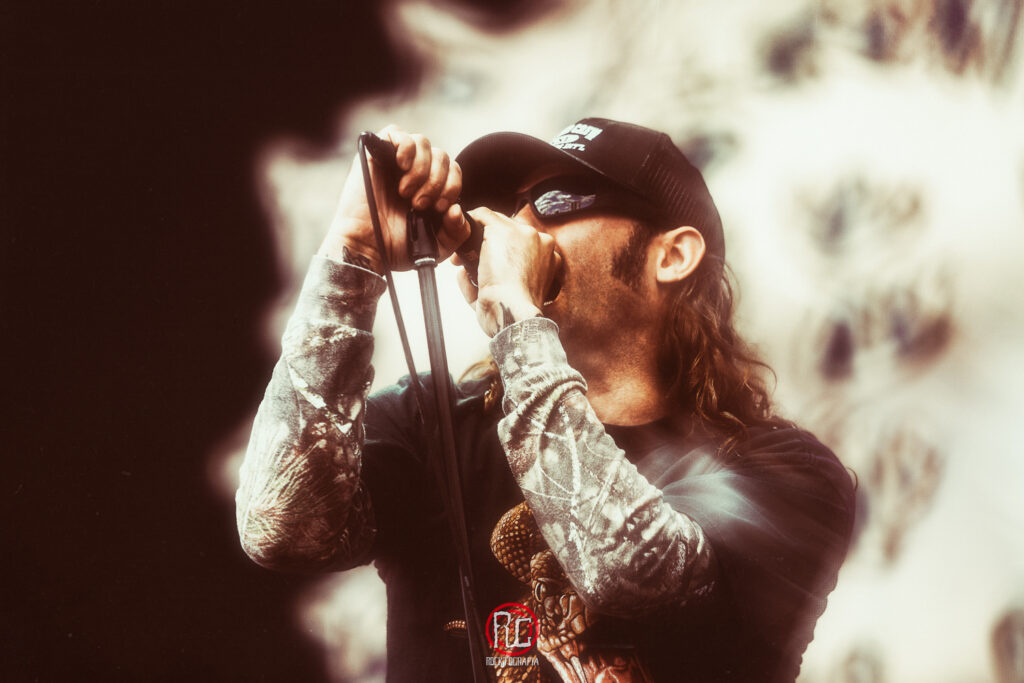
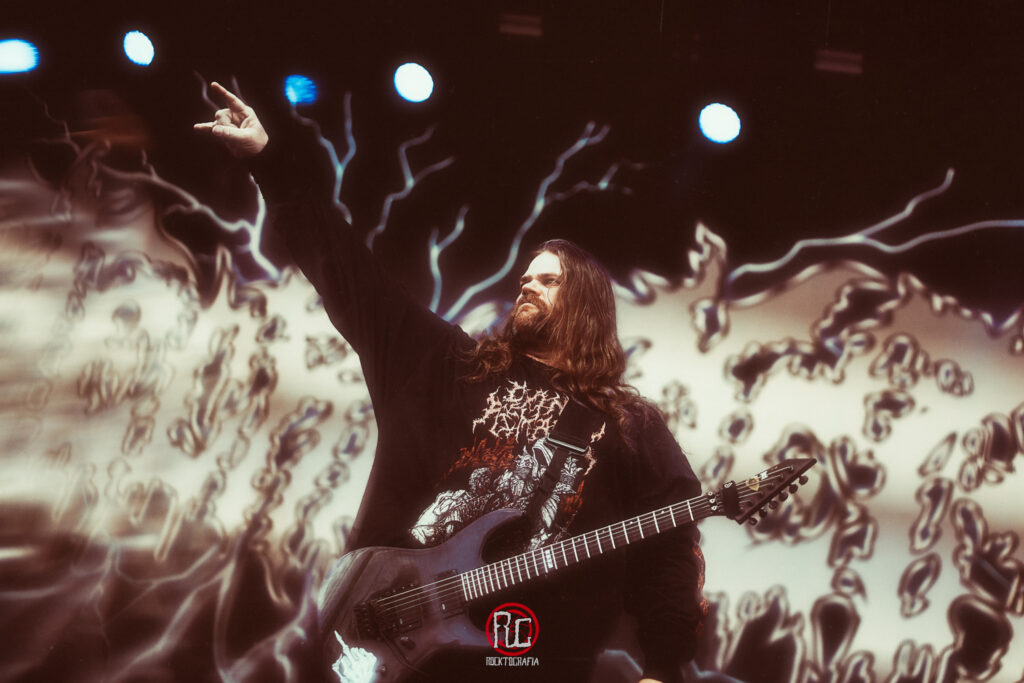
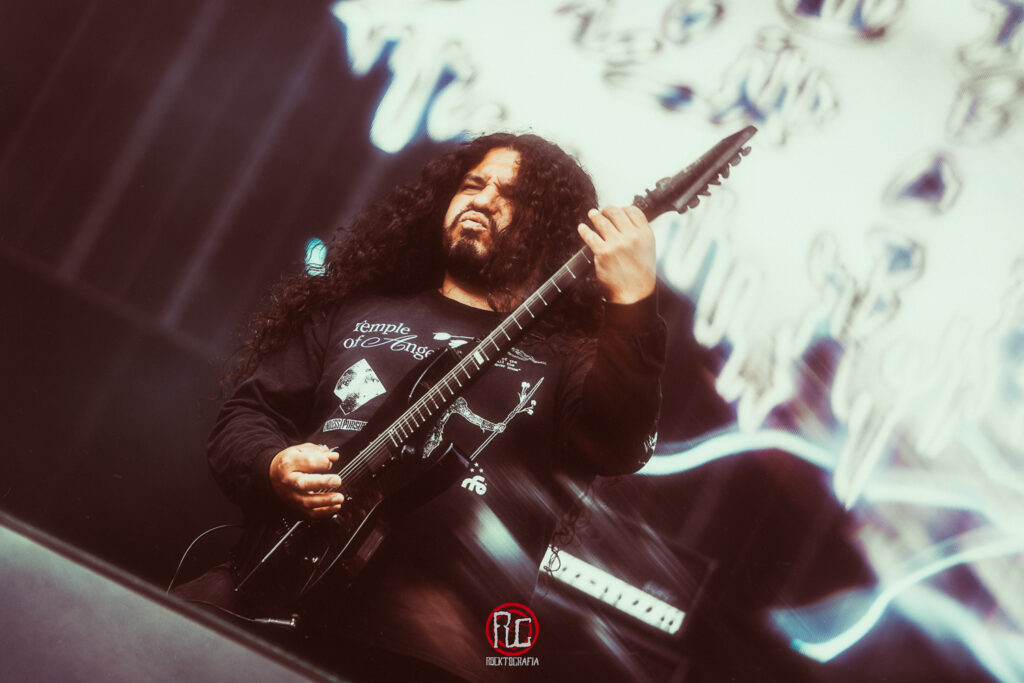
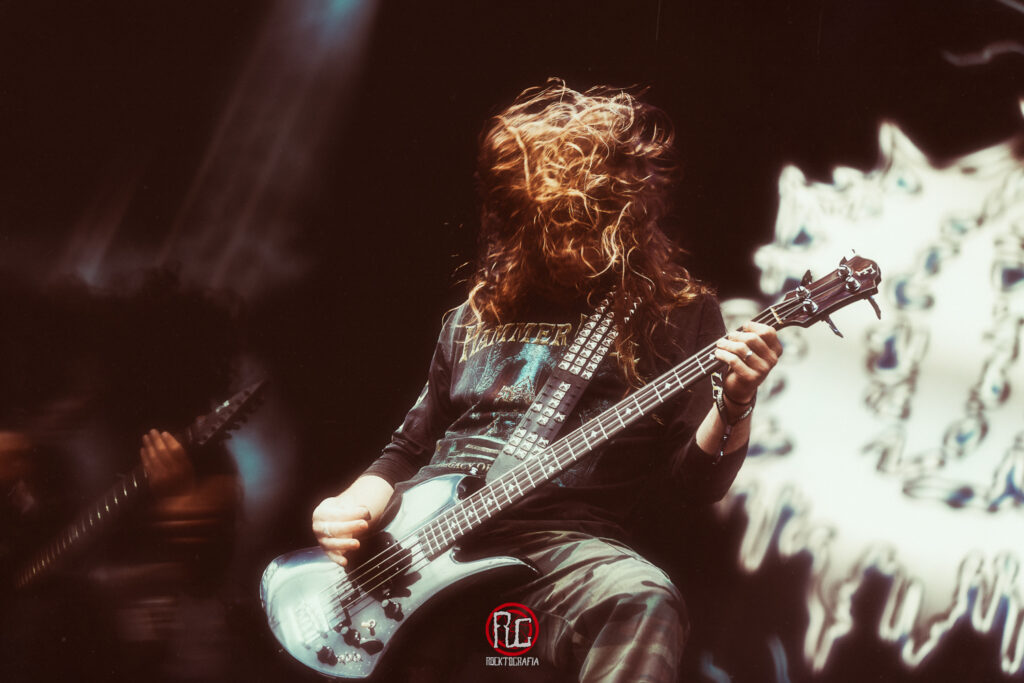
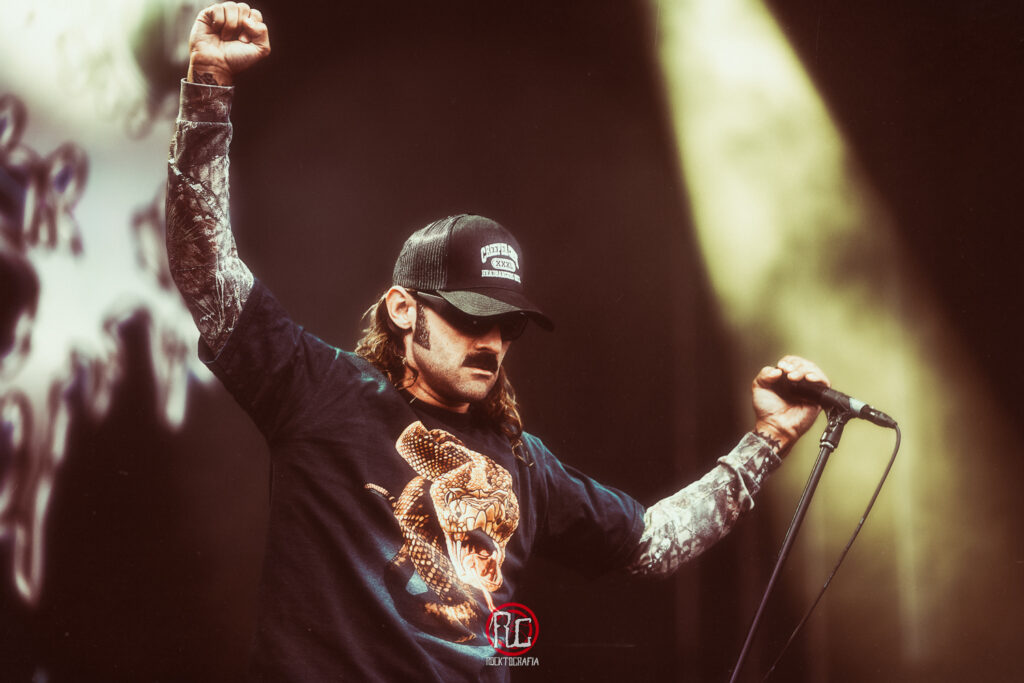
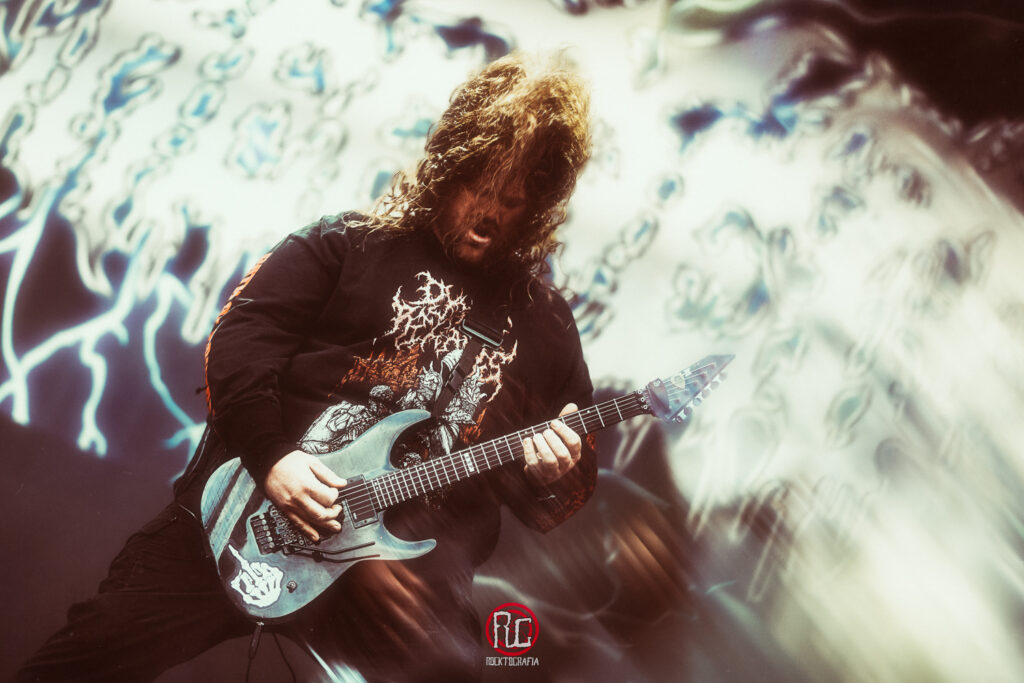
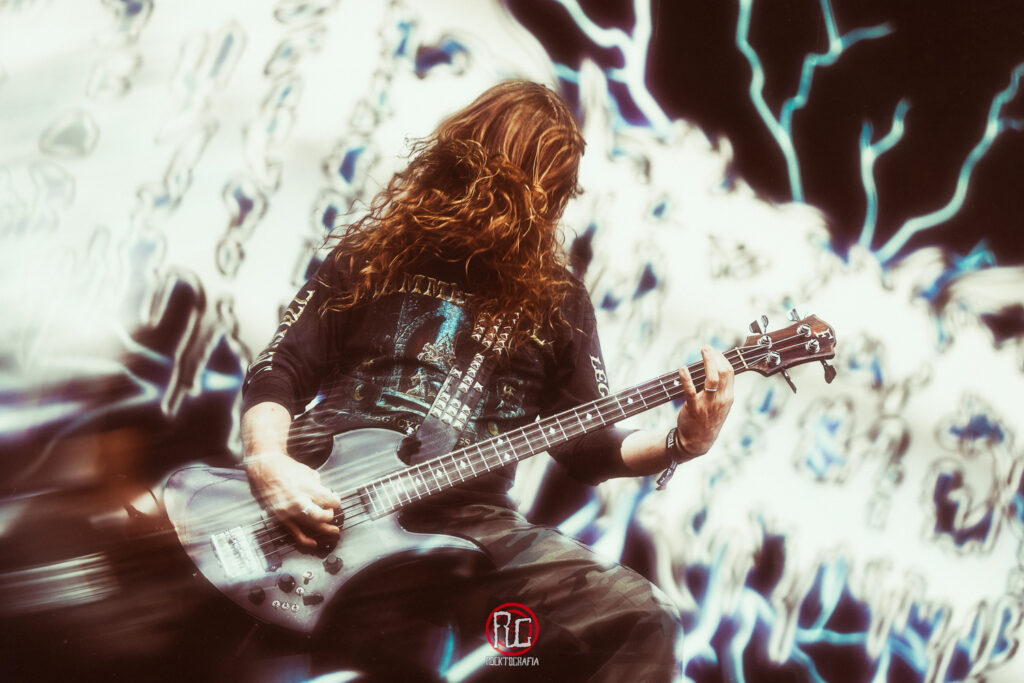
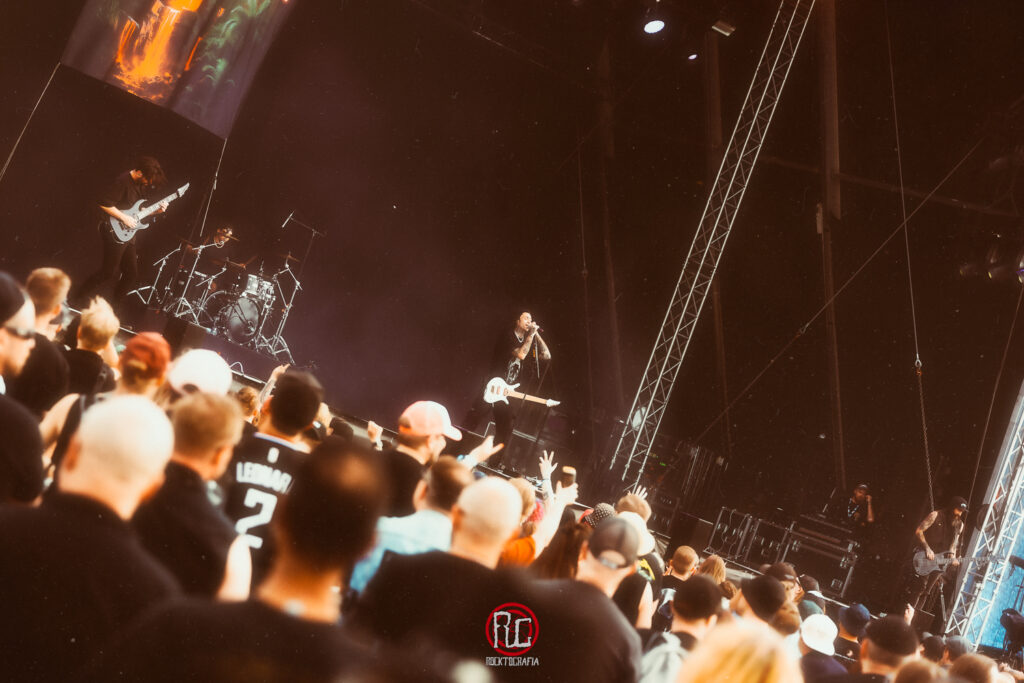
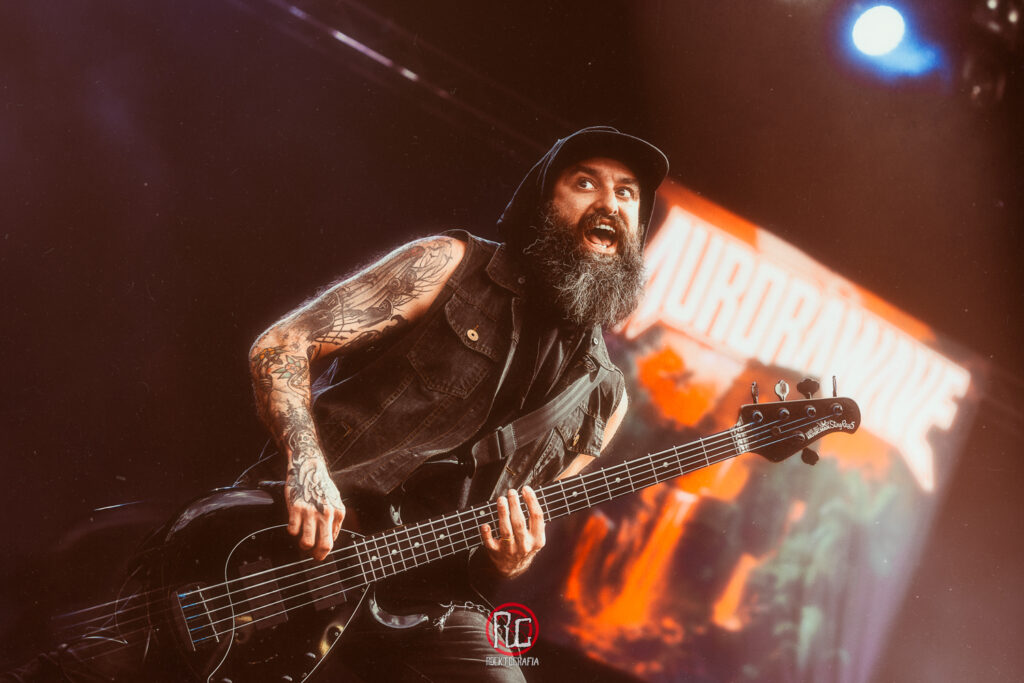
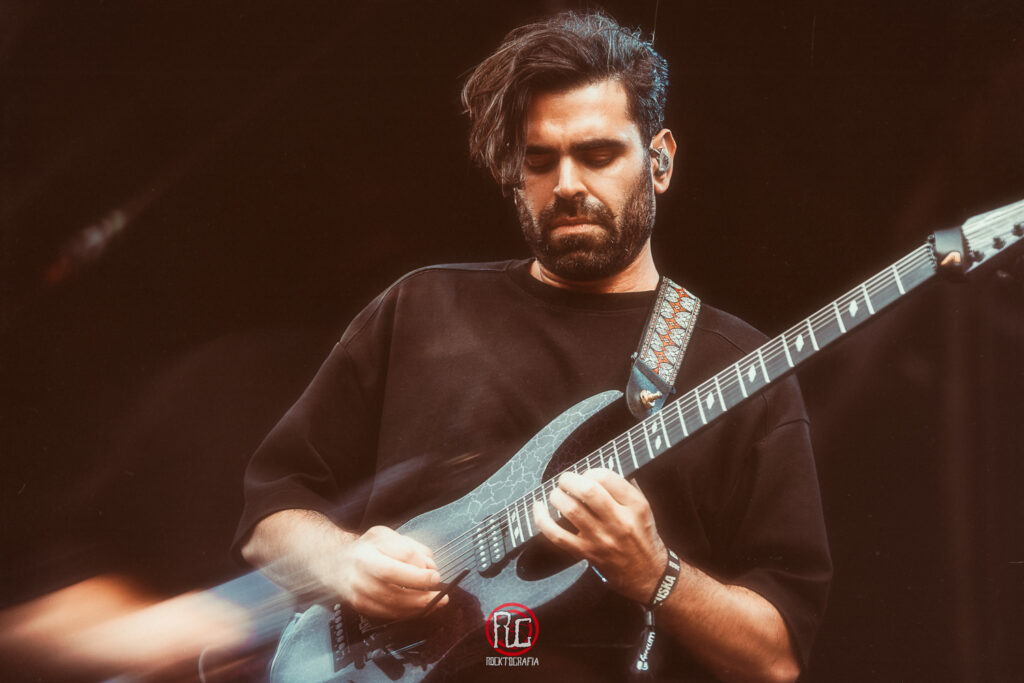
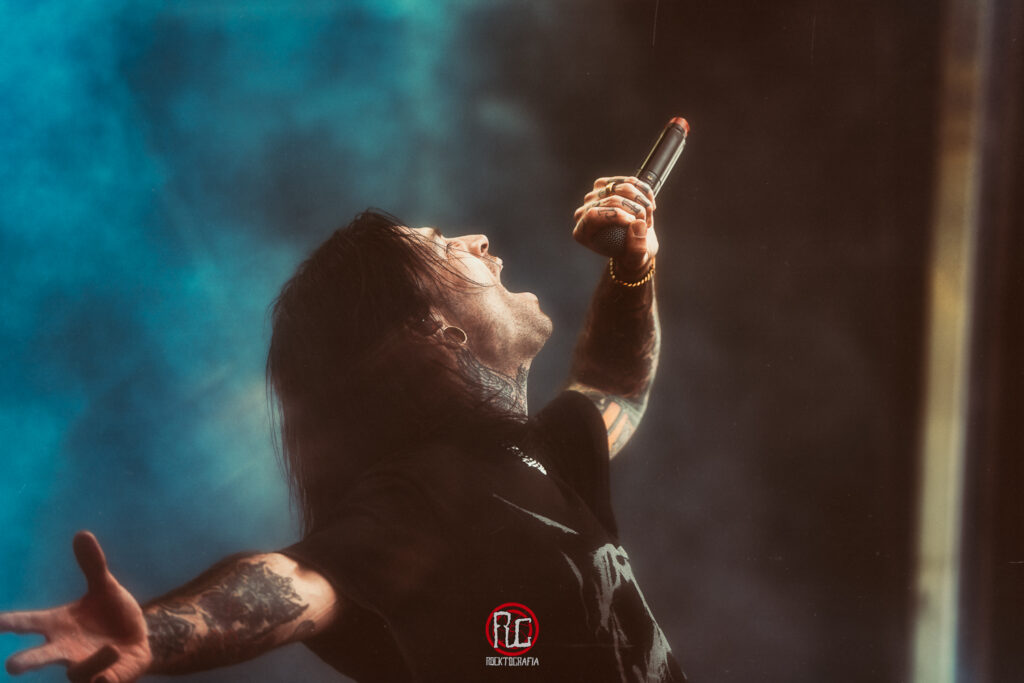
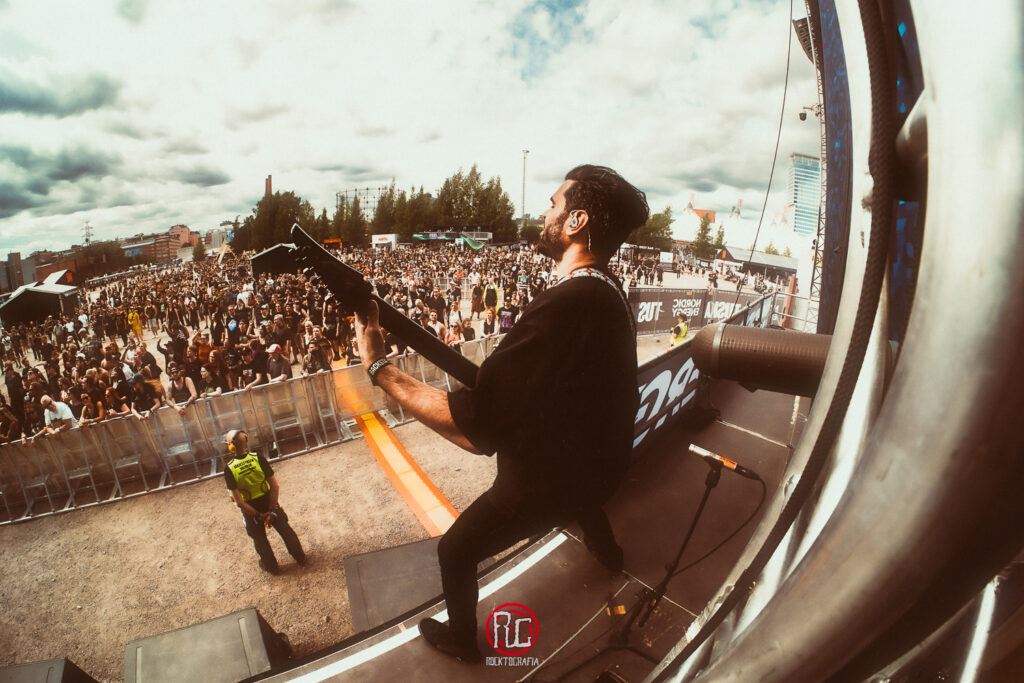
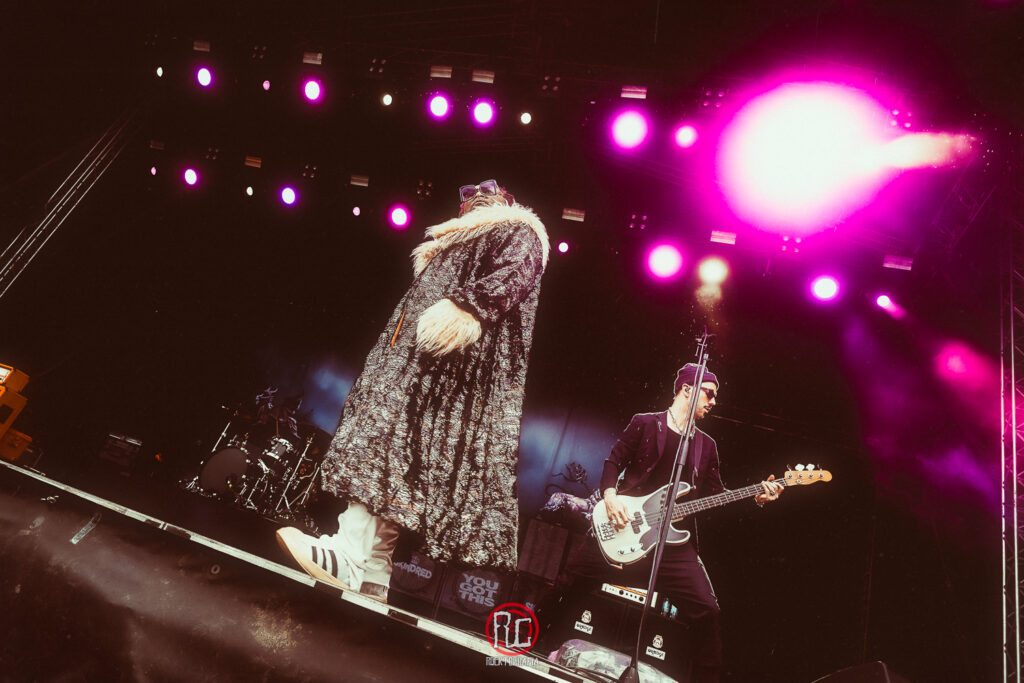
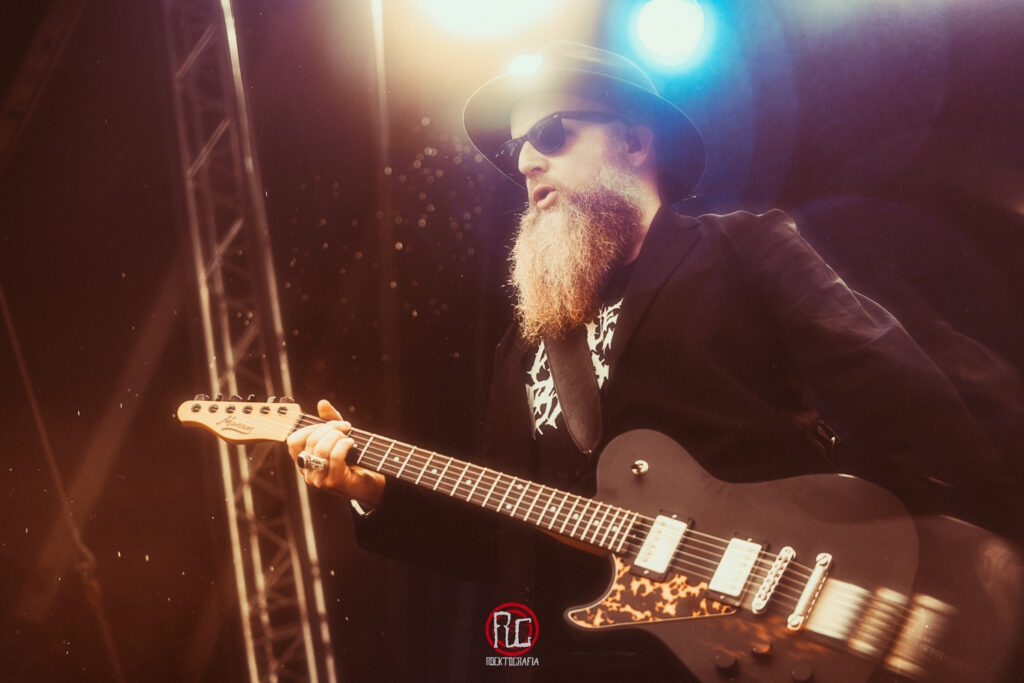
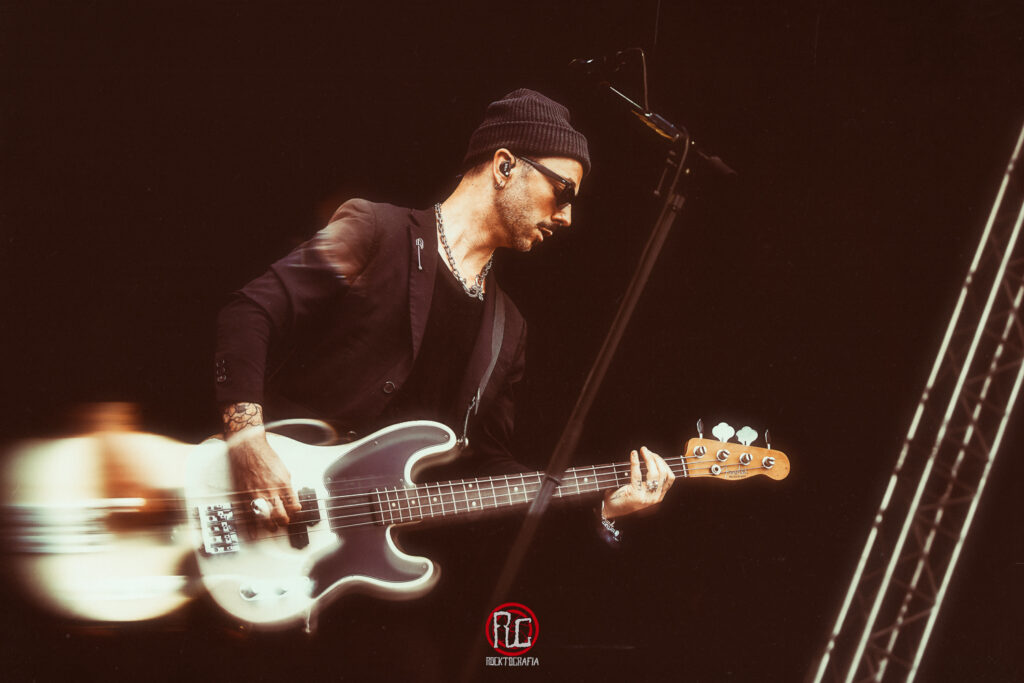
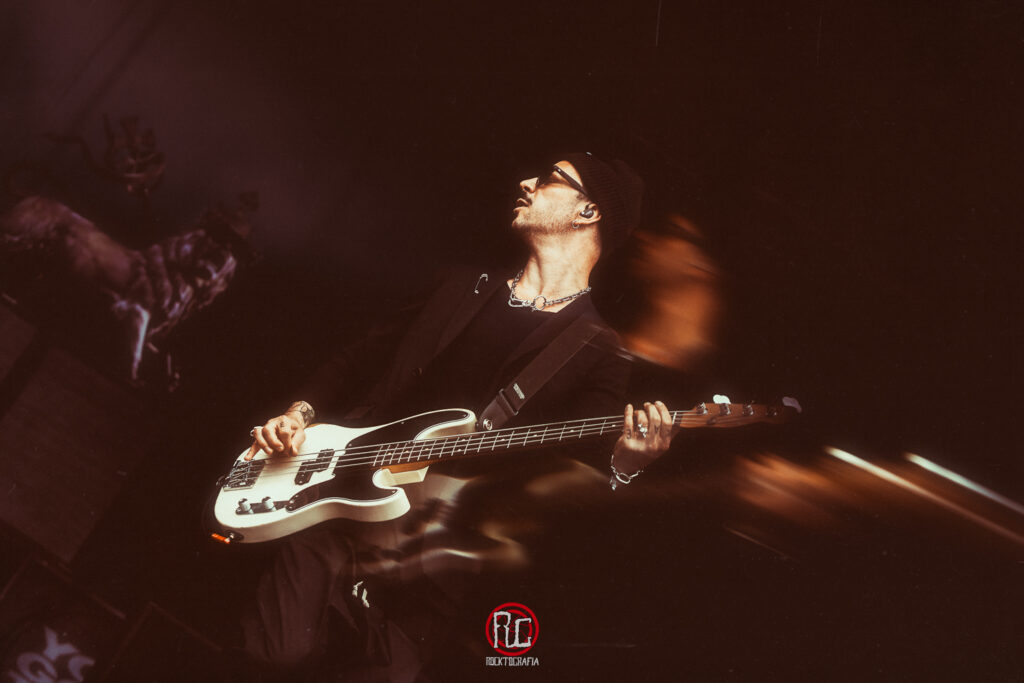
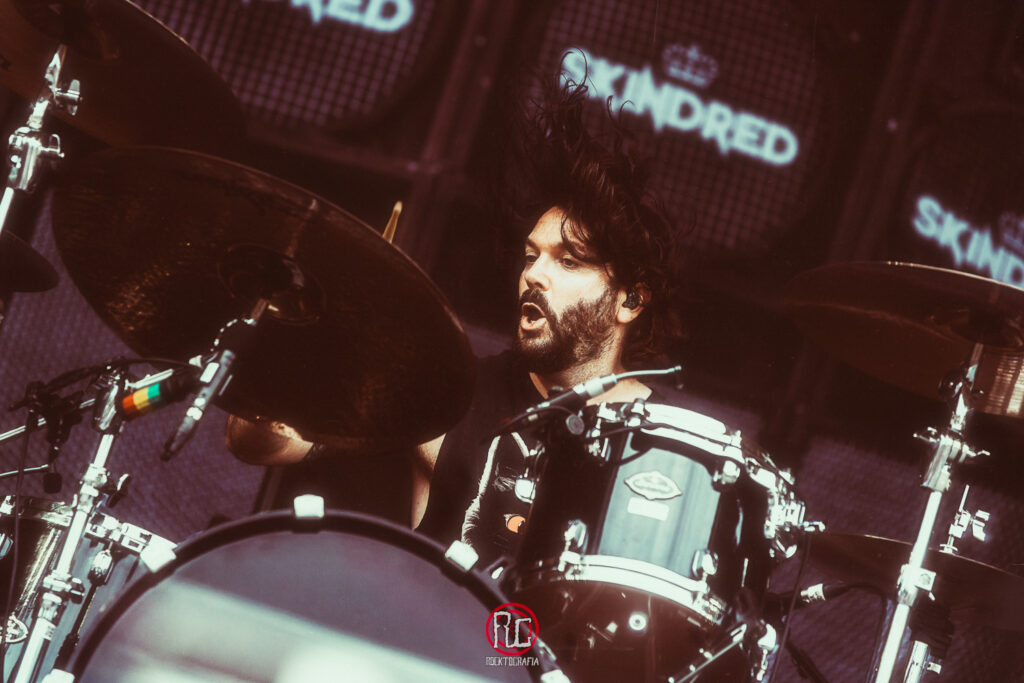
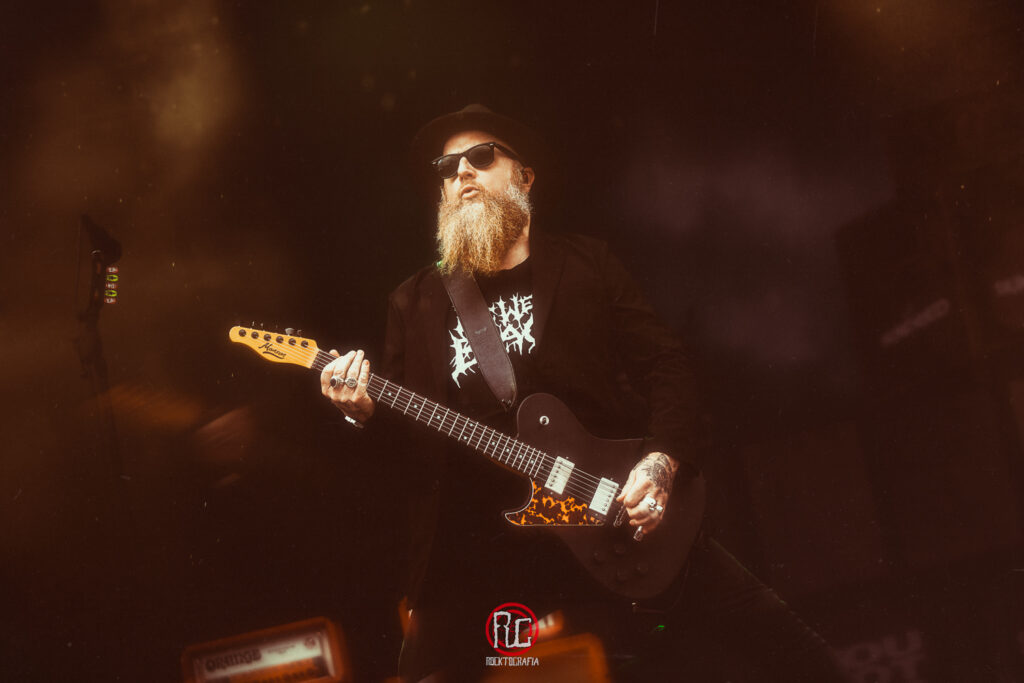
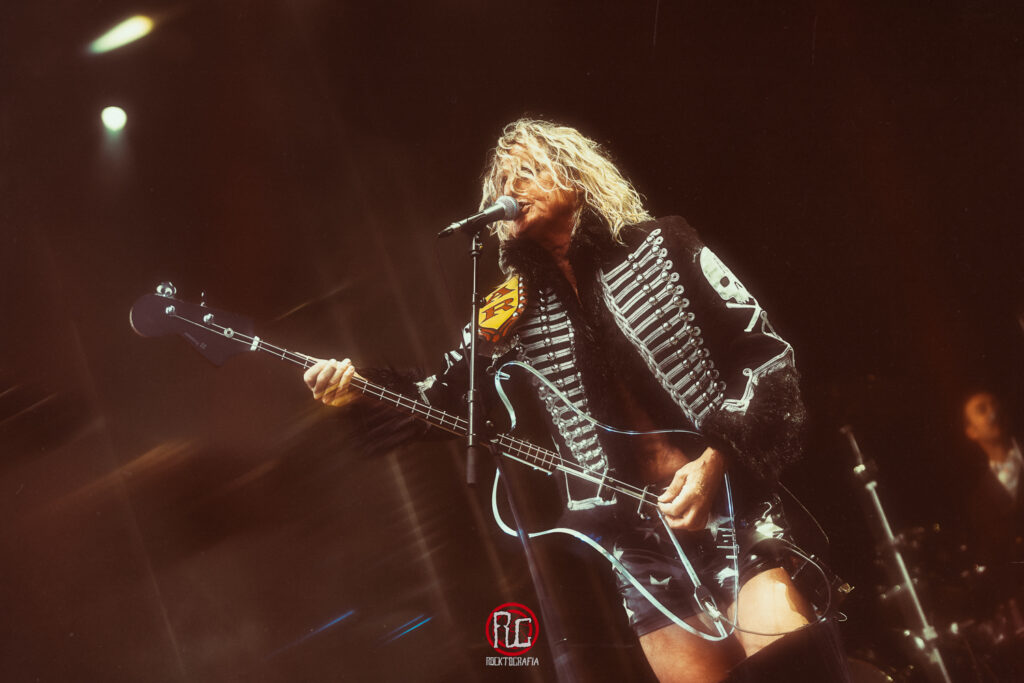
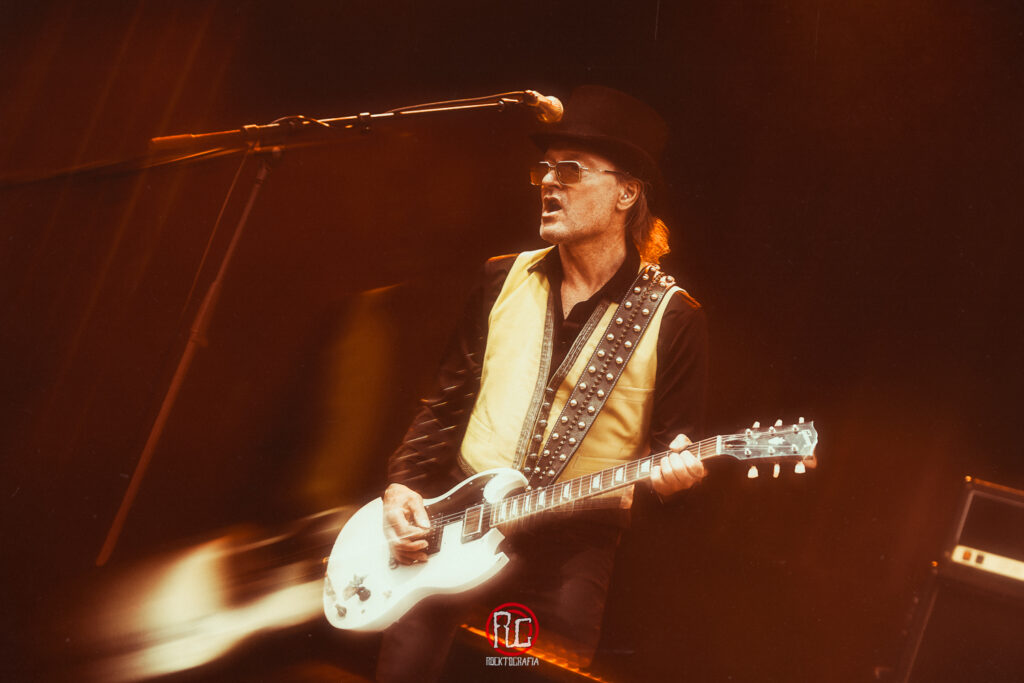
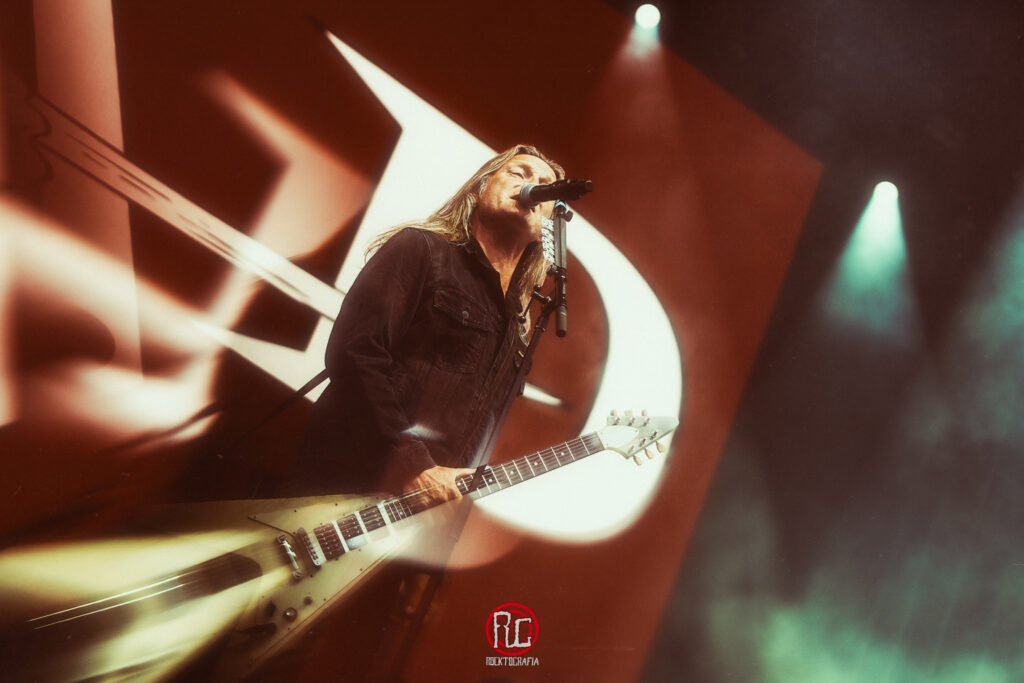
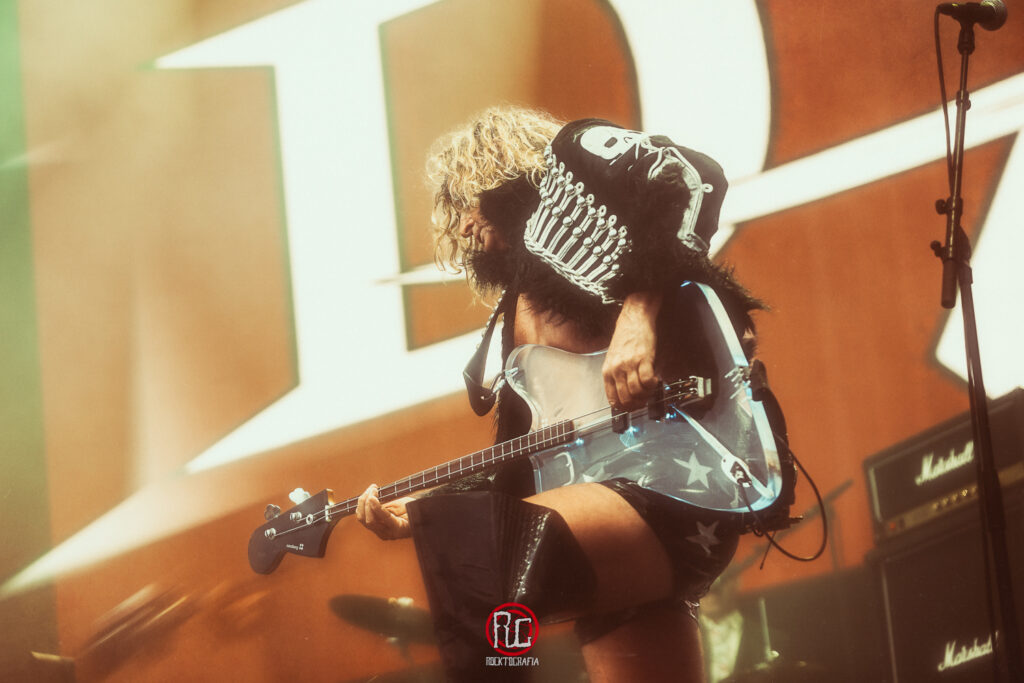
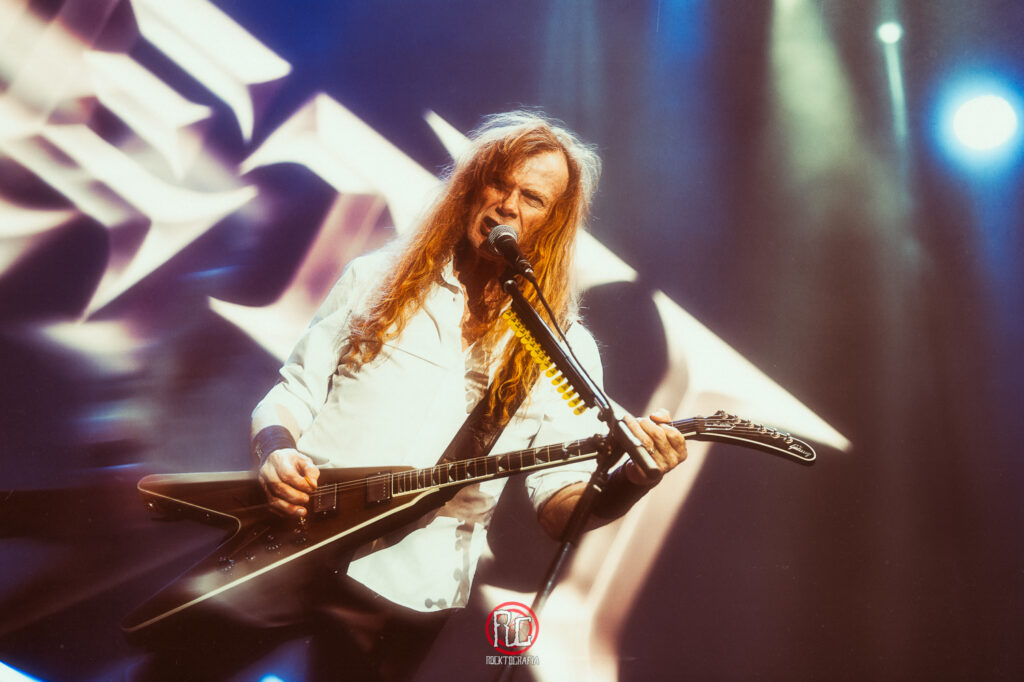
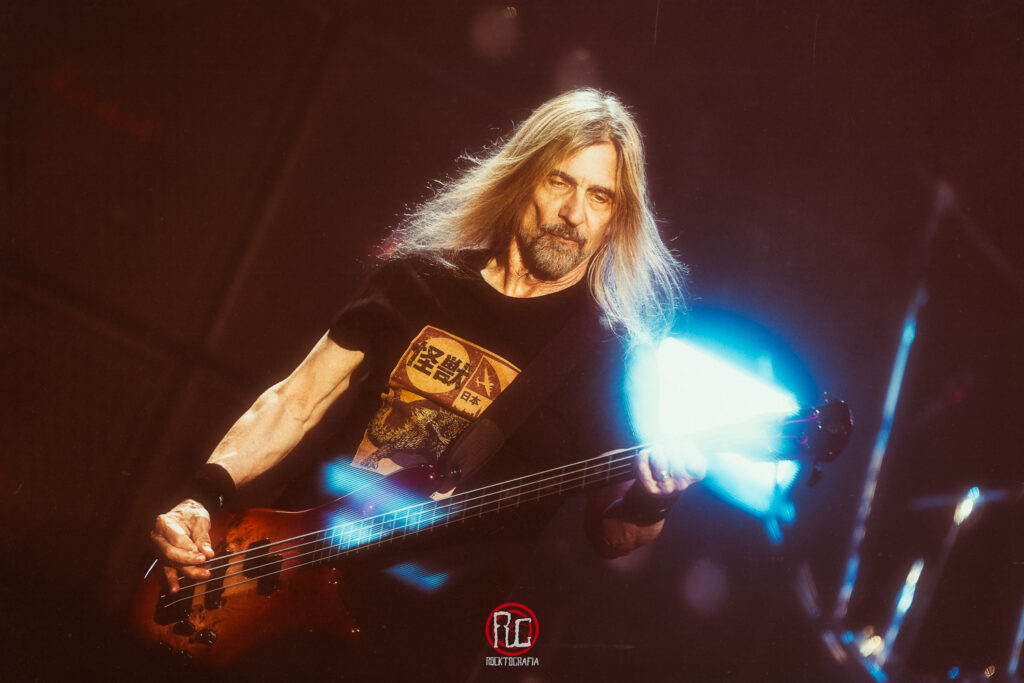
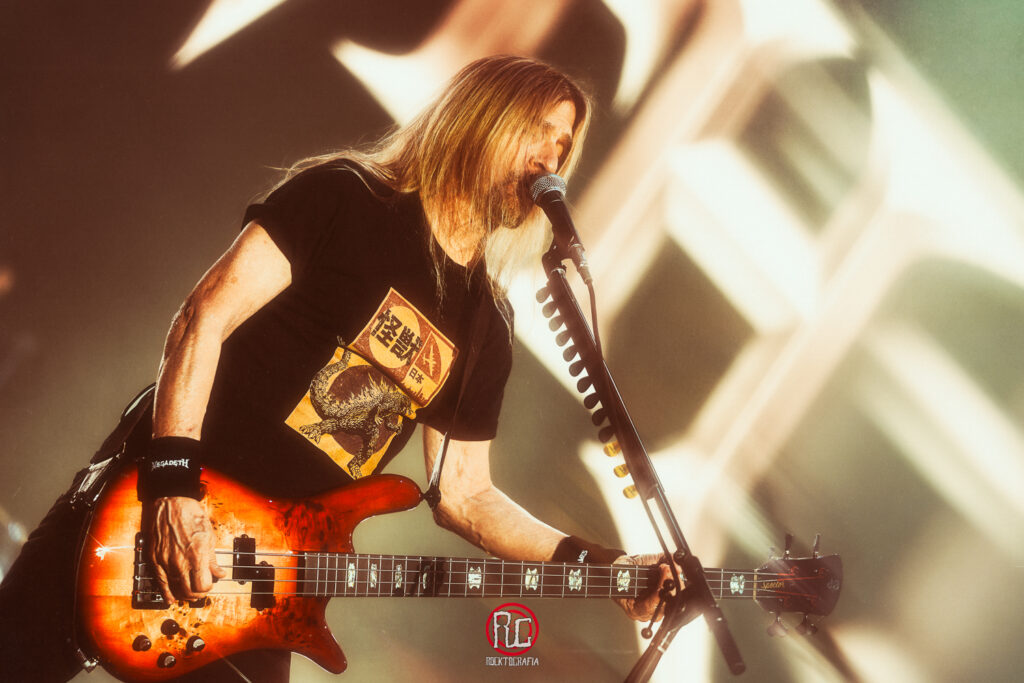
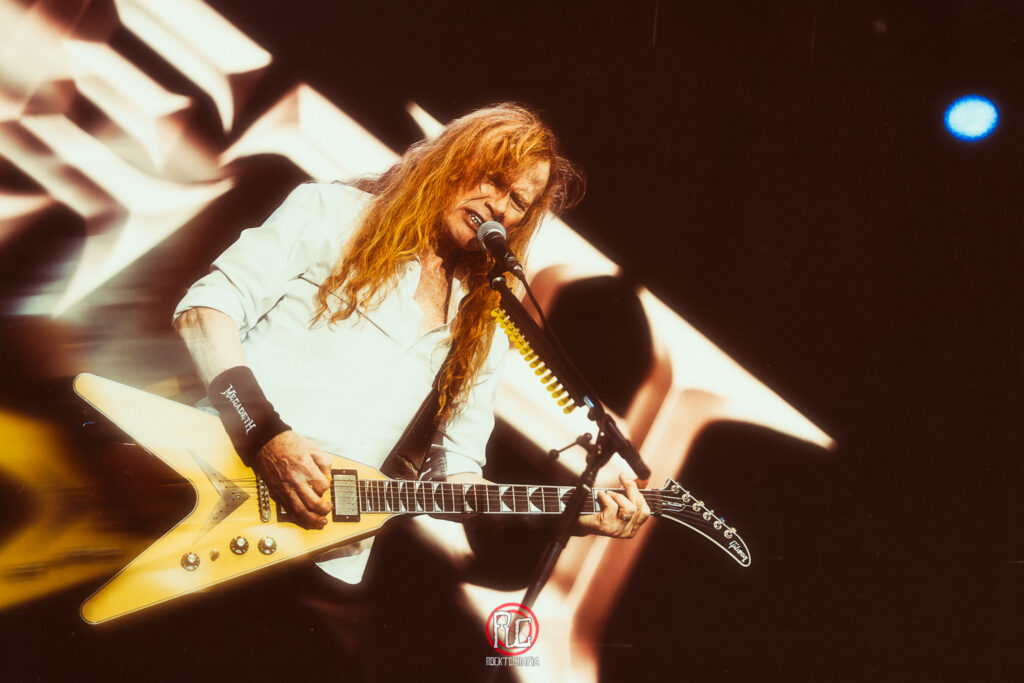
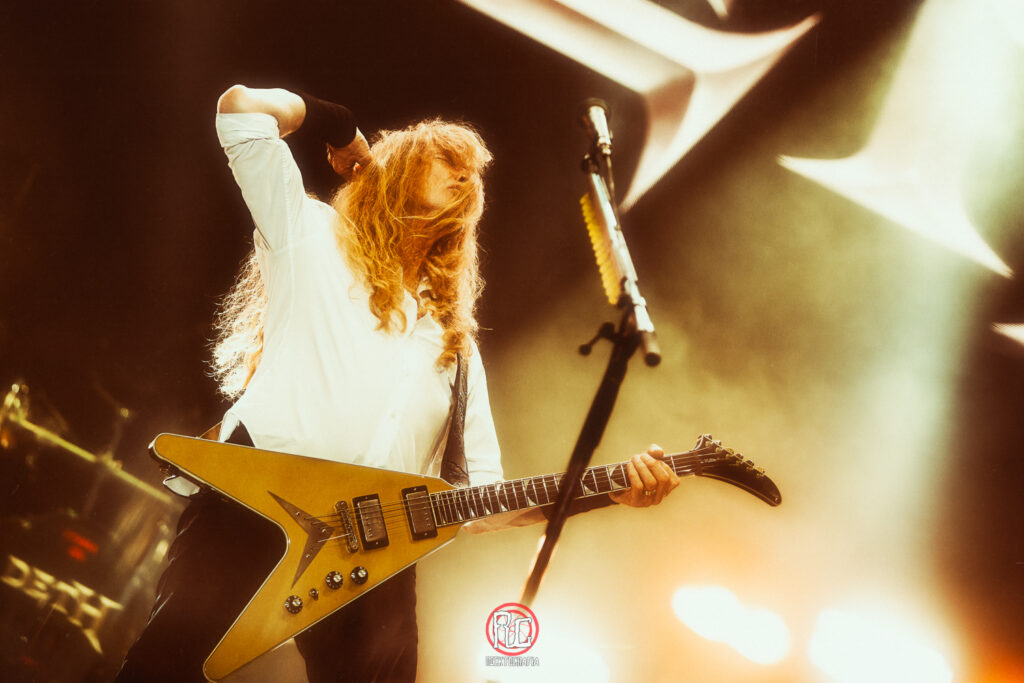
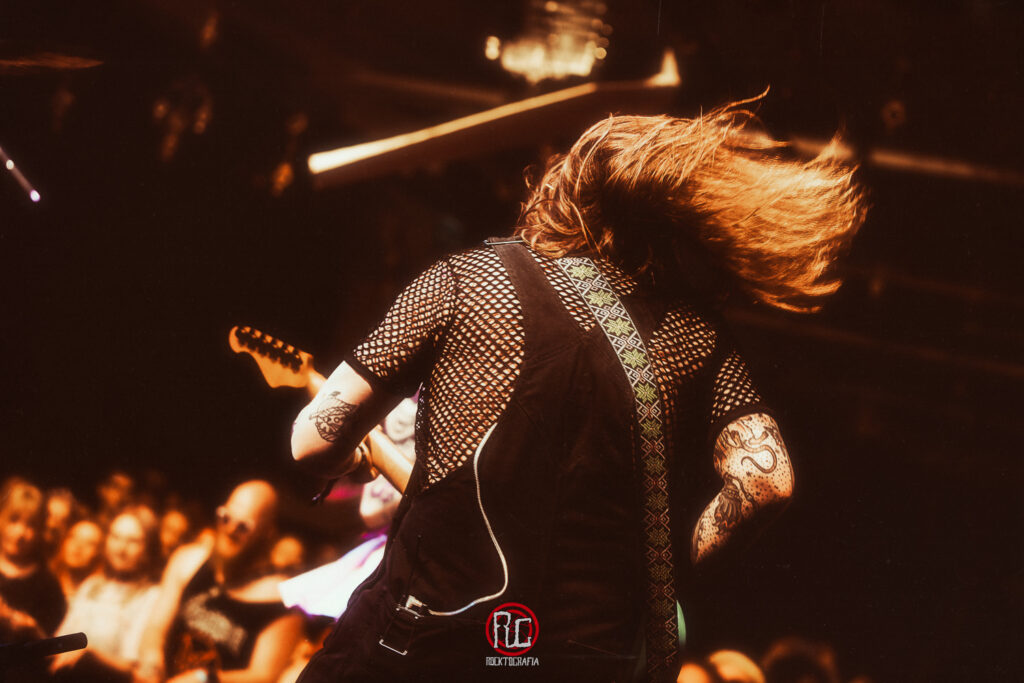
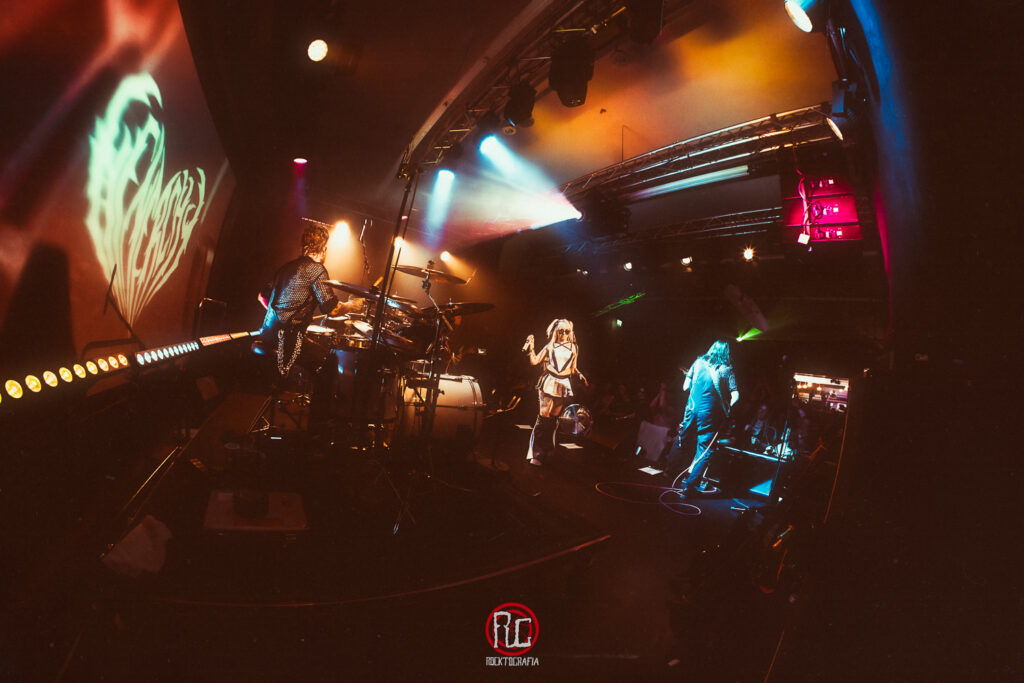
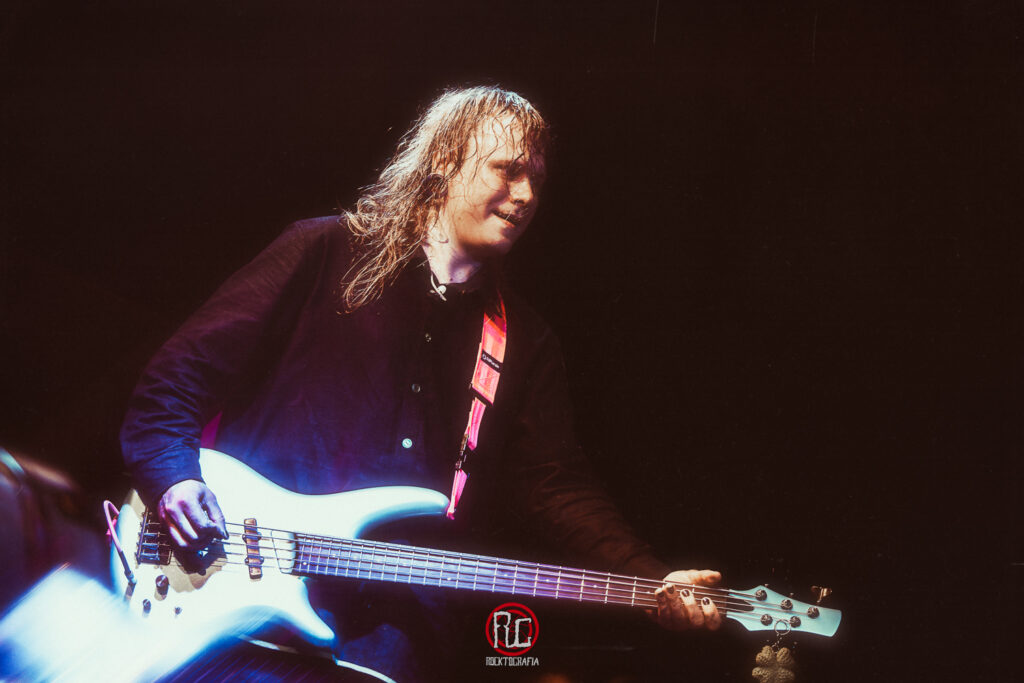
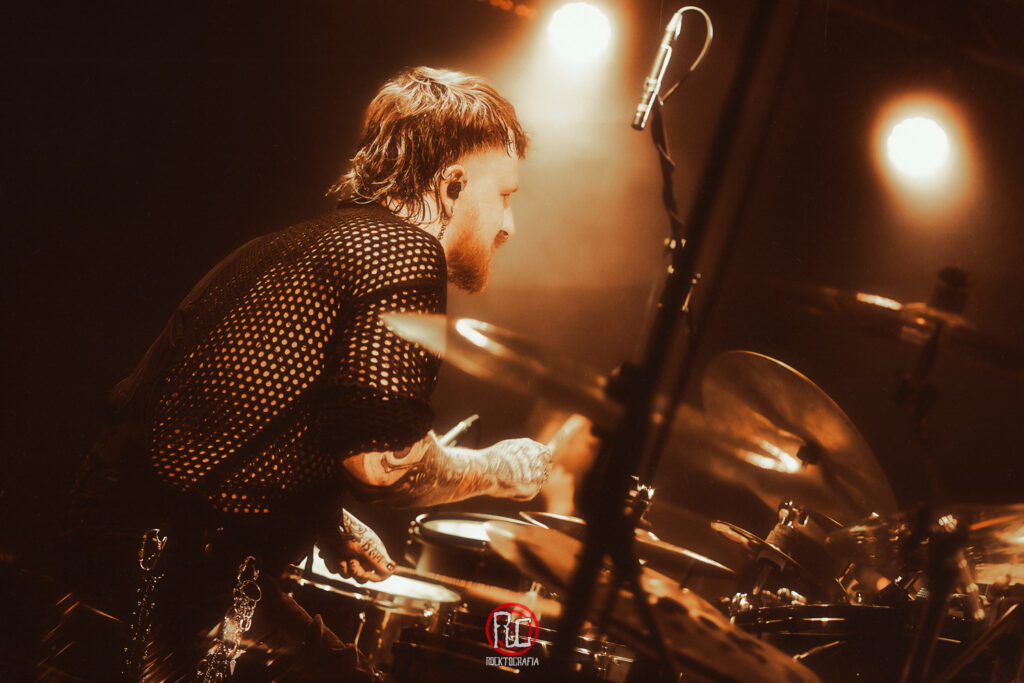
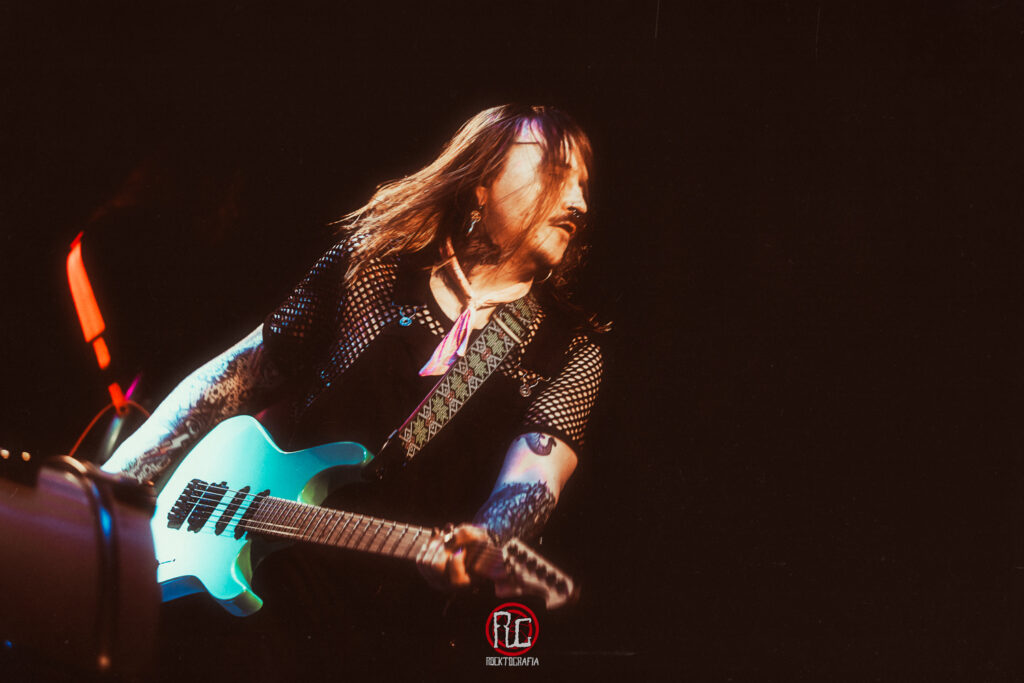
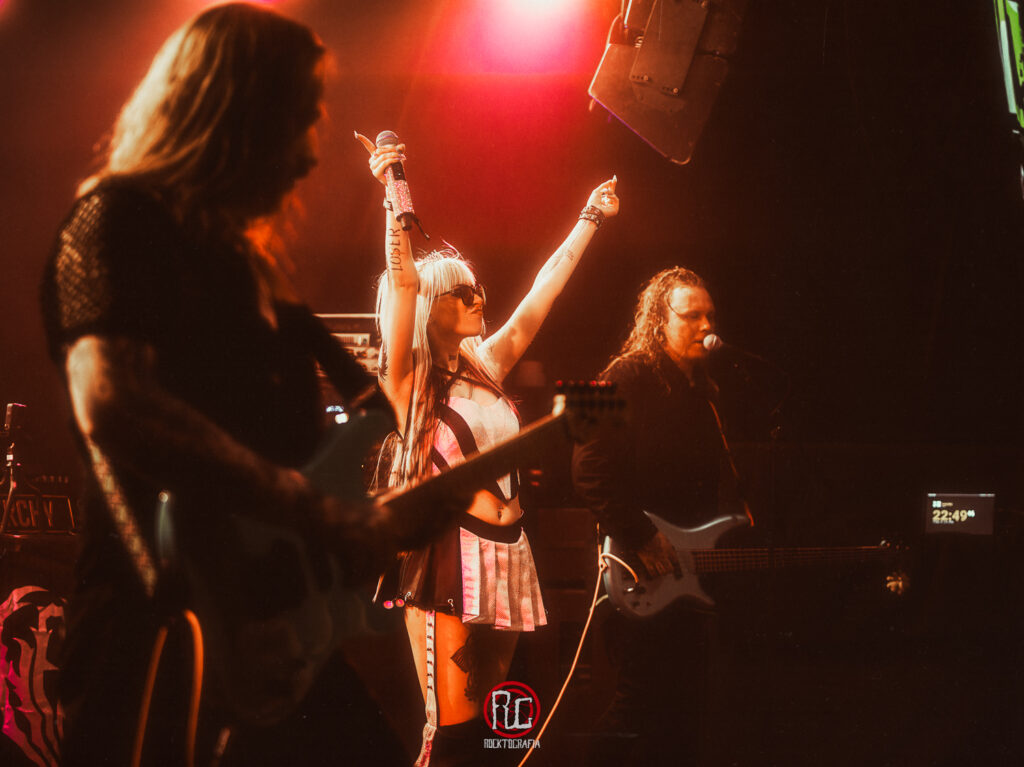
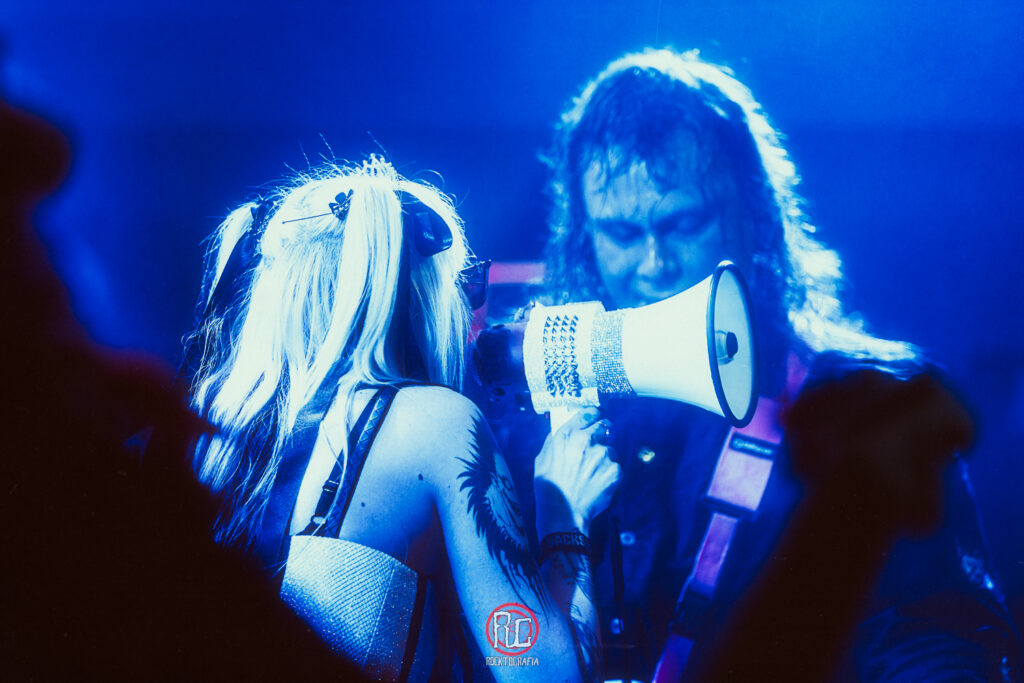
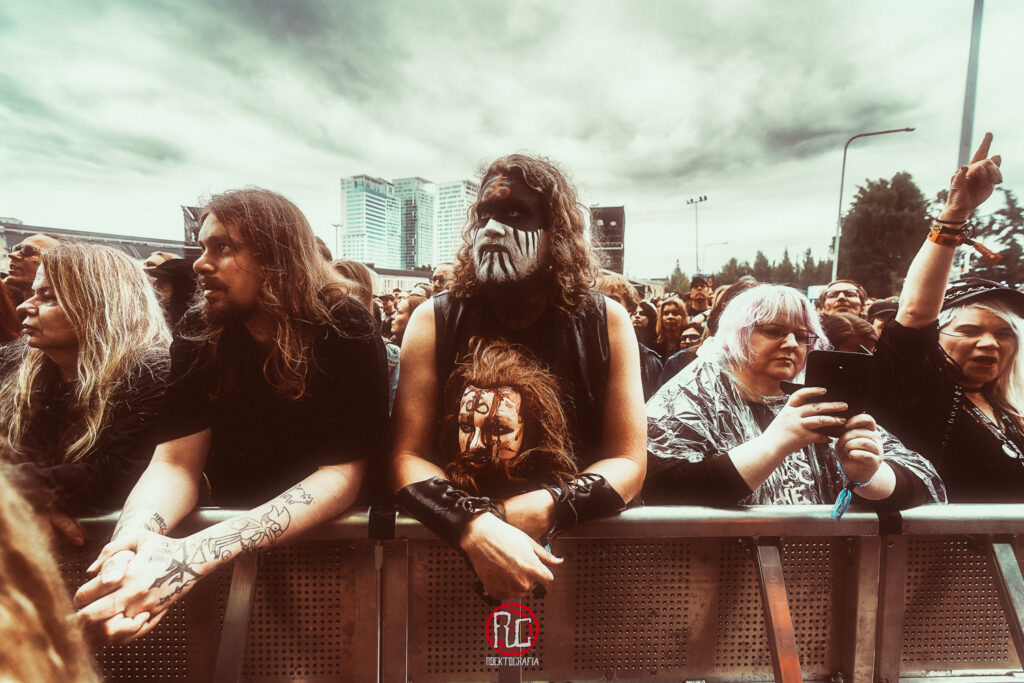
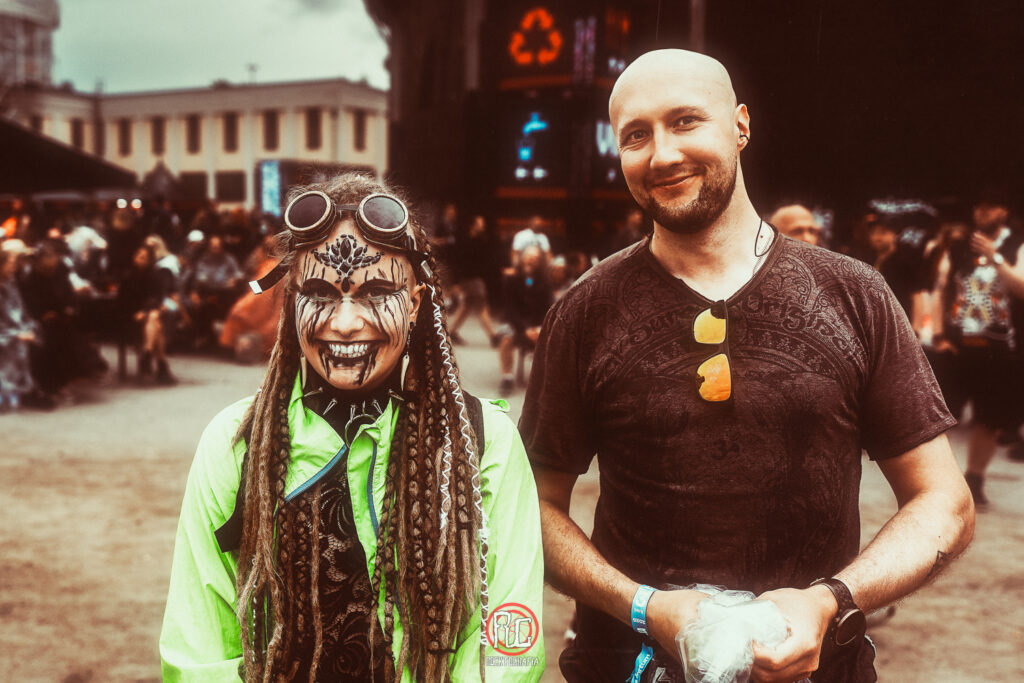
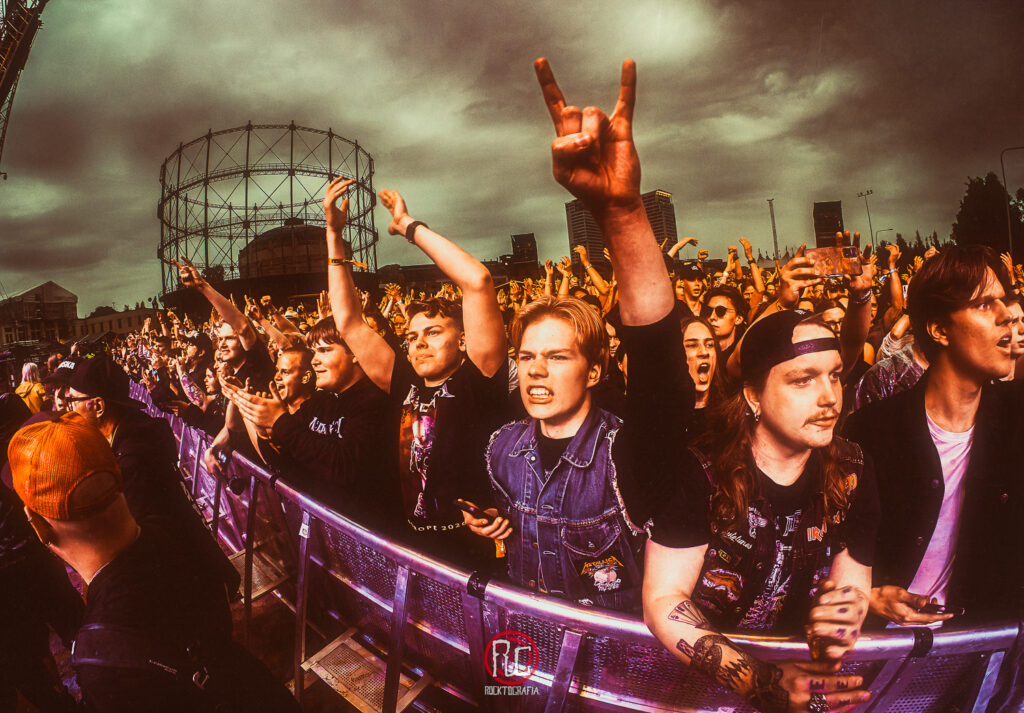
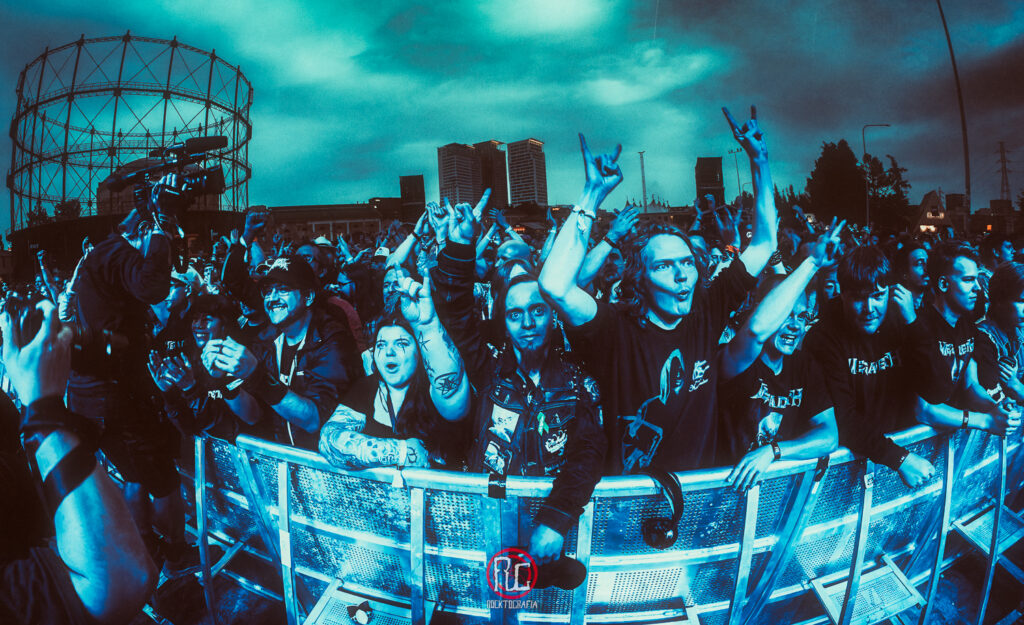
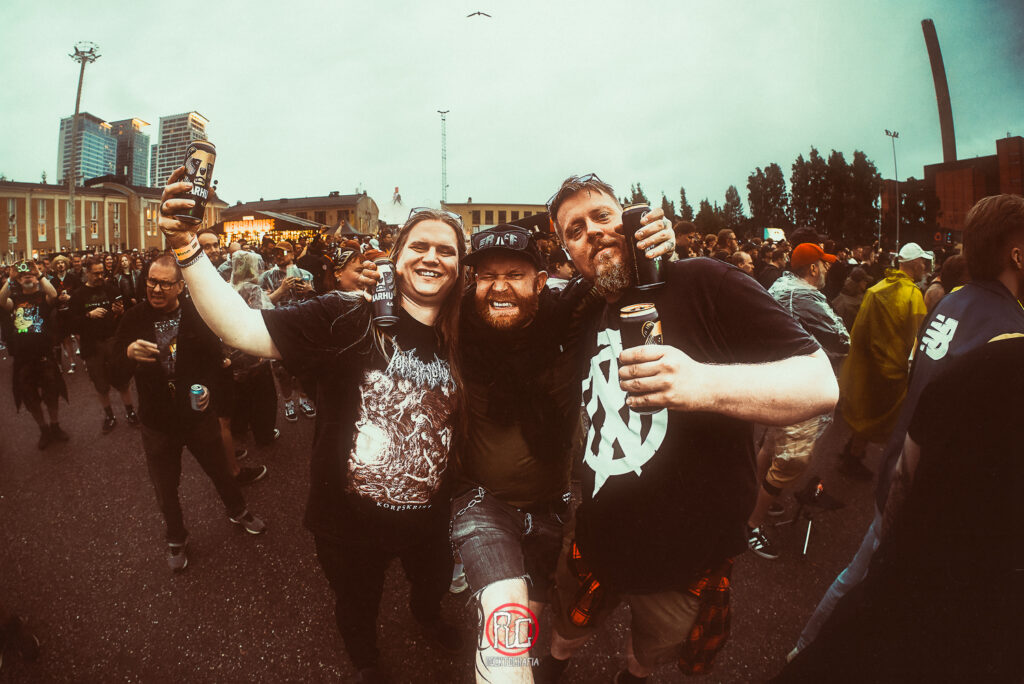
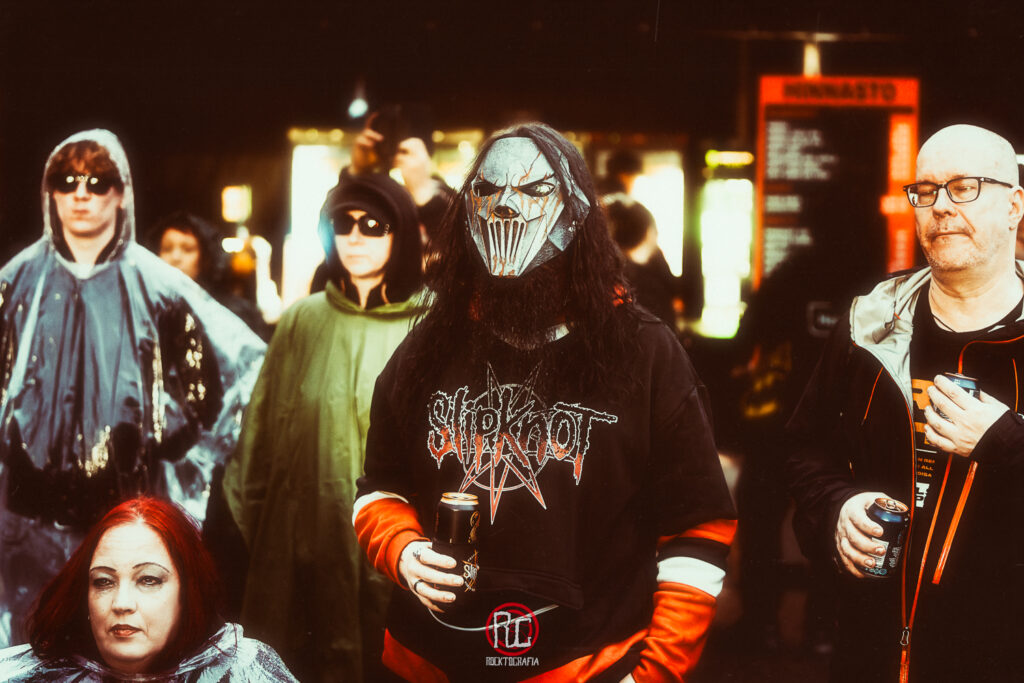
Tuska Festival 2026 kicked off in style as thousands of metal fans gathered at Helsinki’s Suvilahti for the first day of one of Finland’s biggest heavy music events. Friday’s lineup delivered everything from old-school legends to modern metal while keeping the festival grounds buzzing. Tuska Festival once again proved why it remains a highlight of the European festival calendar, combining world-class performances with its unmistakable atmosphere. The opening day featured memorable sets started with Finnish hard rockers Jelly Dixx and ended with up and coming drum ‘n’ bass artist Nenerchy. Check out our favorite moments from the opening day of Tuska Festival 2026 below.
Norwegian black metal act From The Vastland has shared a new video for “Decadence” from their upcoming album Servant Of Ahriman, to be released by The Crawling Chaos Records on September 11th, 2026. Read more…
Few bands in modern metal have carved out a visual and sonic identity as distinctive as Motionless in White. Across their career, the Pennsylvania outfit have blended metalcore aggression with gothic aesthetics, industrial textures, and arena-sized hooks, creating a sound that feels somewhat theatrical as well as heavy. With ‘Decades’, the band arrive at another significant point in their evolution, carrying the weight of their past while looking toward the next chapter.
The anticipation surrounding ‘Decades’ is understandable. Motionless in White have spent years building a loyal following through relentless touring and a willingness to push their sound beyond traditional genre boundaries. This new release lands in a landscape where heavy music continues to evolve rapidly, and expectations are high for this new record.
The albums title track kicks things off and Chris Motionless screams “I’m still fucking here, Is that all you’ve got?” in a statement that puts all the haters back in their box. ‘Log_in//Crash_out’ adds industrial elements and a few samples to hammer home it’s message, whilst things get turned on their head with a meld of harsh/melo vocals that work so well.
The album features those face-melting tunes you’ve become accustomed too, including ‘Playing God’ which not only has a hint of Slipknot in its riffs but also features the legend Corey Taylor on vocals. Whilst ‘Blood Pact’ takes the listener on a journey from peaks of ferociousness to valleys of melody.
On the flip side, the band open themselves up with softer elements, tracks like ‘R.I.P’ (featuring Skylar Grey) and ‘Blood Rave’ (featuring Anthiny Martinez), whilst still having a lethal edge festering beneath the surface, are keen to draw the listener into their bosom and serenade them with melody, harmonies and an almost feel good factor.
Then out of nowhere come tracks like ‘Love At First Bite’ which is haunting and atmospheric yet featuring a throw back feel that takes you back to the 1980’s (for those of us who remember that far back).
All round, ‘Decades’ sees the band stepping up their game, delivering the next chapter in a storied career that promises to go so much further. Whether it ultimately reinforces their legacy or opens a new direction, ‘Decades’ enters the conversation as an album with plenty to prove.
Eva Under Fire‘s music is — quite literally — hard rock therapy. As a licensed therapist and powerhouse vocalist/songwriter, Amanda Lyberg blends emotional insight with powerful songwriting and undeniable hooks, delivering lyrics and performances that connect deeply and hit listeners right in the feels. The Detroit quintet is thrilled to unleash its new album ‘Villanious‘ […]
Hungarian stoners Wall Of Sleep just announced a new EP called Monolith. While the exact date will be revealed soon, you can check out the cover artwork, created by Agnes Köhler, who also designed the artwork for last year’s The Kingdom album. Furthermore, the first taste of the upcoming release, “Nothing Remains,” is also available. Read more…
Lots of pop stars experimented with dance music in the ’80s, but the worlds of jungle and R&B stayed pretty separate, at least outside of the imaginations of Missy Elliott, Timbaland, and various UK garage producers. We never got Faith Evans singing over a Roni Size track. I bet that would’ve been great. Today, however, we get to hear what the extremely cool drum ‘n’ bass revivalist Nia Archives can do when she links up with glamorous UK R&B star Jorja Smith.
Saidan’s Fangdriller: Scars Beneath Memory’s Wrist wasn’t an album I’d initially planned to review, but when my Dear Friend said he wasn’t able to make the time, I carved some out. Brainchild of vocalist/guitarist/bassist Splatterpvnk, Nashville, Tennessee’s Saidan plays black metal at once scathing and ultra-melodic. VisualKill, and specifically Dear Hollow’s blurb about it, introduced me to Saidan’s charms. Since then, I’ve kept Visual Kill in regular rotation and hotly anticipated their next release. That time is now upon us, and I’ve prepared my body and eardrums for Saidan’s raw, blackened stylings steeped in tunefulness so seductive that I’m left in sonic subjugation. The only task left to us, then, is to explore how deep Fangdriller’s Scars go.
Tangentially or directly, one topic that garners a fair bit of discussion in our beloved blog’s reviews is originality. Considering how clustered some corners of the metalsphere have become,1 singular identities stand out like a white-hot beacon in the dead of night, and Saidan doubtlessly brings this galvanizing vitality to their music. Conceptually, Fangdriller adds another chapter to Saidan’s narrative conceit, acting as a precursor to Visual Kill and detailing the crippling exile of loneliness that breeds ideal targets for abuse and manipulation. Musically, Fangdriller skews more morose and wistful than the wrath-wrought frenzy of Visual Kill.2 While MoonlightSorcery’s eldritch mystique and Sacramentum’s furious riffstorming ably serve as points of comparison, Stormkeep’s subdued grandeur and 葬火’s3 seething angst whet Fangdriller’s emotional impact to a finer point than its predecessor.
Compared to previous outings, Fangdriller eases off some of the experimental diversity and instead focuses on delivering first-rate compositional cohesion. Saidan’s melodic sensibilities permeate Fangdriller’s runtime, from opening track “Razorblade Temptation” onwards. Trem-picked guitar leads dance across the fretboard as breakcore drum beats and sparkling synth injections swirl within the mix (“Rapture (I’ll Wait for You),” “Kara No Bara”). Where Visual Kill luxuriates in flamboyance, reminding me of Sallow Moth’s Mossbane Lantern, Fangdriller affixes to mood and songwriting. The tension within “Kara No Bara” and “Womb of Hatred” simmers with bombastic builds that explode with the culmination of inexorable pressure, guided by the frantic rhythms of drummer (and only other band member) Hundosai. Each song on Fangdriller sways with relentless tensity and release, but it’s quasi-title track “Stained Glass Sin – Fang Driller” that achieves the supreme compositional masterstroke. Beginning with a slow, ramping maelstrom, the give and take on “Stained Glass Sin…” propel it to the cusp of melodic nirvana, which is when the transcendent solo bushwhacks with full force. Though impressive on their own, the individual components of the song aren’t what shatters expectations4—it’s the perfect sequencing to release. And more than any other element Saidan presents, these calculated moments and transitions maximize Fangdriller’s impact throughout.
Along with the expert compositions and performances, Saidan sounds amazing on Fangdriller. While maintaining the typical raw stylings, Splatterpvnk’s every note remains delectably audible despite the background fuzz and hiss. The downside to this production style is that the bottom end is a tad thin, but this hardly registers given that Saidan’s songwriting doesn’t hinge on it. The crude aesthetic is especially evident on final track “Mortuary,” which applies the same treatment as Visual Kill’s somber closer “Suffer” by way of melancholic guitar strumming supporting emo cleans. It makes for a satisfying denouement, and even though “Mortuary” double-dips with this trick, conceptually it tethers the albums to an even greater degree.
Upon listening to Fangdriller as a fan, the potency of Saidan’s refined melodicism immediately stood out. Further treasures revealed themselves after spending even more time with it for my review. Nearly two dozen spins later, I never find my interest waning throughout Fangdriller’s forty-seven minutes. Quite the opposite, as each time “Mortuary” fades, I either restart the album or desire to. Though slightly less gung-ho than its predecessor, what Fangdriller forfeits in balls-out blitzing Saidan recoups in songwriting sophistication. If you haven’t listened to this one yet, you should. Though I liked Fangdriller from the outset, each subsequent spin has solidified my love for it. For anyone skeptical of Saidan’s latest, I encourage a dedicated, active listen—there’s a beautifully constructed album waiting to share its dark secrets with you if you’re brave enough to let it.
Twin Temple, the musical duo comprising married couple Alexandra and Zachary James, make Satanic doo-wop. That’s their brand. There’s no missing it. They have songs like “Let’s Have A Satanic Orgy” and “Lucifer, My Love” and “Burn Your Bible” and “Sex Magick,” all of which sound like authentic ’60s doo-wop songs, except they’re about worshipping Satan. I don’t know how you book them without understanding their whole deal, but apparently someone got confused.
J Prozac is back with a brand new music video for “Digging Holes” from his new split 7″ with Space Age Zeros, out now on Critical Mass Music! Check that shit out below and grab the 7″ on colored vinyl right here.
The music video for “Digging Holeswas shot and edited by Postfix, and the song was recorded by Angelo Quaglia at TRAQ House and mastered by Perry Leenhouts (Travoltas) at Point Break Sound.
Welcome to Prog‘s brand new Tracks Of The Week! This week we’ve got seven more new and diverse slices of progressively inclined music for you to enjoy.
Congratulations to multi-national proggers Playgrounded, whose brooding slice of proggy electronica, Snow, romped home with over half the votes last week. Susann’s equally reflective A Swallow came second with UK prog rockers Haken in third place.
The premise is simple – we’ve collated a batch of new releases by bands falling under the progressive umbrella, and collated them together in one post for you – it makes it so much easier than having to dip in and out of various individual posts, doesn’t it?
The idea is to watch the videos (or listen if it’s a stream), enjoy (or not) and also to vote for your favourite in the voting form at the bottom of this post. Couldn’t be easier, could it? We’ll be bringing you Tracks Of The Week, as the title implies, each week. Next week, we’ll update you with this week’s winner and present a host of new prog music for you to enjoy.
If you’re a band and you want to be featured in Prog‘s Tracks Of The Week, send your video (as a YouTube link) or track embed, band photo (please, don’t forget the photo!) and biog with quotes to us here.
ASIA – THE TRAVELLER (INTO THE LIGHT)
Well, Asia are back with a bang! The Traveller (Into The Light) is the first new music from the new-look line-up of Geoff Downes, John Mitchell, Virgil Donati and Harry Whitley. All of them are on fire on this powerful new rocker, taken from the band’s upcoming album, Indigo, which is out through Frontiers on November 6, especially new bassist and singer Harry Whitley, who turns in a stellar performance. Great to see the enthusiastic reaction of fans online, even if one of two crashing line-up bores had to stick their heads above the parapet. Great to have the band back and on such great form.
“Harry and I started working on this as one of the early ideas that seemed to come together very organically. Virgil’s dynamic and innovative drum parts drive the piece along, while John’s soaring guitars keep the momentum. Harry’s vocals are commanding, and my keyboard parts hold the wall of sound together. It’s a song of great optimism, mainly about looking forward to the future and travelling ‘into the light’.
TEIGER – BLOODWORK
London new prog trio Teiger have been making a name for themselves on the live scene of late as they build up to the release of their anticipated second album. New single Bloodwork is as brooding and captivating as the video for the single implies. And yes, that is Prog‘s favourite cellist Jo Quail in the video, adding another layer of lushness to the band’s sound!
“The track is the first glimpse of our forthcoming second album, which sees Teiger moving into a more intense and cinematic direction,” guitarist and singer Talie Eigerland tells Prog. “Bloodwork has always felt like a live performance piece to us, so we wanted the video to be a companion to the track rather than an illustration.
“Directed and shot by Thomas Pantalacci, with creative direction from the band, the video follows a contrast between fragile introspection and something much heavier and more overwhelming, yet not entirely bleak – mirroring the emotional arc of the song. Jo Quail’s cello performance was a key part of Bloodwork’s identity – her distinctive approach to the instrument pushed the song into a space we could not have reached otherwise.”
FALLEN LETTERS – A FAMILIAR ABSECNCE
India continues to make an impact on the national progressive rock scene and step forward prog metal quartet Fallen Letters, who hail from Bengaluru and who have just released their brand new single, the impactful A Familiar Absence. Given the band only released their debut album, Mindfractures, last year, this is quality stuff that will brighten the heart of any fan of heavier prog, although the [very] occasional harsh vocals may terrify those who cower in fear from Dom Lawson’s prog metal column in the magazine.
“Set against the backdrop of a psychological narrative, A Familiar Absence blurs the line between memory and reality, inviting listeners to piece together its meaning with each listen,” the band say. “Rather than revealing its secrets outright, it lingers like a forgotten memory—familiar, elusive, and impossible to shake long after the final note fades. Built on a foundation of progressive metal, the track incorporates shades of death, black and post-metal while maintaining the band’s signature focus on melody, atmosphere and storytelling.”
GARDENHEAD – THE STAND
Gardenhead are a Finnish prog rock quintet who’ve been around since 2020 and who released their self-titled debut album in 2024. The band are currently working on a new EP, which they hope will see the light of day in early 2027. Listen out for the odd Flamenco touch to the band’s music, apt, considering they began recording The Stand in Spain of all places!
“Born in the heat of Granada, Spain, and completed during the depths of a Finnish winter, The Stand bridges two contrasting worlds in both atmosphere and sound,” the band say. “The song began to take shape during a stay in Andalusia, where the band’s fascination with the region’s culture found its way into the song’s rhythmic foundation before being completed months later back home in Finland.
“Lyrically the song is an anthem for the future generations to burn the old world to the ground to make way for something better. Vocalist Jonne was inspired to write the song by the birth of his daughter.”
AISLES – THINK I’M A GHOST
Chilean prog rockers Aisles need no introduction to prog fans and Prog readers, who will undoubtedly be delighted at the news that the band will release their sixth studio album, Irrationally, on October 1. No strangers to genre-bending, new single, Think I’m A Ghost, sees the band blending their natural prog rock style with a distinct 80s synth vibe
“Think I’m A Ghost is a fierce, electronic art rock piece that combines darkwave beats and pulsating textures with spiralling guitar lines and ambient soundscapes,” the band say. “Boasting a dark, hypnotic, and gothic vibe, the single channels the sophisticated crossover appeal of artists like David Bowie, Depeche Mode, and Gary Numan.”
CRUMBLING GHOST – LAST OF ALL SLEEP
If a potent blend of prog, doom and folk sounds like your thing, the news that London quintet Crumbliung Ghost have returned after four years and will release a new album, Four, through New Heavy Sounds on August 7 – a set of murder ballads, supernatural reckonings and cautionary tales – will undoubtedly have you hanging out th bunting. The band have released a video for the suitably mournful Last Of All Sleep, which we present here…
“It is funny how we all interpret songs, and to me the song is about a new relationship as it develops and blossoms through the year,” says vocalist Katie Harnett. “The person in the song having potentially found their “significant other”. There is an ease about the way they float from season to season and appear to grow to understand one another. But hey, this is just my somewhat romantic interpretation; however, because of this, I felt the vocal should be quite understated to reflect its day-dreamy quality, mirroring the instrumental that chugs along reassuringly”
WINTER IN EDEN – IN PLAIN SIGHT (SLEEPWALK 1.1)
UK symphonic prog metallers winter In eden have just released their fifth album, Never Untold, from which comes this catchy new single, In Plain Sight (Sleepwalk 1.1). The song tackles the issue of how technology quietly consumes our identity, attention, and autonomy. The album sees mainstays Vicky Johnson and Steve Johnson joined by Arun Kamath (guitars) and Owen Alec (drums) with a guest appearance from Within Temptation’s Ruud Jolie.
“We’ve taken our time with this album as we wanted to create something that was topical and thought-provoking. We’ve worked with some incredibly talented people, and we’re very proud of how this record has come together.”























 Saidan’s Fangdriller: Scars Beneath Memory’s Wrist wasn’t an album I’d initially planned to review, but when my
