Blog

  • “All I wanted is a Pepsi, just one Pepsi, and she wouldn’t give it to me.” Howcrossover metal heroes Suicidal Tendencies set a dizzying panic attack to music and called it Institutionalized

    In their essay The Grim Emotional Legacy Of 1970s Parenting, writer Jae L asserts the idea that it was a “golden era of parenting by benevolent neglect”.

    They argue that “it was entirely possible to be emotionally neglectful while appearing to the world as a model parent provided you kept a nice home and sent your children out the door fully clothed.”

    So, by the time the ’80s rolled around, it’s reasonable to assume that there was a generation of emotionally battered, self-reliant young adults who’d grown up with a resistance to authority baked into their DNA. And look at that, the California punk scene was full of their swinging limbs.

    Hailing from Venice Beach, Suicidal Tendencies had been a hardcore band for just a few years when they recorded their self-titled debut album.

    While Mike Muir has previously described his childhood as “fortunate,” he cast a wider net when writing the lyrics for Institutionalized. Clocking in at 3:50, his half-spoken, half-shouted words help create a spiralling panic attack of a song which was composed by their then-bassist Louiche Mayorga.

    The recording – which also featured guitarist Grant Estes and drummer Amery Smith, and was produced by legendary skateboarding and music photographer Glen E. Friedman – would appeal to every teenager who’d experienced a complete breakdown in communicating with their parents and had nowhere to channel their hormonal rage.

    In a 1983 interview with Maximum Rocknroll, Muir explained the real-life interaction which inspired the song and why the need to have a Pepsi features so prominently in the lyrics.

    “I got it from this little kid named Howie, who’s 12 years old,” he said. “He used to hang out with us. He lives up here now. It was just funny he was saying ‘Man, I told my mom to give me a Coke, and she wouldn’t give me one. Wow, I don’t know why. Why?’ I just put that in there because I thought it was amusing. It all relates to having problems with parents and when they can’t deal with you, they say ‘I’ll have you [put] in an institution.’

    It all relates to having problems with parents and when they can’t deal with you

    Mike Muir

    “I know about 10 or 15 of my friends have been, and it’s all a situation where their parents just are tired with dealing with them,” he continued. “They’re not saying, ‘OK, this is the way you are and let’s try to figure it out.’ They say. ‘It’s too much of a bother, we’ll just stick him in an institution.’ It’s saying just because you can’t understand the way a person is doesn’t mean they’re crazy. It’s just a cop-out: stick him in an institution.”

    When the song was released as a single, US DJ Rodney Bingenheimer played it on his KROQ show.

    “He said to one of the other top DJs, ‘You’ve got to play this song, just play it!’,” Muir told Metal Hammer. “They played it and the phones lit up, but one of the people at the top said, ‘This isn’t music. We can’t play that!’ It’s funny, because they’re supposed to be alternative.”

    “A little while later I went into a 7-Eleven and they were playing KROQ, and Institutionalized came on,” he continued. “There were some older college chicks there. I thought they were gonna freak out and tell them to turn the fucking radio off! They were just like, ‘You hear this? I like it!’ I was like, ‘What the fuck?’ So, the supposed tastemakers got it wrong.”

    The radio play led to a feature on the MTV show The Cutting Edge, a weekly alternative show which ran from 1983 until 1987.

    “People got bummed when we were on MTV,” Muir told the Hard Times zine in 1984. “I asked them, ‘Did you like it, did you think it was cool?’ and they said, ‘It would have been cool if it wasn’t on MTV.’

    “When we were on there, for some people it was the first time they’d ever seen anything like us,” he continued. “I think it was the best thing that’s ever been on MTV! It’s a helluva lot better to see Suicidal Tendencies on there than it is to see Duran Duran.”

    In the same interview, Muir mentions that the band were going to make their first-ever video using their own money.

    “The thing about a lot of videos is that, you know, you watch MTV and the video has nothing to do with the words to the song,” said Muir. “In a sense, Institutionalized is made for a video because the story’s already there.”

    The now-iconic clip features Muir mouthing the lyrics directly to the camera, becoming more stressed and agitated as the song’s tempo gradually picks up and his skater friends unhelpfully perform ollies and kickflips around him.

    I’m screwed up now, but not as screwed up!

    Mike Muir

    At 35 seconds into the video, Slayer frontman Tom Araya gives Muir a half-hearted shove and wanders off, presumably off to write a new, fast song about the devil.

    Donating their services free of charge, Jack Nance (Henry Spencer in Eraserhead) and Mary Woronov (Principal Evelyn Togar in Rock ‘n’ Roll High School) portray Muir’s exasperated parents, who, after attempting to lock up their agitated son at home, sentence him to a life in a “white shirt with long sleeves” in an institution.

    All he wanted was a Pepsi. Now, Muir can probably get a can of pop whenever he wants, but can still relate to the young man who wrote the lyrics decades earlier.

    “When I was 18 I was going, ‘When I was 16 I was screwed up!’ and when I was 21 I was going, ‘When I was 18 I was screwed up!’ and when I was 25 I was going, ‘When I was 21 I was screwed up!’,” he told Metal Hammer in 2020. “I look back and I can say that I’m screwed up now, but not as screwed up! But that first album is a great record and I’m proud of what we did. When we did that record there wasn’t really an audience for what we were doing. Selling 5,000 copies was a big deal. You just did what you did and it was a surprise if anyone else liked it!”
  • Wired Headphones Are Back – Why People Are Choosing Cables Again In 2026

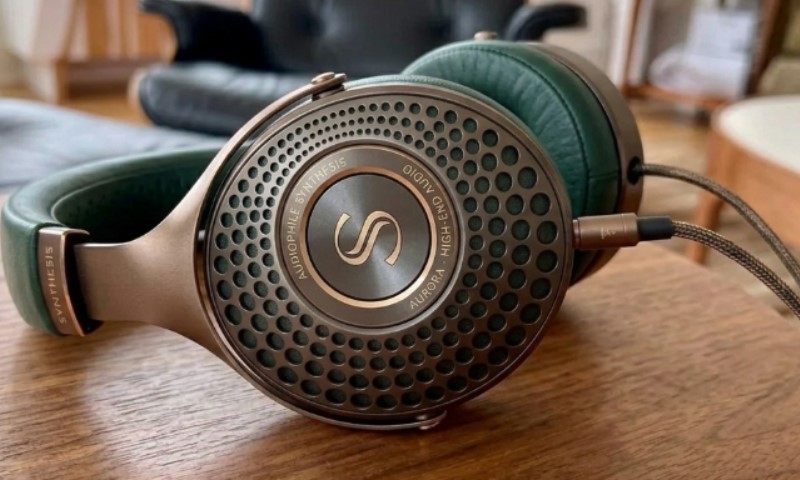
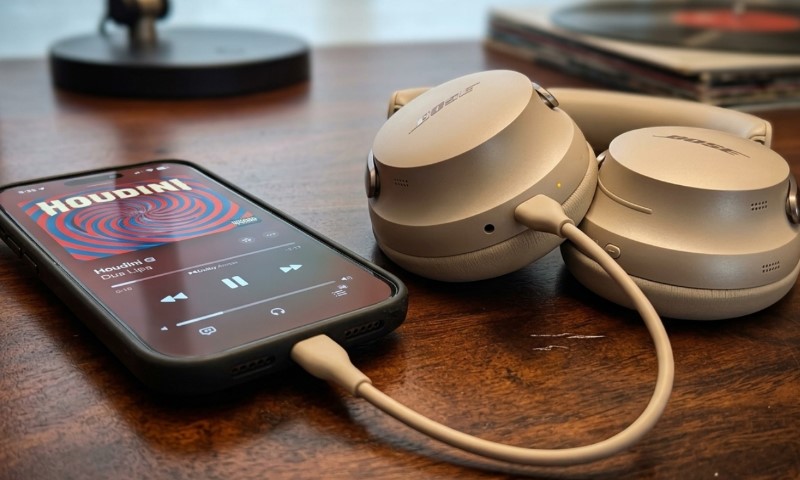
    Wired headphones are seeing a 2026 resurgence because they solve those annoying friction points wireless tech introduced: dead batteries, flaky pairing, pricey replacements, lag, and short lifespans. This isn’t just about nostalgia; it is about choosing tools that actually work when you need them to.

    Following half a decade of steady declines, Circana noted that wired audio grew 3% in 2025, then jumped 10% late that year, before revenue spiked 20% in early 2026. Cost is a factor too: average wired prices sat near $13 in 2025, while Bluetooth models averaged a much steeper $99.

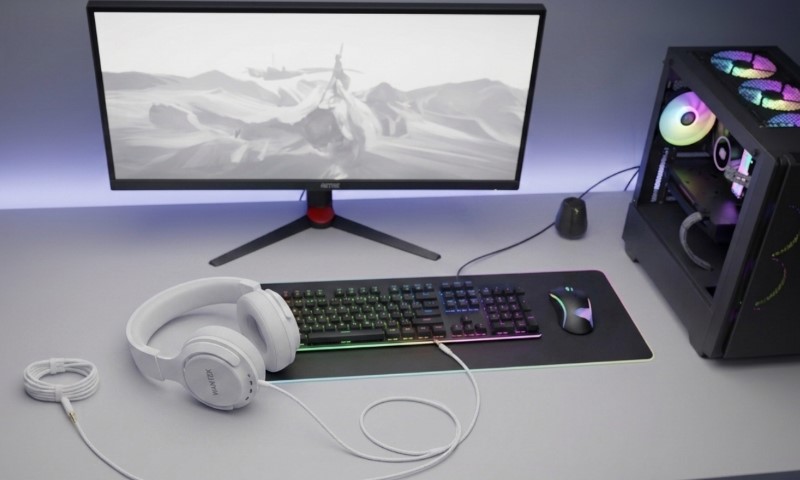
    Bluetooth still leads for gym sessions and active noise canceling, but cables are becoming a conscious lifestyle choice for students, creators, and gamers. Many users are simply tired of the mental load that comes with managing yet another battery in their daily rotation.

    Behind the Analog Comeback

    Wired headphones are more affordable and more reliable

    This shift is driven by value, reliability, and aesthetics. A $19 pair of USB-C Apple EarPods might seem basic compared to premium AirPods or Sony buds, but that low price point changes how we buy. Apple prices its USB-C EarPods at $19, making them the perfect stress-free backup to keep in your bag.

    Reliability is the second major win. Wired sets don’t need firmware, apps, or pairing rituals. Plugging in feels refreshing when your wireless buds die mid-meeting, refuse to sync with your laptop, or create that awkward audio delay while you’re trying to watch a video.

    Then there is the look. Once seen as “old tech,” cables now signal a relaxed, intentional vibe alongside film cameras and flip phones. Circana linked this trend to a wider hardware rebound, highlighting that digital point-and-shoot sales actually surged by 93% throughout 2025.

    Wired vs. Wireless: The 2026 Landscape

    The choice isn’t just about “better” or “worse” anymore; it is about the right tool for the job. Bluetooth has improved significantly; the Bluetooth SIG confirms that LE Audio and the LC3 codec now provide high-quality sound, especially if listening to .flac formats, with lower power needs and cool features like Auracast.

    Despite these digital leaps, the physical cable offers some very practical “quality of life” perks for your daily routine.

    Feature Wired headphones Wireless headphones
    Battery No headphone battery Earbuds and case need charging
    Price Often much cheaper Higher average selling price
    Setup Plug in and play Pairing and device switching required
    Latency Usually very low Varies by codec, device and app
    Repairs Simple models can last years Tiny batteries can limit lifespan
    Noise cancellation Rare in cheap wired models Strong ANC on premium models
    Exercise use Cable can get in the way Better for running and gym sessions
    Sound quality Strong value at low prices Excellent at premium levels

    Wireless is still the king of travel and heavy workouts. Wired takes the win for budget-friendly reliability, long gaming sessions, and all-day office work where you just want to listen without worrying about a charging cable or a battery percentage.

    The Economic Logic

    Wired headphones are impossible to lose, unlike wireless headphones and earbuds

    Honestly, the biggest driver is your wallet. Between inflation and subscription fatigue, buyers are getting smarter about accessories.

    If you lose a pair of earbuds twice a year, shelling out another $200 for premium wireless sets starts to feel like a very bad investment.

    Cables lower the stakes. Losing a $15 pair is a minor bummer; losing premium wireless buds feels like losing a piece of expensive hardware. This price gap is exactly why wired audio is so popular with students and families who need to buy multiple pairs at once.

    Cheap doesn’t have to mean “tinny.” In a 2026 evaluation, TechRadar highlighted that Sennheiser’s $40 CX 80U buds deliver solid range and 9.7 mm drivers.

    They called them a fantastic budget pick, though they lack waterproofing and inline volume: trade-offs that many are willing to make for the price.

    How USB-C Fixed Everything

    While the 3.5 mm jack hung on in pro gear, mainstream phone makers definitely pushed us toward Bluetooth. As Business Insider reported, the iPhone 7’s 2016 move to drop the jack was the catalyst that forced the world into the wireless earbud era we lived in for years.

    Now, USB-C is the great equalizer. Phones, laptops, and tablets finally share a port family. You can plug the same buds into an iPhone, a PC, or an Android tablet without a drawer full of adapters. EU common charger rules accelerated this, mandating the port for small electronics by late 2024 and laptops by early 2026.

    This means wired headphones no longer feel like a “legacy” workaround. A single USB-C pair is now a versatile tool that works across your entire tech stack, from your gaming handheld to your work machine, assuming the device is built to handle the audio out.

    Beating Battery Fatigue

    Battery fatigue is a real burnout. It is the stress of managing levels for your watch, phone, laptop, and tablet. Adding wireless earbuds, and their charging case, to that list is just one more chore. Sometimes, you just want to listen without checking a status bar.

    Longevity is the other concern. iFixit gave the 2025 AirPods Pro 3 a repairability score of 0, noting in their Pro 3 teardown that those tiny lithium cells are basically glued shut and disposable once they inevitably lose their charge capacity.

    Wired sets don’t have that expiration date. Sure, cables can fray, but there is no internal battery that will turn your headphones into paperweights after two years. For anyone who likes gear that lasts, the “buy it once” durability of wired headphones is a massive selling point.

    Performance and Zero-Lag Audio

    For casual Spotify or podcast listening, Bluetooth is usually fine. Most people don’t need a studio setup for their commute. Modern codecs have really closed the quality gap, particularly if you are willing to invest in high-end, premium wireless hardware.

    But wired still holds two big technical cards. First, you avoid Bluetooth compression and potential signal interference. While the actual sound depends on your gear and files, removing the wireless variable makes your audio chain much more consistent and reliable.

    Second, latency is a non-issue. Gamers and video editors need audio to be instant. A few milliseconds of delay doesn’t matter for a book, but it is a dealbreaker for rhythm games or competitive shooters where you need to hear exactly when an action happens.

    If you’re editing social content on your laptop, you probably care more about dialogue sync and having a reliable connection than noise canceling. Knowing your audio won’t cut out or lag before you finish your project is a huge relief for creators.

    From Trend to Practical Habit

    Overall, wired headphones are more practical

    Fashion put cables back on the map, but the utility is what made them stay. They fit that “intentional tech” vibe: using notebooks, dumb phones, and wired buds to create a more focused environment with fewer digital interruptions throughout your day.

    There is also the “do not disturb” factor. Wireless buds are easy to miss, leading to constant interruptions. A visible cable is a clear social signal to coworkers or family that you are “in the zone” and currently busy with a call or a task.

    Plus, there is the privacy angle. No apps, no Bluetooth permissions, and no account logins required. Just plug in and listen. That level of simplicity is incredibly appealing to anyone who is feeling a bit overwhelmed by the “smart” everything movement.

    Is Wired Right for You?

    Cabled headphones are the smart move if you prioritize low cost, zero-fail reliability, and long-term durability over the sheer convenience of a wireless connection.

    Wired is a great fit for:

    • Students needing durable, affordable gear for school work
    • Remote professionals who hate Bluetooth device switching
    • Competitive gamers who need zero audio lag
    • Podcasters, video editors, and music producers
    • Frequent travelers who need a “never-die” backup pair
    • Parents tired of replacing lost or broken wireless earbuds
    • Anyone who just wants one less thing to charge at night

    Wireless still wins for running and commutes where you need active noise cancellation. If you are constantly on the move or in noisy environments, premium Bluetooth headphones are still a very solid investment for your daily life.

    Buying Tips


    View this post on Instagram


    A post shared by Tolulope Kolade (@tcode_70)

    The biggest pitfall is buying the wrong plug. Before you pull the trigger, double-check your primary device to see which connection it actually uses.

    The Connector

    Go USB-C for new phones and laptops. Keep the 3.5 mm for pro audio gear or plane seats. Avoid Lightning for iPhone unless you’re planning to stick with an older model for several years.

    Mic Quality

    Cabled buds can be great for calls, but some models skip the mic entirely. Look for “inline remote and mic” if you plan on using them for your Zoom or FaceTime sessions.

    Fit and Comfort

    Silicone tips are better for isolation, while open-plastic designs (like classic EarPods) are often more comfortable for long workdays, even if they let in a little more background noise.

    Build Quality

    A flimsy cable is fine for a backup set, but for your daily driver, look for reinforced stress points near the plug and a decent case to prevent that classic pocket tangle.

    Compatibility Check

    USB-C audio is usually easy, but cheap adapters can be hit or miss. If you want high-end sound, a small USB-C DAC will give you better volume and cleaner audio across your devices.

    Final Reality Check

    Wired is back, but it isn’t “replacing” wireless. Bluetooth still owns the majority of the market. A report from Future Market Insights suggested wireless would still hold a 58.4% share in 2025.

    Think of this as a meaningful market rebound. It shows that buyers are weighing factors like price, repairability, and mental load alongside convenience. Sometimes, the “old” way is just the more logical way.

    Wrap Up

    The wired revival happened because we realized that not every tool needs a battery and an app. Sometimes, you just want to plug in and go.

    Wireless is still amazing for hands-free movement, but wired gear wins on value and reliability. It is about having the right tool for the right moment.

    This comeback is part trend, part practical choice. A cable might look retro, but the real benefit is simple: you plug in, you listen, and you stop thinking about the hardware.

  • Atavia – To The Old Ones CD

    When you dive into the depths of the Polish underground scene, you frequently uncover hidden gems that refuse
  • LIVE: Outbreak Festival 2026 – Saturday

    Day two of Outbreak 2026 sees the opening of a larger outdoor stage, which subsequently becomes the festival’s main stage. It’s a mixed blessing given the blistering sun which reflects off the surrounding concrete into the melting eyes of an audience of punks. Nonetheless, with three stages and a full day of programming, today has an altogether grander feel.

    One of the day’s quirks is the World Cup screening of England Vs Panama that closes out the third stage, which means a number of attendees arrive sporting the peculiar combination of band t-shirt and bucket hat. Many of them attempt to end their evening positioned judiciously between stages so as to simultaneously listen to Converge and watch Harry Kane. Nonetheless, the dedicated fanbase associated with hardcore and metal remains ever-present, as does the supply of innovative festival performances.

    Words: Ben Williams

    Truck Violence

    There’s something refreshing straightforward about the sludgy riffs that howl from the Marshall amps forming Truck Violence’s backdrop, even if the reality is more complex. The shirtless and tattooed Karsyn Henderson’s feral vocal performances belie the Canadians’ smartly crafted combinations of hardcore and folk. It’s a unique sound that’s further bolstered by the banjo added to ‘Guns buried in the front yard’ – a perfect contrast to the sludgy ‘Drunk to death’, which has the band at their most imperious.

    Reclus.É

    Having recently toured with A Perfect Circle, the duo of Soren Bryce (Tummyache) and musician/DJ Daniel P Carter deliver a balance of soaring melodies and piercing screams that show off Bryce’s depth as a vocalist. ‘Fire With Fire’ offers bite and grit, while some the less heavy moments have a more lugubrious demeanour. For an early afternoon performance in the sweltering heat, it’s an impressively dynamic showing from one of the lineup’s most creative performers.

    Bodyweb

    Bodyweb are insistent. “Get on the fucking stage,” yells frontman Louis Hardy. The band hasn’t actually played a note yet – they’re just that overwrought. Everything about this band is over-the-top, even down to the way their logo pulsates behind them like a radiation warning. Clearly worshippers of nu-metal, there are shades of Korn when we’re told to “get the fuck up” and touches of Slipknot when bizarre and off-kilter jungle breakdowns are shoe-horned amongst two-note riffs. It’s far from the most inspired of performances, especially given just how indebted the band are to their influences, but there’s still something enjoyable about the brute-force of Bodyweb’s antics.

    Static Dress

    Billed as ‘???’, Outbreak 2026’s mystery act is not Title Fight, despite the optimistic rumours and Static Dress’ decision to cheekily open with the intro to ‘Safe In Your Skin’. To add to the confusion, they jokingly introduce themselves as Guilt Trip (one of the other rumoured bands for this slot) but after much trolling, it is finally understood that the individuals standing on stage – who are clearly the members of Static Dress – are indeed the members of Static Dress. Despite a handful of individuals leaving upon realising this – did they really expect Title Fight? – the Leeds band are monstrously energetic, almost to a fault given the slightly forced shouts of “why the fuck are you standing still” from vocalist Olli Appleyard. It’s an overall consummate performance, but one that is more defined by the band who aren’t there than the one that is, thanks in no small way to Static Dress’ mischievousness.

    Touché Amoré

    Ten years on from the release of Touché Amoré’s ‘Stage Four’, the band arrive at Outbreak Festival ready to perform the album in full, much to the joy of one of the weekend’s most ecstatic fanbases. That said, no attendee quite matches the apparent happiness of vocalist Jeremy Bolm, who appears to be positively beaming at the occasion. Guitarist Nick Steinhardt meanwhile braves the heat in a full jacket for the opening portion of the show before eventually succumbing to the heat and removing it. The event brings with it a celebratory feel that’s devoid of the tough-guy nonsense that occasionally belittles the post-hardcore genre. Bolm’s decision to walk into the crowd sees him swamped by his adoring fans like he’s one of The Beatles. One gets the feeling that, while it’s not one for the newcomers, the already-converted will treat this as the weekend’s highlight.

    Lip Critic

    Bret Kaser and Connor Kleitz face each other with a couple of beefy electrics/sampling units between them. Their flanked by the band’s two drummers, whose in-unison bashing forms something akin to the backbeat of New York ‘90s hip hop. – apropos for four Brooklynites. Together, Lip Critic produce maximalist electronic hardcore that stands apart from the festival’s array of guitar-centric bands by offering a pleasingly feral energy. Kaser’s vocals are savage; he sounds more creature than human as he growls his way through songs from the band’s recent album ‘Theft World’. Other songs like ‘Sermon’ are ominous, with the listless Kaser bouncing amongst band members, conducting chaos as he goes.

    Upchuck

    The high ceilings of the BEC Arena do few favours for Atlanta’s Upchuck. The room gobbles up the intricacies of the band’s music, rendering the politically-conscious lyrics of vocalist KT difficult to hear. While the content of Upchuck’s words don’t necessarily translate, she nonetheless yells through the most savage of punk songs with ruthless aggression. The scraping of guitar against cymbals, a drummer who mid-set becomes the vocalist, and the combining of gritty bass tones and droning guitars remain remarkable, despite the muddiness of the acoustics.

    High Vis

    High Vis are one of the weekend’s tightest performers. The band seem to share a telepathic relationship as they traverse songs that contain as much pain as they do hope. It’s all centres on Graham Sayle, a passionate frontman whose honestly between songs is as inspired as his charismatic vocals. He delivers a lengthy speech about friendship and the importance of speaking to others during difficult times, with Sayle drawing upon his own experiences with alcohol with a stark honesty. By framing past difficulties as exactly that – in the past – the future looks bright. It means that his subsequently Olympian-like stage dives become euphoric displays of uninhibited joy.

    Pup

    Canadian pop-punkers Pup offer something lighter than the hardcore that dominates much of the weekend. This, alongside a fleeting downpour, delights a crowd that welcome the rain as much as a singalong. ‘Kids’ and ‘Reservoir’ offer the latter, as does the featuring of a selection of songs from the band’s debut album, ‘The Dream is Over’. The decision to so heavily feature a now decade-old album is in keeping with the nostalgia that has imbued the festival. Nonetheless, there remains an exciting rawness to the music. “I’m not gonna say very much, we’re just gonna fucking rip,” says frontman Stefan Babcock, which pithily summarises the experience.

    Higher Power

    For not the first time this weekend, a Leeds-based hardcore band take to Outbreak 2026. Having been recommended by High Vis a few hours prior, Higher Power draw from the aesthetics of ‘90s alternative rock to deliver something rather aloof. The band are mostly backlit, making it difficult to see anything more than a few profiles. This combines with the hazy guitars to create a unique atmosphere, over which High power blast through their set with workmanlike efficiency. With drums that are de-tuned to the point of sounding like timpani, and guitars that sounds ready to raw, it sums to an impressive showing.

    Loathe

    They’ve consistently performed live in recent years, but Liverpudlian’s Loathe haven’t released an album since 2021’s instrumental and ambient ‘The Things They Believe’. Knowing that another is on the way this summer means that the mere appearance of the band’s on-screen logo is enough to bring a sense that, though they never went away, Loathe are back. They’re old-fashioned in some ways – four musicians dressed in black playing heavy metal music. In reality, these songs are some of the weekend’s most complex. The 6-minute ‘Screaming’ shows off instrumental prowess and crunching riffs, all alongside Kadeem France’s talismanic charisma. “This is our favourite festival to play ever,” says France. It sounds like a trope, but given the symbiotic relationship between band and audience, it’s not so difficult to believe.

    The Armed

    Various performers at Outbreak 2026 could be described as chaotic. The Armed, however, take things further. In an unhinged display of madness, The Armed create pandemonium as soon as they clatter their way through the opening moments of ‘THE MUSIC BECOMES A SKULL’. Musicians are crowd surfing (with their instruments), a saxophone is made to sound like a pained animal, and ‘ALL FUTURES’ manages to manifest a mosh pit on the stage itself. Converge’s Jacob Bannon joins for a cover of ‘Homewrecker’ and bedlam ensues once more. For some, it’s sensory overload. For others. it’s a cathartic release. But for all it’s a performance that’s impossible to turn away from.

    Alexisonfire

    “Alright,” screams George Pettit. “This is from our hearts,” responds the jubilant crowd, as Alexisonfire launch into ‘Drunks, Lovers, Sinners and Saints’. It’s been twenty years since the genre-defining ‘Crisis’ was released. Two decades on and much has changed. Pettit looks less tough-guy and more avuncular coworker; endearing with his floppy hair and leather jacket. Vocally, he sounds largely unchanged, as does Dallas Green, whose cleanly delivered vocals sound remarkably youthful. It’s a curiously young crowd in attendance, some of whom were likely too young to remember ‘Crisis’ upon its 2006 release. It results in a charming cross-generational audience of students and masters, all standing before Alexisonfire’s titanic presence.

    Converge

    There have been many whole-album performances across the weekend. This penchant for the music of the past brings mixed emotions. At times it is celebratory, while at others it feels regressive. Ideally, bands should remain innovative, with each new release able to sit alongside older songs with seamless integration. Converge are one of very few to get this right. Opener ‘Love is Not Enough’, the title track from one of two albums released this year by the metalcore legends, sends their audience into as much of a frenzy as classics like ‘Conduit’ and ‘Concubine’. Over three decades into what is becoming an illustrious career, Converge eschew nostalgia with new music that is every bit as gutsy as the band they were all those years ago.

  • From the Jukebox to the Smartphone: How a Generation Took Its Entertainment Everywhere

    There was a real ritual to it, wasn’t there. You walked into the caff or the pub or the youth club, you fished a few coins out of your pocket, and you stood in front of that big glowing jukebox … Continue reading →

    The post From the Jukebox to the Smartphone: How a Generation Took Its Entertainment Everywhere appeared first on DMME.net.

  • Sabaton, Limp Bizkit And Mayhem Complete Our Hellfest 2026 Coverage

    Hellfest 2026. Photo: Luke Vaughan/MetalTalk

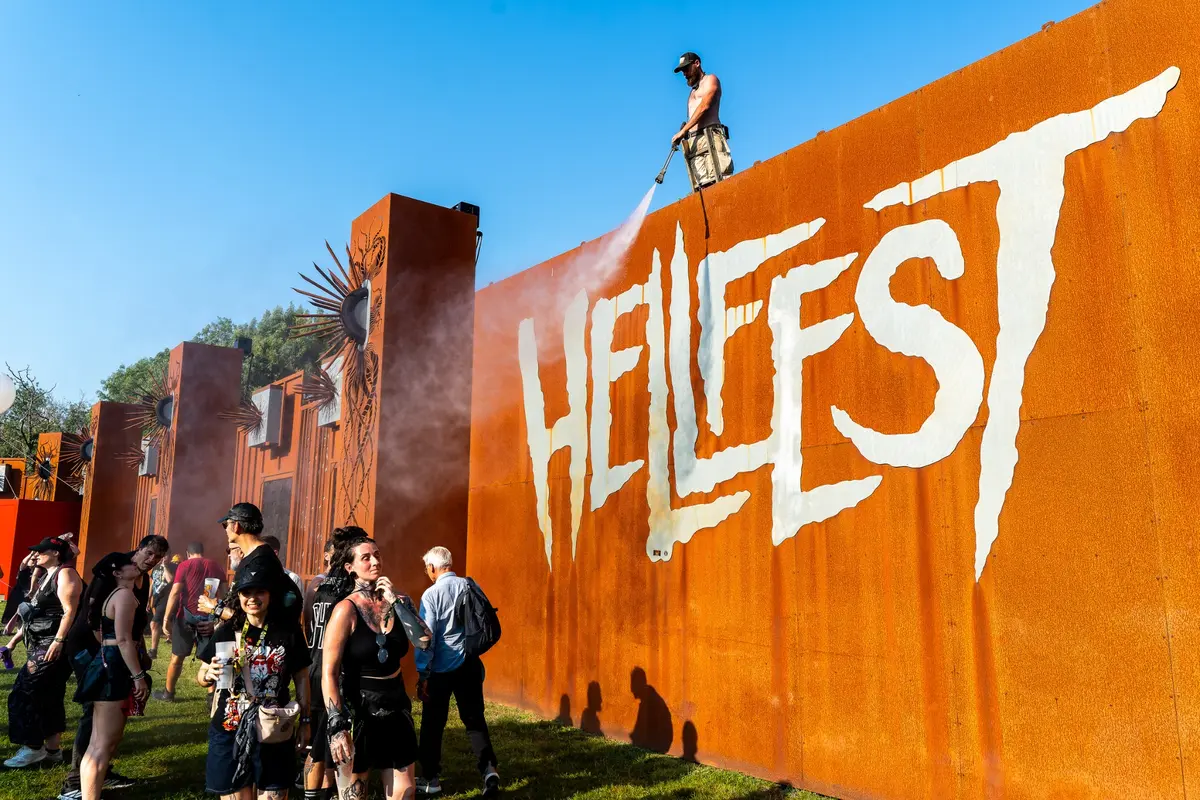
    Hellfest 2026. Clisson, France. Summer Solstice and Mayhem are bringing their Norwegian Black Metal to Hellfest’s Temple Stage. The buildup of heat under the canvas has just sent the Napalm Death guitarist off stage puking his guts up. France is under a red heatwave warning.

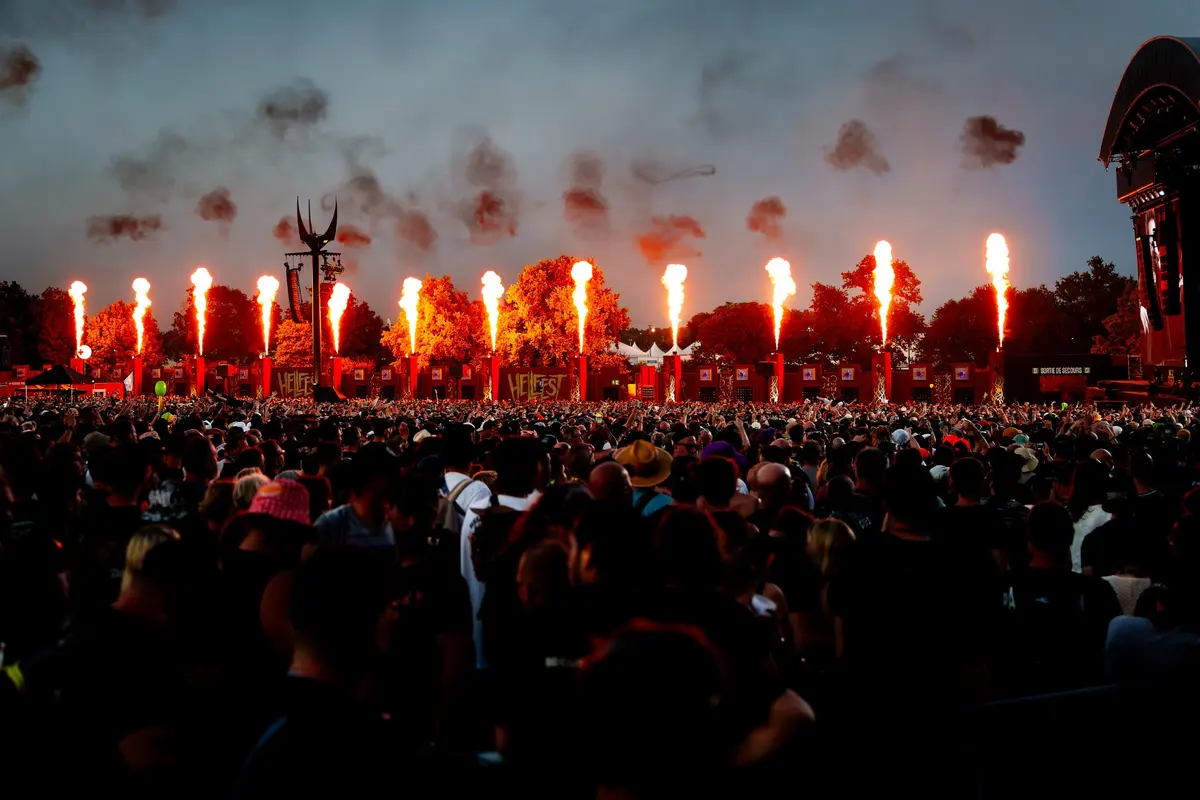
    In the distance, The Offspring, headlining main stage, can be heard. Over there, it is all massive crowds, pyro, light and pop punk fun. Here it is smaller, hotter, dark, spartan and ominous. This is Extreme Metal at its most physically demanding for fans and bands alike.

    This is my first time seeing Mayhem, and having seen the craziness at some of their gigs online, I was expecting a lot. But after four days of battering heat, the crowd is appreciative and listening rather than frenzied and furious.

    Mayhem - Hellfest 2026. Photo: Sean Titley/MetalTalk
    Mayhem – Hellfest 2026. Photo: Sean Titley/MetalTalk

    The movie Lords Of Chaos is a must-see. About the early years of Mayhem, it makes every insanity of your teenage years seem like child’s play in comparison. Necrobutcher (bass) is the only founding member of Mayhem still playing, another legend on stage at this weekend of the greats.

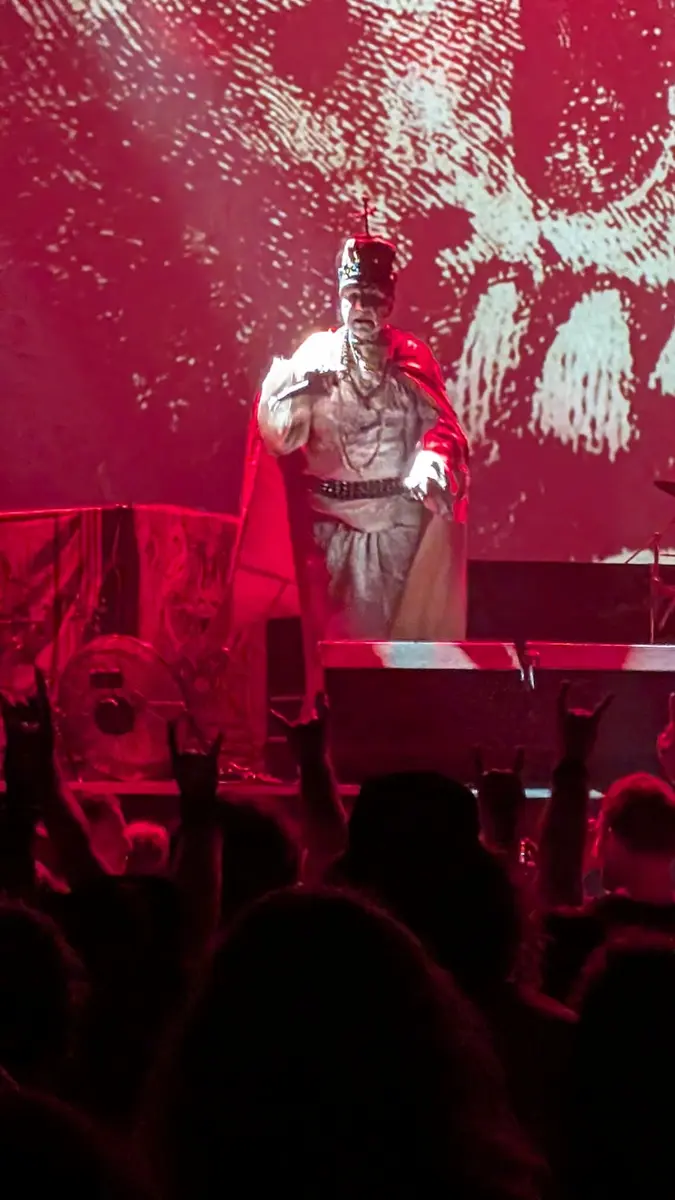
    Attila Csihar (vocals) changes costumes constantly. In the blackness, it is hard to appreciate the detail, but they are ritualistic outfits, a black magic pope, a blackened commando and a spikey gothic Lord, amongst others.

    His vocals, sung through a bone-covered microphone, tear into the air, sending your flesh crawling. Hellhammer (drums), Ghul (guitar), and Teloch (guitar) are all technically precise, poundingly intense and dissonant, creating an atmosphere worthy of hell.

    Mayhem - Hellfest 2026. Photo: Bogdan Bele/MetalTalk
    Mayhem – Hellfest 2026. Photo: Bogdan Bele/MetalTalk

    The atmosphere is aided by the festival toilets being emptied outside, which temporarily brings the smell of putrefaction to add to the unwavering acoustic macabre. Disgusting but bizarrely a nice touch, which I am assuming was unplanned by the band.

    The set list covers all eras of Mayhem, including opening with a couple of songs from their new album Liturgy Of Death. The classics Freezing Moon and From The Dark Past, from their first album De Mysteriis Dom Sathanas, get obvious roars of appreciation from the gathering.

    This festival has some of the largest, highest-resolution digital screens I have seen in my life, particularly on the main stages. But largely they have just been used to communicate to the back of the enormous arena what is going on at the front.

    This is where Mayhem’s show steps away from just being a band, as the film that forms their backdrop is integral to the show.

    This could be Spinal Tap horror parody, but in fact, the film is completely disturbing. My respect to whoever made this. A series of many pictures with one or two-tone colour imagery, a kaleidoscope of horror, matching each song with visual evil. Satan, the occult and brutal violence abound.

    Some images, such as during Freezing Moon, are simpler with an eerie moon on a blue background or a Transylvanian Dracula-style castle. 
    I was particularly keen to see if the band would take advantage of it being the witching hour on the summer solstice to do something unusual, but there was nothing, well, except for an image of a demon strangling a woman, presumably a virgin.

    Hellfest is brought to an end with an uplifting roar for the band. The audience has been immersed, disturbed and forever changed by the Mayhem onslaught.

    Hellfest 2026. Photo: Luke Vaughan/MetalTalk
    Hellfest 2026. Photo: Luke Vaughan/MetalTalk

    Limp Bizkit

    Limp Bizkit’s set takes the form of a giant speaker system, with the DJ behind it holding an open comic book about Ozzy Osbourne. Tributes to The Prince of Darkness are everywhere, and this is a sweet touch.

    Elsewhere on the set, a collection of cassette tapes, which looks like it covers fan favourites. This is a nu-Metal Headliner that is hotly anticipated by the crowd that stretches far, far back.

    Wes Borland (lead guitar) in a truly bonkers, steampunk witch doctor style gold and black ensemble arrives first, teasing a couple of opening chords from Megadeth, a homage to the Thrash legend that has just left the other main stage.

    Limp Bizkit - Hellfest 2026. Photo: Bogdan Bele/MetalTalk
    Limp Bizkit – Hellfest 2026. Photo: Bogdan Bele/MetalTalk

    Fred Durst (vocalist) bounces on with the rest of the band, looking like he has Dad Vibes and is about to go out for a Sunday Roast. A striped shirt and blue jeans are the antithesis of the rock god and set off Wes’s crazy outfit perfectly. 

    Amazingly, they opened with what must be their best-known number, Break Stuff, which sends the fan base in the front fields into a dancing frenzy, screaming the lyrics out. This is more easily done than usual as the lyrics to most songs are displayed on the digital screen throughout the show. This was a trick that did not float my boat. Fans do not need lyrics to get them to sing along. 

    The classic numbers get the crowd grooving from front to middle. I am told those watching further back were not buying into the gig so much, but in the thick of it, it was hot, fun and very physical dancing. 

    Light relief is provided by cuts from classic pop tunes, including Tainted Love by Soft Cell, to which they stick up a picture of Metallica looking shocked with the text “When Metallica hears Limp Bizkit”. There is always a tongue-in-cheek sense of humour.
     
    The covers of Faith (George Michael) and Behind Blue Eyes wow the crowd with their melody. A strange thing is how covers from other musical genres are often some of the very best Metal songs. 

    Limp Bizkit - Hellfest 2026. Photo: Bogdan Bele/MetalTalk
    Limp Bizkit – Hellfest 2026. Photo: Bogdan Bele/MetalTalk

    The life of Sam Rivers, their much-missed bassist, is celebrated with his picture on the giant digital screens and a minute of more peaceful music. 

    All the classics are rolled out, including Nookie, Rollin’, and My Generation. The audience is a bobbing, weaving mass. The pop culture nods continue with Fred shouting that he loves Tom Cruise and a picture of Tom in Action as they play the Mission: Impossible 2 classic Take A Look Around. 

    The bizarre start with the classic Break Stuff is ultimately explained when Bizkit finish with it too. The crowd goes wild one last time. A vintage night for the lovers of Limp Bizkit.

    Sabaton

    Sixty thousand plus people who have just had their socks blown off by Maiden is the challenge Sabaton walk out on stage to. This is the dream contrast of two titans. 

    Joakim Broden nails it early and acknowledges they are coming on after “the greatest band in the world” and admits they are “nervous” about it. Sabaton are standing on the shoulders of giants, and those giants have just left the stage immediately next door.

    As a massive fan of both bands, I was surprised by how one tone and aggressive Sabaton sounded initially, compared to Maiden. It is grating, but the Swedes know how to throw a party, and this passed very quickly. 

    Sabaton - Hellfest 2026. Photo: Sean Titley/MetalTalk
    Sabaton – Hellfest 2026. Photo: Sean Titley/MetalTalk

    Opening with Panzer Elite, red fireworks launch into the sky, and the pyrotechnics turn the arena into a cauldron of warming fire. Sabaton are in their familiar camouflage outfits, with the drummer, Hannes Van Dahl, with his drum kit on top of an enormous tank, flanked by smaller army vehicles. A giant digital screen projecting images from their songs behind. 

    Classics pour from the stage. Primo Victoria, Bismarck, The Red Baron. The crowd singing and clapping along to every tune, helped by the key lyrics projected onto the digital screens. The atmosphere is more muted compared to Maiden. The literal streams of crowd surfers have stopped, and the mood is less fevered. However, they are clearly enjoying themselves.

    Christmas Truce is poignant and magical with mobile phone torches waving from side to side. From their latest album Legends, I, Emperor, about Napoleon’s genius, is accompanied by a French-speaking actor in full outfit who speaks to the majority of the audience in their native tongues, getting plenty of laughs.

    A chorus of six French singers provides a different sound and support for Joakim. Their continued theatrical and musical invention is very welcome.

    There is a very schoolboy prankster side to the band too, with their guitarist, Chris Rorland, sticking plectrums to Joakim’s sweaty head, mid-song. Also, jokes about their other guitarist, Thobbe Englund, going for a “rectal examination” when he disappeared off stage for some unknown technical reason. 

    Sheer silliness ensues at the end with what Joakim describes as their “Best, worst song,” Swedish Pagans and the crowd chanting “woah, oh oh…oh oh woah oh oh” back and forth with the band. 

    To a spectacular firework finale and flames across the arena, Sabaton take their bows. Maiden not forgotten, but Sabaton are also victors in the Hellfest fields.

    Hellfest 2026. Photo: Luke Vaughan/MetalTalk
    Hellfest 2026. Photo: Luke Vaughan/MetalTalk

    HELLFEST 2026

    Prepare to be consumed by the relentless energy of the most influential bands in Heavy Metal as they ignite the Hellfest stages with blistering performances. The immersive atmosphere of Clisson will immerse you in a dark, captivating experience like no other.

    With its unparalleled lineup and unwavering commitment to the spirit of metal, Hellfest 2026 promises an unforgettable journey into the depths of sonic mayhem. Read all the Heavy Metal News at MetalTalk.

    MetalTalk Hellfest 2026 coverage can be found at https://www.metaltalk.net/tag/hellfest-2026.

    This year’s MetalTalk team is:

    Bogdan Bele

    Sean Titley

    Photography: 

    Luke Vaughan

    For Hellfest 2025, visit https://www.metaltalk.net/tag/hellfest-2025.

    For Hellfest 2024, visit https://www.metaltalk.net/tag/hellfest-2024.

    For Hellfest 2023, visit https://www.metaltalk.net/tag/hellfest-2023.

    For Hellfest 2022, visit https://www.metaltalk.net/tag/hellfest-2022.

    The post Sabaton, Limp Bizkit And Mayhem Complete Our Hellfest 2026 Coverage first appeared on MetalTalk – Heavy Metal News, Reviews and Interviews.
  • Steve Hackett And Steve Rothery – Announce Collaborative Album, Debut Song

    Two titans of progressive music, guitarists Steve Hackett (Genesis) and Steve Rothery (Marillion), have just announced The Roaring Waves, an atmospheric instrumental album shaped by memory, imagination, and the elemental power of the sea. The record has been much talked about over the years, and it will now finally see the day on the 28th of August 2026 via InsideOutMusic. The first single “The Black Sea” is out now. You can watch the video here.
    Read more…
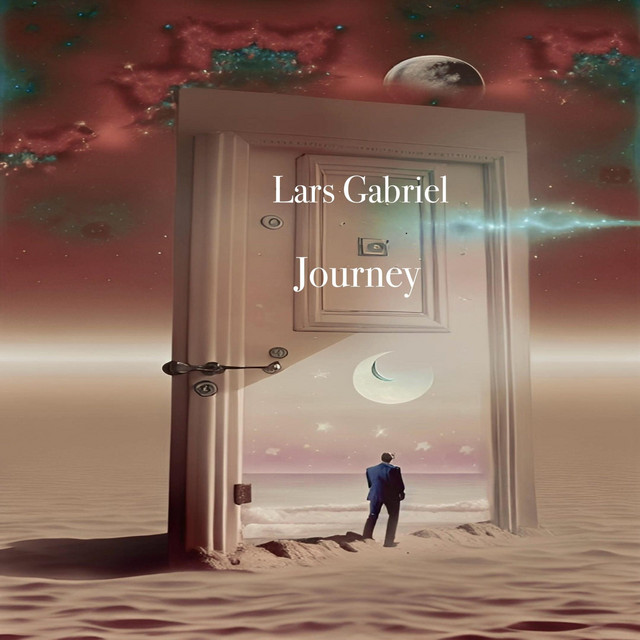
  • Listening Now : Lars Gabriel – Journey

    Lars Gabriel delivers an expansive sonic experience with Journey, a mesmerizing blend of synth-pop, indie rock, and dream pop that explores identity, perception, and the search for meaning. Ethereal synths, shimmering guitars, and cinematic production create an immersive atmosphere, while the emotive vocal performance guides the listener through the song’s introspective themes. The arrangement evolves with patience and purpose, balancing experimental touches with memorable melodies that never lose their emotional core. Moody, atmospheric, and thought-provoking, Journey is a richly textured composition that invites repeated listens, revealing new layers and interpretations each time.

    Connect:

    Instagram

  • “Only badass mofos get to play in Queens Of The Stone Age.” The story behind QOTSA’s modern rock masterpiece Songs For The Deaf

    California‘s Palm Desert might not be a location immediately synonymous with punk rock, but, just like CBGBs in New York and The Roxy in London, this arid wasteland incubated a rebellious DIY music scene whose impact still resonates. Inspired by local skateboarders’ imaginative quests to find new spaces in which to ride, bands such as Yawning Man and Across The River sought out desolate locales in which to spark up, plug in portable power generators and rock out, out of sight of the authorities.

    Fuelled by beer, weed, acid and crystal meth, these impromptu, free-for-all assemblies became the stuff of local legend. And it was here that the teenage Josh Homme served his musical apprentice, in Kyuss, a brooding, intense, psychedelic punk band completed by his high school buddy Nick Oliveri on bass, vocalist John Garcia and drummer Brant Bjork.

    “We were a little young to go to see Black Flag and the Misfits and GBH and Discharge without getting killed,” Homme recalled, “so we ended up creating what we wanted to hear those bands evolve into. In the desert, it was about having to make your own thing, and being isolated enough to do it without anyone fucking with you.”

    Kyuss ended up recording four studio albums, peaking with 1994’s Welcome To Sky Valley, before imploding acrimoniously.

    “Business started to dictate what we were doing,” says Brant Bjork, “and the spirit of creativity and camaraderie and brotherhood, all that made our band pure and organic, started to evaporate.”

    It would have been all too easy for Josh Homme, the band’s most charismatic and confident character, to re-emerge from the wreckage with a vehicle which traded upon the cult success that his former band had enjoyed. Instead, following a summer serving as a touring guitarist in Screaming Trees, Homme purposefully took a hard left, renouncing stoner rock for something altogether more nimble, more abstract and more sensual.

    With Queens Of The Stone Age, ‘The Ginger Elvis’ aspired to create “trance robot music… heavy enough for the boys and sweet enough for the girls.”

    Inspired in equal measure by The Stooges, Misfits, Discharge, Can, Frank Sinatra, Roy Orbison and Johnny Cash, the band’s self-titled 1998 debut album, with its motorik riffs, studied minimalism, louche Rat Pack swagger and obvious disdain for hard rock orthodoxy, represented both a razing of the past and a signpost to new horizons.

    Is rock’n’roll in trouble Is it drowning somewhere and I don’t know?

    Josh Homme

    The wired, unhinged and stylistically promiscuous Rated R was an even bolder leap forward. Introduced by the remarkable Feel Good Hit Of The Summer, on which Judas Priest frontman Rob Halford joined Homme and his berserker sidekick Oliveri to deliver a verse resembling a junkie’s letter to Santa (“Nicotine, Valium, Vicodin, marijuana, ecstasy and alcohol”) and a single word chorus – the word “cocaine” gleefully stretched like bubblegum – it saw QOTSA anointed as “the new saviours of rock music” by broadsheet newspapers and fashionista style mags, much to Homme’s bemusement.

    “Is rock’n’roll in trouble?” he asked drolly. “Is it drowning somewhere and I don’t know? I’ve been listening to good rock music since I was a kid. I mean, I love our music, and I want other people to love it as well, but I just don’t know that rock needed saving.”

    Homme was right, obviously, but with Rated R racking up 100,000 UK sales. plus Album Of The Year accolades from Kerrang! and NME, his band were were now regarded as serious players in an industry which, via indie darlings The Strokes and The White Stripes, had suddenly fallen in love anew with guitar bands.

    “[Our label] have suddenly realised they’ve got this cool little band on their hands, all ready to go,” Homme observed. “It’s almost like a challenge to stay ahead now. Some people may say imitation is the most sincere form of flattery, but I say, Fuck you. Catch me if you can motherfuckers.”

    Expectations for the group’s third album were duly inflated… which Homme, forever a punk at heart, naturally interpreted as a green light to make Queens’ new songs louder, darker, weirder and more fucked-up.

    “There are a lot of people who like heavy music but don’t want to listen to Creed or nu-metal bands,” he reasoned. “I think we can offer something a little more esoteric.”

    “It’s a three-record plan,” Homme said at the time. “The first record needed to step away from Kyuss and announce a new sound, which was repetition, trance, and simplicity. Then the second record needed to fan the music out so we could display it and play whatever we wanted. So, the third record, to get it right, should combine the first two and go even further.”

    Sessions for the third Queens Of The Stone Age album began in October 2001, with Homme confident that he had amassed his strongest set of songs to date.

    Many of these had actually been recorded before, at the Rancho De La Luna in Joshua Tree, California, during the Homme-helmed Desert Sessions, freewheeling, spontaneous, experimental jam sessions involving the likes of PJ Harvey, Screaming Trees frontman Mark Lanegan, Masters Of Reality mainman Chris Goss (producer of three Kyuss album and both previous QOTSA long-players), Goatsnake/Earthlings’ vocalist Pete Stahl and more.

    Homme imagined that he could recreate the loose, organic feel of these sessions in the studio with Queens, but the vibe with new producer Eric Valentine was markedly different, regimented, meticulous and not altogether fun. To Homme’s fury, word began to filter through that “the adults”, the executives at Interscope Records, were expressing concern over the album’s direction, or, more specifically, its lack of direction.

    “To other people there seemed to be a lot riding on this record,” he noted pointedly, “and they ended up standing in our way trying to help. Our main thing we had to overcome was other people that were not involved with us and sort of pushing them to the side, whether gracefully or violently.”

    One man who voluntarily stepped away from the project after a mere seven days, due to other obligations, was Queens’ drummer Gene Trautmann. Fortunately, Homme had a back-up option, namely former Nirvana drummer-turned-Foo Fighters frontman Dave Grohl, a long-time friend.

    “I called Dave and said, Do you want to finish this record?” Homme recalled. “He said, ‘I’m in Malibu. I’ll be there at six o’clock’.”

    Being in Queens of the Stone Age was one of the greatest experiences of my life

    Dave Grohl

    “I first met Josh in 1992, at a Kyuss show at the Off Ramp in Seattle because he was touring with my friend Pete Stahl‘s band, Wool, and The Obsessed,” Dave Grohl told this writer in 2009. “This was the first time I’d seen Kyuss and I was blown away, they were fucking great. They seemed like us, like kids who grew up in the suburbs listening to rock ‘n’ roll records, doing petty crime and drugs, just a little vandals from the middle of nowhere.”

    “Then we had QOTSA on tour with us for a really long time in 2000. Instead of putting ‘Queens Of The Stone Age’ on their dressing room door we used to put ‘Critic’s Choice’ because they were the coolest band in the world, and honestly, we thought that too. So in 2000, as we were touring with Queens, someone asked me what was my biggest regret of the year and I said that it was that I didn’t get asked to play on Rated R.

    “So Josh said, ‘Dude, if you want to play on a couple of songs…’ Then, that day, I was driving up the Pacific Coast Highway, going to the beach, and he called and said, ‘Do you want to play on our whole record?’

    “Josh and I have a connection musically that I just don’t have with anybody else: as a drummer, playing with him, we share this frequency that I haven’t shared with anyone else. It’s intangible and unspoken, almost like ESP. I made a U-turn, went straight to the studio, and we recorded the drums in like 10 days, maybe two weeks.”

    “Dave came in and made these songs that I thought were good, really phenomenal,” marvelled Nick Oliveri. “It uplifted not only our spirit, but us as players, including Josh: his playing on it really made everybody come forward. Dave was a champion of all things. He helped us in so many ways we could never repay the guy.”

    As the sessions finally gathered momentum, Homme hit upon a unifying concept to tie his band’s “eclectic, schizophrenic” new songs together: they would be presented as a selection of tracks aired on disparate radio stations dialled in on a night drive from Los Angeles to Joshua Tree, a road trip Homme had undertaken countless times.

    “When I’d do it, I didn’t have a stereo, all I had was a radio,” he recalled in 2002. “And it goes into weird religious stations and really bad, bad music on that trip through the middle of nowhere. I used to really enjoy the silence and then every once in a while the station you were at would all of a sudden let out a screech, and become a new station. I just wanted to bring that to a record somehow. It is kind of a concept record, but as if the word ‘concept’ didn’t suck.”

    The idea was a masterstroke. With friends such as The Cramps’ Lux Interior, Eagles Of Death Metal’s Jesse Hughes and Marilyn Manson bassist Jeordie White recruited to voice mock radio station idents – “KRDL… we spoil music for everyone”, “KLON… we play the songs that sound more like everyone else than anyone else” – the album was given continuity and cohesion.

    Crystallising QOTSA’s ‘last-gang-in-town’ outlaw cool, Songs For The Deaf is a wild, disorientating joyride into a grotesque world of sex, drugs, violence and death, laced with subtle black humour. On a diverse and challenging album, not everything quite worked – the scorched-earth punk of Six Shooter is disposable at best, while The Sky Is Fallin’ resembles a cast-off from co-producer Chris Goss’ Masters Of Reality – but when Homme’s band hit their mark, it’s irresistible.

    Opener You Think I Ain’t Worth A Dollar, But I Feel Like A Millionaire boasts a storming route one riff and a manic Nick Oliveri screaming “Gimme some more!”, First It Giveth deals with chasing narcotic highs, Another Love Song is surf guitar-driven Motown metal and Go With The Flow is a deathless ode to squeezing every last drop of pleasure out of life.

    Best of all is the kinetic No One Knows, a Josh Homme/Mark Lanegan co-write, where the thunderous interplay between guest Dave Grohl, Oliveri and Homme recalls Led Zeppelin at their most telepathically locked-in.

    Like its desert setting, this is music without horizons, all heat, light and awe-inspiring elemental power.

    Released on August 27, 2002, Songs For The Deaf debuted at number 4 in the UK, and peaked at number 17 on the Billboard 200 chart in the US. Its release was preceded by festival dates for the band, including an appearance at England’s Glastonbury festival, with Dave Grohl on drums.

    This was all the more notable because, at the time, Grohl was supposed to be in a Hollywood recording studio making the fourth Foo Fighters album, One By One, a fact that understandably alarmed his bandmates. Some wondered privately whether Grohl might ever return. For a fleeting moment or two, the thought crossed Grohl’s mind too.

    You invited the outsider in, and now the outsider’s gonna fuck things up

    Josh Homme

    “I did a one-off show with Queens at the Troubador [on March 7, 2002],” Grohl recalled, “and we walked offstage and Mark Lanegan said – and this was one of the few things that Mark Lanegan ever said to me – ‘You know, it’d be a shame just to do that only once’. My decision was purely musical and motivational.

    “Being in Queens was one of the greatest experiences of my life. If you can say that you were a member of Queens Of The Stone Age that’s like wearing a patch on your chest that says ‘I Am A Badass’ for the rest of your life, because the only people that get to play in Queens Of The Stone Age are badass motherfuckers, and that’s the truth.

    “Walking through the backstage area of a festival with Queens is like the moment in a Western where the saloon bar doors swing open and the piano player stops playing and everyone just stares. You have Josh, [Mark] Lanegan, [Nick] Oliveri and me walking in a straight line and it’s like being in the coolest gang. We never had a bad show. I was now playing drums in the best band I’d ever been in and fucking loving it.”

    This busman’s holiday ended for Grohl at the Fuji Rock festival in Japan in July 2002.

    “I started missing my friends,” he explained. “The Foo Fighters had become a family by this point and I’d been away from home for too long.”

    “I always knew that Dave was going to go back to Foo Fighters,” Josh Homme admitted. “I was always trying to intimate that this wasn’t something the other guys needed to worry about. But band people, and I mean this in a very blanket way, are very easily rattled, because many bands don’t last, and they’re such an unpredictable animal that it’s easy to get your confidence rattled.

    “What was great about that time was that Dave did go back, and that said that it’s possible to have a musical mistress: it would have been terrible if Dave had stayed in Queens because it would have eliminated and killed the suggestion that you can do multiple things. In a rare moment it had proved that having multiple personalities isn’t a bad thing for someone playing music. Once you feel you can do anything in music, that’s when you can get closer to God.”

    Asked to ponder his band’s new found popularity in 2002, Homme had this to say: “Kyuss got noticed because it didn’t give a shit if anyone noticed it. Bands now scratch and they claw. I don’t wanna show up and go, Please can I get into this club? I want someone to ask me. That attitude is the reason why it’s still fun. It’s like being a deliberate outsider. You invited the outsider in, and now the outsider’s gonna fuck things up.”

    Songs For The Deaf ensured that Homme’s band would be outsiders no more.